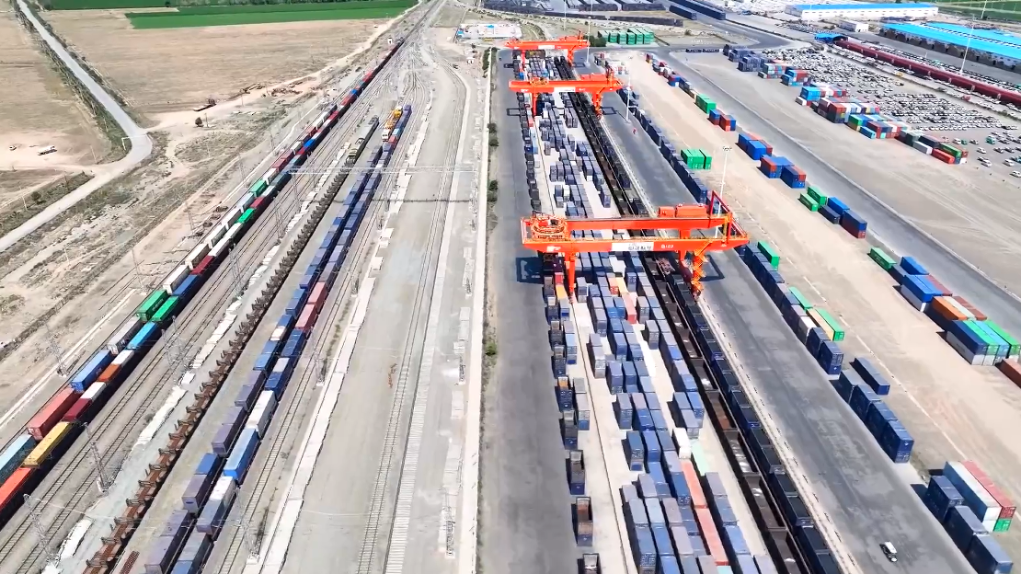
制度创新

Search documents
新疆自贸试验区打造对外开放新高地:挂牌两年来,贸易额实现快速增长
Ren Min Ri Bao· 2025-11-06 04:36
Core Points - The establishment of the China (Xinjiang) Pilot Free Trade Zone on November 1, 2023, marks a significant development in the region, covering Urumqi, Kashgar, and Horgos, and aims to enhance trade and economic activities [1] Group 1: Trade Growth - Since the establishment of the Xinjiang Free Trade Zone, the region's import and export trade volume has grown annually by 20% to 30%, consistently ranking among the top in the country [1] - In the first eight months of this year, Xinjiang's total foreign trade import and export value reached 356.31 billion yuan, representing a year-on-year increase of 25.4% [3] Group 2: Business Development - The Horgos area has seen a significant increase in business efficiency, with the introduction of a "three-in-one" joint review mechanism for pharmaceutical companies, reducing processing time from two months to less than ten days, saving over one million yuan in costs [2] - In the first eight months of this year, 6,663 new enterprises were established in the region, a year-on-year increase of 10%, contributing to one-third of the new foreign-funded enterprises in Xinjiang [2] Group 3: Logistics and Export Efficiency - The Horgos port has implemented a rapid customs clearance model, improving overall clearance efficiency by 80%, with 258,000 vehicles exported in the first eight months, an increase of 8.5% [3] - The introduction of a 24/7 customs clearance system and a "green channel" for agricultural products has significantly reduced delivery times and costs for exporters [3] Group 4: Institutional Innovation - The Xinjiang Free Trade Zone has introduced 54 supportive policies and delegated 45 economic and social management powers to enhance operational efficiency and attract investment [6] - The Kashgar Economic Development Zone has established a "two countries, double parks" model to foster cross-border cooperation and mutual benefits in industrial development [4][5]
做好“火车头”、当好“试验田” 新疆自贸试验区亮出二周年“成绩单”
Yang Shi Wang· 2025-11-05 08:25
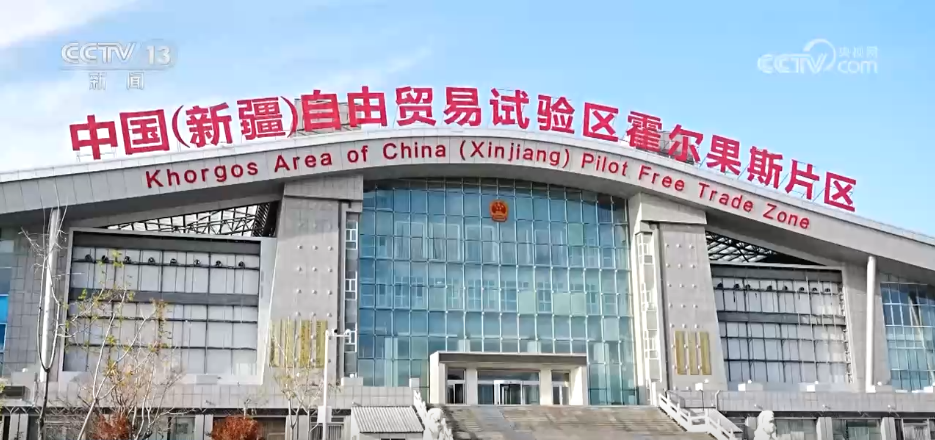
Core Viewpoint - The Xinjiang Free Trade Zone has successfully implemented innovative customs clearance methods, particularly in the Horgos area, enhancing the efficiency of automobile exports and attracting numerous enterprises to the region [1][3][8]. Group 1: Customs Clearance Innovations - The Horgos port has introduced a unique self-driving customs clearance model for new vehicles, allowing them to be driven directly across the border to Kazakhstan, which has significantly improved the export process [3][5]. - The new model allows one licensed vehicle to transport five unlicensed vehicles, streamlining the customs process and reducing the clearance time from 15 minutes to 5 minutes [7][8]. - The efficiency of vehicle clearance at Horgos has increased from 100-200 vehicles per day to over 2000 vehicles, demonstrating the effectiveness of the new customs procedures [7][8]. Group 2: Economic Impact and Business Environment - The Xinjiang Free Trade Zone has attracted over 4000 enterprises to the Horgos area alone, contributing to a total of 18,000 new businesses across the three zones in the past two years [8][13]. - The total import and export volume from January to September this year exceeded 155 billion yuan, accounting for 40% of the region's total trade [8][13]. - The establishment of a one-stop service center in the Kashgar area has facilitated rapid business setup, with new enterprises able to begin operations within nine months [10][13]. Group 3: Supportive Infrastructure and Services - The China-Europe Investment and Trade Promotion Center in Urumqi has formed partnerships with 11 countries, providing essential services such as policy consultation and trade promotion [11]. - The region has seen the development of a supportive business environment, with government initiatives aimed at reducing operational bottlenecks for enterprises [10][13].

专家学者展望“十五五”经济发展:“向外塑造”“向内改革”
Zhong Guo Xin Wen Wang· 2025-11-04 17:16
Core Insights - The forum emphasized the need for China to deepen reforms and expand openness to create a win-win situation amid global changes in economic governance [1][4] - Experts highlighted the importance of actively participating in the formulation of international economic rules and upgrading free trade agreements from quantity expansion to rule leadership [2][3] Group 1: Economic Strategy - The second China Free Trade Strategy Forum focused on the theme of "FTA-FTZ: China's 'External Shaping' and 'Internal Reform' Stress Field" [1] - The forum discussed the necessity for China to transform its approach from seeking "policy advantages" to promoting "institutional innovation" within its 22 free trade pilot zones [3] Group 2: International Cooperation - Experts reached a consensus on the need for China to enhance its engagement in international economic rule-making, especially given the challenges facing the multilateral trade system [2] - The forum underscored the importance of deepening economic cooperation with Global South countries [2] Group 3: Institutional Innovation - Specific paths for deepening institutional innovation were proposed, focusing on overcoming challenges in areas such as cross-border data flow, intellectual property protection, and green standards [3] - The forum highlighted the collaborative development mechanism between free trade pilot zones and free trade agreements, creating a dynamic "rule cycle" system [3] Group 4: Implementation Challenges - Experts stressed the need to address the "last mile" issue between policy and enterprise practice, advocating for digital tools and professional services to make trade agreements more accessible to businesses [3] - The goal is to enhance companies' capabilities in resource allocation, supply chain optimization, and technological innovation on a global scale [3]
人民日报看新疆 | 产业集聚,打造对外开放新高地
Ren Min Ri Bao· 2025-11-04 09:10
Core Points - The establishment of the China (Xinjiang) Pilot Free Trade Zone on November 1, 2023, marks a significant development in the region, covering Urumqi, Kashgar, and Horgos, and aims to enhance trade and economic activities [2] - Since its establishment, Xinjiang's import and export trade volume has grown at an annual rate of 20% to 30%, consistently ranking among the top in the country [2] Group 1: Development Opportunities - The Horgos area has implemented a "three-in-one" joint review mechanism for pharmaceutical companies, reducing the approval process from two months to less than ten days, saving over one million yuan in costs [3][4] - In the first eight months of this year, 6,663 new enterprises were established in the region, a year-on-year increase of 10%, contributing to one-third of the new foreign-funded enterprises in Xinjiang [4] Group 2: Trade and Logistics - The Horgos port has seen a significant increase in efficiency, with an 80% improvement in overall customs clearance efficiency due to the introduction of a rapid customs clearance model [5] - In the first eight months of this year, Xinjiang's total foreign trade import and export value reached 356.31 billion yuan, a year-on-year increase of 25.4% [5] Group 3: Institutional Innovation - The Xinjiang Free Trade Zone has introduced 54 support policies and delegated 45 economic and social management powers to the regional level, promoting institutional innovation [7] - The establishment of the "two countries, double parks" model in the Kashgar Economic Development Zone aims to enhance cross-border logistics efficiency by 50% [6]
人民日报看新疆丨产业集聚,打造对外开放新高地
Ren Min Ri Bao· 2025-11-04 08:41
Core Insights - The establishment of the China (Xinjiang) Free Trade Zone on November 1, 2023, marks a significant development in the region, enhancing trade and economic activities [3][8]. Group 1: Trade Growth - Since the establishment of the Xinjiang Free Trade Zone, the region's import and export trade volume has grown by an average of 20% to 30% annually, consistently ranking among the top in the country [3]. - In the first eight months of this year, Xinjiang's total foreign trade value reached 356.31 billion yuan, representing a year-on-year increase of 25.4% [6]. Group 2: Business Development - The efficiency of business operations has improved significantly, with the establishment of 6,663 new enterprises in the first eight months of this year, a 10% increase year-on-year [5]. - Since the zone's establishment, over 17,000 new enterprises have been set up, contributing to one-third of the new foreign-funded enterprises in Xinjiang and nearly half of the contract foreign capital scale [5]. Group 3: Logistics and Infrastructure - The introduction of a rapid customs clearance model at the Horgos port has increased overall clearance efficiency by 80%, with 258,000 vehicles exported in the first eight months, a growth of 8.5% [6]. - The implementation of a 7×24 hour customs clearance system has significantly reduced the time for local vehicles from 6 hours to 1 hour [6]. Group 4: Policy and Institutional Innovation - The Xinjiang Free Trade Zone has introduced 54 supportive policies and delegated 45 economic and social management powers to enhance operational efficiency [8]. - The establishment of the "Two Countries, Double Parks" model in the Kashgar Economic Development Zone promotes cross-border logistics efficiency by 50% [7].
新疆自贸试验区挂牌两年来,贸易额实现快速增长 产业集聚,打造对外开放新高地
Ren Min Ri Bao· 2025-11-04 00:42
Core Points - The establishment of the China (Xinjiang) Pilot Free Trade Zone on November 1, 2023, marks a significant development in the region, covering Urumqi, Kashgar, and Horgos, and aims to enhance trade and economic activities [1] Group 1: Trade and Economic Growth - Since the establishment of the Xinjiang Free Trade Zone, the region's import and export trade volume has grown at an annual rate of 20% to 30%, consistently ranking among the top in the country [1] - In the first eight months of this year, the total foreign trade import and export value of Xinjiang reached 356.31 billion yuan, representing a year-on-year increase of 25.4% [3] Group 2: Business Environment and Opportunities - The Horgos area has implemented a "three-in-one" joint review mechanism for pharmaceutical companies, significantly reducing the time and costs associated with regulatory approvals by 60% [2] - In the first eight months of this year, 6,663 new enterprises were established in the region, a year-on-year increase of 10%, contributing to one-third of the new foreign-funded enterprises in Xinjiang [2] Group 3: Logistics and Infrastructure - The Horgos port has seen a significant increase in efficiency, with an 80% improvement in overall customs clearance efficiency due to the introduction of a rapid customs clearance model [3] - The local vehicle customs clearance time has been reduced from 6 hours to 1 hour, enhancing the logistics capabilities of the region [3] Group 4: Institutional Innovation - The Xinjiang Free Trade Zone has introduced 54 supportive policies and delegated 45 economic and social management powers to enhance operational efficiency and attract investment [5] - The establishment of the "two countries, double parks" model in the Kashgar Economic Development Zone aims to foster cross-border cooperation and mutual benefits in industrial development [4]
产业集聚,打造对外开放新高地
Ren Min Ri Bao· 2025-11-03 22:20
Core Insights - The establishment of the China (Xinjiang) Free Trade Zone on November 1, 2023, marks a significant development in the region, enhancing trade and economic activities [1][6] - Xinjiang's import and export trade volume has seen an annual growth rate of 20%-30%, positioning it among the top regions in the country [1] Group 1: Development Opportunities - The introduction of a "three-in-one" joint review mechanism for pharmaceutical companies in the Horgos area has reduced the approval process from two months to less than ten days, saving over one million yuan in costs [2] - In the first eight months of the year, 6,663 new enterprises were established in the region, a year-on-year increase of 10%, contributing to one-third of the new foreign-funded enterprises in Xinjiang [2] Group 2: Logistics and Trade Growth - The Horgos port has implemented a rapid customs clearance model, increasing overall clearance efficiency by 80%, with 258,000 vehicles exported in the first eight months, a growth of 8.5% [3] - Xinjiang's total foreign trade value reached 356.31 billion yuan in the first eight months, reflecting a year-on-year increase of 25.4% [3] Group 3: Institutional Innovation - The Kashgar Economic Development Zone has established a "two countries, double parks" model to foster cross-border cooperation and enhance industrial connectivity [4] - Since its establishment, the Xinjiang Free Trade Zone has introduced 54 supportive policies and delegated 45 economic and social management powers to enhance operational efficiency [6]
新疆自贸试验区挂牌两年来 贸易额实现快速增长 产业集聚 打造对外开放新高地
Ren Min Ri Bao· 2025-11-03 22:20
Core Viewpoint - The establishment of the China (Xinjiang) Free Trade Zone marks a significant development in enhancing trade and economic activities in the region, with a focus on efficient logistics, institutional innovation, and increased foreign investment. Group 1: Trade Growth - Since the establishment of the Xinjiang Free Trade Zone, the region's import and export trade volume has grown by an annual average of 20% to 30%, consistently ranking among the top in the country [1] - In the first eight months of this year, Xinjiang's total foreign trade import and export value reached 356.31 billion yuan, representing a year-on-year increase of 25.4% [3] Group 2: Business Development - The region has seen the establishment of 6,663 new enterprises in the first eight months of this year, a year-on-year increase of 10%, contributing to one-third of the new foreign-funded enterprises in Xinjiang [2] - Since its establishment, the Free Trade Zone has cumulatively set up over 17,000 new enterprises, accounting for nearly half of the contract foreign capital scale in the region [2] Group 3: Logistics Efficiency - The introduction of a "self-driving export goods vehicle rapid customs clearance model" has improved overall customs clearance efficiency at the Horgos port by 80% [3] - The time for local vehicles to clear customs has been reduced from 6 hours to 1 hour, significantly enhancing logistics efficiency [3] Group 4: Institutional Innovation - The establishment of the "two countries, double parks" model in the Kashgar Economic Development Zone promotes cross-border cooperation and mutual benefits in industrial development [4] - A total of 54 support policies have been introduced since the Free Trade Zone's establishment, along with the delegation of 45 economic and social management powers to the regional level [6]
营造创新生态 让年轻人有盼头、有干劲
Zhong Guo Qing Nian Bao· 2025-10-30 22:44
Core Viewpoint - The recent proposal by the Central Committee emphasizes the importance of developing a globally influential education, science, and talent center, highlighting the need for a competitive open innovation ecosystem to support young scientific talent in innovation and entrepreneurship [1] Group 1: Challenges Faced by Young Talent - Young talent development is constrained by traditional hierarchies in some fields, limiting their access to project leadership and resources despite innovative ideas [2] - Institutional pressures in research units push young scientists towards short-term results, hindering long-term, high-risk foundational research [2] - Real-life issues such as housing, marriage, and children's education create additional pressures for young talent in urban environments, affecting their ability to integrate and contribute effectively [2] Group 2: Recommendations for Improvement - Institutional innovation is crucial to dismantle outdated hierarchies, advocating for a talent evaluation system based on innovation capability and contribution rather than seniority [2] - Optimizing the research ecosystem is essential to foster an environment that encourages exploration and tolerates failure, including longer evaluation periods for foundational research [3] - Addressing practical concerns through housing support, educational access for children, and healthcare can help retain talent and allow them to focus on their work [3] Group 3: Building an Open Innovation Ecosystem - Creating platforms for global collaboration is vital for young talent, including participation in international conferences and joint research projects [4] - Improving the business environment by streamlining innovation and entrepreneurship approval processes and establishing incubation bases can facilitate the transformation of innovative ideas into productive outcomes [4] - The proposal outlines a clear direction for talent development, emphasizing the need for institutional innovation, quality services, and an open ecosystem to unleash the creative potential of young talent [4]

制度创新结硕果——中国(新疆)自由贸易试验区成立2周年观察
Xin Hua Wang· 2025-10-29 14:32
Core Insights - The China (Xinjiang) Free Trade Zone has achieved significant results in its two years of establishment, with a completion rate of 81.5% for reform pilot tasks and over 44,000 registered enterprises, contributing to over 40% of Xinjiang's total foreign trade value [1][14] - The Free Trade Zone has become a driving force for high-level opening up in Xinjiang, injecting new vitality into the region's economic and social high-quality development [1] Trade Facilitation - Trade facilitation measures have led to significant improvements in logistics and customs processes, reducing customs clearance time from 3 hours to 1 hour, and enabling faster access to markets like Almaty, Kazakhstan [3][4] - In the first three quarters of this year, Xinjiang's total foreign trade value reached 393.14 billion yuan, reflecting a year-on-year growth of 22.1% [6] Industrial System Development - The innovative regulatory models in the Free Trade Zone, particularly in bonded supervision, have enabled companies to overcome previous challenges related to high tariffs and slow customs processes, enhancing competitiveness [7] - The Free Trade Zone is fostering an open industrial system, pushing the industrial chain towards higher value chains [8] Market Environment Optimization - The establishment of the Urumqi Immigration Service Center has streamlined foreign-related business processes, reducing processing times significantly, thus enhancing the overall business environment [10][12] - The Free Trade Zone has attracted numerous key business associations, enterprises, and foreign investments by continuously optimizing the business environment [12][14] Regional Development and Cooperation - The three areas within the Free Trade Zone—Urumqi, Kashgar, and Horgos—are developing complementary functions and promoting coordinated opening-up, enhancing cross-border economic cooperation [14] - The Xinjiang Free Trade Zone aims to leverage its advantages to become a new high ground for reform and opening up, especially as the region celebrates its 70th anniversary [14]