文明互鉴

Search documents
联合国迎来河南“跨越山海的文明对话”专场文艺演出
He Nan Ri Bao· 2025-06-10 23:54
Group 1 - The event "Crossing Mountains and Seas: A Dialogue of Civilizations" showcased a rich variety of performances, emphasizing the theme of "dialogue of the world" through diverse artistic forms such as instrumental ensembles, martial arts, dance, and choral performances [1][2] - The United Nations General Assembly established June 10 as the "International Day of Civilizational Dialogue," highlighting that all civilizational achievements are a "collective heritage of all humanity" [1] - The performances included traditional Chinese elements, such as the guzheng played by a cultural inheritor from Xinxiang, and a fashion show displaying the beauty of traditional Chinese clothing, demonstrating the integration of traditional culture with modern innovation [1][2] Group 2 - The event provided a new platform for cultural exchange, as noted by an actor from Pennsylvania, emphasizing the fusion of multiple cultures [1] - The success of the event was acknowledged by UN Deputy Secretary-General Miguel Ángel Moratinos, who was impressed by the diverse program content and performance forms, showcasing a harmonious picture of different civilizations moving forward together [1]
“海内存知己,天涯若比邻”
Ren Min Ri Bao Hai Wai Ban· 2025-06-10 22:50
Core Points - The World Mayors Dialogue and the 2025 Shanghai International Friendly Cities Cooperation Forum was held in Shanghai from May 28 to 30, focusing on "Green, Low-Carbon, Development, Innovation - Urban Cooperation for the Future" [6] - The forum gathered representatives from 26 friendly cities across 22 countries, emphasizing the importance of international city relationships in promoting mutual cooperation and understanding [6][7] - Shanghai's network of friendly cities has expanded significantly, with recent partnerships including Athens, Vientiane, and Tbilisi, highlighting the city's commitment to fostering international ties [8][9] Group 1 - The forum serves as a platform for cities to share experiences and best practices in urban development, particularly in areas such as green transformation and climate change [16] - Shanghai's Mayor emphasized the need for practical cooperation and mutual trust among friendly cities to enhance development opportunities [6][7] - The event showcased Shanghai's achievements in urban governance and sustainable development, attracting interest from global representatives [11][12] Group 2 - The forum highlighted specific collaborative projects, such as the green shipping corridor established between Shanghai and Los Angeles, which aims to promote sustainable shipping practices [7] - Representatives from various cities expressed interest in learning from Shanghai's experiences in urban management, technology integration, and public services [15][16] - The discussions included initiatives to engage youth and foster innovation, recognizing the role of young people in shaping the future of cities [16]

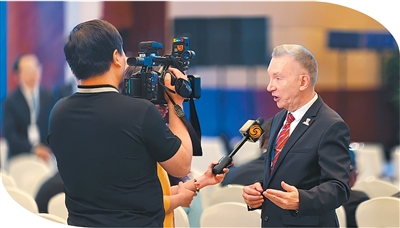
马中友好协会会长:文明互鉴对应对全球挑战至关重要
Xin Hua She· 2025-06-10 15:46
Group 1 - The core viewpoint emphasizes the need for cultural exchange and inclusivity to promote human unity and progress in addressing global challenges [1][2] - The Global Civilization Initiative proposed by China is seen as a driving force for countries to achieve peaceful coexistence, inclusive development, and common prosperity [1] - The dialogue between different civilizations is deemed necessary in the face of a complex global environment, highlighting the importance of learning from one another to tackle global issues [1] Group 2 - The significance of youth in promoting civilizational dialogue is particularly stressed, as they represent the future and are crucial in driving change [2] - Young people are encouraged to reflect on their cultural traditions and engage in cross-cultural dialogue and international cooperation to enhance mutual understanding [2] - The importance of deepening the understanding of culture and civilization is highlighted, with a call to use cultural strengths to improve social governance and promote good governance on a broader scale [2]
中国大运河文化江苏周将走进比利时、克罗地亚
Xin Hua Ri Bao· 2025-06-04 23:08
Core Perspective - The event "Civilization Encounter: Jiangsu Week of the Grand Canal Culture" will take place from June 9 to 13, 2025, in Belgium and Croatia, celebrating the 50th anniversary of diplomatic relations between China and the EU [1] Group 1: Event Overview - The event is organized by the Chinese Mission to the EU, Jiangsu Provincial Government Information Office, and Jiangsu Foreign Cultural Exchange Association [1] - Jiangsu, as the origin of the Grand Canal and a key city for its heritage application, serves as an important window to showcase the Grand Canal culture to the world [1] - The event aims to promote cultural exchange and enhance mutual understanding through various activities centered around the Grand Canal as a cultural symbol [1] Group 2: Activities and Exhibitions - The opening ceremony will be held in Brussels on June 10, featuring the "Millennium Canal, Water Rhythm Jiangsu" exhibition, which includes four sections: history, scenery, intangible cultural heritage, and cuisine [1] - The exhibition will showcase digital displays of the "Canal Epic Scroll," tourism resources, interactive intangible cultural heritage displays, and Jiangnan culinary experiences [1] - The "Canal Intangible Heritage: Blooming in Europe" cultural display will occur on June 12 in the Brussels Chinese Cultural Center, featuring traditional crafts like Su embroidery and paper-cutting, along with a cultural salon for artists [2] - On June 13, a tea culture event titled "Canal Tea Dialogue: Chinese Tea Culture" will take place in Zagreb, Croatia, focusing on the development of tea culture along the Grand Canal [2]
淄博|2025国际青年交流大会·淄博国际友城40年活动开幕
Da Zhong Ri Bao· 2025-06-03 01:00
Group 1 - The 2025 International Youth Exchange Conference and the 40th anniversary of international friendship cities in Zibo opened on May 28, with representatives from over 60 delegations from 28 countries [2] - The event aims to expand Zibo's international "friend circle" and build a platform for dialogue and cooperation among global youth and urban development [2][4] - Zibo has established friendly relations with 40 cities across 25 countries, including 14 international friendship cities and 26 international cooperation cities, creating a global cooperation network [5] Group 2 - The International Friendship City Cooperation 40th Anniversary Exhibition was a key event, featuring over 100 domestic and foreign enterprises engaging in one-on-one precise matchmaking [3] - Zibo's international cooperation has expanded from initial economic exchanges to include education, culture, and technology [4] - The event facilitated significant cooperation agreements, including a partnership between Zibo Feiyuan Chemical Co. and a Philippine company, expected to generate over 2 billion yuan in investment [8] Group 3 - The conference emphasized the importance of youth, calling for collaboration in areas such as artificial intelligence, new energy, and cultural exchange [6] - A new foreign-related comprehensive service platform was launched to support enterprises in international markets, facilitating 16 foreign cooperation projects with a total investment of 170 million yuan during its trial operation [8] - Zibo is transforming from an industrial city to an open "new city," leveraging its foreign service platform, friendship city resources, and industrial projects to drive high-quality development [9]
中欧美智库合作论坛·2025雅典对话在希腊举行
人民网-国际频道 原创稿· 2025-05-30 03:10
Core Points - The forum titled "Dialogue of Ancient Civilizations Promoting Global Progress" was held in Athens, focusing on the commonalities between ancient civilizations and their contributions to modern society [1][4][6] - Key figures from various countries, including Greece and China, emphasized the importance of cultural dialogue and cooperation in addressing global challenges [4][6][8] Group 1: Forum Overview - The event was co-hosted by several organizations, including the Contemporary China and World Studies Institute and the Beijing Municipal Government [1][2] - Over 30 guests from cultural, artistic, and academic fields participated in discussions [1] Group 2: Key Speakers and Their Messages - Chinese officials highlighted the shared values between Chinese and Greek civilizations, advocating for deeper cultural exchanges and cooperation [4][6] - Greek officials called for a collaborative approach to global challenges, emphasizing the need for mutual understanding and shared values [6][8] Group 3: Cultural Heritage and Sustainable Development - Discussions included topics such as the protection of cultural heritage and sustainable development, with a focus on the historical connections between Beijing and Athens [8][10] - The importance of digital innovation in cultural heritage preservation was also emphasized [8] Group 4: Related Activities - A photography exhibition titled "Beijing Central Axis - A Masterpiece of Ideal Urban Order" was launched in Athens, showcasing the architectural and cultural beauty of Beijing [12][13]
国际青年“牵手”山东 邂逅齐鲁文化宝藏
Zhong Guo Xin Wen Wang· 2025-05-29 01:12
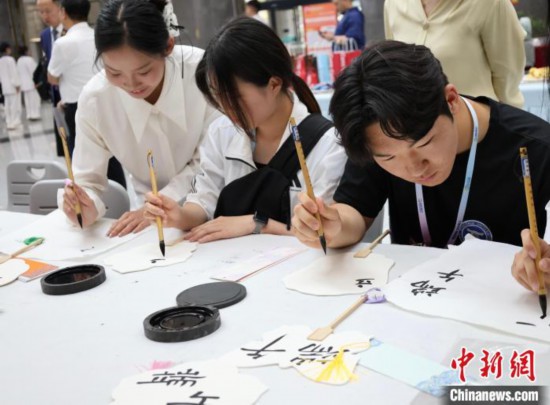
Group 1 - The 2025 Shandong International Friendship Cities Cooperation and Exchange Week is currently taking place, attracting youth representatives from countries such as South Korea, Morocco, and Romania to engage in cultural dialogue in Shandong [3][4] - Participants express admiration for Shandong's rich cultural heritage, noting the blend of traditional craftsmanship and modern vitality in cities like Zibo and Jinan [3] - The event emphasizes the role of youth as ambassadors of cultural exchange, encouraging them to share their experiences and insights about Shandong with the world [4] Group 2 - Foreign youth participants highlight the warmth and hospitality of Shandong people, as well as the unique flavors of local cuisine, which they intend to share with friends and family back home [3] - The gathering serves as a platform for fostering international cooperation and understanding among young people, promoting the idea of learning from each other to break down barriers [4]
“古文明对话促进全球进步”圆桌会在希腊举行,中希文明互鉴启迪未来
Bei Jing Ri Bao Ke Hu Duan· 2025-05-28 05:42
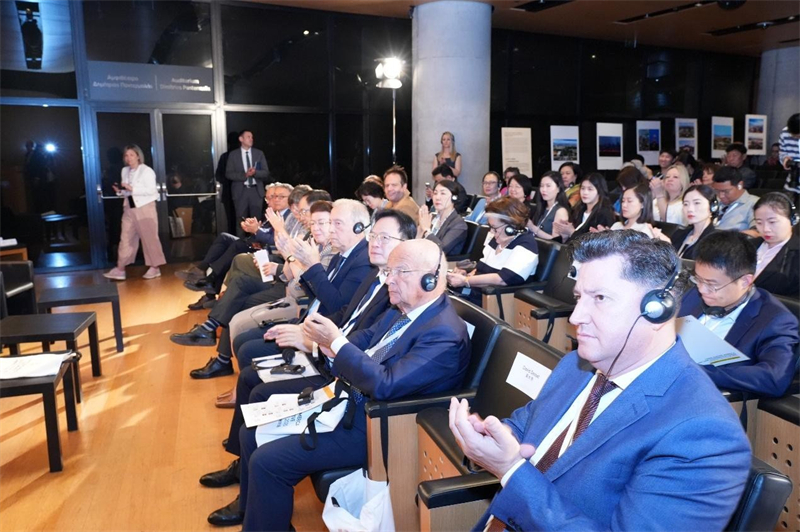
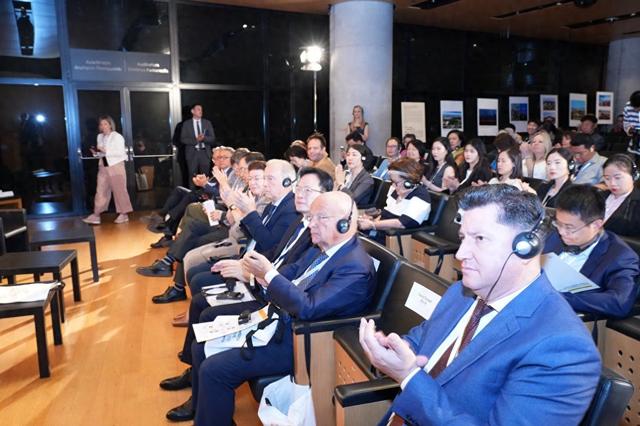
转自:北京日报客户端 当地时间5月27日,"古文明对话促进全球进步"圆桌会在希腊雅典卫城博物馆举办。来自中希政界、文 化界、智库代表共80余人出席活动,围绕"文化遗产保护与可持续发展""古文明交流与文明互鉴""古文 明之光:北京与雅典的历史传承与现代创新"等议题展开深入探讨。 会议现场 中国外文局副局长于运全、中国驻希腊使馆公参赖波、希腊文化部长莉娜·门佐尼、雅典卫城博物馆馆 长尼古劳斯·斯坦波利迪斯出席开幕式并致辞。北京市人民政府新闻办公室主任余俊生为开幕式作视频 致辞。北京文化论坛主办方代表陈伟做北京文化论坛推介。意大利总统前文化顾问、爱琴文明专家路易 ·高塔尔作闭幕致辞。中欧美全球倡议发起人高大伟主持对话会。 于运全作开幕致辞 于运全在致辞中表示,中国与希腊虽山海远隔,但文明的力量让两国心心相印。中希两大文明的共通性 积淀和凝结着人类文明的共同价值,从中我们能够凝聚共识、汲取智慧。建议中希、中欧依托传统智慧 弘扬和平精神,充分阐释各国文化遗产所体现的和平追求,为消除战争提供宝贵思想资源;通过交流互 鉴应对共同挑战,使不同文明在超越意识形态差别的基础上兼收并蓄,为人类进步提供长久保障;借助 创新手段焕发文 ...
环球圆桌对话:中国—拉美文明互鉴的“和合”之道
Huan Qiu Wang· 2025-05-27 23:04
来源:环球时报 编者按:中拉文明都是博大精深的古老文明,在发展道路上同向而行,双方文明互鉴不以山海为远。本 期"环球圆桌对话"邀请参加环球时报"国际媒体总编辑大家谈"活动的多家中外媒体代表,围绕中拉如何 加强文明对话,促进不同文明和谐共处展开交流。 讨论嘉宾: 文明互鉴彰显平等相待价值 白龙:中华文明和拉美文明都是颇具独特性的文明。在近代史上相近的经历,又让双方在独立自主、相 互尊重方面对彼此有着更多的感同身受。中拉两大文明之间的相互借鉴,为全球南方国家乃至全世界不 同文明之间的相互交流与学习打开了新天地。 近年来,中拉文化交流已进入多渠道、多层次的交往"快车道"。文化交流在中拉关系发展中越来越扮演 着重要的角色。目前,中国已与17个拉美和加勒比国家结成了约180对友好城市关系,中拉互派留学生 的频度、数量不断提升。还有中拉国宝的"跨洋对话"等等,都在说明,中拉民心在文明互鉴中走近、走 热。 中拉文明互鉴成为全球南方乃至世界范围对话的典范。为什么拉美国家能够不带包袱、没有顾虑地主动 同中国开展合作?一条宝贵经验是,双边开展的合作是基于尊重、平等、不带任何附加条件的,而且不 针对、不排斥、不危害第三方的利益。中 ...
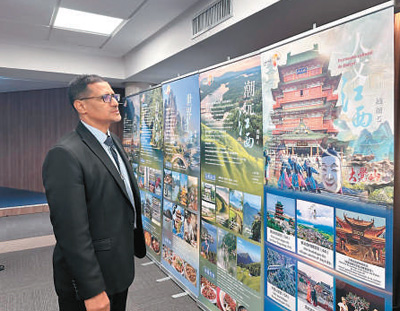
“江西风景独好”推介走进摩洛哥
Ren Min Ri Bao Hai Wai Ban· 2025-05-23 00:56
Group 1 - The event "Tea and the World" and "Jiangxi Day" in Morocco aims to enhance cultural and tourism cooperation between Jiangxi Province and Morocco, highlighting Jiangxi's natural beauty and cultural richness [1] - Jiangxi's Governor Ye Jianchun emphasized the province's strengths in tea, ceramics, and intangible cultural heritage, encouraging Moroccan visitors to explore Jiangxi [1] - The Chinese Ambassador to Morocco, Li Changlin, noted the positive development of China-Morocco relations and highlighted Jiangxi's advantages in various industries such as aviation, electronics, and new materials [1] Group 2 - The event featured a cultural exhibition showcasing Jiangxi's ceramics, including blue and white porcelain, and traced the historical cultural exchanges between China and Morocco [2] - The tea culture segment included performances by tea masters from both countries, illustrating the cultural exchange through tea [2] - The event is part of the Ministry of Culture and Tourism's key brand initiative "Tea and the World," promoting global cultural and tourism collaboration [2]