耐心资本

Search documents
地方招商引资一年后谋求控股?科技企业创始人发公开信控诉
Di Yi Cai Jing· 2025-12-26 12:55
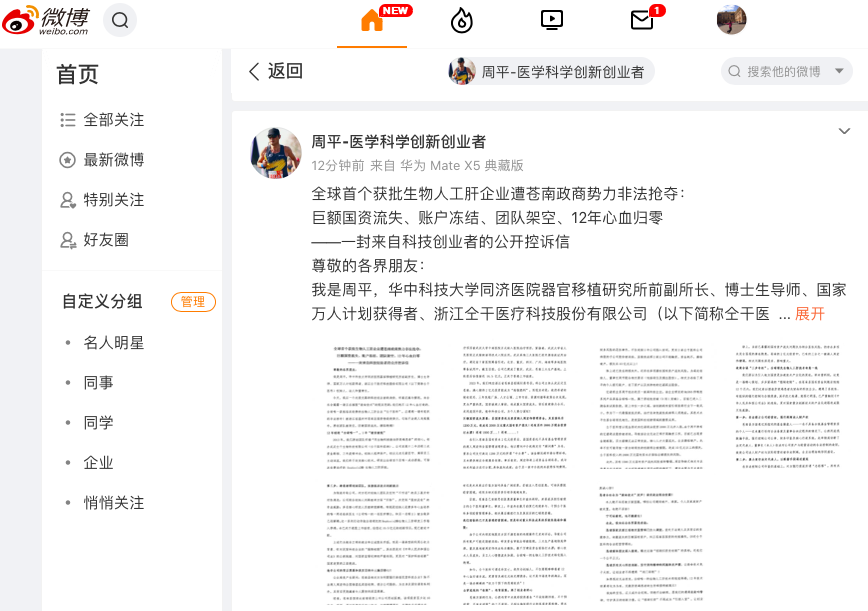
"严重失实,涉及造谣" 投资"九死一生"的科创企业,国资基金如何在耐心资本与投资回报之间找到平衡? 12月26日下午,华中科技大学同济医院器官移植研究所前副所长、浙江仝干医疗科技股份有限公司(下称"仝干医科")创 始人及董事长周平在社交媒体上发布一封公开控诉信,直指科技创业者耗尽12年心血打造的、全球唯一获批临床收费的生 物人工肝企业,正被浙江省温州市苍南县国资违规强夺,导致仝干医科三大基地生产停滞,数千万建设资金打水漂,创始 大股东被逼出局。 对此,苍南公共事业投资集团董事长叶青健26日晚间在接受第一财经记者采访时称,周平微博我方已关注到,此微博(内 容)严重失实,涉及造谣。 孔雀东南飞"折翅" 公开资料显示,周平从事器官移植及普通外科临床有30多年。早在1997年,周平就在美国参与生物人工肝的早期研发, 2006年起与日本冈山大学医院联合研发永生化人源肝细胞生物人工肝,2010年自主研发了HepAssis2生物人工肝系统。 2013年,周平在武汉成立仝干医科,开始了HepAssis2生物人工肝系统的产业化。从2015年开始,仝干医科先后获得四轮融 资。 2023年7月,苍南县政府及国资11人团队赴武汉考察 ...

华鑫信托党委书记、董事长朱勇:耐心资本投资AI产业的指数法则
Zheng Quan Ri Bao Wang· 2025-12-26 11:18
感谢主办方证券日报的邀请,也感谢舒总刚才的介绍。结合主题——大资管时代,财富如何保值增值这 个主题,我想从金融投资的角度,谈一谈如何运用指数法则,培育耐心资本,践行长期主义,以金融活 水助力AI产业,我汇报的题目是耐心资本投资AI产业的指数法则。指数法则又称幂律分布,也叫二八 定律,有时候也叫马太效应,是风险投资领域普遍适用的规律性准则,它之所以叫指数法则,是因为少 数几个项目的成功所获得的回报,足以覆盖整个基金其他项目的亏损,并留有剩余。 正如彼得·蒂尔最先提出指数法则的时候,他在《从0到1》这本书中指出风险投资的最大幂律,是最佳 投资所带来的回报等于或者超过整个基金其他投资的总回报,指数法则作为一个法则非常重要,但是在 当前的金融投资领域并不为大家所熟悉,所以还有重申的必要。特别是在当今AI新时代,万物源自比 特,信息技术投资本身也遵循风险投资的总体规律,也就是遵循着指数法则的规律。在指数法则适用的 条件下,投资于AI领域的资本我认为对当前有以下五个方面的启示: 第一,在时间维度上,我们要做耐心资本,不耐心是人的天性,耐心是我们后天的努力和追求。具体在 AI投资领域,耐心还是一个理性的选择。根据指数法则, ...
国家创投引导基金启动,撬动万亿资金规模
2 1 Shi Ji Jing Ji Bao Dao· 2025-12-26 11:13
12月26日,"航母级"的国家创业投资引导基金(简称"引导基金")正式启动,为耐心资本实践立下新标杆。 据悉,引导基金使用超长期特别国债资金出资,在国家层面由财政出资1000亿元,在区域基金、子基金层面积极鼓励社会资本 参与。 引导基金发挥中央资金引领带动作用,广泛吸引地方政府、中央企业、金融机构、民间资本等多方参与,形成万亿资金规模, 通过投基金、投企业、投项目,加大对战略性新兴产业和未来产业支持力度,加快培育和发展新质生产力。 在定位上,坚持做早期基金、耐心基金、市场化基金和标杆基金;架构上,开创性设立"基金公司-区域基金-子基金"的3层架 构;投资上,坚持投早、投小、投长期、投硬科技的"4投"导向;期限上,设置20年存续期;绩效考核方面,不简单以单个项目 或单一年度的盈亏作为考核依据。 "引导基金最大的亮点就是,以20年的长周期重新定义耐心资本,这是能够完全匹配创投基金生命周期的科学设置。"LP投顾创 始人国立波对21世纪经济报道记者说。 26日上午,国家创业投资引导基金启动仪式在国家发展改革委的办公大楼内举行。进入冬月,虽然北京室外已经是寒气袭人, 会议室里却是热闹非凡。国家发展改革委、财政部负责同志 ...
硬科技突围:产业攻坚、资本加持,共建科创生态圈
第一财经· 2025-12-26 09:58
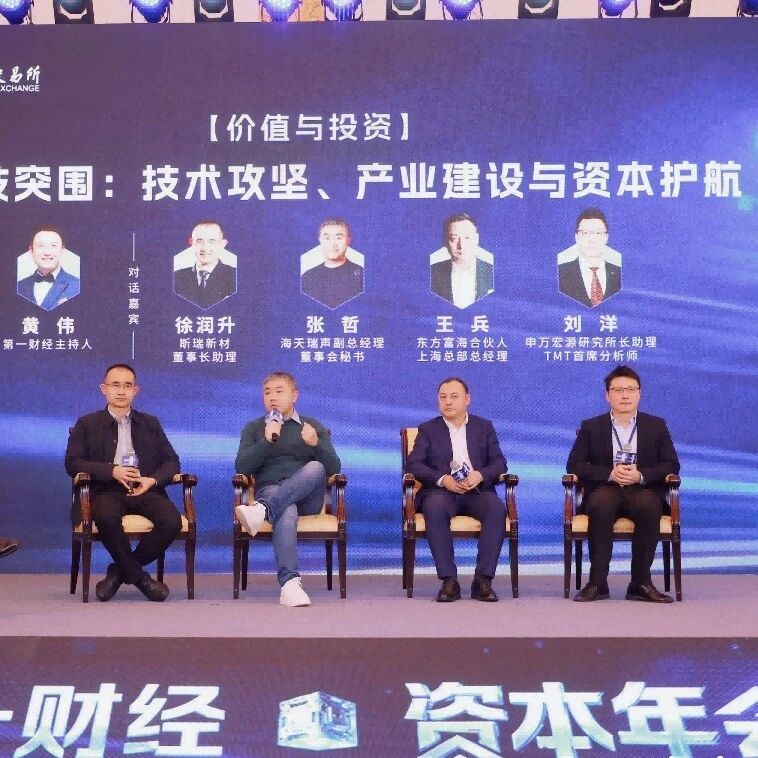
Core Viewpoint - The article discusses the opportunities and challenges faced by hard technology companies in the context of the new technological revolution and industrial transformation, emphasizing the importance of capital market support for technological innovation and the collaborative efforts needed among various stakeholders [1][5]. Group 1: Hard Technology Development - Hard technology is seen as a core engine for cultivating new productive forces, benefiting from policy support and capital market innovations during the "14th Five-Year Plan" period [1]. - The capital market is increasingly supportive of technology innovation, with policies aimed at enhancing inclusivity and adaptability, allowing for more flexible mergers and acquisitions [5][6]. - Companies like Srei New Materials and Hai Tian Rui Sheng are actively exploring opportunities in high-growth sectors such as aerospace, medical imaging, and AI, leveraging their technological capabilities to drive industry upgrades [9][10]. Group 2: Investment Strategies - Investment institutions are focusing on long-term capital and risk-sharing mechanisms to build a healthy ecosystem for hard technology, emphasizing the importance of patience and collaboration [3][4]. - The investment strategy involves targeting sectors with long-term growth potential, such as GPUs, while balancing investments between early-stage and mature projects to ensure both short-term returns and long-term value [11][15]. - The selection of investment projects is based on criteria such as product strength, market penetration, and the quality of management teams, with a focus on sustainable growth rather than short-term gains [12][16]. Group 3: Challenges and Solutions - Companies face challenges such as varying technology iteration speeds, stringent customer certification standards, and competition from international high-end material firms [13][14]. - To address these challenges, companies are developing comprehensive systems for commercial culture, collaborative research, and operational adaptability to align with current political and economic trends [14][15]. - The need for high-quality data and compliance in international operations is highlighted, with a focus on deep collaboration with industry experts to ensure the creation of valuable data sets [10][15].


宏观纵览 | 国家创业投资引导基金启动,资本与创新“双向奔赴”
Sou Hu Cai Jing· 2025-12-26 09:30
在国家层面由财政出资1000亿元,在区域基金、子基金层面积极鼓励社会资本参与。 经国务院批准,国家发展改革委、财政部发起设立了国家创业投资引导基金,发挥中央资金引领带动作 用,广泛吸引地方政府、中央企业、金融机构、民间资本等多方参与,形成万亿资金规模,通过投基 金、投企业、投项目,加大对战略性新兴产业和未来产业支持力度,加快培育和发展新质生产力。 白京羽介绍,引导基金将种子期、初创期、早中期企业作为投资重点,支持企业聚焦前沿领域开展原创 性、颠覆性的技术攻关,为企业搭建成果转化的平台和桥梁,促成资本与创新的"双向奔赴"。 白京羽表示,科创企业成长壮大是一场旷日持久的"马拉松",需要资本的耐心陪伴。引导基金设置20年 存续期,其中10年投资期、10年退出期,这样通过更长久的投资期限,为企业提供长周期的资金供给; 又通过更宽松的退出时限,为企业提供更多的发展空间,用耐心资本陪伴企业"长跑",培育千行百业 的"小巨人"和"独角兽"。 财政出资1000亿 12月26日,国家创业投资引导基金正式启动运行。这是发展创业投资、壮大耐心资本的重要举措,引导 金融资本投早、投小、投长期、投硬科技。 国家创业投资引导基金采用引导 ...

万亿资金规模!大利好来了
Xin Lang Cai Jing· 2025-12-26 08:51
【导读】国家创业投资引导基金正式启动运行 来源:中国基金报 记者 张舟 重磅利好来了! 今天,国家创业投资引导基金正式启动运行。 1.财政部相关负责人表示,国家创业投资引导基金预计形成万亿资金规模。 引导基金发挥中央资金引领带动作用,广泛吸引地方政府、中央企业、金融机构、民间资本等多方参 与,形成万亿资金规模,通过投基金、投企业、投项目,加大对战略性新兴产业和未来产业支持力度, 加快培育和发展新质生产力。 2.目前京津冀创业投资引导基金、长三角创业投资引导基金、粤港澳大湾区创业投资引导基金均已完 成工商注册,3只区域基金与首批49个子基金以及27个项目代表正式签约。未来三只区域基金总规模均 将超过500亿元。 3.国家发改委:未来,国家创业投资引导基金将推动在三个区域设立超过600只子基金,服务新兴产业 和未来产业发展。 4.财政部:引导基金将以差异化风控体系培育创新生态。 财政部经济建设司司长郭方明表示,在落实国家战略的侧重点方面,国家创业投资引导基金立足自身特 点,通过精准错位发展与其他政府引导基金形成协同合力。 12月26日,国家创业投资引导基金正式启动。京津冀创业投资引导基金、长三角创业投资引导基金、 ...
万亿耐心资本来了!热门赛道一哄而上的现象将有望得到解决
Nan Fang Du Shi Bao· 2025-12-26 08:22
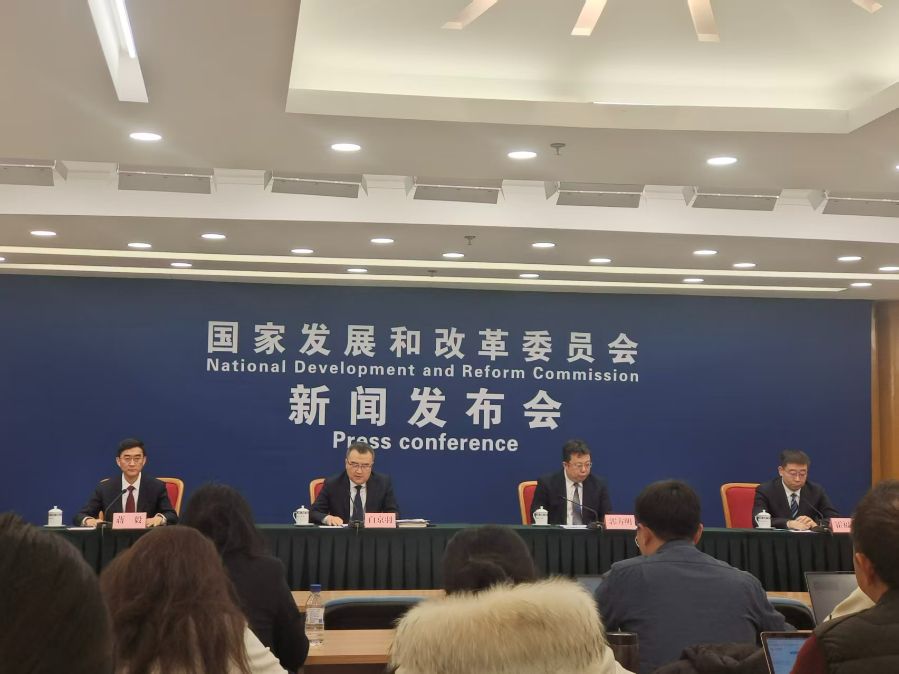
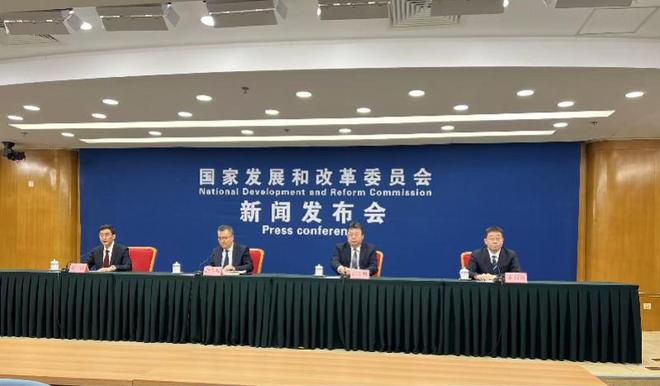
12月26日上午10时许,一行人面带笑容从国家发改委的中配楼走出,原来,他们刚刚参加了国家创业投 资引导基金启动仪式,并完成了一批项目签约。 启动仪式结束后,国家发改委随即召开新闻发布会,介绍国家创业投资引导基金(以下简称引导基金) 的有关情况。 今年3月,国家发改委主任郑栅洁在全国两会经济主题记者会现场曾释放组建国家创业投资引导基金的 消息,以此来引导金融资本投早、投小、投长期、投硬科技。目前引导基金已完成工商注册和管理制度 建设,中央财政出资1000亿元。同时,引导基金在京津冀、长三角、粤港澳大湾区发起3只区域基金,3 只区域基金在启动仪式上与首批49个子基金以及27个项目代表正式签约。 国家发展改革委创新和高技术发展司司长白京羽在发布会上表示,引导基金发挥中央资金引领带动作 用,广泛吸引地方政府、中央企业、金融机构、民间资本等多方参与,形成万亿资金规模,通过投基 金、投企业、投项目,加大对战略性新兴产业和未来产业支持力度,加快培育和发展新质生产力。 引导基金解决什么问题?帮助科创企业渡过"死亡之谷" 社会公众比较好奇,为什么要设立引导基金,这还要从全球科技革命加速演进和我国的战略布局谈起。 在第20届中 ...
梁涛:保险业应发挥好耐心资本作用,重点投向初创期、成长期的“专精特新小巨人”企业
Sou Hu Cai Jing· 2025-12-26 04:11
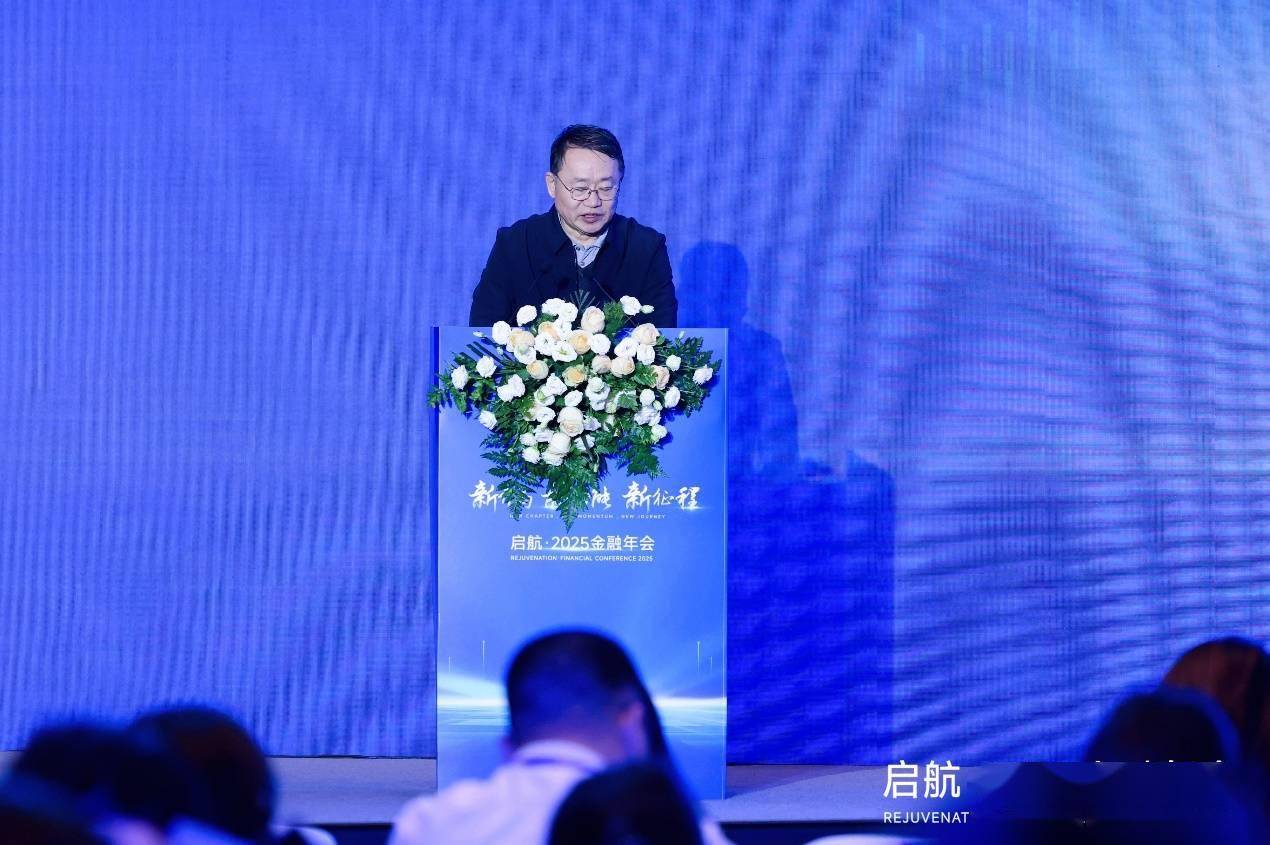
Group 1 - The "2025 Financial Annual Conference" was held in Beijing, focusing on the theme of "New Starting Point, New Momentum, New Journey," with over 100 guests and more than 500 financial institutions and listed companies in attendance [1] Group 2 - Liang Tao, former Vice Chairman of the China Banking and Insurance Regulatory Commission, emphasized the insurance industry's role as patient capital, suggesting the establishment of specialized technology innovation investment funds targeting "specialized, refined, distinctive, and innovative small giant" enterprises during their startup and growth phases [3] - The insurance sector should engage in venture capital and private equity, embedding itself in the value cultivation of the technology industry through direct and follow-on investments, helping companies overcome funding bottlenecks in capacity expansion and market development [3] - Innovative models combining insurance and equity investment should be developed, granting priority investment rights to high-quality companies that purchase technology insurance, creating a virtuous cycle of risk coverage and capital support for growth [3] - The insurance industry should focus on five major areas to provide high-quality services, aiding economic enhancement and reasonable growth, including efficient service for modern industrial systems, promoting green insurance and low-carbon transitions, and developing data asset and cybersecurity insurance [4] - Emphasis on intelligent, green, and integrated directions is necessary to optimize traditional industries and nurture emerging and future industries, providing more insurance resources [4]
用耐心资本陪企业长跑,国家创业投资引导基金将形成万亿资金规模
Xin Lang Cai Jing· 2025-12-26 03:39
转自:北京日报客户端 今天,国家发展改革委举行专题新闻发布会,介绍国家创业投资引导基金有关工作。 有关负责人表示,今天正式启动的国家创业投资引导基金,将发挥中央资金引领带动作用,广泛吸引地 方政府、中央企业、金融机构、民间资本等多方参与,形成万亿资金规模。引导基金将种子期、初创 期、早中期企业作为投资重点,支持企业聚焦前沿领域开展原创性、颠覆性的技术攻关。引导基金设置 20年存续期,其中10年投资期、10年退出期,用耐心资本陪伴企业"长跑"。 来源:央视新闻客户端 作者: 丁雅妮 张艺瑾 ...
刚刚,万亿国家创投引导基金正式启动
母基金研究中心· 2025-12-26 03:25
今天 上午( 1 2 月 2 6 日 ) ,国家创业投资引导基金启动仪式在国家发展改革委召开。 据悉, 国家创业投资引导基金 (以下简称国家创投引导基金) 坚持做早期基金、耐心基金、 廉洁基金、标杆基金, 在 启动仪式 上 , 3只区域基金与首批4 9个子基金以及2 7个项目代表 正式签约 。 签约的基金包括亦庄芯创、水木创投、创新工场、联想之星、基石资本、英诺天 使等,签约项目包括加速进化、图灵量子、芯屏半导体等。 母基金研究中心从国家发展改革委专题新闻发布会上获悉,国家创业投资引导基金坚持做耐心 基金,引导基金设置20年存续期,其中10年投资期、10年退出期。坚持做市场化基金,建立 政府管政策管投向、委托专业团队市场化运作的管理模式。 政府层面不直接参与日常运作管 理,不设地域返投要求 ;市场层面通过竞争择优,选出若干家具有丰富投资经验和运营能力的 管理机构,负责基金"募投管退"全过程,切实提高资金使用效率,确保每一笔投资都用在"刀 刃"上。引导基金将与已设立的各类政府投资基金、市场化基金错位发展,不搞重复投资、不 与市场争利,重在解决创投行业长期资本(20年存续期)短缺的问题。 母基金研究中心关注到,国 ...