
供应链

Search documents
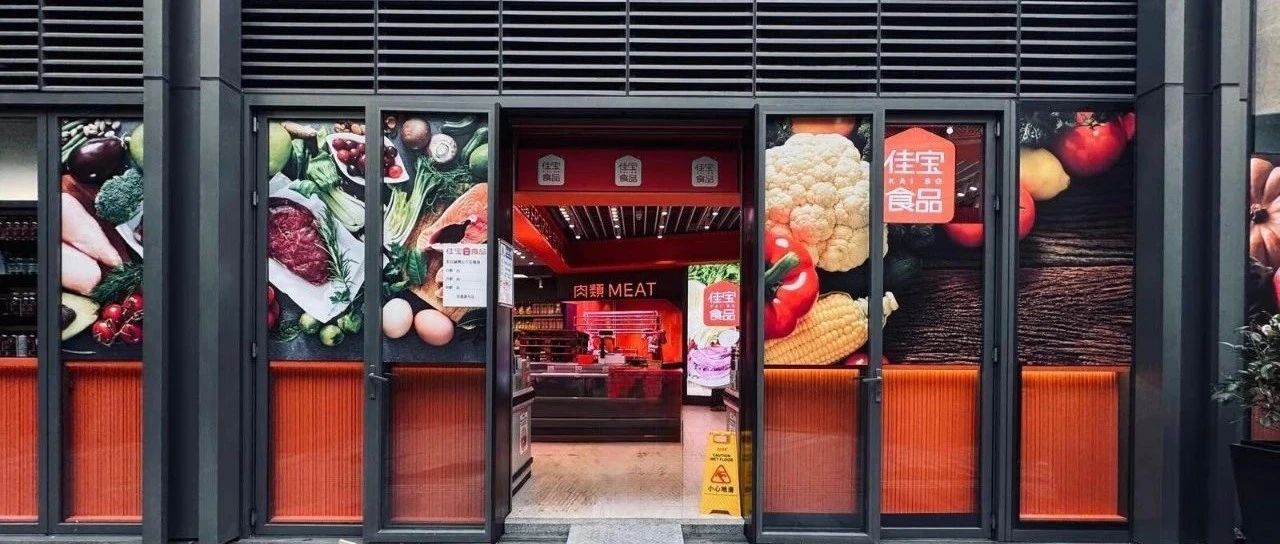
京东收购香港佳宝:一场关于供应链的布局
市值风云· 2025-08-17 01:10
Core Viewpoint - The acquisition of Hong Kong's Jia Bao Supermarket by JD.com aligns with both companies' supply chain philosophies, aiming to revitalize the retail landscape in Hong Kong through advanced supply chain innovations [3][9][16]. Group 1: Market Context - JD.com reported a revenue of 356.7 billion yuan in Q2, marking a 22.4% year-on-year growth, the highest in nearly three years [3]. - Hong Kong's retail market is dominated by two major supermarket chains, ParknShop and Wellcome, which together hold nearly 70% market share [5]. - The retail market in Hong Kong is heavily reliant on imports, particularly for daily necessities and fresh produce, leading to supplier monopolies [6]. Group 2: Jia Bao Supermarket Overview - Jia Bao, established in 1991, operates 90 stores and employs over a thousand staff, focusing on affordable quality products [7]. - The founder, Lin Xiaoyi, emphasizes a direct sourcing model, bypassing middlemen to reduce costs and increase turnover [7][9]. - Approximately 80% of Jia Bao's products are sourced directly from manufacturers [10]. Group 3: Supply Chain Innovations - JD.com's supply chain model, characterized by direct sourcing and efficient logistics, is expected to enhance Jia Bao's operations and customer experience [10][17]. - The partnership aims to introduce nearly 100 JD-owned brand products and fresh items to Jia Bao by the end of the year, leveraging cost savings to benefit consumers [10][16]. - JD.com plans to transform Jia Bao's stores into "smart front warehouses" to optimize inventory management and improve delivery efficiency [16]. Group 4: Future Outlook - The collaboration is anticipated to drive a significant transformation in Hong Kong's retail sector, addressing the challenges of traditional retail and enhancing customer experience [17]. - JD.com aims to replicate its supply chain success in Hong Kong to other international markets, supporting its global expansion strategy [16].


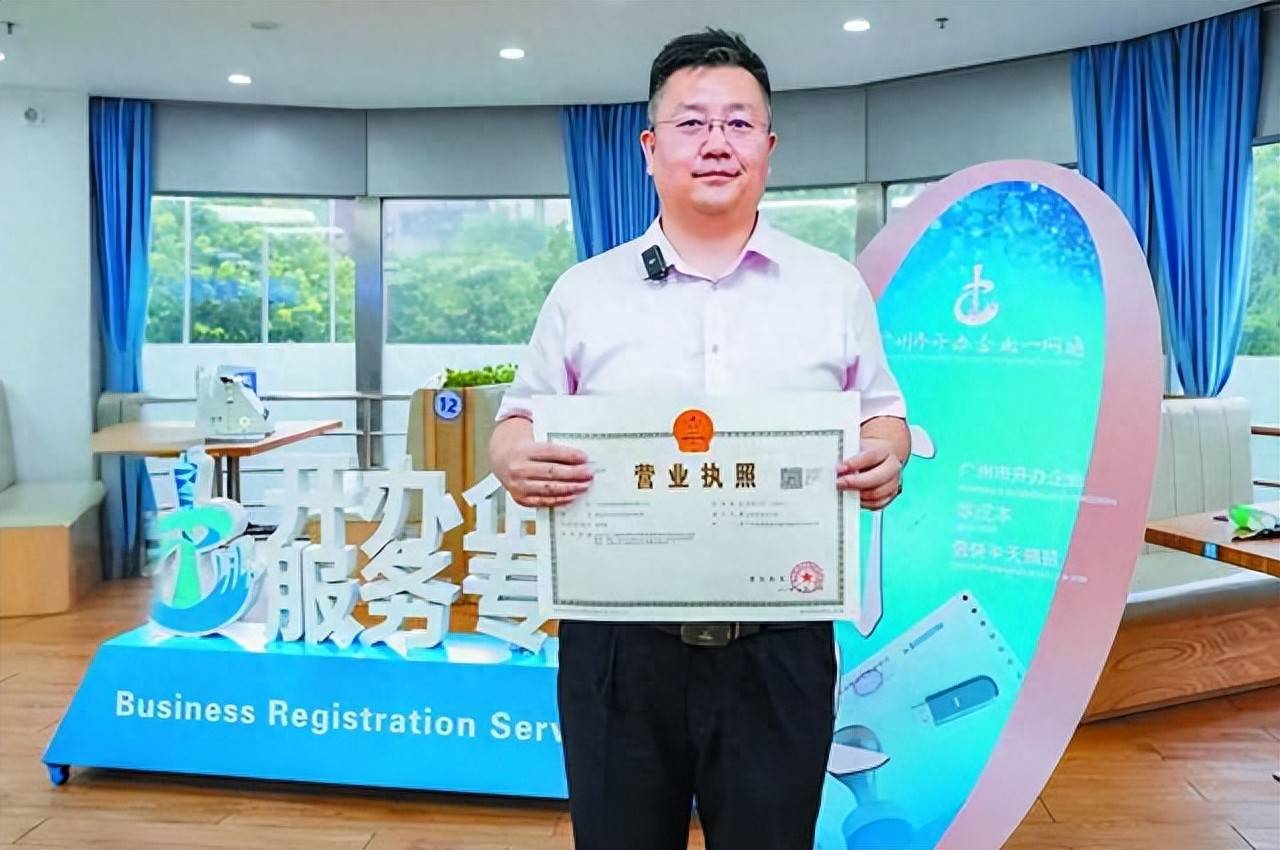
为什么400万户市场主体“都爱上”广州?
Sou Hu Cai Jing· 2025-08-16 17:37
Core Viewpoint - Guangzhou has successfully surpassed 4 million market entities, marking a historic milestone and showcasing its vibrant business environment and growth potential [3][31]. Group 1: Market Growth and Business Environment - Guangzhou's total market entities have exceeded 4 million, ranking third among cities in China, reflecting the city's vitality and potential in the digital economy era [3][4]. - The city is attracting significant investments from both domestic and international investors, with a focus on optimizing the business environment and showcasing limitless development prospects [3][4]. - The rapid establishment of major companies like SHEIN, which reached a valuation of 365 billion yuan, and Tmall's rapid sales growth in Guangzhou highlights the city's appeal to e-commerce giants [3][4][12]. Group 2: Infrastructure and Corporate Presence - Tencent's new headquarters in Guangzhou has become a landmark, enhancing the region's status as a digital hub [7][9]. - Ant Group's dual centers in Guangzhou are pivotal for promoting cross-border digital trade and enhancing connectivity in the Greater Bay Area [9][11]. - The efficiency of government services in Guangzhou is evident, with rapid approvals and support for new businesses, exemplified by the swift establishment of Ant Group's centers [13][14]. Group 3: E-commerce and Digital Economy - Guangzhou is emerging as a leading city for live-streaming e-commerce, with over 1 million product categories being sold daily and dominating nine out of twelve high-sales categories nationally [12][13]. - The city's live-streaming e-commerce retail sales are projected to reach 517.1 billion yuan in 2024, accounting for nearly one-fifth of the national total [12][13]. - E-commerce platforms are increasingly integrating with local industries, creating a robust ecosystem that supports rapid growth and innovation [20][23]. Group 4: Policy Support and Economic Development - The local government is actively providing financial incentives and support measures to attract and retain e-commerce businesses, enhancing the overall ecosystem [19][20]. - Guangzhou's policies have led to significant increases in retail sales and the establishment of numerous new businesses, demonstrating the effectiveness of its economic strategies [19][20]. - The collaboration between government and enterprises is fostering a conducive environment for growth, with over 100 well-known brands registering in the city within a short period [19][20]. Group 5: Future Prospects and Strategic Positioning - The integration of e-commerce platforms with local supply chains is positioning Guangzhou as a key player in the global market, with plans for extensive future investments and developments [28][30]. - The city is expected to evolve into a global industrial collaboration center, driven by the strengths of major e-commerce players and their innovative approaches [30][31]. - The ongoing competition among e-commerce giants in Guangzhou is not just about market share but also about creating a sustainable and innovative ecosystem for future growth [28][30].
京东正在帆满舵稳地驶入顺风区
Cai Jing Wang· 2025-08-15 12:55
Core Viewpoint - JD.com has successfully navigated the competitive landscape of China's e-commerce industry by adhering to a long-term strategy that emphasizes substantial investments in logistics, employee welfare, and technology integration, leading to significant growth and a strong market position [1][2][12]. Group 1: Financial Performance - In Q2 2025, JD.com reported revenues of 356.7 billion RMB (approximately 49.8 billion USD), marking a year-on-year growth of 22.4%, surpassing market expectations and setting a record for growth in nearly three years [1]. - The majority of JD.com's product categories experienced accelerated growth, with daily necessities revenue increasing by 16.4% year-on-year, and service revenue growing by 29.1% [1][4]. Group 2: Employee Welfare and Compliance - JD.com has been a pioneer in the industry by signing labor contracts with all delivery personnel and providing social insurance, having paid over 100 billion RMB in social insurance over 18 years [2][3]. - The company plans to extend social insurance benefits to full-time delivery riders in the food delivery sector, positioning itself as the only platform in the industry to do so [3]. Group 3: Supply Chain and Technology - JD.com has invested over 150 billion RMB in research and development since its technological transformation began in 2017, focusing on creating a comprehensive supply chain ecosystem that integrates consumption and industrial internet [6]. - The company has built a supply chain infrastructure valued at nearly 170 billion RMB, enhancing its ability to apply advanced technologies like AI to improve operational efficiency [6]. Group 4: New Business Ventures - JD.com has expanded into new business areas such as food delivery and hospitality, aiming to optimize supply chains and reduce costs through centralized procurement and efficient logistics [7][8]. - The launch of the "Seven Fresh Food Mall" and "Seven Fresh Kitchen" represents significant innovations in the food delivery sector, leveraging JD.com's supply chain advantages to enhance operational efficiency for restaurant partners [7][8]. Group 5: Global Expansion - JD.com is actively building a global supply chain network, having established overseas warehouses in 23 countries and regions, including the U.S., U.K., and Saudi Arabia [10][11]. - The company is shifting its focus from short-term gains to long-term value creation in its international operations, adapting to new regulatory environments and local market conditions [11][12].
东方甄选一度涨超12% 7月初至今股价已累计飙升逾1.8倍
Zhi Tong Cai Jing· 2025-08-14 03:26
该行认为,近期东方甄选GMV边际改善印证此逻辑,一方面公司持续打造自营品类,截至2024年11月 推出600款SKU,GMV占比达37%;2025年新品超400款,全网销量2.1亿单。非食品品类突破显著,如 卫生巾48小时售罄18万单。同时报告期内公司付费会员数达22.83万,APP"种草计划"创新流量运营。 东方甄选(01797)今早再度异动拉升,早盘一度涨超12%。值得注意的是,该股自7月初至今股价累计飙 升逾1.8倍,截至发稿,涨7.9%,报34.16港元,成交额10.16亿港元。 消息面上,国信证券指出,当前消费市场供给多元、信息透明、需求理性,竞争中具备高性价比产品与 成熟会员体系的企业优势凸显。一方面供应链是核心基础,成熟的供应链保障高性价比产品持续输出, 另一方面,公域流量红利消退推高获客成本,私域会员体系通过转化低频用户为高粘性客群,摊薄获客 成本并挖掘用户全生命周期价值。 ...
港股异动 | 东方甄选(01797)一度涨超12% 7月初至今股价已累计飙升逾1.8倍
智通财经网· 2025-08-14 03:20
智通财经APP获悉,东方甄选(01797)今早再度异动拉升,早盘一度涨超12%。值得注意的是,该股自7 月初至今股价累计飙升逾1.8倍,截至发稿,涨7.9%,报34.16港元,成交额10.16亿港元。 该行认为,近期东方甄选GMV边际改善印证此逻辑,一方面公司持续打造自营品类,截至2024年11月 推出600款SKU,GMV占比达37%;2025年新品超400款,全网销量2.1亿单。非食品品类突破显著,如 卫生巾48小时售罄18万单。同时报告期内公司付费会员数达22.83万,APP"种草计划"创新流量运营。 消息面上,国信证券指出,当前消费市场供给多元、信息透明、需求理性,竞争中具备高性价比产品与 成熟会员体系的企业优势凸显。一方面供应链是核心基础,成熟的供应链保障高性价比产品持续输出, 另一方面,公域流量红利消退推高获客成本,私域会员体系通过转化低频用户为高粘性客群,摊薄获客 成本并挖掘用户全生命周期价值。 ...
2025年《财富》中国40位40岁以下的商界精英
Sou Hu Cai Jing· 2025-08-13 12:16
声明 来源:,转载的目的在于传递更多信息及分享,并不意味着证实其真实性,也不构成其他建议。仅提供交流平台,不为其版权负责。如涉及侵权,请联系 我们及时修改或删除。本文编辑:微明 《财富》(中文版)自2011年推出"中国40位40岁以下的商界精英"榜单,目的是找到当下中国最具影响力的年轻领导者,也体现在对中国产业升级脉络的 同步记录,成为观测中国商业生态演变的"风向标"。 | 14 11-1 79 11 | | 深 | F | 杭 | 香 | 苏 | 重 | mit | | | | | | --- | --- | --- | --- | --- | --- | --- | --- | --- | --- | --- | --- | --- | | | 京 | न्मी | 海 | | 港 | | 原 | 島 | 兴 | H | 覧 | 计 | | 人工智能 | 4 | 3 | 2 | 2 | | | | | 1 | | | 12 | | 机器人 | 2 | 2 | 7 | 1 | | | | | | | | 6 | | 医疗健康 | | 1 | 7 | 1 | | | | 1 | | 1 | | 5 | | 智 ...

巴中物流集团正式揭牌成立
Jing Ji Guan Cha Wang· 2025-08-13 06:40
Core Insights - The establishment of Bazhong Logistics Group marks a new phase in the development of the modern logistics industry in the northeastern revolutionary area of Sichuan, focusing on intensive, intelligent, and green development [1] Group Focus Areas - The company will concentrate on five key tasks: - Building a comprehensive smart logistics network - Connecting freight special lines as major arteries - Developing new energy as a green engine - Constructing a full supply chain - Deepening collaboration among cities and counties as a community [1]
部分国家搞“脱钩断链” 这里“链味儿”正浓
Xin Hua Wang· 2025-08-12 06:37
Core Points - The third China International Supply Chain Promotion Expo opened in Beijing on July 16, themed "Linking the World, Creating the Future" [1] - The expo is a national-level event focused on supply chains, held annually starting from 2023, with this year's event taking place in summer for the first time [1] - The exhibitors at the expo represent 75 countries, regions, and international organizations, with foreign exhibitors accounting for 35%, an increase of three percentage points from the previous year [1] - The number of U.S. participating companies increased by 15% compared to the last edition, maintaining the highest number of foreign exhibitors [1] - Despite attempts by some countries to decouple from China and politicize supply chains, the participation of numerous foreign companies in the expo indicates that decoupling is not a viable path for business development [1] Industry Insights - The expo highlights the importance of supply chains, encompassing all stages from raw materials to customer service, showcasing the interconnectedness of global trade [1] - The participation of international exhibitors reflects a continued interest in engaging with the Chinese market, countering narratives of supply chain decoupling [1] - The event serves as a platform for promoting global supply chain collaboration and innovation, reinforcing China's role in the global supply chain ecosystem [1]
收获“盛夏果实”!第三届链博会签署合作协议、达成合作意向超6000项
Xin Hua Wang· 2025-08-12 06:30
在当天举行的第四届链博会参展签约仪式上,霍尼韦尔、GE医疗、西门子、康宁、住友电工、中兴通 讯、阿里巴巴、赛力斯、稳健医疗等102家中外企业和机构签署参展意向,比去年现场签约数量增加 50%。 【纠错】 【责任编辑:王佳宁】 李兴乾介绍,本届链博会,参展的美国企业和机构数量比上届增长15%,继续位列境外参展商数量之 首。 中国贸促会产业促进部部长杨晓军表示,本届链博会参展商综合满意度达到95%,很多参展商提出明年 希望扩大规模,携手全球更多的供应商和客户前来参展。 新华社北京7月20日电(记者邹多为、熊琳)"硬核"展会收获"盛夏果实"!第三届中国国际供应链促进 博览会20日在北京闭幕。记者从闭幕新闻发布会上获悉,本届链博会中外参展企业和机构达到1200家, 参展商与4.2万家上下游企业建立合作联系。据不完全统计,现场共签署合作协议、达成合作意向超过 6000项。 "本届链博会层次更高、人气更旺、交流更广、成果更实。"中国贸促会副会长李兴乾说,多国政要、40 多位世界500强跨国企业领导人以及国际组织主要负责人专程参会,172个境外团组观展参会,是上届的 2.2倍,线上线下观众人数超过21万人次,比上届增长5% ...
项目集中签约 外资持续看好中国市场
Xin Hua Wang· 2025-08-12 06:25
Group 1 - The third Multinational Corporation Leaders Qingdao Summit showcased significant foreign investment confidence, with 186 Fortune Global 500 companies and 290 industry leaders participating, resulting in 99 key foreign projects signed with a total investment of $15.6 billion, a 31.4% increase from the previous summit [1] - Major multinational companies such as AstraZeneca, Lloyds, Mitsui & Co., and ZF Friedrichshafen announced new investment plans during the summit, focusing on sectors like new-generation information technology, new energy materials, high-end equipment, and advanced chemicals [2] - The resilience of the Chinese economy has bolstered foreign investment confidence, with China’s GDP accounting for 18% of the global total and 399 Chinese companies listed in the latest Forbes Global 2000, indicating a rising trend [3] Group 2 - China is enhancing its business environment by streamlining market access, promoting fair competition, and improving trade and investment liberalization, which supports multinational companies in their investment and development in China [4] - The Ministry of Commerce is actively revising the encouraged foreign investment industry catalog and promoting foreign investment in manufacturing and service sectors, particularly in central and northeastern regions [4] - The evolving global supply chain dynamics present new opportunities for multinational companies in China, driven by the country's vast market, complete industrial chain capabilities, and improving business environment [5] Group 3 - Companies like Air Products and Dow are increasing their investments in China, with Air Products emphasizing the importance of China's ongoing opening-up policies for their market expansion [3][5] - Qualcomm is optimistic about the digital economy in China, highlighting the successful deployment of 5G technology as a significant opportunity for collaboration [5][6] - Jaguar Land Rover is supporting global suppliers to establish local parts factories in China, indicating a trend towards localization and deeper collaboration with domestic suppliers [6]