
全国统一大市场

Search documents
抢占大宗商品供应链的制高点
He Nan Ri Bao· 2026-02-03 23:33
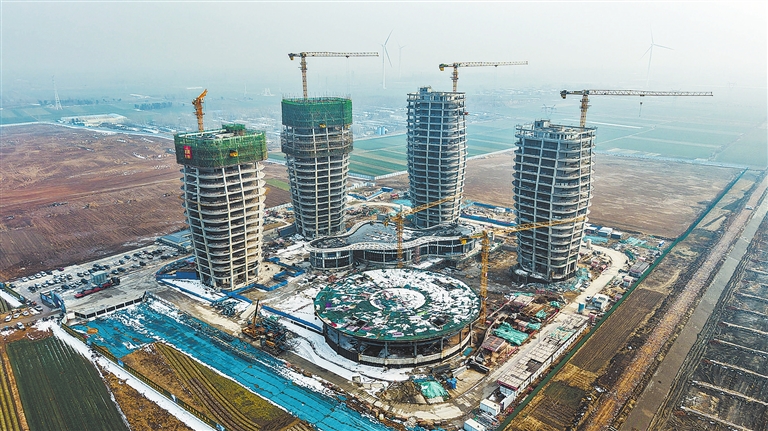
Core Viewpoint - The Zhengzhou International Commodity Trading Center is a significant project aimed at establishing a comprehensive trading platform for bulk commodities, enhancing logistics and supply chain capabilities, and positioning Zhengzhou as a key player in the global commodity market [3][4]. Group 1: Project Overview - The first phase of the Zhengzhou International Commodity Trading Center has a total investment of approximately 4.7 billion yuan, covering an area of about 1,500 acres, with a total construction area of 567,500 square meters [4]. - The project includes a trading center, service center, and four office buildings, all of which have reached the topping-out stage, with completion expected by the end of June [3][4]. Group 2: Operational Features - The trading platform is set to launch its technical operations in March, offering various trading and delivery services, including spot listing, warehouse receipts, auction trading, and capacity pre-sale [3]. - The average daily trading volume is projected to exceed 80 million yuan as the variety of traded commodities increases [3]. Group 3: Strategic Importance - The trading center aims to become a pivotal point for the national and global bulk commodity supply chain, enhancing the logistics and trade capabilities of Zhengzhou [3][4]. - The project aligns with national policies on enhancing security capabilities in key areas, particularly in the storage and logistics of essential goods like grain and fertilizers [4]. Group 4: Future Prospects - The center is expected to facilitate international trade through the China-Europe Railway Express, promoting the liberalization and convenience of bulk commodity trade [5]. - It will also integrate with local free trade zones and innovation zones to enhance resource allocation capabilities and support the upgrading of related industrial chains [5].


政府工作报告——2026年1月26日在河南省第十四届人民代表大会第四次会议上
He Nan Ri Bao· 2026-02-03 01:43
Core Insights - The report outlines the achievements and future goals of the Henan provincial government, emphasizing economic growth, social development, and environmental sustainability during the "14th Five-Year Plan" period and the upcoming "15th Five-Year Plan" period. Economic Performance - The province's GDP reached 6.66 trillion yuan, with a fiscal revenue of 701.9 billion yuan and industrial revenue of 5 trillion yuan, indicating steady economic growth despite challenges [4] - In 2025, the GDP growth was 5.6%, with industrial added value increasing by 8.4% and social retail sales growing by 5.6% [9] Industrial Development - Strategic emerging industries accounted for over 25% of the industrial added value, with significant contributions from advanced equipment, electronic information, and new energy vehicles [5] - The province has cultivated leading enterprises in various sectors, including BYD and CATL, and established three global "lighthouse factories" [5] Agricultural Advancements - Grain production has remained stable at over 1.3 trillion jin for nine consecutive years, with significant improvements in agricultural mechanization and infrastructure [6] - The province has developed 11 new national modern agricultural industrial parks and 119 leading agricultural enterprises [6] Reform and Opening Up - Comprehensive reforms in state-owned enterprises have been implemented, with 19 enterprises undergoing strategic restructuring [7] - The province has seen a surge in private sector activity, with 3.7 million new business entities established [7] Environmental Protection - The province has exceeded national air pollution control targets, with water quality in the Yellow River reaching Class II for six consecutive years [7] - Significant efforts have been made in afforestation and soil erosion control, with over 6.59 million mu of trees planted [7] Social Welfare - Urban employment increased by 603.7 million, with a focus on improving living standards and public services [8] - The province has made strides in education, with an increase in higher education enrollment rates and the establishment of new universities [8] Future Goals - The "15th Five-Year Plan" aims for an average annual economic growth of around 5%, with a focus on expanding effective demand and integrating into the national market [15] - Key targets include increasing the urbanization rate to 65% and enhancing agricultural production capacity to 1.4 trillion jin [16] Key Initiatives - The government plans to implement over 1,000 key projects with an annual investment of 1 trillion yuan, focusing on infrastructure and energy systems [24] - The province aims to strengthen its modern industrial system, particularly in advanced manufacturing and service sectors [25][26] Cultural and Environmental Initiatives - The report emphasizes the importance of cultural heritage protection and the integration of cultural and tourism industries [33] - Environmental initiatives include a comprehensive plan for carbon peak and pollution reduction, aiming for a sustainable ecological environment [35][36]
锚定大市场 激活新动能
Zheng Zhou Ri Bao· 2026-02-03 00:47
Core Insights - Zhengzhou is accelerating its transformation from an inland city to an open hub, leveraging its unique geographical and transportation advantages to enhance its role in the national unified market [2][5] Group 1: Hub Upgrades - Zhengzhou is a key node in the national comprehensive transportation network, with an expected passenger volume of 24.43 million during the 2026 Spring Festival and 1,781 planned passenger train operations [3] - The airport's cargo throughput is projected to grow from 700,000 tons in 2021 to 1 million tons by 2025, with an annual growth rate of approximately 10% [3] - Zhengzhou Airport has attracted 36 all-cargo airlines, with 8 of the world's top 10 cargo airlines operating there, covering 32 countries and 73 cities [3] Group 2: Infrastructure Development - Zhengzhou's high-speed rail network has expanded to 6,810 kilometers, with 2,263 kilometers of high-speed rail, enabling efficient connectivity to major cities within 5 hours [4] - The ongoing expansion of Zhengzhou Airport and the development of a "multi-center, networked" high-speed rail system will enhance its role in the national market [5] Group 3: Reform and Innovation - Zhengzhou is implementing an "intelligent bidding" system to streamline public resource transactions, marking a significant step towards a digitalized public resource trading environment [6][7] - The city has integrated multiple administrative procedures for business relocations, reducing processing time by 80% [7] Group 4: Economic and Trade Development - Zhengzhou has established trade relations with 226 countries and regions, with exports of electromechanical products and high-tech products reaching 345.62 billion and 277.94 billion respectively in 2025 [14] - The city's total import and export volume reached 650.18 billion in 2025, accounting for 69.5% of the province's total, with a year-on-year growth of 16.8% [14] Group 5: Future Outlook - Zhengzhou aims to unify market infrastructure, government actions, and regulatory practices while expanding both domestic and international openness [15]
【委员悦读】点燃文旅体消费新引擎
Sou Hu Cai Jing· 2026-02-02 15:57
点燃文旅体消费新引擎 四是在"提"字为标,提升品牌新能级。实施中华文旅体IP全球推广工程,筛选并系统包装一批代表中国文 化精髓和地域特色的超级IP,依托国际消费中心城市打造国际文旅体消费枢纽。放宽高端文旅体消费品进 口限制,吸引国际顶级赛事、精品演艺项目落户。培育本土跨国文旅体企业,鼓励文旅体企业"走出去"布 局全球市场,深度参与国际规则制定,深入介入国际组织的相关规则与标准构建。通过深度融合VR、 AR、虚拟制作、高精度扫描、动作捕捉、沉浸式音效等前沿技术,创造性转化和阐释中华优秀传统文 化,创作出既忠实于传统精髓、又具有强大现代吸引力和国际影响力的优秀文化影视作品,让中华文化在 数字时代绽放更加璀璨的光彩。 (作者:全国政协常委,重庆市副市长) 来源:中国政协杂志 编辑:市政协研究室 为此,建议: 一是"立"字为基,构建制度新体系。在国家层面统筹制定文旅体融合发展中长期规划,整合文化、旅游、 体育数据资源,建设全国文旅体数据共享平台,为全国统一大市场建设提供制度保障与数据支撑。 二是"破"字为要,激发市场新活力。实施"一城一IP"差异化发展战略,重点培育地域文化IP集群。制定文 旅体产品差异化认证标准,限 ...
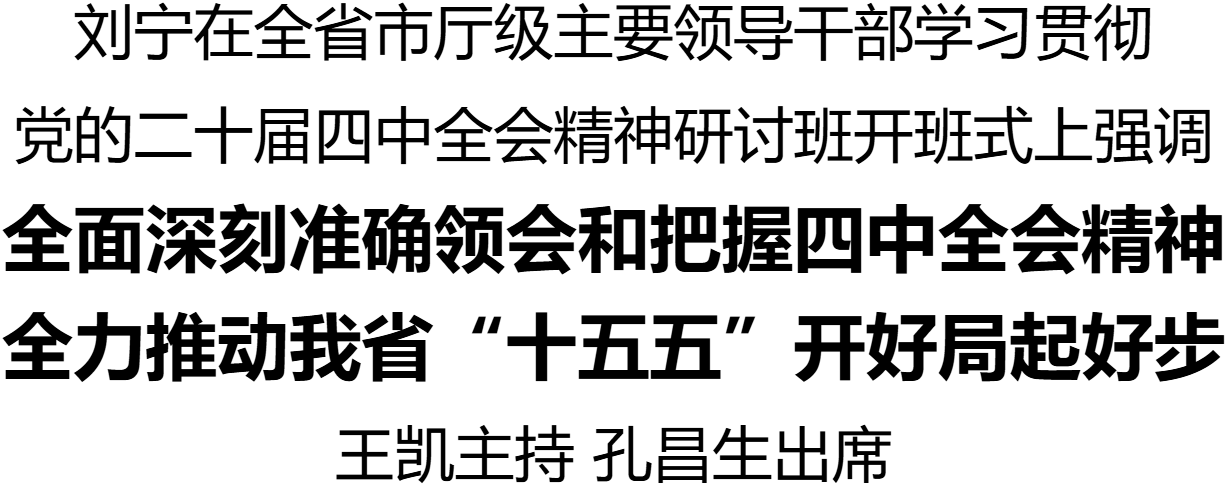
全省市厅级主要领导干部学习贯彻党的二十届四中全会精神研讨班开班式举行 刘宁讲话 王凯主持 孔昌生出席
He Nan Ri Bao· 2026-02-02 10:57
会议以视频会议形式召开,省人民会堂和各省辖市、济源示范区、航空港区设分会场。 省级领导同志出席。各省辖市、济源示范区、航空港区,省委部委、省直机关、省管企业和高校,各县(市、区)主要负责同志参加。(记者 刘婵 张笑 闻) 刘宁指出,党的二十届四中全会是在向第二个百年奋斗目标进军的新征程上召开的一次十分重要的会议,审议通过的"十五五"规划建议,对未来5年发展作 出顶层设计和战略擘画,是乘势而上、接续推进中国式现代化建设的又一次总动员总部署。习近平总书记出席省部级主要领导干部专题研讨班开班式并发表 重要讲话,具有很强的政治性、理论性、针对性、指导性,是又一篇闪耀着马克思主义真理光辉的纲领性文献。要把学习贯彻习近平总书记在研讨班上的重 要讲话精神,同学习贯彻习近平总书记在我省考察时重要讲话精神和关于河南工作的重要论述结合起来,一体把握、融会贯通、知行合一,全面深刻准确领 会和把握党的二十届四中全会战略部署,充分认识制定和实施五年规划的重要政治优势,编制好、实施好我省"十五五"规划纲要和专项规划,聚 焦"1+2+4+N"目标任务体系持续用力、久久为功,一步一个脚印地把中原大地推进中国式现代化的宏伟事业推向前进,以实际 ...
地方两会划重点:五省市明确大宗商品发展路线图
Qi Huo Ri Bao Wang· 2026-02-02 01:11
Group 1 - The core focus of local government reports during the ongoing regional two sessions is the establishment of a "bulk commodity resource allocation hub" to enhance trading platform services and promote efficient resource allocation for a unified national market [1] - Zhejiang province is advancing the construction of a bulk commodity spot and futures integrated market, with a plan to increase spot trading scale and industry influence by 2027 and to enhance the impact of commodity price indices by 2030 [2] - Hubei province is developing a "seven major elements" trading service platform to facilitate the efficient allocation of various resources, with a focus on technology transfer and data sharing [3] Group 2 - Shandong province is committed to high-level opening up, focusing on stabilizing foreign trade and investment, and enhancing the role of Qingdao and Rizhao ports as national bulk commodity resource allocation hubs [4] - Henan province is accelerating integration into the national unified market, with a focus on logistics and commodity circulation, and has initiated comprehensive reforms to enhance market efficiency [5][6] - Tianjin is promoting a high-efficiency resource allocation market system, encouraging innovation in trading platforms and financial services to enhance the overall efficiency of resource allocation [7]
政府采购异常低价不可取
Jing Ji Ri Bao· 2026-02-01 22:09
政府采购市场是国内市场的重要组成部分。推进全国统一大市场建设,必须消除政府采购中的各类不合 理限制和壁垒,整治异常低价问题,营造公平竞争的市场环境。 "1元中标""0元中标",这种异常低价的乱象在政府采购市场屡见不鲜。日前,财政部印发《关于推动解 决政府采购异常低价问题的通知》,整治政府采购领域"内卷式"竞争,促进形成优质优价、良性竞争的 市场秩序。 政府采购市场是国内市场的重要组成部分。统计显示,2024年全国政府采购总额突破3.3万亿元,占全 国财政支出的比重超12%,覆盖货物、服务、工程等全领域。推进全国统一大市场建设,必须消除政府 采购中的各类不合理限制和壁垒,整治异常低价问题,营造公平竞争的市场环境。 在过程管控方面,实施政府采购异常低价审查。以往对"异常低价"难以认定,此次文件明确了量化标 准,规定了启动异常低价投标审查程序的具体情形,提升了可操作性。 在事后监管方面,强化履约验收。政府采购不能"一购了之",必须跟踪履约情况、落实履约责任。履约 验收不能"走过场",而是要细致落实每一项技术和商务要求是否履行到位。如供应商不履行合同或者未 按合同约定履行合同导致验收不合格的,采购人应当依法追究其违约 ...
从规模竞赛到投向绩效——解读《政府投资基金投向评价管理办法(试行)》的制度逻辑与政策含义
Shang Hai Zheng Quan Bao· 2026-02-01 18:14
刘少轩 □ 刘少轩 陈钰什 □ 过去政府投资基金领域的主要矛盾,并不在于"缺资金",而在于"资金如何形成有效供给"。在规模扩 张、地方招商、短期回报与合规问责交织之下,不少基金出现了目标错配、区域分割、资金沉淀和同质 化投资等结构性问题 □ 《办法》表面看是一套"投向评价"规则,实质上是一项基金治理制度:它用一套可核查、可比较的年 度评价体系,把政府投资基金的政策定位重新拉回"服务国家战略"的轨道,并把地方竞争中的一些惯性 做法转化为可计量的制度成本 □ 评价机制能否发挥预期作用的关键在于执行细节能否跟上,能否在数据、核验和动态调整上形成稳定 机制 2026年1月,国家发展改革委印发《政府投资基金投向评价管理办法(试行)》(下称《办法》)。该 文件表面看是一套"投向评价"规则,实质上是一项基金治理制度:它用一套可核查、可比较的年度评价 体系,把政府投资基金的政策定位重新拉回"服务国家战略"的轨道,并把地方竞争中的一些惯性做法转 化为可计量的制度成本。 如果仅把《办法》理解为"新增一张评分表",容易忽略它的核心意图:过去政府投资基金领域的主要矛 盾,并不在于"缺资金",而在于"资金如何形成有效供给"。在规模扩张 ...
“开票经济”,为何要严查?
Sou Hu Cai Jing· 2026-02-01 10:24
Core Viewpoint - The national tax work conference held on January 28, 2026, emphasized the need to address issues related to "invoice economy" and illegal tax-related practices to maintain a sound economic tax order and better serve the construction of a unified national market [1] Group 1: Understanding "Invoice Economy" - "Invoice economy" refers to a situation where local governments attract shell companies that lack real operations by offering financial incentives, creating a false economic prosperity through digital manipulation [2] - This model leads to fiscal circularity and tax revenue loss, as local governments may return excessive portions of tax revenue to attract these shell companies, resulting in a cycle where legitimate businesses suffer while the state loses tax revenue [2] - The practice undermines fair market competition, as compliant businesses bear the full tax burden while shell companies gain undue advantages through illegal financial returns, leading to a scenario where "bad money drives out good" [2] Group 2: Risks and Consequences of "Invoice Economy" - "Invoice economy" provides opportunities for criminal activities, where gangs register shell companies to fraudulently claim financial subsidies and tax returns, creating a black market chain of "registration - invoicing - virtual issuance - collection" [3] - This approach does not generate real industries, jobs, or high-quality development, as inflated GDP and fiscal data misrepresent the actual economic situation, potentially misleading macroeconomic decisions and causing neglect of core issues like industrial cultivation and public welfare [3] - To foster genuine economic growth, it is essential to shift the focus from mere numerical achievements to real tax contributions, job creation, and industrial development, while enhancing regulatory frameworks to monitor and penalize illegal financial practices [3]
陕西省第十四届人民代表大会第四次会议关于政府工作报告的决议
Shan Xi Ri Bao· 2026-02-01 01:13
会议号召,全省人民更加紧密地团结在以习近平同志为核心的党中央周围,坚持以习近平新时代中国特色社会主 义思想为指导,全面贯彻落实党的二十大和二十届历次全会精神及中央经济工作会议精神,深入学习贯彻习近平总书 记历次来陕考察重要讲话重要指示,深刻领悟"两个确立"的决定性意义,增强"四个意识"、坚定"四个自信"、做到"两 个维护",在省委坚强领导下,完整准确全面贯彻新发展理念,更加主动融入和服务构建新发展格局,着力推动高质 量发展,坚持稳中求进工作总基调,坚决贯彻"两个更好统筹",深化开展"三个年"活动、深入打好"八场硬仗",大力 发展县域经济、民营经济、开放型经济、数字经济,持续扩大内需、优化供给,做优增量、盘活存量,因地制宜发展 新质生产力,积极融入和服务全国统一大市场建设,持续防范化解重点领域风险,着力稳就业、稳企业、稳市场、稳 预期,推动经济实现质的有效提升和量的合理增长,保持社会和谐稳定,为实现"十五五"良好开局、奋力谱写中国式 现代化建设的陕西新篇章而努力奋斗! 陕西省第十四届人民代表大会第四次会议听取和审议了陕西省省长赵刚所作的政府工作报告。会议高度评价"十 四五"时期我省经济社会发展成就,充分肯定省政 ...