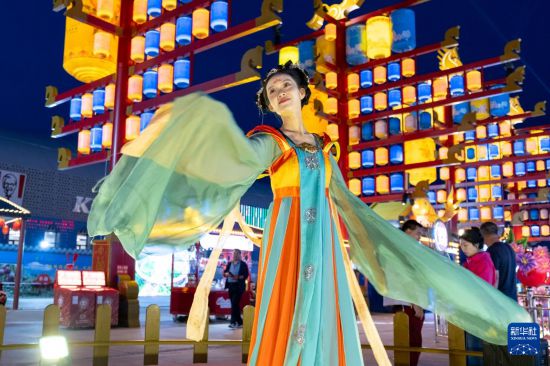
夜经济

Search documents
消费新观察|黄浦江风“吹热”夜经济 多元业态点亮“夜上海”
Sou Hu Cai Jing· 2025-09-12 09:25
Core Insights - Shanghai's night economy is experiencing a revival, particularly in the Xuhui District's West Bund Dream Center, which has become a popular destination for nightlife activities [1][3][5] Group 1: Night Economy Activation - Over 30 businesses along the riverside have extended their operating hours to 24:00 from Friday to Sunday, leading to a reported increase in weekend sales by approximately 17% compared to usual [3][7] - The outdoor dining areas have become a significant attraction, with customers often waiting up to two hours during peak times to enjoy meals with views of the Huangpu River [3][5] Group 2: Cultural and Entertainment Offerings - The West Bund Dream Center features free outdoor music and film festivals, enhancing the cultural experience for visitors and contributing to the area's vibrant atmosphere [5][7] - Starting in late September, the center will host various light shows and drone performances as part of the Shanghai International Light and Shadow Festival, further enriching the nighttime offerings [5][7] Group 3: Overall Economic Impact - The overall foot traffic at the West Bund Dream Center increased by 23.8% and 10.4% in July and August, respectively, with nearly half of the revenue generated after 18:00 [7] - Since June, Shanghai's total nighttime consumption has reached 880.09 billion yuan, reflecting a year-on-year growth of 3.3% [7]

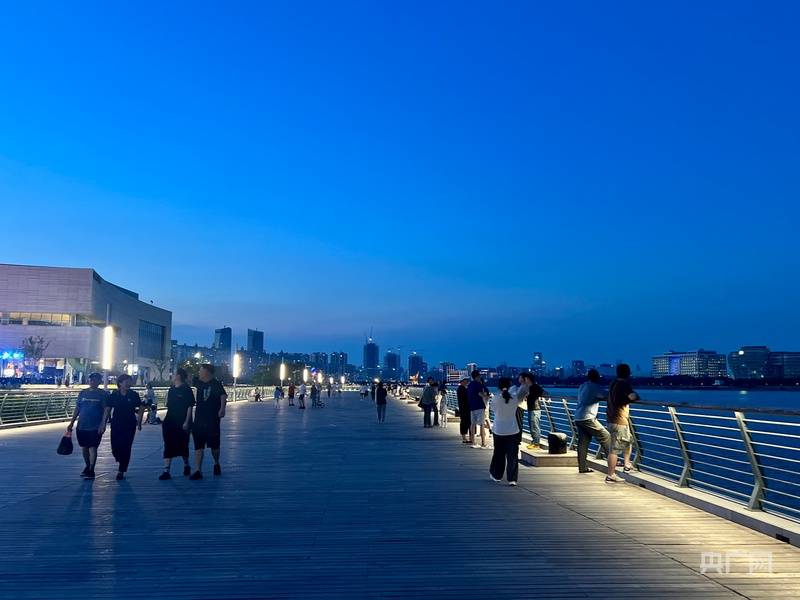
夜经济升腾烟火气
Xin Hua Wang· 2025-09-11 23:47
Group 1 - The Alding Art and Cultural Community in Baotou, Inner Mongolia, has been attracting an average of 300 visitors daily since its soft opening earlier this year, particularly busy in the evenings [1] - The community offers a blend of tea dining and cultural products, serving as a cultural station for citizens' nighttime leisure [1] - There are currently 16 such urban book houses in the Kunlun District, emphasizing the importance of spaces that allow for relaxation and contemplation in the night economy [1] Group 2 - The Baotou Meiyue Marriott Hotel has successfully expanded its outdoor dining options, increasing the variety of food offerings from over 30 to more than 70, with a daily footfall of around 200 and an average spending of 50 yuan per customer [2] - The hotel has seen a 100% year-on-year increase in sales at its lobby bar, aided by the introduction of a night dining bar [2] - The Hongde Hotel in Baotou focuses on a barbecue concept, appealing to younger consumers by combining camping-style dining with traditional Sichuan cuisine [2] Group 3 - From January to July this year, the Kunlun District achieved a retail sales volume of 14.982 billion yuan, reflecting a year-on-year growth of 9.3%, which is 1.3 percentage points higher than the city average [3] - The retail sales growth rate for key enterprises increased by 16.4%, showing a slight acceleration compared to the previous month [3] - The night economy is recognized as a vital driver for enhancing consumer spending, promoting employment, and facilitating income growth, with plans for further development to boost urban commercial competitiveness [3]
重庆人70%收入用于吃喝玩乐,超越上海,拿下全国消费第一
Sou Hu Cai Jing· 2025-09-11 12:36
Group 1: Core Insights - Chongqing surpassed Shanghai in retail sales, achieving over 830 billion yuan in social consumer goods retail sales in the first half of 2025, marking it as the top city for consumption in China [1][2] - The city's success in consumption is attributed to a combination of industrial strength, affordable housing, consumer culture, and government policies [3][22] Group 2: Industrial Strength - Chongqing's manufacturing sector, particularly in automotive, electronics, and integrated circuits, serves as a strong foundation for consumer spending [5][9] - The automotive industry in Chongqing saw an 8.4% year-on-year increase in value added, with a production volume of 1.2185 million vehicles, ranking third nationally [8] - The electronics sector has established Chongqing as the world's largest notebook computer production base, with over 2,300 supporting enterprises [8] - The integrated circuit industry is rapidly growing, with a 67% year-on-year increase in production, reaching 5.2 billion chips in the first half of 2025 [9] Group 3: Income Growth - Chongqing's per capita disposable income rose from 11th to 9th place nationally in the first half of 2025, indicating strong income growth among inland cities [11] - The increase in income has directly contributed to enhanced consumer spending capacity [11] Group 4: Housing Affordability - Chongqing's housing price-to-income ratio averages 7, significantly lower than over 30 in cities like Beijing and Shanghai, allowing residents to allocate more income to consumption [12][14] - The average price of second-hand homes in Chongqing was 9,200 yuan per square meter in July 2025, only one-fifth of Shanghai's price [14] Group 5: Consumer Culture - Approximately 70% of Chongqing residents' disposable income is spent on consumption, reflecting a strong consumer culture [16] - The city has 37,000 hot pot restaurants, with the hot pot industry generating a total output value of 300 billion yuan, highlighting its cultural significance [16] Group 6: Government Policies - The government has implemented strategies to enhance consumption, including transforming geographical disadvantages into consumer advantages through unique attractions [17] - The promotion of night economy since 2020 has led to night consumption accounting for about 60% of total retail sales in 2024 [19] - Efforts to attract external tourists through cultural and tourism initiatives have resulted in a 10% increase in visitors during the May Day holiday in 2025 [19]
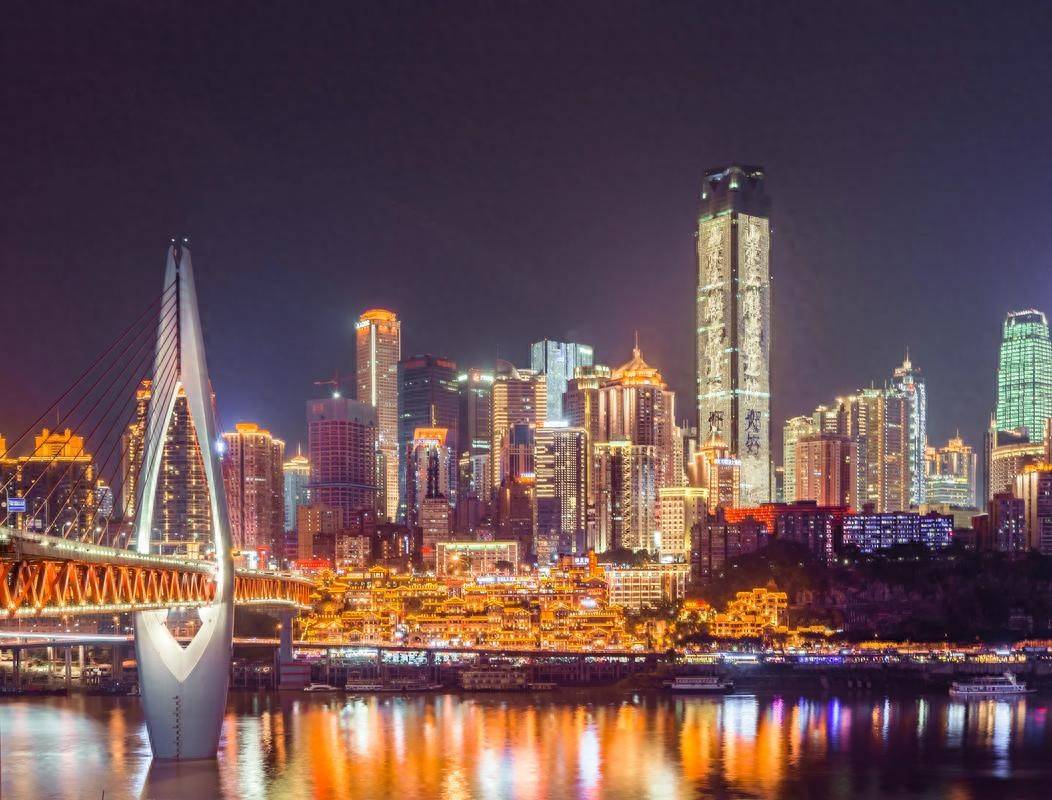
文旅消费定下2万亿目标 四川如何优化格局力争“多点开花”?
Mei Ri Jing Ji Xin Wen· 2025-09-10 14:35
Core Insights - Sichuan aims to optimize its cultural and tourism development by 2027, targeting a cultural and related industry value-added of 380 billion yuan and total tourism expenditure of 2 trillion yuan, establishing the cultural tourism industry as a strategic pillar [1] Group 1: Technological Integration - Technology is reshaping the cultural tourism experience, with cities creating immersive interactive scenes in scenic spots and cultural venues, enhancing engagement and innovation [5] - Emei Mountain has seen a surge in pedestrian tourism, with 120,000 visitors in July and August 2023, compared to 50,000-80,000 in previous years, leading to ticketing limitations during peak times [3][4] - Digital technologies are being utilized to create an "online Emei" and digital twin heritage spaces, allowing for precise operations based on visitor data [3] Group 2: Cultural Landmarks and Economic Impact - The Sichuan China Baijiu Museum is under development in Luzhou, expected to become a cultural landmark, with Luzhou Laojiao Museum attracting nearly 500,000 visitors and generating over 27 million yuan in revenue last year [4] - Luzhou's diverse cultural landmarks, including liquor and tea, are projected to generate a total industrial output value of 45.5 billion yuan by 2024, creating 300,000 jobs [4] Group 3: Events and Consumer Engagement - Sichuan has hosted large-scale performances in 15 cities this year, with "cultural tourism + performances" and "cultural tourism + events" becoming key strategies to stimulate consumer spending [6] - The Emei Mountain Trail Challenge, upgraded to a national event, has significantly boosted tourism, while the "Anyi Life" concert in Leshan attracted over 25,000 attendees, generating 15 million yuan in tourism revenue [6] Group 4: Night Economy Development - The night economy is emerging as a vital aspect of urban vitality, with 60% of urban consumption occurring at night in China [8] - Luzhou's revitalized silk factory street has transformed into a night-time cultural consumption hub, attracting nearly 30,000 visitors in just over a month [9] - Yibin is leveraging its first-store strategy and cultural offerings to enhance night-time consumption, with a new theater becoming a popular social venue [9] Group 5: Regional Collaboration and Differentiation - Chengdu's central role in Sichuan's cultural tourism market is evident, with other cities encouraged to leverage their unique characteristics to complement Chengdu's offerings [10]
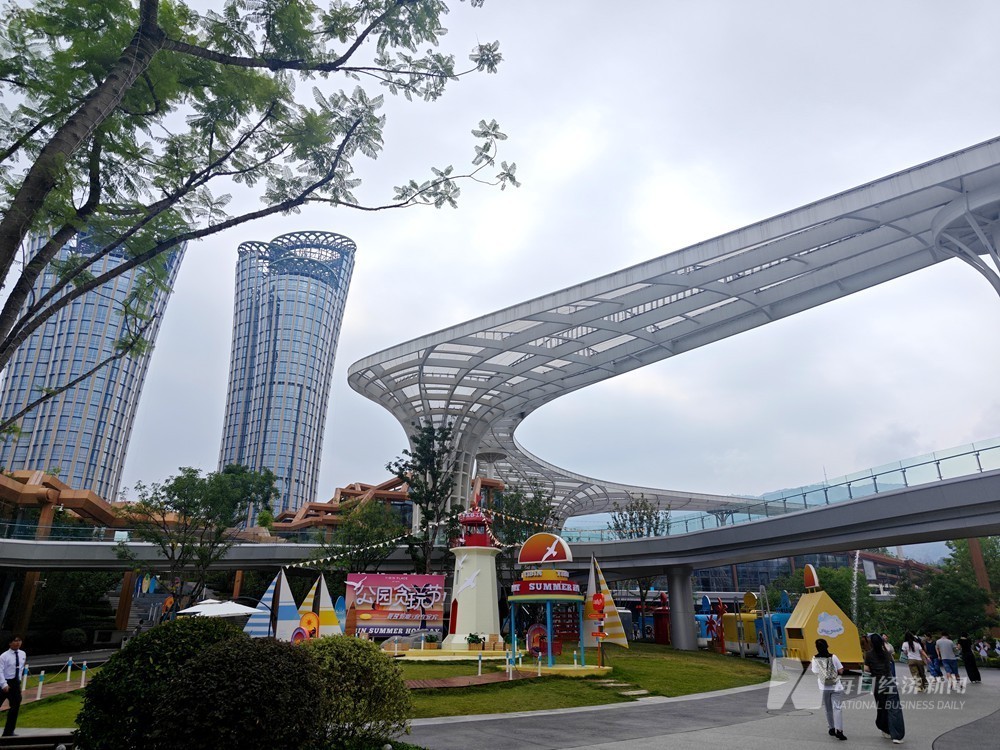
南街夜市点燃西湖转塘夜经济
Mei Ri Shang Bao· 2025-09-08 02:45
Group 1 - The BAC Art Community in Xihu District has launched a "Long Street Night Market," enhancing the nightlife experience for residents and tourists with a variety of food options [1] - The night market features over 60 vendors offering diverse culinary delights, including hot stir-fry, grilled items, cold marinated dishes, snacks, ice drinks, and desserts [1] - The night market operates every Friday, Saturday, Sunday, and on holidays from 17:30 to 22:00, continuing through the summer and into the National Day and Mid-Autumn Festival [1] Group 2 - The local government is promoting new consumption transformation activities by encouraging regulated night markets, introducing local night market brands, and creating pet-friendly business areas [2] - The street aims to create a diverse "nightlife" scene that combines relaxation, art, and vibrant atmosphere, featuring elements like water splashes, performances, and interactive activities [2] - Various night events, such as the ancient building light show and special performances at the West Lake Carnival, are designed to enhance the urban family micro-vacation experience [2]
全方位释放夜间消费活力
Jing Ji Ri Bao· 2025-09-07 01:17
Group 1 - The article emphasizes the vibrant development of night economy across various cities, showcasing diverse consumption scenarios and cultural integration to boost urban vitality and consumer spending [1][2][3] - In Changchun, the newly upgraded Xinmin Street has become a popular destination with various cultural activities and pedestrian-friendly policies, leading to increased consumer engagement [2][3] - Jilin Province is actively promoting night economy through events like the "Exciting Night Jilin" summer performance season, attracting significant foot traffic and enhancing local tourism [3][4] Group 2 - Guangdong Province has launched over 200 night-themed consumption activities, focusing on tourism, entertainment, and shopping to stimulate local economic growth [4][5] - Guangzhou's night markets and commercial districts have seen substantial consumer traffic, with night consumption accounting for nearly 60% of total sales in key areas [5][6] - The city has implemented innovative policies to facilitate night economy development, including streamlined event approval processes and outdoor business regulations [6] Group 3 - Lanzhou has experienced a surge in hotel bookings and tourist visits, with a 47% increase in hotel orders during the summer, driven by its appealing night tourism offerings [7][8] - The city is enhancing its night economy by integrating food, culture, and tourism, aiming for a more refined and attractive night-time experience [7][8] - In Dingxi, innovative night consumption scenes have been developed, leading to a notable increase in tourist numbers and spending [8][9] Group 4 - The integration of night markets with local attractions, such as the historical site in Huanxian, has proven effective in drawing visitors and enhancing their overall experience [9]
活力中国调研行丨活力涌动消费焕新——湖北文旅发展一线观察
Sou Hu Cai Jing· 2025-09-06 05:12
Core Insights - The article highlights how Hubei province is leveraging its cultural and historical resources to boost the cultural tourism industry and stimulate consumer spending [1][3]. Group 1: Cultural Tourism Development - Yunmeng County Museum has undergone renovations, adding immersive exhibition halls and facilities that enhance visitor experience, leading to a cultural revival [3]. - The museum's cultural products, such as toys and sachets, have generated over 4 million yuan in revenue from January to July, attracting 20,000 educational tour groups [3][9]. - The "Two Dams and One Gorge" tourism project in Yichang has seen nearly 1 million visitors during the summer, marking a 30% increase year-on-year [4]. Group 2: Night Economy - The night economy in Hubei is thriving, with electric cruise ships offering scenic views along the Yangtze River, enhancing the overall tourist experience [3]. - The Tang City scenic area in Xiangyang features a vibrant night atmosphere with performances and modern technology, attracting a significant number of nighttime visitors [5][7]. - The "Wudang Dream" park in Shiyan has welcomed 600,000 visitors since its opening, generating 20 million yuan in revenue through immersive performances [9]. Group 3: Overall Tourism Statistics - Hubei province received 547 million tourists and generated approximately 571.7 billion yuan in tourism revenue from January to July, reflecting year-on-year growth of 14.61% and 16.07% respectively [9].
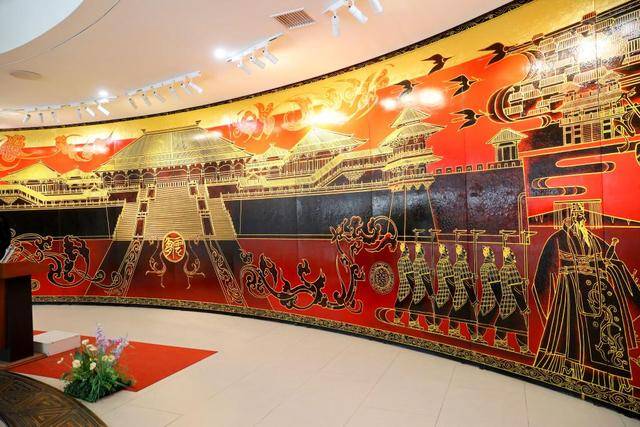
活力中国调研行丨活力涌动 消费焕新——湖北文旅发展一线观察
Sou Hu Cai Jing· 2025-09-06 04:14
Group 1 - The article highlights the revitalization of cultural tourism in Hubei, showcasing how local resources are leveraged to boost consumption and attract visitors [1][3] - Yunmeng County Museum has undergone renovations, adding immersive exhibition halls and facilities, which have significantly increased cultural product sales, generating over 4 million yuan in revenue from January to July [3][4] - The night economy in Hubei is thriving, with projects like "Two Dams and One Gorge" attracting nearly one million tourists during the summer, marking a 30% increase year-on-year [4] Group 2 - The Xiangyang Tang City scenic area features a blend of traditional performances and modern technology, with 60% of its 1.03 million visitors in the first half of 2025 attending at night [5][7] - The "Wudang Dream" park in Shiyan has welcomed 600,000 visitors since its opening, generating 20 million yuan in revenue through dynamic cultural presentations [9] - Hubei's tourism sector has seen significant growth, with 547 million visitors and a total tourism revenue of approximately 571.7 billion yuan from January to July, reflecting year-on-year increases of 14.61% and 16.07% respectively [9]
活力涌动 消费焕新——湖北文旅发展一线观察
Xin Hua Wang· 2025-09-06 04:01
Core Insights - The article highlights the development of the cultural tourism industry in Hubei, showcasing how local resources and historical heritage are leveraged to boost consumption and attract visitors [1][2]. Group 1: Cultural Tourism Development - Yunmeng County Museum has undergone renovations, adding immersive exhibition halls and facilities that enhance visitor experience, leading to a cultural revenue of over 4 million yuan from January to July [2]. - The integration of cultural elements into tourism experiences has increased visitor interest in cultural souvenirs, with 20,000 students visiting the museum for educational purposes, positively impacting local dining and accommodation sectors [2]. Group 2: Night Economy - The night economy in Hubei is thriving, with electric cruise ships like "Yangtze River Three Gorges No. 1" attracting tourists, showcasing local landmarks illuminated at night [3][4]. - The "Two Dams and One Gorge" cruise project has seen nearly 1 million visitors during the summer, marking a 30% increase year-on-year [4]. Group 3: Technological Integration - The use of modern technology, such as 3D projections and immersive experiences, is transforming traditional performances into dynamic interactions, enhancing visitor engagement [7][9]. - The "Wudang Dream" park has welcomed 600,000 visitors since its opening, generating 20 million yuan in revenue, demonstrating the financial viability of integrating technology into cultural presentations [9]. Group 4: Overall Tourism Statistics - Hubei received 547 million visitors and generated approximately 571.7 billion yuan in tourism revenue from January to July, reflecting year-on-year growth of 14.61% and 16.07% respectively [9].
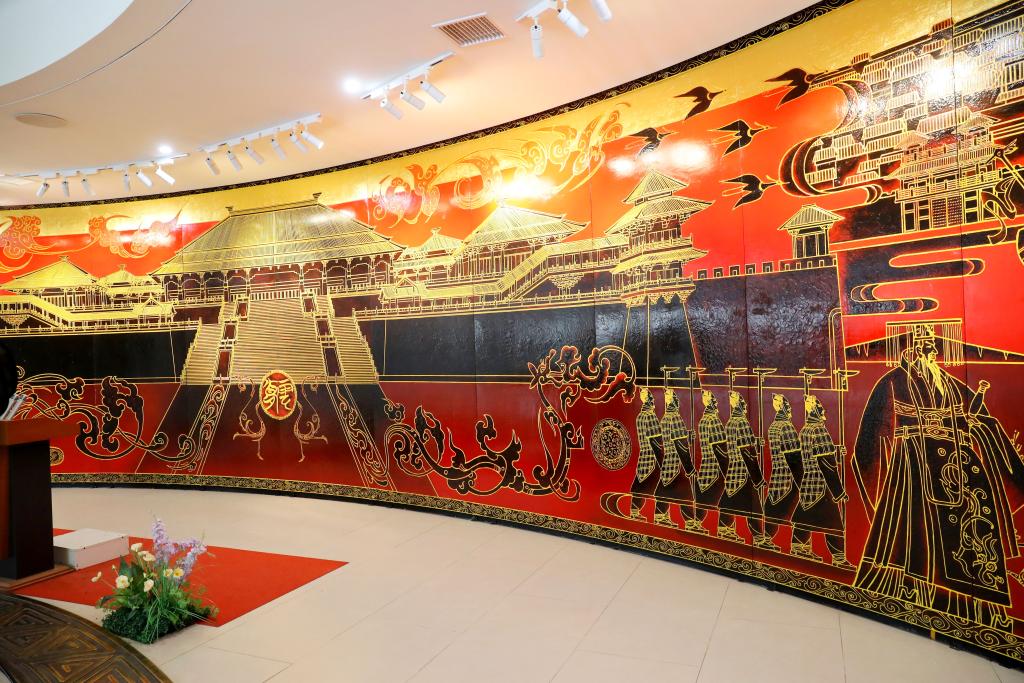
内蒙古乌兰察布:特色街区点亮夜经济
Xin Hua Wang· 2025-09-06 01:32
Group 1 - The "Ulanqab Night" themed street in Ulanqab City, Inner Mongolia, is a vibrant area that attracts many visitors with its neon lights and lively atmosphere [2] - The street integrates various elements such as traditional performances, specialty foods, and family entertainment, effectively driving nighttime consumption [2][3] - This initiative serves as a new engine for promoting the local night economy, highlighting the importance of diverse business models in urban development [2]