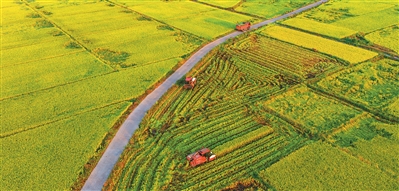
种业振兴

Search documents
2025中原农谷种业大会开幕
Nan Fang Nong Cun Bao· 2025-11-06 06:03
Core Points - The 2025 Central Plains Agricultural Conference opened in Zhengzhou, Henan Province, focusing on the theme "A Seed Promotes Revitalization, Central Plains Agricultural Valley Reaches New Heights" [2][8] - The conference aims to gather experts and stakeholders in the seed industry to discuss the entire seed industry chain, share innovative results, and promote collaboration for agricultural revitalization and food security [10][11][12] Group 1: Conference Overview - The conference is organized by the Henan Provincial Department of Agriculture and Rural Affairs and the Central Plains Agricultural Valley Management Committee, with participation from various agricultural institutions and experts [8][9] - It features a format of "1+5+2+2," including one opening ceremony, five parallel forums, two special events, and two major sub-forums [22][23] - Major information releases during the opening ceremony include the new three-year action plan for the Central Plains Agricultural Valley and significant innovations in the seed industry [24][26] Group 2: Achievements and Goals - This year is critical for achieving the five-year effectiveness goal of the seed industry revitalization action plan [13] - Henan Province has made significant progress in seed variety selection, with 822 varieties approved nationally and 125 high-quality varieties rapidly promoted [16][17] - The province leads in the national promotion area for wheat, corn, and peanuts, with notable varieties achieving national recognition [18][19][20] Group 3: Future Directions - The conference serves as a strategic engine for Henan's agricultural development, aiming to enhance the seed industry chain and attract investment [34][36] - Various agreements and collaborations were signed during the conference to support the development of the Central Plains Agricultural Valley [35][36] - The event also included discussions on the application of artificial intelligence in agriculture and the establishment of research centers to boost innovation [25][26]


豫政快报丨一粒种子促振兴!2025中原农谷种业大会今日开幕
He Nan Ri Bao· 2025-11-06 02:57
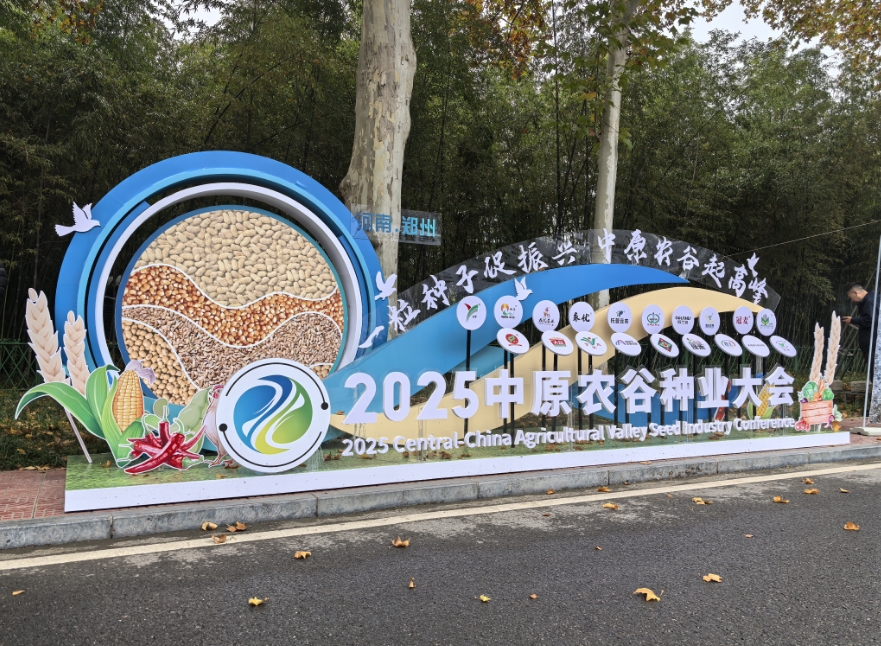
11月6日上午,2025中原农谷种业大会在郑州正式开幕,来自国内外农业领域的专家学者、企业代表等400余人齐聚一堂,共话种业创新发展。 据了解,本届大会以"一粒种子促振兴 中原农谷起高峰"为主题,聚焦种业全产业链,组织高端学术交流,搭建具有国际影响力的种业合作交流平台,将举 办1场主题活动、5场平行研讨会、2场专题活动。同时设有新乡分会场(中原农谷科技创新成果展示)、郑州分会场(国家农作物品种展示评价基地)。 a 3 中原先谷起高峰 dly - tural Valley Seed Industry Conference d dill - 1 4120 11 2 - Diamanaga Hea 23 r t 4 11) 1 此次大会汇聚了国家级科研机构、头部企业及国际资源,集中展示农业前沿科技成果,加速创新成果应用与产业转化,为加快推进种业振兴贡献积极力量。 (记者 张笑闻 赵若郡 董亮 杜小伟 蔡迅翔 郭云波) 19 856 FFBB 20 . REAL 3 the t * 永优种业企业简介 有望态表、古亚虎为贯彻落实2011年温末宝总理到朝壁市农科院调研时,做出的让我们选育的玉米品种"永远是优质产品,永 发 ...
加快农业农村现代化
Ren Min Ri Bao· 2025-11-06 00:24
Core Viewpoint - The modernization of agriculture and rural areas is essential for the overall modernization of the country, as emphasized by General Secretary Xi Jinping [1][2]. Group 1: Significance of Accelerating Agricultural and Rural Modernization - The achievements in "three rural issues" since the 18th National Congress have been historic, with significant improvements in rural conditions and agricultural production capabilities [2]. - The comprehensive grain production capacity remains above 1.3 trillion jin, with expectations to exceed 1.4 trillion jin in 2024 [2]. - The contribution rate of agricultural science and technology has reached 63.2%, and the mechanization rate of crop farming exceeds 75% [2]. - The eradication of absolute poverty has been a historic achievement, with all farmers entering a moderately prosperous society [2]. - The per capita disposable income of rural residents is projected to reach 23,119 yuan in 2024, with the urban-rural income ratio decreasing to 2.34:1 [2]. Group 2: Relationship of Agricultural Modernization to National Goals - Agricultural modernization is a critical task for building a modern socialist country, addressing the imbalances and weaknesses in rural development [3]. - Strengthening the agricultural foundation is vital for national stability and food security, especially in the face of international uncertainties [3]. - Achieving agricultural modernization is essential for ensuring food security and providing a solid foundation for the modernization of China [3]. Group 3: Basic Requirements for Agricultural Modernization - Agricultural modernization is a major and urgent strategic task that requires prioritizing rural development and urban-rural integration [5]. - The relationship between setting goals and maintaining historical patience is crucial, as agricultural modernization is a systematic and dynamic process [6]. - Local conditions must be considered in the implementation of agricultural modernization, avoiding a one-size-fits-all approach [6]. - The integration of traditional agricultural practices with modern elements is necessary to preserve cultural heritage while advancing modernization [6]. Group 4: Strategic Deployment for Agricultural Modernization - The focus is on enhancing agricultural production capacity and quality, ensuring food security through modern agricultural practices [9]. - Establishing mechanisms to prevent poverty and ensure sustainable development in rural areas is essential [10]. - Building beautiful and livable rural areas is a priority, with an emphasis on improving infrastructure and public services [11]. - Strengthening policies that support farmers and enhance agricultural productivity is critical for achieving modernization goals [12].
加快农业农村现代化(学习贯彻党的二十届四中全会精神)
Ren Min Ri Bao· 2025-11-05 22:08
Core Viewpoint - The modernization of agriculture and rural areas is essential for the overall modernization of the country, as emphasized by General Secretary Xi Jinping and outlined in the 15th Five-Year Plan proposal [1][2]. Group 1: Significance of Accelerating Agricultural and Rural Modernization - The achievements in "Three Rural Issues" since the 18th National Congress have been historic, with significant improvements in rural conditions and agricultural production capabilities, maintaining grain production capacity above 1.3 trillion jin, and expected to exceed 1.4 trillion jin in 2024 [2]. - The contribution rate of agricultural science and technology has reached 63.2%, with mechanization rates exceeding 75%, placing agricultural innovation among the world's top ranks [2]. - The eradication of absolute poverty has been a remarkable achievement, with all farmers entering a moderately prosperous society, ensuring no large-scale return to poverty [2]. - Rural residents' per capita disposable income is projected to reach 23,119 yuan in 2024, with the urban-rural income ratio decreasing to 2.34:1 [2]. Group 2: Relationship of Agricultural Modernization to National Goals - Agricultural modernization is a critical task for building a modern socialist country, addressing the imbalances and inadequacies in rural development, which remain significant challenges [3]. - Strengthening the agricultural foundation is vital for national stability and food security, especially in the face of complex international environments [3]. - Achieving agricultural modernization is essential for ensuring food security and providing a solid foundation for advancing Chinese-style modernization [3]. Group 3: Basic Requirements for Agricultural Modernization - Agricultural modernization is a major and urgent strategic task, requiring a focus on prioritizing agricultural and rural development, and promoting urban-rural integration [5]. - The process must be systematic and patient, addressing the most pressing issues faced by farmers and gradually achieving significant results [5][6]. - Local conditions must be considered in the implementation of modernization strategies, avoiding a one-size-fits-all approach [6]. Group 4: Strategic Deployment for Agricultural Modernization - The 15th Five-Year Plan outlines key tasks for accelerating agricultural modernization, emphasizing the need for effective implementation of these strategies [8]. - Enhancing agricultural production capacity and quality is fundamental, with a focus on sustainable practices and technological advancements [9]. - Establishing mechanisms to prevent poverty and ensure continuous support for vulnerable populations is crucial for maintaining progress in rural areas [10]. - Promoting the construction of beautiful and livable rural areas is essential for improving the quality of life for farmers [11]. - Increasing the effectiveness of policies aimed at supporting agriculture and rural development is necessary to ensure sustainable growth [12].
焦点访谈|攥紧农业“芯片” 提稳中国“菜篮子”
Yang Shi Wang· 2025-11-05 13:49
Core Viewpoint - The article emphasizes the importance of domestic vegetable seed production in ensuring food security and boosting farmers' incomes, highlighting the shift from reliance on imported seeds to self-sufficiency in China [1][5][18]. Industry Overview - The "14th Five-Year Plan" suggests transforming agriculture into a modern industry, with a focus on vegetable seed production as a key area for high value and high yield [1]. - Vegetable seeds are described as the "chip" of agriculture, essential for the development of the agricultural industry [5]. Domestic Seed Production - Historically, China relied heavily on imported vegetable seeds, which posed risks to food security [1][3]. - The successful domestication of vegetable seeds, such as the hybrid cabbage variety "Jingfeng No. 1," marks a significant achievement in reducing dependency on foreign seeds [7]. Seed Breeding and Technology - The process of seed breeding involves careful cultivation and pollination, which is crucial for producing high-quality seeds [9][11]. - Local agricultural technicians play a vital role in educating farmers on best practices for seed production, ensuring higher yields and quality [12][14]. Regional Development - The development of the vegetable seed industry in Henan's Jiyuan has become a pillar of the local economy, supported by infrastructure improvements and modern irrigation techniques [14][16]. - By the end of 2024, Jiyuan aims to have nearly 70,000 acres dedicated to vegetable seed production, with an annual output of 4.8 million kilograms [16]. Economic Impact - The vegetable seed industry in Jiyuan is projected to generate an annual output value of 500 million yuan, significantly contributing to local farmers' incomes [16]. - The average disposable income for rural residents in the area is reported to be 28,055 yuan, exceeding the national average by 20% [16]. Future Prospects - The local government aims to establish Jiyuan as a major hub for vegetable seed supply, focusing on enhancing core competitiveness and fostering partnerships with research institutions [18].
“十五五”新蓝图·新机遇丨强基础补短板 农业加快迈向现代化大产业
Xin Hua She· 2025-11-05 01:50
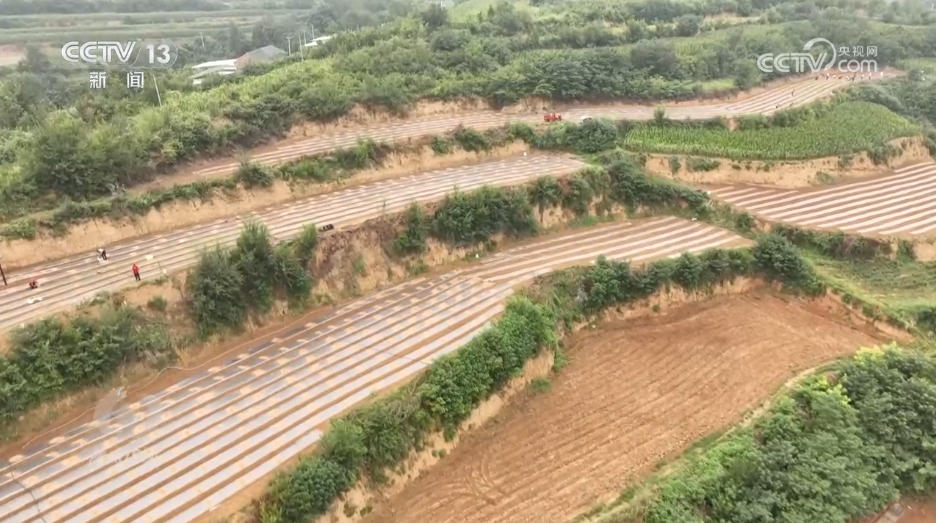
Core Insights - The article emphasizes the importance of modernizing agriculture in China, particularly in the context of the "14th Five-Year Plan" and the upcoming "15th Five-Year Plan" [1][2][3] - It highlights the need to enhance agricultural production capacity and quality, aiming to transform agriculture into a modern large-scale industry [2][3][4] Agricultural Production and Modernization - China's grain production is expected to achieve another bumper harvest, with a total grain output surpassing 1.4 trillion jin last year, ensuring food security for 1.4 billion people [1][2] - The per capita grain availability in China has reached 500 kg, indicating a stable supply of staple food [1] - The self-sufficiency rate for soybeans increased by 4 percentage points from 2020, while the self-sufficiency rate for edible vegetable oil rose by nearly 5 percentage points [2] Challenges and Strategic Focus - Despite progress, challenges remain in agricultural modernization, including low production efficiency, insufficient industrial chain extension, and weak international competitiveness [2][3] - The "15th Five-Year Plan" prioritizes addressing agricultural issues, promoting urban-rural integration, and enhancing living conditions in rural areas [2][4] Technological Advancements - Technological progress is deemed crucial for agricultural modernization, with a contribution rate of 63.2% from agricultural technology by the end of last year [3] - The mechanization rate for crop farming has exceeded 75%, and the coverage rate for quality seeds is over 96% [3] Future Outlook - The development of agricultural technology will be emphasized, focusing on high-yield, high-quality varieties, efficient water-saving technologies, and advanced machinery suitable for hilly areas [4] - Cold chain logistics is identified as a significant shortcoming in the agricultural supply chain, with potential for growth driven by e-commerce [5] - Investments in cold chain logistics are expected to increase, enhancing the digitalization and industrialization of the sector [5]
“十四五”,我们见证这些硬核突破|从粒粒良种,到仓廪充盈
Ren Min Ri Bao Hai Wai Ban· 2025-11-04 07:41
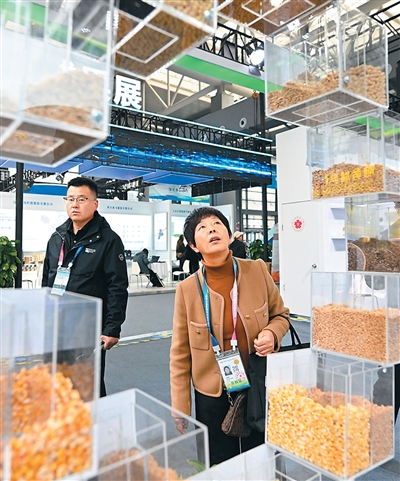
Core Insights - China is implementing a seed industry revitalization action plan during the 14th Five-Year Plan period, achieving over 95% of crop breeding area with domestically bred varieties, including high-yield rice and disease-resistant wheat [1][3][4] Group 1: Crop Breeding Achievements - Breakthrough varieties of staple crops such as rice and wheat have been developed, with significant increases in yield; for instance, the combined yield of regenerated rice and mid-season rice in Sichuan reached over 1300 kg per mu [3][4] - The average yield of early rice is projected to exceed 400 kg per mu by 2025, marking a historical high [4] - New wheat varieties, such as "Yangmai 53," have been developed to combat diseases like Fusarium head blight, achieving a yield increase of 10.13% compared to control varieties [4][5] Group 2: Livestock and Aquaculture Innovations - The domestic breeding of white feather broilers has transitioned from 100% reliance on imports to the introduction of varieties like "Shenze 901," which has begun to penetrate international markets [6][7] - The market share of domestically bred white feather broilers has surpassed 25%, while the Huaxi cattle breed has achieved over 20% market share, reducing dependency on imported livestock [7] - The self-bred South American white shrimp varieties now hold over 30% of the market, previously costing millions in imports [7] Group 3: Genetic Resource Survey and Utilization - A comprehensive national agricultural germplasm resource survey has been conducted, collecting 139,000 new germplasm resources, which are crucial for breeding superior varieties [9][10] - The survey has identified and protected traditional local varieties and wild relatives, enhancing the foundation for breeding high-yield and resilient crops [10]
农作物自主选育品种占比超95%,多个品种打破国外种源依赖——从粒粒良种,到仓廪充盈
Ren Min Ri Bao Hai Wai Ban· 2025-11-04 07:40
Core Insights - The article emphasizes the significant advancements in China's agricultural seed industry during the "14th Five-Year Plan" period, highlighting the development of high-quality and high-yield crop varieties, which have led to increased self-sufficiency in food production [1][2][3][4][5][6][7][8] Group 1: Crop Innovations - China has successfully bred a variety of high-yield rice, wheat, and other crops, with over 95% of the cultivated area consisting of self-bred varieties [1] - In Sichuan Province, the introduction of breakthrough rice varieties has led to an average yield of over 1300 kg per mu (approximately 2170 kg per hectare) [2] - The development of disease-resistant wheat varieties, such as "Yangmai 53," has resulted in a yield increase of 10.13% compared to traditional varieties [3] Group 2: Livestock and Aquaculture - The domestic breeding of white feather broilers has transitioned from complete reliance on imports to achieving over 25% market share, with significant exports to international markets [4][5][6] - The introduction of the Huaxi cattle breed has improved domestic beef production, achieving a market share exceeding 20% [6] - The self-bred varieties of South American white shrimp have also gained a market share of over 30%, reducing previous import costs significantly [6] Group 3: Genetic Resource Management - A comprehensive national agricultural germplasm resource survey has been conducted, collecting 139,000 new germplasm resources, which is crucial for breeding superior varieties [7][8] - The survey has identified and protected traditional local varieties and wild relatives, enhancing the genetic diversity available for breeding programs [8] - Over 6000 germplasm resources have already been applied in breeding innovation and industrial development, supporting the goal of enhancing self-innovation capabilities in the seed industry [8]
“十五五”种业投资机会在哪里? | 前瞻十五五⑬
Xin Lang Cai Jing· 2025-11-04 02:09
Core Viewpoint - The article discusses the Chinese government's focus on modernizing the seed industry as part of the "15th Five-Year Plan," emphasizing the importance of seed revitalization for agricultural development and the potential opportunities it presents for the industry. Group 1: Policy and Strategic Initiatives - The "15th Five-Year Plan" suggests accelerating agricultural modernization and advancing rural revitalization, specifically through the implementation of the "Seed Industry Revitalization Action Plan" [1] - The five major actions proposed for seed industry revitalization include the protection and utilization of genetic resources, innovation breakthroughs, support for leading enterprises, enhancement of production bases, and market purification [2] - The core of the seed industry development during the "15th Five-Year" period is to strengthen enterprise development, with a focus on creating a better business environment for companies [2] Group 2: Market Dynamics and Investment Trends - Significant capital inflow into the seed industry has been observed, with notable investments such as CITIC Agriculture's 1.2 billion yuan increase in Longping High-Tech and Guotou Seed's 1.089 billion yuan increase in Fengle Seed [4] - Despite the influx of capital, the domestic seed industry remains fragmented, with the top five companies holding only about 15% market share, indicating room for growth compared to international giants [4] - The largest global seed company, Bayer, reported seed business revenue of $11.645 billion in 2024, highlighting the competitive landscape and the gap between domestic and international players [4] Group 3: Technological and Agricultural Advancements - The acceleration of biotechnology development is facilitating the application of new varieties, which is crucial for attracting investment and achieving returns [8] - The "15th Five-Year" period aims to enhance crop yields significantly, particularly in soybeans, where there is a notable gap compared to international levels, and to improve the quality of other staple crops like wheat and rice [9] - The seed industry has played a vital role in agricultural production, but its full potential has yet to be realized, necessitating a focus on both yield improvement and resilience against natural disasters [9]
从粒粒良种,到仓廪充盈(“十四五”,我们见证这些硬核突破⑦)
Ren Min Ri Bao Hai Wai Ban· 2025-11-03 22:46
Core Insights - The article highlights China's significant advancements in agricultural seed breeding during the "14th Five-Year Plan" period, focusing on the development of high-yield and disease-resistant crop varieties, which have led to increased food security and market competitiveness [6][7][10]. Group 1: Crop Breeding Innovations - China has implemented a seed industry revitalization action plan, resulting in over 95% of crop varieties being independently bred, including high-yield rice, drought-resistant wheat, and high-oil soybeans [6][7]. - In Sichuan Province, the introduction of high-yield rice varieties has led to a combined yield of over 1300 kg per mu (approximately 0.067 hectares), showcasing the effectiveness of new breeding techniques [7][8]. - The development of disease-resistant wheat varieties, such as "Yangmai 53," has resulted in a yield increase of 10.13% compared to traditional varieties, marking a significant achievement in wheat breeding [8][9]. Group 2: Livestock and Aquaculture Breeding - The successful breeding of domestic white-feather broilers, which previously relied entirely on imports, has now achieved a market share exceeding 25%, ensuring a stable supply of poultry [10][11]. - The introduction of the Huaxi cattle breed has broken the dependency on imported beef cattle, with a market share surpassing 20% and an average daily weight gain of 1.36 kg [11]. - The development of 12 new varieties of South American white shrimp has led to a market share of over 30%, significantly reducing the reliance on imported shrimp [11]. Group 3: Genetic Resource Survey - A comprehensive national agricultural germplasm resource survey has been conducted, collecting 139,000 new germplasm resources, which are crucial for breeding high-quality crop varieties [13][14]. - The survey has identified and protected traditional local varieties and wild relatives, enhancing the genetic diversity available for future breeding efforts [14]. - Over 6000 germplasm resources have already been applied in breeding innovation and industrial development, supporting the goal of enhancing China's seed industry [14].