虚假宣传

Search documents
新疆乌苏市市场监管局发布老年人药品、保健食品虚假宣传典型案例
Zhong Guo Shi Pin Wang· 2025-07-15 13:52
Group 1 - The Urumqi Market Supervision Administration has taken action against false advertising and illegal sales practices to protect the rights of the elderly [1][2] - A case involving a company selling food products with false claims about health benefits was penalized with a fine of 2,000 yuan for violating advertising laws [1] - The company was found to have made misleading claims about the efficacy of its products, including claims of activating cells and improving immunity [1] Group 2 - A supermarket was penalized for using medical terminology in the packaging of saffron and selling unregistered special cosmetics [2][3] - The products involved included saffron with misleading health claims and a lavender whitening essence that was not registered as a special cosmetic [3] - The total value of the involved products was 675 yuan, and the actions violated multiple regulations regarding advertising and cosmetic management [3]
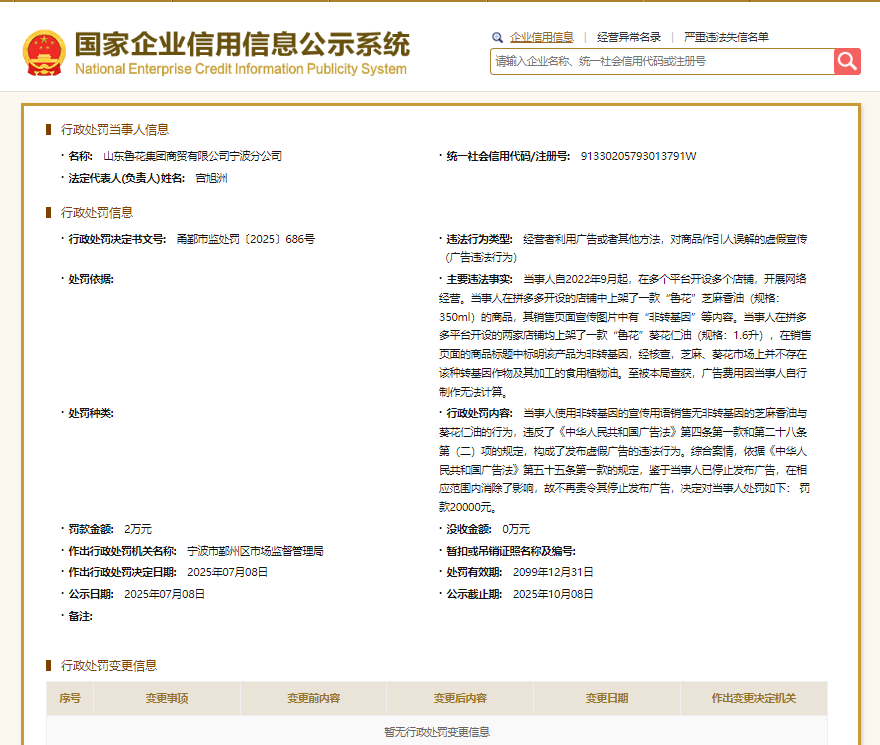
鲁花宁波分公司因“非转基因”虚假宣传被罚20000元
Qi Lu Wan Bao· 2025-07-10 02:03
Core Points - Ningbo Yinxiu District Market Supervision Administration imposed a fine of 20,000 RMB on Shandong Luhua Group Trading Co., Ltd. Ningbo Branch for publishing false advertisements on e-commerce platforms [1] - The company used the term "non-GMO" in advertisements for its "Luhua" sesame oil (350ml) and "Luhua" sunflower oil (1.6L), despite the absence of genetically modified sesame and sunflower crops in the market [1] - The actions of the company were found to violate the Advertising Law of the People's Republic of China, specifically regarding false content in advertisements [1] Company Information - Shandong Luhua Group Trading Co., Ltd. Ningbo Branch was established on September 19, 2006, and is located in Yinxiu District, Ningbo City, Zhejiang Province [1] - The legal representative of the company is Gong Xuzhou [1]

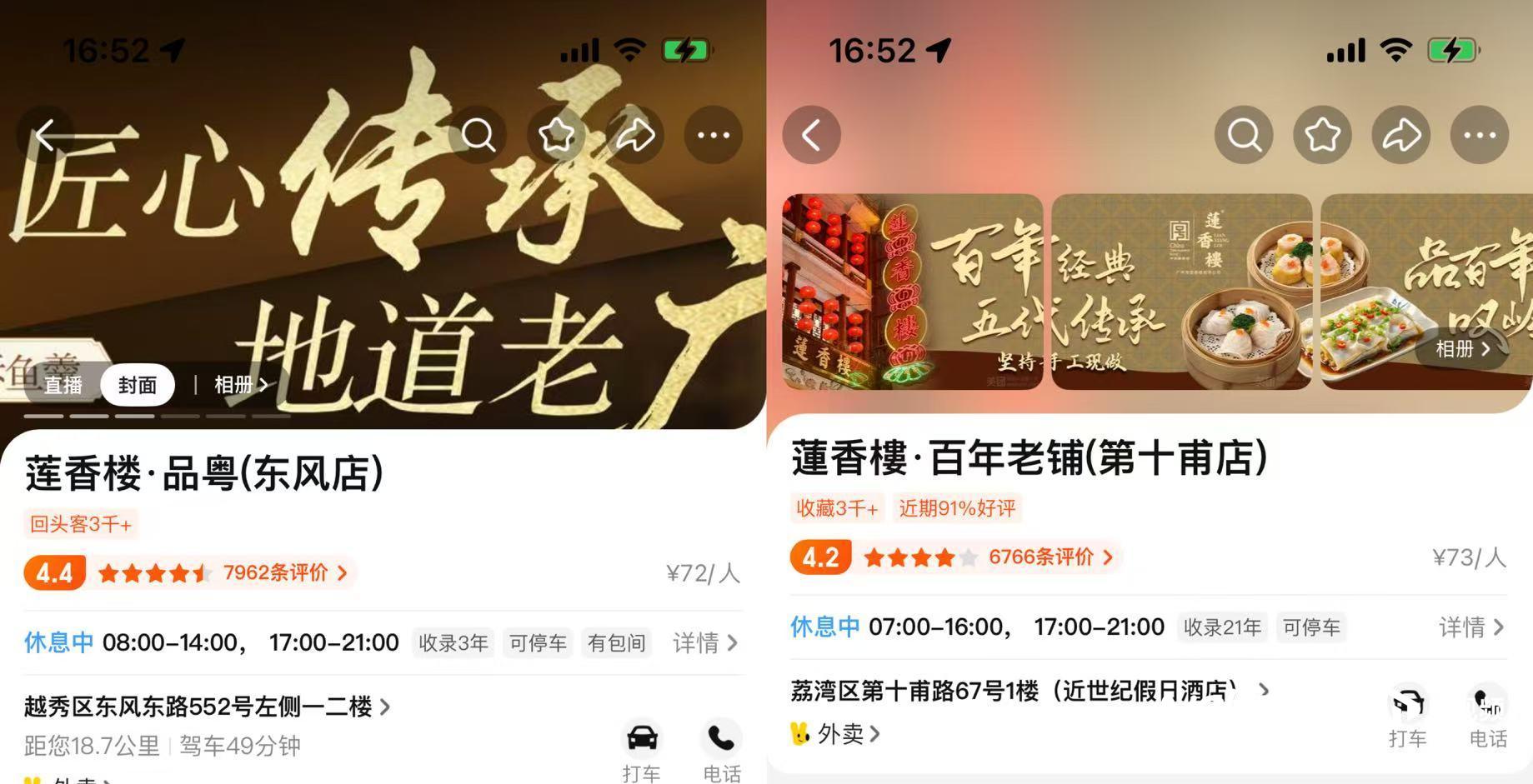
莲香楼商标授权争议!两家运营企业涉虚假宣传被判罚200万
Nan Fang Du Shi Bao· 2025-07-09 10:28
Core Viewpoint - The Guangzhou Lianxianglou Company has won a lawsuit against two other companies for false advertising, as they claimed to be associated with the "Chinese Time-honored Brand" and other historical phrases, which misled consumers about their connection to the original Lianxianglou brand [1][2][4]. Legal Proceedings - The Beijing Haidian District People's Court ruled that the two defendant companies, Guangzhou Lianlou Catering Service Co., Ltd. and Guangzhou Bailian Catering Service Co., Ltd., must pay 2 million yuan in economic damages and 100,000 yuan in reasonable expenses to Guangzhou Lianxianglou Company [2][4]. - The court found that the defendants' claims constituted false advertising under the Anti-Unfair Competition Law, as they did not have authorization to use phrases indicating a century-long history [3][10]. Brand and Trademark Dispute - The dispute over the Lianxianglou trademark has been ongoing for over a decade, with multiple entities operating under the Lianxianglou name in Guangzhou [1][8]. - The court acknowledged that the original Lianxianglou brand has significant market influence due to years of operation by Guangzhou Lianxianglou Company, which has integrated its history into its business [2][3]. Current Status of the Defendants - The defendant companies have acknowledged the court's ruling and have removed the disputed promotional phrases from their marketing materials [5][7]. - Both companies are currently within the appeal period but have not disclosed specific future plans [5][7]. Future Implications - Guangzhou Lianxianglou Company continues to seek exclusive rights to the Lianxianglou trademark, despite the ongoing disputes regarding the nature of the trademark authorization [11]. - The legal outcomes indicate that while the defendant companies can operate under the Lianxianglou name, they cannot claim historical associations without proper authorization [10].
虚构履历卖课被罚200万元,一批直播电商领域典型案例公布
news flash· 2025-07-08 10:06
Core Viewpoint - The article discusses the recent regulatory actions taken by various market supervision departments in China to address illegal practices in the live e-commerce sector, aiming to protect consumer rights and promote fair competition. Group 1: Regulatory Actions - The Hainan Provincial Market Supervision Administration fined Hainan Juguangzhongda E-commerce Consulting Co., Ltd. 2 million yuan and revoked its business license for false advertising related to its online store opening courses [2] - The Guangzhou Baiyun District Market Supervision Administration imposed a fine of 400,000 yuan on Guangzhou Zhiyuan Supply Chain Co., Ltd. for failing to publicly display its business license and for misleading advertising during a live broadcast [3] - The Ningbo Fenghua District Market Supervision Administration fined Ningbo Youduo Household Products Co., Ltd. 117,900 yuan for improper prize sales practices during promotional live streams [4] - The Hengshan District Market Supervision Administration in Hunan Province fined an individual 184,500 yuan for artificially inflating viewer counts in multiple live streams [6] - The Chengdu Market Supervision Administration fined Chengdu Fanxing Media Co., Ltd. 280,000 yuan for misleading claims about a brand's sales performance during a live broadcast [7] - The Nantong City Market Supervision Administration fined an individual 200,000 yuan for false advertising regarding the materials and quality of a down comforter sold through a live stream [8] - The Lishui City Yunhe County Market Supervision Administration imposed fines on two toy companies for selling products that did not meet national safety standards [8] Group 2: Violations and Consequences - Hainan Juguangzhongda E-commerce Consulting Co., Ltd. was found to have fabricated a female host's credentials and made unfulfilled refund promises, leading to numerous complaints [1] - Guangzhou Zhiyuan Supply Chain Co., Ltd. misled consumers about the quality of products during live promotions, which resulted in a lack of transparency regarding its business license [3] - Ningbo Youduo Household Products Co., Ltd. mismanaged prize distribution during promotional events, causing consumer dissatisfaction and confusion [4] - The individual involved in viewer count manipulation used multiple devices to create false engagement across 14 live streams [5] - Chengdu Fanxing Media Co., Ltd. failed to provide evidence for its claims of being the top-selling brand, misleading consumers and disrupting market order [7] - The individual selling the down comforter made false claims about the product's materials and origin, misleading consumers [8] - The toy companies sold products that posed safety risks to children, leading to regulatory penalties for non-compliance with safety standards [8]
试衣镜为什么自带“瘦身特效”
Ke Ji Ri Bao· 2025-07-03 01:10
Core Viewpoint - The article discusses the phenomenon of fitting room mirrors in clothing stores that create visual effects, leading to consumer misconceptions about clothing fit and appearance [1][5]. Group 1: Mirror Design Techniques - The angle of the mirrors is crucial for creating visual effects, with most mirrors tilted between 65 to 75 degrees to compress the upper body and elongate the lower body, resulting in an idealized body proportion [3]. - Some mirrors are subtly curved, designed to stretch the image vertically, making individuals appear taller and slimmer, with curvature controlled within 3% to avoid detection [3]. Group 2: Lighting Effects - Lighting plays a significant role in enhancing the visual appeal of clothing, with strategically placed lights improving skin tone and making colors appear softer and more attractive [4]. Group 3: Consumer Awareness and Identification - Consumers can use their smartphones to capture images from different angles to better assess the true appearance of clothing, countering the effects of the mirrors [4]. - Carrying a white reference object, like A4 paper, can help consumers identify color discrepancies between the mirror's reflection and the actual clothing [4]. Group 4: Consumer Mindset and Legal Implications - Consumers are advised to maintain a rational mindset and focus on the actual comfort and design of clothing rather than being swayed by the enhanced visual effects of fitting room mirrors [5]. - The use of such mirrors may constitute false advertising, potentially infringing on consumer rights, and could lead to legal consequences for retailers if proven deceptive [5].
逐本陷虚假宣传风波 创始人言论遭反噬?丨美妆变局
2 1 Shi Ji Jing Ji Bao Dao· 2025-06-30 09:10
Core Viewpoint - The emerging skincare brand "Zhuben" is facing public scrutiny due to allegations of discrepancies between product ingredient filings and actual contents, as well as accusations of false advertising by its founder during a live-streaming event [1][2]. Group 1: Company Background - "Zhuben" was founded in 2016 and has adopted a "self-research + self-controlled supply chain" model. The brand quickly gained popularity after entering the Taobao distribution channel in 2018, particularly with its makeup remover oil product [2]. - The brand's Tmall flagship store launched in 2019, collaborating with influencer Li Jiaqi for 34 live-streaming events, achieving a record of selling 50,000 bottles of makeup remover oil in just one minute [2]. - In 2020, "Zhuben" achieved a total GMV of over 200 million yuan, a 450% increase from 2019, with over 80% of revenue coming from makeup remover oil, selling over 3 million bottles in less than two years [2]. - The brand's sales during the 2022 Double 11 shopping festival reached 340 million yuan, with nearly 3.5 million units of makeup remover oil sold [2]. Group 2: Recent Controversy - Allegations surfaced that "Zhuben" products, including the high-end "Mo Hong" series, contained ingredients that did not match their filings, such as using rose oil substitutes and unapproved new raw materials [1]. - During a live-streaming event on June 25, the founder Liu Qianfei made claims about the products' efficacy in promoting hair growth and addressing women's health issues, which contradicted the products' classification as ordinary aromatherapy oils [1]. - Following the allegations, "Zhuben" removed several implicated products from major e-commerce platforms and the founder deleted related posts on social media [1]. Group 3: Regulatory Response - The Zhejiang Provincial Drug Supervision Administration has stated that the matter has been referred to the local market supervision bureau for investigation and is being handled according to standard procedures [2]. - On June 27, the brand issued an apology and proposed a rectification plan while denying any improper product ingredient claims, asserting that all products are safe [2]. Group 4: Financial Information - According to public records, Hangzhou Shucai Network Technology Co., Ltd., the parent company of "Zhuben," has a registered capital of over 4.89 million yuan [3]. - "Zhuben" completed A and B round financing in December 2020 and March 2021, respectively, with the B round raising 50 million USD from notable investors [3].
瘦身焦虑遇微商套路,“毒果”换皮重生
Qi Lu Wan Bao· 2025-06-27 06:34
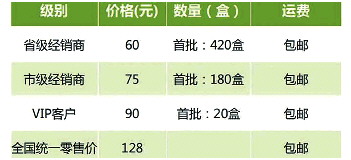
Core Viewpoint - The article highlights the ongoing issues with the "Sui Bian Guo" product, which has been linked to pyramid schemes and false advertising, posing health risks to consumers while exploiting the growing demand for weight loss products during summer [2][3][8]. Group 1: Product and Market Overview - The "Sui Bian Guo" product is marketed with claims of detoxification and weight loss, despite being previously identified as a pyramid scheme and facing significant legal penalties [3][5]. - The product's ingredients include sugar-preserved green plums and various herbal powders, which are claimed to have detoxifying effects, but may lead to health issues with long-term use [4][8]. - The current retail price for "Sui Bian Guo" is set at 128 yuan per box, with various wholesale prices depending on the level of the distributor [5][6]. Group 2: Sales and Distribution Model - The distribution model for "Sui Bian Guo" resembles a pyramid scheme, requiring agents to purchase large quantities of the product to qualify for higher commission levels [6][7]. - Agents can achieve higher status by recruiting others, which aligns with the characteristics of illegal pyramid schemes as defined by Chinese law [7][9]. - The company incentivizes sales through a reward system for agents, further complicating the regulatory landscape [6][7]. Group 3: Regulatory and Health Concerns - The article discusses the broader issues in the weight loss product market, including the prevalence of false advertising and the use of harmful additives in products like keto coffee and slimming candies [8][9]. - Reports indicate that consumers have experienced adverse health effects from these products, highlighting the need for stricter regulation and consumer awareness [8][9]. - The hidden nature of transactions in the micro-business model complicates enforcement and consumer protection efforts [9].
“消结”胶囊调查追踪:监管部门已立案,直播间产品下架
Xin Jing Bao· 2025-06-26 07:08
Core Viewpoint - SPRUTRITION's quercetin capsules are under investigation for false advertising and misleading health claims, with the product being removed from live sales but still available on other platforms [1][4]. Group 1: Investigation and Regulatory Actions - The Beijing Chaoyang District Market Supervision Administration has initiated an investigation into SPRUTRITION's trademark registration company, Yunshan Hengmao (Beijing) Enterprise Management Co., Ltd., based on allegations of false advertising [1]. - Following a report published on May 28, it was found that the product's claims of treating nodules lack clinical evidence and violate advertising laws [1][2]. Group 2: Product Availability and Marketing Claims - Despite the removal of the product from the SPRUTRITION live sales platform, it remains available on overseas flagship stores, where misleading claims about its efficacy in treating nodules persist [4][5]. - The product's promotional materials on various platforms include phrases suggesting it can "identify and eliminate nodules," which raises concerns about compliance with advertising regulations [3]. Group 3: Company Background - Yunshan Hengmao (Beijing) Enterprise Management Co., Ltd., the applicant for the SPRUTRITION trademark, was established on November 17, 2017, with a registered capital of 2 million RMB, categorizing it as a small and micro enterprise [5].

通鼻“神药”违法添加,惯犯能否“刑罚伺候”
Xin Jing Bao· 2025-06-25 09:19
Core Viewpoint - The article highlights the misuse of "消" (disinfection) products, particularly the nasal spray "濞秒通," which misleads consumers into believing it has therapeutic effects, leading to health issues such as "decongestant dependence" [1][2]. Group 1: Product Misrepresentation - "消" products are marketed as having medicinal properties despite only being approved for disinfection, allowing unscrupulous businesses to profit quickly through misleading claims [1][2]. - The common tactics used by businesses include false advertising that downplays the product's actual classification and promotes it as a reliable treatment for nasal issues [1][2]. Group 2: Legal Framework and Consumer Rights - The regulatory framework for "消" products is less stringent than for pharmaceuticals, but there are still legal provisions against false advertising and illegal ingredient additions, which can lead to administrative penalties [2]. - Consumers have the right to seek triple punitive damages for fraud due to false advertising and can claim damages for health issues caused by defective products [2]. Group 3: Criminal Liability Considerations - There is a discussion on whether businesses can face criminal charges for their actions, particularly regarding the addition of harmful substances to "消" products, which currently lacks clear legal definitions for prosecution [3][4]. - The potential for criminal liability exists if it can be proven that the addition of harmful ingredients caused bodily harm, which could lead to charges of intentional injury [3][4]. - False advertising practices may also expose businesses to criminal risks under laws against false advertising, implicating not just advertisers but also the businesses behind the products [3][4].
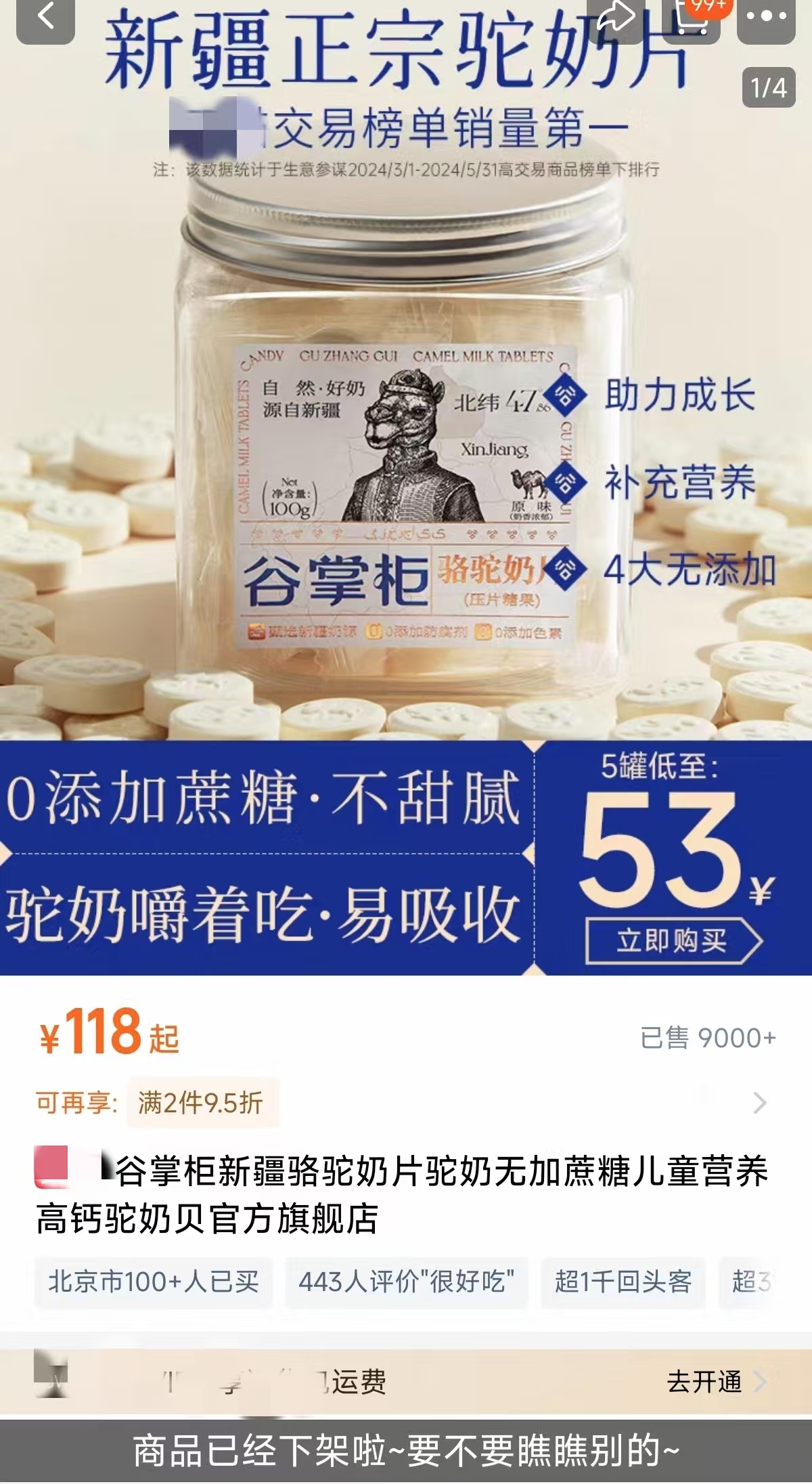
谷掌柜驼乳产品调查追踪:相关商品下架,市场监管部门已立案
Bei Ke Cai Jing· 2025-06-24 08:43
Core Viewpoint - The Xinjiang Guzhangui Biotechnology Co., Ltd. is under investigation for alleged false advertising related to its camel milk products, following a report revealing discrepancies in product content and health claims [1][3]. Group 1: Company Actions and Responses - The Xinjiang Fukang City Market Supervision Administration has initiated an investigation into Guzhangui, with results to be publicly announced later [1]. - Following the report, Guzhangui has removed the implicated products, including "Camel Milk Tablets" and "Children's Growth Camel Milk Powder," from its online store [9]. - The company's official WeChat accounts have also been cleared of content promoting health benefits associated with camel milk [3]. Group 2: Product Claims and Marketing Practices - A report indicated that a product labeled as "Camel Milk Tablets" contained less than 10% camel milk powder, with the majority being cow milk powder [1]. - The company has made claims about camel milk's benefits for conditions like hypertension and diabetes, suggesting it can aid in disease management, which has been criticized by legal and nutrition experts as misleading [2][3]. - A nutritionist associated with Guzhangui claimed that camel milk could help manage blood pressure and suggested prolonged consumption for health benefits, further promoting the product through a referral system [2]. Group 3: Company Background and Market Position - Guzhangui claims to be a pioneer in camel milk products in China and has been a top seller in the camel milk product category for three consecutive years, with reported sales of 10 million items over three years [13]. - The company was established in 2024 and is primarily owned by individuals with connections to multiple companies in Henan, despite being registered in Xinjiang [13].