虚拟货币

Search documents
【甘快看】图解|AI换脸+免费送礼,专骗养老钱的新套路
Xin Lang Cai Jing· 2025-12-25 14:16
Core Insights - The article highlights the increasing sophistication of scams targeting the elderly, utilizing advanced technology and psychological manipulation to exploit their vulnerabilities [2][5][9]. Group 1: Types of Scams - Scammers are employing various tactics such as false investment schemes, AI-driven fraud, high-interest fundraising, and free giveaways to deceive elderly individuals [2][5]. - The use of technology concepts like "blockchain," "digital currency," and "metaverse" is prevalent, with scammers presenting these as low-risk, high-return investment opportunities [5]. - AI technology is being leveraged to create realistic fake personas and scenarios, making it difficult for elderly individuals to discern truth from deception [9]. Group 2: Psychological Manipulation - Scammers exploit the elderly's trust in authority and emotional connections, using AI-generated content to create a false sense of security [9]. - Three main types of AI scams are identified: fake policies presented by AI avatars, emotional manipulation through AI-generated personas, and deepfake technology to impersonate familiar voices [9]. Group 3: Precautionary Measures - It is advised that elderly individuals verify any information related to "policy benefits," "health subsidies," or "requests for help" through official channels to avoid falling victim to scams [10]. - The article emphasizes the importance of communication with family members to safeguard financial assets and avoid scams disguised as technological advancements [10].


虚拟货币监管再升级
Jing Ji Ri Bao· 2025-12-24 22:40
Core Viewpoint - The People's Bank of China emphasizes the need for ongoing efforts to combat illegal financial activities related to virtual currencies, highlighting that these currencies do not hold the same legal status as fiat currencies and should not circulate in the market [1][3]. Regulatory Environment - The recent meeting by the People's Bank of China indicates a tightening of regulatory measures against virtual currencies, which have been under scrutiny since the rise of Bitcoin in 2013 [1]. - The regulatory focus has intensified due to the new developments in the virtual currency market this year, necessitating a more detailed regulatory framework [1]. Risks Associated with Virtual Currencies - Virtual currencies are characterized by anonymity, cross-border transactions, and a lack of traditional regulatory oversight, making them susceptible to money laundering, fraud, and illegal capital transfers [2]. - The opaque nature of some virtual currencies' backing assets poses significant risks, akin to a bank claiming to have sufficient cash reserves that are not verifiable [1][2]. - The technology and operational mechanisms of virtual currencies contribute to their risks, as they often rely on public chains that lack centralized regulatory interfaces, complicating traditional risk management [2]. Investor Protection - The crackdown on virtual currency trading is also aimed at protecting investors and safeguarding public assets, as the market is fraught with high risks and information asymmetry [3]. - The global trend is moving towards stricter regulation of virtual currencies, reflecting a consensus among major economies on the need to address systemic financial risks associated with these assets [3]. Conclusion - The regulatory principles aimed at maintaining financial security and protecting public assets will remain unchanged, regardless of the evolving nature of virtual currency trading [3].
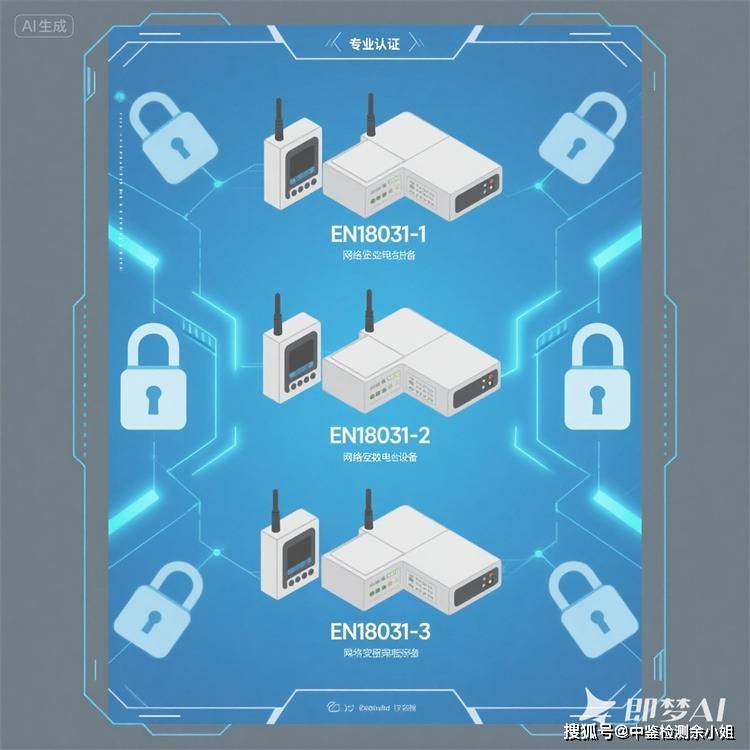
什么是处理虚拟货币或货币价值的联网无线电设备EN18031-3标准
Sou Hu Cai Jing· 2025-12-21 10:38
Group 1 - The EN18031-3 standard is a technical specification for networked radio devices handling virtual currencies or monetary values, ensuring security, stability, and compatibility in data transmission [1][6] - The standard addresses the increasing need for secure data handling in devices like payment terminals, blockchain nodes, and digital wallets due to the rise of virtual currencies and wireless communication technology [1][6] Group 2 - Core technical requirements of the EN18031-3 standard include wireless communication security through industry-standard encryption protocols, data integrity verification mechanisms, interference resistance, and compatibility with mainstream wireless communication protocols [5][6] - The standard aims to unify industry technical requirements to minimize security risks associated with device design flaws, thereby enhancing manufacturers' product competitiveness [6] Group 3 - The EN18031-3 standard applies to various device types, including payment terminals for virtual currency transactions, digital wallet hardware, blockchain node devices, and IoT financial devices [7][10] - Manufacturers must follow specific steps during hardware design, software development, and testing to ensure compliance with the EN18031-3 standard [12] Group 4 - The EN18031-3 standard is distinct from other standards as it focuses specifically on networked radio devices in the context of virtual currencies, unlike other standards that may address general communication security or traditional payment systems [14] - Future developments may include the introduction of more efficient encryption technologies and broader applicability to various types of digital asset transactions [14][15]
公安机关成功侦办一起美方通报的涉嫌“洗钱”犯罪案件
Xin Lang Cai Jing· 2025-12-21 01:09
Core Viewpoint - The case of illegal foreign exchange operations involving individuals identified as Tong and Chen has been successfully investigated by the Shenyang police, highlighting the complexities of cross-border financial crimes and the importance of international cooperation in law enforcement [1][2][3]. Group 1: Case Development - In April 2024, a tip-off from the U.S. regarding Tong's involvement in money laundering for drug traffickers prompted the Chinese police to initiate an investigation [1]. - The Shenyang police established a task force to investigate the fragmented leads and difficulties in obtaining evidence from abroad, leading to the collection of significant evidence against the suspects [1][2]. - By May 20, 2024, Tong and Chen were apprehended in Wuhan while attempting to flee the country, following extensive evidence collection efforts across multiple provinces and cities [2]. Group 2: Criminal Activities - Since 2017, Tong and associates operated a car dealership in the U.S. and provided currency exchange services, later shifting to illegal foreign exchange operations [2]. - From January 2020 to June 2021, Tong directed Chen and others in China to facilitate illegal currency exchanges, amassing over 16 million RMB through domestic bank accounts [2]. - Tong also engaged in virtual currency transactions, purchasing Bitcoin and Tether to facilitate cash exchanges, primarily serving students and gamblers in the U.S. [3]. Group 3: Legal Proceedings - The case was transferred to the prosecutorial authority on November 26, 2024, and by September 2025, both Tong and Chen were sentenced to prison terms of 1 year and 7 months, and 1 year and 4 months respectively, for illegal foreign exchange operations [3].
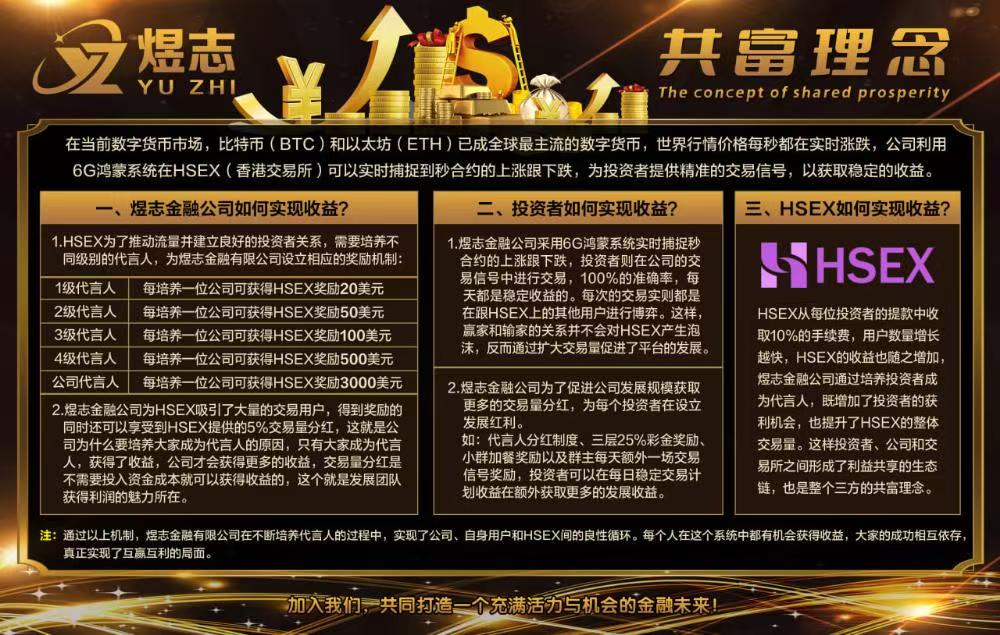
又一资金盘爆雷,碰瓷华为、港交所,宣称年利率360%,崩盘前还二次收割
Xin Lang Cai Jing· 2025-12-19 08:33
Core Viewpoint - The "Yuzhi Financial" virtual currency investment platform has collapsed, leading to significant losses for investors despite prior warnings from regulatory authorities about the illegality of virtual currency activities [1][24][45]. Group 1: Platform Operations and Structure - "Yuzhi Financial" claimed to offer a high annualized return of 360% by utilizing a "6G Hongmeng System" developed in collaboration with Huawei, which was presented as a tool for real-time trading signals [3][27][30]. - The platform's promotional materials falsely stated that it was listed on the "Hong Kong Equity Trading Display Center" under the stock code HK31919, which was later found to be untrue [4][27]. - The platform employed a multi-level distribution system, incentivizing users to recruit new members, which contributed to its rapid user growth and the formation of a large-scale scam network [31][33]. Group 2: Investor Experiences and Losses - Many investors reported being unable to withdraw their funds, with one investor stating that she was unable to retrieve her money after being encouraged to reinvest during a promotional event [1][25][36]. - The platform attempted a "second harvest" by requiring users to pay a "self-certification deposit" of 20% of their total assets, locking their funds for 60 days while only allowing minimal withdrawals [2][12][41]. - Despite recognizing the signs of a scam, some investors continued to invest due to the allure of recovering their initial investments, demonstrating a common psychological trap among victims [26][41]. Group 3: Regulatory Context and Challenges - The collapse of "Yuzhi Financial" occurred amid intensified regulatory efforts in China to combat virtual currency risks, with the People's Bank of China reiterating that virtual currencies do not have legal status and are illegal financial activities [21][45]. - Local governments had issued warnings about the platform prior to its collapse, indicating that it lacked the necessary financial licenses and had not registered its app [22][46]. - Regulatory challenges persist as new types of Ponzi schemes often operate offshore, making it difficult to enforce laws and recover funds [47].

宣称年利率360%,“煜志金融”在崩盘前如何二次收割?
2 1 Shi Ji Jing Ji Bao Dao· 2025-12-19 08:28
Core Viewpoint - The article highlights the collapse of a virtual currency investment platform named "Yuzhi Financial" amid increasing regulatory scrutiny in China, leading to significant investor losses due to its fraudulent operations [1][12]. Group 1: Platform Operations and Fraud Mechanism - "Yuzhi Financial" lured investors with promises of high returns, claiming annualized yields exceeding 360% through a complex multi-level distribution system [5][6]. - The platform employed tactics reminiscent of Ponzi schemes, using funds from new investors to pay returns to earlier investors until the financial chain broke [1][6]. - Despite the platform's collapse, it attempted a "second harvest" by requiring users to pay a "self-certification margin" of 20% of their total assets, locking their funds for 60 days [2][8]. Group 2: Misleading Claims and Technology Use - The platform falsely claimed to have developed a "6G Harmony System" in collaboration with Huawei, misleading investors about its technological capabilities [3][10]. - It also misrepresented its status by claiming to be listed on the "Hong Kong Stock Exchange" under a fictitious stock code, which was not found on official records [4][11]. Group 3: Regulatory Context and Warnings - The collapse occurred against a backdrop of intensified regulatory measures against virtual currencies in China, with the People's Bank of China reiterating that such activities are illegal [12][14]. - Local governments had issued warnings about "Yuzhi Financial" prior to its collapse, indicating it was operating without the necessary financial licenses [12][14]. Group 4: Investor Behavior and Psychological Factors - Many investors, despite recognizing the risks, continued to invest due to the allure of recovering their initial investments, demonstrating a gambler's mentality [14]. - The rapid spread of such scams is facilitated by the public's blind trust in high-tech claims and the allure of quick profits, which diminishes rational judgment [10][11].
孙雪洁:我国虚拟货币监管政策的体系解读
Sou Hu Cai Jing· 2025-12-17 07:58
Core Viewpoint - The article outlines the evolution of China's regulatory framework for virtual currencies from 2013 to 2025, highlighting key regulations and their implications for the financial system and legal risks associated with virtual currencies [3]. Regulatory Framework Overview - In December 2013, the People's Bank of China and other regulatory bodies issued a notice defining Bitcoin as a specific virtual commodity, prohibiting financial institutions from engaging in Bitcoin-related activities, thus establishing a "non-monetary" position for virtual currencies [4]. - In September 2017, the "94 Notice" was released, which banned Initial Coin Offerings (ICOs) and trading platforms, categorizing ICOs as illegal public financing activities and reinforcing the non-monetary status of virtual currencies [5]. - In September 2021, two significant notices were issued: one targeting virtual currency mining as an obsolete industry and the other emphasizing that virtual currency-related activities are illegal financial activities, thereby tightening regulations from mining to trading [6]. - A special meeting in November 2025 reiterated the illegal status of virtual currencies and emphasized ongoing efforts to combat illegal financial activities related to them, indicating a long-term commitment to stringent regulation [7]. Legal Interpretations and Case Studies - Legal interpretations from 2020 to 2022 have clarified the criminal implications of virtual currencies, including their use in gambling and fraud, and established that virtual currencies can be considered property under criminal law [8][9]. - Specific cases have demonstrated the application of these legal interpretations, highlighting the criminal liability associated with the use of virtual currencies in various illegal activities [9]. Conclusion - The legal risks associated with virtual currencies have evolved into a complex regulatory challenge encompassing criminal, financial, and tax issues. Although there is no dedicated "virtual currency law" in China, a robust regulatory system has been established through strong regulatory policies and existing legal frameworks [10].

抖音:禁止发布为虚拟货币交易提供信息中介和定价服务相关的非法金融内容
Bei Jing Shang Bao· 2025-12-16 10:33
Core Points - Douyin has released the "Douyin Community Financial Industry Convention (Trial)" to regulate the dissemination of financial content [1] - The convention includes guidelines on account qualifications, content management, marketing behaviors, and mechanisms for handling violations [1] Content Management - The platform encourages financial creators to publish objective and neutral financial knowledge, prohibiting illegal financial content related to virtual currencies and blockchain [1] - Content related to virtual currency exchange and information intermediary services is specifically banned [1] Account Qualifications - Douyin advocates for financial authors to complete the platform's financial professional qualification certification [1] - Uncertified accounts are explicitly prohibited from publishing financial professional content or recommending related services [1] Marketing Behaviors - Financial institutions and professionals are restricted from conducting marketing activities beyond their business licenses [1] Violation Handling - The platform will impose a range of penalties based on the severity, frequency, and impact of violations, including warnings, traffic limitations, profit recovery, suspension of publishing, and permanent bans [1]
监管严打炒币后,一资金盘爆雷
第一财经· 2025-12-15 10:50
Core Viewpoint - The article discusses the recent collapse of a cryptocurrency trading platform named "Yuzhi Financial," highlighting the risks associated with virtual currency investments and the illegal activities that have emerged in this sector [3][19]. Group 1: Company Overview - Yuzhi Financial was established on September 3, 2024, claiming to operate in Hong Kong and was listed on the Hong Kong Equity Trading Display Center with stock code HK31919 [4]. - The platform falsely claimed to have developed a 6G Hongmeng system in collaboration with Huawei, asserting a 99.99% reliability in its trading signals [4]. - Yuzhi Financial utilized the HSEX app for trading, charging a 10% withdrawal fee, which was increased to 30% just before the platform's collapse [4][6]. Group 2: Regulatory Actions and Warnings - The HSEX exchange issued a notice regarding Yuzhi Financial's suspicious activities, including potential wash trading and market manipulation, leading to regulatory measures requiring a 20% deposit of total assets as a "self-certification margin" [5][6]. - The Hong Kong Stock Exchange had previously flagged Yuzhi Financial as a suspicious website and clarified that it had no affiliation with HSEX [10]. - Local authorities in various regions, including Guangdong, issued warnings about Yuzhi Financial's illegal financial activities, emphasizing that it lacked the necessary regulatory licenses [19][22]. Group 3: Investment Scheme and Risks - Yuzhi Financial employed a multi-level marketing strategy, offering incentives for users to recruit new investors, which is characteristic of Ponzi schemes [13][16]. - The platform advertised unrealistic returns, with claims of a 370.6% monthly growth rate for dynamic investments, which raised red flags about its legitimacy [12][16]. - Users reported that initial small investments yielded quick returns, which encouraged them to invest larger amounts, ultimately leading to significant losses when the platform collapsed [13][18]. Group 4: Industry Context - The article places Yuzhi Financial's collapse within the broader context of increasing illegal activities related to virtual currencies, including fraud and money laundering, particularly following the rise of stablecoins [21][23]. - Regulatory bodies, including the People's Bank of China, have intensified efforts to combat illegal cryptocurrency trading and related financial crimes, marking a significant shift in the regulatory landscape [20][23].

碰瓷华为、捏造香港稳定币交易所,监管严打炒币后一资金盘爆雷
Di Yi Cai Jing· 2025-12-15 10:09
Core Viewpoint - The convergence of Ponzi schemes and virtual currencies has led to significant financial fraud, exemplified by the collapse of the "Yuzhi Financial" platform, which claimed to operate in the virtual currency options market but has left users unable to withdraw funds [1][15]. Group 1: Company Overview - "Yuzhi Financial" was established on September 3, 2024, and falsely claimed to be based in Hong Kong, listing itself on the Hong Kong Equity Trading Display Center with stock code HK31919 [2]. - The platform utilized the Hong Kong Stablecoin Exchange (HSEX) app for trading, charging a 10% withdrawal fee, which was raised to 30% just before its collapse [4]. - The platform's operations were flagged as suspicious by the Hong Kong Stock Exchange, which listed it as a dubious website and clarified that it had no affiliation with HSEX [8]. Group 2: Financial Operations and Fraud Mechanisms - "Yuzhi Financial" employed a strategy of creating a false narrative of wealth generation through fabricated profit records, enticing users to invest more and leverage their positions [10]. - The platform offered both static and dynamic returns, with claims of a 370.6% monthly return on dynamic investments, which were part of a multi-tiered referral system designed to incentivize user recruitment [13][10]. - Users reported that initial small investments yielded quick returns, which were then used to encourage larger investments, ultimately leading to significant losses when the platform collapsed [10][15]. Group 3: Regulatory Context and Industry Risks - The People's Bank of China and other regulatory bodies have been actively working to combat illegal financial activities associated with virtual currencies, emphasizing that such activities are considered illegal financial operations [16][17]. - Recent regulatory measures have included the classification of stablecoins as a form of virtual currency, subjecting them to the same scrutiny and legal boundaries as other cryptocurrencies [17][18]. - The rise of Ponzi schemes utilizing virtual currencies has prompted warnings from various local governments, highlighting the risks associated with unregulated financial activities in this sector [15][16].