文旅融合

Search documents
“申遗”如何改变着矾山(遗产小道·海岸带)
Ren Min Ri Bao Hai Wai Ban· 2025-09-07 22:16
Core Viewpoint - The transformation of the mining town of Yanshan into a cultural heritage site is highlighted, showcasing its historical significance and the ongoing efforts to preserve its industrial heritage while promoting tourism and local culture [6][8][12]. Group 1: Historical Significance - Yanshan is known for its rich deposits of alum, with reserves accounting for approximately 60% of the world's total and 80% of China's [6]. - The town has a 600-year history of alum mining and processing, earning it the title of "World Alum Capital" [6][7]. - The last group of miners left the mines in October 2017, marking the end of an era for the local mining industry [6]. Group 2: Cultural Heritage and Preservation Efforts - The town has been recognized as a "Chinese Historical and Cultural Village," and its alum sculpture technique is listed as a non-material cultural heritage of Zhejiang Province [8]. - Efforts to apply for industrial heritage status began in 2012, leading to the establishment of policies for the protection of alum mining sites and historical buildings [7][8]. - In 2017, the Wenzhou alum mine was designated as one of the first national industrial heritage sites [11]. Group 3: Tourism Development - The mining village of Fudewan has become a popular tourist destination, showcasing the lifestyle of former miners and preserving historical architecture [13][14]. - Since 2013, various cultural and environmental restoration projects have been initiated to enhance the town's appeal and preserve its mining heritage [14][15]. - The opening of the 312平硐 mine to tourists in 2020 has revitalized local tourism, with the introduction of themed hotels and art spaces [15][17]. Group 4: Community Engagement and Economic Impact - Local residents have actively participated in heritage preservation efforts, with initiatives to engage the community in cultural activities and storytelling [11][18]. - The transformation has led to economic benefits for returning entrepreneurs, with new businesses emerging that focus on local culinary traditions and cultural products [17]. - The town's recognition as a "National Civilized Town" in 2025 reflects the positive changes brought about by these initiatives [16].


经济总量破6万亿,揭开湖北的崛起密码
2 1 Shi Ji Jing Ji Bao Dao· 2025-09-07 14:47
Economic Overview - Hubei's economic total has surpassed 6 trillion yuan, achieving the "14th Five-Year Plan" target one year ahead of schedule [3][4] - The province's growth is driven by the integration of traditional industries and new economic drivers, leveraging its geographical advantages as a central hub in China [3][4] Industrial Transformation - Hubei is undergoing significant industrial transformation, particularly in the automotive sector, with a focus on transitioning from traditional vehicles to new energy vehicles [6][7] - The automotive industry in Hubei is set to exceed 1 trillion yuan in scale by 2024, with new energy vehicles accounting for a growing share of the market [7] Emerging Industries - Hubei is actively developing low-altitude economy initiatives, including the establishment of a general airport in Zhushan County, which serves as a testing ground for drones and low-altitude logistics [8][9] - The province's high-tech manufacturing sector has seen a 13.5% increase in value added, contributing significantly to overall industrial growth [9] Regional Specialization - Hubei's traditional industries are evolving, with regions like Tianmen leveraging their textile heritage to establish a strong e-commerce presence, resulting in a significant increase in transaction volumes [11][12] - The agricultural sector is also thriving, with regions like Suizhou focusing on specialty products like mushrooms, achieving substantial export growth [13] Cultural and Tourism Development - The cultural and tourism sector in Hubei is becoming a key driver of economic growth, with significant increases in visitor numbers and revenue [16][17] - Initiatives like the digital transformation of cultural sites, such as Wudang Mountain, are enhancing visitor experiences and driving tourism growth [18][19]
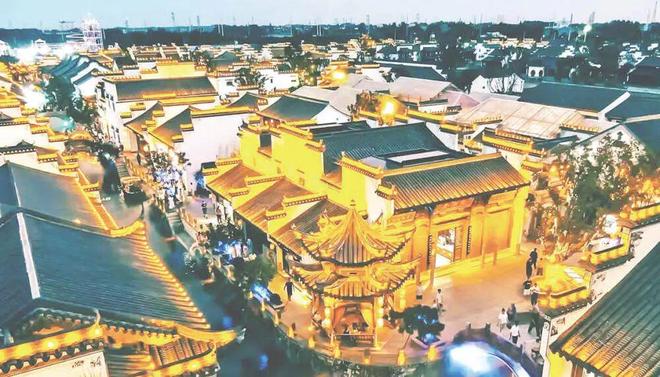
消费新观察丨从“音乐流量”到“城市流量” 文旅融合打造消费“新蓝海”
Sou Hu Cai Jing· 2025-09-07 11:38
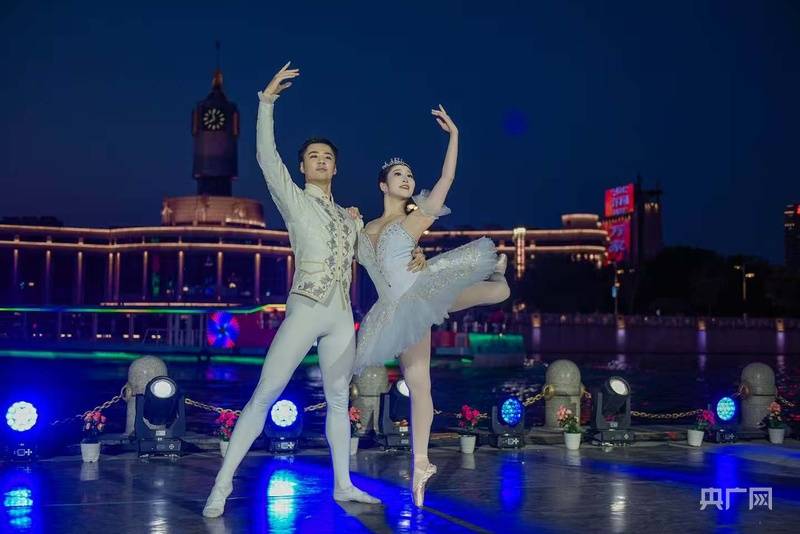
Core Viewpoint - The "Haihe Night" bridge-side music event is revitalizing Tianjin's night economy, attracting tourists and enhancing local businesses through a combination of music, food, and cultural experiences [3][5][7]. Group 1: Event Impact - The "Haihe Night" music event has led to increased foot traffic in the area, with visitors enjoying a vibrant atmosphere filled with music, lights, and food [3][5]. - Local businesses, such as food markets, have reported a rise in customer engagement, with special music-themed packages being well-received [3][5]. - The event is part of a larger initiative, aiming for "100 performances and 4 million participants" by 2024, showcasing the potential for significant cultural and economic impact [7]. Group 2: Audience Engagement - The audience primarily consists of families and young people, with many engaging in activities like reading and hands-on crafts at nearby cultural spaces [5][7]. - Innovative marketing strategies, such as themed vehicles and new performance styles, are being employed to attract younger audiences to local cultural offerings [7]. - The event has successfully drawn approximately 3.3 million viewers through live performances and online streaming, indicating strong public interest [7].
活力中国调研行|从 “卖茶叶” 到 “卖体验” 一片绿叶的增值之道
Yang Guang Wang· 2025-09-07 11:13
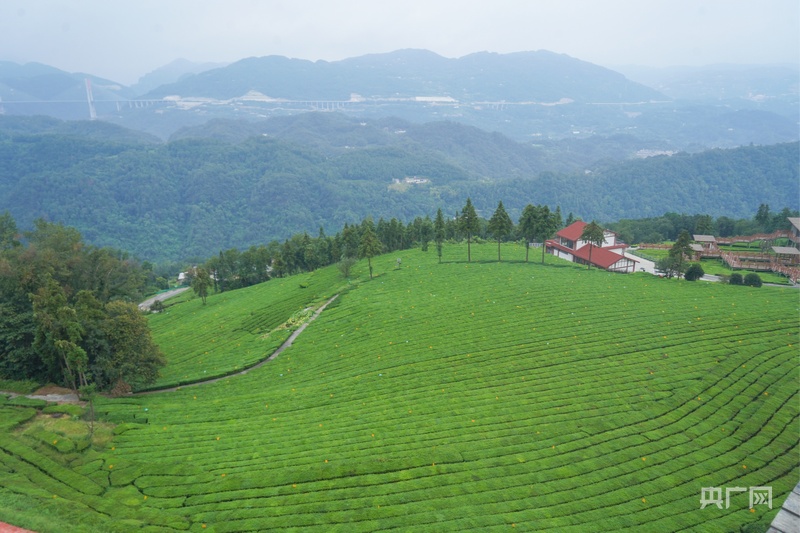
Core Insights - The article highlights the transformation of Wufeng Tujia Autonomous County's tea industry, emphasizing the integration of tea production, tourism, and cultural experiences to drive economic growth and rural revitalization [1][11]. Group 1: Tea Industry Development - Wufeng County has initiated a social service reform in the tea industry, forming 72 service teams that have grown from 155 to 3,294 members, addressing labor shortages in tea harvesting and management [2][4]. - The "Qinggangling Service Team," consisting of 231 members, has improved tea quality and yield, with fresh leaf production increasing by 30% and the quality rate rising by 50% [4][8]. - The county has established 31 "tea garden hospitals" to provide comprehensive services, including direct supply of fertilizers and free pesticide residue testing, ensuring a 100% compliance rate in tea quality inspections for three consecutive years [8][10]. Group 2: Quality Improvement and Branding - The "Wufeng 212" tea variety, developed in collaboration with the Chinese Academy of Agricultural Sciences, has been promoted across 40,000 acres, boasting higher amino acid and polyphenol content compared to regular varieties [9][10]. - The county has nearly 300,000 ancient tea trees, with over 7,000 available for online adoption, enhancing brand value and consumer engagement [10]. - Wufeng's tea production is projected to exceed 30,000 tons in 2024, generating an estimated output value of 1.4 billion yuan [10]. Group 3: Tourism and Cultural Integration - The Yihong Tea Industrial Heritage Exhibition Hall has been transformed into a cultural park, attracting over 12,000 visitors this year and serving as a platform for promoting tea culture [11][14]. - The county has developed a comprehensive tea tourism experience, with projected visitor numbers reaching 4.357 million and tourism revenue of 3.999 billion yuan in 2024 [17]. - The integration of tea production and tourism has created a new economic model, shifting from selling tea leaves to offering immersive experiences, contributing to a combined value of over 5 billion yuan in tea-related cultural tourism [17].
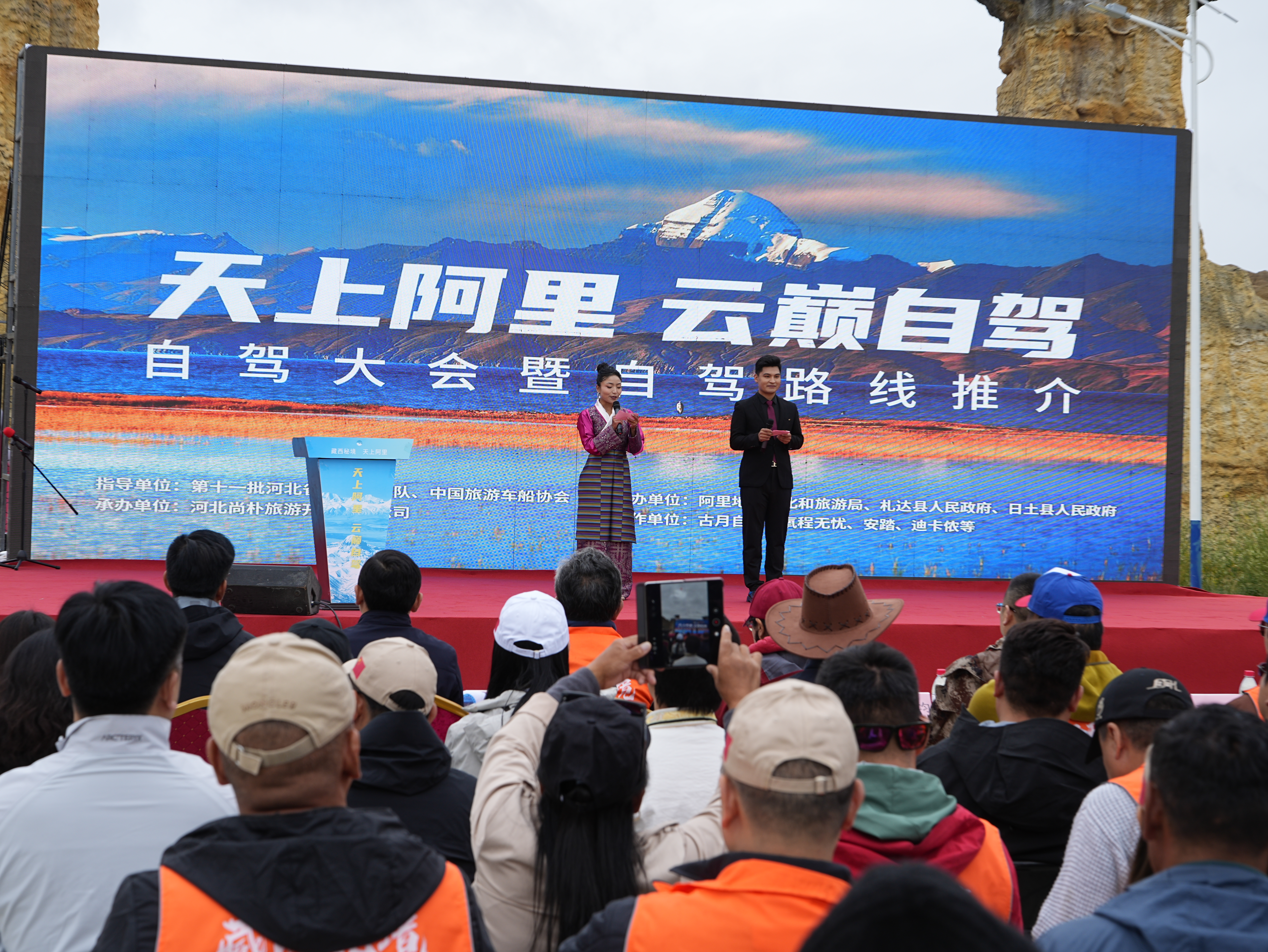
西藏阿里:自驾游探索文旅发展新路径
Xin Hua She· 2025-09-07 09:25
Core Viewpoint - The "Heavenly Ali · Cloud Peak Self-Driving" event aims to enhance the cultural tourism brand of the Ali region in Tibet, promoting it as a world-class travel destination and supporting the high-quality development of the local tourism industry [6][14]. Group 1: Event Overview - The event was co-hosted by the Hebei Provincial Aid Tibet Work Coordination Group and the Ali Cultural and Tourism Bureau, focusing on the deep integration of culture and tourism [6]. - Activities included daytime self-driving tours along premium routes, evening intangible cultural heritage performances, stargazing, camping, and cultural exhibitions, all designed to boost the region's tourism appeal [6]. Group 2: Tourism Development - The Ali region is known for its unique natural landscapes and rich historical culture, featuring famous sites such as Mount Kailash, Lake Manasarovar, and the ancient Guge Kingdom ruins, making it an ideal destination for self-driving tourism [9]. - To support self-driving tourism, the region has launched a smart tourism platform for easier access to attractions and travel tips, and is gradually building infrastructure such as new energy charging stations and eco-friendly restrooms [9]. Group 3: Future Plans - Future plans for the Ali region include developing a scenic road system for self-driving tours, focusing on themes like highland ecology and geological landscapes, with a goal to establish a comprehensive tourism service system along key routes [18]. - The plan includes the construction of 18 charging stations along National Highways G219 and G317 this year, with a vision for full coverage of visitor service centers and camping sites by 2030 [18].
从寄信到打卡:主题邮局成文旅新宠,激活城市消费新动能
Sou Hu Cai Jing· 2025-09-07 01:44
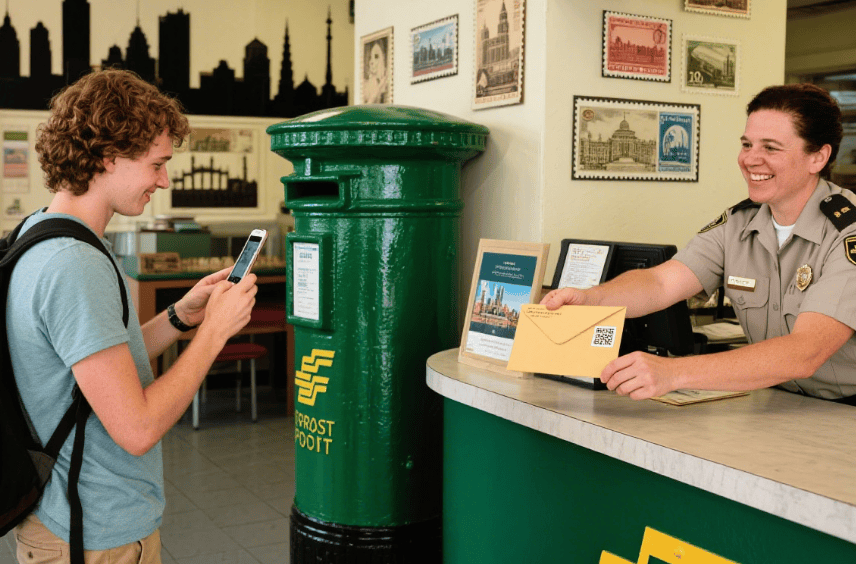
Core Insights - The transformation of traditional post offices into themed cultural spaces has attracted diverse age groups, enhancing their appeal and functionality [2][3][4] - Thematic post offices across China have successfully integrated local culture and postal services, leading to increased visitor numbers and revenue [4][5] Group 1: Thematic Post Offices - The Di'anmen themed post office in Beijing has become a popular destination, showcasing cultural heritage through innovative products related to the 24 solar terms [2][4] - The Qingdao marine-themed post office attracted over 100,000 visitors during the summer, generating significant sales from cultural products [3][4] - The Chengdu panda post office has an annual foot traffic of nearly 3,000 people, with annual revenue exceeding 10 million yuan, primarily from a young customer base [3][4] Group 2: Economic Impact - By the end of last year, there were over 800 themed post offices nationwide, generating several hundred million yuan in revenue [4] - The Qingdao marine-themed post office not only attracted tourists but also boosted nearby shop sales by 30% [4] Group 3: Cultural Integration - The success of these themed post offices lies in breaking the traditional perception of post offices, combining culture, experience, and consumption [5] - The Di'anmen themed post office retains historical elements while incorporating new features, transforming it into a modern landmark [5]
解码文旅新貌
Jing Ji Ri Bao· 2025-09-06 22:18
宜宾,位于长江、金沙江、岷江交汇处,素有"万里长江第一城"的美誉,滚滚长江由此开启出川入海、 蜿蜒向前的万里征程。水系众多的地理环境,不仅为当地人民生产生活提供了充裕的物质供给,还滋养 了宜宾人民的精神世界,为宜宾推动文旅产业深度融合、加快构建国际旅游城市提供了得天独厚的条 件。 深耕特色 当下,宜宾正立足"长江首城"的地理位置优势,深挖文旅资源,以"三地三中心"发展战略,充分发挥文 旅产业在激活消费潜能方面的作用。 底蕴深厚的李庄古镇、年轻时尚的E·PARK公园、惟妙惟肖的江安竹簧……宜宾在推动文旅产业深度融 合发展过程中,始终坚持内容为王、质量取胜,不断深挖具有鲜明宜宾特色的消费热点,持续培育扶持 新业态、新场景,满足各年龄层消费需求。 在李庄古镇景区,不少来参加红色研学活动的中小学生在带队老师和景区工作人员的引导下,有序参观 中国李庄文化抗战博物馆、月亮田片区等景点,在聆听讲解和亲身体会中感悟宜宾这座千年古城的红色 底蕴。"近年来,我们深入开展'文旅+研学'项目,希望通过深入挖掘李庄红色资源,将文化优势转化为 经济发展优势。今年前8个月,李庄古镇共接待研学团队75批次近3万人,带动门票、餐饮等收入超百万 ...
活力中国调研行丨活力涌动消费焕新——湖北文旅发展一线观察
Sou Hu Cai Jing· 2025-09-06 05:12
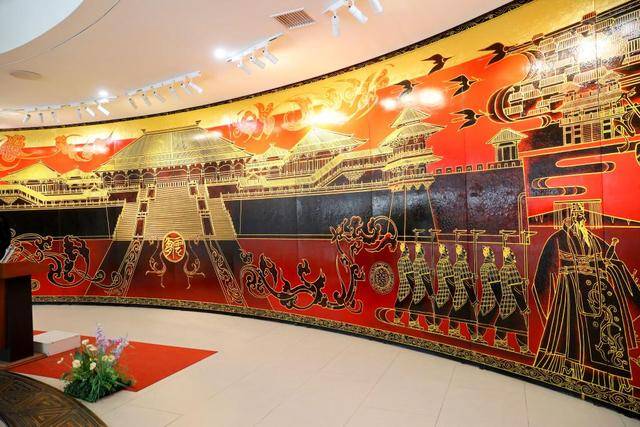
Core Insights - The article highlights how Hubei province is leveraging its cultural and historical resources to boost the cultural tourism industry and stimulate consumer spending [1][3]. Group 1: Cultural Tourism Development - Yunmeng County Museum has undergone renovations, adding immersive exhibition halls and facilities that enhance visitor experience, leading to a cultural revival [3]. - The museum's cultural products, such as toys and sachets, have generated over 4 million yuan in revenue from January to July, attracting 20,000 educational tour groups [3][9]. - The "Two Dams and One Gorge" tourism project in Yichang has seen nearly 1 million visitors during the summer, marking a 30% increase year-on-year [4]. Group 2: Night Economy - The night economy in Hubei is thriving, with electric cruise ships offering scenic views along the Yangtze River, enhancing the overall tourist experience [3]. - The Tang City scenic area in Xiangyang features a vibrant night atmosphere with performances and modern technology, attracting a significant number of nighttime visitors [5][7]. - The "Wudang Dream" park in Shiyan has welcomed 600,000 visitors since its opening, generating 20 million yuan in revenue through immersive performances [9]. Group 3: Overall Tourism Statistics - Hubei province received 547 million tourists and generated approximately 571.7 billion yuan in tourism revenue from January to July, reflecting year-on-year growth of 14.61% and 16.07% respectively [9].
活力中国调研行丨活力涌动 消费焕新——湖北文旅发展一线观察
Sou Hu Cai Jing· 2025-09-06 04:14
Group 1 - The article highlights the revitalization of cultural tourism in Hubei, showcasing how local resources are leveraged to boost consumption and attract visitors [1][3] - Yunmeng County Museum has undergone renovations, adding immersive exhibition halls and facilities, which have significantly increased cultural product sales, generating over 4 million yuan in revenue from January to July [3][4] - The night economy in Hubei is thriving, with projects like "Two Dams and One Gorge" attracting nearly one million tourists during the summer, marking a 30% increase year-on-year [4] Group 2 - The Xiangyang Tang City scenic area features a blend of traditional performances and modern technology, with 60% of its 1.03 million visitors in the first half of 2025 attending at night [5][7] - The "Wudang Dream" park in Shiyan has welcomed 600,000 visitors since its opening, generating 20 million yuan in revenue through dynamic cultural presentations [9] - Hubei's tourism sector has seen significant growth, with 547 million visitors and a total tourism revenue of approximately 571.7 billion yuan from January to July, reflecting year-on-year increases of 14.61% and 16.07% respectively [9]
活力涌动 消费焕新——湖北文旅发展一线观察
Xin Hua Wang· 2025-09-06 04:01
Core Insights - The article highlights the development of the cultural tourism industry in Hubei, showcasing how local resources and historical heritage are leveraged to boost consumption and attract visitors [1][2]. Group 1: Cultural Tourism Development - Yunmeng County Museum has undergone renovations, adding immersive exhibition halls and facilities that enhance visitor experience, leading to a cultural revenue of over 4 million yuan from January to July [2]. - The integration of cultural elements into tourism experiences has increased visitor interest in cultural souvenirs, with 20,000 students visiting the museum for educational purposes, positively impacting local dining and accommodation sectors [2]. Group 2: Night Economy - The night economy in Hubei is thriving, with electric cruise ships like "Yangtze River Three Gorges No. 1" attracting tourists, showcasing local landmarks illuminated at night [3][4]. - The "Two Dams and One Gorge" cruise project has seen nearly 1 million visitors during the summer, marking a 30% increase year-on-year [4]. Group 3: Technological Integration - The use of modern technology, such as 3D projections and immersive experiences, is transforming traditional performances into dynamic interactions, enhancing visitor engagement [7][9]. - The "Wudang Dream" park has welcomed 600,000 visitors since its opening, generating 20 million yuan in revenue, demonstrating the financial viability of integrating technology into cultural presentations [9]. Group 4: Overall Tourism Statistics - Hubei received 547 million visitors and generated approximately 571.7 billion yuan in tourism revenue from January to July, reflecting year-on-year growth of 14.61% and 16.07% respectively [9].