
银发经济

Search documents
从养老到享老,北京已出台百项措施
Bei Jing Shang Bao· 2025-09-14 16:57
Group 1 - The core viewpoint is that China's rapid aging population has become a national strategy, with Beijing implementing nearly a hundred special policies to transition from "elderly care" to "enjoying old age" and from basic security to quality enhancement [2] - Currently, 1 in 4 people in China is an elderly person, totaling 310 million, which accounts for 22% of the population, while in Beijing, 1 in 3 registered residents is an elderly person, making up 30% [2] - The "14th Five-Year Plan" emphasizes the development of elderly human resources and the silver economy, which is crucial for the well-being of millions of elderly people and for optimizing economic structure [2] Group 2 - The silver economy shows significant potential, covering eight key areas such as smart elderly care, elderly education, and health management, with a projected scale of approximately 7 trillion yuan in 2023, accounting for 6% of GDP, and expected to exceed 30 trillion yuan by 2035, reaching 10% of GDP [3] - The integration of digital technology and the health industry is reshaping the industry ecosystem, with smart health monitoring devices and AI-assisted diagnosis playing a crucial role in addressing the supply-demand imbalance in elderly health services [3] - The Ministry of Industry and Information Technology and the Ministry of Civil Affairs are promoting the use of robots in elderly care, with the smart service robot market expected to reach 50 to 100 billion yuan by 2025-2027 [3] Group 3 - The penetration rate of smart elderly care products is only 3.8% within the 7 trillion yuan silver economy, indicating a significant opportunity for industry growth [4] - The silver economy is viewed as both a business opportunity and a social responsibility, requiring policy guidance, market participation, and technological innovation to create a safe and friendly environment for the elderly [4] - The essence of the silver economy is human-centered, focusing on maximizing quality of life at minimal cost, and promoting a shift from "treating existing diseases" to "preventing future diseases" [4]

智慧康养发力 银发经济开启万亿赛道
Bei Jing Shang Bao· 2025-09-14 16:57
Core Insights - The forum focused on the theme of "New Patterns of Silver Economy and Comprehensive Health and Wellness Ecosystem," aiming to explore new pathways, models, and mechanisms for the development of health and wellness in China [1][3] Industry Overview - The aging population in China is rapidly increasing, with the silver economy currently valued at approximately 7 trillion yuan, accounting for 6% of GDP, and expected to exceed 30 trillion yuan by 2035, representing 10% of GDP [3] - The integration of digital technology and health industries is reshaping the health and wellness ecosystem, with smart health monitoring devices and AI-assisted diagnosis playing crucial roles in addressing the supply-demand imbalance in elderly health services [3][7] Key Developments - The establishment of the "Deep Blue Think Tank Health Industry Research Institute" marks a new phase in the health and wellness forum, aiming to gather wisdom and link resources to drive innovation in the industry [1] - The concept of "full-domain collaboration" is emphasized as essential for breaking through challenges in the health and wellness industry, integrating finance, technology, and medical services to enhance service efficiency [4][5] Technological Innovations - The development of a credible data space is proposed as a means to empower the health and wellness industry, facilitating digital transformation and high-quality development [6] - The potential of humanoid robots in elderly care is highlighted, with advancements expected to address the limitations of traditional care models [8] Market Trends - The forum showcased various companies collaborating to create a comprehensive health and wellness service network, addressing needs from living environments to community support [9] - The demand for functional foods is expanding beyond older adults to younger demographics, with a focus on innovative product forms and health concerns [10] Product Development - The adaptation of home furnishings for the elderly is identified as a key area, with two main approaches: redesigning new products and modifying existing furniture to meet the needs of older consumers [11]

智慧康养领航 银发经济驶入新航道
Bei Jing Shang Bao· 2025-09-14 16:57
Group 1 - The 2025 Smart Health and Elderly Care Forum was successfully held in Shougang Park, focusing on the theme of "New Pattern of Silver Economy and All-domain Health and Elderly Care Ecosystem" [1] - The forum aims to explore new paths, models, and mechanisms for the development of health and elderly care that align with China's national conditions [1] - The establishment of the "Deep Blue Think Tank Elderly Care Industry Research Institute" marks a new phase for the Smart Health and Elderly Care Forum, aiming to drive innovation in the elderly care industry [1] Group 2 - The rapid aging of the population in China has become a national strategy, with nearly 100 special policies and implementation plans launched in Beijing [3] - The silver economy is projected to reach approximately 7 trillion yuan in 2023, accounting for 6% of GDP, and is expected to exceed 30 trillion yuan by 2035, representing 10% of GDP [3] - The penetration rate of smart elderly care products is only 3.8%, indicating both challenges and opportunities within the industry [3] Group 3 - The concept of "all-domain collaboration" is essential for breaking through challenges in the smart elderly care industry, integrating financial support, technological innovation, and medical services [4] - The Beijing Business Daily aims to continue being an observer, connector, and promoter of the industry, facilitating the transition from policy vision to practical implementation [5] Group 4 - The development path for the elderly care industry includes leveraging trustworthy data spaces to drive digital transformation and high-quality development [6] - The integration of technology in the elderly care ecosystem is seen as a market advantage, meeting the rigid demands of the elderly while creating new consumption needs [7] Group 5 - Various companies are collaborating to build a comprehensive elderly care service network, addressing aspects from living environments to community support [9] - The "Elderly Care Meal" project by Ele.me aims to provide safe and reliable meal delivery services to the elderly, addressing funding challenges through collaboration with government and enterprises [9] - The introduction of self-service dining models for elderly care by Huafang Catering addresses dietary needs, with standards established to promote industry development [10] Group 6 - There is a growing multi-dimensional focus on health, with 84% of people concerned about physical health and 81% about mental health, expanding the functional food consumer base [11] - Companies are innovating in product forms and expanding channels to enhance competitiveness in the functional food market [11] - The development of elderly-friendly furniture involves redesigning new products and adapting existing ones to meet the needs of elderly consumers [11]
智慧康养引领产业升级,银发经济开启万亿赛道
Bei Jing Shang Bao· 2025-09-14 10:52
Group 1: Forum Overview - The 2025 Smart Health and Elderly Care Forum was successfully held on September 14, focusing on the theme "New Pattern of Silver Economy and All-domain Health Ecosystem" [1] - The forum aims to explore new paths, models, and mechanisms for the development of the health and elderly care industry in line with China's national conditions [1] - The establishment of the "Deep Blue Think Tank Elderly Care Industry Research Institute" marks a new phase for the forum, aiming to drive innovation and development in the elderly care industry [1] Group 2: Industry Insights - The silver economy is a significant economic opportunity, covering eight key areas including smart elderly care, elderly education, and health management, with a current scale of approximately 7 trillion yuan, accounting for 6% of GDP [2] - By 2035, the silver economy is expected to exceed 30 trillion yuan, representing 10% of GDP, highlighting the growth potential in this sector [2] - The penetration rate of smart elderly care products is currently only 3.8%, indicating both challenges and opportunities within the industry [2] Group 3: Technological Integration - The integration of digital technology and the health industry is reshaping the elderly care ecosystem, with innovations such as smart health monitoring devices and AI-assisted diagnosis [2][4] - The construction of a credible data space is essential for the digital transformation of the elderly care industry, enabling innovative configurations of production factors [4][5] - New technologies like IoT and wearable devices are facilitating real-time health data monitoring and risk prediction, transforming service delivery in elderly care [5] Group 4: Collaborative Efforts - The forum featured discussions on building an all-domain elderly care ecosystem, with participation from various companies sharing their experiences in community services, elderly dining, and education [8] - Companies like Lianjia and Ele.me are actively involved in community support projects, enhancing the quality of life for the elderly [8][9] - The introduction of functional foods and innovative dietary solutions is expanding the market to younger demographics, reflecting a shift in consumer health awareness [9][10] Group 5: Future Directions - The elderly care industry is expected to evolve with the integration of humanoid robots, which will replace traditional caregiving methods as technology advances [7] - The development of age-friendly home products is crucial, with companies focusing on redesigning existing furniture to meet the needs of the elderly [10] - The fusion of elderly care with other sectors like culture, finance, and education is creating new consumption demands and driving economic growth [6]
2025服贸会 | 北京链家云颖:以社区为根,让助老服务成为温暖“连心路”
Bei Jing Shang Bao· 2025-09-14 10:45
Core Insights - The forum titled "New Pattern of Silver Economy: All-Domain Health and Wellness Ecosystem" was successfully held on September 14, organized by Beijing Business Daily [1] - Beijing Lianjia has been committed to community service for 24 years, focusing on enhancing the quality of life for both the elderly and children [1] Group 1: Elderly Care Initiatives - Over 90% of elderly individuals prefer to age at home but face challenges related to daily living and digital literacy [4] - Beijing Lianjia has launched various elderly assistance services, including the "I Teach You to Use a Mobile Phone" project, which has conducted over 5,000 classes serving 540,000 elderly individuals since its inception in 2018 [4] - The "I Teach You to Prevent Falls" project, initiated last year, has held over 600 fall prevention classes in communities, educating seniors on how to avoid fall risks [4] Group 2: Community Engagement Activities - In the past year, Beijing Lianjia organized over 6,400 community events, such as making rice dumplings for Dragon Boat Festival and lantern riddles for Mid-Autumn Festival, aimed at ensuring the elderly have opportunities for learning and enjoyment [5] - The company emphasizes the importance of a comprehensive approach to elderly care, aiming to create a "warm connection" between the community and the elderly [5]

未来五年,这个巨大市场将跑出一批“黑马”!
Sou Hu Cai Jing· 2025-09-14 04:05
Core Insights - China's service consumption growth has outpaced that of goods consumption, indicating a significant shift in economic structure towards a service-oriented economy [1][4] - The average annual growth rate of service consumption expenditure from 2020 to 2024 is projected to be 9.6%, with 46% of consumer spending now allocated to services [2][4] Economic Structure Impact - The increasing importance of the service sector in the national economy is highlighted by the average service industry value-added ratio of 54.6% over the past decade, which is expected to rise further due to rapid service consumption growth [4] - This shift reflects a change in consumer attitudes from material goods to higher-quality life experiences, driving demand in sectors like tourism, culture, and health services, thus stimulating related industries and promoting economic resilience [4] Global Trends in Service Consumption - Global service consumption is trending towards digitalization, sustainability, personalization, and experience-oriented services, with China leading in areas such as mobile payments and shared economy models [5][6] - The rise of digital services is supported by advancements in AI, 5G, and other technologies, which have accelerated demand for remote services like online education and digital healthcare [5][6] Emerging "Dark Horse" Sectors - Future growth in China's service consumption is expected in sectors such as the silver economy, sports consumption, and AI-integrated services, driven by demographic changes and technological innovation [8][9] - The silver economy will see increased demand for elder care, health management, and community services as the population ages [8] - Sports consumption is poised for growth through innovations in venues and events, while AI will create new service models in health, education, and legal sectors [8][9] Opportunities for Multinational Companies - The rising demand for high-end medical, financial, and digital entertainment services in China presents new opportunities for multinational companies to leverage their expertise and technology [11] - Companies in pharmaceuticals and medical devices can engage in precision medicine and anti-aging treatments, while financial institutions can focus on wealth management and green finance [11] Service Trade Cooperation - The recent service trade fair attracted nearly 2,000 exhibitors, providing a platform for countries to showcase their capabilities in digital, green, and professional services [12] - The fair aims to facilitate deep integration of industrial, innovation, and service chains, promoting a sustainable global service trade landscape [12]
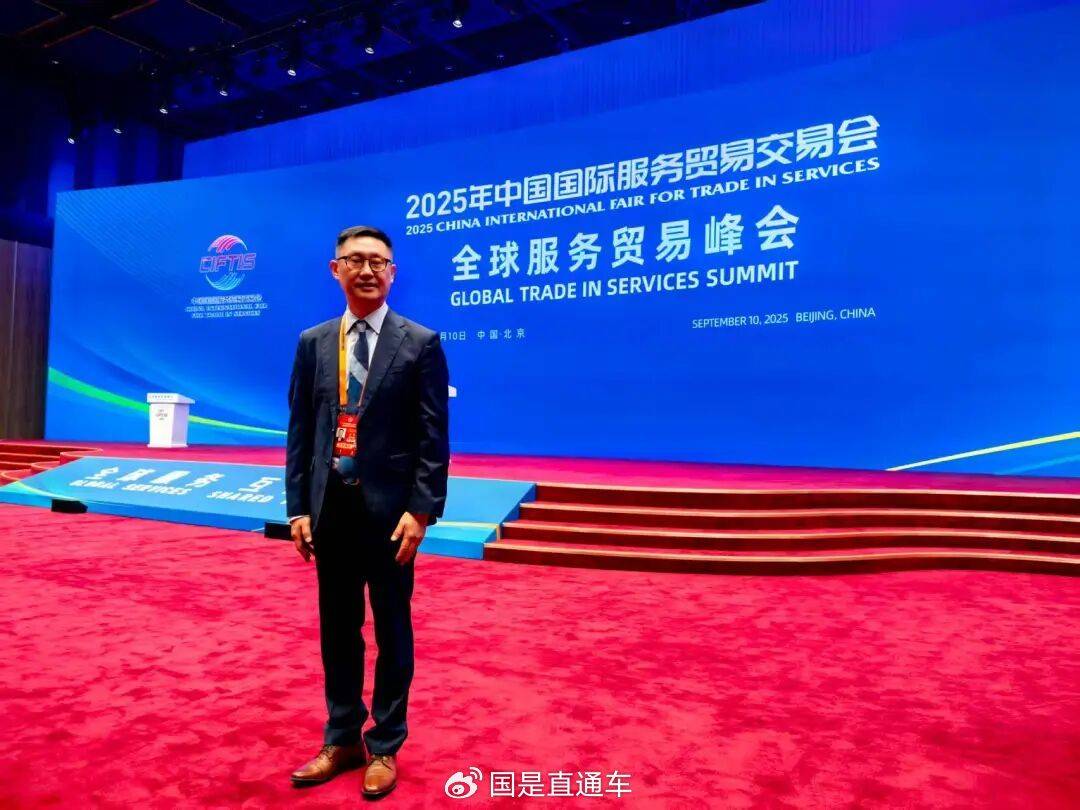
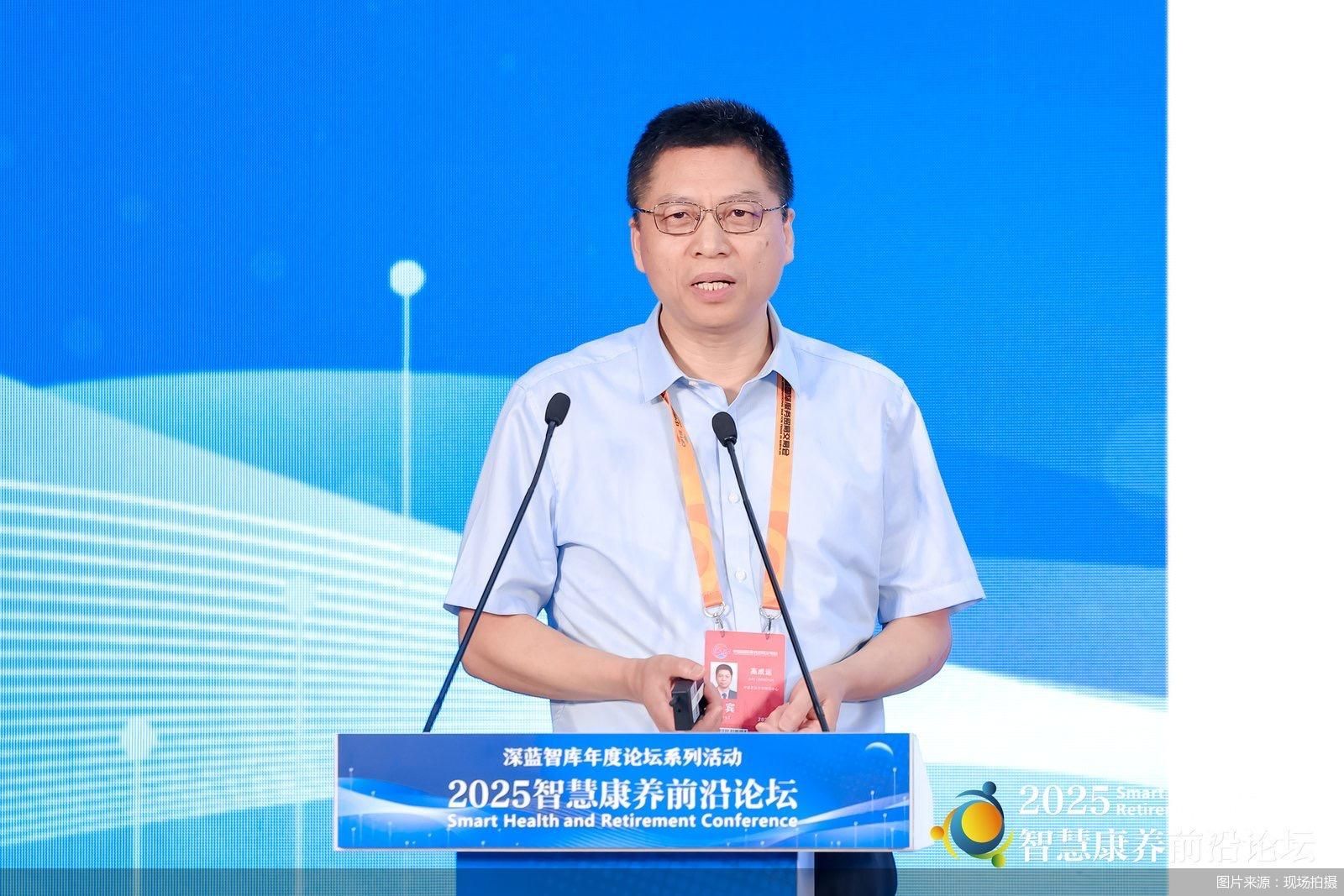
高成运:科技赋能融合型康养,六大趋势重塑银发经济新格局
Bei Jing Shang Bao· 2025-09-14 03:41
Core Insights - The forum focused on the theme of "New Patterns of Silver Economy and Comprehensive Health and Elderly Care Ecosystem," aiming to explore new paths, models, and mechanisms for the development of the health and elderly care industry in China [1] - The integration of technology and innovative systems is seen as crucial for promoting high-quality development in the elderly care industry [1] Industry Overview - The concept of the integrated elderly care industry is defined as a new industry form that centers on the comprehensive needs of the elderly, integrating resources from healthcare, elderly care, health management, culture, tourism, and finance through technological innovation [3] - This innovative model is transforming traditional elderly care services from fragmented offerings to a more platform-based, ecological, and one-stop service approach [3] Market Potential - The integrated elderly care industry is identified as a core consumption engine of the silver economy, meeting the rigid demands for health care and support services while also creating new consumption needs through integration with culture, tourism, and finance [3] - The industry acts as a powerful hub, driving upstream sectors like biomedicine and advanced manufacturing, while also fostering new professions such as health management specialists and elderly tourism planners [3] Technological Empowerment - New information technologies are constructing a "boundary-less" infrastructure for integrated elderly care, enabling a shift from "people seeking services" to "services seeking people" [4] - Innovations such as IoT, wearable devices, AI algorithms, and remote medical services are reshaping the delivery of elderly care services [4] Six Development Trends - The elderly care service is transitioning from labor-intensive to human-machine collaborative models, with AI and robots enhancing service efficiency and creating new high-quality employment opportunities [6] - The combination of age-friendly and intelligent renovations is creating new consumption scenarios, addressing safety, health management, and convenience for the elderly [6] - The emergence of elderly care robots is seen as a new infrastructure for the silver economy, with plans for pilot programs to promote their application in various settings by 2025 [6] - The rise of large integrated elderly care complexes signifies a new stage in industry development, offering comprehensive solutions for the elderly's medical, cultural, social, and residential needs [7] - Integrated technological innovations are entering an explosive growth phase, shifting the focus from reactive care to proactive intervention through advanced monitoring systems [7] - Technology platform companies are expected to dominate the new elderly care ecosystem, leveraging technology and data to create collaborative and win-win industry environments [8]
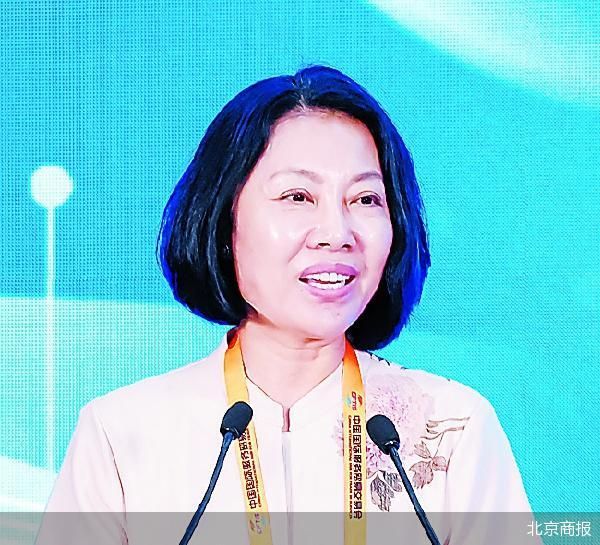
北京市老龄产业协会王小娥:从养老到享老 北京已出台百项措施
Bei Jing Shang Bao· 2025-09-14 03:37
Group 1 - The core viewpoint of the articles emphasizes the rapid development of China's aging population and the strategic importance of addressing this issue, with a shift from "elderly care" to "enjoying old age" reflected in policies [1][2] - In Beijing, 30% of registered residents are elderly, with 3.1 billion elderly people nationwide, highlighting the demographic challenge [1] - The "14th Five-Year Plan" promotes the development of the silver economy, which is crucial for improving the quality of life for the elderly and optimizing economic structure [1][2] Group 2 - The silver economy is projected to reach approximately 7 trillion yuan in 2023, accounting for 6% of GDP, and is expected to exceed 30 trillion yuan by 2035, representing 10% of GDP [2] - The integration of digital technology and health industries is reshaping the elderly care sector, with smart health monitoring and AI-assisted diagnosis playing key roles [2] - The Ministry of Industry and Information Technology and the Ministry of Civil Affairs are promoting the use of robots in elderly care, with the market for smart service robots expected to reach 50 to 100 billion yuan from 2025 to 2027 [2] Group 3 - The silver economy is seen as both a business opportunity and a social responsibility, requiring policy guidance, market participation, and technological innovation to create a friendly environment for the elderly [3] - The focus is on improving life quality at minimal cost, advocating for a shift from "treating diseases" to "preventing diseases" through comprehensive health management [3] - The 2025 Smart Health Forum aims to explore new paths and models for the development of the elderly care industry in China, emphasizing technological and institutional innovation for high-quality growth [3]
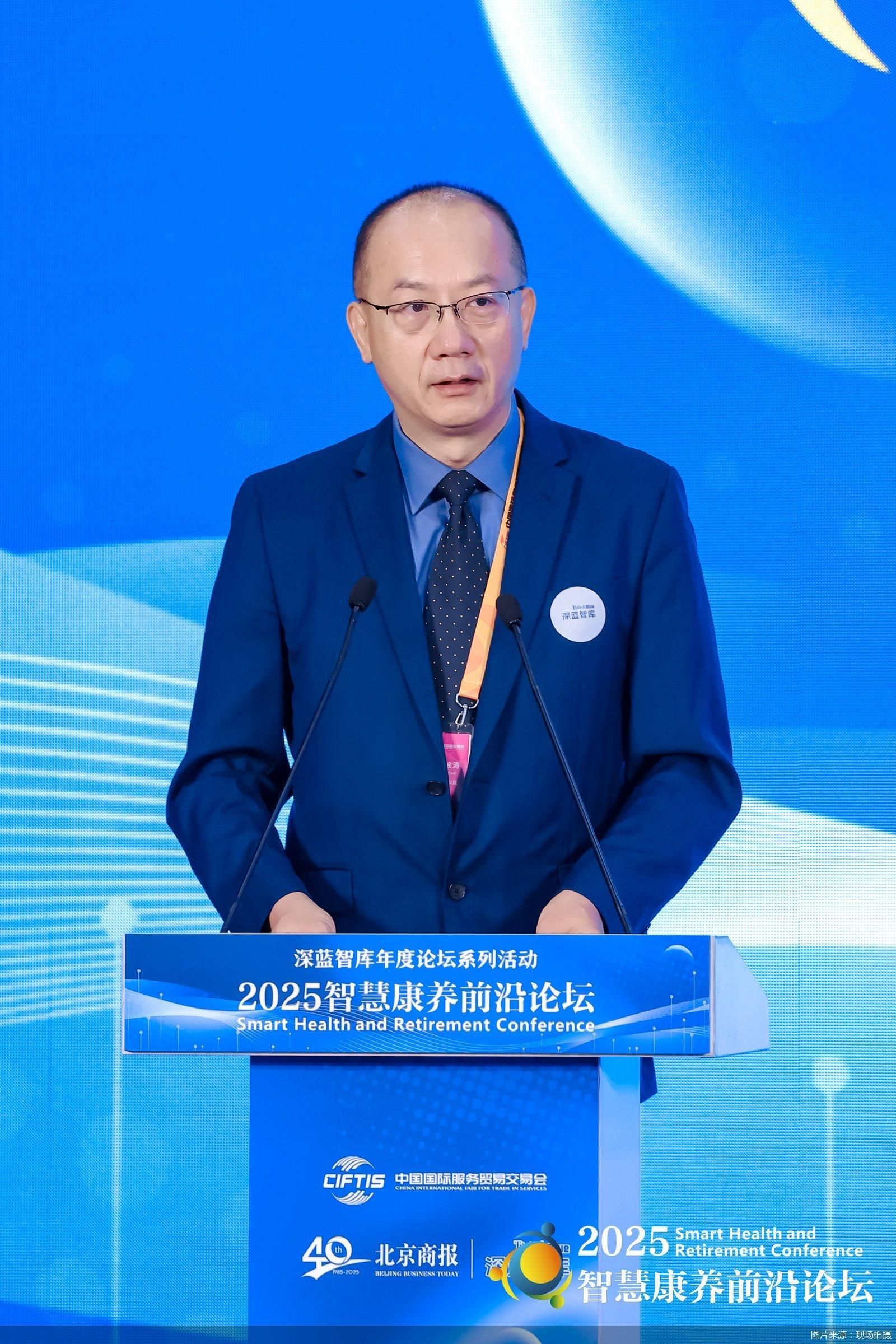
北京商报李波涛:全域协同是智慧康养破局关键
Bei Jing Shang Bao· 2025-09-14 03:35
Core Viewpoint - The traditional elderly care model is facing iteration, and smart health care is effectively addressing industry pain points through technological empowerment [1][4]. Industry Development Path - Full-domain collaboration is key to breaking through in smart health care, integrating financial support, technological innovation, and medical assurance to meet diverse needs across home, community, and institutional settings [1][4]. - The aging population in China is increasing, with Beijing's elderly population exceeding 5.14 million, and the demand for elderly care is shifting from "survival-type" to "quality-type" and from "universal" to personalized services [4]. Technological Advancements - AI and embodied robots are driving the upgrade of smart health care, reducing labor costs and enhancing service precision, transitioning care models from "passive response" to "active prediction" [4]. Future Outlook - The Beijing Business Daily has been hosting the Smart Health Care Forum for seven consecutive years and aims to continue as an observer, connector, and promoter of the industry, fostering collaboration to build a warmer and higher-quality silver economy [5].
银发专列托起欢乐“夕阳红”
Xin Hua Wang· 2025-09-13 23:48
Core Insights - The article discusses the launch of senior-friendly tourist trains by Harbin Railway Bureau Group Co., aimed at enhancing travel experiences for elderly passengers and promoting the silver economy [1][2][3]. Train Modifications - The new trains feature significant upgrades, including spacious accommodations, non-slip flooring, and improved lighting, catering specifically to the needs of elderly travelers [2][3]. - A total of 41 modifications have been made to ensure safety, comfort, and convenience, such as the installation of emergency call buttons and medical facilities [3]. Senior-Friendly Services - The service team is specially trained to provide a warm and engaging atmosphere, offering activities like dancing, games, and health lectures to enhance the travel experience [4]. - Meals are tailored to meet health requirements, focusing on low-salt and low-fat options, ensuring a nutritious dining experience for elderly passengers [5]. Flexible Travel Options - The company offers multiple travel plans based on customer preferences, allowing for a personalized travel experience [6]. - The operation of these trains not only boosts tourism consumption but also supports rural revitalization efforts, contributing to local economic growth [6].