体验经济

Search documents
抱歉了三亚,我的钱包选择了出国
3 6 Ke· 2025-09-02 10:47
Group 1 - The core viewpoint is that young travelers are increasingly opting for international travel due to better cost-effectiveness compared to domestic tourism, leading to a significant rise in outbound tourism [1][3][4] - The number of outbound tourists from China in the first half of 2025 has increased by over 30% compared to the same period last year, with 56.14 billion domestic trips expected in 2024, and 37.6% of Gen Z travelers showing a preference for international travel [4][6] - Price comparisons reveal that a three-day domestic trip to Sanya costs around 4200 yuan, while a seven-day trip to Bangkok can be as low as 4600 yuan, highlighting the cost advantages of international travel [6][32] Group 2 - The imbalance in resource distribution and the concentration of tourism resources in a few popular domestic destinations lead to high prices and limited experiences for travelers [33][35] - The homogenization of domestic tourism experiences, characterized by repetitive attractions and commercial models, diminishes the appeal of local travel compared to the diverse offerings available abroad [35][36] - The shift towards experience-based tourism is necessary for the domestic industry to remain competitive, as young travelers seek unique and immersive experiences rather than traditional sightseeing [39][40]


“苏超”火了,加热暑期旅游市场
Di Yi Cai Jing· 2025-09-01 12:56
Core Insights - The summer tourism market in China has shown significant growth, with Nanjing emerging as the top destination due to the popularity of the "Su Super" events [1][4][10] - The demand for deep travel and quality experiences has surged, indicating a shift in consumer preferences towards more immersive travel options [2][11] Tourism Market Trends - The summer tourism market has been vibrant, driven by various events and performances, leading to increased consumer spending across all aspects of travel [3][4] - The top ten popular tourist cities during the summer include Nanjing, Chengdu, Xi'an, Beijing, Shanghai, Chongqing, Changsha, Guangzhou, Luoyang, and Kunming [4] Impact of Events on Tourism - The "Su Super" events have significantly boosted local tourism, with Nanjing experiencing over a 10% increase in overall cultural and tourism consumption during the event [4][10] - The Nanjing Qixia Mountain scenic area leveraged the event by broadcasting matches, attracting thousands of visitors and increasing engagement with younger demographics [5][8] Innovative Marketing Strategies - Nanjing Ziqing Lake Wild Animal World creatively linked ticket prices to match outcomes, resulting in over 500 million views and selling more than 50,000 tickets for promotional prices [9][10] - The scenic area aims to reshape its image from traditional to modern, appealing to younger audiences through innovative experiences [9] Consumer Behavior and Preferences - There is a notable trend towards quality tourism, with a 90% increase in orders for boutique small group tours, indicating a shift from general sightseeing to experiential travel [11] - Family-oriented travel is on the rise, with over 40% of summer bookings coming from families, and a significant increase in searches for pet-friendly accommodations [11][12] Future Outlook - The tourism industry is expected to continue evolving, with a focus on providing diverse and high-quality experiences to meet the growing and varied demands of travelers [12]

暑期文旅市场供需两旺彰显增长韧性
Zheng Quan Ri Bao· 2025-08-31 17:08
Group 1: Market Overview - The domestic tourism market is experiencing robust growth during the summer, with cultural and tourism consumption exceeding expectations and a high willingness to travel among residents, indicating a prosperous supply-demand dynamic [1] - From July to August, approximately 39,000 cultural tourism consumption activities were conducted, with over 570 million yuan in consumption subsidies distributed, effectively stimulating market vitality [1] Group 2: Dominance of Family Travel - Family travel, particularly parent-child trips, dominated the summer tourism market, with a year-on-year increase of 80% in travel numbers and a 90% increase in total transaction volume, with parent-child groups accounting for over 60% of the market [2] - Data from Ctrip shows that parent-child orders made up 35% of total summer orders, with a 77% year-on-year increase in self-driving orders for parent-child families [2] Group 3: Diverse Travel Themes - The summer saw a significant rise in cultural tourism forms, such as night tours and events, reflecting a deeper integration of culture and tourism, with new consumption trends like "traveling with concerts" emerging [4] - The popularity of large events has driven cross-city travel and comprehensive consumption, with significant increases in hotel and attraction searches during major events [4] Group 4: Rise of Event Tourism - Event tourism has become a "dark horse" in the latter half of summer, with a surge in travel linked to sports events, such as a 15% increase in flight orders during the World Games [5] Group 5: Trends in Quality and Personalization - There is a notable shift towards quality and personalized travel experiences, with boutique group tours making up 40% of group travel orders, reflecting a 90% year-on-year increase [7] - The average order price for quality travel has increased by 9.9% year-on-year, indicating a willingness among consumers to pay for unique experiences and higher quality services [7]
中经评论:粮油“迷你化”包装的消费逻辑
Jing Ji Ri Bao· 2025-08-28 00:25
Core Insights - The rise of small packaged grains and oils reflects deep changes in China's food consumption patterns, indicating a shift towards a more diverse and consumer-oriented market [1][2][5] Group 1: Market Trends - Small packaged grains and oils are increasingly entering daily life, with products like 2 kg flour, 1 kg rice, and 50 ml cooking oil gaining popularity due to their appealing designs and convenience [1][2] - The market is witnessing a transition from large bulk purchases to smaller, high-quality options, driven by improved supply chains and a focus on freshness and variety [2][3] Group 2: Consumer Behavior - Changing family structures, such as the rise of smaller households, have led to a decreased demand for large packaging, as smaller families prefer products that match their consumption needs and reduce waste [3][4] - The trend of experiential consumption allows consumers to try small packaged products at a lower cost, fostering brand loyalty and encouraging the exploration of diverse high-quality options [4][5] Group 3: Challenges and Considerations - While small packaging offers convenience, it also raises concerns about higher unit prices, excessive packaging waste, and potential misleading marketing practices [5] - A balanced approach is needed among companies, regulators, and consumers to ensure that small packaged grains and oils contribute positively to the market without compromising on quality or environmental standards [5]
粮油“迷你化”包装的消费逻辑
Jing Ji Ri Bao· 2025-08-27 22:20
Core Insights - The rise of small packaged grains and oils reflects deep changes in China's food consumption patterns, indicating a shift towards a more diverse and quality-focused market [1][2][5] Group 1: Market Trends - Small packaged grains and oils, such as 2 kg flour, 1 kg rice, and 50 ml cooking oil, are increasingly popular, driven by consumer preferences for quality and convenience [1][2] - The transition from large to small packaging is a result of consumption upgrades, smaller family structures, and the rise of the experience economy [1][2][3] Group 2: Consumer Behavior - Consumers are shifting from bulk purchasing to smaller, high-quality options, emphasizing freshness and variety, particularly among younger demographics [2][3] - The trend towards small packaging aligns with the growing number of smaller households, which have different consumption needs compared to larger families [3] Group 3: Competitive Landscape - The competitive landscape in the grain and oil market is intensifying, with new brands and high-quality products emerging, allowing consumers to experiment with different options at a lower cost [4] - Small packaging lowers the barrier for consumers to try new products, enhancing brand loyalty and customer retention for companies [4] Group 4: Challenges and Considerations - While small packaging offers convenience, it also raises concerns about higher unit prices, increased living costs, and environmental impacts due to excessive packaging [5] - Companies are encouraged to focus on product quality, develop eco-friendly packaging, and maintain transparent pricing to address these challenges [5]
消费券发放叠加商家促销 “食在广州”更显活力
Guang Zhou Ri Bao· 2025-08-25 01:54
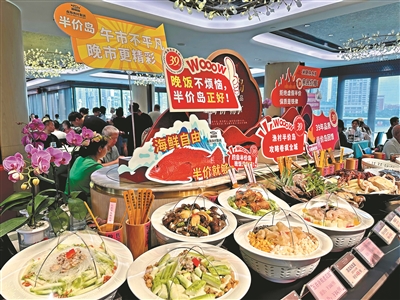
Group 1 - The summer season is a peak time for consumption and tourism in Guangzhou, with the restaurant market experiencing significant growth driven by experiential dining, themed restaurants, and international culinary experiences [2][3] - Government-issued consumption vouchers and restaurant promotions have effectively stimulated consumer spending, leading to increased dining frequency and family gatherings [3][4] - The launch of the "Food Marathon" event has attracted over 10,000 participants across six cities, with Guangzhou accounting for more than 60% of participants, indicating a strong engagement from young consumers [5][6] Group 2 - The integration of international and local dining experiences is accelerating in Guangzhou, with well-known brands opening flagship stores and local restaurants promoting cultural exchanges [6][7] - The local dining scene is actively creating events like international food festivals, which have successfully attracted thousands of visitors and increased revenue [6][7] - Experts suggest that Guangzhou's restaurant industry is a bellwether for innovation and policy support, with a focus on diversifying dining experiences and integrating local culture [7]
从十大国际酒饮趋势,看中国市场的“下一步”
Sou Hu Cai Jing· 2025-08-22 12:33
Core Insights - The global beverage industry is undergoing a profound structural transformation driven by inflation, generational shifts in consumer behavior, and technological innovation [1] - High-end beverages are experiencing growth in emerging markets, while non-alcoholic drinks are highlighted as a major trend with a projected growth rate of 9% in 2024 [1][7] Group 1: Market Trends - The ready-to-drink cocktail and long drink categories are expected to double in global sales from 2019 to 2029, with North America potentially seeing a 400% increase [5] - The trend of "mindful drinking" is moving from the margins to the mainstream, with over 60% of millennials actively reducing alcohol consumption [7] - The importance of home drinking scenarios is increasing, with global sales in ready-to-drink channels expected to decline by 10-15% from 2019 to 2024 [13] Group 2: Consumer Preferences - Local brands are gaining popularity, as evidenced by Indian single malt whisky surpassing Scottish whisky in sales, capturing 53% of the market share [9] - The demand for products that offer multiple functionalities and reliability is rising, with 68% of consumers willing to pay a premium for such products [15] - The trend of "evening sipping" is gaining traction, with consumption during the 4-7 PM time slot increasing by 22% over the past three years [16] Group 3: Digital Transformation - E-commerce channels are expected to see a 2% growth in global online beverage sales in 2024, with the Asia-Pacific region leading at 4% [14] - Brands are shifting from merely selling products to content marketing, leveraging platforms like short videos and live streaming to enhance consumer engagement [14] Group 4: Regulatory Environment - The regulatory landscape for alcoholic beverages is becoming increasingly stringent, with measures such as health warning labels and sugar taxes impacting consumption patterns [18] - Brands need to integrate compliance requirements into product development and marketing strategies, necessitating the establishment of specialized policy monitoring teams [18] Group 5: Experience-Centric Consumption - Consumers are placing greater emphasis on the overall drinking experience, including the story behind the product and the social sharing value [19] - Successful brands are transitioning from product providers to experience curators, utilizing immersive tasting events and digital tools to enhance consumer engagement [19]

厦门今年前7个月税收数据显示,消费市场活力持续释放
Sou Hu Cai Jing· 2025-08-22 04:27
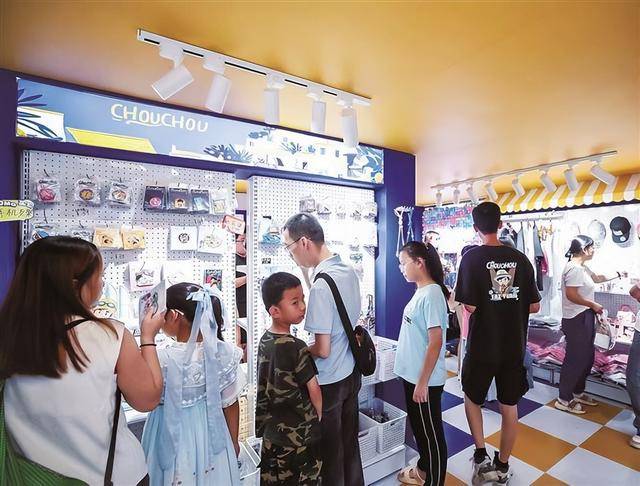
Core Insights - The consumption market in the city is showing robust growth, with various sectors experiencing significant increases in sales figures, indicating a thriving economic environment [4][5][6]. Group 1: Service Industry Performance - From January to July, the sales amount of the service industry increased by 4.11% year-on-year, outperforming the provincial average [4]. - The sales amount in the rental and business services sector grew by 15.26%, while the financial sector saw a 15.13% increase [5]. - The scientific research and technical services sector experienced a notable growth of 16.59% in sales [5]. Group 2: Retail and Consumer Trends - The retail sector's sales amount rose by 1.98% year-on-year from January to July, reflecting a shift towards experience-based consumption [5]. - Major shopping centers are adapting to the "experience economy" by creating engaging consumer spaces, such as 9D flight experiences and pop-up stores [5]. - The focus on emotional value among younger consumers has led to various experiential activities, contributing to nearly double-digit sales growth in July [5]. Group 3: Green Consumption and New Energy Vehicles - A total of 55,600 new energy vehicles were reported for purchase tax from January to July, marking a 35% year-on-year increase [6]. - New energy vehicles accounted for 52.73% of all newly reported vehicles, indicating a strong shift towards green consumption [6]. - The sales revenue for new cars at a local dealership reached 150 million yuan, with new energy vehicles making up 16.42% of total sales, reflecting a 6.30% increase year-on-year [6]. Group 4: Taxation and Business Support - The local tax authority is utilizing big data to identify new consumption trends and provide tailored guidance to businesses, enhancing compliance and risk management [7]. - A summer camp initiative in the cultural tourism sector attracted nearly 5,000 participants, showcasing the growing interest in diverse consumer experiences [7]. - A local company reported a revenue of 11.72 million yuan in the first half of the year, representing a 27.29% year-on-year growth, aided by tax support and business guidance [7].
税收数据显示:厦门人新买的车 过半是新能源车
Sou Hu Cai Jing· 2025-08-21 16:36
Group 1 - The core viewpoint of the article highlights the robust growth of the consumption market in the city, driven by diverse new business models and consumer trends [4][5][6] - From January to July, the sales amount of the service industry increased by 4.11% year-on-year, outperforming the provincial average [4] - The retail and wholesale industry saw a year-on-year sales increase of 1.98%, while the leasing and business services industry grew by 15.26% [5] Group 2 - The trend of experiential consumption is gaining traction, with businesses creating innovative consumer spaces, such as 9D flight experiences and pop-up stores [6] - Young consumers are increasingly valuing emotional experiences, prompting businesses to focus on cultural and healing economies, leading to nearly double-digit sales growth in July [6] - The integration of cultural, tourism, commercial, and sports sectors is becoming a hot trend, with a significant increase in sales in the retail sector, which grew by 15.34% year-on-year [7] Group 3 - The city has seen a surge in green consumption, with 55,600 new energy vehicles reported for tax declaration from January to July, marking a 35% year-on-year increase [7] - The proportion of new energy vehicles among all newly declared vehicles rose to 52.73% [7] - The sales revenue of new car sales reached 150 million yuan, with a 20% year-on-year increase, and the sales of new energy vehicles accounted for 16.42% of total sales, up 6.30% year-on-year [7] Group 4 - The tax department is utilizing big data to capture new consumption trends and provide customized guidance to businesses, enhancing their compliance and risk management [8] - A summer camp initiative in the cultural tourism sector attracted nearly 5,000 participants, showcasing the demand for diverse experiences [8] - The company reported a revenue of 11.72 million yuan in the first half of the year, reflecting a year-on-year growth of 27.29% [8]
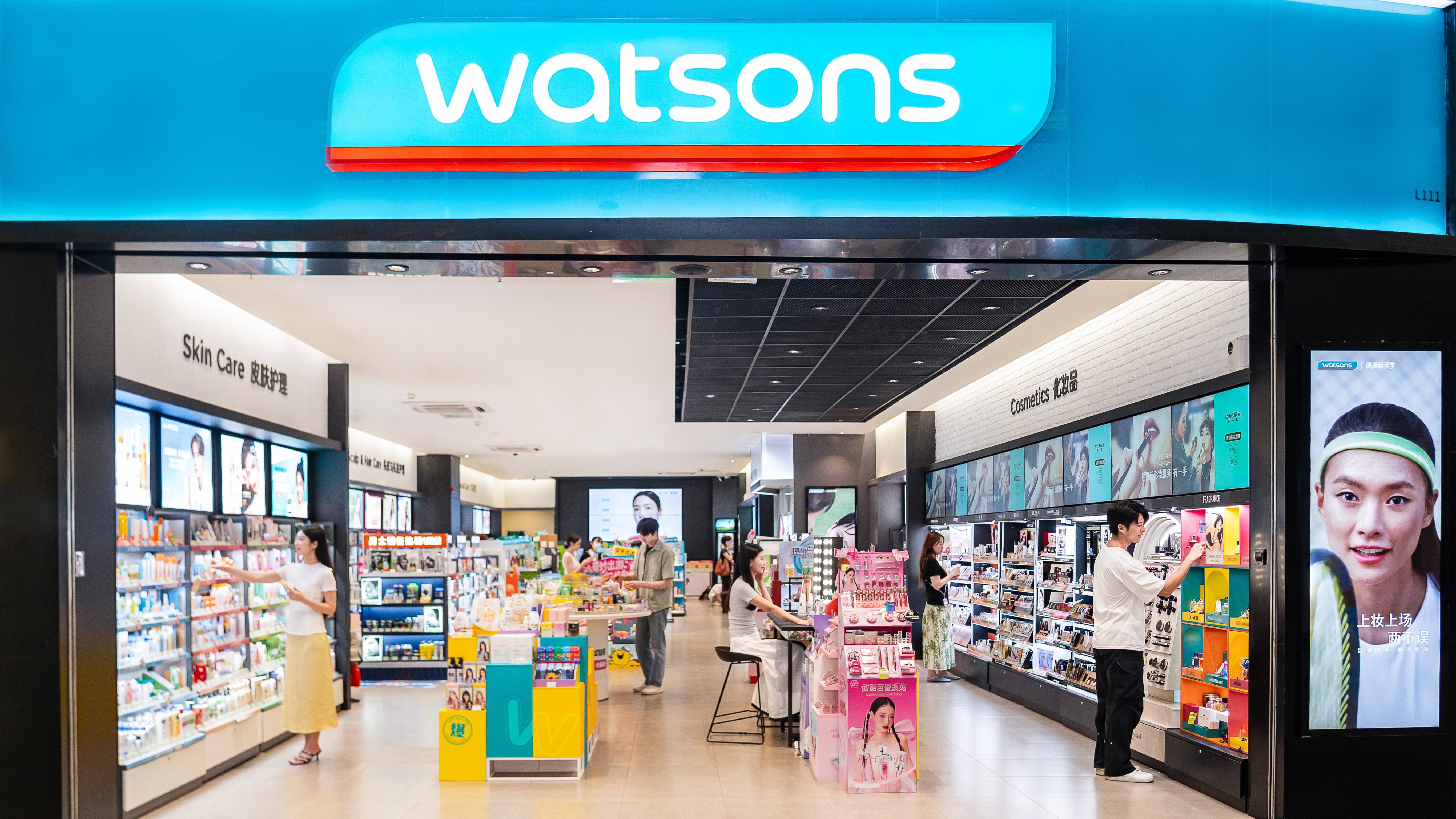
打造差异化体验 上半年屈臣氏多个门店全新场景轮番亮相
Sou Hu Cai Jing· 2025-08-20 07:36
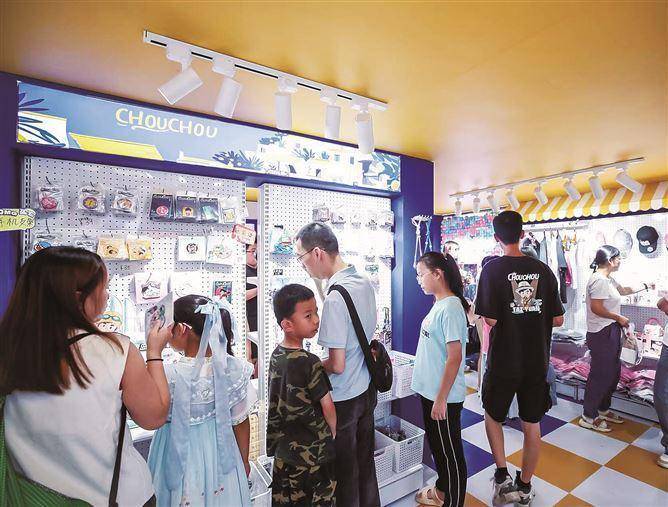
Core Insights - The article highlights a significant shift in consumer behavior towards experiential shopping, moving from mere consumption to seeking emotional and sensory experiences in retail environments [1][4][25] - The rise of the "experience economy" is evident, with consumers desiring more than just products; they seek engaging interactions and memorable experiences [1][18] Group 1: Consumer Trends - Data from the National Bureau of Statistics indicates that from 2013 to 2024, per capita service consumption expenditure in China increased from 5,000 yuan to 13,000 yuan, with its share of total consumption rising from 39.7% to 46.1% [1] - Over one-third of young consumers prefer shopping in physical stores not just for purchasing but for the atmosphere and inspiration [1] - The emergence of the "He Economy" reflects a growing trend where male consumers are increasingly focused on self-care and grooming, with online sales of men's skincare products projected to grow nearly 20% year-on-year in 2024 [5][9] Group 2: Company Initiatives - Watsons has launched new in-store experiences targeting men, children, and health, enhancing sensory experiences and emotional satisfaction for consumers [1][14] - The "Male Equipment Supply Station" has been introduced in key cities, featuring a rugged industrial design to create a dedicated shopping space for male consumers, significantly improving product visibility and shopping convenience [5][14] - Watsons plans to expand the "Male Equipment Supply Station" to 300 stores nationwide, tapping into the previously underdeveloped male consumer market [14][25] Group 3: Children's Market - Watsons has created a "Children's Selected Zone" in select stores, offering over 250 products tailored for children aged 3 and above, reflecting the shift towards a more refined and emotional approach to children's consumption [12][18] - The introduction of children's makeup services and play areas in stores aims to enhance the shopping experience for families, allowing parents to shop while their children are entertained [18][25] Group 4: Health and Wellness Focus - Watsons is leveraging its health and beauty heritage by establishing health experience centers in multiple cities, aiming for a threefold increase in health product sales over three years [21][25] - The company is also integrating AI technology with the launch of an AI health consultant, providing personalized health advice and enhancing the consumer experience [25]