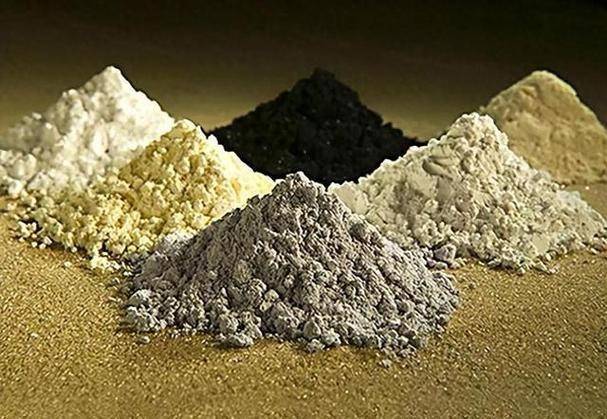
稀土出口管制

Search documents
事关稀土出口管制、安世半导体,商务部最新发声
21世纪经济报道· 2025-10-22 01:58
10月21日,商务部部长王文涛应约与欧盟委员会贸易和经济安全委员谢夫乔维奇举行视频会 谈,就出口管制、欧盟对华电动汽车反补贴案等中欧经贸重点议题深入交换意见;应约与荷兰 经济大臣卡雷曼斯通话,双方围绕安世半导体等问题交换意见。 依法依规完善出口管制,体现中国维护世界和平稳定的大国担当 10月21日,商务部部长王文涛应约与欧盟委员会贸易和经济安全委员谢夫乔维奇举行视频会 谈,就出口管制、欧盟对华电动汽车反补贴案等中欧经贸重点议题深入交换意见。 王文涛表示,今年7月,第二十五次中欧领导人会晤成功举行,9月,李强总理再次会见欧委会 主席冯德莱恩。中方愿与欧方共同努力,积极落实中欧领导人经贸共识,推动中欧经贸关系健 康稳定发展。关于稀土出口管制问题,中方近期措施是依法依规完善中国出口管制体系的正常 做法,体现了中国维护世界和平稳定的大国担当。中方致力于维护全球产供链安全稳定,一直 为欧盟企业提供审批便利。 王文涛表示 ,关于安世半导体问题,中方坚决反对泛化"国家安全"概念,希欧方发挥重要的 建设性作用,敦促荷方坚持契约精神和市场原则,从维护全球产供链安全稳定的大局出发,尽 快提出妥善解决办法。 谢夫乔维奇表示,欧方愿 ...

中国对美澳稀土协议作出回应
Sou Hu Cai Jing· 2025-10-22 00:23
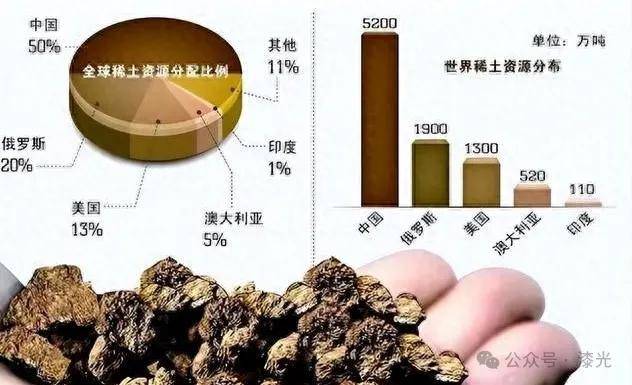
本月早些时候,中国加强了稀土出口管制,随后双方达成协议 特朗普总统与阿尔巴尼斯总理周一签署了稀土合作协议。 稀土用途广泛,是智能手机和电动汽车电池等消费类设备的关键部件,也用于雷达和巡航导弹等军事设备。 根据美国地质调查局 (USGS)的报告,中国是世界最大的稀土生产国,拥有最大的稀土储量。 美国地质调查局发现,2024年,中国矿山生产稀土27万吨,储量4400万吨。 在与世界主要供应国中国贸易紧张的背景下,美国和澳大利亚达成协议,合作开发稀土和关键矿产供应,此举引发了中国政府的回 应。 在本月初中国宣布对稀土实施出口管制后,美国总统唐纳德·特朗普和澳大利亚总理安东尼·阿尔巴尼斯于周一在白宫签署了这项美澳 协议。 中国驻美国大使馆发言人刘鹏宇在接受福克斯商业新闻采访时表示:"全球产业链、供应链的形成是市场和企业选择的结果。" 他补充说:"矿产资源国家需要为维护相关产业链和供应链的安全稳定以及确保正常的贸易和经济合作发挥积极作用。" 两国还同意减少矿山、加工设施和相关业务的许可,以提高稀土和关键矿产的产量。 该协议还呼吁美国和澳大利亚在地质资源测绘、矿产回收以及以国家安全为由阻止关键矿产资产出售等方面开展合作。 ...

大消息!事关安世半导体
中国基金报· 2025-10-21 16:17
Group 1 - The core viewpoint of the article emphasizes the importance of maintaining stable and healthy economic and trade relations between China and the EU, particularly in light of recent discussions on export controls and semiconductor issues [2][3]. - Wang Wentao, the Minister of Commerce, highlighted that China's recent measures on rare earth export controls are a normal practice to improve the export control system, reflecting China's commitment to global supply chain stability [3][4]. - The discussions included the EU's understanding of China's export control measures due to national security concerns, with a call for expedited approval of applications from EU companies [4][5]. Group 2 - The conversation between Wang Wentao and Dutch Economic Minister Karremans focused on the semiconductor issue, with China urging the Netherlands to prioritize global supply chain stability and adhere to contractual and market principles [6][7]. - The Dutch side expressed a willingness to communicate closely with China to find constructive solutions regarding the semiconductor issue, indicating a mutual interest in maintaining trade relations [7][8].
郭策公使会见印度汽车制造商协会(SIAM)副秘书长及成员企业代表
Shang Wu Bu Wang Zhan· 2025-10-21 15:50
10月17日,郭策公使在中国驻印度大使馆会见了来访的印度汽车制造商协会(SIAM)副秘书长Atanu Ganguli以及SIAM成员玛鲁蒂铃木、马恒达、英雄摩托、阿瑟电动车等车企高管。 郭策公使表示,对相关物项及技术实施出口管制是国际通行做法。中国依法对稀土相关物项和技术实施 出口管制措施,旨在维护国家安全、履行国际义务,并非限制或禁止出口。希望印方继续依照相关规定 向中方申请许可,对符合规定并履行必要程序的申请,中国政府将予以许可。 SIAM协会副秘书长Atanu Ganguli及成员企业代表对中国稀土相关物项和技术的出口管制措施表示关 注,并希望与中方进一步开展对话交流。 ...
85 亿美元落定!美澳达成稀土合作协议,目标直指中国垄断,特朗普乐开了花:多到用不完
Sou Hu Cai Jing· 2025-10-21 11:51
Core Insights - The signing of an $8.5 billion rare earth cooperation agreement between the U.S. and Australia highlights the strategic importance of rare earth elements in the context of global high-tech industry growth and U.S. concerns over China's dominance in this sector [1][3][9] Investment and Financial Commitment - Both the U.S. and Australia will invest over $1 billion each in the first six months to kickstart initial cooperation projects [3] - The two countries plan to jointly invest over $3 billion in key mineral projects within the same timeframe [3] - The U.S. Export-Import Bank will issue seven financing letters totaling over $2.2 billion, potentially leveraging up to $5 billion in investments [3] Project Focus and Development - The cooperation will focus on Australia's rich rare earth resources, particularly the Nolans project in the Northern Territory, which produces neodymium for night vision devices and missiles [3][4] - Additional projects in Victoria, Queensland, and New South Wales will involve the production of titanium and zircon, applicable in aerospace, medical, and transportation sectors [4] - Development of the Queensland graphite mine, the world's third-largest, could significantly alter the graphite supply landscape [4] Supply Chain and Industrial Strategy - The agreement includes plans to build refining facilities in Australia, with the U.S. Department of Defense funding a high-end gallium refining plant in Western Australia, designed to produce 100 metric tons annually [6] - This refining facility is crucial for the U.S. defense and high-tech industries, as gallium is a key material for radar and electronic devices [6] Market Dynamics and Competitive Landscape - China holds a dominant position in the global rare earth market, with 49% of the world's reserves and 69% of production as of 2024, making it a critical player in the supply chain [6][7] - Australia, while rich in rare earth resources (estimated at 3% to 4% of global total), lags behind China in mining and refining capabilities [7] - The U.S.-Australia agreement aims to reduce reliance on Chinese rare earths and establish an independent supply chain, reflecting a strategic move in the context of U.S.-China competition [9]
稀土大战2.0:中国稀土的3个致命漏洞,这次终于全堵上了
Hu Xiu· 2025-10-21 10:04
Core Viewpoint - The latest rare earth export control policy introduced on October 9 is a significant measure aimed at closing existing loopholes in China's rare earth industry, which have been described as critical and increasingly harmful [1] Group 1 - The article highlights three major illegal gaps in China's rare earth industry that pose serious risks [1] - The new policy is compared to a high-grade concrete that effectively seals these loopholes, indicating a strong regulatory approach [1] - The implications of this policy are said to impact not only the domestic market but also international relations, particularly with the United States [1]

特讯!光刻机博弈惊现转折点:仓库里的沉默与稀土的反击
Sou Hu Cai Jing· 2025-10-21 09:51
Core Insights - The article discusses the impact of U.S. export controls on ASML and the semiconductor industry, highlighting the challenges and adaptations faced by companies in the sector [1][3][4]. Group 1: ASML and Export Controls - ASML's Arizona factory is required to use 30% domestic components, leading to a significant drop in equipment precision and technology levels [1]. - Despite strict export controls, ASML's sales to China increased, with a record 46% revenue share in Q3 2023 [3]. - New Dutch regulations allow for some flexibility in exporting DUV lithography machines, creating a gray area for continued supply to China [3]. Group 2: Industry Adaptations - German company Zeiss is expanding production lines in Southeast Asia while ensuring supply continuity [4]. - KMWE has established a manufacturing base in Suzhou, becoming the first core component supplier to set up operations in China [4]. - Traditional suppliers like Philips and NXP are experiencing profit declines due to shrinking orders, prompting a reevaluation of their strategies in the face of geopolitical tensions [4]. Group 3: China's Response and Self-Reliance - Shanghai Micro Electronics has begun mass production of 28nm lithography machines, priced at a quarter of imported equipment, providing a viable alternative for local chip manufacturing [6]. - Chinese companies are optimizing architectures on mature processes, as demonstrated by Huawei's Ascend 910B and Tsinghua Unigroup's products, indicating strong market demand for functional chips [6]. - China's rare earth export controls have significantly reduced exports to the U.S., impacting materials critical for lithography systems [6]. Group 4: Cross-Border Operations and Strategies - TSMC's Amsterdam facility faces challenges, yet its Suzhou plant has received key equipment through special channels, illustrating a dual operational strategy [8]. - New developments in Malaysia and Suzhou are aimed at circumventing trade restrictions while reshaping the global semiconductor landscape [8]. - ASML's CEO emphasized that physical laws apply equally in China and the West, highlighting the ongoing competition for technological leadership [8]. Group 5: Market Trends and Innovations - China's self-sufficiency in chips is projected to reach 35% by 2024, with a 22% decrease in imported equipment costs, indicating a shift towards domestic production [9]. - Companies are adapting their technology strategies in response to potential supply disruptions, fostering a culture of "forced innovation" [11]. - The ongoing competition in lithography technology underscores the resilience of innovation against political barriers, suggesting that technological advancement will continue despite geopolitical challenges [11].

稀土狂飙,不只是因为“反制”
投中网· 2025-10-21 06:51
Core Viewpoint - The strategic value of rare earth elements is being highlighted due to China's export controls and policy upgrades, leading to a significant increase in stock prices and overall market performance in the rare earth sector [6][10][12]. Group 1: Market Performance - Shenghe Resources (600392.SH) saw its stock price rise by 5.04% to 26.26 yuan, with a year-to-date increase of 155.45% [6]. - The rare earth index (8841089.WI) has increased by 118.86% year-to-date, with five out of seven stocks in the sector doubling in value [6][10]. - On October 9, the rare earth sector surged by 7.97%, followed by a 9.49% increase on October 13, with several stocks recording over 110% gains [10][11]. Group 2: Supply and Demand Dynamics - China's rare earth reserves account for approximately 48% of the global total, with a production capacity of about 27,000 tons, representing nearly 70% of global output [8][9]. - The recent export controls by China, which include restrictions on key technologies and production lines, have tightened global supply and increased the strategic importance of rare earths [9][13]. - The demand for rare earths is expected to grow significantly, particularly in sectors like electric vehicles and renewable energy, with projections indicating a need for 3-5 kg of rare earth permanent magnets per electric vehicle [14][15]. Group 3: Price Trends - The price index for rare earths has been on an upward trend, with light rare earths like praseodymium and neodymium increasing from approximately 440,000 yuan/ton to 562,000 yuan/ton, a rise of about 27.7% [15]. - Heavy rare earths, such as dysprosium oxide, have seen even more dramatic increases, with prices soaring from around 830,000 yuan/ton to 2.6 million yuan/ton, marking a 212% increase [15]. - Recent announcements from companies like Northern Rare Earth and Baotou Steel have indicated continuous price increases for rare earth concentrates, reflecting ongoing supply constraints [17][19]. Group 4: Company Performance - In 2023, several rare earth companies are showing signs of recovery, with five out of seven companies reporting revenue growth in the first half of the year [21]. - Northern Rare Earth reported a revenue of 188.66 billion yuan in the first half of the year, with a net profit increase of 45.24% [22]. - Shenghe Resources anticipates a net profit of 740 million to 820 million yuan for the first nine months of the year, representing a growth of 696.82% to 782.96% [23]. Group 5: Future Outlook - Industry experts predict that while short-term fluctuations may occur, the mid-term price center for rare earths is likely to rise due to tightening supply and increasing strategic value [26]. - Analysts suggest that the recent export control measures will likely lead to price increases, particularly for light rare earth products, while cautioning about potential overvaluation of stocks in the sector [25][27].


11年前稀土大战,WTO判中国输!最终却发现美西方才是真失败者!
Sou Hu Cai Jing· 2025-10-21 03:27
稀土并非真的那么"稀"今日土耳其称发现近7亿吨的储量;明日挪威又有"欧洲最大矿床"的消息传出, 澳洲、美国、加拿大等地,皆拥有丰富的稀土资源。 到处皆是矿,那他人在担忧些什么?又为何要搞"去风险化"?实际上问题压根就不在"挖土"这件事上, 一堆混杂的矿石,若要成为纯度达99,9999%的金属氧化物,得历经多少如"炼狱"般的工序?熔炼、萃 取、分离、提纯每一步皆为技术、经验与成本的大难题。 几十年前,美国在该领域处于领先地位,然而后来因其觉麻烦且成本高,便将产业链转移出去,而我们 则默默承接了这一工作。 当下全球超六成的稀土冶炼分离,以及超九成的精深加工,皆在此地完成,特别是军工领域极为看重的 那些顶级永磁材料,九成以上都带有"中国制造"的标识。 他人所急,并非地里无矿,而是无法做饭——矿山中的石头,无法成为生产线上的原料, 时光回溯到2010年,彼时因若干摩擦,我们削减了稀土出口量,全球市场随即出现显著变动,价格陡然 大幅攀升,部分品种价格飙升了十余倍。 当时不少人拍桌子骂人,觉得十分憋屈——我们被判定要放开出口限制,而随后发生的事情,令所有人 始料未及。 我们不仅遵守了判决,并且供应的数量比任何人都多,价格 ...
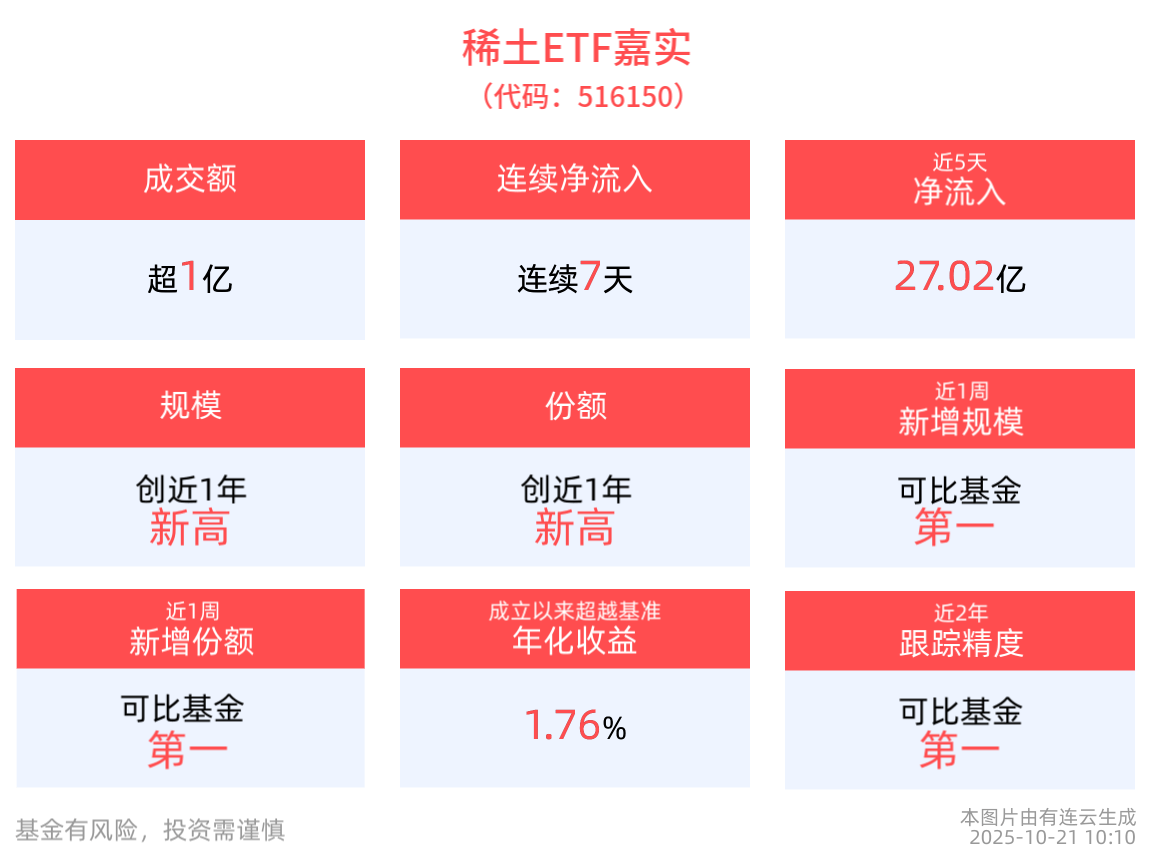
稀土板块催化不断,稀土ETF嘉实(516150)近7天获得连续资金净流入,规模再创新高!
Sou Hu Cai Jing· 2025-10-21 02:38
Group 1: Market Performance - The liquidity of the Rare Earth ETF managed by Jiashi has a turnover rate of 1.61%, with a transaction volume of 1.74 billion yuan [2] - The latest scale of the Rare Earth ETF reached 108.04 billion yuan, marking a new high since its establishment and ranking first among comparable funds [2] - The latest share count of the Rare Earth ETF is 6.034 billion shares, also a new high since its inception, and ranks first among comparable funds [2] - Over the past 7 days, the Rare Earth ETF has seen continuous net inflows, with a maximum single-day net inflow of 1.184 billion yuan, totaling 3.405 billion yuan [2] - As of October 20, the net value of the Rare Earth ETF has increased by 88.93% over the past two years, ranking 59th out of 2358 index equity funds, placing it in the top 2.50% [2] - The highest monthly return since the establishment of the Rare Earth ETF is 41.25%, with the longest consecutive monthly increase being 4 months and the longest increase percentage being 83.89% [2] Group 2: Industry Developments - On October 19, Tianhe Magnetic Materials announced plans to invest 850 million yuan in a project for high-performance rare earth permanent magnets and related equipment in Baotou City [3] - Northern Rare Earth and Baotou Steel announced an increase in rare earth prices for the fourth quarter of 2025 [3] - In September, the export of rare earths and related products reached 10,538 tons, a year-on-year increase of 7.6%, with a cumulative export of 95,875 tons from January to September, up 3.1% year-on-year [3] - The Ministry of Commerce of China issued two announcements on October 9 regarding rare earth export controls, indicating that products containing Chinese-origin rare earths valued at 0.1% or more may be subject to export restrictions [3] - The new regulations on rare earths are seen as a necessary response in the context of global supply chain competition, following similar measures for gallium and germanium [3] - It is recommended to focus on investment opportunities along the "resources + growth" dual lines, considering the potential impact of regional politics and export policies from major resource countries [3]