绿色出行

Search documents
充电桩巡检 护航假期绿色出行
Ren Min Wang· 2025-09-30 14:40
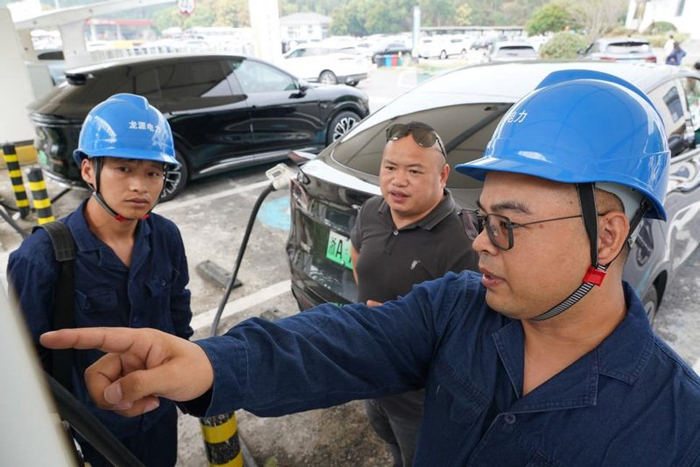
面对充电车主,现场服务与引导同样重要。巡检人员不仅自身熟悉操作流程,还主动担当起"充电辅导 员"的角色。他们耐心向前来充电的车主演示正确的操作步骤,讲解充电过程中的注意事项。为了避免 集中充电排队现象,团队还制作并发放了充电服务小贴士,引导车主快速找到服务区临近的充电点,分 流充电车辆,提升充电效率。 此次节前专项巡检工作,是杭州龙源电力有限公司积极履行社会责任、保障民生需求的具体体现。通过 对充电设施的健康"把脉",及时消除了潜在运行隐患,显著提升了设备运行的稳定性和可靠性。该公司 相关负责人介绍,国庆期间,综合能源中心将开展"党建引领、绿色畅行"活动,每天会安排专人对高速 充电区域巡查值守,并将纪检监督下沉至一线,推行"纪检+服务"模式,有力保障国庆期间充电服务的 顺畅供应,缓解新能源车主的"里程焦虑"。 杭州龙源电力有限公司综合能源中心相关负责人表示,公司将持续加强充电网络的运营维护与管理,优 化用户服务体验,致力于打造安全、高效、便捷的绿色出行补给站,为构建清洁低碳、安全高效的现代 能源体系贡献力量。(陈东、徐朝辉) 国庆中秋假期临近,高速公路即将迎来出行高峰。为保障新能源车辆畅行无忧,9月30日,杭 ...

8天长假叠加高速免费政策激活“租车热”,神州租车揭晓国庆中秋双节自驾趋势
Zhong Guo Qi Che Bao Wang· 2025-09-30 09:17
Core Insights - The upcoming National Day and Mid-Autumn Festival in 2025 will create an 8-day long holiday, leading to a surge in car rental demand, particularly for self-driving trips [1][2] - Shenzhou Car Rental reports a significant increase in rental bookings since August 15, with over 40% of users reserving their vehicles more than a month in advance [2][4] Rental Market Trends - The rental period has extended to an average of 5.2 days, with long-term rentals (over 8 days) increasing by over 30% compared to last year, indicating a shift towards deeper travel experiences [2][3] - Popular rental destinations include cities like Urumqi, Xining, and Hohhot, with cross-city routes gaining traction due to the demand for scenic autumn drives [3][4] User Demographics - A notable influx of new users, with nearly 40% being first-time renters, and a significant portion of the user base being younger generations (post-2000s and 1990s) [4][5] - The preference for electric vehicles is rising, with popular models including BYD Song Pro and Li Auto L6, reflecting a shift towards green and smart travel options [4][5] Company Positioning - Shenzhou Car Rental boasts a fleet of over 190,000 vehicles and approximately 180 million registered users, ensuring robust service coverage across key travel hubs [5] - The company offers convenient services such as credit-free deposits and 24-hour self-service pick-up and drop-off, enhancing the overall user experience [5]
假期将至 这份“秋日生活指南”请收好↓
Yang Shi Wang· 2025-09-30 04:33
Core Insights - The upcoming National Day and Mid-Autumn Festival holiday is expected to see a 30% year-on-year increase in domestic travel intentions, with popular train tickets selling out quickly [1][3]. Group 1: Travel Trends - Starting October 1, domestic airlines will switch to electronic itinerary slips, eliminating paper versions, while railway services will fully adopt electronic invoices, promoting a digital experience and green travel [3]. - This autumn, travelers are more focused on unique landscapes and experiences rather than specific cities, with keywords like "autumn appreciation," "red leaves," "beach," and "grassland" seeing a twofold increase in search volume compared to August [5]. - The platform "去哪儿" reports hotel bookings covering over 2,600 counties nationwide, with popular destinations including Jiuzhaigou in Sichuan and areas near Changbai Mountain in Jilin [5]. Group 2: Events and Activities - Notable events in October include a major exhibition at the Palace Museum showcasing national treasures and the 12th Wuzhen Theatre Festival featuring 25 invited performances from 10 countries [7]. Group 3: Seasonal Harvest - October marks the harvest season, with vibrant "sun-drying" scenes in Wuyuan, Jiangxi, and popular fishing spots in Pingtan, Fujian, seeing increased interest [9]. - Data from freight services indicates a significant rise in shipments of crabs, king oyster mushrooms, and edamame ahead of the holiday, allowing consumers nationwide to enjoy fresh autumn flavors [9]. - Online supermarkets report that winter jujubes, grapes, and pomegranates are currently in season, encouraging consumers to indulge in these seasonal products [9].

绿色出行更便捷——西藏拉萨持续构建绿色低碳交通体系
Xin Hua Wang· 2025-09-29 10:21
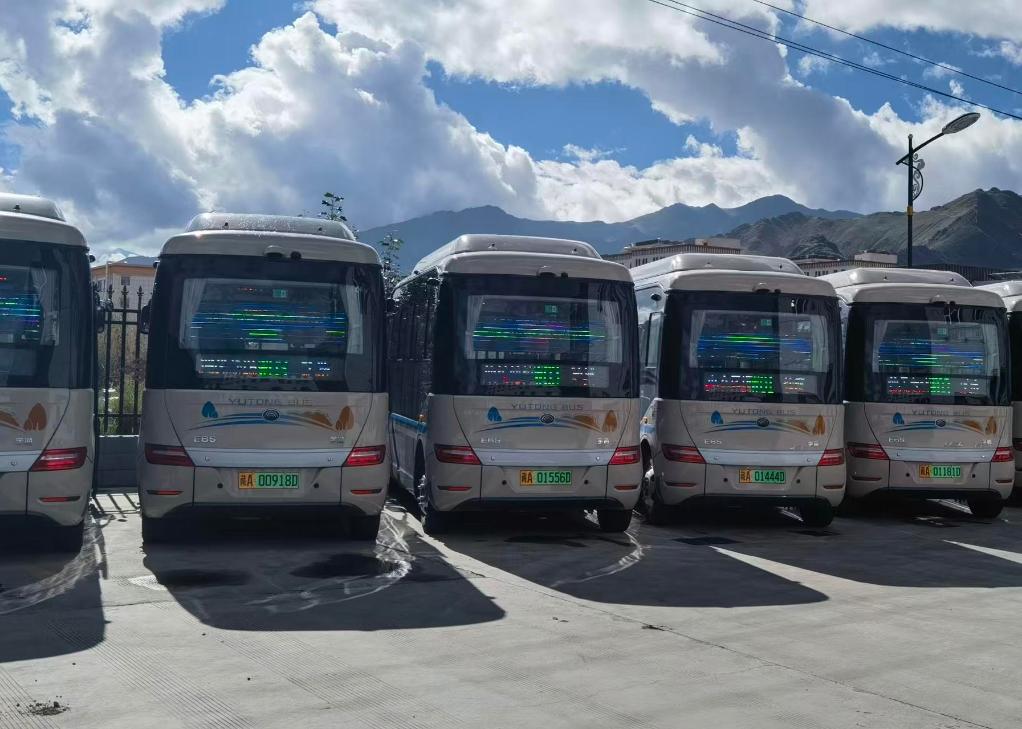
Core Points - Lhasa is actively developing a green and low-carbon transportation system, focusing on public transport and the introduction of new energy vehicles [1][2][4] - The city has achieved 100% electrification of its public buses, with 43 urban bus routes covering a total length of 975.6 kilometers and operating 559 vehicles [1][5] - The introduction of micro-bus services has improved accessibility in narrow streets and residential areas, addressing the "last mile" transportation challenge [2][4] Public Transport Development - Since 2019, Lhasa has prioritized the development of urban public transport, significantly promoting the use of new energy vehicles [1] - The city has launched its first micro-circulation bus line, with five lines currently in operation and 30 buses deployed [2] - The comfort and environmental benefits of new energy buses are highlighted by both drivers and passengers [1][4] Taxi and Ride-Sharing Innovations - Lhasa has introduced 320 battery-swapping new energy taxis, which can be recharged in just three minutes and have a range of over 500 kilometers [4][5] - The total number of taxis in Lhasa is 7,410, with 5,720 being new energy vehicles [5] - The operational costs for drivers have decreased since the adoption of new energy taxis, which also feature convenient charging points [4] Additional Transportation Options - The city has expanded its transportation options to include shared electric bikes, catering to short-distance travel needs [7] - The trend of cycling to work is increasing, with residents finding it a convenient and healthy alternative to driving [7] - Lhasa's commitment to a green transportation system is evident as various new energy vehicles are integrated into daily commuting practices [7]
国网濉溪县供电公司:节前“把脉”充电桩 绿色出行有保障
Zhong Guo Neng Yuan Wang· 2025-09-29 09:39
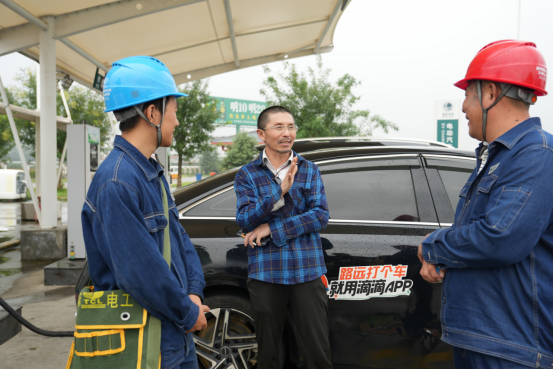
双节来临前,9月26日,国网濉溪县供电公司百善中心供电所"皖美"共产党员服务队到 盐洛高速濉溪服务区开展充电桩全覆盖"把脉",为假期绿色出行提供有力保障。 ▲濉溪县供电公司服务人员检查移动充电桩充电枪接口有无松动氧化。 ▲濉溪县供电公司服务人员检查充电桩设备的电压、电流、功率输出稳定性。 ▲濉溪县供电公司服务人员检查充电桩充电枪接口有无松动氧化。 该公司服务人员携带便携式电能质量分析仪、绝缘电阻测试仪等专业设备,逐一核查每 台充电桩的电压、电流、功率输出稳定性,重点检测充电枪接口有无松动氧化、线缆绝缘层 是否完好,同步测试应急断电保护、故障自动报警系统的响应速度,确保设备突发状况下能 及时处置。为应对节日期间激增的充电需求,服务区增设移动充电桩,充电高峰时段有专人 引导车主短时补电、随充随走。(储运涛/图) ▲濉溪县供电公司服务人员向运营车主咨询意见建议。 ▲濉溪县供电公司服务人员为新能源车主答疑解惑。 【责任编辑:刘澄谚 】 ...
绿色出行 杭州公交“上新”
Hang Zhou Ri Bao· 2025-09-29 02:52
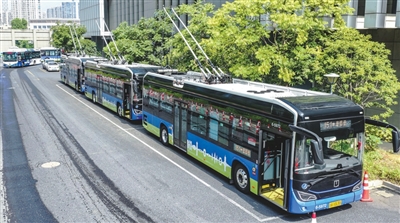
即将上线的无轨电车 近期,杭州公交对"城市过山车Pro"线路进行了调整:这条"网红"巴士将在杨公堤路段"双向折 返",让市民游客一次性穿梭于6座拱桥之间,体验双倍"失重感"。为了方便乘客预约体验,"城市过山 车Pro"的班次时间也作了优化调整:新增一趟班次,同时所有班次均提前7天开启预售。 金秋十月是最适宜出行游玩的好季节,杭州公交不仅在即将到来的国庆长假对近期颇为火爆的"城 市过山车Pro"夜游线路进行了优化,后续还将"上新"一批无轨电车,让市民游客的城市公交出行体验更 加便捷、丰富。 和过去的每个长假一样,市民游客选择"地铁+公交"的出行方式是最高效、最省心的。在距离西湖 景区最近的黄龙体育中心、黄龙洞、龙翔桥等12个地铁站,大家可体验"出地铁、上公交"的"零距离"换 乘服务,出站就能找到对应的公交接驳站点,坐上公交车直达满觉陇、断桥、雷峰塔、苏堤等西湖热门 景点。 需要提醒市民游客的是,根据交通管理部门的交通组织信息及火车站夜车出行需要,10月1日—8日 期间,西湖景区、火车站等周边公交线路走向、站点、服务时间均有调整。 值得一提的是,今年9月上旬,杭州公交采购的全新一批30辆无轨电车已抵达杭州,目前正 ...
国庆中秋假期苏州暖心服务再升级 3.5万个内部车位免费停
Su Zhou Ri Bao· 2025-09-28 22:26
Group 1 - The core initiative involves the opening of approximately 35,000 parking spaces across 353 government and enterprise units in Suzhou for free during the National Day and Mid-Autumn Festival holiday, aimed at easing travel burdens for citizens and tourists [1] - The free parking will be available from October 1 to October 8, with daily operating hours from 8:00 AM to 10:00 PM, specifically for small passenger vehicles with a capacity of 7 seats or fewer [1] - Citizens and tourists can easily find available parking spots by downloading the "Suzhou Zhoudao" app, which features a "no-sense parking" module for checking open parking resources and provides precise navigation to the locations [1] Group 2 - Additional services include the provision of public restrooms, free drinking water, and umbrellas, collectively referred to as the "warm-hearted three-piece set," which will be available at all open parking lots [2] - The initiative will also involve volunteers, trained in advance, who will assist with parking management and provide recommendations for tourist routes, enhancing the overall visitor experience during the holiday [2]
84岁,他叩开了港股上市大门
Sou Hu Cai Jing· 2025-09-28 02:33
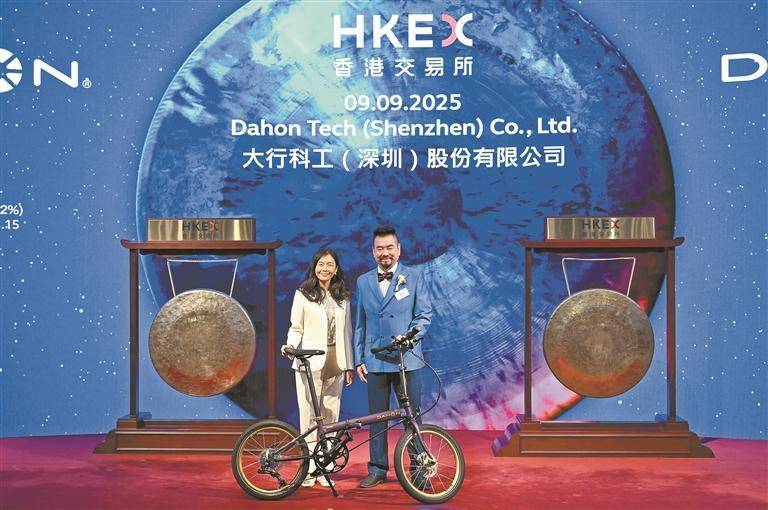
Core Viewpoint - Dahon Technology (Shenzhen) Co., Ltd. successfully listed on the Hong Kong Stock Exchange on September 9, marking a significant milestone for the company founded by Han Dewei 43 years ago [1][3]. Company Background - Han Dewei, the founder and current chairman of Dahon, is 84 years old and has a rich history in both academia and entrepreneurship, having earned a Ph.D. in physics and worked in high-energy laser research before venturing into the bicycle industry [3][4]. - The company specializes in folding bicycles, aiming to promote green travel and low-carbon transportation through innovative design [5][6]. Product Development - The initial idea for a compact, portable bicycle stemmed from Han's personal experiences with traditional bicycles, leading him to develop a prototype that was significantly smaller and lighter than conventional models [5][6]. - Dahon's folding bicycle prototype measures only 0.3 cubic meters and weighs 12 kilograms, making it one-third the size of a regular bicycle [6]. Market Position - Dahon has established itself as a leader in the folding bicycle market, achieving a retail volume and revenue market share of 26.3% and 36.5% respectively in mainland China by 2024, thus becoming a "double champion" [7]. - The company holds 113 effective patents, including 15 invention patents, making it the brand with the most patents in the folding bicycle industry [7][8]. Future Outlook - The recent IPO is seen as a new starting point for Dahon, providing opportunities for financing and enhancing brand image, while also necessitating the establishment of a more robust compliance system for future stability [8].
济宁新能源公交车补贴新政落地,最高每车补8万
Qi Lu Wan Bao Wang· 2025-09-27 06:30
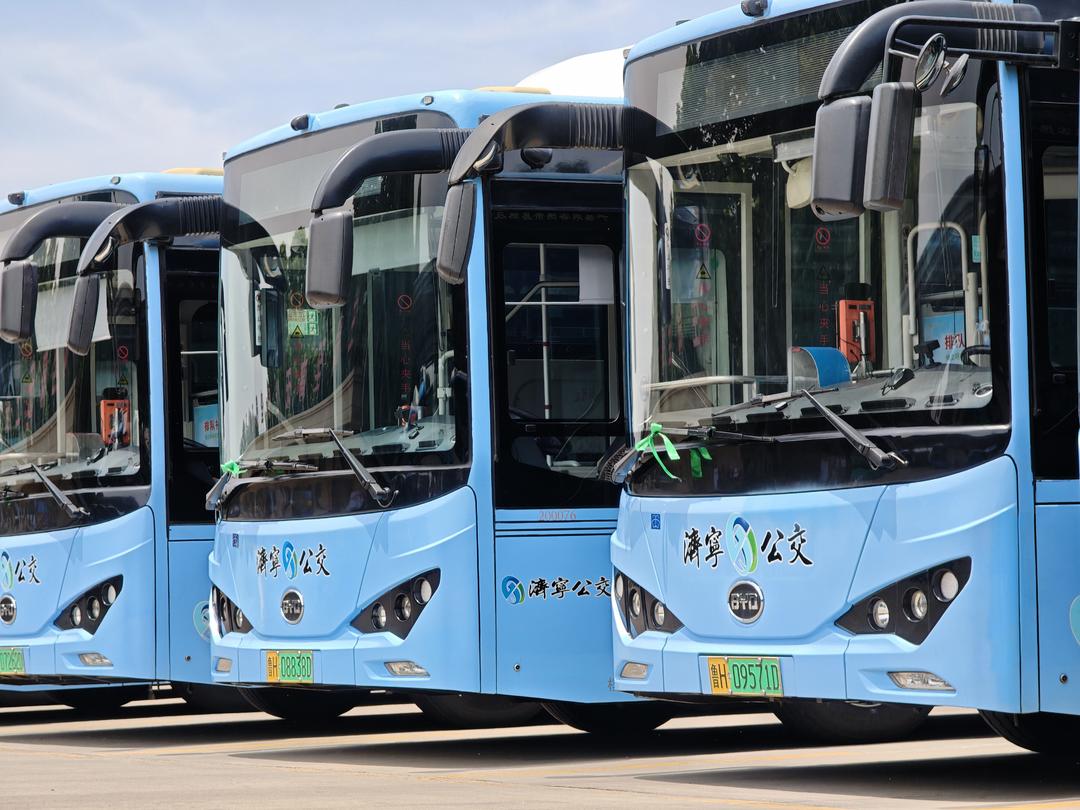
Core Viewpoint - The implementation of the subsidy policy for new energy city buses in Jining aims to promote green transformation in the public transportation system, improve air quality, reduce operational costs for bus companies, and enhance the travel experience for citizens [5][6]. Subsidy Details - The subsidy for eligible new energy city buses is set at an average of 80,000 yuan per vehicle, with an additional 42,000 yuan for battery replacements [1][3]. - The policy applies to city buses owned by enterprises with legal public transport operating rights, specifically those registered before December 31, 2017, and those needing battery replacements before December 31, 2025 [3][4]. - Eligible vehicles must be included in the national directory of new energy city buses, which encompasses pure electric, plug-in hybrid, and hydrogen fuel cell vehicles [3]. Application Process - The deadline for subsidy applications is December 31, 2025, requiring applicants to submit various documentation post vehicle or battery updates [4]. - Required documents include registration details of scrapped vehicles, identification of new vehicles, and proof of battery replacement, among others [4]. Impact on Industry - The subsidy policy is expected to stimulate the development of the new energy vehicle industry, creating new market opportunities for related enterprises [5]. - The initiative reflects strong governmental support for green transportation, with funding shared between central and local finances [5].
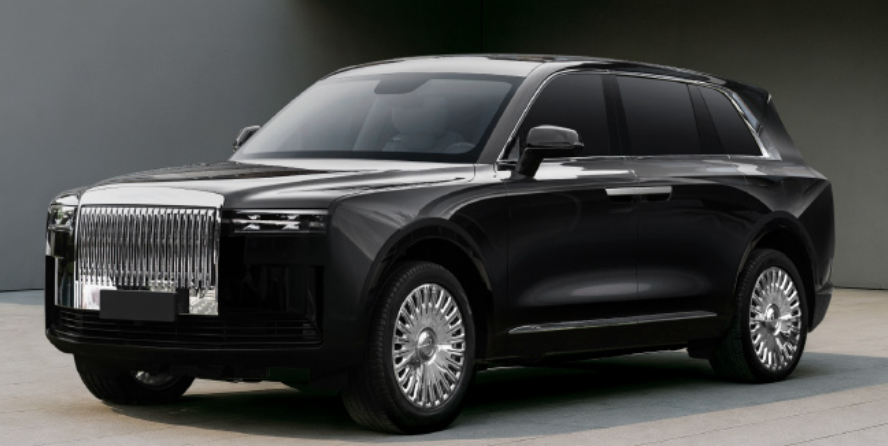
追觅汽车首款SUV发布,对标劳斯莱斯库里南
Ju Chao Zi Xun· 2025-09-27 02:03
Core Insights - Chasing Car has launched its first ultra-luxury flagship SUV, directly competing with the Rolls-Royce Cullinan, marking a significant step in its product strategy with a dual product matrix of "performance pure electric coupe + ultra-luxury flagship SUV" planned for launch in 2027 [2] Group 1: Product Features - The ultra-luxury flagship SUV features a super chassis with bi-directional 24-degree rear wheel steering, achieving a turning radius of less than 5 meters, enhancing maneuverability in tight spaces [4] - The vehicle is equipped with an intelligent four-wheel independent drive system and active suspension, improving driving stability and comfort on both highways and rough terrains [4] Group 2: Innovative Technologies - Chasing Car has introduced a globally pioneering self-evolving energy recovery system, which personalizes energy recovery strategies based on driving behavior and road conditions, increasing recovery efficiency by 18% and energy consumption matching by 30%, while extending high-speed range by 12% [4] - The company has also launched the "Smart Heat Start" system, utilizing a preheating technology for engine coolant, achieving a 38% reduction in fuel consumption and a 43% decrease in emissions, while ensuring performance with zero loss [6]