
中医养生

Search documents
明日大寒 巧用“三皮”应对寒潮
Xin Lang Cai Jing· 2026-01-18 20:33
Group 1 - The article discusses the health risks associated with the cold weather during the "Great Cold" period, emphasizing the potential for various health issues such as cough, digestive problems, and cardiovascular diseases due to cold exposure [1] - It highlights the importance of using certain plant skins, referred to as "three peels," to combat the cold, as they possess unique health benefits that can help warm the body and dispel cold [2] Group 2 - The article explains the symptoms and remedies for cold invading the spleen, which can lead to issues like abdominal bloating and appetite loss. It suggests using dried tangerine peel (Chenpi) for its beneficial effects on the spleen [3][6] - It provides recipes for various dishes and drinks that incorporate Chenpi, such as Chenpi purple sweet potato porridge and Chenpi yellow rice drink, which are aimed at improving digestive health and warming the body [5][7][8] Group 3 - The article addresses the impact of cold on the kidneys, noting that it can weaken kidney yang and lead to symptoms like cold limbs and lower back pain. It recommends using cinnamon (Gui Pi) to help warm the kidneys and dispel cold [11][13] - Several recipes are provided, including Gui Pi beef soup and a foot soak with Gui Pi, aimed at alleviating symptoms associated with kidney cold [16][15] Group 4 - The article discusses the effects of cold on the lungs, particularly for individuals with chronic respiratory conditions, and suggests using ginger peel to alleviate symptoms like cough and nasal congestion [18] - It includes recipes for ginger-based drinks and desserts that can help warm the lungs and improve respiratory health [19][21] Group 5 - The article notes that the busy period leading up to the Spring Festival can cause anxiety and insomnia, recommending the use of certain herbal remedies like he huan pi (mimosa bark) to help calm the mind and alleviate stress [23][24]

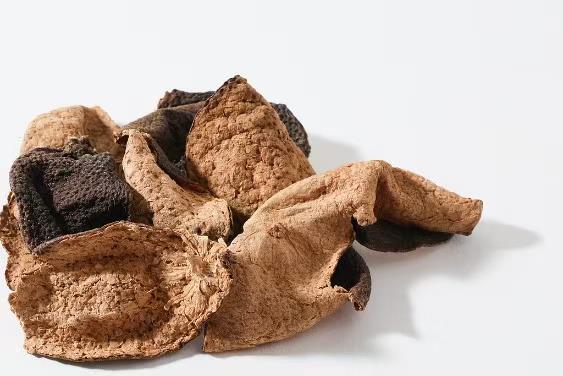
寒潮来了!用好“陈皮、桂皮、姜皮”,护好脾肾肺!
Xin Lang Cai Jing· 2026-01-18 00:58
Core Viewpoint - The article discusses the health risks associated with cold weather, particularly during the "Great Cold" period, and offers traditional Chinese medicine remedies to combat cold-related ailments. Group 1: Health Risks of Cold Weather - Cold air can lead to various health issues such as persistent cough, digestive problems, facial swelling, joint pain, and even serious conditions like cardiovascular diseases [1] - The article emphasizes the importance of protecting the body from cold to prevent these health complications [1] Group 2: Traditional Remedies for Cold-Related Issues - The use of plant skins, such as Chenpi (dried tangerine peel), is highlighted for their warming properties and ability to alleviate cold symptoms [2] - Chenpi is effective for treating spleen cold, which can cause symptoms like abdominal bloating and poor appetite [3] - Various recipes using Chenpi, such as Chenpi Purple Sweet Potato Porridge and Chenpi Huangqi Drink, are suggested to improve digestive health and boost energy [4][6][5][7] Group 3: Addressing Kidney and Lung Cold - Cold invasion can harm kidney yang, leading to symptoms like cold limbs and fatigue; remedies include using Gui Pi (cinnamon) to warm the kidneys [10] - Recipes like Gui Pi Beef Soup and Gui Pi Warm Tea are recommended to enhance kidney function and alleviate cold symptoms [15][11][12] - For lung cold, ginger peel is suggested to relieve cough and respiratory issues, with recipes like Ginger Sugar Lotus Root Cake provided for warming the lungs [17][20][19] Group 4: Mental Health and Stress Relief - The article notes that the busy period leading up to the Spring Festival can cause anxiety and stress, suggesting the use of He Huan Pi (mimosa bark) to calm the mind [22][23] - A tea made from He Huan Pi, dried lily bulbs, and longan is recommended for its calming effects [23]
小寒大寒养生指南:中医教你应对关节冷痛与温差不适
Huan Qiu Wang· 2026-01-14 03:41
Core Viewpoint - The National Health Commission of China emphasizes the importance of health management during the winter solstice periods, particularly focusing on joint care, temperature adaptation, and winter exercise recommendations based on traditional Chinese medicine principles [1][3]. Group 1: Joint Pain Management - Joint pain in winter is attributed to the invasion of cold and obstruction of yang energy, leading to issues such as pain and stiffness [3]. - Recommendations for managing joint discomfort include lifestyle adjustments focusing on clothing, diet, and exercise, such as wearing warm clothing, consuming warming foods like ginger and cinnamon, and engaging in gentle physical activities [3]. - External treatments like Sanjiu plaster and moxibustion are suggested for alleviating joint pain, with a caution to seek medical evaluation before use [3]. Group 2: Temperature Adaptation Techniques - Significant temperature differences in winter can cause blood vessel contraction and blood pressure fluctuations, indicating a temporary imbalance in the body's yin-yang and blood circulation [4]. - Three acupuncture points are highlighted for quick relief from discomfort caused by temperature changes: Fengchi and Taiyang for head discomfort, and Neiguan for stabilizing the heart and calming the mind [4][5]. Group 3: Winter Health Practices - The debate between "hibernating" and "winter exercise" is addressed, suggesting a balanced approach to both practices to avoid stagnation of qi and to promote health [6]. - "Winter exercise" should be moderate to enhance physical resilience without excessive sweating, which can lead to energy loss and decreased immunity [6]. - The emphasis is on maintaining a balance between rest and activity during winter to support overall health [6].

小寒节气寒邪最盛、阳气最弱 日常推拿这几个穴位才是护阳关键
Xin Lang Cai Jing· 2026-01-12 18:01
Core Viewpoint - The article emphasizes the importance of health preservation during the "Minor Cold" season, advocating for gentle nourishment and moderate exercise to protect the body's yang energy against the harsh cold [1]. Group 1: Health Recommendations - During the Minor Cold, the focus should be on warming and nourishing the body rather than resisting the cold [1]. - The key to health preservation is to prevent cold damage, strengthen the body's foundation, and promote yang energy [1]. - Specific massage techniques are recommended to stimulate key acupuncture points, which can help resist external cold and prepare the body for spring [1][2]. Group 2: Acupuncture Points and Techniques - **Guanyuan Point**: Located three inches below the navel, it is considered a reservoir of vital energy. Massaging this point can significantly enhance yang energy and improve conditions like cold abdomen and menstrual issues [3][4]. - **Mingmen Point**: Found at the second lumbar vertebra, it is crucial for gathering yang energy and eliminating cold and dampness from the lower back. Recommended techniques include pressing and rubbing until warmth is felt [5][6][7]. - **Dazhui Point**: Located at the seventh cervical vertebra, it governs the body's yang energy. Techniques include using hot water during bathing or rubbing the area until the skin feels warm [8].
小寒养生 四个维度教你安稳过寒冬
Xin Lang Cai Jing· 2026-01-05 19:46
Core Viewpoint - The article emphasizes the importance of health maintenance during the "Minor Cold" solar term, focusing on warming the body, nourishing the yin, and preventing cold exposure to ensure well-being during winter [1]. Group 1: Lifestyle Recommendations - The principle of "early sleep and late rising" is advised to protect yang energy and reduce exposure to cold [2]. - Special attention should be given to keeping the head, neck, and feet warm when going outside, using hats, scarves, thick socks, and warm shoes to prevent the loss of yang energy [2]. Group 2: Dietary Guidance - A diet that focuses on warming the spleen and kidneys, as well as nourishing yin, is recommended, avoiding cold and raw foods [3]. - Suggested foods include warm meats like lamb, beef, and chicken, along with nuts and dried fruits to strengthen the spleen and kidneys [3]. - Ingredients like tremella, lily, snow pear, and honey should be included to alleviate dryness caused by winter [3]. Group 3: Emotional Well-being - Maintaining emotional balance is crucial during this season, as negative emotions can affect organ function [4]. - Activities such as listening to soothing music, practicing Tai Chi, and meditation are recommended to relieve stress and promote a positive mindset [4]. Group 4: Exercise Recommendations - Exercise should be gentle and moderate to avoid excessive sweating that could deplete yang energy [5]. - Activities like walking, slow jogging, Tai Chi, and Ba Duan Jin are suggested during sunny periods to enhance circulation and strengthen the body against cold [5].
早卧晚起 静心养神
Xin Lang Cai Jing· 2026-01-05 19:46
Group 1 - The article emphasizes the importance of adapting to seasonal changes during the "Minor Cold" period, focusing on nurturing Yang energy and protecting Yin to maintain health during winter [3][4][5] - It highlights the need for proper daily routines, such as going to bed early and waking up late to align with the natural rhythms of Yang energy, and emphasizes the importance of keeping warm, especially for the head, neck, and feet [4] - Dietary recommendations include consuming warming foods like lamb, beef, and chicken, along with nuts and fruits to nourish the spleen and kidneys, while also incorporating ingredients that moisten and relieve dryness [5][6] Group 2 - The article discusses the significance of emotional well-being during winter, suggesting practices like listening to soothing music and engaging in gentle exercises to alleviate stress and maintain a balanced mood [7] - It advises on moderate physical activities that promote circulation without exhausting Yang energy, recommending exercises like walking, Tai Chi, and gentle stretching during sunny periods [7] - The overall message is to harmonize with nature's rhythms to protect internal Yang energy and nourish Yin fluids, laying a solid foundation for health as spring approaches [7]
共话健康之道,广东资本圈健康沙龙成功举办
Zheng Quan Shi Bao Wang· 2025-12-27 11:45
Group 1 - The event "Intelligent Capital, Enjoy Health" was successfully held in Shenzhen, focusing on the health of professionals in the capital market, highlighting the importance of personal health as a valuable asset in a high-pressure environment [1][2] - Data indicates that nearly 40% of financial industry personnel work over 55 hours a week, with an alarming 84% of individuals over 60 showing abnormal carotid artery detection rates, emphasizing the need for better health management [1][2] - The event aimed to create a platform for sharing health management experiences and promoting a healthier work-life balance among industry professionals [1][2] Group 2 - The Securities Times South China Headquarters aims to be a key information dissemination platform and resource connector while also becoming a co-creator of a health ecosystem, integrating quality resources to support health management for professionals [2] - The concept of "invisible investment" in health management is emphasized, comparing it to long-term investment strategies in the capital market [2] - The event featured discussions on health management principles, including maintaining a positive mindset, balanced nutrition, adequate sleep, and moderate exercise as essential for sustaining professional vitality [3][4] Group 3 - The integration of traditional Chinese medicine and Western preventive medicine was discussed, promoting a scientific approach to health management that adapts to modern lifestyles [4] - Basic principles of health maintenance were outlined, including dietary balance, appropriate exercise, and regular sleep patterns, aimed at preventing health issues before they arise [4] - The event fostered an interactive environment for participants to share health insights and connect with quality resources, promoting a culture of health awareness in the industry [4]


天冷后别频繁洗澡,可以多泡脚 泡脚更符合“温而不燥”养生理念
Xin Lang Cai Jing· 2025-12-24 23:56
Core Viewpoint - The article discusses the health implications of bathing versus foot soaking during cold weather, emphasizing that frequent hot showers may lead to health issues while foot soaking is beneficial for circulation and overall well-being [3][4][5]. Group 1: Health Risks of Frequent Bathing - Cold weather can lead to increased cases of respiratory illnesses such as colds and coughs, particularly after hot showers [3][4]. - Hot showers may cause physiological stress as they can lead to the outward flow of "yang energy," making individuals more susceptible to external pathogens [4]. - Individuals with weaker constitutions may experience greater health risks from frequent bathing, leading to increased fatigue and illness [4]. Group 2: Benefits of Foot Soaking - Foot soaking is recommended as a simple and effective health maintenance method, promoting blood circulation and aiding in the expulsion of cold from the body [5][6]. - The practice stimulates various reflex zones and meridians in the feet, enhancing overall health and potentially improving sleep quality [5][6]. - Foot soaking can also help alleviate dryness and other discomforts associated with winter, providing nourishment to the skin [5][6]. Group 3: Recommendations for Bathing and Foot Soaking - It is advised to limit bathing to 2-3 times a week, with water temperatures between 37°C and 39°C, and each session lasting no more than 20 minutes [4][6]. - Foot soaking should ideally be done for 15-20 minutes before bedtime, with water temperature around 40°C, and can include various herbal additions based on individual health needs [6][7]. - Post-soaking care includes drying the feet thoroughly and keeping them warm, while avoiding immediate sleep or consumption of cold foods [7].

中医养生讲座进社区
Xin Lang Cai Jing· 2025-12-21 23:49
Core Viewpoint - The event focused on promoting traditional Chinese medicine and health knowledge among community residents, emphasizing winter health practices and dietary adjustments [1] Group 1: Event Overview - The health knowledge lecture titled "Winter Health, Traditional Chinese Medicine Has Its Way" attracted over 40 residents [1] - Experts discussed the concept of "heaven and man in harmony" in traditional Chinese medicine, providing practical health tips tailored to local climate conditions [1] Group 2: Key Health Practices - The lecture covered dietary regulation and acupoint health care methods, including foot baths to ward off cold, food therapy to alleviate dryness, and massage techniques to prevent colds [1] - Residents actively engaged in the interactive session, asking questions about joint warmth, sleep improvement, and chronic disease management during winter [1] Group 3: Community Impact - The event not only promoted traditional Chinese culture but also delivered health services directly to residents [1] - The community plans to continue focusing on residents' needs by building a health service platform to create a "healthy, warm, and harmonious" home environment [1]
【提示】冬至到了,护肺防寒,给身体囤够过冬的“能量”
Xin Lang Cai Jing· 2025-12-21 05:18
Group 1 - The core idea emphasizes the importance of protecting lung health during the winter solstice, as respiratory diseases tend to increase in cold and dry conditions [1] - The first principle of lung protection during winter solstice is to "store energy" by maintaining a warm environment, going to bed early, and avoiding intense activities to preserve the body's "yang energy" [1] Group 2 - Dietary recommendations during the winter solstice include consuming warming foods such as lamb, leeks, longan, and ginger to help boost "yang energy," while also incorporating foods like lily, tremella, and lotus seeds to prevent dryness [3] - It is advised to include medicinal foods like astragalus, codonopsis, and goji berries in soups to enhance lung and spleen health, thereby improving immunity [3] - Foods rich in vitamin D, such as fish and egg yolks, are recommended to help regulate immunity and reduce the risk of respiratory infections [3] Group 3 - Maintaining a positive mood is crucial, as prolonged sadness or anxiety can harm lung function; seasonal affective disorder may worsen chronic respiratory conditions [5] - Engaging in activities like Tai Chi, walking in the sun, or low-intensity exercises can help improve lung function and overall well-being [5]
