
中小学科技教育

Search documents
七部门联合发文 加强中小学科技教育
Zhong Guo Jing Ji Wang· 2025-11-12 14:44
Core Viewpoint - The Ministry of Education and six other departments have jointly issued the "Opinions on Strengthening Science and Technology Education in Primary and Secondary Schools," aiming to enhance the cultivation of innovative talents and support high-quality integrated development of education, science, and talent [1]. Group 1: Key Tasks - The first task is to construct a collaborative and integrated education system that strengthens the synergy between science education and humanities education, encouraging students to develop scientific interest and methods through hands-on practice [2]. - The second task focuses on building an open and integrated curriculum ecosystem and teaching methods, reshaping the curriculum to guide students in applying interdisciplinary knowledge to solve problems [2]. - The third task emphasizes enhancing research guidance and comprehensive evaluation based on competencies, establishing a sound evaluation mechanism for science education, and promoting the integration of research and teaching [2]. - The fourth task highlights the importance of diverse resource development and environmental construction, optimizing teaching spaces to provide platforms for students to engage in real-world scientific exploration and engineering practices [2]. - The fifth task aims to promote high-quality and efficient teacher development and collaboration among families, schools, and communities, integrating science education into teacher training systems and enhancing teachers' capabilities [2]. - The sixth task encourages extensive international exchange and cooperation, building a multilateral cooperation network to promote research and practice in science education globally, thereby enhancing international influence and competitiveness [2]. Group 2: Implementation and Support - The "Opinions" stress the need for strong organizational support and implementation, positioning science education in primary and secondary schools as a crucial lever for building a strong educational nation [3]. - It calls for the establishment of a work mechanism led by local party committees and governments, coordinating various departments to ensure systematic deployment and effective implementation of science education [3]. - The document emphasizes the importance of mobilizing resources and funding from various sectors and fostering a societal environment that actively supports and participates in science education [3].
教育部等七部门发文,科技教育走进中小学
21世纪经济报道· 2025-11-12 09:53
Core Viewpoint - The article emphasizes the importance of enhancing science and technology education in primary and secondary schools to cultivate future talent for national technological innovation, as outlined in the recent policy document issued by the Ministry of Education and other departments [1]. Group 1: Introduction of Technology Education - The concept of technology education in primary and secondary schools is newly introduced in the recent policy document, which aims to integrate quality technological resources into education [3]. - Technology education focuses not only on cultivating scientific thinking but also on establishing horizontal connections to gather quality technological resources for schools [3][5]. Group 2: Collaboration with Higher Education - Universities are encouraged to explore the establishment of a collaborative education community that includes primary, secondary, and higher education institutions to support technology education [6]. - The recent establishment of the UNESCO International STEM Education Research Institute in Shanghai signifies a global effort to enhance STEM education, with local institutions like Tongji University actively participating in this initiative [6]. Group 3: Curriculum Development - The article highlights the need for curriculum reform to break down barriers between science, technology, engineering, and mathematics (STEM) subjects, promoting an integrated approach to education [10][11]. - Schools are encouraged to implement a spiral curriculum that aligns with higher education needs, incorporating cutting-edge topics such as artificial intelligence and quantum information [11]. Group 4: Teacher Training and Resource Sharing - The policy document calls for the integration of technology education into teacher training programs, emphasizing the need for qualified science teachers in primary schools [13]. - Universities are expected to play a significant role in resource sharing, providing online resources and support to under-resourced areas to ensure equitable access to quality technology education [14].

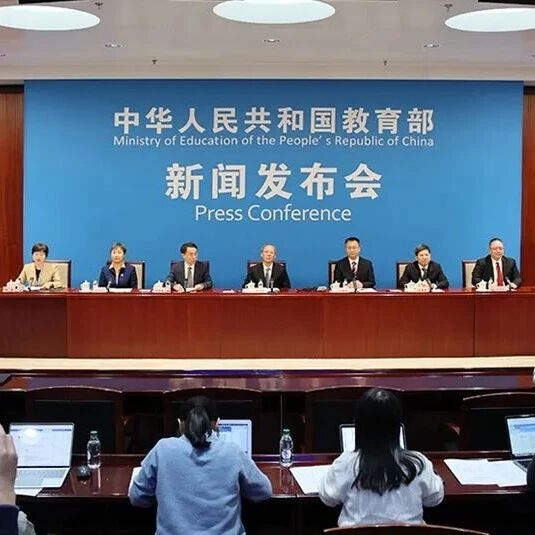
分类推进·学科融通·学用结合——教育部新闻发布会聚焦加强中小学科技教育
Xin Hua She· 2025-11-12 09:06
Core Viewpoint - The recent joint opinion issued by seven departments focuses on strengthening science and technology education in primary and secondary schools, emphasizing the importance of cultivating students' scientific interest, innovation awareness, and practical abilities during their formative years [1][2]. Group 1: Educational Framework - The opinion aims to construct a collaborative and integrated educational system, develop an open and inclusive curriculum ecosystem, and emphasize diverse resource development and environmental construction [1]. - It highlights the need for a "step-by-step" educational framework that aligns with students' cognitive development, focusing on enhancing scientific literacy through various educational stages [2][3]. Group 2: Curriculum and Teaching Methods - Specific requirements are outlined to promote educational reform, including interdisciplinary integration and the development of quality science education resources [3]. - The opinion encourages students to engage in hands-on experiments, practical explorations, and collaborative learning, applying knowledge and skills from multiple disciplines to solve real-world problems [3]. Group 3: Teacher Development and Resource Collaboration - The opinion addresses the challenges faced in primary school science education, such as a lack of qualified teachers and fragmented course resources, and aims to resolve these issues through collaboration with universities, research institutions, and technology enterprises [4]. - It emphasizes the importance of building a strong teaching workforce and fostering collaborative education efforts among various stakeholders to enhance the quality of science education [4].
“双师课堂”“未来课堂”服务中小学科技教育 夯实创新人才培养“路线图”已划定
Yang Shi Wang· 2025-11-12 08:31
Core Viewpoint - The Ministry of Education and six other departments have jointly issued guidelines to strengthen science and technology education in primary and secondary schools, emphasizing the importance of cultivating scientific interest during youth and promoting a transformation in educational methods to lay a solid foundation for nurturing innovative talents in technology [1][3]. Group 1: Key Tasks and Educational Framework - The guidelines outline six key tasks, including building a collaborative educational system that integrates technology and humanities, creating an open and integrated curriculum ecosystem, and enhancing research-led teaching and comprehensive evaluation [10][12]. - Emphasis is placed on a practical approach to education, with a focus on experiential learning and interdisciplinary project-based learning at different educational stages [13][18]. Group 2: Curriculum and Teaching Innovations - The guidelines advocate for a curriculum that merges disciplines and addresses real-world problems, encouraging the development of high-quality technology education resources and innovative teaching methods, such as dual-teacher classrooms involving scientists and teachers [18][20]. - Schools are encouraged to utilize advanced technologies, such as virtual laboratories, to enhance the learning experience [18]. Group 3: Teacher Training and Resource Development - There is a significant shortage of qualified science teachers, with only 240,000 dedicated science teachers in primary schools as of 2022, highlighting the need for improved teacher training and professional development [21][30]. - The guidelines propose measures for teacher training, including master's programs in technology education at top universities and partnerships with research institutions to enhance curriculum development and teaching guidance [30]. Group 4: Practical Applications and Community Involvement - Schools are encouraged to collaborate with universities, enterprises, and non-profit organizations to enhance technology projects and create accessible science education environments [20][25]. - Examples of innovative practices include the establishment of technology centers in schools and the involvement of scientists as vice principals to guide curriculum development and student projects [23][25].
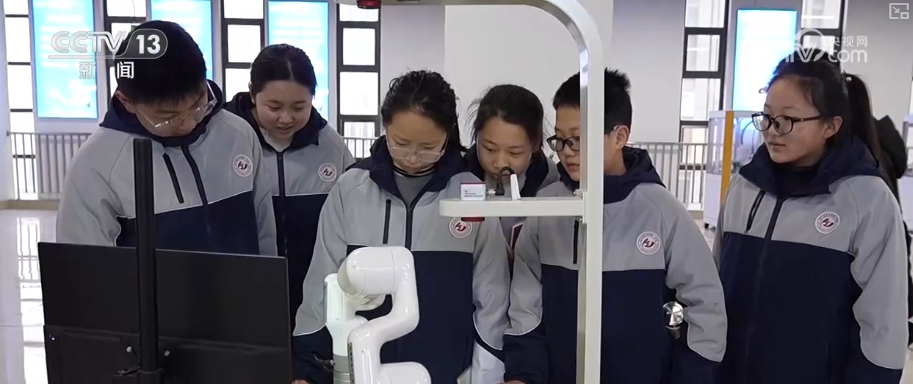
教育部:八成学生科学学业表现达到中等及以上水平
Xin Jing Bao· 2025-11-12 07:17
Core Viewpoint - The Ministry of Education has reported significant progress in promoting science and technology education in primary and secondary schools, with 80% of students achieving moderate or above levels in science performance, and improvements in hands-on experimentation and teaching quality [1][4]. Group 1: Progress in Science and Technology Education - The Ministry of Education, in collaboration with relevant departments, has made strides in enhancing science and technology education, with a focus on curriculum development, teaching reform, and teacher training [2][3]. - A comprehensive curriculum system has been established for grades 1 to 9, including independent information technology courses and interdisciplinary learning activities [2]. - Over 3,500 exemplary lessons have been shared to improve teaching methods and enhance experimental teaching capabilities [3]. Group 2: Local Initiatives and Achievements - Various regions have launched initiatives such as the "Technology Education Curriculum Guidance Outline" in Jiangsu and the establishment of technology education research centers in Shanghai [4]. - Financial investments, such as 10 million yuan in Chongqing for building technology education laboratories, demonstrate local commitment to enhancing science education [4]. - The establishment of 78 collaborative innovation centers in Shaanxi and the introduction of top-tier research talent in Beijing highlight successful local efforts [4]. Group 3: Future Directions and Goals - The Ministry of Education aims to create a collaborative and integrated educational ecosystem, emphasizing the importance of practical experience and interdisciplinary learning [5][6]. - The focus will be on developing a resource-rich environment that includes partnerships with technology museums and high-tech enterprises to provide real-world learning experiences [7]. - Plans include the establishment of a "Teaching Thousand Examples" resource library to support diverse teaching methods and encourage practical exploration among teachers [8].
教育部、国家发改委、科技部、财政部、人社部、中国科学院、中国科协联合发文
券商中国· 2025-11-12 03:39
Core Viewpoint - The article discusses the joint issuance of the "Opinions on Strengthening Science and Technology Education in Primary and Secondary Schools" by seven government departments in China, aiming to enhance the foundation for cultivating innovative talents in science and technology education by 2030 and 2035 [1][2]. Summary by Sections Key Tasks - Construct a collaborative and integrated education system that strengthens the synergy between science and technology education and humanities education, encouraging students to develop scientific interest and methods through hands-on practice [2]. - Build an open and integrated curriculum ecosystem and teaching methods that reshape the curriculum ecology through interdisciplinary integration, guiding students to apply knowledge from multiple disciplines to solve problems [2][3]. - Strengthen research-led teaching and comprehensive evaluation focused on competencies, establishing a sound evaluation mechanism for science and technology education and promoting the integrated development of research and teaching [3]. - Emphasize diverse resource development and environmental construction, optimizing teaching spaces to provide platforms for students to experience real-world technology exploration and engineering practice [3]. - Promote high-quality and efficient teacher training and collaboration among families, schools, and communities, integrating science and technology education into teacher training systems to enhance teachers' capabilities [3]. - Foster extensive and in-depth international exchanges and cooperation, building a multilateral cooperation network to promote research and practice in science and technology education globally, enhancing international influence and competitiveness [3]. Implementation and Support - The article emphasizes the need for strong organizational support and implementation, positioning science and technology education as a crucial lever for building an education powerhouse, establishing a unified leadership mechanism among local party committees and governments, and coordinating resources effectively [3].
教育部等七部门:到2030年,中小学科技教育体系基本建立
Bei Jing Shang Bao· 2025-11-12 03:26
Core Viewpoint - The Ministry of Education and six other departments issued the "Opinions on Strengthening Science and Technology Education in Primary and Secondary Schools," aiming to establish a solid foundation for cultivating innovative talents in science and technology, supporting high-level self-reliance, and promoting high-quality integrated development of education, science, and talent [1] Group 1: Goals and Timeline - By 2030, a basic science and technology education system for primary and secondary schools is expected to be established, with an improved curriculum system, ongoing teaching reforms, and a foundational evaluation and support system [1] - By 2035, a comprehensive science and technology education ecosystem will be constructed, with a well-established social resource support mechanism [1] Group 2: Educational Focus by Grade Level - In the early grades of primary school, the focus will be on sensory experience and interest cultivation through life-like and game-based scenarios to stimulate curiosity and exploration [2] - In the middle and upper grades of primary school, the emphasis will shift to concept understanding and hands-on exploration, establishing interdisciplinary connections through scientific experiments and project tasks [2] - In junior high school, the focus will be on practical exploration and technology application, engaging students in interdisciplinary project-based learning to solve real-world problems [2] - In high school, the emphasis will be on experimental exploration and engineering practice, encouraging students to understand cutting-edge technology and engage in real-world experimental projects [2]
教育部等七部门:加强科技实验室等教学设施的建设和改造
Bei Jing Shang Bao· 2025-11-12 03:26
Core Viewpoint - The Ministry of Education and six other departments have jointly issued an opinion to strengthen science and technology education in primary and secondary schools, emphasizing the need for improved teaching spaces and resources [1] Group 1: Infrastructure Development - The opinion calls for the construction and renovation of teaching facilities such as science laboratories to provide one-stop learning services for students [1] - It emphasizes the integration of external laboratories, technological infrastructure, venues, workshops, and training bases to create experiential learning spaces for students [1] Group 2: Practical Learning Environments - The initiative encourages the development of multi-functional practical research and study bases that combine popular science and experiential learning, particularly in areas with suitable conditions [1] - It outlines plans for phased construction of science education experimental zones and experimental schools to explore effective implementation paths and innovative training models [1]
6大重点任务!教育部等7部门发文部署加强中小学科技教育
Yang Shi Wang· 2025-11-12 02:35
Core Viewpoint - The Ministry of Education and six other departments have jointly issued the "Opinions on Strengthening Science and Technology Education in Primary and Secondary Schools," aiming to enhance the cultivation of innovative talents and support high-quality integrated development of education, science, and talent [1][2]. Group 1: Key Tasks - Construct a collaborative and integrated education system that strengthens the synergy between science education and humanities education, encouraging students to develop scientific interest and methods through hands-on practice [2]. - Build an open and integrated curriculum ecosystem and teaching methods that reshape the curriculum by integrating multiple disciplines, guiding students to apply interdisciplinary knowledge to solve problems [2]. - Strengthen competency-oriented research guidance and comprehensive evaluation by establishing a sound evaluation mechanism for science education, promoting the integrated development of research and teaching [2]. Group 2: Resource Development and Teacher Training - Focus on diverse resource development and environmental construction by optimizing teaching spaces to provide platforms for students to experience real-world technology exploration and engineering practices [2]. - Promote high-quality and efficient teacher training and collaboration among families, schools, and communities by integrating science education into teacher training systems and enhancing teachers' capabilities [2]. Group 3: International Cooperation and Implementation - Promote extensive and in-depth international exchanges and cooperation by building a multilateral cooperation network to enhance the global influence and competitiveness of primary and secondary school science education [2]. - Emphasize the need for organizational guarantees and implementation by establishing a work mechanism led by local party committees and governments, coordinating resources, and fostering a supportive social environment for science education [3].
教育部、国家发改委、科技部、财政部、人社部、中科院、中国科协联合发文
Xin Jing Bao· 2025-11-12 02:26
Core Viewpoint - The Ministry of Education and six other departments have jointly issued opinions to strengthen science and technology education in primary and secondary schools, aiming to cultivate innovative talents and support high-quality development in education, science, and technology by 2030 and 2035 [1][2]. Group 1: Key Tasks - Construct a collaborative and integrated education system that enhances the synergy between science and technology education and humanities education, encouraging students to develop scientific interest and methods through hands-on practice [2]. - Build an open and integrated curriculum ecosystem and teaching methods that reshape the curriculum by integrating multiple disciplines, guiding students to apply interdisciplinary knowledge to solve problems [2]. - Strengthen competency-oriented research guidance and comprehensive evaluation by establishing a sound evaluation mechanism for science and technology education, promoting the integration of research and teaching [3]. - Focus on diverse resource development and environmental construction by optimizing teaching spaces to provide platforms for students to experience real-world technology exploration and engineering practices [3]. - Promote high-quality and efficient teacher training and collaboration among families, schools, and communities by integrating science and technology education into teacher training systems and enhancing teachers' capabilities [3]. - Foster extensive international exchanges and cooperation by building a multilateral cooperation network to promote research and practice in science and technology education globally, enhancing international influence and competitiveness [3]. Group 2: Implementation and Support - Emphasize the need for organizational support and implementation by treating science and technology education as a crucial part of building a strong educational nation, establishing a unified leadership mechanism among local party committees and governments, and coordinating resources effectively [3].