中式精酿

Search documents
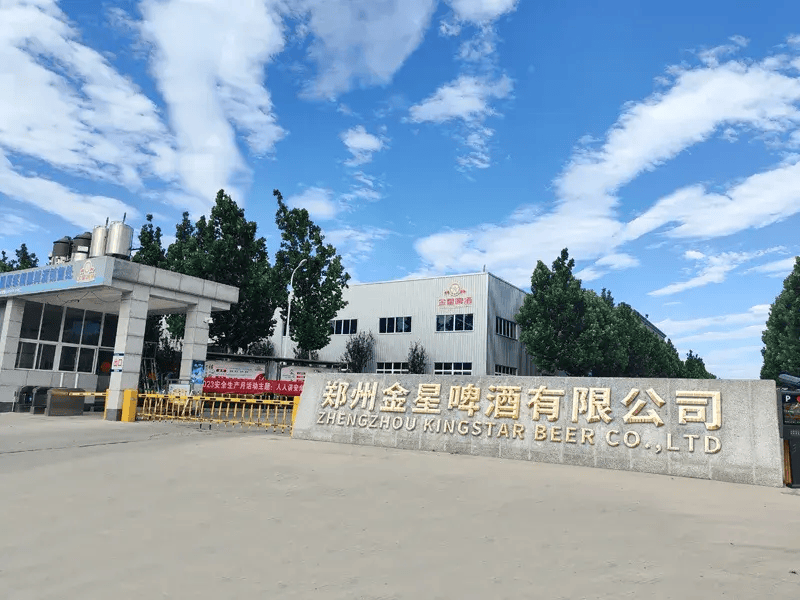
金星啤酒赴港IPO,冲刺“精酿第一股”
Shang Hai Zheng Quan Bao· 2026-01-15 14:28
Core Insights - The company aims to raise funds primarily to enhance production capacity, expand sales channels, promote marketing and brand building, and drive product innovation and portfolio expansion [2] Company Overview - Founded in 1982, the company has established 16 beer production bases across 9 provinces in China, with an annual production capacity of 2 million tons and over 150 national honors [4] - The company has successfully transitioned to focus on "Chinese craft beer," establishing a leading position in this niche market amid a slowdown in the traditional beer industry [4] Product Performance - The company's Chinese craft beer products ranked first in national sales as of 2024, integrating elements of Chinese tea culture, medicinal food culture, and fruit culture into unique craft beer offerings [4] - Notable product launches include "Jinxing Maojian Chinese Craft Beer" in August 2024, "Jinxing Candied Hawthorn" in May 2025, and "Jinxing Peach" in September 2025, all of which have garnered significant market attention [4] Financial Growth - The company reported significant revenue growth, achieving revenues of 356 million yuan, 730 million yuan, and 1.109 billion yuan for the first three quarters of 2023, 2024, and 2025, respectively, with net profits of 12 million yuan, 125 million yuan, and 305 million yuan [4] - The contribution of Chinese craft beer to total revenue reached 78.1% in the first three quarters of 2025, with gross margins increasing from 27.3% in 2023 to 47% in 2025 [5] Industry Trends - The Chinese craft beer market has experienced rapid growth, with retail sales increasing from 12.5 billion yuan in 2019 to 63.2 billion yuan in 2024, reflecting a compound annual growth rate (CAGR) of 38.4% [7] - The market share of craft beer in the overall Chinese beer market rose from 2.1% to 8.6% from 2019 to 2024, with projections indicating it could reach 19.6% by 2029 [7] Future Outlook - The market for "Chinese-flavored craft beer" is expanding even faster, with retail sales projected to grow from 1.5 billion yuan in 2019 to 11.1 billion yuan in 2024, achieving a CAGR of 49.3% [11] - The average price of beer in China is expected to rise from 14.6 yuan per liter in 2019 to 17.2 yuan in 2024, with further increases anticipated by 2029 [12] - The company is positioned to benefit from the growing trend of quality consumption and the increasing popularity of innovative flavors, appealing to younger consumers and expanding its market reach [13]

押中“中式精酿”风口,河南老厂金星啤酒年赚超3亿,如今要去港股上市
Sou Hu Cai Jing· 2026-01-14 10:44
Core Viewpoint - The launch of "Zhongshi Craft Beer" by Jin Xing Brewery has revitalized the sluggish beer market, positioning the company for a potential IPO on the Hong Kong Stock Exchange, making it the first "Zhongshi Craft Beer" stock if successful [1][6]. Company Overview - Jin Xing Brewery, established in 1982, has a production capacity of 2 million tons annually, making it the largest in Henan province, with 15 production bases across 9 provinces [7]. - The company has recently shifted its focus to "Zhongshi Craft Beer," which incorporates local tea flavors, significantly contributing to its revenue [8]. Product and Revenue Insights - The introduction of "Zhongshi Craft Beer" in August 2024, particularly the "Maojian Beer," has led to a rapid increase in sales, with 166 SKUs available as of September 30, 2025, and 50 of those being craft beer variants contributing 78.1% of revenue [8]. - The retail revenue growth rate from 2022 to 2024 is 23.7%, making Jin Xing Brewery one of the fastest-growing companies among the top ten in the industry [8]. Financial Performance - Revenue surged from 356 million yuan in 2023 to 1.11 billion yuan in the first nine months of 2025, with net profit increasing from 12.2 million yuan to 305 million yuan during the same period [9]. - The gross margin improved from 27.3% to 47%, and net margin rose from 3.4% to 27.5% [9]. Market Position and Competition - The craft beer segment in China is experiencing rapid growth, with a compound annual growth rate of 38.4% from 2019 to 2024, projected to reach 182.1 billion yuan by 2029 [13]. - Jin Xing Brewery holds a 14.6% market share in the flavor craft beer segment, but faces increasing competition as larger companies enter the market with similar products [15]. Strategic Challenges - The company must navigate the challenges of maintaining its unique regional characteristics and product differentiation in a competitive landscape, as well as transitioning from a single product model to a diversified product matrix [15]. - The recent trademark disputes and market saturation highlight the need for Jin Xing Brewery to strengthen its brand and product innovation strategies [12][15]. Future Outlook - The ability of Jin Xing Brewery to convert its current growth momentum into long-term brand equity and support its valuation expectations in the Hong Kong market will be critical for its future success [16].
金星啤酒闯关港股,中式精酿黑马面临估值之问
2 1 Shi Ji Jing Ji Bao Dao· 2026-01-14 09:29
Core Viewpoint - Henan Jinxing Beer Co., Ltd. has submitted its listing application to the Hong Kong Stock Exchange, marking its official entry into the public market, with a focus on its innovative "Chinese craft beer" products that have driven significant revenue growth [1][2]. Company Overview - Founded in 1982, Jinxing Beer has evolved from a regional brand to the eighth largest beer company in China, and the fifth largest domestic beer producer [1][2]. - The company has experienced a transformation in the past two years, particularly with the launch of its innovative products like "Jinxiang Maojian," which has contributed to its rapid growth [5][7]. Financial Performance - Jinxing Beer reported revenues of 356.4 million yuan in 2023, projected to reach 730.2 million yuan in 2024, and 1.109 billion yuan for the first nine months of 2025, with net profits increasing from 12.2 million yuan in 2023 to 305.3 million yuan in 2025 [2][7]. - The revenue contribution from "Chinese craft beer" has surged to 78.1% by the first three quarters of 2025, compared to 0% in 2023 [7][10]. Market Position - Despite its growth, Jinxing Beer still lags behind major competitors, with the sixth largest competitor, Zhujiang Beer, generating over 5 billion yuan in revenue, significantly more than Jinxing Beer [8][9]. - The company aims to maintain a growth rate above the industry average to close the gap with leading brands [8]. Product Innovation - Jinxing Beer has successfully created a new category of "Chinese craft beer," with over 50 SKUs, including unique flavors like ice sugar hawthorn and sugar orange [5][10]. - The pricing strategy for "Chinese craft beer" is significantly higher, with products priced around 20 yuan per can, compared to traditional products priced between 3 to 6 yuan [10][11]. Market Sentiment and Valuation - The capital market's interest in alcoholic beverage stocks is currently low, which may affect Jinxing Beer's valuation despite its growth potential [15][16]. - Comparatively, Jinxing Beer is expected to achieve a higher valuation than its peers in the Hong Kong market due to its growth trajectory and innovative product offerings [14]. Distribution and Sales Channels - Jinxing Beer relies heavily on traditional distribution channels, with over 90% of its revenue coming from offline sales, indicating a need for further development in e-commerce and direct sales [17]. - The company has expanded its distribution network to 29 provinces, but still faces competition from established brands in the market [18]. Ownership Structure - The largest shareholder of Jinxing Beer is Jinxing Holding Group, which holds 74.56% of the company, with key figures Zhang Tieshan and Zhang Feng holding significant stakes [19].
百威VS喜力,外资啤酒攻防战升级!
Sou Hu Cai Jing· 2025-12-05 21:43
Core Insights - The Chinese beer market is undergoing significant changes, with local brands showing resilience and international brands facing challenges in maintaining their market share [3][6][15] - The competition has intensified, leading to a shift in consumer preferences and a need for international brands to adapt their strategies to align with local market dynamics [7][29] Industry Overview - The beer industry in China has entered a phase of stock competition, with overall production capacity at about 70% of its peak [6] - The latest data from the National Bureau of Statistics indicates a 1% year-on-year decline in beer production in October, with cumulative production growth slowing to 0% for the first ten months of the year [5] Brand Performance - Domestic brands like Tsingtao, Yanjing, and Zhujiang have shown growth in revenue, profit, and sales, while international brands like Budweiser and Carlsberg are experiencing declines [6][15] - Budweiser's performance in China has been under pressure, with a two-digit decline in revenue, profit, and sales for the first three quarters of the year [15][17] Market Dynamics - The shift in consumer behavior has led to a decline in the on-premise consumption channel, with a move towards new categories and channels [9][34] - The average market price for beer has decreased, prompting Budweiser to focus on its Harbin brand to capture growth opportunities in the 8-10 yuan price range [34][37] Strategic Adjustments - Budweiser is adjusting its strategy by increasing its focus on non-drinking channels and expanding its product offerings to include larger cans and innovative flavors [38][40] - Heineken has successfully leveraged its partnership with China Resources to expand its market presence and product distribution across various channels, including retail and e-commerce [25][32] Consumer Preferences - Chinese consumers are increasingly open to innovative flavors and higher alcohol content, with tea-infused beers gaining popularity [41] - The acceptance of new beer categories is significantly higher in China compared to other markets, indicating a potential for growth in product innovation [3][41]


百威喜力鏖战中国:啤酒生意 要重做一遍|跨国酒企变局2025
2 1 Shi Ji Jing Ji Bao Dao· 2025-12-05 17:35
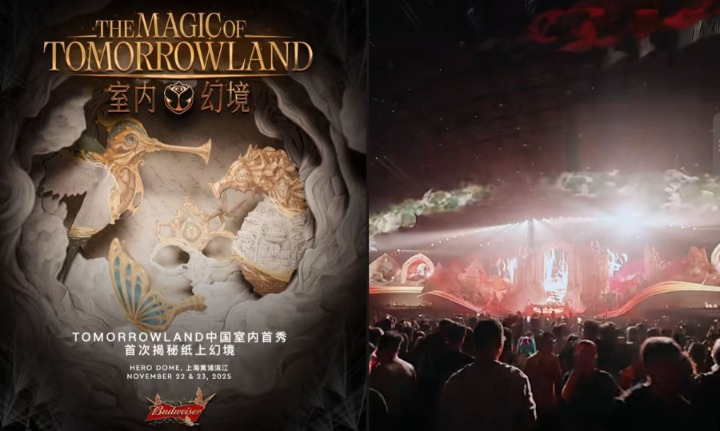
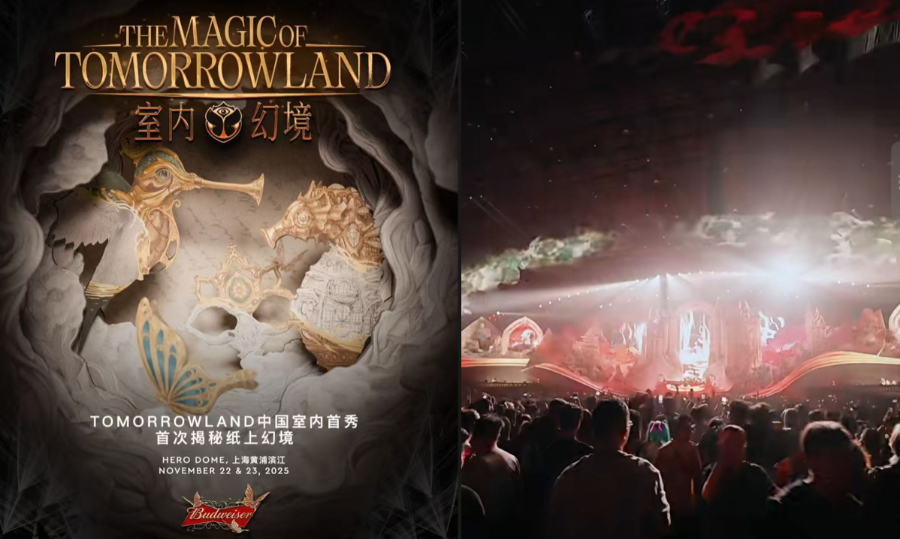
Core Insights - The Chinese beer industry is experiencing a shift towards domestic brands, with a notable recovery in their performance while international brands face challenges [1][2][3] - The overall beer consumption in China is still on a steady rise, despite a slight decline in production in October [1] - The market dynamics have changed, with domestic brands like Qingdao Beer and Yanjing Beer showing growth, while international brands like Budweiser are struggling [1][10] Industry Overview - The Chinese beer market has entered a phase of stock competition, with the industry's scale at about 70% of its peak [1] - The latest statistics show a 1% year-on-year decline in beer production for October, with cumulative production growth for the first ten months at 0% [1] - The industry is now in its twelfth year of stock competition, indicating a mature market environment [1] Brand Performance - Domestic brands such as Qingdao Beer, Yanjing Beer, and Zhujiang Beer have maintained growth in revenue, profit, and sales in the first three quarters of 2025 [1] - Budweiser has reported a double-digit decline in revenue, profit, and sales in the Chinese market for the first three quarters [1][10] - Heineken has shown significant growth, with sales increases of 30% to 70% for its products in recent years, positioning China as its second-largest market globally [11][14] Market Dynamics - The shift in consumer preferences has led to a decline in the dominance of international brands, particularly in the nightlife channel, which has been underperforming [2][24] - Heineken's strategy has focused on expanding into non-nightlife channels, leveraging partnerships with local distributors to enhance market penetration [20][25] - Budweiser's market share in regions like Fujian has decreased significantly, while the combined share of China Resources and Heineken has increased [12] Marketing Strategies - Both Budweiser and Heineken have engaged in high-profile sponsorships and events to enhance brand visibility, with Budweiser sponsoring the Tomorrowland music festival in Shanghai [4][7] - Heineken has also positioned itself as a key player in major events like the F1 China Grand Prix, resulting in a 14% increase in sales during the event [8] - The marketing strategies of both brands have evolved, with a focus on aligning with local consumer trends and preferences [29][30] Consumer Trends - The Chinese beer market is witnessing a shift towards innovative flavors and products, with a growing acceptance of new beer styles such as tea-infused beers [42] - There is a notable preference for higher alcohol content and unique flavors among Chinese consumers, contrasting with trends in Western markets [41][42] - The industry is encouraged to expand its product offerings to include low-alcohol and non-alcoholic options, although these segments remain niche in China [40][41]

百威喜力鏖战中国:啤酒生意,要重做一遍
2 1 Shi Ji Jing Ji Bao Dao· 2025-12-05 12:22
Core Insights - The Chinese beer market is undergoing significant changes, with local brands showing resilience and growth while international brands face challenges [2][3][5] - The industry is shifting from a focus on high-end products to a more diverse range of offerings, including lower-priced options and innovative flavors [31][37][38] Industry Overview - The beer industry in China has entered a phase of stock competition, with production levels at about 70% of their peak [3] - The latest statistics show a 1% year-on-year decline in beer production in October, with cumulative production growth for the first ten months at 0% [3] Brand Performance - Domestic brands like Tsingtao, Yanjing, and Zhujiang have reported growth in revenue, profit, and sales, while international brands like Budweiser and Carlsberg are experiencing declines [3][11] - Budweiser's performance in China has been disappointing, with a projected decline in revenue, profit, and sales for three consecutive years [11][12] Market Dynamics - The shift in consumer preferences has led to a decline in the night-time economy, affecting high-end brands that previously thrived in this channel [5][24] - Heineken has successfully leveraged local partnerships to expand its market presence, achieving significant sales growth in recent years [13][25] Strategic Initiatives - Budweiser is attempting to adapt by focusing on lower-priced products and expanding its presence in non-drinking channels [31][33] - Heineken's strategy includes entering various retail channels and enhancing its marketing efforts to resonate with local consumers [28][29] Consumer Trends - Chinese consumers are increasingly open to innovative beer flavors, with tea-infused beers gaining popularity [37][38] - The market is seeing a shift towards non-alcoholic and low-alcohol products, although these remain niche compared to traditional beer consumption [37][38]

从深度分销到超级业务,一个老牌企业的全国化突围样本。
Sou Hu Cai Jing· 2025-12-03 13:08
Core Insights - The article highlights the successful transformation of Jin Xing Beer from a traditional lager producer to a key player in the Chinese craft beer market, emphasizing its strategic shift towards "Chinese craft beer" and its effective market positioning [2][18]. Group 1: Company Background - Jin Xing Beer, established in 1982, has evolved from a local manufacturer in Central China to a significant modern enterprise in the Chinese beer industry, particularly in the craft segment [1]. - The company's development reflects the evolution of the Chinese beer industry over the past four decades [2]. Group 2: Challenges Faced During Transformation - Jin Xing Beer faced intense competition from major players like China Resources, Tsingtao, Budweiser, and Yanjing, as well as numerous local brands, particularly in Henan, which has the lowest price and profit margins in the country [4]. - The traditional deep distribution model was costly and complex, leading to low profits and high competition [4]. - As an established brand, Jin Xing Beer struggled with perceptions of being traditional and conservative, making it difficult to attract younger consumers [4]. - The company previously relied on traditional lagers, which faced growth challenges amid rising consumer expectations [4]. - Managing a large workforce of nearly a thousand salespeople posed significant efficiency challenges [4]. Group 3: Transformation Strategy - The core of Jin Xing Beer’s transformation strategy involved new products, new channels, new communication methods, and new organizational structures [4][18]. - Product Transformation: The company shifted from "mass lagers" to "Chinese craft beer," integrating local elements into brewing processes to create differentiated products that appeal to Chinese tastes [5][18]. - Channel Transformation: Jin Xing Beer moved from serving numerous small restaurants and supermarkets to focusing on high-potential channels in major cities, including modern retail and instant delivery [7][10]. - Communication Transformation: The company transitioned from traditional advertising to new media operations, utilizing platforms like Douyin and Xiaohongshu to engage with younger consumers through interactive content [11][18]. - Organizational Transformation: The company redefined its sales force from traditional roles to "super salespeople," focusing on high-potential modern retail channels and enhancing their strategic capabilities [12][15]. Group 4: Key Takeaways and Insights - Jin Xing Beer successfully capitalized on the trends of consumption upgrading and quality revolution by entering the craft beer segment with a unique "Chinese" concept [17]. - The company avoided direct competition with giants in traditional channels, leveraging its understanding of the local market to establish advantages in new products and channels [17]. - High-end craft products require modern channels for effective display, creating a synergistic effect between product and channel [17]. - The transformation emphasized the importance of organizational capability, with a focus on developing "super salespeople" to enhance human resources into valuable capital [17][18].
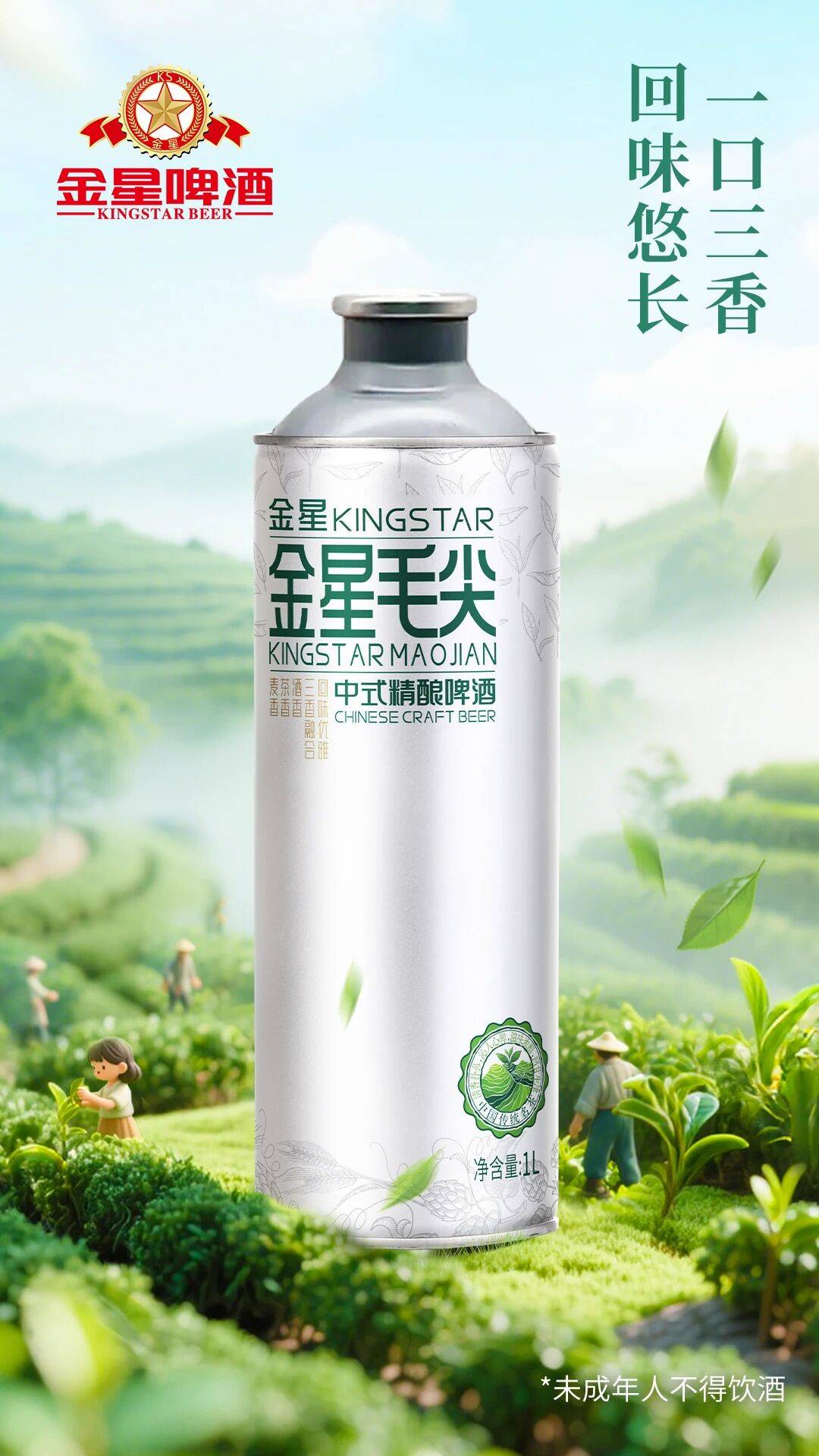
2025中国国际啤酒挑战赛,金星毛尖中式精酿荣获三星天禄奖
Jing Ji Wang· 2025-10-22 02:25
Core Insights - The 2025 China International Beer Challenge Awards Ceremony was held in Wuhan, showcasing industry leaders, top brewers, and beer enthusiasts celebrating annual beer achievements [1] - Jinxing Beer stood out for its exceptional quality and innovative spirit, winning multiple awards, including the Tianlu Award for its Jinxing Maojian Chinese Craft Beer [1] Group 1: Event Overview - The 8th China International Beer Challenge was organized under the guidance of the China Alcoholic Drinks Association, featuring a rigorous evaluation system that assesses balance, flavor purity, and technical completion [3] - The competition emphasizes precise style interpretation and innovative flavor breakthroughs [3] Group 2: Product Innovation - Jinxing Maojian Chinese Craft Beer combines traditional Chinese tea culture with modern brewing techniques, using high-quality Maojian tea leaves from Henan to create a unique flavor profile [5] - The beer offers a distinctive sensory experience with a blend of beer, malt, and tea aromas, exemplifying the charm of "Chinese Craft Beer" [5] Group 3: Brand Development - Jinxing Beer has distinguished itself through achievements in brand building, market expansion, and product innovation, launching unique series like "Tea Beer" and "Medicinal Food Source" [7] - The company employs a unique "1258" brewing process, which includes low-temperature fermentation, sterile and anaerobic brewing, and a five-stage saccharification process, integrating Chinese flavors into its beers [7] - Jinxing Beer leverages a 43-year-old yeast strain library and focuses on meticulous control at every brewing stage, reflecting the dedication of its craftsmen [7]
从金星中式精酿的现象级爆火,解读传统啤酒行业的破局之道
Sou Hu Cai Jing· 2025-07-15 16:54
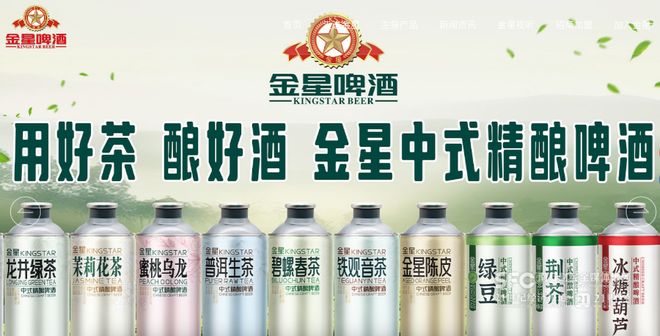
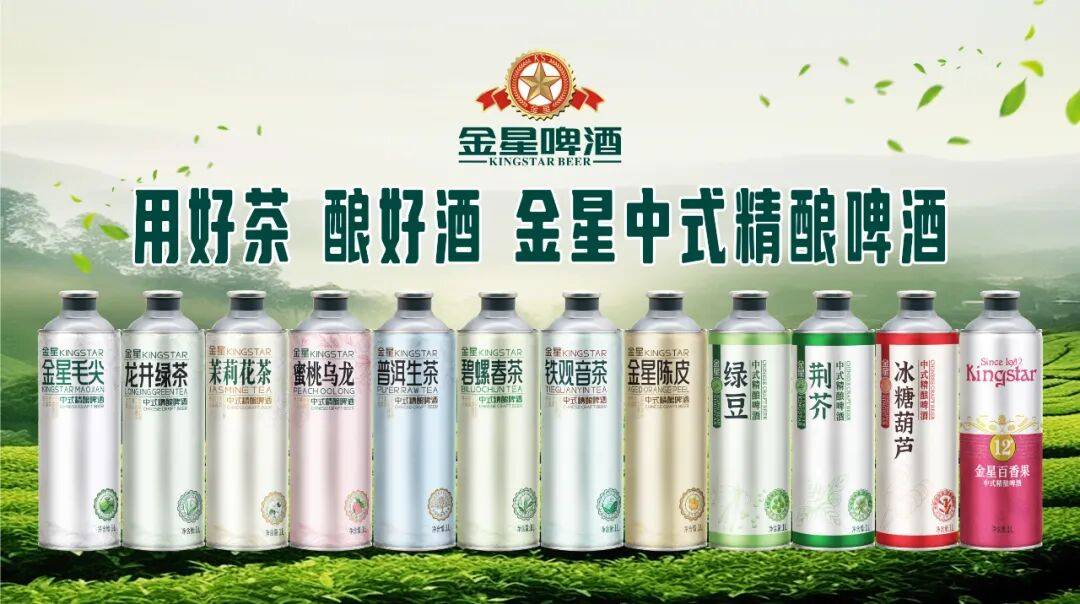
Core Insights - The rise of Jin Xing Beer’s "Chinese Craft Beer" reflects a significant transformation in the Chinese beer industry, which is currently facing challenges in growth and competition [2][4][22] - Jin Xing Beer has successfully repositioned itself from a local brewery to a cultural creator through its innovative product line, which has significantly improved its overall gross margin [2][8] Industry Overview - The Chinese beer industry is experiencing a decline, with a 0.6% decrease in production in 2024 compared to the previous year, and a 5.7% drop in revenue, making it the only category in the food and beverage sector to show negative growth [4][22] - Despite the downturn, industry experts believe that the beer sector is not at a dead end but is undergoing necessary transformation and upgrading, with a clear trend towards consumer demand for personalization and quality [4][22] Company Strategy - Jin Xing Beer identified the key to breaking through the market by focusing on "Chinese Craft Beer," which aligns with two core consumer trends: cultural identity and experiential consumption [5][22] - The brand has effectively integrated familiar cultural elements into its products, such as using local tea and traditional flavors, which has resonated with younger consumers and reduced the cost of consumer education [5][13] Product Innovation - The product line has expanded to 12 SKUs, with total production and sales exceeding 100,000 tons by June 2025 [2] - Jin Xing Beer employs a dual-channel strategy of "online ignition + offline cultivation," successfully reaching young consumers through platforms like Douyin, where it has amassed over 1.58 million followers [5][7] Brand Repositioning - The brand's transformation is characterized by a deep integration of Chinese cultural elements, which has allowed it to lower consumer recognition costs and enhance brand loyalty [8][13] - The unique naming conventions and packaging designs of products like "Xinyang Maojian Chinese Craft Beer" reflect a strategic approach to brand identity that resonates with consumers [8][9] Technological Innovation - Jin Xing Beer has developed proprietary brewing techniques, such as the 1258 core brewing process, which combines traditional tea culture with modern brewing methods, creating distinctive flavors that set it apart from competitors [14][19] - The introduction of advanced extraction techniques has allowed the brand to maintain the natural aromas and nutritional components of its ingredients, enhancing product quality [16][19] Market Trends - The success of Jin Xing's Chinese Craft Beer signifies a broader trend in the consumer market, where buyers are increasingly willing to pay for products with cultural significance and emotional value [22] - As the "Guochao" (national trend) consumption continues to rise, there is potential for Chinese Craft Beer to transition from niche to mainstream, indicating a promising future for Jin Xing Beer [22]
金星啤酒凭中式精酿“换道超车”,流量能否换留量?
Sou Hu Cai Jing· 2025-07-02 04:41
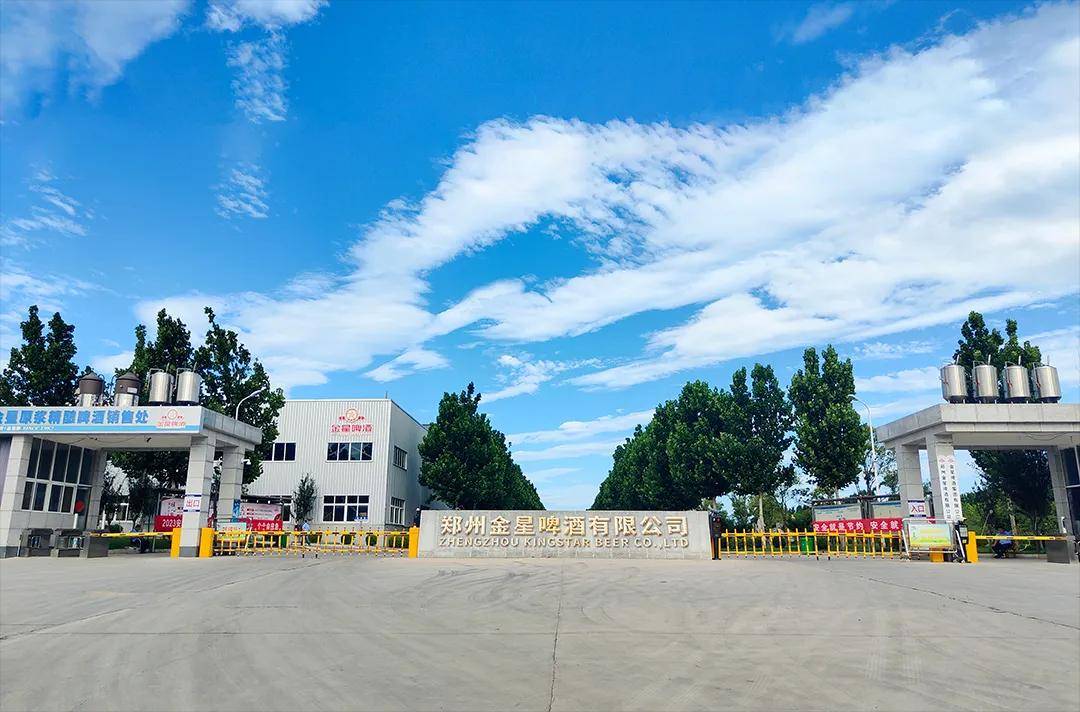
Core Insights - Jin Xing Brewery has achieved significant success with its "Chinese craft beer," reaching a production and sales volume of 10,000 tons (100 million bottles) within 10 months, generating a revenue of 1 billion yuan and paying 120 million yuan in taxes [1][3][5] - The brewery's growth is attributed to its innovative product, the Jin Xing Xinyang Maojian craft beer, which combines tea and beer, utilizing a unique low-temperature extraction technique [3][5] - The company has expanded its product line to include various tea-infused beers and food beers, responding to market trends and consumer preferences [6][8] Market Position and Strategy - Jin Xing Brewery's marketing strategy has heavily focused on online channels, successfully leveraging platforms like Douyin (TikTok) to reach younger consumers, with significant sales during events like Double Eleven [11][12] - The brewery has established a nationwide presence, covering 31 provinces, with a strong focus on the Henan region [12] - The company has faced challenges from competitors, with over a hundred imitators entering the tea beer market, necessitating continuous innovation to maintain its competitive edge [13][18] Future Outlook - Jin Xing Brewery plans to continue its product innovation, with upcoming launches in floral and fruit-flavored craft beers, aiming to sustain its market momentum [16] - The competitive landscape is intensifying, with major players holding over 90% of the market share, which poses a challenge for Jin Xing Brewery as it seeks to convert its initial success into long-term brand loyalty [18] - The company has expressed intentions to pursue an IPO, aiming for a listing by 2025, as it seeks to leverage capital markets for further growth [18]