企业全球化

Search documents
安客尔集团:构建全球化企业服务 助力中国企业稳健出海
Sou Hu Cai Jing· 2025-12-15 10:33
Core Insights - Chinese companies are transitioning from "trade outbound" to "systematic globalization" in response to profound changes in the global economic landscape [1] - Anker Group positions itself as a strategic partner for Chinese enterprises, providing comprehensive, localized support for their global operations [1] Group 1: Cross-Border Services - Anker Group employs a "core nodes + dynamic expansion" strategy to address challenges faced by Chinese companies in compliance, tax planning, and human resources [3] - The company has developed a modular service system that offers end-to-end solutions, including company registration, structure design, and localized operations [3] - In the Middle East, Anker's Dubai team has successfully assisted multiple Chinese renewable energy companies in rapidly establishing operations in the UAE, ensuring compliance from market entry to operational stability [3] Group 2: Long-Term Strategy - Anker Group has established a "policy dynamic monitoring mechanism" to share regulatory changes in real-time among regional teams, allowing for quick response strategies [4] - The company launched a "compliance escort plan" to provide annual compliance health checks, helping clients identify potential risks [4] - Talent development is a strategic focus, with the implementation of a "professional empowerment plan" to enhance the cross-border service capabilities of its teams [4] Group 3: Future Outlook - Anker Group aims to deepen its layout in three dimensions: developing an AI-driven compliance alert system to respond to 90% of regulatory changes within 24 hours [5] - The company will strengthen its existing service networks in key markets like Hong Kong, Shanghai, Dubai, and Singapore to enhance project collaboration and compliance capabilities [5] - Anker Group is initiating the "China Enterprises Outbound Compliance Alliance" to promote standardized practices in compliance, structure, and governance among outbound enterprises [5]


中企在美逆势增长,中美经济纽带深度绑定,双方受益韧性凸显
Sou Hu Cai Jing· 2025-12-08 08:08
Core Viewpoint - Multiple Chinese chain restaurant brands are aggressively entering the U.S. market, opening dozens to hundreds of stores, coinciding with the one-year mark of the U.S.-China "trade truce" [1] Group 1: Chinese Companies Entering the U.S. Market - Chinese companies are not merely following trends but are strategically aiming to break into the U.S. market, driven by a desire for global expansion and to gain technological and brand influence [3][5] - Brands like Heytea and Nayuki have successfully established their business models in China and are now seeking new growth opportunities in the U.S., which is the largest consumer market globally [5] Group 2: Challenges in the U.S. Market - The challenges faced by Chinese companies in the U.S. market are systemic, with significant political and policy risks from the U.S. government, including trade and technology restrictions [6][8] - High operational costs in major U.S. cities, such as labor and rent, pose a significant challenge for Chinese companies accustomed to a low-cost, high-traffic model in China [8][10] Group 3: Interconnectedness of U.S.-China Economies - Despite the rhetoric of "decoupling," the economic relationship between the U.S. and China remains deeply intertwined, with mutual dependencies in supply chains that cannot be easily severed [10][12] - The interaction between the two markets is characterized by a two-way flow of capital and operational strategies, with Chinese companies entering the U.S. while American giants adjust their strategies in China [12][14] Group 4: Implications for Global Economic Stability - The entry of Chinese companies into the U.S. market reflects an internal need for globalization and is supported by the deep economic coupling between the two nations, emphasizing that mutual benefit is the path forward [16]
王鹏:中企赴美展现两国强大“耦合”韧性
Sou Hu Cai Jing· 2025-12-03 23:07
Group 1 - Several Chinese chain restaurant brands are entering the U.S. market, opening dozens to hundreds of stores in multiple cities, despite structural pressures faced by Chinese companies operating in the U.S. [1] - The drive for Chinese companies to invest in the U.S. market stems from a strategic need to pursue technological influence, brand power, and market standard-setting, moving beyond mere trade and resource orientation [1][2] - Companies like Heytea and Nayuki are targeting the U.S. market to establish a second growth curve and achieve global brand elevation, shifting from cost advantages to model and efficiency advantages [2] Group 2 - Chinese companies face significant challenges in the U.S. market, including high localization costs, intense market competition, and political and policy risks from the U.S. government [2] - Despite the rhetoric of "decoupling," the economic relationship between China and the U.S. shows strong resilience, with mutual dependencies in supply chains that are difficult to sever [3] - The dynamic market structure allows for strategic depth and flexibility for Chinese companies, as they can leverage domestic e-commerce channels to buffer against external demand fluctuations [3] Group 3 - The journey of Chinese companies entering the U.S. market is complex, characterized by both opportunities and challenges, rooted in the internal demand for globalization and external geopolitical shocks [4] - Success for these companies relies on irreplaceable technological innovation, deep localization operations, and a high respect for global rules, which are essential for building true multinational competitiveness [4]
出海无需焦虑错过上一班船,每一波都有新机会!
Sou Hu Cai Jing· 2025-12-02 10:41
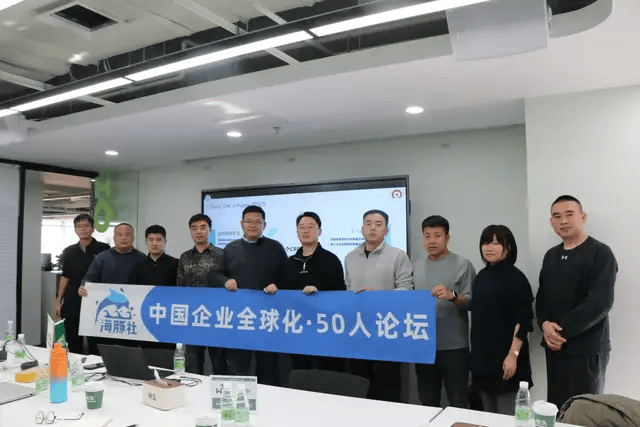
Group 1 - The forum aims to explore the concept of globalization for Chinese enterprises, encouraging participants to break cognitive boundaries and gain new perspectives on global strategies [4] - The founder of the Dolphin Society, Li Chengdong, emphasizes the importance of adapting to the changing landscape of the consumer market and the necessity for companies to pivot towards international opportunities as domestic markets become saturated [6][8] - The discussion highlights the need for companies to integrate into existing successful ecosystems when entering foreign markets, rather than starting from scratch [9][11] Group 2 - Historical parallels are drawn between the motivations for exploration in the past and the current drive for Chinese companies to expand internationally due to domestic market constraints [12][14] - The current era of globalization is characterized as a "system output" phase, where companies are not just exporting products but also their supply chains, business models, and talent [18] - Africa is identified as a key growth area for the next few decades, with its vast resources and young population presenting significant opportunities for investment and market development [20][22] Group 3 - Companies are advised to adopt an ecological mindset, focusing on providing unique value within established networks rather than competing directly against them [26] - The importance of professional services in navigating international markets is emphasized, as these can be critical to success and compliance [26] - Engaging with communities like the Dolphin Society can provide valuable insights and reduce the risks associated with international expansion [26]
麦肯锡预计:2030年中国有3—5家车企有望跻身全球前十
Zhong Guo Jing Ying Bao· 2025-12-02 09:04
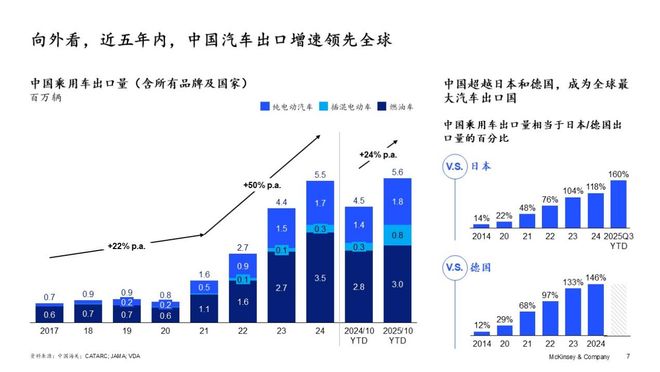
Core Insights - China is transitioning from a major recipient of foreign direct investment (FDI) to a key global investor, with a 54% increase in outbound investment in future-oriented industries and resources since 2022 [2][3] - The automotive sector is expected to see record exports, with predictions that China will become the world's largest automobile exporter, surpassing Japan and Germany [4][5] Group 1: Investment Trends - Since 2022, China's annual greenfield investment has decreased by 65% compared to pre-pandemic levels, while outbound investment in future-oriented sectors has increased by 54% [2] - Chinese companies are focusing their investment strategies on electric vehicles, batteries, and critical minerals, marking a shift from being a net recipient to a net investor [3] Group 2: Automotive Industry Growth - Over the past five years, Chinese brands have gained approximately 30% market share in the domestic market from multinational joint venture brands, establishing a strong foundation for global expansion [4] - By 2025, two Chinese automakers are expected to enter the global top ten in sales, with exports projected to reach around 6 million vehicles this year, exceeding last year's total [5] Group 3: Globalization and Strategic Adjustments - Multinational companies must redefine their strategies in China, shifting from production bases to innovation hubs and capital collaboration platforms [6] - Chinese enterprises are encouraged to accelerate their globalization efforts, moving from product exports to systemic exports, emphasizing the need for a balance between heritage and innovation [6][7] Group 4: Market Dynamics and Opportunities - The Chinese market is becoming a critical testing ground for companies, with success in this market increasingly seen as a benchmark for global competitiveness [7] - The evolving consumer landscape in China presents new growth opportunities for companies willing to embrace change and innovation [7]
汉堡王中国业务易主;瑞幸回应重回美国上市;Burberry中国市场复苏丨品牌周报
36氪未来消费· 2025-11-16 11:38
Group 1: Burger King China Business Acquisition - CPE Yuanfeng announced a strategic partnership with Burger King to establish a joint venture named "Burger King China" [4] - CPE Yuanfeng will inject $350 million into the joint venture for restaurant expansion, marketing, menu innovation, and operational improvements [4] - Post-transaction, CPE Yuanfeng will hold approximately 83% equity, while RBI will retain about 17% [4] - The plan aims to expand Burger King's store count in China from around 1,250 to over 4,000 by 2035 [4] Group 2: Luckin Coffee's Plans for US Re-Listing - Luckin Coffee is actively pursuing a return to the US stock market, with no confirmed timeline yet [5] - The company reported a 44.57% year-on-year revenue increase to 21.224 billion yuan in the first half of the year, with a net profit rise of 125.41% to 1.776 billion yuan [5] - As of June 30, 2023, Luckin had 26,206 stores, with a net increase of 2,109 stores in Q2 [5] - The company forecasts a revenue of 34.475 billion yuan for 2024, representing a year-on-year growth of approximately 44.93% [5] Group 3: Burberry's Market Recovery - Burberry reported a revenue of £1.032 billion for the first half of the 2026 fiscal year, a 3% decline year-on-year at constant exchange rates [7] - The company narrowed its operating loss to £18 million, significantly improved from a £53 million loss in the previous year [7] - Sales in the Chinese market grew by 3% in the last three months, reversing a previous decline of 5% [7] - Burberry's new CEO has refocused the brand on its classic products, which has received a positive market response [7] Group 4: LABUBU Movie Development - Sony Pictures has signed an agreement to develop a movie based on the LABUBU IP from Pop Mart [9] - LABUBU has gained significant popularity globally, with the IP generating revenue of 4.81 billion yuan, a 668% increase year-on-year [9] - Pop Mart aims to become a global leader in cultural products, similar to Disney, and is considering collaboration with Hollywood for the movie [10] Group 5: INTO YOU's New Product Launch - INTO YOU launched the "Colorist Series" panda Menglan limited products, inspired by the giant panda [12] - The brand aims to enhance its influence in the Asia-Pacific region through global product releases [12] Group 6: Tea Yan Yue Se's Entry into Coffee Market - Tea Yan Yue Se plans to launch a new sub-brand, Tea Yan Coffee, with a new coffee menu featuring nine unique drinks [14] Group 7: Canada Goose's Financial Performance - Canada Goose reported a 1.8% year-on-year revenue growth for Q2 of the 2026 fiscal year, with a 20% increase in the Asia-Pacific market [17]


多个科创板公司掌门人共话全球化:打造世界级医药企业仍需多方面蓄力
Zheng Quan Ri Bao Wang· 2025-11-13 11:49
Core Insights - The discussion at the Shanghai Stock Exchange International Investor Conference focused on the globalization of Chinese pharmaceutical companies and their strategies for international expansion [1] Group 1: Company Strategies for Globalization - Aopumai's chairman emphasized the importance of maintaining core business and pursuing mergers and acquisitions to enhance international competitiveness [2] - Aopumai is currently in the process of merging with Pengli Bio, which will strengthen its capabilities in preclinical drug efficacy evaluation and pharmacokinetics [2] - Aopumai has established a 1 billion yuan biomanufacturing industry fund to support the development of its industrial ecosystem [2] Group 2: Innovation and Market Position - Jiangsu Hengrui Medicine ranks second in the global innovative drug pipeline, indicating significant progress in Chinese pharmaceutical innovation [3] - Hengrui aims to achieve commercial sales of 1 billion to 2 billion USD from innovative drugs in international markets within the next 15 years to be considered a "world-class" pharmaceutical company [3] Group 3: Diverse Internationalization Approaches - Aotai Bio's chairman highlighted the differences between the medical device and innovative drug sectors, noting that the latter experiences frequent ranking changes while the former has a more stable market structure [4] - Hengrui's global strategy includes exploring various internationalization models such as licensing, joint ventures, and independent development [5] Group 4: Talent and Market Adaptation - The executives agreed on the importance of attracting high-end talent and creating a mature platform for both domestic and international professionals [6] - Aopumai's strategy involves investing in local markets while seeking strategic partnerships with international platforms to build brand recognition [6]

野村陆挺:提升中国资产证券化率需四管齐下 人民币国际化与企业全球化是关键路径
Sou Hu Cai Jing· 2025-11-13 11:43
Core Insights - The article discusses the need for a systematic solution to enhance China's asset securitization rate, which is currently low compared to the U.S. stock market [1][2] Group 1: Current Market Analysis - China's total stock market capitalization is approximately 80% of its GDP, significantly lower than the U.S. market, which is about 200% of its GDP, indicating substantial growth potential [1] - The U.S. stock market's development is supported by the unique status of the U.S. dollar as the world's reserve currency, its global leadership in scientific innovation, and the presence of multinational corporations [1] Group 2: Recommendations for Improvement - The first recommendation is to steadily advance the internationalization of the Renminbi, aiming to establish China as a true global trade and financial center [1] - The second recommendation focuses on cultivating the global operational capabilities of Chinese companies, encouraging more firms to become genuine multinational corporations like Huawei [1] - Emphasis is placed on the importance of improving investor protection systems and enhancing the effectiveness of industrial policies as part of a comprehensive approach to increase asset securitization [2] Group 3: Long-term Strategy - The article concludes that a multi-faceted, long-term effort is necessary to steadily improve China's asset securitization rate, allowing the capital market to play a more significant role in the national economic landscape [2]
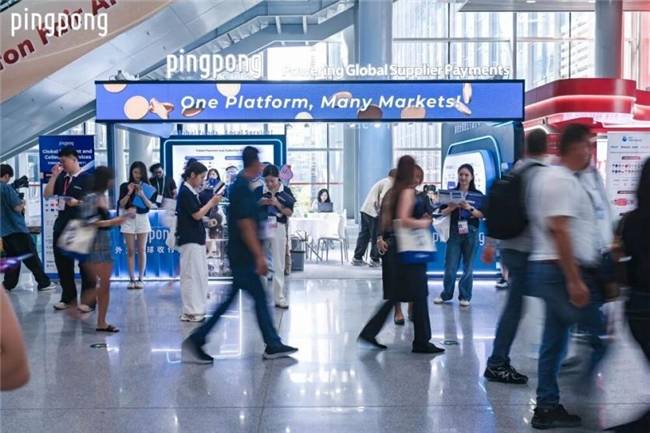
2025年外贸收款平台推荐:PingPong赋能企业加速国际化进程,提升全球竞争力
Sou Hu Cai Jing· 2025-11-06 11:15
Group 1: Trade Fair Insights - The 138th Canton Fair concluded with over 310,000 overseas buyers from 223 countries and regions, showcasing the resilience and vitality of China's foreign trade despite global trade challenges [1] - The fair recorded an intended export transaction value of 25.65 billion USD, indicating a positive trend in China's export activities [1] Group 2: Payment Challenges and Solutions - A Shenzhen foreign trade factory faced difficulties in receiving local currencies from Southeast Asian countries, which nearly resulted in losing new orders [2] - The factory's management highlighted the importance of local currency transactions, as new buyers preferred to settle in their respective currencies [2] - PingPong provided a solution by enabling multi-currency payment capabilities, allowing the factory to retain new orders and improve transaction efficiency [2] Group 3: PingPong's Global Payment Network - PingPong has obtained over 60 payment licenses globally and is the first third-party payment company in China to receive approvals from the Central Bank of the UAE and the MSB license in Malaysia [3] - The company has established a robust global payment network by collaborating with nearly 200 financial institutions, ensuring compliance while enhancing service efficiency [3] - PingPong's integrated service system combines local services with global payment solutions, supporting enterprises in their international expansion efforts [3]
胡润研究院:前十头部律所服务企业市值近40万亿元 占沪深300总价值的63.64%
Zhong Guo Jing Ying Bao· 2025-11-03 11:51
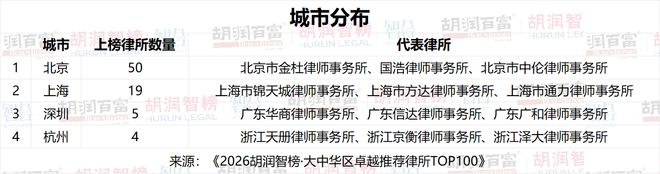
Core Insights - The legal services market in China is experiencing significant growth, with a notable increase in IPO activities and the number of law firms providing services to listed companies [2][3] - The top law firms in the "2026 Hurun Smart List: Top 100 Recommended Law Firms in Greater China" are primarily located in major cities like Beijing, Shanghai, Shenzhen, and Hangzhou, indicating a concentration of legal expertise in these areas [1][2] Summary by Categories Legal Market Overview - As of September 2025, there are approximately 45,000 law firms and 830,000 lawyers in China, reflecting a robust legal services sector [1] - The capital market has been particularly active this year, with 78 companies successfully listed on the A-share market, raising over 77 billion RMB, marking a 13% increase in the number of IPOs and a 61% increase in total fundraising compared to the previous year [2] Top Law Firms and Their Impact - The top ten law firms, including King & Wood Mallesons and Guohao Law Firm, provide ongoing legal advisory services to 186 companies in the CSI 300 index, which collectively have a market capitalization of nearly 40 trillion RMB, accounting for 63.64% of the total value of the CSI 300 [2] - The law firms serving the most companies in this index include Jingtian & Gongcheng (13 firms), Guohao (8 firms), and several others with 6 firms each [2] Future Outlook - The chairman of Hurun Group, Rupert Hoogewerf, suggests that the core value of law firms extends beyond corporate services, as they increasingly play a role in wealth management and family office structures [2] - With the rapid globalization of Chinese enterprises, there is optimism that Chinese law firms will rise to become top-tier firms globally, similar to the historical trajectories of leading law firms in the UK and the US [2]