
企业管理

Search documents
海底捞(06862)进行董事会结构调整,持续夯实人才梯队与组织基础
智通财经网· 2026-01-13 10:35
Core Viewpoint - Haidilao is undergoing significant management changes, including the resignation of key executives and the appointment of new directors to enhance its strategic direction and operational efficiency [1][2]. Group 1: Management Changes - Mr. Gou Yiqun resigns as Executive Director and CEO effective January 13, 2026, but will continue to play a crucial role in promoting management process automation and operational upgrades within the group [1]. - Ms. Song Qing and Ms. Gao Jie also resign from their executive roles, with Ms. Song continuing as the head of the Product Committee [1]. - New executive directors, including Ms. Li Nana, Ms. Zhu Yinhua, Ms. Jiao Defeng, and Ms. Zhu Xuanyi, have been appointed to support the company's innovation and long-term development, effective January 13, 2026 [1]. Group 2: Board Composition and Diversity - Mr. Zhang Yong, the Chairman and Executive Director, is appointed as the new CEO effective January 13, 2026, while Ms. Li Nana joins the Nomination Committee [2]. - The new directors have extensive experience within Haidilao, coming from various operational and strategic backgrounds, indicating a focus on internal talent development [2]. - The board's composition is becoming more diverse in terms of gender and age, which is expected to bring new perspectives and enhance governance standards [2]. Group 3: Market Outlook - Citigroup has raised Haidilao's 2025 sales forecast by 2% due to growth in its delivery business and better-than-expected contributions from new ventures, increasing the target price from HKD 18.5 to HKD 19.7 while maintaining a "Buy" rating [3]. - Dongwu Securities also maintains a "Buy" rating, highlighting Haidilao's strong brand presence in the hot pot sector and its ability to optimize store operations and develop new brand matrices despite industry pressures [3].

厦门迅利企业管理有限公司成立,注册资本1176万人民币
Sou Hu Cai Jing· 2026-01-12 16:45
Core Viewpoint - A new company, Xiamen Xunli Enterprise Management Co., Ltd., has been established with a registered capital of 11.76 million RMB, indicating a focus on enterprise management and investment activities [1] Company Summary - Company Name: Xiamen Xunli Enterprise Management Co., Ltd. [1] - Legal Representative: Cai Liangliang [1] - Registered Capital: 11.76 million RMB [1] - Business Type: Limited liability company (natural person investment or holding) [1] - Business Scope: Includes enterprise headquarters management, enterprise management consulting, asset management services with self-owned funds, and investment activities with self-owned funds [1] - Address: Room 301A7, No. 1-1, Ding Shan Road, Haicang District, Xiamen City [1] - Business Duration: From January 12, 2026, to indefinite [1] Shareholding Structure - Shareholder 1: Quanzhou Hehanxin Technology Co., Ltd. - 50% [1] - Shareholder 2: Quanzhou Panxin Technology Co., Ltd. - 50% [1]
海南煜宴酒店管理有限公司成立,注册资本1000万人民币
Sou Hu Cai Jing· 2026-01-09 16:46
Core Viewpoint - Hainan Yuyan Hotel Management Co., Ltd. has been established with a registered capital of 10 million RMB, fully owned by Hainan Yuhan Investment Co., Ltd. [1] Group 1: Company Overview - The legal representative of Hainan Yuyan Hotel Management Co., Ltd. is Xu Dong [1] - The company is registered with a capital of 10 million RMB [1] - The business scope includes hotel management, catering management, and tourism services, among others [1] Group 2: Shareholding Structure - Hainan Yuhan Investment Co., Ltd. holds 100% of the shares in Hainan Yuyan Hotel Management Co., Ltd. [1] Group 3: Business Operations - The company is involved in various services such as technology consulting, business training, and commercial complex management [1] - The company operates under the general business scope and is required to comply with relevant licensing regulations for certain activities [1] Group 4: Registration Details - The company is registered in Haikou City, Hainan Province, with a business duration until January 9, 2026, and no fixed term thereafter [1] - The registration authority is the Hainan Provincial Market Supervision Administration [1]
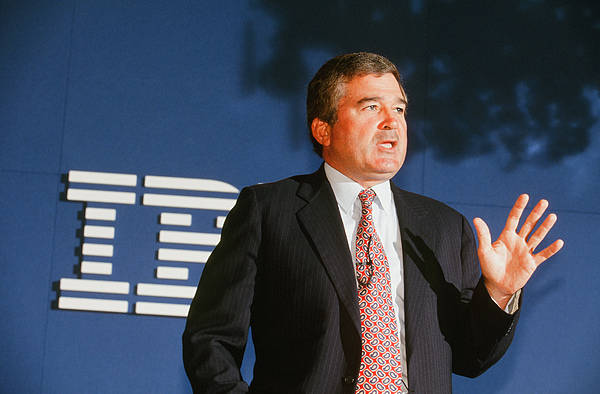
IBM传奇郭士纳逝世,曾带领蓝色巨人扭亏为盈创千亿市值
Jin Rong Jie· 2025-12-30 05:48
Core Insights - The article discusses the passing of Louis Gerstner, former Chairman and CEO of IBM, who died on December 27 at the age of 83. His leadership transformed IBM during a critical period in the 1990s when the company faced significant challenges [1][2]. Group 1: Leadership and Transformation - Gerstner took over IBM in 1993 when the company was experiencing unprecedented uncertainty, with discussions about potential breakups due to massive losses, including an $8.1 billion loss in 1993, the second-highest in U.S. corporate history at that time [1][2]. - He made the pivotal decision to keep IBM intact, believing that large enterprise customers required integrated solutions rather than fragmented technologies, which became the foundation for IBM's subsequent transformation [2]. - Under his leadership, IBM shifted from a hardware-centric company to one focused on IT services and software, exemplified by the $3.5 billion acquisition of Lotus Software in 1995, the largest software acquisition at that time [2]. Group 2: Cultural and Structural Reforms - Gerstner implemented significant reforms aimed at cost reduction and cultural transformation, including substantial layoffs and the sale of non-core assets to improve financial health [2]. - He restructured the compensation system to align employee pay with overall company performance and initiated the "Embrace" program, which required senior managers to personally visit key clients [2]. - As a result of these reforms, IBM returned to profitability in 1994 with a profit of $3 billion, marking its first profit in the 1990s, and the company's market value grew from approximately $29 billion at the time of his takeover to over $100 billion during his tenure [2].

83岁IBM前CEO郭士纳逝世,曾带领“蓝色巨人”绝境重生
Sou Hu Cai Jing· 2025-12-29 02:32
Core Insights - Lou Gerstner, former Chairman and CEO of IBM, passed away at the age of 83, recognized for leading the company out of a bankruptcy crisis during his tenure from 1993 to 2002 [1][2] Group 1: Leadership and Impact - Gerstner implemented aggressive reforms, significantly cutting operational costs and selling non-core assets to stabilize IBM's finances [2] - He rejected proposals to split the company, advocating for maintaining its integrity while diversifying its business [2] - Gerstner transformed IBM's corporate culture by promoting direct communication with employees and focusing on customer needs, which included engaging with executives from 200 key clients [2][4] Group 2: Financial Performance - Under Gerstner's leadership, IBM returned to profitability in 1994, achieving a profit of $3 billion, and continued to grow thereafter [2] - By the time Gerstner stepped down in 2002, IBM's market value had surged from $29 billion to $168 billion, with a stock price increase of 800% [2] Group 3: Legacy - Gerstner authored the book "Who Says Elephants Can't Dance," which remains a classic in the field of management [2] - His educational background includes degrees from Dartmouth College and Harvard Business School, and he held significant positions at McKinsey & Company and American Express before joining IBM [4]

任正非的气度!
Sou Hu Cai Jing· 2025-12-26 13:54
Group 1 - The article emphasizes the importance of a leader's broad-mindedness and capacity to handle challenges, using Ren Zhengfei as a prime example of a visionary entrepreneur who took significant risks in the early stages of his career [1][9] - It discusses the challenges of managing a growing team, highlighting the necessity of uniting individuals, including those who may have previously opposed the leader, to achieve collective success [4][6] - The text underscores that effective management requires communication and understanding, rather than relying solely on authority or power to command respect [4][10] Group 2 - The article points out that leaders should focus on developing the strengths of their employees rather than trying to change their weaknesses, as this approach is often more effective [8] - It stresses the need for patience and resilience in leadership, suggesting that enduring difficulties and maintaining a positive outlook are crucial for long-term success [9][10] - The concept of unity is presented as essential for a company's success, with an emphasis on collaboration and openness as key strategies for overcoming challenges [10]

2025第四届方太文化论坛 · 茅忠群分享:企业为什么要落地中华优秀传统文化
Sou Hu Wang· 2025-12-16 05:48
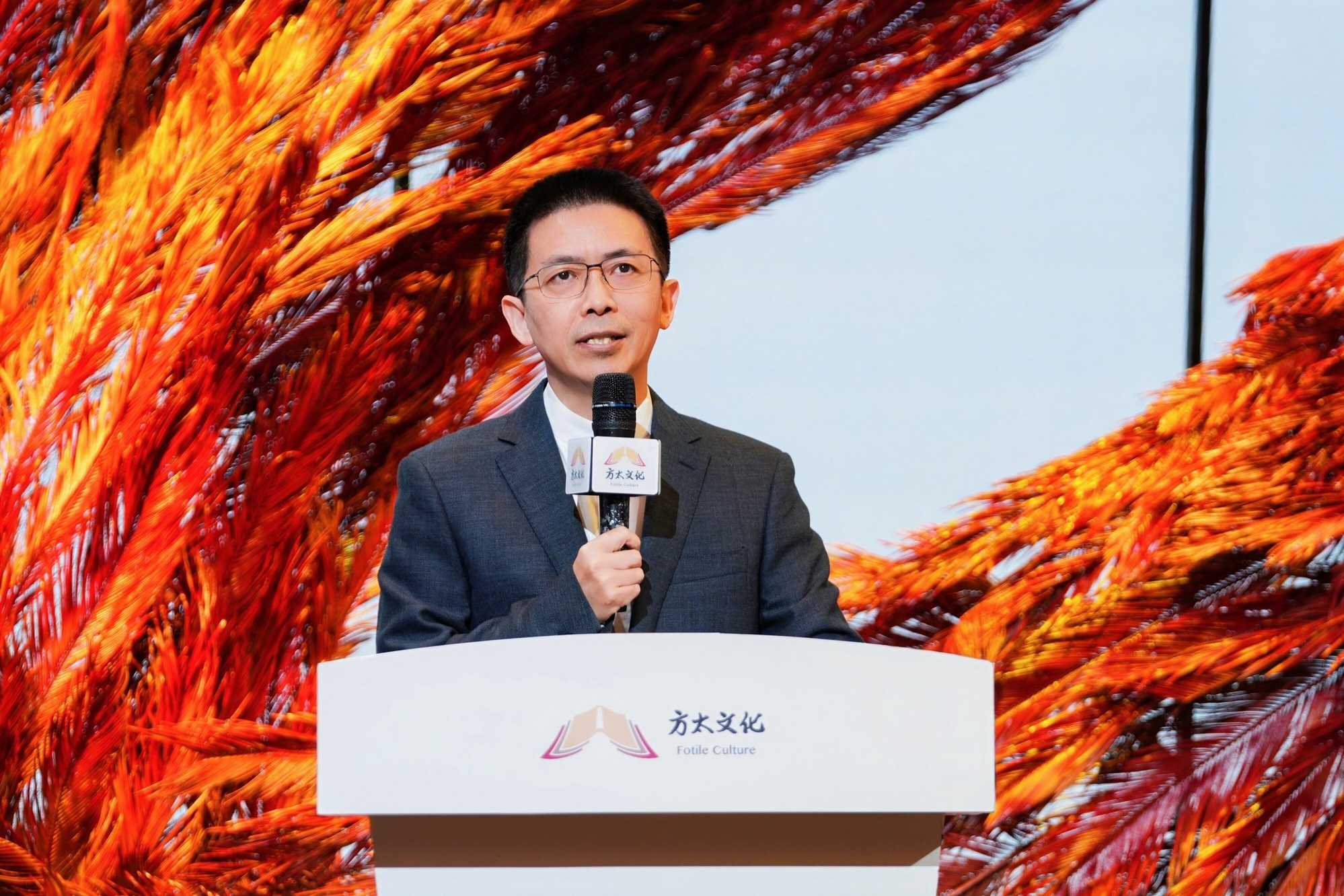
Core Viewpoint - The importance of integrating Chinese traditional culture into modern enterprise management is emphasized as a necessity for sustainable development and high-quality growth in Chinese companies [1][15]. Group 1: High-Quality Development - High-quality development is essential for modern Chinese enterprises, which relies on the wisdom and principles of Chinese traditional culture [3]. - A high-level cultural philosophy is crucial for guiding management behavior and achieving desired outcomes [3]. - Effective management requires a balance of moral governance and legal frameworks, which traditional culture can provide [3][4]. Group 2: Responding to Uncertainty - Companies must draw on traditional culture to navigate increasing macroeconomic uncertainties [5]. - Understanding the unchanging principles amidst change is vital for long-term sustainability [6]. - Risk management and core competitiveness are essential for maintaining a strong position in uncertain environments [7]. Group 3: Entrepreneurial Happiness - Entrepreneurs often face significant stress and challenges, leading to lower happiness indices compared to other groups [8]. - Achieving balance in career, family, and personal development is essential for a fulfilling life, which can be supported by traditional culture [10][11]. Group 4: Social Responsibility - Companies should actively engage in social responsibility, which is rooted in understanding and overcoming personal desires [12][14]. - Traditional culture emphasizes the importance of community and familial relationships, which can guide corporate social responsibility efforts [13]. Group 5: National Revival - The integration of traditional culture into enterprises supports the broader goal of national rejuvenation and cultural confidence [15][16]. - Policies encouraging the incorporation of traditional cultural values into business practices are being promoted by the government [16].
每经热评|“进入厂区请自觉放弃一切自由”可怕的是“自觉”二字
Mei Ri Jing Ji Xin Wen· 2025-12-04 02:58
Core Viewpoint - The article critiques the dehumanizing management practices at Guangxi Hengyi New Materials Co., highlighting a disturbing corporate culture that prioritizes efficiency over individual dignity and rights [1][3][4] Group 1: Corporate Culture and Management Practices - The slogan at the entrance of the factory reflects a chilling mindset that reduces employees to mere production tools, stripping them of their social identity and rights [1][3] - The management's response to media scrutiny reveals a dismissive attitude towards employee rights and public oversight, indicating a rigid and arrogant management culture [2][3] - The company, a wholly-owned subsidiary of the publicly listed Hengyi Petrochemical, is expected to uphold higher governance standards and social responsibility, raising concerns about its ethical foundations [3] Group 2: Employee Rights and Dignity - The article emphasizes that true freedom in the workplace involves respecting individual rights and fostering creativity, rather than imposing restrictions that undermine personal autonomy [3][4] - The criticism of the slogan is framed as a necessary reevaluation of corporate values, warning against the normalization of rights suspension in specific environments [3][4] - The removal of the slogan should serve as a wake-up call for corporate leaders to prioritize respect and trust, as depriving employees of freedom does not lead to sustainable safety or efficiency [4]

突发讣告!欧健逝世
Zhong Guo Ji Jin Bao· 2025-12-03 01:39
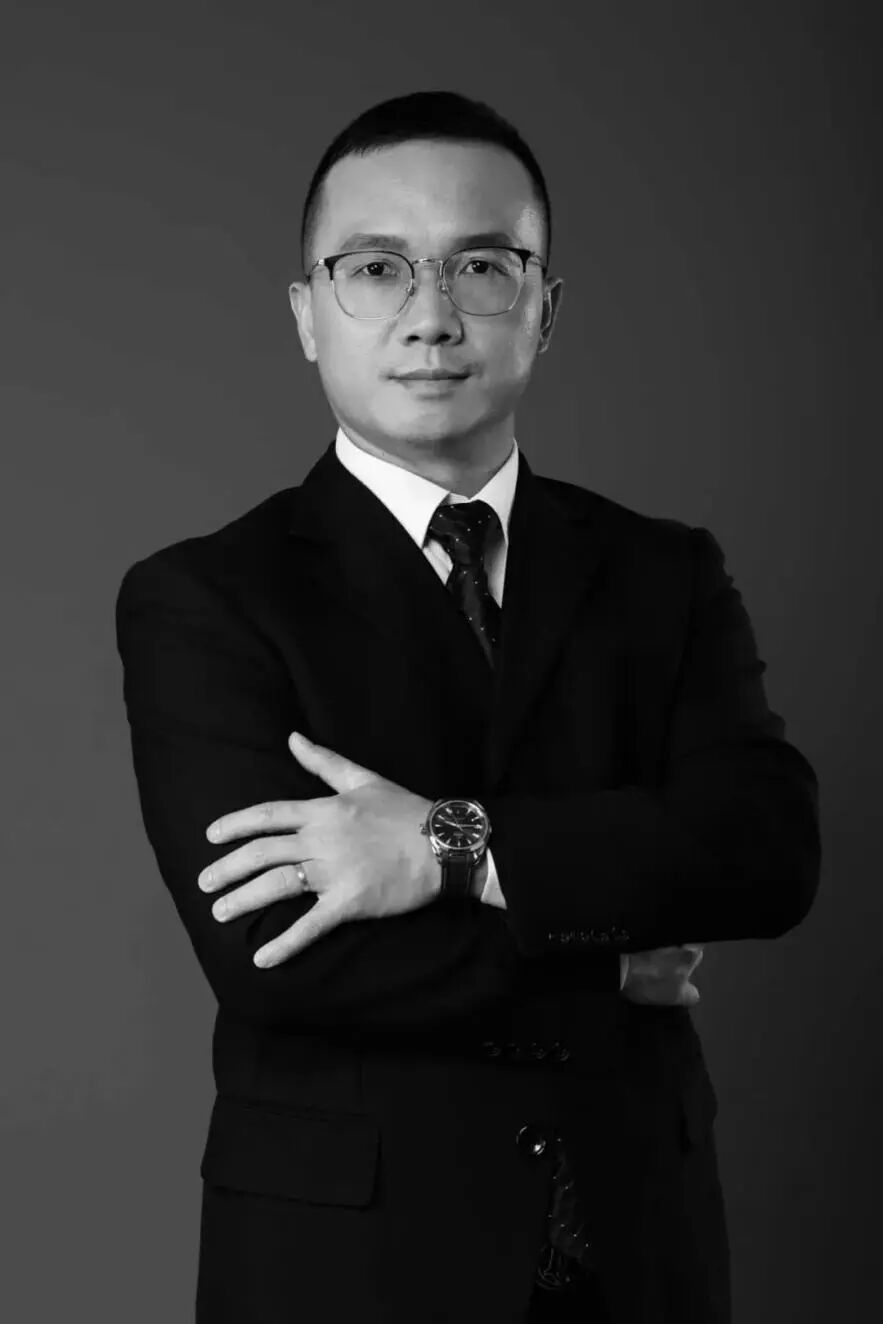
Core Points - The general manager of Guangdong Mengchuang Zhiyuan New Materials Technology Co., Ltd. and QD Tile brand, Ou Jian, passed away on November 30, 2025, at the age of 44 due to illness [1][4][5] - Ou Jian joined the Mona Lisa Group in April 2005 and became the general manager of Guangdong Mengchuang Zhiyuan in 2018, contributing significantly to the company's development [4][8] - His leadership was marked by a strategic vision that helped QD Tile grow into a well-known brand in the industry, focusing on a differentiated and light fashion brand positioning [11] Company Overview - QD Tile is a brand under the Mona Lisa Group, which was established in 1992 and is a high-tech listed ceramic enterprise that integrates research and development, creative design, professional production, and marketing [11] - The company has been focusing on the young consumer demographic since its listing in 2017, positioning itself as a light fashion brand [11] - As of December 2, 2025, the total market value of the Mona Lisa Group is 5.756 billion CNY [11]
厦门云山银融企业管理有限公司成立,注册资本1000万人民币
Sou Hu Cai Jing· 2025-12-01 16:51
Group 1 - Xiamen Yunshan Yinrong Enterprise Management Co., Ltd. has been established with a registered capital of 10 million RMB, fully owned by Yunshan Financial Co., Ltd. [1] - The legal representative of the new company is Xiao Yaning [1] - The business scope includes enterprise management, consulting services, asset management, financial consulting, and various technology and software development services [1] Group 2 - The company is classified under the national standard industry of leasing and business services, specifically in comprehensive management services [1] - The registered address is located at Room 231, 2nd Floor, No. 27 Jiyuan Road, Jimei District, Xiamen [1] - The company is a limited liability company with a business term set until December 1, 2025, with no fixed expiration date thereafter [1]