全球创新指数

Search documents
数读中国 6组数据看中国创新实力持续增强
Ren Min Wang· 2025-09-20 06:33
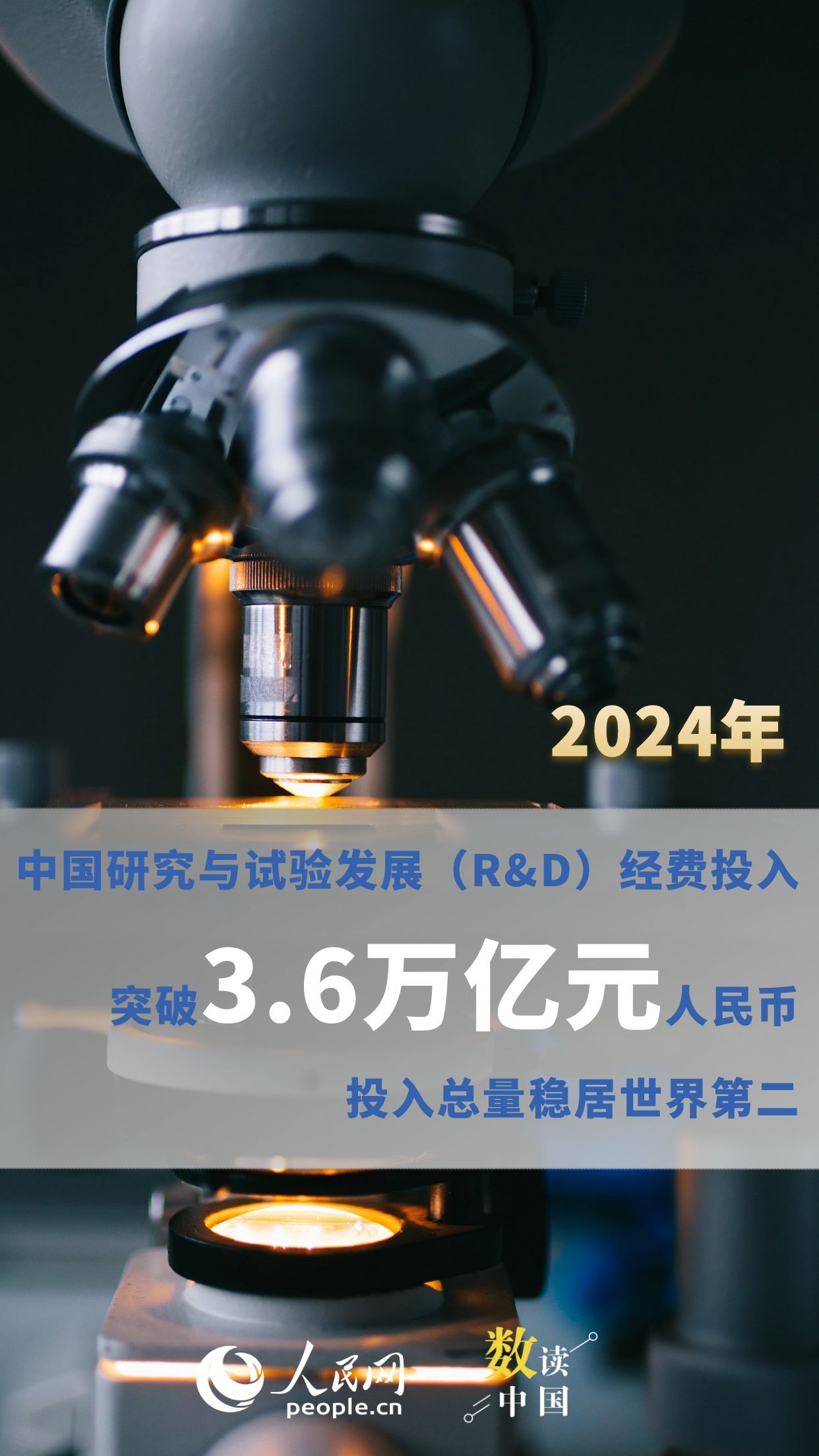
Group 1 - The core viewpoint of the article highlights that China has ranked tenth in the 2025 Global Innovation Index, marking its first entry into the top ten, indicating a continuous enhancement of its innovation capabilities [2] - China maintains the highest global research and development expenditure, showcasing its commitment to innovation and technology advancement [5] - The country possesses the largest number of innovation clusters globally, with a significant presence in the top 100 innovation clusters [8]

阿曼专利指数排名跃升至全球第38位
Shang Wu Bu Wang Zhan· 2025-09-19 16:11
Core Insights - Oman has significantly improved its ranking in the 2025 Global Innovation Index published by the World Intellectual Property Organization (WIPO), moving up 60 places in the patent index to rank 38th globally, compared to 98th in 2024 [1] - The brand index also saw an improvement, with Oman rising from 60th in 2024 to 47th in 2025 [1] Performance Metrics - Oman achieved the highest performance in knowledge, technology, institutions, and infrastructure outputs, with knowledge and technology output rising from 87th to 72nd, an increase of 17.2% [1] - Institutional performance improved from 78th to 66th, reflecting a 15.4% increase [1] - In terms of infrastructure, Oman moved from 84th to 72nd, marking a 14.3% improvement [1] - Market development also saw progress, rising from 61st to 57th, with a 6.6% increase, indicating enhanced market flexibility and investment attractiveness [1]
启德教育发布《2025中国香港求学报告》:各校内地招生要求差异明显,硕士录取以“八大”为主
Huan Qiu Wang· 2025-09-18 11:03
Core Insights - The report released by Qidi Education provides a comprehensive guide for students and parents interested in studying in Hong Kong, based on nearly 9,000 admission data for the 2025 academic year [1] Group 1: Education Landscape in Hong Kong - Hong Kong has 16 higher education institutions, including 8 public universities known as the "Hong Kong Eight," and is home to 5 of the world's top 100 universities according to the 2026 QS World University Rankings [3] - The number of non-local students in Hong Kong's higher education institutions has been growing at an annual rate of over 15% since 2020, projected to reach 92,000 by the 2024/25 academic year [3] - The highest proportion of non-local students is in taught master's programs, accounting for 53.4%, followed by bachelor's degree programs at 25.3% [3] Group 2: Admission Policies and Trends - Starting from the 2024/25 academic year, the quota for non-local students in public universities' bachelor's degree programs will increase from 20% to 40%, resulting in an actual increase of about 3,000 students [7] - There is a significant tiered difference in admission scores for mainland students, with top universities requiring scores significantly above local thresholds [8] - The A-Level curriculum dominates the international course system for undergraduate admissions, accounting for 68% of the total [8] Group 3: Master's Program Admission Insights - In the 2025 admission season, 93.68% of taught master's admissions were from the "Hong Kong Eight," with the top five universities accounting for 66.01% of admissions [10] - The highest admission rates were observed in engineering and science disciplines, which accounted for 35.33% of admissions, followed by humanities and social sciences at 32.32% [10] Group 4: Employment Trends and Skills Demand - The "Shenzhen-Hong Kong-Guangzhou" cluster has topped the global innovation cluster rankings, highlighting Hong Kong's role as a key hub in the global innovation network [13] - Over half of senior and HR respondents indicated plans to recruit talent from mainland China, with digital skills becoming increasingly essential in the job market [14] - The employment rate for non-local graduates in Hong Kong has increased from 48.7% in 2023 to 50.8% in 2024, with a notable rise in those choosing to continue their studies in Hong Kong [14]

最新排名:中国首次跻身前十
Xin Lang Cai Jing· 2025-09-18 09:22
Core Insights - Switzerland continues to lead the Global Innovation Index (GII) for the 12th consecutive year, followed by Sweden and the United States, while China enters the top ten for the first time [1] - The global innovation outlook is dimming due to reduced investment, with WIPO's Director General noting that the global innovation engine is not operating at full speed [1] Investment Trends - The growth rate of R&D spending is projected to decline from 4.4% in the previous year to 2.9% in 2024, with a further drop to 2.3% in 2025 [1] - Actual R&D spending growth is only 1%, significantly lower than the 10-year average of 4.6%, primarily due to high inflation [1] - Venture capital is showing uneven development, increasingly concentrated in the artificial intelligence sector in the United States [1] Rankings and Competitiveness - Following Switzerland, Sweden, and the United States, South Korea and Singapore rank high in the GII, with the UK, Finland, the Netherlands, Denmark, and China also in the top ten [1] - Germany has dropped from 9th to 11th place, with challenges identified in driving digital transformation in its industrial sector [1]
国际科技园区创新合作倡议在京发布
Zhong Guo Qing Nian Bao· 2025-09-17 12:14
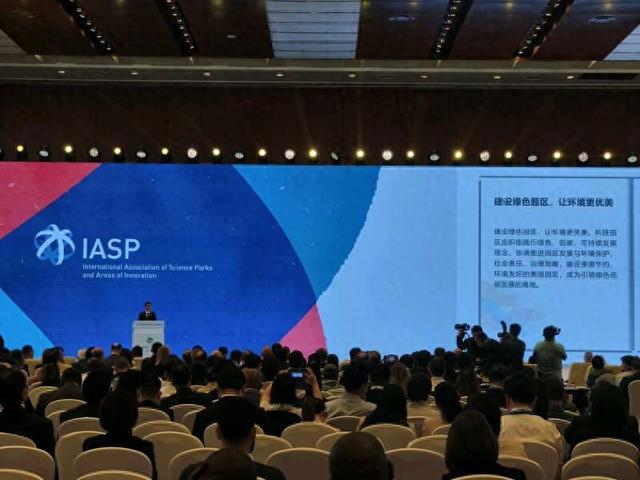
Core Points - The "Zhongguancun Initiative" was officially released at the IASP 2025 World Conference, emphasizing the importance of innovation in technology parks [1][4] - China ranked 10th in the 2025 Global Innovation Index, maintaining a leading position among middle-income economies, with strong performance in R&D spending, high-tech exports, and innovation output [1] - The Beijing Zhongguancun Demonstration Zone ranked first in the national high-tech zone comprehensive evaluation for 2024, contributing approximately one-third of Beijing's GDP and one-sixth of the total revenue of national high-tech zones [1] Summary by Sections Innovation Focus - The Zhongguancun Initiative prioritizes "innovation," proposing the establishment of innovative parks to strengthen development [2] - It calls for technology parks to target global technological frontiers, create a top-notch innovation ecosystem, and accelerate the transformation of scientific achievements [2] Development Strategies - The initiative advocates for a dual-driven approach of technological and institutional innovation, promoting deep integration of technological and industrial innovation [2] - It emphasizes the coordinated development of education, technology, and talent to accelerate the formation of new productive forces [2] Sustainable Development - The initiative discusses the construction of green, smart, cultural, and development-oriented parks, urging global technology parks to build collaborative innovation networks [2] - It aims to promote the transformation of scientific achievements, cultivate high-level innovative talent, and drive green and sustainable development [2]
摩洛哥创新指数跃升至全球第57位
Shang Wu Bu Wang Zhan· 2025-09-17 07:43
Core Insights - Morocco has achieved a historic best by ranking 57th in the 2025 Global Innovation Index (GII), marking its first entry into the top 60 globally [1] - The rise in ranking reflects Morocco's continuous improvement in innovation competitiveness over the past five years, now positioned as the 4th among lower-middle-income economies and 8th in the MENA region [1] Performance Indicators - Morocco's education expenditure ranks 16th, indicating strong investment in education [1] - Labor productivity growth is ranked 24th, showcasing improvements in workforce efficiency [1] - Trademark applications are ranked 26th, reflecting an increase in intellectual property activity [1] - The value density of intangible assets is also ranked 26th, highlighting a shift towards a knowledge-based economy [1] Areas for Improvement - The report emphasizes the need for Morocco to enhance research and development (R&D) investments [1] - There is a call for deeper collaboration among innovation stakeholders, including enterprises, universities, and research institutions, to ensure the sustainability of innovation outcomes [1]
2025年全球创新指数:中国跻身前十
Ke Ji Ri Bao· 2025-09-17 02:07
Core Insights - The 2025 Global Innovation Index (GII) highlights Switzerland, Sweden, the United States, South Korea, and Singapore as the top performers, with China ranking in the top ten and maintaining a leading position among middle-income economies [1][2] - The index indicates that a group of middle-income economies, led by China, India, and Turkey, continues to rise in rankings, with 17 low and middle-income economies outperforming their expected development levels [1] - The report notes a decline in global R&D growth rate to 2.9% in 2024, down from 4.4% the previous year, marking the lowest level since the 2010 financial crisis, with further slowdown anticipated for 2025 [1] - Technological advancements remain strong, with improvements in battery prices, supercomputer efficiency, and a decrease in genome sequencing costs [1] Summary by Categories Global Rankings - The top five countries in the GII are Switzerland, Sweden, the United States, South Korea, and Singapore, with China in the top ten [1] - Middle-income economies are showing significant progress, particularly China, India, and Turkey [1] R&D and Innovation Trends - The global R&D growth rate has decreased to 2.9% in 2024, the lowest since the 2010 financial crisis, with a further slowdown expected in 2025 [1] - The GII utilizes approximately 80 indicators to assess innovation performance across nearly 140 economies, including R&D spending, venture capital transactions, high-tech exports, and intellectual property applications [1] Policy and Ecosystem - The GII emphasizes the need for thoughtful policies, meaningful investments, and cross-sector collaboration to support and nurture innovation ecosystems [2]
中国创新实力持续增强
Jing Ji Ri Bao· 2025-09-17 01:24
Group 1 - The World Intellectual Property Organization's 2025 Global Innovation Index Report ranks China 10th, marking its first entry into the top ten, indicating a continuous enhancement of its innovation capabilities [1][2] - China leads globally in R&D expenditure, surpassing the United States, and ranks first in patent applications, industrial design, trademarks, and creative product exports [2] - The report highlights a slowdown in global R&D growth, with a forecasted decline to 2.3% in 2025, and a significant drop in actual corporate R&D spending growth to 1% due to persistent inflation [1][2] Group 2 - Emerging economies like India, Turkey, Vietnam, and the Philippines have shown significant improvements in their innovation rankings since 2013, driven by investments in education, digital infrastructure, and industrial upgrades [3] - The report notes that these countries are contributing to a shift towards a more multipolar and regionally diverse global innovation landscape [3] - China has the largest number of innovation clusters globally, with 24 out of the top 100 located in China, and the Shenzhen-Hong Kong-Guangzhou cluster now ranks first globally [2]
中国首次跻身前十!全球创新指数公布
Di Yi Cai Jing Zi Xun· 2025-09-17 01:12
Group 1 - The Global Innovation Index (GII) ranks Switzerland, Sweden, the United States, South Korea, and Singapore as the top five economies, with China making its debut in the top ten at the tenth position [2][3][4] - China has the highest number of innovation clusters in the top 100, totaling 24, with the Shenzhen-Hong Kong-Guangzhou cluster surpassing the Tokyo-Yokohama cluster to take the top spot [2][5][9] - The GII report highlights that innovation momentum is diversifying across regions, with emerging economies like China, India, Turkey, and Vietnam showing strong performance [4][5] Group 2 - China ranks first globally in patent applications and second in R&D expenditure, demonstrating significant advancements in knowledge and technology output [4][5] - The report indicates that China's R&D investment intensity has increased to 2.68%, nearing the OECD average of 2.73% [7] - The Yangtze River Delta region is becoming a competitive innovation hub, with significant R&D investment and collaboration among provinces [10][11] Group 3 - Global R&D investment growth is slowing, with a projected increase of only 2.3% in 2025, marking the weakest expansion in over a decade [12][13] - The share of R&D investment in the software and ICT services sector has risen from 14% in 2018 to over 20% in 2024, while the automotive sector's share has decreased [13] - The United States accounts for nearly half of global R&D spending, with Asia contributing 30%, primarily from China, Japan, and South Korea [13]

中国首次跻身前十!全球创新指数公布
第一财经· 2025-09-17 01:02
Core Viewpoint - The 2025 Global Innovation Index (GII) highlights the rising innovation capabilities of various economies, with China making significant strides by entering the top ten for the first time and leading in the number of innovation clusters [3][4][7]. Group 1: GII Rankings and Performance - The top five economies in the 2025 GII are Switzerland, Sweden, the United States, South Korea, and Singapore, with China ranking 10th, marking an improvement from the previous year [5][7]. - China has the highest number of innovation clusters in the top 100, totaling 24, with the Shenzhen-Hong Kong-Guangzhou cluster surpassing Tokyo-Yokohama to claim the top spot [9][10]. Group 2: China's Innovation Indicators - China excels in knowledge and technology output, ranking first in patent applications globally and second in R&D expenditure [7][8]. - The report indicates that China's R&D investment intensity has reached 2.68%, nearing the OECD average of 2.73% [10]. Group 3: Regional Innovation Developments - The report emphasizes the diversification of innovation momentum across regions, with emerging economies like Senegal, Tunisia, and Uzbekistan gaining recognition as new innovation stars [8]. - The Yangtze River Delta region is highlighted for its collaborative innovation efforts, with significant increases in R&D investment and patent applications [12][13]. Group 4: Global R&D Trends - Global R&D investment growth is slowing, with a projected increase of only 2.3% in 2025, the weakest expansion in over a decade [15][16]. - The software and ICT services sectors are increasing their share of R&D spending, while the automotive sector is seeing a decline [16].