十五五时期

Search documents
以更高标准、更实举措推进全面从严治党之一更加坚决有力地贯彻落实党中央重大决策部署
Zhong Yang Ji Wei Guo Jia Jian Wei Wang Zhan· 2026-01-13 00:33
去年10月召开的党的二十届四中全会擘画了"十五五"时期我国经济社会发展的宏伟蓝图,把蓝图变为现 实,离不开全党全国各族人民心往一处想、劲往一处使。要着眼实现新时代新征程党的使命任务,着眼 基本实现社会主义现代化关键时期,深刻领会"更加坚决有力地贯彻落实党中央重大决策部署"的战略意 图、重要要求,切实把思想和行动统一到以习近平同志为核心的党中央决策部署上来,凝心聚力为实 现"十五五"时期目标任务而团结奋斗。 "贯彻落实党中央重大决策部署,是维护党中央权威和集中统一领导的根本要求,也是党和人民事业不 断发展进步的重要历史经验" 中央纪委国家监委网站 李玉长 1月12日,习近平总书记在二十届中央纪委五次全会上发表重要讲话强调,要坚持和加强党的全面领 导,以更高标准、更实举措推进全面从严治党,更加坚决有力地贯彻落实党中央重大决策部署,更加科 学有效地把权力关进制度笼子,更加清醒坚定地推进反腐败斗争,为实现"十五五"时期目标任务提供坚 强保障。 我们党带领人民治国理政、推动发展,主要是通过制定正确的路线方针政策、作出科学决策部署来组织 和实现的。党中央重大决策部署,是全党全军全国各族人民统一思想、统一意志、统一行动的依 ...
紧紧抓住时间窗口
Xin Lang Cai Jing· 2026-01-04 19:01
Core Viewpoint - The article emphasizes the importance of seizing the current "time window" to consolidate advantages, eliminate bottlenecks, and strengthen weaknesses during the critical five years of the 14th Five-Year Plan [1] Group 1 - The "time window" is described as a critical period for achieving breakthroughs and enhancing existing advantages, which requires solid foundations and comprehensive efforts [1] - It is identified as a "strengthening period" for consolidating advantages, a "tackling period" for overcoming key technological bottlenecks, and an "enhancement period" for addressing developmental shortcomings [1] - The article calls for targeted actions in the most innovative areas and proactive measures in the most profound reforms to transform the "window period" into a "golden period" for future gains [1]
开创中国式现代化建设新局面
Xin Lang Cai Jing· 2026-01-04 19:01
Group 1 - The core viewpoint emphasizes that China's economic development advantages will become more prominent during the "14th Five-Year Plan" period, aiding in overcoming challenges and seizing opportunities [1] - The "14th Five-Year Plan" period is crucial for achieving the goal of building a modern socialist country by 2035, despite facing complex and uncertain external and internal challenges [1][2] - The overall trend of China's economic situation remains positive, and leveraging various advantages will help overcome difficulties and achieve the goals set for the "14th Five-Year Plan" [1][2] Group 2 - The external environment presents significant challenges, including uncertainties in international trade and potential disruptions from developed countries' policies on high-end technologies [2] - However, the current external uncertainties also create new opportunities, particularly in the context of a new wave of technological revolution and industrial transformation [2] Group 3 - Internally, the "14th Five-Year Plan" period must address issues of unbalanced and insufficient development, which have persisted since the reform and opening-up [3] - Key internal challenges include insufficient effective demand, difficulties in transitioning from old to new growth drivers, and pressures on employment and income growth [3] Group 4 - China's advantages during the "14th Five-Year Plan" include the socialist system's strengths, a large-scale market, a complete industrial system, and abundant talent resources [5][6][7] - The socialist system allows for concentrated efforts on major issues and effective resource allocation, while the large market supports the expansion of emerging industries [5][6] - A complete industrial system enhances resilience against external shocks and supports the development of new industries, while a rich talent pool provides necessary support for high-quality development [6][7] Group 5 - The need for comprehensive reforms to enhance economic dynamism and activate potential is emphasized, focusing on creating a high-level socialist market economy [7] - Establishing a unified national market and improving mechanisms for high-quality economic development are critical for modernizing the industrial system [7][8] Group 6 - Building a supportive innovation system is essential for enhancing the overall effectiveness of the national innovation framework, including reforms in education and technology [8] - The focus is on aligning talent development with industry needs and improving the efficiency of technology transfer and innovation [8]
新华社快讯:预计“十五五”时期,全国小微型客车短租市场规模年均增长15%左右
Xin Hua Wang· 2025-12-23 07:33
【纠错】 【责任编辑:吴京泽】 新华社快讯:交通运输部副部长李扬12月23日在国新办举行的新闻发布会上介绍,目前,全国小微 型客车租赁总量约400万辆,仍处于快速发展阶段,预计"十五五"时期,全国短租市场规模年均增长 15%左右。 ...
中管干部学习贯彻党的二十届四中全会精神研讨班在京举办
Xin Hua She· 2025-12-16 12:11
石泰峰主持开班式,李干杰、李书磊、陈文清、刘金国、王小洪和陈希出席开班式。 蔡奇在讲话中表示,"十四五"时期我国经济社会发展取得重大成就,根本在于习近平总书记领航 掌舵,在于习近平新时代中国特色社会主义思想科学指引。要进一步深刻认识和把握"十五五"时 期是基本实现社会主义现代化夯实基础、全面发力关键时期的基本定位,思考应该做什么、怎么 做,推动经济社会发展各领域协同发力,跑好接力赛"关键一棒"。进一步深刻认识和把握全会 《建议》对"十五五"时期面临形势的基本判断,强化历史主动精神,积极识变应变求变,更好发 挥自身优势,增强发展动能。进一步深刻认识和把握"十五五"时期经济社会发展的指导方针和主 要目标,领会其科学内涵和实践要求,制定好各级各类规划,确保不跑偏、不变调、不走样。进 一步深刻认识和把握"十五五"时期的战略任务和重大举措,理解其政策指向、工作重点、基本要 求,深入思考细化本地区本部门抓落实的着力点和时间表、施工图,增强政策取向一致性和经济 社会发展整体效能。进一步深刻认识和把握坚持和加强党的全面领导是根本保证,保持党的自我 革命永远在路上、全面从严治党永远在路上的坚韧执着,坚持和加强党中央集中统一领导 ...
广开首席产业研究院院长兼首席经济学家连平:“十五五”时期居民资产配置将获得更广阔的空间 财产性收入有望持续增长并对消费形成强劲拉动
Mei Ri Jing Ji Xin Wen· 2025-12-14 13:59
Group 1 - The Hainan Free Trade Port will officially start its full island closure on December 18, marking a significant milestone for the region [1] - The 2025 14th Annual Conference on the Development of Listed Companies and the Hainan Free Trade Port Opportunities Exchange Conference was held from December 11 to 13 in Haikou, Hainan [1] Group 2 - The Chinese stock market is entering a new era, driven by five dimensions including a new round of technological revolution, synchronized monetary policy easing between China and the US, significant structural changes in asset allocation, unprecedented policy support for the stock market, and innovative central bank support [2][3] - The electronic industry has surpassed the banking sector in market capitalization, becoming the largest industry in the A-share market, indicating a rise in technological content [2] - High-tech companies in China are expected to grow, with steady increases in revenue and profits, becoming the main force driving the stock market [2] Group 3 - Continuous monetary policy easing in China is necessary to meet the growing funding needs for credit expansion, government bond issuance, and capital market stability, indicating room for further interest rate cuts [3] - The adjustment of real estate policies has led to a shift in investment from the property market to other asset classes, with equities becoming the preferred choice for investors [3] - The central government aims to "activate the capital market" as part of national policy goals, enhancing market expectations and investor confidence [3][4] Group 4 - The central bank has introduced innovative monetary policy tools to support the stock market, marking a historical precedent in China's monetary policy [4] - The outlook for the Chinese stock market is optimistic, with expectations for improved inclusivity and adaptability in capital market systems during the 14th Five-Year Plan period [5] - The high-tech sector is anticipated to lead the market, creating a healthy ecosystem necessary for sustainable market operation [5] Group 5 - The continuous rise of high-tech industries will not only drive market innovation but also create more opportunities for financing through public listings [5][6] - The development of direct financing in the capital market is expected to undergo significant transformative changes during the 14th Five-Year Plan period [6] - An increase in property income is projected to boost consumption, with property income having a greater impact on consumption growth compared to wages [6]
专家走进省公路局庆安集团陕西汽车控股集团宣讲党的二十届四中全会精神
Shan Xi Ri Bao· 2025-12-10 00:27
12月9日下午,陕西省社会科学院廉政建设研究中心主任、延安精神研究所研究员郭兴全,到庆安 集团有限公司宣讲党的二十届四中全会精神。在庆安集团文体中心多功能厅,公司党员干部、职工代表 280人早早就座。在宣讲过程中,大家认真聆听,不时在笔记本上记录要点。 12月8日下午,党的二十届四中全会精神专家宣讲活动走进陕西省公路局。在省公路局大礼堂,局 机关和省公路应急中心近120名党员干部参加学习,大家全神贯注聆听,认真记录要点。 "'十五五'时期是夯实基础、全面发力的关键时期,必须坚持高质量发展主题,以改革创新为根本 动力,着力破解发展不平衡不充分问题。"省委党校(陕西行政学院)副校(院)长、教授张首魁以 《擘画"十五五"接续推进中国式现代化》为题开展宣讲,从全会基本情况和《建议》稿起草把握的重点 参会人员认为,报告对深刻理解"十五五"时期战略擘画具有重要指导意义,表示要把学习成果转化 为推动交通运输高质量发展的具体行动,为谱写中国式现代化建设的陕西新篇章贡献力量,把宏伟蓝图 变成美好现实。 "宣讲既有理论深度,又贴近工作实际。"省公路局计划统计处处长朱钰表示,"我将立足计划统计 职能,紧扣交通强国战略,聚焦公路基础 ...
解码“十五五”时期 保险业的核心使命与发展路径
Jin Rong Shi Bao· 2025-12-03 03:17
Core Insights - The insurance industry is positioned to leverage technology and capital to drive development and expand its role in the economy during the "14th Five-Year Plan" period, focusing on both financial and social attributes [2][3]. Group 1: Strategic Direction - The insurance sector's core value lies in its ability to integrate into national development, supporting the real economy, social governance, and public welfare through specialized capabilities [2]. - The industry must transition from being merely a "risk bearer" to a "value co-creator," extending its risk management approach to encompass proactive measures and precise compensation [3]. Group 2: Key Focus Areas - Financial services should target five key areas: elderly care, green finance, inclusive finance, technology, and digital finance, with a focus on developing commercial pension products and supporting the pension system [4]. - In green finance, the industry should innovate insurance products and investments to support green industries, while in inclusive finance, it should develop low-cost products for underserved groups [4]. Group 3: Social Welfare and Governance - The insurance industry must address the aging population by developing pension products and enhancing the multi-tiered pension system, while also integrating commercial insurance with public health insurance [5]. - The sector should act as a stabilizing force in society, providing capital support for major national strategies and infrastructure projects [5]. Group 4: Risk Management - The insurance industry should engage in building a multi-layered social risk-sharing system, particularly in disaster risk management and public safety, to alleviate government financial burdens [6]. - It is essential to innovate insurance products that enhance risk prevention and emergency response capabilities [6]. Group 5: Supporting Technological Innovation - The insurance sector must create a comprehensive protection system for technology enterprises, addressing risks throughout the R&D, transformation, and industrialization phases [7]. - By leveraging technology and data, the industry can enhance risk management and support the transformation of scientific achievements into productive forces [8]. Group 6: Capital Support for Technology - Insurance funds should be utilized as "patient capital" to meet the capital needs of technology enterprises throughout their lifecycle, including establishing specialized investment funds and participating in venture capital [9]. - The industry should innovate models that combine insurance protection with equity investment to create a positive cycle of risk coverage and capital growth [9]. Group 7: International Expansion - The insurance industry must enhance its cross-border risk protection capabilities to align with national strategies like the Belt and Road Initiative, addressing various international trade risks [10]. - It is crucial to align with international standards in regulatory practices to improve global competitiveness and enhance the industry's international presence [11]. Group 8: Domestic and International Synergy - Strengthening domestic open platforms, such as the Shanghai International Reinsurance Center, will facilitate the dual approach of "bringing in" and "going out," enhancing the overall service level of the insurance industry [12]. - This synergy will not only retain more cross-border premiums domestically but also enable the industry to play a larger role in global financial resource allocation [12].


郑栅洁:提高居民收入在国民收入分配中的比重
财联社· 2025-12-02 09:15
Core Viewpoint - The article emphasizes the importance of high-quality development and the implementation of the "15th Five-Year Plan" to achieve socialist modernization in China, focusing on improving people's livelihoods and promoting common prosperity [2][3][4]. Group 1: Achievements of the "14th Five-Year Plan" - The "14th Five-Year Plan" has laid a solid foundation for the "15th Five-Year Plan," with significant achievements in economic strength, technological advancement, and overall national power [4][5]. - The average economic growth rate during the first four years of the "14th Five-Year Plan" reached 5.5%, contributing approximately 30% to global economic growth [5]. - The manufacturing sector's added value exceeded 30 trillion yuan, with high-tech manufacturing growing at an annual rate of 9.2% [5]. Group 2: Development Environment for the "15th Five-Year Plan" - The "15th Five-Year Plan" period is characterized by both strategic opportunities and challenges, necessitating a focus on consolidating advantages and addressing weaknesses [6][7]. - China's economic foundation remains strong, with significant market potential and a complete industrial system, although challenges such as unbalanced development and risks in key areas persist [8]. Group 3: Strategic Tasks for the "15th Five-Year Plan" - The article outlines key strategic tasks, including promoting high-quality development, enhancing domestic and international dual circulation, and ensuring the well-being of all citizens [9][10][11]. - Emphasis is placed on building a modern industrial system, fostering innovation, and achieving green transformation in economic development [10][12]. Group 4: Enhancing People's Livelihoods - The article stresses the need to improve and guarantee people's livelihoods, with a focus on employment, income distribution, and social security systems [12]. - It highlights the importance of rural revitalization and regional coordinated development to address disparities between urban and rural areas [12]. Group 5: National Security and Governance - Strengthening national security capabilities and improving public safety governance are critical components of the development strategy [13]. - The article calls for a comprehensive approach to risk management in key sectors, including real estate and local government debt [13].
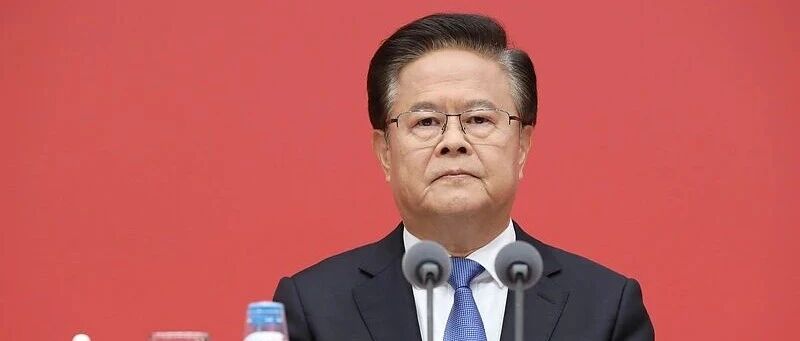
“十五五”时期如何发挥积极财政政策作用?蓝佛安重磅发声
Sou Hu Cai Jing· 2025-12-02 01:37
Group 1: Fiscal Policy Directions - The article emphasizes the importance of expanding domestic demand and supporting the construction of a strong domestic market through increased tax, social security, and transfer payments to boost consumer spending [1][3] - It highlights the need for high-level technological self-reliance and innovation, focusing on strengthening investment in technology and supporting key core technology breakthroughs [1][4] - The article discusses the necessity of optimizing the tax structure and improving the relationship between central and local finances to enhance fiscal sustainability and support local governments [4][5] Group 2: Employment and Social Welfare - The article stresses the priority of employment, supporting enterprises in maintaining and expanding jobs, and addressing structural employment issues [3] - It calls for improvements in education quality and accessibility, as well as strengthening the social safety net for vulnerable populations [3] - The article mentions the importance of enhancing public health services and the capacity of grassroots medical services [3] Group 3: Debt Management - The article outlines the need to prevent and resolve local government debt risks, emphasizing the importance of sustainable fiscal development [4] - It suggests implementing a comprehensive debt management strategy, including the replacement of hidden debts and strict accountability for violations [4][5] - The article proposes optimizing debt replacement methods based on the nature of the projects and their expected returns [5]