古蜀文明

Search documents
跨时空对话,三星堆—金沙遗址古蜀文明展亮相国博 戴冠纵目面具首次同台亮相
Si Chuan Ri Bao· 2026-01-19 00:35
Core Viewpoint - The exhibition "Double Stars Shine in the World - Sanxingdui and Jinsha Site Ancient Shu Civilization Exhibition" showcases over 200 exquisite artifacts from the Sanxingdui and Jinsha sites, highlighting the archaeological journey and rich cultural heritage of ancient Shu civilization, and its connections with the Central Plains and the lower reaches of the Yangtze River [7][8]. Group 1: Exhibition Details - The exhibition runs from June 13 to August 18, featuring the Sun God Bird gold ornament from the Jinsha site as the centerpiece, with 37 artifacts making their debut [7][11]. - This is the first time the crowned eye masks from the Sanxingdui Museum and the National Museum of China are displayed together since their discovery in 1986 [12]. Group 2: Cultural Significance - The Sanxingdui and Jinsha sites are recognized as the largest and most culturally rich urban ruins in the Yangtze River basin, providing crucial archaeological evidence for the multi-faceted nature of Chinese civilization [8]. - The exhibition is divided into four sections: "Stunning Treasures," "Gods and Humans Dance Together," "Worshiping Heaven and Earth," and "Mutual Integration and Appreciation," each revealing different aspects of ancient Shu civilization [8][9]. Group 3: Artifacts and Innovations - The "Worshiping Heaven and Earth" section showcases artifacts that reflect the high status of religious rituals in ancient Shu society, including jade and masks that signify the importance of spirituality [9]. - The "Mutual Integration and Appreciation" section explains how the Sanxingdui and Jinsha cultures innovated by incorporating surrounding civilizations, exemplified by the unique bronze tree and advanced goldsmithing techniques [10].


三星堆及金沙遗址200余件珍贵文物亮相国博
Xin Lang Cai Jing· 2026-01-18 23:36
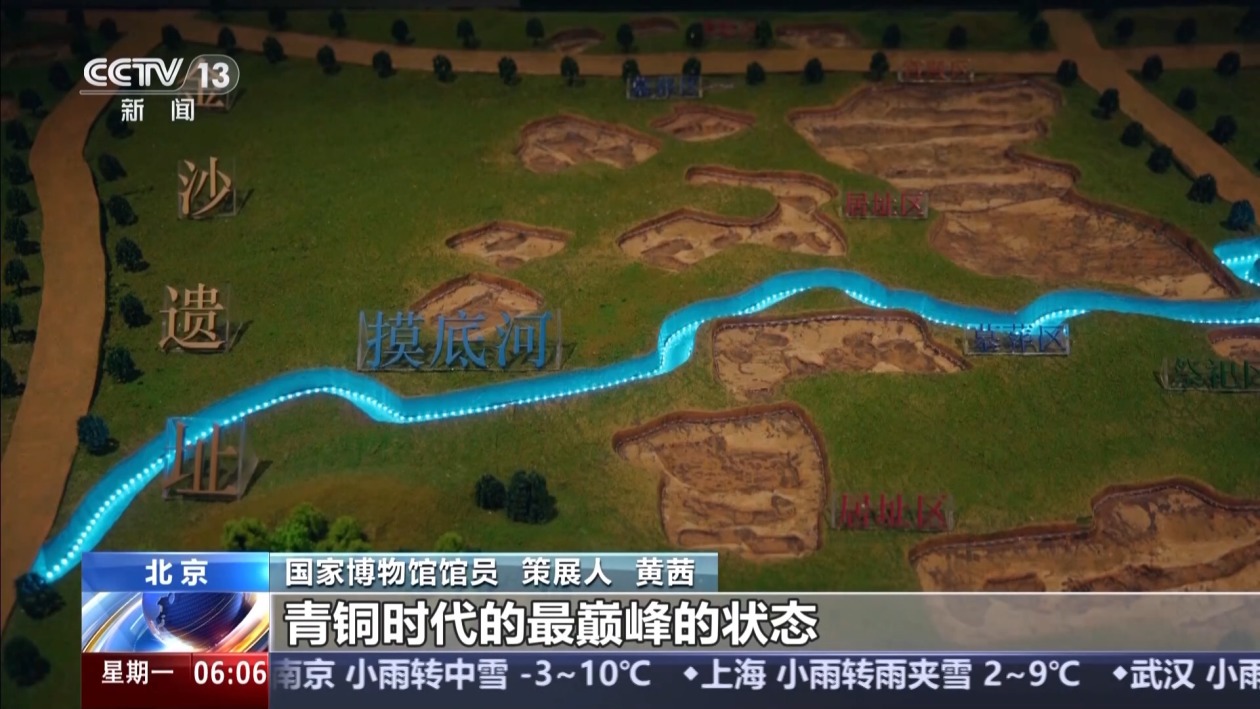
Core Viewpoint - The exhibition of over 200 precious artifacts from the Sanxingdui and Jinsha sites at the National Museum highlights the significance of these archaeological discoveries in enhancing the understanding of Chinese bronze civilization [1][3]. Group 1: Artifacts and Cultural Significance - The artifacts, including artificially cultivated carbonized rice and various pottery, reflect the daily life and wisdom of the ancient Shu people [1]. - Ritual items such as bronze masks and jade ceremonial objects illustrate the importance of rituals in ancient Chinese society, depicting a reverence for nature and the cosmos [1]. - The sun-shaped and eye-shaped artifacts symbolize the ancient Shu people's admiration for light, showcasing their rich imagination and romantic view of the universe [1]. Group 2: Historical Context and Influence - The Sanxingdui and Jinsha sites represent the pinnacle of the ancient Shu civilization during the bronze age, indicating a significant cultural development [3]. - Many designs found in the artifacts, such as the beast face patterns on jade ceremonial axes, have roots in the bronze artifacts of the Shang and Zhou dynasties, indicating a cultural exchange [5]. - The ancient Shu civilization's ability to absorb and innovate upon the bronze forms from the Central Plains and the lower reaches of the Yangtze River demonstrates its strong cultural identity and creativity [5].
金沙青铜立人出土25年首次亮相北京 200余件古蜀文物闪耀国家博物馆
Xin Lang Cai Jing· 2026-01-18 23:36
Core Insights - The "Double Stars Shine - Sanxingdui and Jinsha Site Ancient Shu Civilization Exhibition" has opened, showcasing over 200 artifacts, including 59 first-class items, with many being exhibited for the first time [1] - The exhibition highlights the cultural exchange and continuity between the Sanxingdui and Jinsha sites, emphasizing the evolution of bronze artifacts and their significance in ancient Shu civilization [1] Group 1 - The exhibition features a significant number of bronze masks and figures, with a focus on the similarities and differences in design, reflecting the story of cultural inheritance [1] - Two prominent bronze figures, one from Sanxingdui and one from Jinsha, are showcased, illustrating the transition in cultural representation from the Sanxingdui period to the Jinsha period [1] - The architectural elements and construction techniques of the Sanxingdui and Jinsha sites show influences from the Yellow River basin, indicating a broader cultural interaction [1] Group 2 - Recent discoveries in bronze casting technology and agricultural practices related to the ancient Shu civilization are presented, enhancing the understanding of their craftsmanship [2] - The exhibition includes notable artifacts such as the solar bird gold ornament, which will be displayed again to celebrate the 20th anniversary of the "Cultural and Natural Heritage Day" [2] - Accessibility features such as Braille descriptions and audio guides are incorporated to enhance the experience for all visitors, including those with disabilities [2]
戴冠纵目面具首次同台 三星堆—金沙遗址古蜀文明展亮相国家博物馆
Xin Lang Cai Jing· 2026-01-18 18:29
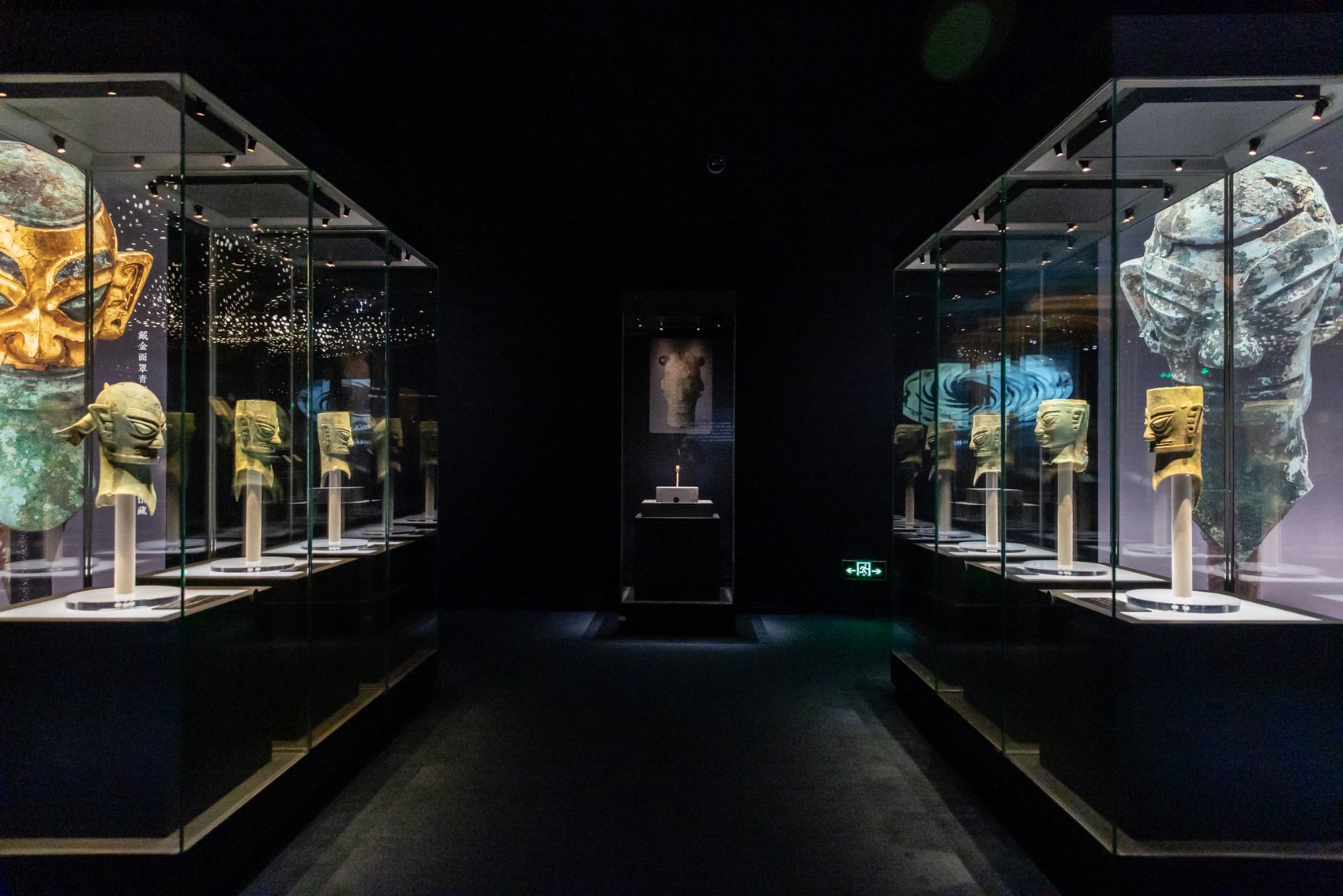
Core Viewpoint - The exhibition "Double Stars Shine in the World - Sanxingdui and Jinsha Site Ancient Shu Civilization Exhibition" showcases over 200 cultural relics, highlighting the archaeological journey and rich cultural heritage of the Sanxingdui and Jinsha sites, revealing the close connections between ancient Shu civilization and the Central Plains as well as the middle and lower reaches of the Yangtze River [1][6]. Group 1: Exhibition Highlights - The exhibition features the first-ever joint display of two crowned vertical-eyed masks from the Sanxingdui Museum and the National Museum of China, marking a historic gathering since their discovery in 1986 [3][4]. - The exhibition includes 37 sets of Jinsha relics that are being displayed outside the museum for the first time, showcasing significant artifacts such as the bronze standing figure and beast-head jade [6][8]. - The Sun God Bird gold ornament, a treasure of the Jinsha Museum, is highlighted in the exhibition, known for its high gold content of 94.2% and intricate design, representing the pinnacle of ancient Shu gold craftsmanship [4][6]. Group 2: Archaeological Significance - The Sanxingdui and Jinsha sites are recognized as two of the most significant archaeological discoveries in China, with the Sanxingdui site being re-excavated in 2019, leading to the discovery of six new sacrificial pits [3][4]. - The exhibition utilizes 3D technology to recreate significant artifacts, enhancing the visitor experience and understanding of ancient Shu civilization [5][8]. - The exhibition aims to deepen public awareness of the multi-faceted development of Chinese civilization, showcasing the results of archaeological excavations since 2020 and the upcoming research progress to be presented at the Sanxingdui Forum in September 2025 [8].
“双星耀世”国博开展,古蜀重器亮相
Xin Lang Cai Jing· 2026-01-18 13:19
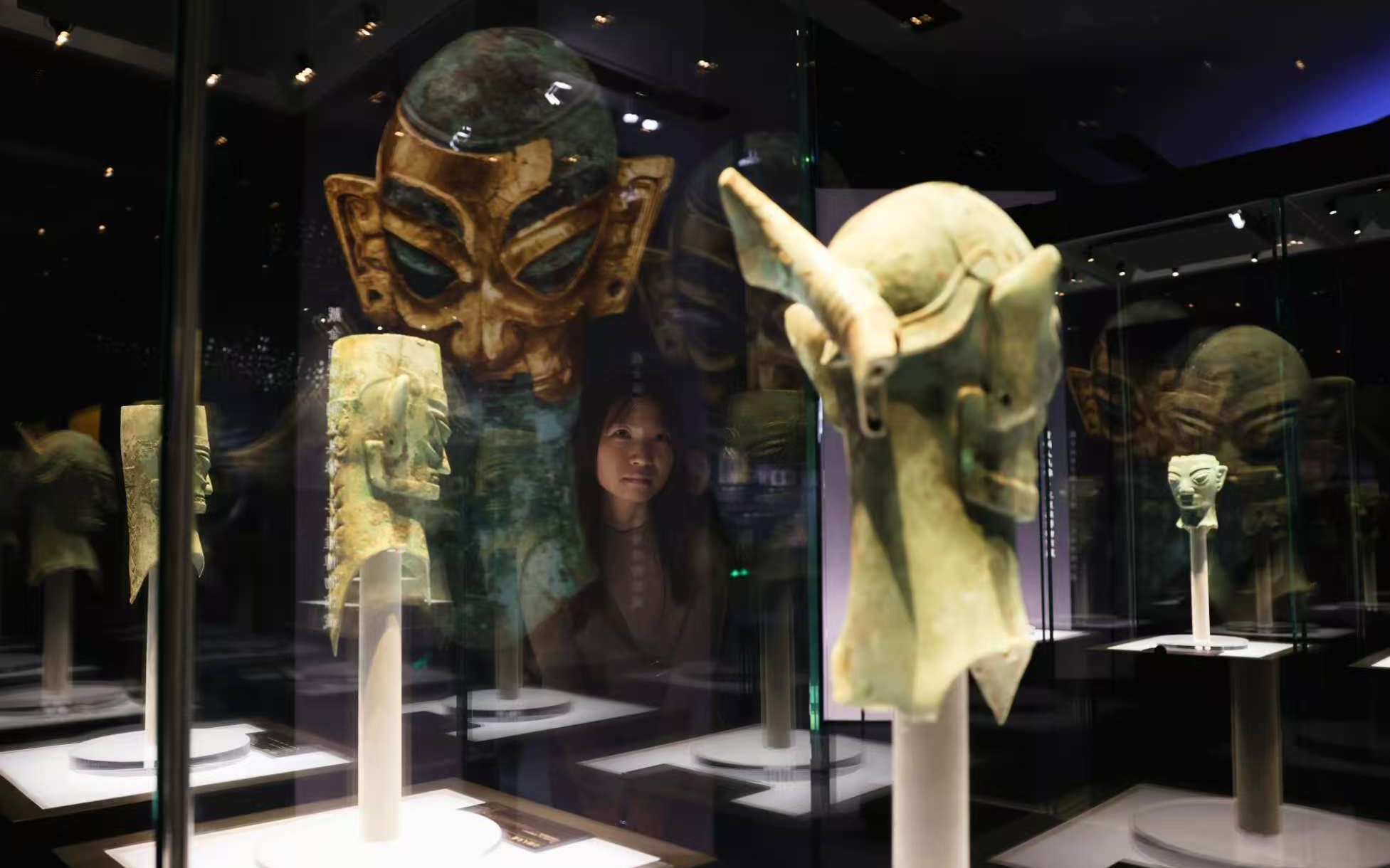
转自:北京青年报客户端 展品包括双目如棱的戴金面罩青铜人头像,玄奇诡谲的戴冠纵目面具,以及青铜立人像、龙柱形青铜器、肩扛象 牙人形纹玉璋等,勾勒出一个瑰丽精彩的古蜀社会,彰显出中华文明和而不同的宏大气象。 本次展览恰逢金沙遗址博物馆闭馆实施保护展示提升,在金沙遗址博物馆参展的108件(套)文物中,有37件 (套)文物是自金沙遗址博物馆开馆以来从未外展,包括青铜立人、兽首饰玉璋等一批蜚声海内外的标志性器 物,其中"太阳神鸟金饰"的展期为6月13日至8月18日。这些珍品与三星堆博物馆、四川省文物考古研究院、成都 市文物考古研究院的戴金面罩青铜人头像、太阳形青铜器、青铜面具、青铜神兽、青铜爬龙器盖、青铜持鸟立人 像、青铜镂空杖形器、象牙等一批重器一同亮相,合力阐释古蜀文明。 值得一提的是,本次展览设置有盲文介绍、NFC感应、可触摸展品及语音导览二维码等模块,确保包括残障人士 在内的观众均能多维度感知古蜀文明的辉煌与温度。 文/北京青年报记者 崔毅飞 摄影/北京青年报记者 魏彤 多件重磅文物首度亮相,带来古蜀文明触听新体验……1月18日,《双星耀世——三星堆—金沙遗址古蜀文明展》 在中国国家博物馆对公众展出,展期为7 ...
“神鸟”领衔、戴冠纵目面具首次聚首,三星堆—金沙遗址古蜀文明展亮相国博
Xin Lang Cai Jing· 2026-01-18 11:14
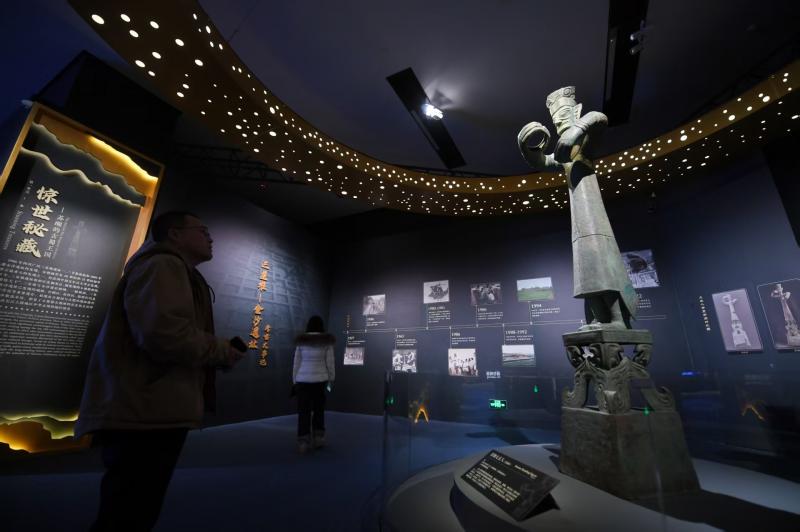
Core Viewpoint - The exhibition "Twin Stars Shine - Sanxingdui and Jinsha Site Ancient Shu Civilization Exhibition" showcases over 200 exquisite artifacts from the Sanxingdui and Jinsha sites, highlighting the archaeological journey and rich cultural heritage of the ancient Shu civilization, and revealing its close ties with the Central Plains and the lower reaches of the Yangtze River, thus illustrating the diversity and unity of Chinese civilization [1][4]. Group 1: Exhibition Overview - The exhibition is guided by the National Cultural Heritage Administration and hosted by the National Museum of China and the Sichuan Provincial Cultural Heritage Administration, with support from various local archaeological institutions. It will run until August 18, 2026 [3]. - The exhibition is divided into four main chapters: "Stunning Treasures," "Human and Divine Dance," "Worship of Heaven and Earth," and "Mutual Integration and Appreciation," which collectively unveil the grandeur of ancient Shu civilization [4]. Group 2: Key Artifacts and Cultural Insights - "Stunning Treasures" presents the discovery journey of the Sanxingdui and Jinsha sites, with significant finds from 1986 and 2001 recognized as major archaeological discoveries of the 20th and early 21st centuries, respectively [4]. - "Human and Divine Dance" illustrates the rich bronze civilization of ancient Shu, revealing the spiritual beliefs and social structure of the Shu people through artifacts like bronze figures and masks, indicating a dual power structure of religious and secular authority [5]. - "Worship of Heaven and Earth" showcases artifacts that reflect the ancient Shu people's reverence for nature and the divine, emphasizing the high status of religious rituals in their society and the civilization's strength during the Shang and Zhou dynasties [7]. - "Mutual Integration and Appreciation" details how the Sanxingdui and Jinsha cultures innovatively absorbed surrounding civilizations, exemplified by the advanced bronze and gold craftsmanship, which represents the pinnacle of early Chinese metallurgy [8]. Group 3: Notable Exhibits - The exhibition features the "Sun God Bird" gold ornament from the Jinsha site, renowned for its intricate design and high gold content of 94.2%, symbolizing the brilliance of ancient Shu gold craftsmanship [10]. - A total of 37 artifacts from the Jinsha site are being exhibited for the first time, including significant items that depict the daily life, production techniques, and spiritual beliefs of the ancient Shu society [11]. - The exhibition also includes notable artifacts from the Sanxingdui site, such as the gold mask and bronze figures, which together portray a vibrant ancient Shu society and highlight the grandeur of Chinese civilization [13].
金沙青铜立人等200余件(套)文物共同呈现璀璨古蜀文明
Xin Lang Cai Jing· 2026-01-18 10:11
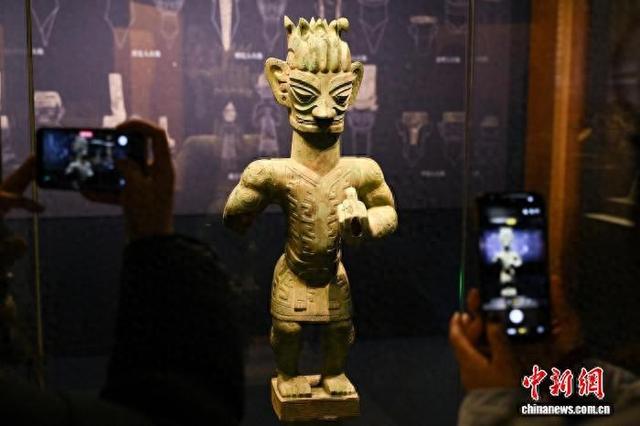
Core Viewpoint - The "Double Stars Shine in the World - Sanxingdui and Jinsha Site Ancient Shu Civilization Exhibition" opened at the National Museum of China, showcasing over 200 exquisite artifacts that depict a vibrant ancient Shu society [1][3]. Group 1: Exhibition Details - The exhibition features artifacts from multiple institutions, including the Sanxingdui Museum and the Jinsha Site Museum, with 37 items being displayed for the first time due to the temporary closure of the Jinsha Site Museum for preservation [3][6]. - Notable exhibits include a bronze standing figure and two sets of six bronze human heads, which suggest a continuity between the Sanxingdui and Jinsha cultures [3][6]. Group 2: Cultural Significance - The exhibition is divided into four sections: "Stunning Secret Treasures," "Humans and Gods Dance Together," "Worshiping Heaven and Earth," and "Mutual Integration and Appreciation," highlighting the archaeological journey and rich cultural heritage of the ancient Shu civilization [6]. - The display of the crown-wearing bronze mask from the Sanxingdui Museum alongside a similar artifact from the National Museum marks the first time these iconic bronze masks have been exhibited together since their discovery in 1986 [6]. Group 3: Future Exhibits - Additional significant artifacts, including the gold mask and the Sun God Bird gold ornament, are scheduled to be displayed in April and June, respectively, further emphasizing their importance in Chinese cultural heritage [6]. Group 4: Exhibition Duration - The exhibition will run until August 18 [7].
金沙青铜立人、青铜面具……200余件古蜀文物闪耀国博
Xin Lang Cai Jing· 2026-01-18 08:11
Group 1 - The exhibition "Double Stars Shine - Sanxingdui and Jinsha Site Ancient Shu Civilization Exhibition" showcases the latest archaeological findings from the Sanxingdui and Jinsha sites, featuring over 200 artifacts, including 59 first-class items [3] - Notable exhibits include the large and small bronze standing figures, with the large one being dubbed the "King of Bronze Statues" and the small one being displayed in Beijing for the first time in 25 years [5] - The exhibition highlights cultural exchanges, with architectural similarities between the Sanxingdui and Jinsha sites reflecting influences from the Yellow River basin [7] Group 2 - The exhibition reveals new findings in bronze casting technology, gold-making techniques, and rice cultivation methods, providing insights into ancient Shu craftsmanship [10] - A significant aspect of the exhibition is the first joint display of two iconic masks from the Sanxingdui Museum and the National Museum of China, marking a reunion after 40 years [12] - The exhibition includes accessibility features such as Braille descriptions, NFC sensing, touchable exhibits, and audio guide QR codes to enhance the experience for all visitors [14]
成都45分钟直达!这座藏着三星堆的宝藏小城,才是真正的“益州门户”
Sou Hu Cai Jing· 2026-01-10 04:32
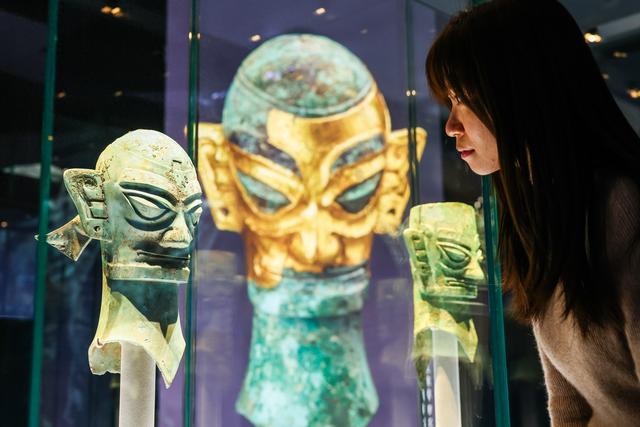
Core Insights - The article emphasizes the hidden charm of Guanghan, a city near Chengdu, which is often overshadowed by the famous Sanxingdui archaeological site. It highlights the importance of exploring Guanghan beyond just visiting Sanxingdui to fully appreciate its cultural and historical significance [1][24]. Group 1: Understanding Guanghan - Guanghan is a county-level city in Sichuan Province, located 45 kilometers from Chengdu, and is known as the "open-air museum" of ancient Shu civilization. It has a rich history dating back to the Western Han Dynasty and has undergone various administrative changes [3][11]. - The city is characterized by its unique blend of cultural influences from both Chengdu and Deyang, resulting in a distinctive local culture and cuisine [3][11]. Group 2: Sanxingdui Insights - Sanxingdui is recognized as a world-class archaeological site, featuring remarkable artifacts such as the bronze trees and masks that challenge conventional understanding of ancient civilizations [6][8]. - Visitors are advised to explore the archaeological site before the museum to enhance their understanding of the ancient Shu civilization, as the site provides a contextual backdrop for the artifacts displayed in the museum [7][8]. Group 3: Additional Attractions in Guanghan - Guanghan is not limited to Sanxingdui; it also boasts historical sites like the ancient military stronghold of Luocheng, which played a significant role during the Three Kingdoms period [12][11]. - The city is recognized as a pioneer in rural reform in China, with historical significance tied to the implementation of the "household responsibility system" in the late 1970s [13][11]. - Guanghan is home to the Civil Aviation Flight University of China, known as the "Huangpu Military Academy" of civil aviation, which trains a significant number of China's pilots [15][11]. Group 4: Culinary Highlights - Guanghan is renowned as the "capital of hot pot ingredients" in China, with a thriving market for fresh and affordable hot pot supplies, making it a paradise for food lovers [16][11]. - Local delicacies such as Chansi Rabbit and Lianshan Twice-Cooked Pork are must-try dishes that reflect the region's culinary richness [16][11]. Group 5: Travel Recommendations - The article suggests tailored travel itineraries for different demographics, including families, couples, seniors, and young adults, ensuring that each group can enjoy a fulfilling experience in Guanghan [16][20][22]. - Visitors are encouraged to spend more time in Guanghan to explore its local culture, cuisine, and historical sites, rather than treating it merely as a stopover [24][26].
让甲骨碎片开口 诉说殷商社会日常
Xin Lang Cai Jing· 2026-01-08 23:08
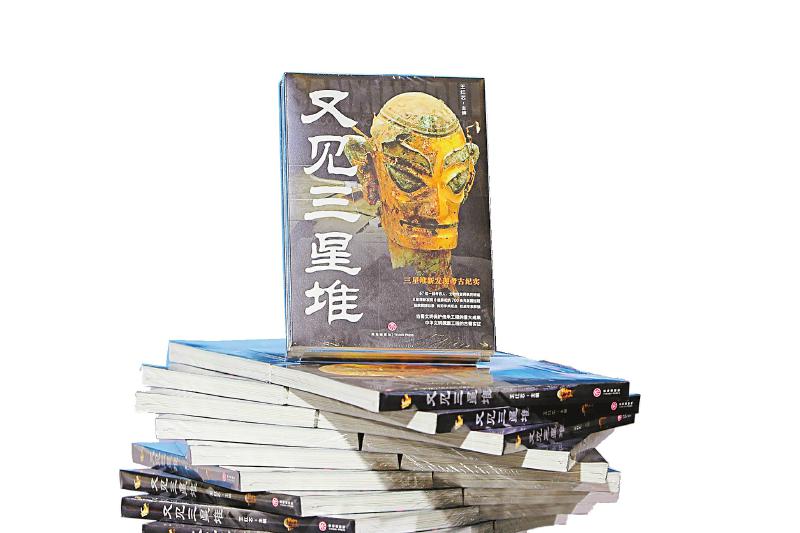
Group 1 - The core viewpoint of the articles highlights the cultural significance of two major publications launched at the 38th Beijing Book Fair, focusing on ancient Chinese civilization and archaeology [3] - The first publication, "Oracle Bone Dictionary," is the first comprehensive dictionary of oracle bone script, containing 3,840 headwords and 7,736 entries, aimed at decoding ancient Chinese characters and filling gaps in the study of oracle bone language [4] - The second publication, "Once Again Sanxingdui," documents five years of archaeological work, showcasing the restoration of bronze artifacts and the dedication of archaeologists in uncovering the wisdom of ancient Shu civilization [5] Group 2 - "Oracle Bone Dictionary" is praised by experts for its modern academic approach to decoding the origins of civilization and is seen as a significant step in the systematic study of oracle bones [4] - The publication aims to make ancient texts accessible to the general public through digital and intelligent means, promoting cultural heritage [4] - "Once Again Sanxingdui" features over a hundred archaeological site images and restoration visuals, providing a vivid connection between ancient Shu civilization and contemporary audiences [5]