合规治理

Search documents
收官之年,券商IT“成色”几何?
中国基金报· 2025-12-28 06:50
Core Viewpoint - The article emphasizes the rapid digital transformation and AI integration within the securities industry, highlighting the need for compliance amidst increasing regulatory scrutiny and the importance of balancing technology investment with governance [2][4]. Group 1: Digital Transformation and Investment - The securities industry has significantly increased its focus on information technology, with 44 firms reporting a total IT investment of 28.11 billion yuan in 2023, where 14 firms invested over 1 billion yuan, accounting for 70.46% of total investments [4]. - In 2024, a growth trend in IT investment is expected, with 30 firms planning to increase their spending, shifting focus from quantity to quality in technology investments [4]. - The introduction of domestic AI models like DeepSeek has accelerated the localization of AI deployment, with firms exploring AI applications across various business scenarios [4]. Group 2: Role of Chief Information Officer (CIO) - The role of the Chief Information Officer (CIO) has become increasingly critical, with over 10 firms appointing new CIOs who possess strong backgrounds in both IT and securities management, reflecting a commitment to digital transformation [5]. - CIOs are seen as key figures in steering digital transformation, responsible for coordinating IT strategy, governance, and risk management within firms [5]. Group 3: Regulatory Environment and Compliance - The regulatory landscape has tightened, with multiple firms receiving penalties for inadequate IT risk management, emphasizing the importance of system security and compliance [8][9]. - Regulatory focus includes zero tolerance for system failures affecting investor rights, strict measures against IT-related misconduct, and accountability extending to individual CIOs [9]. - The need for enhanced compliance management is underscored, with firms required to adapt to regulatory demands and improve their governance capabilities [12]. Group 4: IT Governance and Risk Management - Firms are urged to enhance their IT governance capabilities by establishing comprehensive systems and adhering to regulations to mitigate risks associated with information technology [12]. - Continuous improvement in IT service continuity and proactive defense against information security risks are essential for maintaining operational integrity [12]. - A robust framework for IT personnel conduct and compliance is necessary to prevent conflicts of interest and ensure ethical behavior within the industry [12].


董事长辞任,东方证券年内多领域收罚单暴露内控隐忧
Sou Hu Cai Jing· 2025-12-16 10:28
Core Viewpoint - The recent leadership changes at Dongfang Securities coincide with significant compliance challenges and regulatory penalties, raising concerns about the company's governance and risk management capabilities. Group 1: Leadership Changes - Dongfang Securities announced the resignation of Chairman Gong Dexiong, who served for less than 13 months, due to work relocation, with Vice Chairman Lu Weiming temporarily taking over his responsibilities [2] - Gong Dexiong was instrumental in formulating the company's strategic plan for 2025-2027, and his departure comes amid expectations of his new role in municipal management [2] Group 2: Compliance Issues - The company is currently facing multiple compliance penalties from various regulatory bodies, indicating systemic compliance vulnerabilities [1][3] - Recent penalties include warnings from the Liaoning and Sichuan Securities Regulatory Bureaus for various compliance failures, including inadequate management and reporting of significant events affecting client interests [3][4] Group 3: Financial Performance - Despite achieving year-on-year growth in revenue and net profit for the first three quarters, the company's net interest income has decreased by 15.15% [5][6] - The third-quarter revenue reached 4.707 billion yuan, a 40.25% increase, while net profit attributable to shareholders was 1.647 billion yuan, up 38.35% [6] Group 4: Risk Management Indicators - Key risk management indicators have shown a concerning decline, with the risk coverage ratio dropping by 39.61 percentage points to 397.11% and the net stable funding ratio decreasing by 4.46 percentage points to 134.92% [7] - The rapid decline in these indicators suggests a weakening ability to manage risks amid business expansion [7] Group 5: Governance Challenges - The combination of leadership changes, compliance penalties, and financial performance fluctuations indicates a critical period for the company's internal governance [7] - The need for a robust compliance governance system is emphasized, with a call for integrating compliance metrics into executive performance evaluations to shift the focus from "performance over risk" [7]

信托首席合规官火速补位
Jing Ji Guan Cha Wang· 2025-12-16 05:35
Core Viewpoint - The establishment of Chief Compliance Officers (CCOs) in trust companies is a response to regulatory requirements and an internal need for industry transformation and stable operations, aimed at enhancing compliance governance and preventing systemic risks [3][5][8]. Group 1: Regulatory Compliance - Trust companies are required to appoint CCOs by January 1, 2026, as per the revised "Trust Company Management Measures" [3][7]. - The recent approvals for CCO positions have accelerated, indicating a shift towards compliance management as a strategic priority [4][5]. - The "Financial Institutions Compliance Management Measures," effective from March 1, 2023, mandates that financial institutions establish CCO roles at their headquarters [7][9]. Group 2: Risk Management and Internal Controls - The role of CCOs is to build a comprehensive risk control mechanism, integrating compliance checks into key business processes to identify and rectify risks early [5][8]. - The establishment of CCOs aims to address past compliance failures and enhance the transparency of trust products, thereby restoring investor confidence [6][8]. - CCOs will have the authority to veto compliance issues at critical stages such as product design and investment decisions, ensuring compliance is embedded throughout the business process [8][9]. Group 3: Industry Transformation - The appointment of CCOs reflects a broader industry shift from rapid expansion to compliance-driven growth, aligning with the need for sustainable business practices [5][8]. - Trust companies are encouraged to develop a standardized compliance framework that integrates with business operations, enhancing the overall governance structure [9]. - The focus on compliance is expected to reshape the trust industry, emphasizing its role as a fiduciary and restoring its credibility [8][9].

中原银行不良处置频现“高折价资产包”,上半年业绩双降
Xin Lang Cai Jing· 2025-12-08 08:41
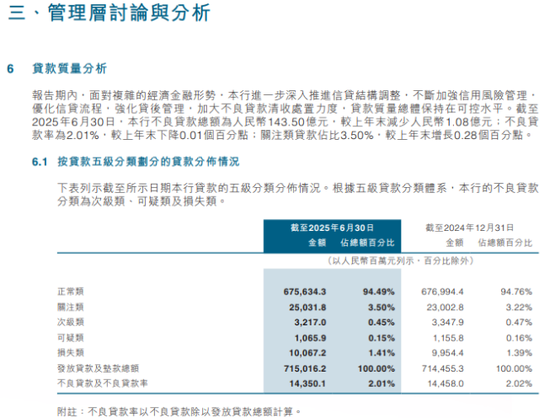
Core Viewpoint - Central China Bank is facing significant challenges with deteriorating asset quality, declining revenue and profit, and ongoing regulatory scrutiny, which raises concerns about its future stability and governance [1][8]. Group 1: Asset Quality Issues - The bank has recently seen a "quantity and price drop" in the disposal of non-performing assets, with multiple asset packages listed at high discounts, indicating serious underlying asset quality issues [2][8]. - As of June 30, 2025, the total non-performing loans reached 14.35 billion RMB, with a non-performing loan ratio of 2.01%, showing only a slight decrease from the previous year [10][12]. - The bank's asset packages, such as one from the Zhoukou branch, show a total debt of 72.86 million RMB, with principal only 31.26 million RMB, indicating a severe lack of recoverability [9][12]. Group 2: Financial Performance - In the first half of 2025, the bank's operating income fell by 3.1% to 13.563 billion RMB, while net profit decreased by 0.8% to 2.034 billion RMB, marking a significant slowdown in growth [5][12]. - Interest income, a key revenue source, grew by 3.2% to 11.05 billion RMB, but non-interest income plummeted, with trading net income down 30.5% to 342 million RMB [5][12]. - The total loan amount grew only 0.1% to 715.02 billion RMB, with the loan-to-deposit ratio dropping from 80.33% to 75.77%, indicating a slowdown in credit expansion [13]. Group 3: Regulatory and Governance Challenges - The bank has received multiple regulatory fines in 2025, totaling over 300 million RMB, primarily related to credit and bill business violations, highlighting ongoing compliance issues [6][13]. - The bank's governance has been unstable, with two chairpersons removed in the past four years and frequent changes in senior management, which raises concerns about its leadership stability [6][14]. - The newly appointed management team, led by Zhou Feng, faces the dual challenge of addressing existing risks while attempting to restore performance and governance [14].
人福医药集团股份公司第十一届董事会第四次会议决议公告
Shang Hai Zheng Quan Bao· 2025-12-05 19:43
Group 1 - The board of directors of Renfu Pharmaceutical Group Co., Ltd. held its fourth meeting of the eleventh session on December 5, 2025, with all nine directors present, ensuring compliance with legal and regulatory requirements [2][4] - The board approved the establishment of a supervision department to enhance internal supervision, improve compliance governance, and mitigate integrity risks, thereby ensuring effective execution of the company's strategic decisions [3] - The board also approved the formulation of the "Risk Management and Internal Control Management System" and the "Legal Compliance Affairs Management System," both of which will be disclosed on the Shanghai Stock Exchange website [5][6] Group 2 - All resolutions passed with unanimous support, receiving 9 votes in favor, with no votes against or abstentions [4][5][6] - The establishment of the supervision department and the new management systems reflect the company's commitment to stringent governance and risk management practices [3][5][6] - The meeting was chaired by Chairman Deng Weidong, indicating strong leadership and oversight within the company [2]

昔日伙伴反目成仇,5亿元天价索赔压顶,一品红深陷业绩与信任三重危机
Hua Xia Shi Bao· 2025-11-21 05:54
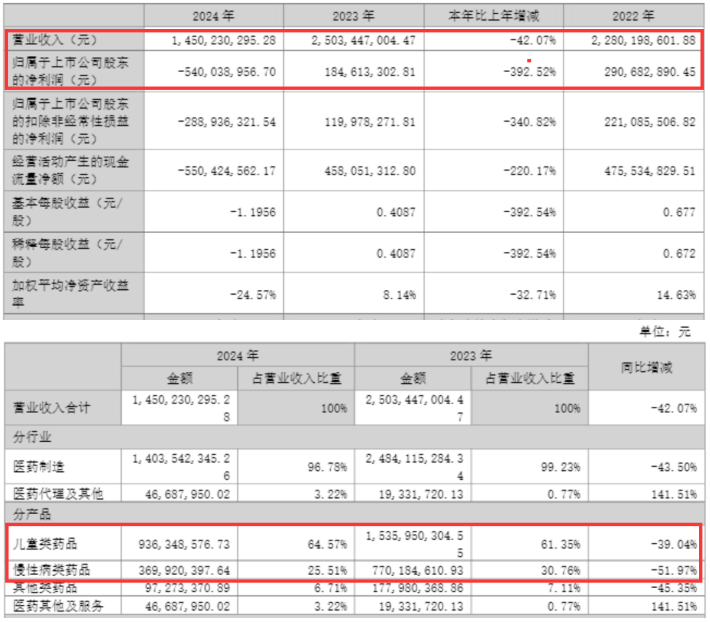
Core Viewpoint - Yipin Hong (300723) faces significant challenges with a high-profile lawsuit claiming 528 million yuan in damages, compounding its ongoing financial struggles and regulatory issues [1][4][8] Financial Performance - In 2024, Yipin Hong reported its first loss since going public, with revenue declining by 42.07% to 1.45 billion yuan and a net loss of 540 million yuan, compared to a profit of 185 million yuan the previous year [5][6] - For the first three quarters of 2025, the company generated revenue of 814 million yuan, a year-on-year decrease of 34.35%, and reported a net loss of 136 million yuan [7][8] Legal Issues - The lawsuit from Huiyou International claims infringement of a patent related to a joint project initiated in 2014, with Yipin Hong asserting that the patent rights belong to a joint venture and that it has the right to use the patent [2][3] - The total amount involved in other undisclosed lawsuits against Yipin Hong is approximately 5.63 million yuan, indicating ongoing legal challenges [3] Regulatory Challenges - In 2024, Yipin Hong's subsidiary was penalized for collusion in drug procurement, resulting in the cancellation of its qualification and a financial loss of 266 million yuan, which significantly impacted its financial performance [1][5][8] Strategic Outlook - The company is pinning hopes on the new gout drug AR882, which has completed its Phase III clinical trials, but faces uncertainties regarding clinical data, market competition, and commercialization capabilities [8]

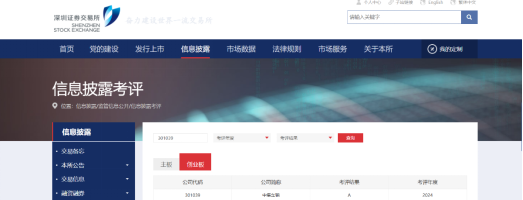
喜讯┃中集车辆集团信息披露评级再度获 A 级评价
Xin Lang Zheng Quan· 2025-11-10 08:25
Core Viewpoint - The company, CIMC Vehicles (Group) Co., Ltd., has been awarded the highest rating of A (Excellent) for its information disclosure work by the Shenzhen Stock Exchange for the third consecutive year, reflecting its strong governance and commitment to investor relations [1][4]. Group 1: Company Performance - CIMC Vehicles achieved global sales of 101,583 vehicles and generated revenue of 15.012 billion yuan with a gross margin of 15.2% in the first three quarters of 2025 [3]. - The net profit attributable to shareholders was 622 million yuan during the same period [3]. Group 2: Information Disclosure and Governance - The company has established a high-quality information disclosure system that aligns with its business characteristics, ensuring compliance with regulatory requirements and enhancing the readability and relevance of disclosed information [4]. - CIMC Vehicles emphasizes the importance of timely and accurate information disclosure, integrating compliance principles into all operational aspects, from strategic decision-making to business execution [4]. Group 3: Future Outlook - The company plans to continue improving its governance and information disclosure quality, aiming to enhance investor relations management efficiency and uphold its responsibilities as an excellent listed company [5].
冀中能源管理层变动 战略执行连贯性受关注
Xin Lang Cai Jing· 2025-09-24 09:46
Group 1 - The company appointed Zhang Jianzhong as the deputy general manager, with the appointment approved by the board and independent directors, ensuring compliance and legitimacy in the nomination process [1] - Following the announcement, the company's stock price fell by 0.84% to 5.91 yuan, indicating cautious market sentiment regarding the personnel change [1] - The company has experienced frequent changes in its board and management personnel, with 10 changes occurring between October 2024 and July 2025 [2] Group 2 - The company faced historical compliance issues and scrutiny over past acquisition attempts, including a failed 200 million yuan acquisition of a related party due to concerns over decision-making processes and the target's financial performance [3] - The company's financial performance showed significant declines, with a 27.87% drop in revenue to 7.293 billion yuan and a 65.24% decrease in net profit to 348 million yuan for the first half of 2025 [3][5] - The company's debt-to-asset ratio increased to 59.66%, and the interest coverage ratio fell from 5.92 to 3.04, indicating weakened financial stability [3]


上海银行八项违法被重罚2921万合规频现漏洞痛失长三角城商行“一哥”
Xin Lang Cai Jing· 2025-08-04 01:33
Core Viewpoint - Shanghai Bank has been penalized for multiple violations in core business areas, revealing significant compliance deficiencies amid a backdrop of increasing regulatory scrutiny [2][3][4]. Summary by Relevant Sections Regulatory Penalties - On August 1, the People's Bank of China announced that Shanghai Bank was fined a total of 29.22 million yuan for eight violations, including account management and payment clearing [2][3]. - The penalties included a confiscation of illegal gains amounting to 469,500 yuan and a fine of 28.75 million yuan [3]. Compliance and Internal Control Issues - The violations span across various core business areas such as account management, payment clearing, cash management, and anti-money laundering, indicating serious internal control and data governance issues [4][5]. - The bank's response highlighted that the violations occurred between 2020 and 2021 and that all issues have been rectified [2][4]. Financial Performance - As of March 31, 2025, Shanghai Bank's total assets exceeded 3.27 trillion yuan, reflecting a year-on-year growth of 1.37% [5][6]. - The bank reported a net profit of 6.29 billion yuan for Q1 2025, with a year-on-year growth of 2.30%, which is lower than its peers, Jiangsu Bank and Ningbo Bank [5][6]. Management Changes and Stock Activity - Recently appointed Chairman Gu Jianzhong and other executives invested over 4.6 million yuan in the bank's stock just days before the penalty announcement [2][6]. - The stock price of Shanghai Bank has seen a decline of over 10% from its peak in early July 2025, despite a year-to-date increase of 12.24% [9].

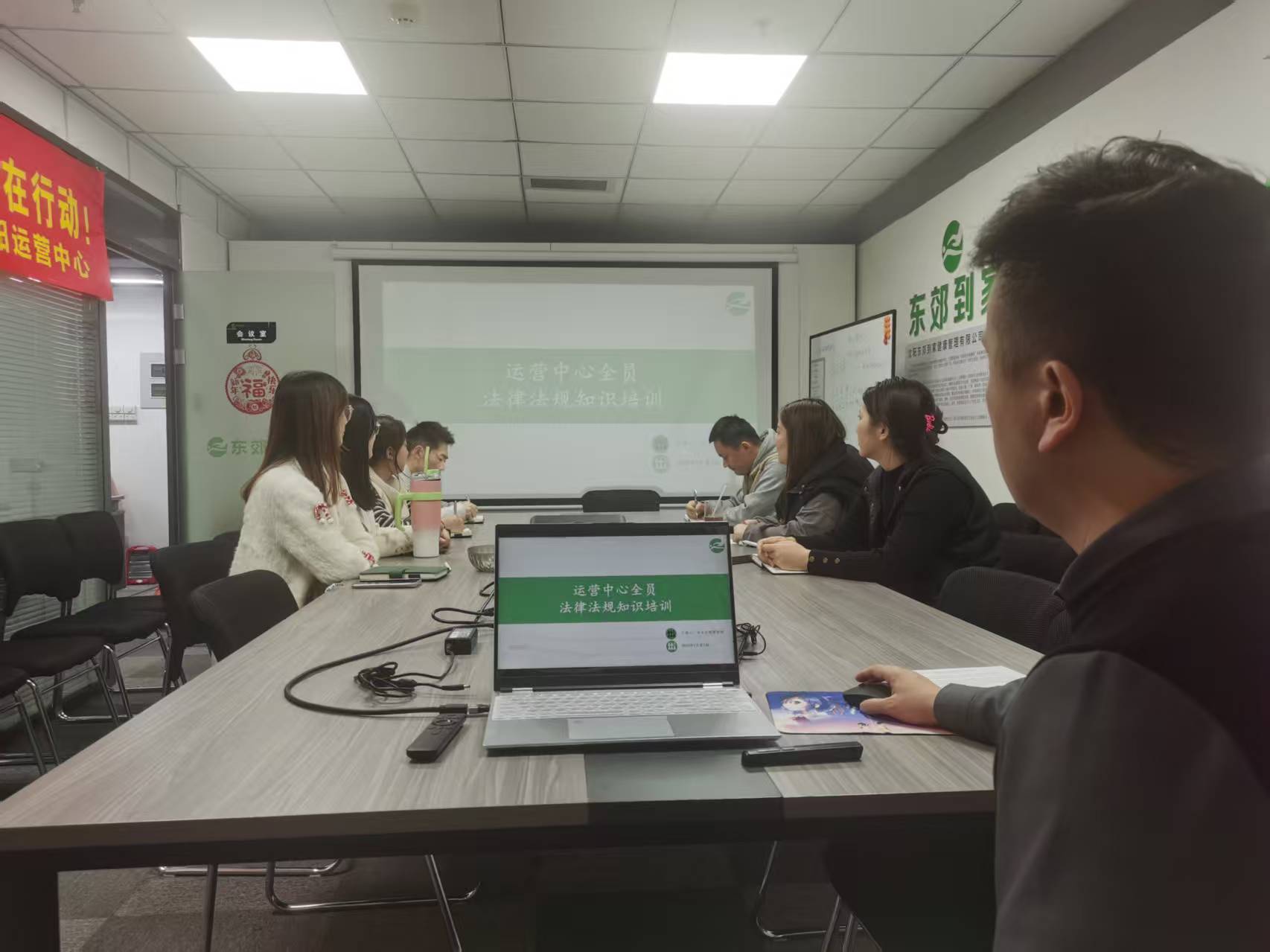
东郊到家:以合规治理筑牢行业红线 构建健康服务新生态
Sou Hu Cai Jing· 2025-07-14 10:53
Core Insights - The on-demand service industry is undergoing a critical transformation from scale expansion to quality enhancement, driven by the integration of digital and physical economies [1] - Dongjiao Daijia, a leading O2O health service platform in China, emphasizes "compliance governance" as its development cornerstone, establishing a comprehensive red line management system and dynamic access mechanism [1][3] Compliance and Innovation - Dongjiao Daijia views compliance as the lifeline of the enterprise, implementing a "three-layer protection network" covering the entire service cycle [1] - The platform has developed a unique "identity verification + health screening + qualification certification" mechanism for technician onboarding, ensuring all technicians possess professional qualifications and undergo background checks and skill assessments [1] - Blockchain technology and intelligent monitoring systems create a technological moat, with key data such as order information and user evaluations being recorded in an immutable electronic certificate database [1] Industry Standards and Efficiency - Dongjiao Daijia has led the formulation of the "On-Demand Massage Service Industry Platform Convention" standard, incorporating metrics like service duration and material standards to shift the industry from "experience-driven" to "standard-driven" [3] - The platform has reduced the average dispute resolution time from 7 days to 2 hours through blockchain technology, while the intelligent scheduling system enhances service response times [3] Redefining Service Value - As the industry transitions from "barbaric growth" to "regulated development," Dongjiao Daijia is redefining service value, positioning technicians as health managers rather than mere service providers [3] - Users benefit from not only convenient services but also comprehensive health solutions throughout the service cycle [3] Social Responsibility and Economic Value - Dongjiao Daijia integrates social responsibility into its business model, providing a vibrant example of platform governance in the digital economy era [3] - The company demonstrates that it is possible to achieve a win-win situation between social value and economic value through adherence to compliance and innovation [3]