
同城化

Search documents
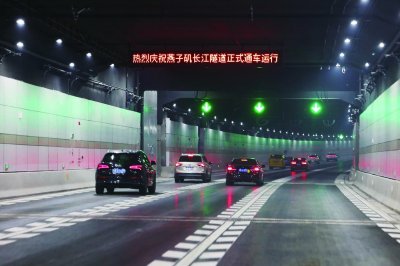
新生圩长江大桥今天将通车,南京以“中国跨度”撬动“拥江格局”
Nan Jing Ri Bao· 2025-11-26 02:31
Core Insights - The opening of the Nanjing Xinshewei Yangtze River Bridge marks a significant milestone in the city's transportation infrastructure, being the third major river crossing completed during the 14th Five-Year Plan, enhancing the urban traffic layout and promoting regional integration [4][7][20]. Transportation Infrastructure Development - The Nanjing Xinshewei Yangtze River Bridge, with a main span of 1,760 meters, is recognized as the "first in China and third in the world" for its type, contributing to the city's goal of becoming a transportation hub [4][20]. - The bridge, along with the Yanziji Yangtze River Tunnel and the upcoming Ningyang Yangtze River Bridge, forms a network of crossings that significantly reduces travel time across the river, facilitating a more integrated urban experience [7][10][11]. Economic and Social Impact - The new bridge and tunnels have transformed commuting patterns, reducing travel times from 30 minutes to as little as 10 minutes for residents, thus enhancing the quality of life and economic opportunities in the region [10][11]. - The infrastructure improvements are expected to stimulate investment opportunities along the routes, as logistics efficiency increases for businesses [8][10]. Regional Integration and Urban Development - The development of these crossings is pivotal for the integration of the Nanjing metropolitan area, allowing for a more cohesive urban structure and promoting a "one-hour commuting circle" among Nanjing, Yangzhou, and surrounding areas [13][21]. - The transportation network is seen as a strategic link that not only connects cities but also integrates industrial chains, enhancing collaboration and economic growth across the region [21][22]. Future Plans and Projections - By the end of the 14th Five-Year Plan, Nanjing aims to have 15 river crossings, further solidifying its position as a key transportation hub and supporting its goal of becoming a globally influential center for industrial and technological innovation [17][20].

开启新一轮“组局”! 武汉都市圈发展提速
Mei Ri Jing Ji Xin Wen· 2025-11-20 13:02
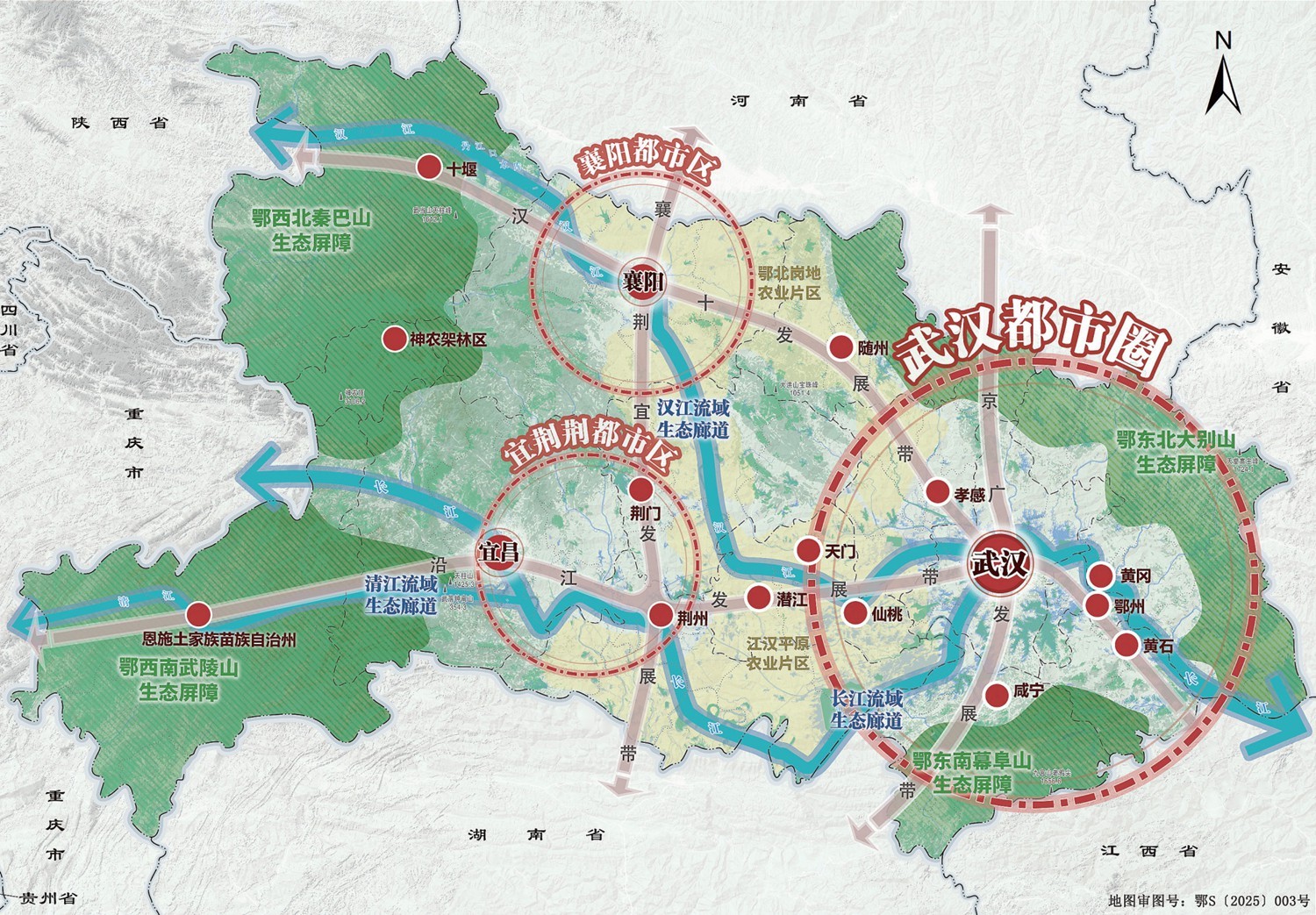
Core Viewpoint - The "same city" concept is becoming a new trend in the Wuhan metropolitan area, emphasizing the need for collaborative development among surrounding cities to enhance the overall economic capacity and quality of growth in the region [1][3][5]. Economic Significance - By 2024, the economic output of the Wuhan metropolitan area is expected to exceed 3.6 trillion yuan, accounting for over 60% of Hubei's total economy and 29% of the Yangtze River middle reaches urban agglomeration [3][13]. - The goal for 2025 is to achieve a GDP of 4 trillion yuan, necessitating an increase of approximately 400 billion yuan this year, which relies on the collective efforts of the "1+8" member cities [3][4]. Development Strategy - The recent emphasis on "same city" development indicates a strategic shift towards enhancing collaboration and connectivity among Wuhan and its surrounding cities, aiming to create a more integrated urban area [5][12]. - The focus on transportation, innovation, and industrial collaboration is crucial for achieving this goal, with various projects already underway to facilitate these connections [7][8]. Collaborative Projects - Numerous projects, such as the Huangshi New Port Expressway and the Hanjin Xinglong Hub, highlight the involvement of Wuhan in regional development efforts, showcasing the metropolitan area's commitment to collaborative growth [8][9]. - The establishment of cross-border e-commerce parks and high-tech zones in neighboring cities further illustrates the industrial cooperation and resource sharing within the metropolitan area [12][14]. Future Directions - The Wuhan metropolitan area is set to enhance its role as a regional leader by fostering deeper cooperation with neighboring provinces, particularly in transportation, technology, and industry [16][17]. - The upcoming "14th Five-Year Plan" will focus on promoting regional interconnectedness and collaborative development, aiming to strengthen the metropolitan area's influence within the Yangtze River middle reaches urban agglomeration [15][18].
这个国家级都市圈,开启新一轮“组局”
Mei Ri Jing Ji Xin Wen· 2025-11-18 14:01
Core Insights - The "same city" concept is becoming a new trend in the Wuhan metropolitan area, emphasizing the need for collaborative development among surrounding cities to enhance the overall economic capacity of the region [1][4][5] - The Wuhan metropolitan area is projected to exceed a GDP of 3.6 trillion yuan in 2024, accounting for over 60% of Hubei's total economy, highlighting its significance as a growth engine in the central Yangtze River region [1][13] - The focus on "same city" development indicates a shift towards greater integration and cooperation among the cities within the metropolitan area, aiming to create a more efficient commuting network and facilitate industrial expansion [5][10][11] Urban Development Strategy - The Wuhan metropolitan area is recognized as a national-level urban cluster, with a strategic plan to enhance its development capabilities and promote high-quality growth in the central Yangtze River city group [1][8] - The "1+8" city system, which includes Wuhan and eight surrounding cities, is crucial for achieving the targeted GDP growth of approximately 400 billion yuan by 2025 [1][8][14] - Recent research and planning efforts are aimed at establishing a comprehensive development framework for the metropolitan area, focusing on infrastructure connectivity and industrial collaboration [7][19] Economic Contributions - The contribution of the Wuhan metropolitan area to Hubei's economy has increased from 46.38% to 46.61% between 2022 and 2024, indicating a growing economic influence [14] - The metropolitan area is expected to play a pivotal role in the development of the central Yangtze River city group, which has seen its economic total surpass 12 trillion yuan, representing 9.2% of the national economy [15][17] - The integration of industries and innovation across the metropolitan area is essential for enhancing its competitive edge and fostering regional development [20][21] Collaborative Initiatives - The Wuhan government is actively promoting cross-regional cooperation with neighboring cities, focusing on transportation, industry, and technology to strengthen the metropolitan area's influence [19][20] - The emphasis on avoiding homogeneous competition among cities is crucial for fostering unique development paths and collaborative growth [21] - Future plans include enhancing the metropolitan area's technological innovation capabilities and establishing a robust industrial chain to better connect with other urban clusters [20][21]
城记 | 上海大都市圈,究竟“大”在哪里——访华东师范大学终身教授曾刚
Xin Hua Cai Jing· 2025-10-17 08:06
Core Viewpoint - The "Action Plan" for the integrated development of the Yangtze River Delta urban agglomeration aims to enhance the level of integration by 2035, focusing on the Shanghai metropolitan area as a core region for resource integration and world-class industrial cluster development [1][2]. Group 1: Shanghai Metropolitan Area Development - The Shanghai metropolitan area covers 14 cities and is positioned as a global competitive entity, moving from regional development to global engagement [2][3]. - The area contributes 14.5% of China's economic output while only occupying 1.2% of the land area and housing 7.7% of the national population [3]. Group 2: Urban Integration and Collaboration - The concept of "same city" integration in the Shanghai metropolitan area is defined by three levels: daily commuting (1-hour), business travel (1.5-hour), and industrial collaboration (up to 2.5-hour) [4][5]. - The integration aims to facilitate cross-regional resource flow and collaboration, with a focus on industrial synergy rather than competition among member cities [5][6]. Group 3: Cross-Provincial Collaboration - The Shanghai metropolitan area serves as a model for cross-provincial industrial collaboration, with a notable increase in joint applications for advanced manufacturing clusters [7]. - The Yangtze River Delta's efforts in creating a world-class aircraft manufacturing cluster exemplify successful cross-provincial collaboration, involving multiple cities and significant industrial output [7][8]. Group 4: Strategic Focus for Future Development - The metropolitan area is urged to prioritize the creation of world-class industrial clusters during the 14th Five-Year Plan, focusing on cultivating globally competitive companies and establishing influential international organizations [8].
珠三角比长三角差在哪?为何世界级城市群只认长三角这一个!
Sou Hu Cai Jing· 2025-10-06 10:32
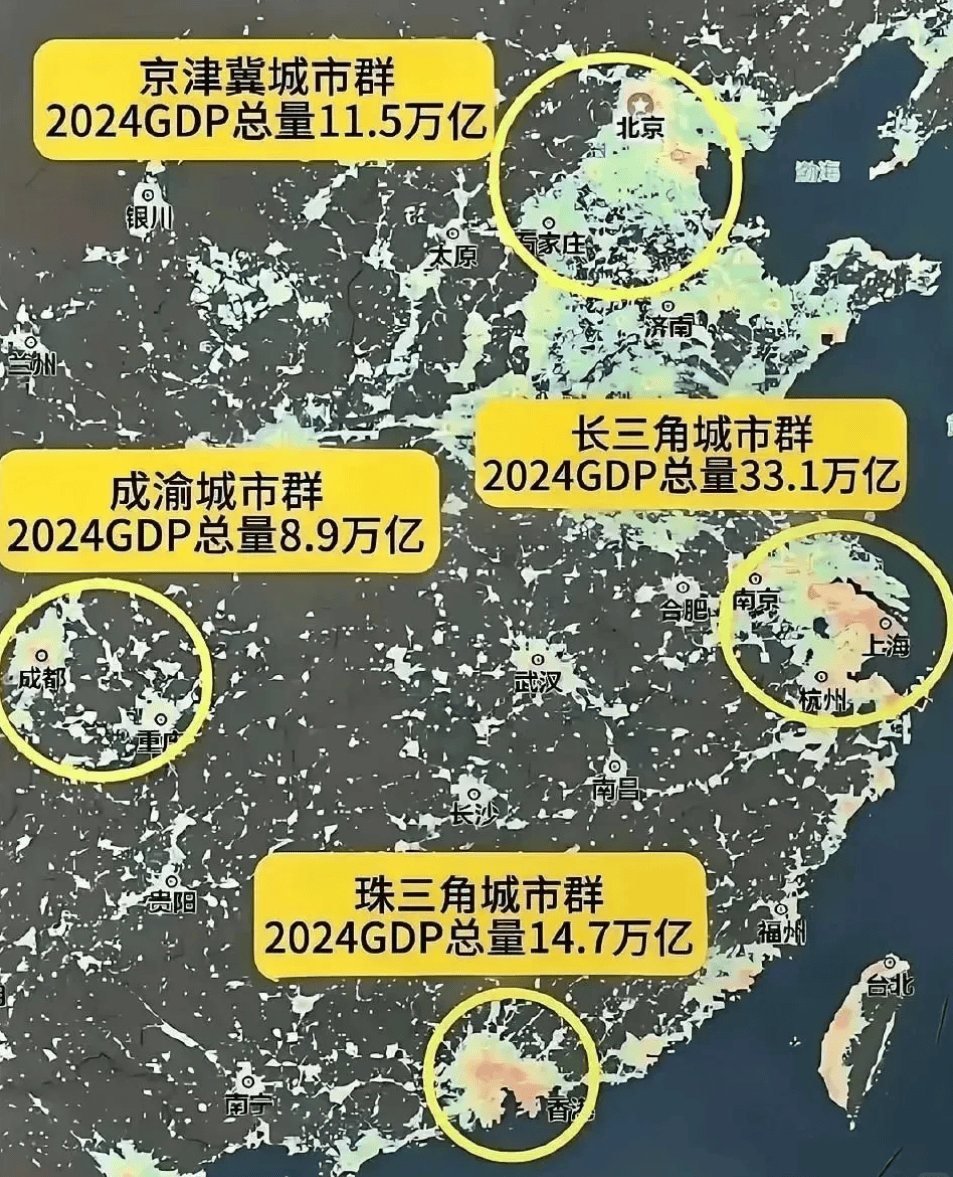
Core Viewpoint - The article discusses the comparative strengths of the Yangtze River Delta (YRD) and the Pearl River Delta (PRD) in terms of their potential to be recognized as world-class city clusters, highlighting that the YRD is currently more successful in this regard due to its larger area, economic distribution, and internal collaboration [1][11]. Group 1: Geographic and Economic Scale - The Yangtze River Delta encompasses an area of 358,000 square kilometers with 27 cities, while the Pearl River Delta covers only 56,000 square kilometers with 11 cities, indicating a significant difference in geographic scale [3][4]. - The YRD has eight cities with a GDP exceeding 1 trillion yuan, compared to only five in the PRD, suggesting a more balanced economic distribution in the YRD [6][8]. Group 2: Internal Collaboration and Connectivity - The YRD benefits from a high level of internal collaboration and connectivity, with a one-hour travel radius facilitated by high-speed rail, enhancing its integration [11][13]. - In contrast, the PRD faces challenges in achieving similar levels of integration due to the presence of Hong Kong and Macau, which complicates the flow of people, capital, and industries [13][15]. Group 3: Strategic Advantages - The Yangtze River serves as a crucial economic artery, connecting various regions and providing a strategic advantage in terms of logistics and trade [9][11]. - The PRD, while having potential through the Guangdong-Hong Kong-Macau Greater Bay Area initiative, still needs to overcome institutional barriers to realize its full potential [15][17]. Group 4: Future Outlook - The article suggests that while the YRD currently holds the title of a world-class city cluster, the PRD has opportunities for growth and development, particularly if it can enhance its internal integration and leverage its manufacturing and financial strengths [15][17].
世界级长三角城市群,如何为未来城市打样?
2 1 Shi Ji Jing Ji Bao Dao· 2025-09-19 12:48
Core Viewpoint - The article emphasizes the development of the Yangtze River Delta (YRD) urban agglomeration as a world-class city cluster, highlighting its strategic importance in China's economic landscape and its potential for high-quality growth in various industries, including low-altitude economy and advanced manufacturing [1][3][20]. Group 1: Urban Agglomeration Development - The YRD urban agglomeration, centered around Shanghai, includes 27 cities across Jiangsu, Zhejiang, and Anhui provinces, and is positioned as a leader in China's urban development strategy [5][7]. - Recent policies, such as the "Opinions on Promoting High-Quality Urban Development," support the creation of world-class city clusters, with the YRD being a key focus area [1][7]. - The integration of transportation and industry within the YRD is crucial for enhancing competitiveness and fostering collaboration among cities [6][8]. Group 2: Transportation Infrastructure - The YRD has a robust transportation network, with over 15,000 kilometers of railway, including more than 7,700 kilometers of high-speed rail, facilitating efficient connectivity among cities [13]. - The launch of the "YRD Super Ring High-Speed Rail" enhances intercity travel, further promoting economic integration [13]. - High-speed rail is expected to play a pivotal role in linking cities of various sizes, not just major urban centers [13]. Group 3: Industry Collaboration - The YRD is home to significant industrial clusters, particularly in sectors like new energy vehicles and aerospace, with cities specializing in different aspects of production and innovation [14][20]. - The region's collaborative approach allows cities to leverage their unique strengths, such as Shanghai's R&D capabilities and Suzhou's manufacturing prowess, creating a symbiotic industrial ecosystem [16][21]. - The establishment of the C919 aircraft production framework exemplifies the cross-regional cooperation in advanced manufacturing, with a focus on building a competitive global supply chain [20][21]. Group 4: Global Competitiveness - The YRD urban agglomeration is recognized as one of the six world-class city clusters, but it still faces challenges in terms of economic development and global influence compared to its international counterparts [2][17]. - The region's geographical advantages, including access to major ports like Shanghai and Ningbo, enhance its global trade connectivity [19]. - The potential for growth in emerging sectors, such as low-altitude economy, is significant, with the need for strategic planning and collaboration among cities to maximize development opportunities [21].
南京都市圈的下一张牌,怎么打?
3 6 Ke· 2025-09-17 02:39
Core Viewpoint - The Nanjing metropolitan area is entering a new phase of development, transitioning from "geographical proximity" to "functional enhancement," with a focus on high-quality urban integration and collaboration among surrounding cities [1][8]. Group 1: Development Planning - Nanjing's Development and Reform Commission is leading a new round of planning for the metropolitan area, aiming to enhance future work over the next five years [1]. - The Nanjing metropolitan area is the first nationally approved metropolitan area development plan, receiving formal approval from the National Development and Reform Commission [1][2]. Group 2: Advantages of Nanjing Metropolitan Area - The Nanjing metropolitan area benefits from early initiation, long development cycles, and mature layouts, supported by surrounding cities [2]. - Cultural, geographical, and commercial integration among cities in the Nanjing metropolitan area provides a strong foundation for unified development [3]. Group 3: Transportation and Industry Integration - The Nanjing metropolitan area is focusing on transportation and industry as key development themes during the 14th Five-Year Plan, with an emphasis on integrated rail transport systems [4]. - By the end of 2023, the urban rail transit network in the Nanjing metropolitan area is expected to reach 567.46 kilometers, achieving a 100% connectivity rate for high-speed rail and intercity transport [5]. Group 4: Economic Growth - The GDP of the Nanjing metropolitan area increased from 4.18 trillion yuan in 2020 to 5.44 trillion yuan in 2024, representing a growth of over 1 trillion yuan [5]. - The Nanjing metropolitan area ranks second in GDP total, per capita GDP, and foreign investment utilization among 17 national metropolitan areas, with a retail sales total of 2.03 trillion yuan, ranking first [6]. Group 5: Future Development Trends - Future plans for the Nanjing metropolitan area include creating a high-quality functional urban area, a livable community, and a collaborative development zone [7]. - The focus will be on integrated public services, ecological governance, and enhancing the convenience of intercity interactions [8][9].
“苏超”对决话情谊 宁镇同城谱新篇
Nan Jing Ri Bao· 2025-08-29 00:52
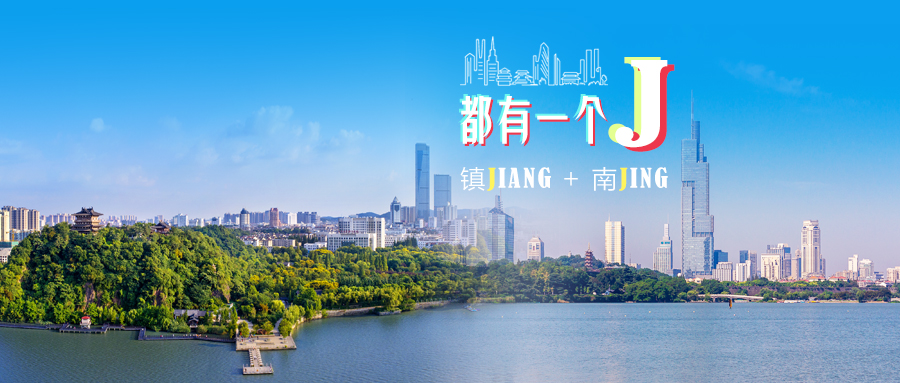
Core Viewpoint - The upcoming match between Nanjing and Zhenjiang teams transcends sports, symbolizing a warm dialogue between two geographically close cities with deep historical and cultural ties, as they move towards a "same city" narrative through integrated planning and transportation networks [3][8][10]. Geographical Connection - Nanjing and Zhenjiang are the closest cities in Jiangsu, with their proximity resulting from natural gifts and historical developments [3][7]. - Both cities share a rich cultural heritage, being historical cultural cities that have preserved the essence of the Six Dynasties culture [7][8]. Planning Integration - The G312 Industrial Innovation Corridor is a key component of the collaboration between Nanjing and Zhenjiang, aiming to create a "same city" development model through systematic planning [8][9]. - The spatial development framework includes a "one heart, two belts, multiple points" strategy to enhance regional cooperation and innovation [8]. Transportation Connectivity - The S6 Ningju Intercity Line, which opened in 2021, has significantly improved commuting between Nanjing and Zhenjiang, allowing for a seamless transition between the two cities [10][11]. - The transportation network includes multiple highways and railways, with the fastest high-speed trains taking only 20 minutes between the two cities, enhancing daily commuting options [12][13]. Economic and Social Integration - The improved transportation has facilitated the integration of commerce and tourism, with residents frequently traveling between the two cities for leisure and business [13][14]. - The ongoing integration efforts are expected to foster further cooperation in various fields, enhancing the relationship between Nanjing and Zhenjiang [14].
香港人反向代购热潮越来越火
3 6 Ke· 2025-08-12 04:15
Core Viewpoint - The trend of Hong Kong residents traveling to mainland China for shopping and the rise of reverse purchasing has become a significant commercial phenomenon, reflecting a deepening integration between Hong Kong and mainland cities [1][22]. Group 1: Hong Kong Residents' Consumption Trends - Hong Kong residents are increasingly traveling to mainland cities, particularly the Greater Bay Area, for shopping, with a notable preference for high-end products and services [2][3]. - The average spending of Hong Kong residents when they visit mainland China ranges from 300 to 500 HKD, with over 80% of their expenditures on lifestyle services such as health, beauty, and personal care [3][22]. - The phenomenon of reverse purchasing, where residents buy products from mainland China to sell back in Hong Kong, has gained traction, with some individuals reportedly earning substantial profits [5][6]. Group 2: Real Estate and Property Trends - Many Hong Kong residents are opting to purchase properties in mainland cities, particularly in Shenzhen, Guangzhou, and Zhuhai, due to the affordability compared to Hong Kong's real estate market [2][22]. - The average Hong Kong family would need to spend 14.4 years of income to buy a home, while properties in the Greater Bay Area are more accessible, often requiring only a down payment [2][22]. Group 3: Historical Context and Evolution - The current trend marks a significant shift from the previous era of Hong Kong goods being purchased by mainland consumers, highlighting a reversal in purchasing dynamics [15][22]. - The initial wave of purchasing from Hong Kong to mainland China began in the 1980s, with various consumer goods entering the mainland market, leading to a cultural exchange [8][9][15]. - The peak of the Hong Kong goods purchasing trend occurred around 2014, but recent years have seen a resurgence of Hong Kong residents shopping in mainland China [15][22]. Group 4: Business Integration and Market Dynamics - The integration of Hong Kong and mainland markets is evident, with numerous mainland brands establishing a presence in Hong Kong, enhancing competition and diversifying the retail landscape [16][19]. - Major e-commerce players like JD and Alibaba are increasingly focusing on the Hong Kong market, indicating a strategic shift towards localizing their operations [19][22]. - The collaboration between Hong Kong and mainland businesses is expected to grow, with initiatives like the cooperation memorandum between Hong Kong and Hainan aimed at expanding trade opportunities [21][22].

五年同城化进阶,从“四市协同”到万亿产业共同体的跨越
Mei Ri Jing Ji Xin Wen· 2025-08-09 01:34
Core Insights - The article highlights the progress and achievements of the Chengdu metropolitan area in promoting urban integration among Chengdu, Deyang, Meishan, and Ziyang over the past five years, transitioning from basic infrastructure connectivity to advanced industrial collaboration and regional synergy [1][4][15] Economic Growth - The economic output of the Chengdu metropolitan area is projected to increase from 2.24 trillion yuan in 2020 to 2.98 trillion yuan in 2024, with an average annual growth rate surpassing national and provincial levels [1] - The GDP contribution of the four cities to the province rose from 46% in 2020 to 48.5% in the first quarter of this year, with a target to exceed 3.3 trillion yuan by 2025 [1] Inter-City Collaboration - In 2024, the number of enterprises engaged in cross-city cooperation in the Chengdu metropolitan area reached 2,860, marking a 21.8% increase from 2023, significantly outpacing GDP growth in the region [2] - Numerous examples of successful inter-city collaborations include the joint development of hydrogen fuel cell buses and the establishment of a complete industrial chain for low-speed unmanned delivery vehicles [3][6] Innovation and Industry Development - The metropolitan area has seen the emergence of innovative collaboration models such as "R&D + manufacturing" and "headquarters + base," enhancing product iteration speed by 30% [6][7] - The Chengdu metropolitan area is home to over 13,000 high-tech enterprises as of 2024, nearly double the number in 2020, reflecting the impact of continuous innovation and collaboration [12] Infrastructure and Policy Support - The establishment of a five-level working mechanism and a comprehensive planning system has facilitated effective resource allocation and governance across the metropolitan area [12][13] - The "Tianfu Science and Technology Corridor" has become a hub for innovation, with significant investments in technology and infrastructure to support industrial growth [7][8] Future Outlook - The Chengdu metropolitan area is positioned to evolve from a phase of growth to one of enhancement by 2025, with ongoing innovations and collaborations expected to address future uncertainties [15]