
因材施教

Search documents
既有教无类,也因材施教(微观)
Ren Min Ri Bao· 2025-11-23 22:20
Group 1 - The core idea of the article is the implementation of "sunshine class division" in compulsory education to ensure every child starts on an equal footing, promoting fair distribution of educational resources [1][2][3] - Various regions in China, such as Liaoning, Anhui, and Chongqing, are adopting random grouping mechanisms to achieve equitable class distribution and alleviate parental anxiety regarding class quality [1][2] - The "sunshine class division" approach emphasizes the importance of transparency and public participation in the class assignment process, enhancing trust among parents and reducing educational anxiety [1][2] Group 2 - "Sunshine class division" aims to balance student distribution based on academic performance, gender, and ethnicity, preventing resource concentration in a few classes and avoiding student stratification [2] - Post-division, it is crucial to implement tailored educational strategies to cater to individual student needs, ensuring that all students, regardless of their initial performance, have opportunities for growth [2] - Schools are encouraged to provide diverse support mechanisms, such as after-school tutoring and personalized assistance, to foster an inclusive environment for all students [2] Group 3 - Education is recognized as a vital public good, with educational equity serving as a foundation for social fairness, necessitating strong institutional frameworks and effective policy implementation [3] - Recent reforms focus on enhancing educational quality and accessibility, addressing issues such as the needs of migrant workers' children and the digitalization of education resources [3] - The government aims to provide equitable and high-quality educational services, with significant achievements in free education and high enrollment rates in secondary education, contributing to the overall development of the education sector [3]
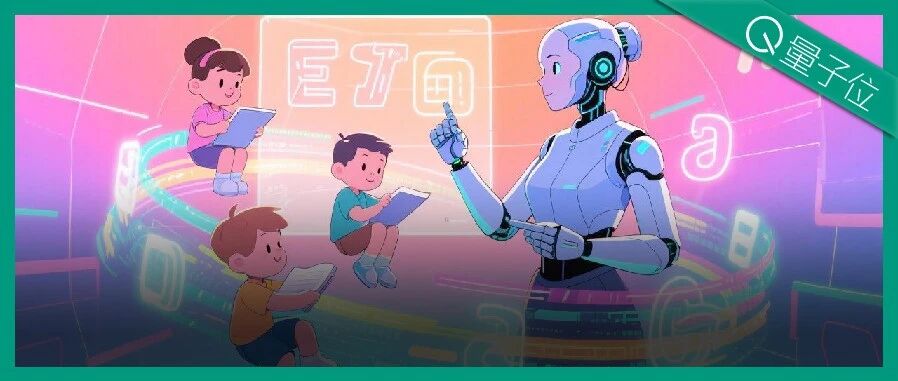
教育行业首个AI Agent落地!斑马口语「超人类外教」诞生
量子位· 2025-11-18 05:02
Core Viewpoint - The article discusses the emergence of AI in the education sector, particularly focusing on a new AI language tutor designed for children's English speaking practice, highlighting its personalized and engaging approach to learning [1][2][3]. Group 1: AI Tutor Features - The AI tutor is designed to be interactive and responsive, adapting topics based on children's interests and responses, rather than following a rigid script [6][7][10]. - It can recognize and address children's emotional states, providing encouragement and support, which enhances the learning experience [12][13]. - The AI tutor's quick response time is impressive, with feedback provided in as little as 1.5 seconds, and it can handle complex queries within 2.5 seconds [14]. Group 2: Learning Experience - The AI tutor allows children to engage in open-ended conversations, leading to a more natural learning environment where they can practice speaking without fear of judgment [31][32]. - The system is designed to remember children's preferences and learning history, creating a tailored learning experience that evolves over time [38][39]. - The AI tutor's ability to provide a consistent and high-quality learning experience is emphasized, as it is not affected by external factors like mood or fatigue [33][34]. Group 3: Cost and Accessibility - The cost of a 25-minute session with the AI tutor is significantly lower than that of a human tutor, priced at 37.5 yuan, which is 77% cheaper than a comparable session with a North American tutor [41]. - The convenience of accessing the AI tutor from home eliminates logistical challenges associated with traditional tutoring, making it easier for children to practice speaking [44]. Group 4: Educational Impact - The AI tutor represents a significant advancement in language learning, making quality education more accessible and personalized for children [86][97]. - The article argues that language learning is crucial for children's cognitive development and that AI can facilitate this process by providing tailored educational experiences [90][92]. - The introduction of AI tutors is seen as a transformative step in the education sector, potentially reshaping the roles of parents, teachers, and students in the learning ecosystem [98][99].

梦回杏坛:在曲阜与孔子的时空邂逅
Jing Ji Guan Cha Bao· 2025-10-31 03:33
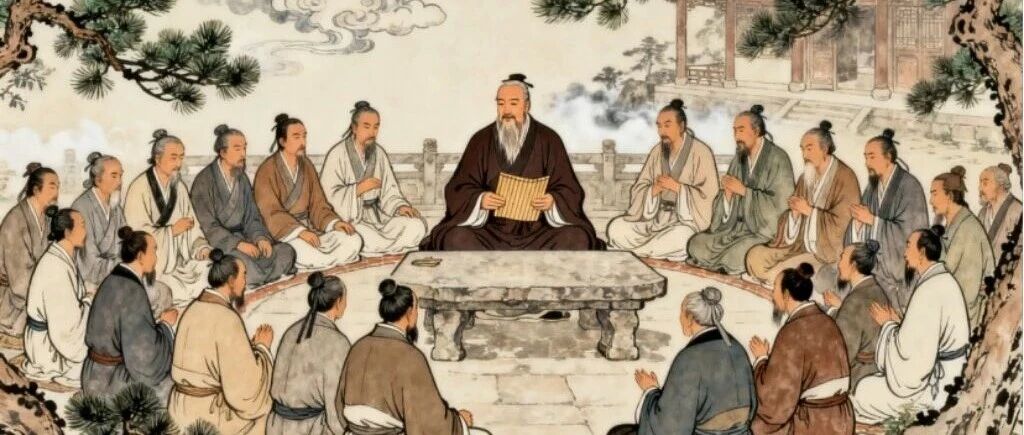
Core Viewpoint - The article explores the historical and cultural significance of Qufu, Shandong, as the birthplace of Confucius and a center of early Chinese civilization, highlighting the importance of the "Three Confucian Sites" (Kongfu, Kongmiao, and Konglin) in preserving Confucian heritage [1][2]. Group 1: Historical Significance - Qufu is recognized as one of the birthplaces of Chinese civilization, with human activities traced back hundreds of thousands of years [1]. - The "Three Confucian Sites" include Kongfu (the residence of Confucius's descendants), Kongmiao (the temple dedicated to Confucius), and Konglin (the cemetery for Confucius and his descendants), which have undergone destruction and reconstruction over 2,500 years [2][3]. Group 2: Cultural Heritage - The Kongmiao features significant architectural elements such as the Dacheng Hall, Xingtan, and Kuiwen Pavilion, reflecting the historical reverence for Confucius [2]. - The article describes a visit to the Kongmiao, emphasizing the vibrant atmosphere created by tourists and local vendors, reminiscent of historical scenes [3]. Group 3: Confucius's Teachings - Confucius's teachings emphasized the importance of moral character and education, advocating for the idea of "teaching without discrimination" [4][5]. - The article illustrates a scene where Confucius engages with his students, discussing the importance of internal feelings over extravagant funerals, showcasing his educational philosophy [6][7]. Group 4: Architectural and Urban Planning - The layout of Qufu's ancient city reflects strict adherence to Zhou Dynasty regulations, with a square shape covering approximately 10.45 square kilometers and featuring three city gates on each side [11]. - The article notes the presence of various ceremonial buildings and educational institutions, such as the Panchi, which played a crucial role in the cultural and educational landscape of the region [12]. Group 5: Decline of Ritual Culture - The article discusses the decline of the ritual culture during Confucius's time, highlighting the contrast between the preservation of architectural forms and the erosion of traditional values [15][16]. - Confucius's ideals, while not fully realized during his lifetime, later became foundational to Chinese governance and culture, illustrating the enduring impact of his teachings [17].
海亮科服:以科技赋能县域教育服务生态
Zhong Guo Jin Rong Xin Xi Wang· 2025-10-28 13:31
Core Viewpoint - Zhejiang province is focusing on high-quality development and building a common prosperity demonstration zone, with HaiLiang Education Technology Service Group leading the way in integrating private capital into social and regional development, particularly in education technology services [1] Group 1: Development Strategy - HaiLiang Education is transitioning from extensive scale expansion to intensive quality improvement in private education, emphasizing the mission of using technology and services to promote personalized education [2] - The company is committed to diversified schooling, creating various types of schools such as science and technology high schools, humanities high schools, and arts high schools to meet the individual growth needs of different student groups [2] Group 2: Talent Optimization - The optimization of talent resources is crucial for driving new educational productivity, with HaiLiang Education attracting top talents such as PhDs from prestigious universities and experienced teachers to ensure sustainable supply of quality educational resources [3] - The company has established an integrated training system from primary to high school, providing personalized training plans for gifted students through mechanisms like "Yunfeng Academy" [3] Group 3: Career Education - HaiLiang Education has developed an efficient collaborative mechanism that ensures teaching needs are directly communicated to R&D, resulting in rapid validation of product outcomes [4] - The "eCareer" platform, managed by HaiLiang's career technology division, offers a comprehensive solution for career planning, covering assessment, path planning, mentorship, and admission services for students at all educational levels [4][7] Group 4: Social Impact - The dual-driven model of HaiLiang Education demonstrates significant socio-economic value by enhancing the quality of public schools in rural areas while maintaining the public nature of these institutions [8] - The introduction of management teams and top teachers to partner county schools has effectively addressed issues such as teacher disengagement and student outflow, leading to substantial improvements in academic performance [8] Group 5: Broader Ecosystem - HaiLiang Education's ecosystem extends to life services, such as food supply management for local schools, which enhances food safety and upgrades local agricultural supply chains [9] - The company aims to explore feasible paths for private sector involvement in educational modernization and regional coordinated development, contributing to a vibrant "Zhejiang solution" in the education sector [9]
遇“鉴”东莞长安②:民生筑基,绘就城乡生活幸福图景
2 1 Shi Ji Jing Ji Bao Dao· 2025-10-16 12:36
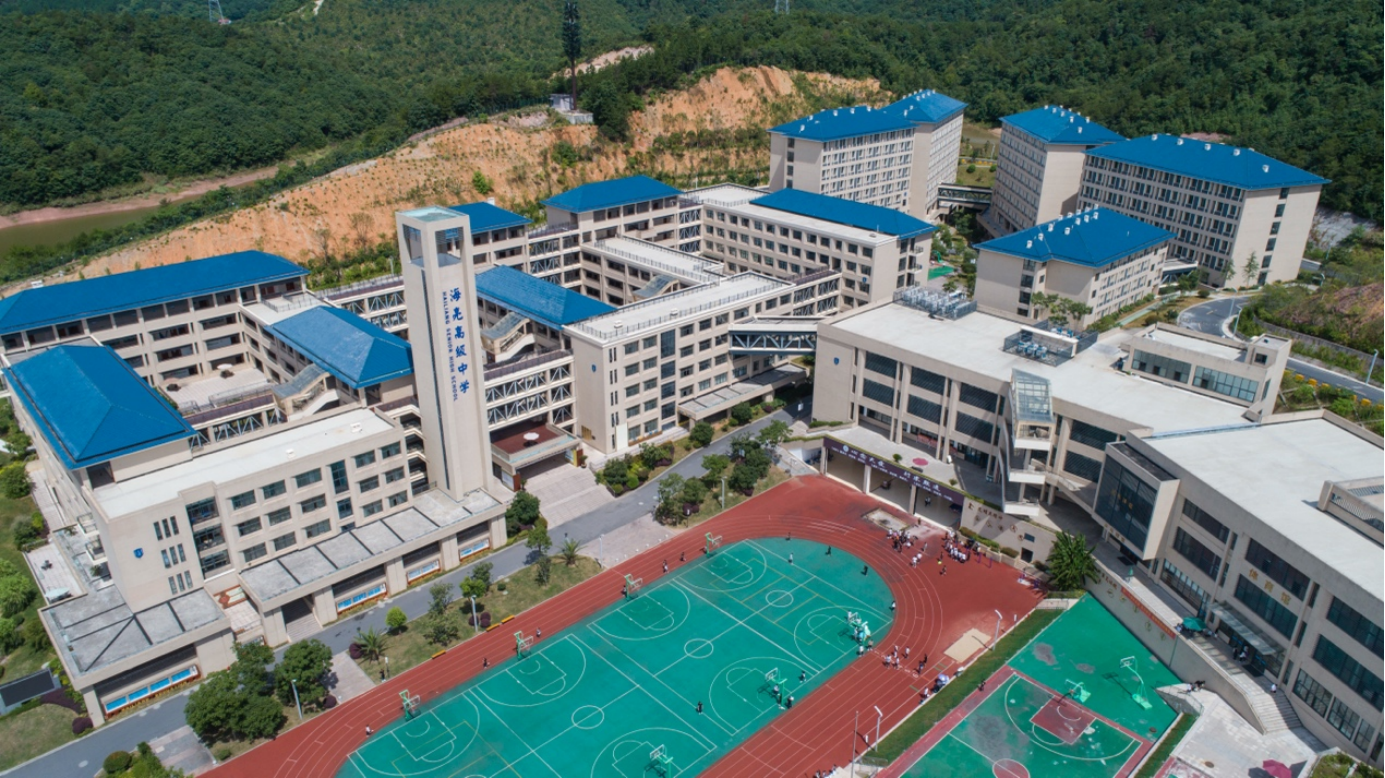
Group 1 - The event "Looking at Guangdong? Encountering the Beauty of Rural Areas" was held in Dongguan, focusing on the high-quality development of Chang'an Town, showcasing both manufacturing strength and public welfare initiatives [2] - A new public school, a collaboration between South China Normal University, Dongguan Education Bureau, and Chang'an Town Government, has been established with an investment of 1.2 billion yuan, providing approximately 4,050 public school places [3] Group 2 - The school features modern architecture and facilities, including spacious classrooms and a multifunctional hall, designed to support comprehensive student development [5] - The school adopts an innovative teaching model called "layered class + dynamic combination," allowing for personalized education based on students' characteristics [7] Group 3 - The remediation of the Maozhou River in Chang'an has transformed it from a heavily polluted state to a cleaner environment, achieving an average water quality level of Class III [9][10] - The improvement in water quality has led to increased rental prices in the area, reflecting enhanced living conditions and community satisfaction [10]
遇“鉴”东莞长安:民生筑基,绘就城乡生活幸福图景
2 1 Shi Ji Jing Ji Bao Dao· 2025-10-16 12:29
Core Insights - The event "Discover Guangdong, Encounter the Beauty of Rural Areas" was held in Dongguan, focusing on the high-quality development of the region, showcasing both manufacturing strength and public welfare initiatives [1] Education Sector - The Dongguan Chang'an School, a nine-year public school co-built by South China Normal University, Dongguan Education Bureau, and Chang'an Town, has an investment of 1.2 billion yuan and will provide approximately 4,050 public school places upon its opening in September 2024 [2] - The school features modern architecture with bright colors and is equipped with spacious classrooms, multifunctional halls, and an indoor gym, promoting a comprehensive development environment for students [2] - The school adopts an innovative "layered class + dynamic combination" teaching model, focusing on personalized education based on students' characteristics, and includes a sports program that emphasizes talent development in various athletic disciplines [3] Environmental Improvement - The remediation of the Maozhou River in Chang'an has transformed it from a heavily polluted state to achieving an average water quality of Class III, enhancing the living environment for residents [4] - The improvement in water quality has led to a significant increase in rental prices in the surrounding area, indicating a shift from a previously undesirable location to a preferred living and working environment [4] - The successful environmental governance has resulted in increased community satisfaction and engagement, reflecting the positive impact of ecological restoration on local quality of life [4]
AI时代,我们离孔子更近了
新华网财经· 2025-09-27 09:08
Core Viewpoint - The article emphasizes the integration of AI technology in education, particularly through the iFLYTEK AI Learning Machine, which aims to realize the ancient educational ideal of "teaching according to individual aptitude" proposed by Confucius [1][4]. Group 1: Educational Philosophy - Confucius advocated for personalized education, believing that every individual has unique talents and potential that should be nurtured [3][4]. - The concept of "teaching according to individual aptitude" is highlighted through examples from Confucius's teachings, showcasing the need for tailored educational approaches [3]. Group 2: AI in Education - The iFLYTEK AI Learning Machine S30 is designed to provide personalized and precise learning experiences, extending the classroom's individualized teaching methods into home environments [8][9]. - The AI Learning Machine creates a closed-loop learning system that assesses a child's learning level and customizes a learning plan based on their strengths and weaknesses [9][11]. - The product includes 124 AI-assisted tools, addressing common challenges faced by students and parents, such as slow academic progress and difficulties in tutoring [11]. Group 3: Market Position and Achievements - iFLYTEK's AI Learning Machine has maintained a leading market share in the high-end segment for four consecutive years and has achieved the highest sales in the industry this year [11]. - The user net promoter score (NPS) for the AI Learning Machine continues to lead the industry, indicating strong customer satisfaction and loyalty [11]. Group 4: Educational Innovation - The implementation of AI in classrooms allows teachers to understand each student's learning status clearly, enabling differentiated assignments and personalized learning strategies [5][8]. - AI technology facilitates real-time feedback and data analysis, helping educators adjust their teaching methods effectively [4][5]. Group 5: Promotional Activity - To commemorate Confucius's birthday, a promotional event is being held where six iFLYTEK AI Learning Machines S30 will be given away to participants who engage with the content [1][16].

作家送娃上作文班,你遇到同款育儿难题了吗?(有事说事)
Ren Min Ri Bao Hai Wai Ban· 2025-09-07 22:16
Core Viewpoint - The article discusses the challenges faced by parents, particularly those who are accomplished in their fields, when their children do not share the same interests or talents, highlighting the importance of respecting children's individuality and allowing them to explore their own paths [1][2][3]. Group 1: Parental Expectations and Children's Interests - The author, Ma Boyong, humorously shares his experience of sending his son to a writing class despite his son's lack of interest in reading and writing, resonating with many parents who face similar challenges [1]. - The notion that children of writers should naturally excel in writing is challenged, as many famous individuals' children do not inherit their parents' skills or interests [1][2]. - The article references historical figures, such as Lu Xun, who acknowledged that talent cannot be inherited and emphasized the importance of allowing children to pursue their own paths [2]. Group 2: Education Philosophy - Writing is portrayed as a skill that requires extensive reading, life experiences, and innate sensitivity, which cannot be simply passed down from parent to child [2]. - The article advocates for a parenting approach that respects children's unique growth patterns and interests, rather than imposing parental expectations on them [3]. - It emphasizes the importance of understanding and nurturing each child's individual potential, rather than trying to mold them into a reflection of their parents' aspirations [3].
琶洲“模术”秀专访:AI教育大模型不只答题,还能启发思考
Nan Fang Du Shi Bao· 2025-08-15 08:20
Core Viewpoint - The article highlights the advancements and applications of AI in education, particularly focusing on the "Xinghuo Classroom Analysis Model" developed by iFLYTEK, which aims to enhance teaching and research capabilities through AI technology [1][9]. Group 1: AI in Education - AI technology is increasingly being utilized in education, with successful cases emerging, such as the "Xinghuo Classroom Analysis Model" that focuses on teacher professional development and classroom teaching improvement [1]. - The "Xinghuo Classroom Analysis Model" has been officially registered as a generative AI service, marking a significant step in the application of AI in educational settings [1][11]. Group 2: Product Features and Innovations - The model emphasizes accuracy in knowledge responses, particularly in subjects like history and natural sciences, addressing the issue of AI providing incorrect information [5]. - It incorporates a multi-modal classroom analysis capability, capturing dynamic classroom interactions and providing actionable insights for teachers post-class [9]. - The model aims to facilitate personalized learning experiences, adapting responses based on the age and cognitive level of students, thus enhancing engagement and understanding [6][8]. Group 3: Implementation and Impact - The "Xinghuo Classroom Analysis Model" has been implemented in over 4,000 schools in Guangdong Province, demonstrating its scalability and effectiveness in real educational environments [11]. - Feedback from educators indicates that the AI tools have revitalized classroom interactions and improved student engagement, showcasing the human-like qualities of AI in educational settings [8][9]. - The model is evolving to focus on specific subject needs and teaching styles, aiming for a more tailored approach in educational AI applications [11].

让学生爱上我的课(师说)
Ren Min Ri Bao· 2025-08-09 22:11
Group 1 - The core strategy for engaging students in modern engineering microbiology courses is to adopt a student-centered approach, encouraging feedback and suggestions from students to improve teaching methods [1][2] - A significant issue identified is the lack of systematic connection between core life sciences courses and previously studied mathematics, physics, and computer science courses, which affects student interest [1] - The company has restructured the curriculum by creating an interdisciplinary knowledge map to address challenges such as insufficient application, lack of integration, and unclear personalized learning paths in microbiology courses [1] Group 2 - The development of an online learning multimodal "three comprehensive education" intelligent evaluation platform is aimed at accurately assessing learning outcomes and meeting personalized student needs [2] - The platform includes features for evaluating learning effectiveness throughout the course, predicting final grades, profiling learning abilities, assessing potential, and forecasting academic development, providing each student with a dynamic evaluation model [2] - While intelligent technology aids in teaching efficiency, it cannot replace the student-centered educational approach, which is maintained through deep communication with class representatives to understand student needs and optimize teaching dynamically [2]