
国际中文教育

Search documents
五百孔院惠八方
Ren Min Ri Bao Hai Wai Ban· 2025-11-26 23:09
Core Viewpoint - The Confucius Institute has evolved into a globally recognized platform for educational and cultural cooperation, significantly contributing to the international demand for Chinese language learning and cultural exchange [10][11]. Group 1: Development and Expansion - As of October 31, 2025, there will be 510 Confucius Institutes established in 164 countries and regions, with 16 new institutes and classrooms opened this year, injecting new vitality into the global network [8]. - The first Confucius Institute was established in Uzbekistan in 2004, marking the beginning of a global initiative that has grown significantly over the past 20 years [7]. Group 2: Cultural Exchange and Impact - Confucius Institutes serve as platforms for cultural exchange, showcasing Chinese culture while also introducing local cultures to China, thus promoting dialogue between different civilizations [10]. - Numerous stories of cultural exchange, such as ceramic painting classes in Austria and traditional music performances in Togo, highlight the dual cultural engagement facilitated by these institutes [10]. Group 3: Educational Innovations - The current trend in international Chinese education is shifting from purely language instruction to a dual focus on language education and skill development, with many institutes offering vocational training courses [12]. - Examples include "Chinese + Agriculture" programs that not only teach the language but also provide agricultural skills, contributing to local agricultural development [12][13]. Group 4: Future Directions - The establishment of a global alliance for agricultural-focused Confucius Institutes aims to enhance cooperation in agricultural technology and poverty alleviation [15]. - Future initiatives will focus on deepening local integration and addressing diverse educational needs, with an emphasis on creating tailored teaching content and cultural projects [15]. Group 5: Digital Transformation - The integration of digital technology in Chinese education is expanding opportunities, with interactive apps and AI-driven platforms enhancing the learning experience [16][17]. - The upcoming release of a comprehensive digital Chinese language curriculum reflects the commitment to modernizing educational resources and improving teaching quality [18].


国际中文教育南方论坛举行:中文教育的老问题,AI时代的新解法
2 1 Shi Ji Jing Ji Bao Dao· 2025-11-24 14:40
Core Insights - The article discusses the significance of international Chinese education in enhancing the influence of Chinese civilization and fostering cultural communication and cooperation [1][2] - The Fourth International Chinese Education Southern Forum was held on November 21-22, 2025, focusing on the development of international Chinese education and its alignment with national strategies [1][3] Group 1: Forum Overview - The Fourth International Chinese Education Southern Forum was organized by the International Chinese Education Southern Alliance and hosted by various educational institutions [1] - The forum serves as a key annual event for the Southern Alliance, aimed at strengthening the capabilities of international Chinese teachers [2] Group 2: Alliance Development - Since its establishment in 2022, the Southern Alliance has grown to include 58 member organizations, focusing on international Chinese education and cross-disciplinary collaboration [2] - The alliance aims to create a high-quality international Chinese education community through shared resources and cooperative efforts [2] Group 3: Forum Themes and Discussions - The forum's main theme was "Discipline Construction of International Chinese Education under the Background of a Strong Education Nation," addressing the current needs and future directions of the field [3][4] - Various academic reports were presented, covering topics such as the challenges and opportunities posed by artificial intelligence in language education and strategies for talent cultivation in the digital age [4]
新华鲜报丨中文“潮”!2025世界中文大会传递东方语言魅力
Xin Hua She· 2025-11-18 09:44
Core Insights - The 2025 World Chinese Conference held in Beijing from November 14 to 16 gathered around 5,000 participants from various countries and over 100 educational institutions and enterprises to explore the potential of Chinese language education in economic and social development [1] Group 1: International Interest in Chinese Language - Chinese has been incorporated into the national education systems of 86 countries, with over 200 million learners and users globally [2] - The "Chinese Bridge" series of competitions has attracted over 1.8 million young participants from more than 160 countries and regions [2] - The HSK (Chinese Proficiency Test) has established 1,477 test centers in 168 countries over 35 years, with the number of candidates expected to exceed 8.5 million this year, predominantly among young adults aged 19 to 45 [2] Group 2: Cultural Exchange and Educational Innovation - The conference highlighted the evolving content of Chinese language education, incorporating contemporary topics such as high-speed rail, QR codes, and e-commerce [4] - Various initiatives, such as agricultural training programs in Kenya and language models in Indonesia, demonstrate the practical applications of Chinese language skills in enhancing economic cooperation and development [4] - The Chinese government is expected to provide more high-quality international Chinese education resources, including digital tools like the International Chinese Education Knowledge Graph and HSK GO [5] Group 3: Global Collaboration and Technological Impact - The integration of artificial intelligence is transforming global education, reshaping language learning methodologies [5] - The conference showcased new tools that allow students to access a broader understanding of Chinese knowledge and culture [6] - The event emphasized the importance of learning Chinese as a means of fostering cultural exchange and mutual understanding among nations [6]
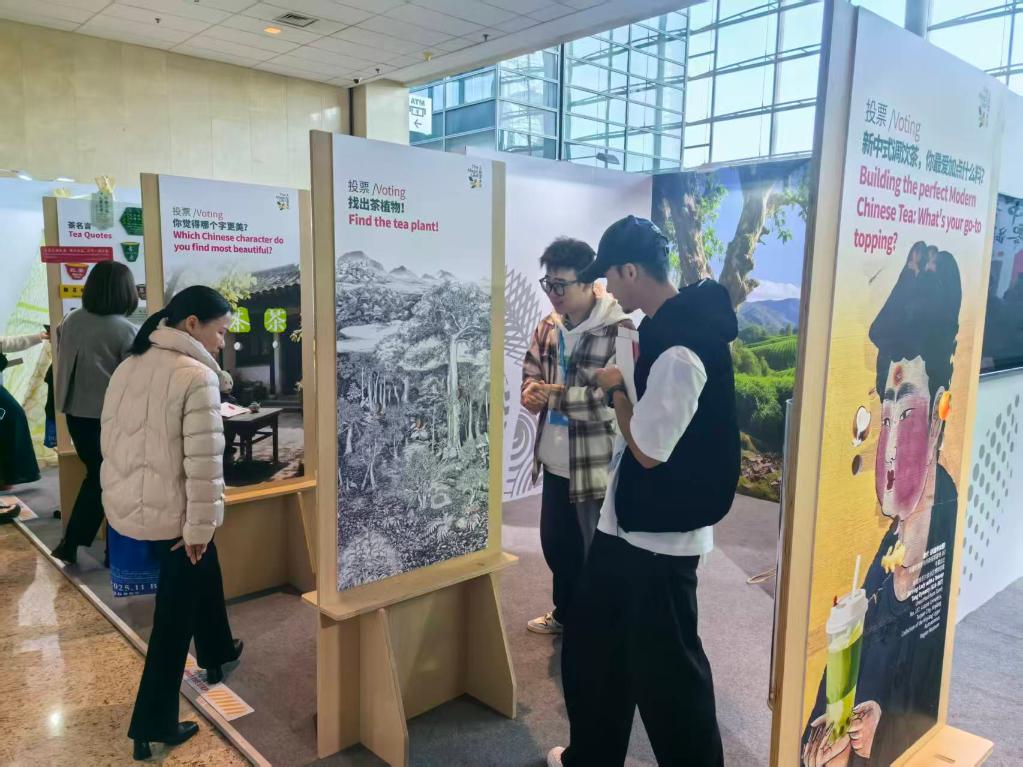
丁薛祥出席2025世界中文大会开幕式并发表主旨讲话
Xin Hua She· 2025-11-14 11:06
Core Viewpoint - The Chinese government emphasizes the importance of international Chinese education and aims to enhance language and cultural exchanges globally, as highlighted by Vice Premier Ding Xuexiang at the opening of the 2025 World Chinese Conference [1][2]. Group 1: International Chinese Education - The global Chinese education system has seen significant improvements, with increased social application value and enhanced cultural exchanges, making Chinese learning more accessible and popular among the international community [1]. - The demand for learning Chinese and understanding China is expected to continue growing, driven by China's commitment to high-quality development and high-level opening-up [2]. Group 2: Recommendations for Chinese Education - Four key suggestions were made to advance international Chinese education: 1. Innovate and adapt to the digital age by building smart campuses and classrooms, enhancing the sharing of digital resources for more efficient Chinese learning [2]. 2. Integrate international Chinese education with vocational and professional education to expand practical application scenarios [2]. 3. Foster friendly exchanges by encouraging partnerships between Chinese and foreign schools and facilitating study opportunities in China for Chinese learners [2]. 4. Promote openness and inclusivity by implementing global civilization initiatives and supporting the study of Chinese language and culture worldwide [2]. Group 3: Event Participation - Approximately 2,000 participants, including government officials, scholars, and representatives from international organizations, attended the opening ceremony of the 2025 World Chinese Conference, which focused on the theme "Innovation Leads, Digital Empowerment - Bringing Chinese Closer" [3].
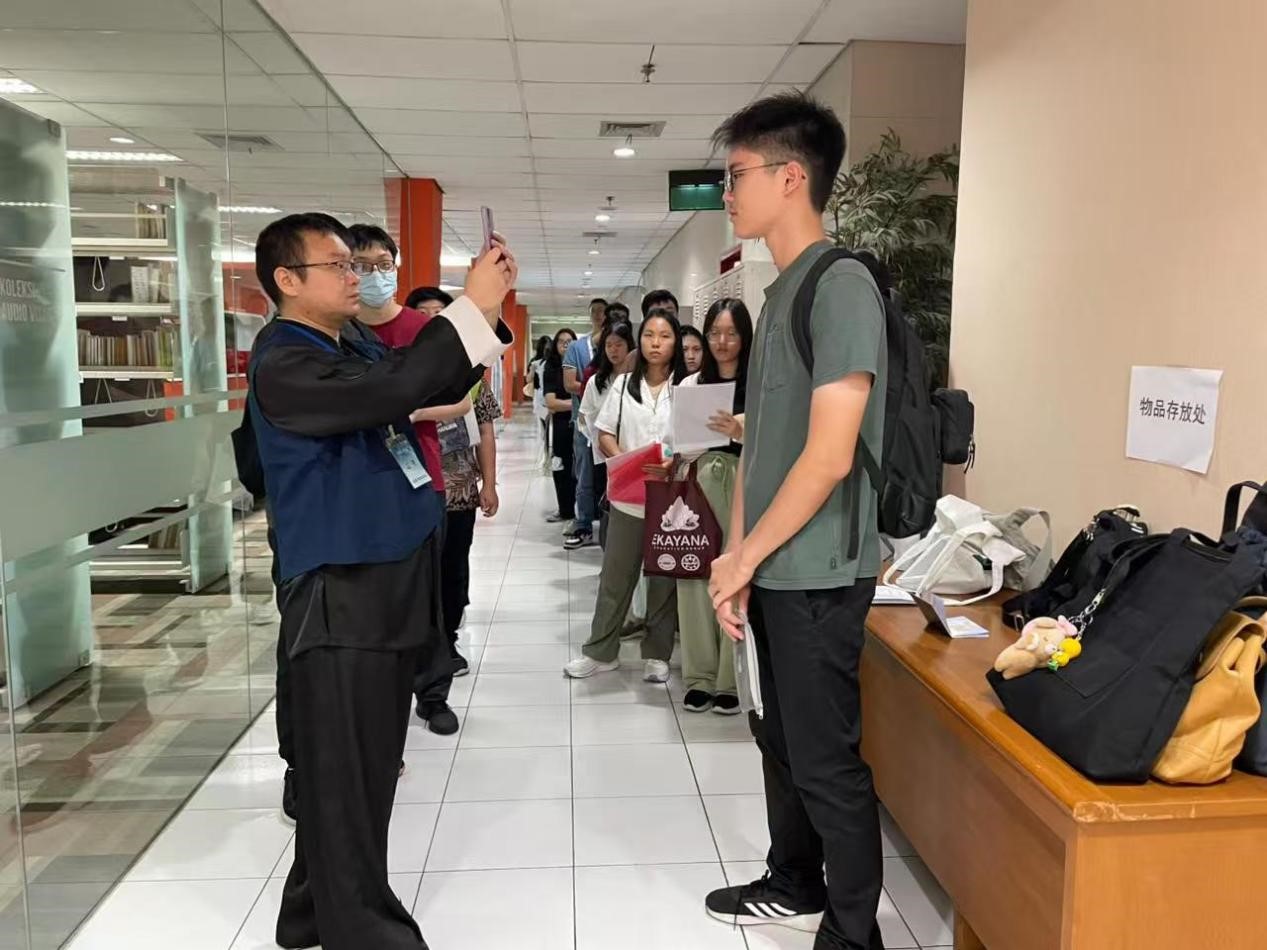
印尼国际中文水平考试(HSK)顺利举行
人民网-国际频道 原创稿· 2025-10-19 08:27
Core Points - The HSK exam in Indonesia was successfully held on October 18, marking a significant advancement in exam management through the implementation of facial recognition technology and online monitoring [1][3] - A total of 6,220 candidates from 15 provinces participated, reflecting the growing enthusiasm for Chinese language learning and the improvement of Chinese education in Indonesia [3][5] - The event signifies a deeper collaboration between China and Indonesia in the fields of education and culture, with HSK serving as a gateway for Indonesian youth to international opportunities [5] Group 1 - The HSK exam was organized by the Indonesian National Chinese Examination Committee, which includes the Ministry of Education and the Jakarta Chinese Education Coordination Agency [1] - The use of technology in the exam process ensures its standardization and integrity, showcasing a modern approach to educational assessments [1][3] - The event was attended by Chinese embassy officials, who encouraged candidates to enhance their language skills for future cultural exchanges [3][5] Group 2 - The Director of the Ministry of Education emphasized the importance of HSK as a measure of language proficiency and a pathway for youth to seize development opportunities [5] - The Jakarta Chinese Education Coordination Agency plans to strengthen cooperation with Chinese and local educational institutions to promote standardized and professional Chinese education [5] - The successful execution of the HSK exam highlights the achievements of Chinese education in Indonesia and supports the ongoing "Chinese fever" in the country [5]
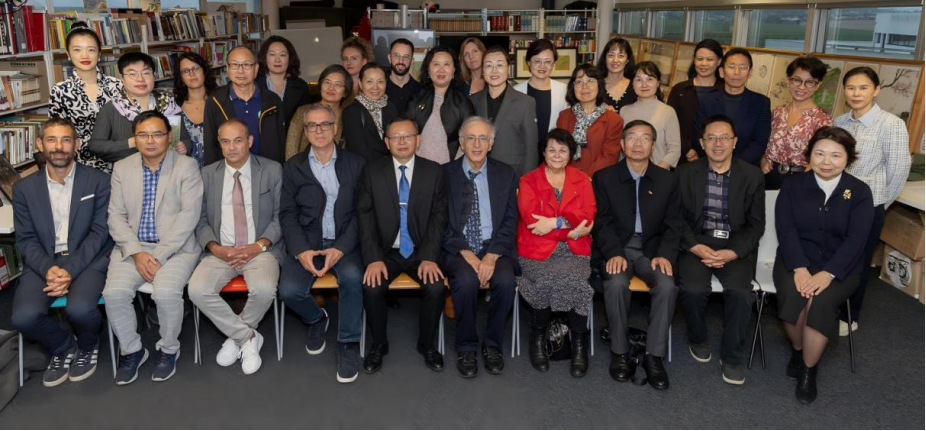
“孔子学院发展回顾与前瞻”学术研讨会暨欧洲法语区孔子学院2025年度院长会议在法国举办
人民网-国际频道 原创稿· 2025-10-10 03:49
Core Insights - The conference titled "Review and Prospects of Confucius Institute Development" was held in Poitiers, France, focusing on the history and future trends of Confucius Institutes in the Francophone region of Europe [1] - The event gathered over 40 representatives from 16 Confucius Institutes in France, Belgium, and Switzerland to discuss collaborative efforts and development strategies [1] Group 1: Conference Highlights - Zhao Lingshan, Secretary-General of the International Chinese Language Education Foundation, emphasized the need for regional cooperation to enhance the quality of Confucius Institutes and promote cultural exchange between China and Europe [4] - The Vice President of the Poitiers University highlighted the positive impact of Sino-French university cooperation on the development of Confucius Institutes over the past 20 years [4] - The conference included speeches from key figures such as the first Chinese language supervisor in France, who reviewed the history of Chinese language education in the country [5] Group 2: Academic Discussions - The conference featured discussions on internal governance and external cooperation, with participants agreeing that both are essential for the effective operation of Confucius Institutes [6] - A proposal to establish a Confucius Institute alliance in the Francophone region was discussed, aiming to enhance collaboration and resource sharing among institutes [6] - The conference concluded with a commitment to uphold the principles of openness, inclusivity, cooperation, and mutual benefit in promoting cultural exchange [6] Group 3: Celebratory Events - The conference coincided with the 20th anniversary of the Poitiers Confucius Institute, which included various celebratory activities such as academic lectures and cultural events [8]
人工智能时代国际中文教师的角色转型
Xin Hua Ri Bao· 2025-10-09 21:22
Core Insights - The article emphasizes the transformative impact of artificial intelligence on international Chinese education, marking a shift towards digitalization and intelligent teaching methodologies [1][8] - It highlights the need for international Chinese teachers to adapt to new roles, moving from traditional knowledge transmitters to facilitators of learning and cross-cultural communication [2][4] Group 1: Role Transformation of Teachers - Teachers are transitioning from "knowledge transmitters" to "intelligent teaching planners," requiring them to utilize AI feedback for precise teaching strategies [2] - The role of teachers is evolving from "classroom leaders" to "educational guides," as AI enables students to engage in self-directed learning [3] - Teachers must shift from being "single cultural transmitters" to "cross-cultural communication facilitators," ensuring cultural accuracy in AI-generated content [4] Group 2: Systematic Development and Standards - The Chinese government has prioritized international Chinese education, introducing various standards and frameworks to guide teacher professional development [5] - There is a need to enhance the existing standards system to address gaps in coverage and clarity, particularly by adding an "intelligent teaching capability module" [5] - Establishing a global certification system for intelligent teaching is crucial for enhancing China's influence in the international education landscape [5] Group 3: Teacher Training and Development - Higher education institutions should create a systematic and effective digital literacy enhancement framework for international Chinese teachers [6][7] - A multi-faceted training mechanism should be established, incorporating competitions and practical training to boost teachers' engagement and skills [7] - Personalized training paths should be developed to cater to the diverse needs of teachers from different backgrounds [7] Group 4: Educational Philosophy and Digital Integration - Educational institutions should integrate digital development trends with modern educational goals to deepen teachers' understanding of technological changes [8] - Creating a supportive teaching environment with advanced platforms and resources is essential for enhancing teachers' digital teaching capabilities [8] - The article advocates for a systematic approach to transforming teachers' roles, emphasizing collaboration at national, institutional, and individual levels to adapt to the intelligent era [8]
“为阿拉伯朋友了解中国打开一扇窗”(我在中外交流第一线)
Ren Min Ri Bao Hai Wai Ban· 2025-08-29 22:01
Core Viewpoint - The article highlights the significant role of Zhihui Palace International Cultural Communication Group in promoting cultural exchange between China and Arab countries through translation, publishing, and education initiatives. Group 1: Company Overview - Zhihui Palace was founded in 2011 by Zhang Shirong, initially focusing on translation services for Chinese and Arab businesses, and has since expanded its operations across 22 Arab countries and the Middle East [6][7]. - The company engages in various cultural activities, including book publishing, animation and film translation, and international Chinese education, aiming to facilitate understanding of Chinese culture among Arab audiences [6][8]. Group 2: Publishing and Translation Efforts - The company has successfully translated and published notable Chinese literary works, such as the science fiction novel "The Three-Body Problem," which took over three years to complete [7][8]. - The translation process involves collaboration with skilled translators and editors from both China and Arab countries, ensuring cultural nuances are preserved and adapted for local audiences [8][9]. Group 3: Media and Cultural Products - The Arabic version of the TV series "Mountain and Sea Love" has gained popularity across ten Arab countries, showcasing the story of local resilience and development in Ningxia [10][12]. - The translation team faced challenges in retaining local dialects and cultural references, ultimately achieving a successful adaptation that resonated with Arab viewers [11][12]. Group 4: International Chinese Education - Zhihui Palace has established international Chinese education programs in multiple Arab countries, including Saudi Arabia, Qatar, and Oman, with a significant increase in student interest in learning Chinese [13][14]. - The company has developed a localized K12 Chinese textbook system tailored for Arab students, incorporating gamified elements and AI technology to enhance the learning experience [14]. Group 5: Future Initiatives - The company aims to strengthen partnerships with Arab nations to produce works that reflect contemporary issues and interests, such as technology and green development [9][14]. - The ongoing cultural exchange efforts are expected to deepen mutual understanding and foster connections between Chinese and Arab cultures [13][14].
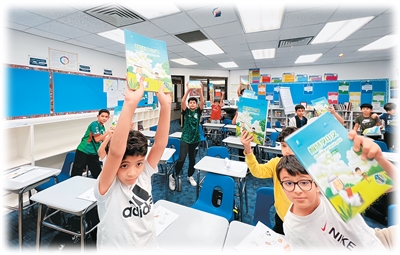
国际中文教育服务高质量共建“一带一路”
Xin Hua Ri Bao· 2025-08-27 22:03
Core Viewpoint - High-quality co-construction of the "Belt and Road" initiative requires language as a bridge, presenting new development opportunities for international Chinese education and new demands for its implementation [1] Group 1: Teacher Development - Emphasis on building a professional Chinese teacher workforce in Belt and Road countries is crucial, with local teachers having advantages in understanding local laws, education systems, and student needs [2] - A focus on cultivating local "seed teachers" through international education programs in China is recommended to enhance the local teaching capacity [2][3] Group 2: Curriculum Development - The quality of international Chinese textbooks must be improved by developing materials that are both country-specific and comprehensive, addressing the diverse needs of different nations [4] - The relationship between country-specific and general Chinese textbooks should be one of "one guideline, multiple texts," ensuring that materials are tailored to local contexts and educational standards [4][5] Group 3: Teaching Methodologies - Teaching methods should be diversified to meet the varying age groups and learning objectives of students in Belt and Road countries, with localized approaches being essential [6][7] - For younger learners, engaging methods such as games and stories should be employed, while adult learners may benefit from task-based and output-oriented teaching methods [7][8] Group 4: Professional Skills Training - The integration of "Chinese + vocational skills" education is in its early stages but should align closely with the economic development levels and industrial structures of partner countries [8] - Specialized Chinese courses in engineering, technology, and business negotiation should be prioritized in countries with strong infrastructure and energy cooperation, while tourism-related Chinese education should be emphasized in culturally rich nations [8]
“在中国,每天都有新的机会”(打开话匣)
Ren Min Ri Bao Hai Wai Ban· 2025-08-08 00:53
Core Insights - The article highlights the positive experiences of Thai international student Jiang Lina in China, emphasizing her enthusiasm for learning Chinese and the opportunities available for foreign students in the country [1][2][3] Group 1: Student Experience - Jiang Lina chose to study in Beijing at Beijing Foreign Studies University (BFSU) due to its reputation and the opportunities for international students [1] - She faced challenges in speaking Chinese upon arrival but actively sought to improve her language skills through real-life interactions and experiences [2] - Jiang Lina's internship at Hi Ni Hao Education Company involves promoting an AI Chinese language learning software, which reflects the growing demand for Chinese language education among Thai students [2] Group 2: Language Education Trends - Chinese has become the second most popular foreign language in Thailand, following English, with many Thai public and private schools offering Chinese courses [3] - Thailand has the highest number of participants in the HSK (Chinese Proficiency Test), indicating a strong interest in learning Chinese [3] - The Chinese government has sent 22 batches of international Chinese education volunteers to Thailand since 2003, contributing to the teaching of Chinese in numerous schools across the country [3]