大湾区建设

Search documents
广东省政协常委陆海:绘制“大湾区产业地图”,杜绝同质竞争
Nan Fang Du Shi Bao· 2026-01-28 06:43
Core Viewpoint - The global technology industry competition has evolved into a comprehensive contest of innovation ecosystems and urban clusters, with the Guangdong-Hong Kong-Macao Greater Bay Area being a crucial strategic force for China's technological self-reliance and global competitiveness [1] Group 1: Importance of Technological Innovation - The deep integration of technological innovation and industrial innovation is vital for the Greater Bay Area to become a world-class bay area and urban cluster, fostering new productive forces and solidifying the foundation for high-quality development [1] - Talent is identified as the primary resource for innovation, with a particular emphasis on the shortage of strategic scientists and top-tier technological talents [1] Group 2: Recommendations for Development - It is suggested that leading enterprises should establish basic research funds and explore new models of "application-driven basic research" to facilitate the initial link from basic research to industrial application [2] - Concentrating resources to cultivate international leading enterprises in fields such as large models, advanced computing power, artificial intelligence, and quantum information is recommended to create globally influential benchmark application scenarios [2] Group 3: Efficient Cross-Border Flow of Resources - The key to ensuring efficient cross-border flow of resources lies in collaboration and connectivity, with a proposal to create a "Bay Area Industrial Collaborative Development Map" to clarify industrial positioning and collaboration priorities among cities [3] - Suggestions include promoting soft connectivity of rules, achieving breakthroughs in areas such as research project management, intellectual property recognition, tax incentives, and talent evaluation standards [3] - Recommendations for optimizing collaborative decision-making mechanisms include delegating authority for clearly defined matters and simplifying approval processes to significantly enhance the efficiency of decision-making and implementation of major issues [3]
从29场发布会看广东“十四五”沉甸甸答卷
Nan Fang Ri Bao Wang Luo Ban· 2026-01-25 01:07
Core Viewpoint - The Guangdong Provincial Two Sessions of 2026 mark a significant moment as they summarize the achievements of the "14th Five-Year Plan" and set goals for the "15th Five-Year Plan," showcasing the province's development and future direction [1]. Group 1: Achievements of the "14th Five-Year Plan" - Guangdong's "14th Five-Year Plan" achievements are highlighted through 29 press conferences, showcasing the province's economic and social development [1][2]. - The province has made significant strides in high-quality development, with a focus on technology innovation, foreign trade, and regional coordination, leading to a continuous top ranking in national innovation capabilities for nine consecutive years [1][2]. - Guangdong's total import and export volume has exceeded 9 trillion yuan, maintaining its position as the national leader for 40 years [1][2]. Group 2: Economic Growth and Industrial Development - The "Shenzhen-Hong Kong-Guangzhou" innovation cluster has become the world's leading innovation hub, with significant advancements in high-end technology sectors such as AI and robotics [2]. - The province has established nine trillion-yuan industrial clusters, reinforcing its industrial backbone and leading the digital economy in China [2]. - Guangdong's GDP growth in 57 counties has outpaced the provincial average for two consecutive years, indicating robust regional economic development [2]. Group 3: Social Welfare and Quality of Life - The "Million Talents Gather in South Guangdong" initiative has successfully attracted 1.1 million talents, enhancing the province's human resources [3]. - Efforts in ecological construction have led to improved living conditions, with green spaces and cultural activities becoming more accessible to residents [3]. - The province aims to create a safe and just environment, striving to be one of the most stable and fair regions in China [3]. Group 4: Future Directions and Strategic Initiatives - The press conferences serve as a platform for showcasing Guangdong's development stories and achievements, emphasizing a commitment to continuous improvement and innovation [3][4]. - The province's economic scale has consistently surpassed 12 trillion, 13 trillion, and 14 trillion yuan, reflecting its leadership role in national development [3][4]. - Guangdong is positioned to tackle both opportunities and challenges in the "15th Five-Year Plan," emphasizing the need for innovation and resilience in the face of uncertainties [8][9].
用改革创新赋能广东发展
Jin Rong Shi Bao· 2026-01-22 02:17
2025年11月,习近平总书记在广东考察时强调,要深入学习宣传贯彻党的二十届四中全会精神,科学谋 划未来5年的目标、任务和举措,以全面深化改革开放推动高质量发展,久久为功推动粤港澳大湾区建 设。 中国信达锚定国家战略坐标,深度融入广东改革发展大局,将学习贯彻成效转化为推动高质量发展的强 大动能,在南粤大地书写金融报国、服务广东的崭新答卷。 深耕主责主业 筑牢金融安全屏障 金融安全是国家安全的重要组成部分,是经济社会平稳健康发展的重要基础。中国信达始终牢记金融央 企职责使命,聚焦不良资产主业,当好区域金融安全守护者,为广东经济高质量发展保驾护航。 中国信达广东分公司立足大湾区的区位优势,直面银行不良资产处置难题,以专业能力破解行业痛点。 近年来,累计收购金融不良资产包超100个,涉及债权本金超610亿元;其中,收购全国首单国有大行收 购反委托资产包及全国首单对公车贷资产包,为行业提供可复制的案例样本。在中小金融机构风险化解 领域,广东分公司累计收购超60批次资产,投入资金超100亿元。 中国信达深圳分公司奋力谱写中国特色社会主义先行示范区建设新篇章,在区域银行不良资产公开转让 市场精准发力,持续巩固行业领先地位 ...
广州成第三个消费外贸“双万亿”城市 今年GDP预期目标为增长5%左右
Nan Fang Ri Bao Wang Luo Ban· 2026-01-20 10:00
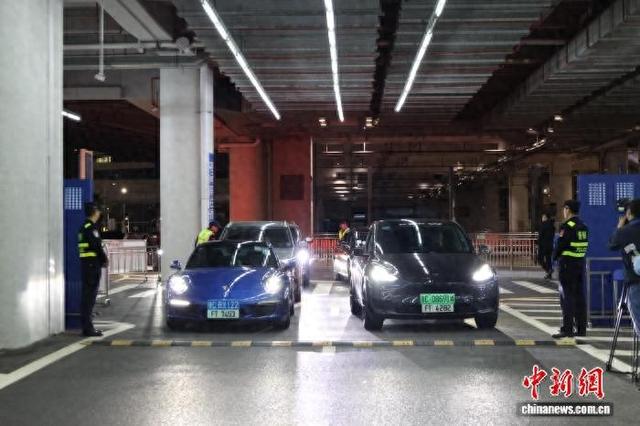
1月19日,广州市第十六届人民代表大会第六次会议开幕。会上,广州市政府工作报告总结了过去一年 广州的发展成就,并对今年的各领域工作划出重点。报告提到,广州已成为全国第三个消费、外贸"双 万亿"城市。 面向"十五五",广州如何跑好关键一程?报告提出了"十五五"时期发展目标和重点任务。 根据《广州市国民经济和社会发展第十五个五年规划纲要(草案)》(下称《草案》),到2030年,创 新、宜居、美丽、韧性、文明、智慧的现代化人民城市建设取得重要进展,"6+4"城市性质和核心功能 进一步强化,老城市新活力、"四个出新出彩"取得显著成效,高质量发展领头羊和火车头作用充分彰 显,基础设施、产业发展、科教人才新优势全面提升,引领型国家中心城市、开放型大湾区核心引擎、 高能级省会城市功能持续强化,经济实力、科技实力、城市综合竞争力和国际影响力跃上新台阶,人均 地区生产总值达到世界中等发达国家水平,率先基本实现社会主义现代化。《草案》还提出,广州将努 力在七个方面增创新优势、实现新突破,包括建设"12218"现代化产业体系、推动高水平科技自立自 强、以大湾区建设牵引改革开放、推动城市内涵式发展、提升城市文化综合实力、推进民生社会 ...
港澳民生改善交出亮丽成绩单
Ren Min Ri Bao Hai Wai Ban· 2026-01-19 22:45
Core Viewpoint - The Hong Kong and Macau governments are focusing on improving the livelihood of residents through various practical measures, enhancing their sense of security, happiness, and well-being. Group 1: Housing Improvements - Many residents, like Ms. Wu, have moved into simplified public housing, which offers a more comfortable living environment compared to previous cramped "subdivided flats" [1][2] - The monthly rent for a two-person unit in the simplified public housing is only 1,290 HKD, significantly reducing the financial burden compared to previous living conditions [2] - The Hong Kong government is rapidly constructing simplified public housing using standard designs and "modular construction" methods, with 13 projects across various districts [2] - Macau has also accelerated the supply of public housing, with over 57,000 units built to provide basic housing security for low- and middle-income residents [2] Group 2: Healthcare Enhancements - Macau has established a comprehensive health service system, providing free basic medical care and free medical services for residents aged 65 and above [2] - Hong Kong has opened its first traditional Chinese medicine hospital, offering more diverse healthcare options for residents [2] Group 3: Labor and Social Security Reforms - Starting May 1, 2025, Hong Kong will abolish the mandatory MPF offset mechanism, providing better protection for workers' rights, with over 33 billion HKD in subsidies for employers to adapt to this policy change [3] - In Macau, permanent residents aged 65 and above receive an average of over 6,200 MOP in cash benefits monthly from the government [3] Group 4: Youth Employment Initiatives - The Macau government has launched a program to support youth employment in the Greater Bay Area, offering monthly subsidies of 5,000 MOP for eligible graduates for up to 18 months [4] - Many elderly residents from Hong Kong are considering relocating to Greater Bay Area cities for retirement due to lower living costs, with one retiree noting that their retirement funds could last 60 years instead of 20 [4] Group 5: Economic Development and Welfare - Both Hong Kong and Macau are integrating into national development strategies to enhance livelihood improvements, with Hong Kong focusing on technology innovation and modern services to expand job opportunities [5][6] - The Hong Kong government plans to increase public housing construction to 189,000 units over the next five years, an 80% increase compared to previous levels [7] - Macau is also continuing its public housing construction, with 4,088 social housing units expected to be completed between 2026 and 2027 [8]

广州“十五五”时期将在七个方面增创新优势、实现新突破
Zhong Guo Xin Wen Wang· 2026-01-19 16:48
Group 1 - The core viewpoint of the report emphasizes the need for Guangzhou to innovate and achieve breakthroughs in seven key areas to enhance its economic and social development during the "14th Five-Year Plan" period [1][2][3] Group 2 - The first area focuses on building a modern industrial system, particularly in artificial intelligence, marine industries, and biomedicine, to optimize industrial ecology and promote cluster development [1] - The second area aims at promoting high-level technological self-reliance by integrating education, technology, and talent development, enhancing original innovation, and improving the efficiency of the regional innovation system [1] - The third area highlights the importance of the Greater Bay Area in driving reforms, enhancing the business environment, and facilitating comprehensive cooperation among Guangdong, Hong Kong, and Macau [2] - The fourth area emphasizes urban development through coordinated land and sea planning, urban renewal, and the creation of a smart city with global competitiveness [2] - The fifth area focuses on enhancing cultural strength by promoting socialist core values, preserving local cultural heritage, and fostering cultural exchanges [3] - The sixth area addresses social development by advancing rural revitalization, improving public services, and promoting high-quality population development [3] - The seventh area involves constructing a new security framework to enhance urban safety and governance [3]
广州南沙八大领域惠企政策包持续落地见效
Zheng Quan Shi Bao Wang· 2026-01-14 03:31
Core Viewpoint - Guangzhou's Nansha District has introduced a series of measures to stimulate economic growth and investment at the beginning of 2026, focusing on enhancing investment vitality, supporting small and micro enterprises, and optimizing financial services for businesses [1] Tax Incentives - Nansha has implemented three regional tax incentive policies since January 1, 2022, including a reduced corporate income tax rate of 15% for eligible industries, extended loss carryforward for high-tech enterprises up to 13 years, and tax exemptions for Hong Kong and Macau residents exceeding local tax burdens [1][2] Business Growth and Market Dynamics - By November 2025, 60 enterprises benefited from the 15% corporate income tax incentive, resulting in a total tax reduction of over 2.1 billion yuan, with new enterprises contributing over 1.9 billion yuan in taxes and generating over 50 billion yuan in revenue [2] - Nansha's market entities exceeded 380,000 by the end of 2025, with nearly 5,000 new Hong Kong and Macau enterprises established in three years, indicating a growing talent aggregation effect [2] Land Supply and Cost Reduction - Nansha has reformed its land supply system to match land resources with enterprise needs, implementing a model that provides various types of industrial space and reducing land costs by over 1.9 billion yuan through flexible land transfer periods [2][3] Financial Support - The Nansha Technology Innovation Fund has approved 49 sub-funds, leveraging over 18 billion yuan in total scale and investing approximately 1.468 billion yuan in 74 projects, recognized as one of the top county-level government guidance funds in China [3] Market Access and Regulatory Reforms - In 2023, Nansha began exploring regulatory reforms in biomedicine and intelligent unmanned systems, allowing clinical applications of restricted cell transplantation technologies [4] - Nansha has established itself as a pioneer in cell and gene therapy, successfully conducting the first clinical application of thalassemia treatment in June 2025 [4] Research and Development Support - Nansha allocates up to 100 million yuan annually for R&D subsidies, rewarding enterprises that increase R&D spending with up to 3 million yuan based on their expenditures [4] Customs and Logistics Improvements - The implementation of a "seven-day exemption" for customs procedures significantly reduced the number of required steps from 42 to 1, enhancing shipping efficiency and supporting the Greater Bay Area's logistics [5] Approval and Service Efficiency - Nansha has streamlined its approval processes, achieving significant reductions in project initiation times, with some projects starting construction within 128 days of negotiation [6] - The introduction of a comprehensive inspection system has reduced the frequency of enterprise inspections by 70%, minimizing disruptions to business operations [6]
江门今年力争引进600个亿元以上产业项目
Nan Fang Ri Bao Wang Luo Ban· 2026-01-13 09:06
Group 1 - The core message of the meeting is to innovate strategies for attracting investment and promoting development in Jiangmen, aiming to introduce over 600 industrial projects with investments exceeding 200 billion yuan in 2023, with over 70% in manufacturing [1] - Jiangmen plans to enhance its participation in the Greater Bay Area by 2026, focusing on collaboration with Hong Kong and Macau in sectors such as marine economy, health, energy conservation, and cultural tourism [1] - The city aims to establish a modern industrial system targeting a trillion-yuan industrial economy, emphasizing smart, green, and integrated development across eight key industrial clusters [1] Group 2 - To strengthen industrial platform capacity, Jiangmen will invest over 10 billion yuan in infrastructure and develop a batch of mature industrial land, enhancing the efficiency of its high-tech zone and seven provincial industrial parks [2]
登上央视跨年晚会,这个口岸凭什么?
Xin Lang Cai Jing· 2026-01-02 04:04
Core Viewpoint - Shenzhen Bay Port has emerged as a significant hub for cross-border travel and trade, showcasing its capabilities and efficiency, particularly highlighted during the New Year's Eve celebrations on CCTV [1]. Group 1: Location and Infrastructure - Shenzhen Bay Port is the first port in the country to implement "one place, two inspections" [4]. - The port is strategically located near major transport links, including the Yanjiang Expressway, Shenzhen-Zhongshan Channel, and Hong Kong International Airport, enhancing its connectivity [5]. Group 2: Traffic and Growth - The port has surpassed 50 million passenger trips, marking a 27.7% year-on-year increase, achieving a historical high since its opening 18 years ago [6]. - In the same year, the port set new records for daily entry and exit passenger flow nine times and for vehicle flow ten times, with a peak of 204,000 passengers and 23,000 vehicles in a single day [8]. Group 3: Technological Advancements - The increase in passenger and vehicle flow has been accompanied by improved customs efficiency, supported by advanced technology [10]. - Shenzhen Bay Port is among the first to pilot intelligent fast-track channels for border inspection, with over 12 million users experiencing facial recognition customs clearance [12]. Group 4: Event Support and Innovations - The port utilized innovative inspection methods, including mobile inspection terminals and new equipment, to ensure smooth customs processes during high-traffic events, such as the first cross-border marathon in November 2025 [13]. - The port's night-time traffic has shifted from short-term spikes to sustained growth, with a nearly 30% increase since June 2025 [15]. Group 5: Future Outlook - The port aims to continue enhancing the customs environment and service quality, contributing to the integration and development of the Greater Bay Area [16].
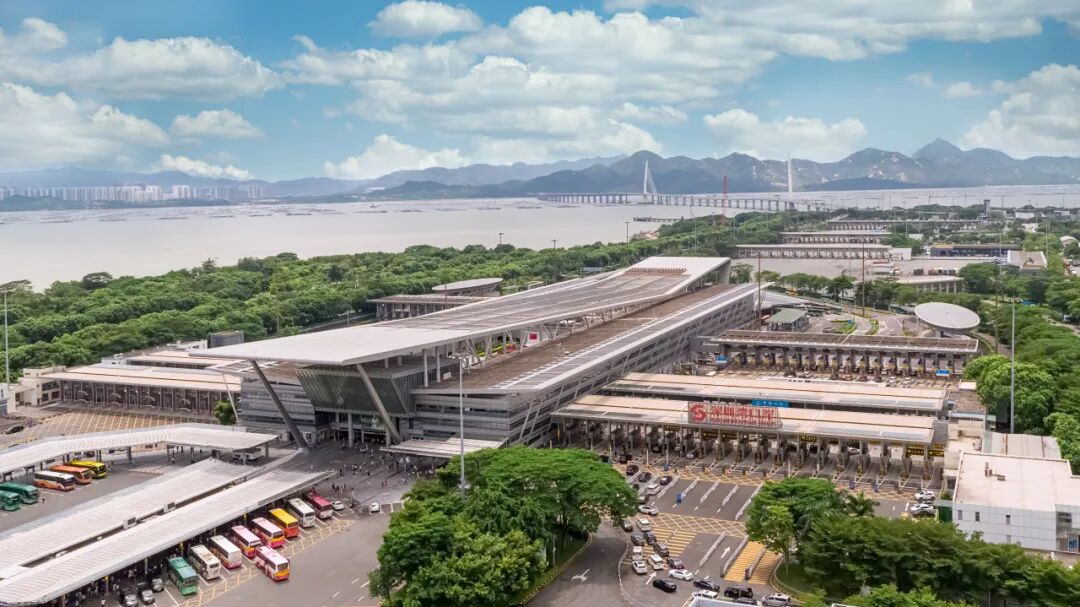
(年终特稿)“硬联通”叠加“软联通” 香港参与大湾区建设向“心”而行
Zhong Guo Xin Wen Wang· 2025-12-26 14:37
Core Viewpoint - The article highlights the progress of Hong Kong's participation in the Greater Bay Area (GBA) development through both "hard connectivity" and "soft connectivity" initiatives, emphasizing the importance of these developments in enhancing cross-border collaboration and integration within the region [1][3]. Group 1: Hard Connectivity - The "Yue Car Southbound" initiative has officially been implemented, allowing vehicles from Guangdong to enter Hong Kong, marking a significant step in GBA connectivity [3]. - The opening of the Hong Kong section of the He Tao Shenzhen-Hong Kong Innovation and Technology Cooperation Zone has been a milestone, with an occupancy rate of approximately 80% in its two wet laboratory buildings, attracting over 60 top enterprises and institutions [3][5]. - The commencement of the cross-river bridge project connecting the Shenzhen-Hong Kong park is expected to facilitate efficient cross-border flow of innovation and technology resources [3][5]. Group 2: Soft Connectivity - The expansion of "Hong Kong Capital and Law" measures from Qianhai to cover all of Shenzhen and Zhuhai, along with the extension of "Hong Kong Capital Arbitration" measures to include all nine cities in the GBA, represents a significant move towards regulatory integration [5]. - These measures are seen as a fusion and complement of the two legal systems under "One Country, Two Systems," providing institutional support for industrial integration in the GBA [5]. - The successful hosting of the 15th National Games, which included cross-border events, has strengthened emotional connections among residents of the three regions [5][7].