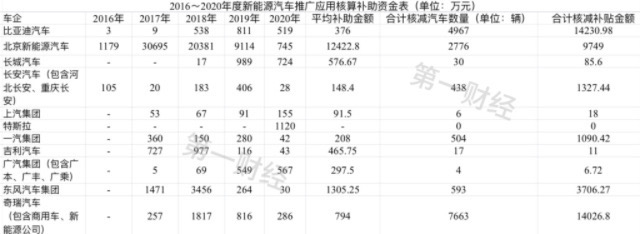
新能源汽车补贴政策

Search documents
长达十余年的购置税免征要退坡了,几家欢喜几家忧?
3 6 Ke· 2025-11-11 03:16
Core Insights - The article discusses the impending end of the vehicle purchase tax exemption for new energy vehicles (NEVs) in China, which has been in place for over a decade, and highlights the strategies adopted by various automakers to cope with this change [1][10][11]. Summary by Sections Purchase Tax Policy Changes - The exemption on vehicle purchase tax for NEVs will end by the end of 2025, with a new policy starting in 2026 that will halve the tax, allowing a maximum deduction of 15,000 yuan per vehicle [5][10]. - The current exemption allows for a maximum tax exemption of 30,000 yuan per vehicle, which will be reduced to 15,000 yuan starting next year [5][10]. Automaker Strategies - Automakers like Li Auto and Xiaomi are implementing sales strategies to encourage purchases before the tax exemption ends, including tax reimbursement policies for orders placed before the deadline [1][10]. - Many car manufacturers are launching new models in the second half of the year to boost sales, while some are offering subsidy guarantees for certain models to attract consumers [10][11]. Market Dynamics - The tightening of NEV incentives is leading to a shift in consumer behavior, with many potential buyers moving from a wait-and-see approach to making actual purchases [10][11]. - The overall market for NEVs has seen significant growth, with over 8.3 million applications for vehicle trade-ins this year, indicating a strong consumer interest in upgrading to new vehicles [11]. Impact of Subsidy Reductions - The reduction of subsidies and the tightening of policies are expected to impact the sales dynamics of different brands, with high-end brands like Li Auto and NIO seeing increased consumer inquiries, while mass-market brands like BYD are not experiencing the same urgency [15][16]. - The new regulations will also impose stricter requirements on the electric range of plug-in hybrid vehicles, potentially affecting around 40% of these models' eligibility for subsidies [16][17]. Industry Maturity - The article suggests that the NEV industry in China is transitioning from a policy-driven growth model to a market-driven one, emphasizing the need for automakers to focus on product quality, cost control, and market adaptability [17].



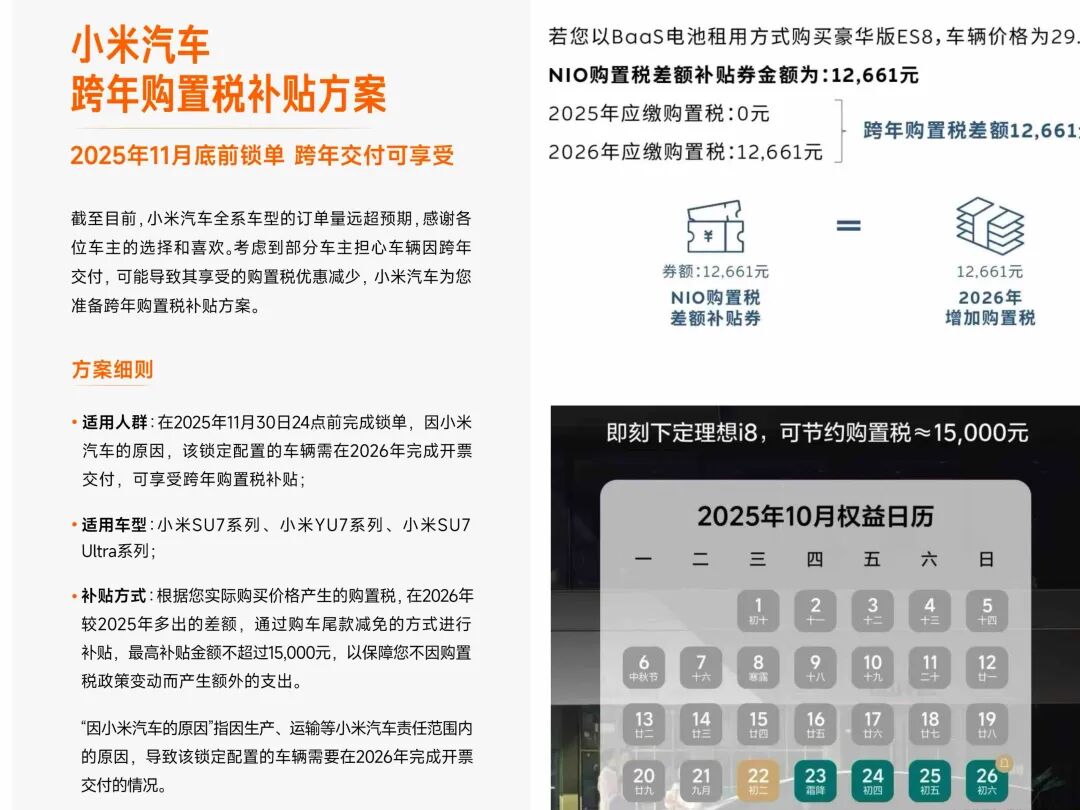
情绪驱动尤在上方空间,不宜过度乐观
Tong Guan Jin Yuan Qi Huo· 2025-10-27 01:47
Group 1: Report Investment Rating - No information provided Group 2: Core Views - Last week, the fundamental improvement drove the spread of bullish sentiment, and lithium carbonate prices showed a strong upward trend. Terminal demand was hot due to the reduction of purchase tax incentives in 2026, while supply only had a small increase due to tight mica ore, leading to a decline in total lithium carbonate inventory. The widening of the C - structure of near - month contracts and the market's bet on the non - resumption of production of Zhenxiawo lithium mine also drove the price to break through and rise [4]. - In the short term, bullish sentiment may still push the price up, but the upside space is limited. The pressure on national subsidy funds is increasing, and the consumption boom driven by the reduction of purchase tax incentives in 2026 may face a cooling risk. The market has already priced in the supply gap caused by the shutdown of 8 lithium mines in Jiangxi in mid - August, and currently only Ningde Times' Zhenxiawo mine has not resumed production, so the upside space is expected to be limited [4][11]. Group 3: Summary by Directory 1. Market Data - From October 17th to October 24th, 2025, the prices of imported lithium raw ore (1.3% - 2.2%), imported lithium concentrate (5.5% - 6%), and domestic lithium concentrate (5.5% - 6%) increased, with changes of +4.58%, +5.33%, and +5.33% respectively. The battery - grade lithium carbonate spot price and the main contract price also rose by 4.94% and 4.81% respectively. The prices of cobalt - acid lithium, ternary materials (811 and 622) increased, while the price of phosphoric acid iron lithium remained unchanged and the exchange rate of the US dollar against the RMB slightly decreased by 0.05%. The total lithium carbonate inventory remained unchanged [5]. 2. Market Analysis and Outlook Last Week's Market Analysis - **Regulatory and Delivery**: As of October 24, 2025, the total warehouse receipt scale of the Guangzhou Futures Exchange was 28,699 lots, with the latest matching transaction price of 73,480 yuan/ton. The position scale of the main contract 2601 was 431,100 lots [7]. - **Supply Side**: As of October 24, the weekly output of lithium carbonate was 23,170 tons, an increase of 405 tons from the previous period. The import of lithium spodumene increased significantly, but the production increase of spodumene - to - lithium factories needed a further increase in lithium prices. Mica - to - lithium production faced a shortage of raw materials due to the shutdown of Zhenxiawo mine. Short - term supply remained high but was difficult to increase significantly [7]. - **Lithium Salt Import**: In September, the import volume of lithium carbonate was 19,597 tons, a month - on - month decrease of 10.3% and a year - on - year increase of 20%. The import volume from Chile decreased by 22.5% year - on - year, accounting for about 55.2%, and the import volume from Argentina increased by 242.9% year - on - year, accounting for about 35.5% [7]. - **Lithium Ore Import**: In September, the total import of lithium ore was about 711,000 tons, a month - on - month increase of 14.8%. The import from Australia increased by 64.1% month - on - month, the import from Zimbabwe decreased by 7.8% month - on - month, and the import from Nigeria increased by 14.4% month - on - month. The import from South Africa increased significantly [7]. - **Demand Side** - **Downstream Cathode Materials**: As of October 24, the production of phosphoric acid iron lithium was about 83,503 tons, with an operating rate of 73.49% (an increase of 5.6 percentage points from the previous period) and a decrease in inventory by 2,000 tons. The production of ternary materials was about 19,084 tons, with an operating rate of 49.94% (an increase of 0.34 percentage points from the previous period) and a decrease in inventory by 150 tons. The prices of ternary materials and phosphoric acid iron lithium increased [8]. - **New Energy Vehicles**: From October 1st to 19th, the retail sales of new energy vehicles in the national passenger car market were 632,000, a year - on - year increase of 5% and a month - on - month increase of 2%. The penetration rate was 56.1%. The consumption boom driven by the reduction of purchase tax incentives in 2026 may face a cooling risk due to the shortage of subsidy funds [9]. - **Inventory**: As of October 24, the total lithium carbonate inventory decreased by about 1,044 tons from the previous period. Factory inventory decreased by about 1,040 tons, market inventory decreased by about 13,194 tons, and exchange inventory decreased by 1,987 lots [10]. This Week's Outlook - Short - term bullish sentiment may still push the price up, but the upside space is limited because of the increasing pressure on national subsidy funds and the market's previous pricing of the supply gap [11]. 3. Industry News - Kodal's Bougouni project in Mali shipped its first batch of 30,000 tons of lithium concentrate on October 20, which will be transported to Hainan Yangpu Port to provide raw materials for Hainan Mining's lithium salt processing project [12]. - In Q3 2025, EVE Energy achieved both volume and profit growth. Its revenue was 16.832 billion yuan, a year - on - year increase of 35.85%, and its net profit was 1.211 billion yuan, a year - on - year increase of 15.13% [12]. - Pilgangoora produced 224,800 tons of lithium concentrate in Q3 2025, a 1.6% increase from the previous quarter, and sold 214,000 tons, a 0.9% decrease from the previous quarter. Its FOB operating cost decreased by 12.8% quarter - on - quarter, but it is expected to face cost - rising pressure in the remaining time of this fiscal year [12]. 4. Related Charts - The report provides charts on lithium carbonate futures prices, battery - grade lithium hydroxide prices, import lithium concentrate prices, lithium carbonate production, etc. [14][16][18][21][23][25]
工信部发布新能源汽车补助公示,新能源5年补贴比亚迪仅分到1%
Di Yi Cai Jing· 2025-08-18 13:21
Group 1 - The Ministry of Industry and Information Technology (MIIT) has released a public notice regarding the subsidy funds for new energy vehicles (NEVs) for the years 2016-2020 and the pre-allocation for 2021-2022, highlighting the rapid development of the NEV industry in China supported by subsidy policies [1] - From 2016 to 2020, the MIIT issued a total of 1.65 billion yuan in subsidies, with Beijing New Energy Vehicles receiving approximately 55.555 million yuan, accounting for over 30% of the total subsidies, averaging 111 million yuan per year [1] - BYD received a total subsidy of 15.74 million yuan, which is less than 1% of the total, averaging 3.148 million yuan per year, indicating a significant disparity in subsidy distribution among different companies in the NEV sector [1]
政策精准发力,赋能新能源汽车产业
Zhong Guo Zheng Quan Bao· 2025-08-18 09:01
Core Insights - The dependency of new energy vehicle (NEV) companies on subsidies is gradually decreasing as the industry matures and subsidy policies are being refined [1][4][5] Group 1: Subsidy Overview - The total amount of subsidies for NEV promotion from 2016 to 2020 reached 1.654 billion yuan, with a pre-allocation of 168 million yuan for 2021-2022, significantly lower than the peak amounts of 917 million yuan in 2017 and 405 million yuan in 2018 [1][2] - The 2021-2022 subsidy allocations involved 19 companies across 10 provinces, with Shaanxi province receiving the highest amount of 37.91 million yuan, followed by Shenzhen at 35.56 million yuan and Shanghai at 35.18 million yuan [2] Group 2: Company-Specific Subsidy Data - BYD emerged as the largest beneficiary of subsidies, receiving 37.91 million yuan and 35.56 million yuan for its operations in Shaanxi and Shenzhen respectively, while Tesla (Shanghai) received 30.15 million yuan [2] - New energy vehicle startup Leap Motor received only 2.76 million yuan, indicating that traditional automakers dominate the subsidy distribution [2] Group 3: Compliance and Issues - Common reasons for failing to pass subsidy clearance include non-compliance with documentation requirements and incorrect vehicle registration information, with Chery Auto facing a higher than average deduction rate [3] - Chery Auto clarified that its deductions were part of the normal process and not due to any fraudulent behavior [3] Group 4: Industry Maturity - From 2016 to 2020, a total of 75,814 NEVs were reported, with 54,089 approved, leading to a deduction of 21,725 vehicles and a total subsidy claim of approximately 2.93 billion yuan [4] - The industry has shown a significant reduction in reliance on subsidies, with NEV sales reaching 6.968 million units in the first half of 2025, accounting for 44.3% of total new car sales, reflecting a shift towards market-driven growth [4] Group 5: Policy Evolution - The subsidy policy has evolved from simple purchase incentives to a comprehensive strategy linking technical standards, infrastructure support, and global competitiveness [5] - By 2025, the subsidy for vehicles priced below 150,000 yuan will be reduced to 7%, indicating a strategic shift towards empowering the entire industry chain rather than just consumer incentives [5]

工信部公示新能源汽车补助清算结果,行业“造血”能力已初步具备
Zheng Quan Shi Bao Wang· 2025-08-18 06:30
Core Insights - The new energy vehicle (NEV) industry has transitioned from being policy-driven to market-driven, indicating an initial capability for self-sustainability [1][3] - The total subsidy amount for NEV promotion from 2016 to 2020 reached 1.654 billion, with a significant reduction in subsidies for 2021-2022 to 168 million compared to peak years [1] - BYD emerged as the largest beneficiary of subsidies, receiving a total of 7347 million across its operations in Shaanxi and Shenzhen, followed by Tesla with 3015 million [1] Subsidy Distribution - The 2021-2022 subsidies predominantly favored traditional automakers, with companies like FAW-Volkswagen and SAIC Volkswagen receiving substantial amounts, while new energy vehicle startups had limited representation [2] - The total number of NEVs reported by domestic automakers from 2016 to 2020 was 75,814, but only 54,089 were approved, leading to a discrepancy of approximately 860 million in subsidy claims [2] Regulatory Trends - The recent subsidy audit and pre-allocation reflect a trend towards more precise and standardized subsidy policies, with stricter review processes becoming the norm [3] - The overall dependence of the NEV industry on subsidies has decreased, indicating a growing self-sustainability within the sector [3]
政策精准发力 赋能新能源汽车产业
Zhong Guo Zheng Quan Bao· 2025-08-14 20:17
Core Insights - The dependency of the new energy vehicle (NEV) industry on subsidies is gradually decreasing as the industry matures and develops its own capabilities [1][4][5] Group 1: Subsidy Overview - The total amount of subsidies for the promotion of NEVs from 2016 to 2020 reached 1.654 billion yuan, while the pre-allocated subsidies for 2021-2022 are 168 million yuan, showing a significant decline from the peak years of 2017 and 2018 [1][2] - The highest subsidy amounts for 2021-2022 were awarded to companies in Shaanxi (37.91 million yuan), Shenzhen (35.56 million yuan), and Shanghai (35.18 million yuan), which are also the top regions for NEV production [2] Group 2: Company-Specific Insights - BYD received the most subsidies, with 37.91 million yuan and 35.56 million yuan awarded to its subsidiaries in Shaanxi and Shenzhen respectively, while Tesla received 30.15 million yuan [2] - The only new energy vehicle startup to receive subsidies in this round was Leap Motor, which received 2.76 million yuan, indicating that traditional automakers dominate the subsidy distribution [2] Group 3: Compliance and Challenges - Common reasons for failing to pass subsidy clearance include non-compliance with documentation requirements and incorrect vehicle registration information, with Chery Auto facing a significantly higher deduction rate than the industry average [3] Group 4: Industry Maturity - From 2016 to 2020, the total number of NEVs reported by domestic manufacturers was 75,814, with a deduction of 21,725 vehicles, indicating a growing trend of subsidy deductions [4] - The NEV industry in China is projected to achieve self-sufficiency, with sales of new energy vehicles expected to account for 44.3% of total new car sales by mid-2025, reflecting a robust growth trajectory despite subsidy reductions [4] Group 5: Policy Evolution - The subsidy policy has evolved from simple purchase subsidies to a comprehensive strategy that includes technical standards, infrastructure support, and rules output, aiming to empower the entire industry chain [5] - The dynamic adjustment mechanism of the subsidy policy is designed to guide manufacturers towards technological advancements and global expansion [5]
政策精准发力赋能新能源汽车产业
Zhong Guo Zheng Quan Bao· 2025-08-14 20:16
Core Viewpoint - The dependency of the new energy vehicle (NEV) industry on subsidies is gradually decreasing as the industry matures and the subsidy policies are being refined [1][3][4] Group 1: Subsidy Overview - The total amount of subsidies for NEV promotion from 2016 to 2020 reached 1.654 billion yuan, while the pre-allocated subsidies for 2021-2022 are 168 million yuan, showing a significant decline from the peak amounts of 917 million yuan in 2017 and 405 million yuan in 2018 [1][2] - The 2021-2022 pre-allocated subsidies involve 19 companies across 10 provinces, with Shaanxi province receiving the highest amount of 37.91 million yuan, followed by Shenzhen with 35.56 million yuan and Shanghai with 35.18 million yuan [1] Group 2: Company-Specific Subsidy Distribution - BYD is the largest beneficiary of subsidies, receiving 37.91 million yuan and 35.56 million yuan for its operations in Shaanxi and Shenzhen respectively, while Tesla (Shanghai) received 30.15 million yuan [2] - New energy vehicle startups like Leap Motor received only 2.76 million yuan, indicating that traditional automakers dominate the subsidy distribution [2] Group 3: Industry Trends and Self-Sustainability - From 2016 to 2020, the total number of NEVs reported by domestic manufacturers was 75,814, with a verified promotion number of 54,089, leading to a deduction of 21,725 vehicles [3] - The industry has shown a significant reduction in reliance on subsidies, with NEV sales expected to reach 6.968 million units in the first half of 2025, accounting for 44.3% of total new car sales, reflecting a growth of 41.4% year-on-year [3] Group 4: Policy Evolution - The subsidy policy has evolved from a simple purchase subsidy to a comprehensive strategy that includes technology standards, infrastructure support, and regulatory frameworks, aiming to empower the entire industry chain [4] - The adjustment mechanisms in place are designed to guide manufacturers towards technological advancements and global expansion, indicating a strategic shift in the NEV sector [4]
全球新能源汽车6月销量增24%:北美市场下滑,中欧加速领跑
Zhi Tong Cai Jing· 2025-07-15 09:32
Group 1: Global Market Overview - Global sales of new energy passenger vehicles are projected to reach 1.8 million units by June 2025, representing a 24% year-on-year increase, with China leading at 1.11 million units and a 28% growth rate [1] - Europe maintains its position as the second-largest market with 390,000 units sold, reflecting a 23% increase, while North America experiences a 9% decline to 140,000 units due to policy fluctuations [1] Group 2: China Market Dynamics - The Chinese government continues to support the market with subsidies of up to 20,000 yuan for consumers replacing old vehicles with new energy cars, and 15,000 yuan for fuel vehicle replacements [2] - In Q1 2025, China's production and sales of new energy vehicles reached 3.182 million and 3.075 million units respectively, with a year-on-year growth exceeding 50% and a market share surpassing 41.2% [2] Group 3: European Market Resilience - Germany offers a subsidy of 6,750 euros for vehicles priced below 40,000 euros, while France's exclusion of Chinese electric vehicles from subsidies does not hinder overall market growth, supported by the EU's 1.44 trillion euro subsidy plan [3] - European sales in June increased by 23% year-on-year, driven by competition between local models and Chinese brands like BYD [3] - Ongoing discussions regarding the EU's anti-subsidy tariffs on Chinese electric vehicles may provide flexibility for Chinese manufacturers in the European market [3] Group 4: North American Market Challenges - The Trump administration's decision to advance the termination date for electric vehicle tax credits has led to a surge in orders before the deadline, but analysts warn of a significant drop in Q4 sales due to policy uncertainty [4] - The forecast for the U.S. electric vehicle market share by 2030 has been revised down from 23% to 18%, with automakers implementing limited-time offers to mitigate demand suppression [4] Group 5: Emerging Markets Growth - The International Energy Agency predicts that global electric vehicle sales will exceed 20 million units by 2025, with Southeast Asia, Latin America, and Africa contributing over 16% of the total [5] - Chinese brands like BYD, Geely, and Great Wall Motors are accelerating their expansion into these emerging markets [5] Group 6: Technological Advancements and Cost Reductions - The average range of mainstream models is expected to exceed 600 kilometers by 2025, with 800V fast-charging technology enabling 80% charge in just 15 minutes [6] - Battery cost reductions and economies of scale are projected to lower the average price of global new energy passenger vehicles to below $30,000 by 2027, accelerating the transition from fuel vehicles [6] - Despite geopolitical and trade challenges, the IEA forecasts that by 2030, the global electric vehicle stock will surpass 100 million units, with China, Europe, and North America accounting for over 70% of the total [6]
工信部复查五年新能源推广补助资金:行业整体核减约8.6亿元!有车企核减约1.4亿元
Mei Ri Jing Ji Xin Wen· 2025-07-10 11:10
Core Viewpoint - The Ministry of Industry and Information Technology (MIIT) has published a public notice regarding the audit of subsidy funds for the promotion and application of new energy vehicles (NEVs) from 2016 to 2020, revealing significant reductions in the actual subsidies received by various car manufacturers compared to their applications [1][4]. Summary by Relevant Sections Subsidy Audit Findings - The total number of NEVs reported by domestic manufacturers during the five-year period was 75,814, while the approved number was only 54,089 [4]. - The total amount applied for subsidy funds was approximately 2.93 billion yuan, but the approved amount was about 2.07 billion yuan, resulting in a difference of approximately 860 million yuan [4]. Specific Company Cases - BYD, one of the companies receiving subsidies, reported a significant reduction in actual subsidy amounts. In 2019, BYD applied for 83.035 million yuan but received only about 8.11 million yuan, a decrease of approximately 74.925 million yuan. Over the five years, BYD's actual subsidy amount was reduced by about 140 million yuan compared to its applications [6][7]. - Beijing New Energy Automobile Co., Ltd. also experienced a reduction of approximately 97.04 million yuan in actual subsidies compared to its applications during the same period [7]. Reasons for Subsidy Reductions - The main reasons for the reductions in subsidies were non-compliance with the requirements for vehicle-related documentation and failure to upload vehicle operation data as required [7][9]. Industry Trends - The NEV industry has transitioned from being heavily reliant on subsidies to a more self-sustaining model, focusing on core technological advancements and cost control. This shift is seen as a move from policy-driven growth to market-driven development [10][13]. - The sales of NEVs in China have shown significant growth, with 2020 sales reaching 1.367 million units, a year-on-year increase of 10.9%. Projections for 2024 estimate sales to be around 12.866 million units, reflecting a growth rate of 35.5% [10][13].
工信部复查5年新能源推广补助资金!比亚迪、奇瑞核减超1.4亿
Di Yi Cai Jing· 2025-07-09 13:55
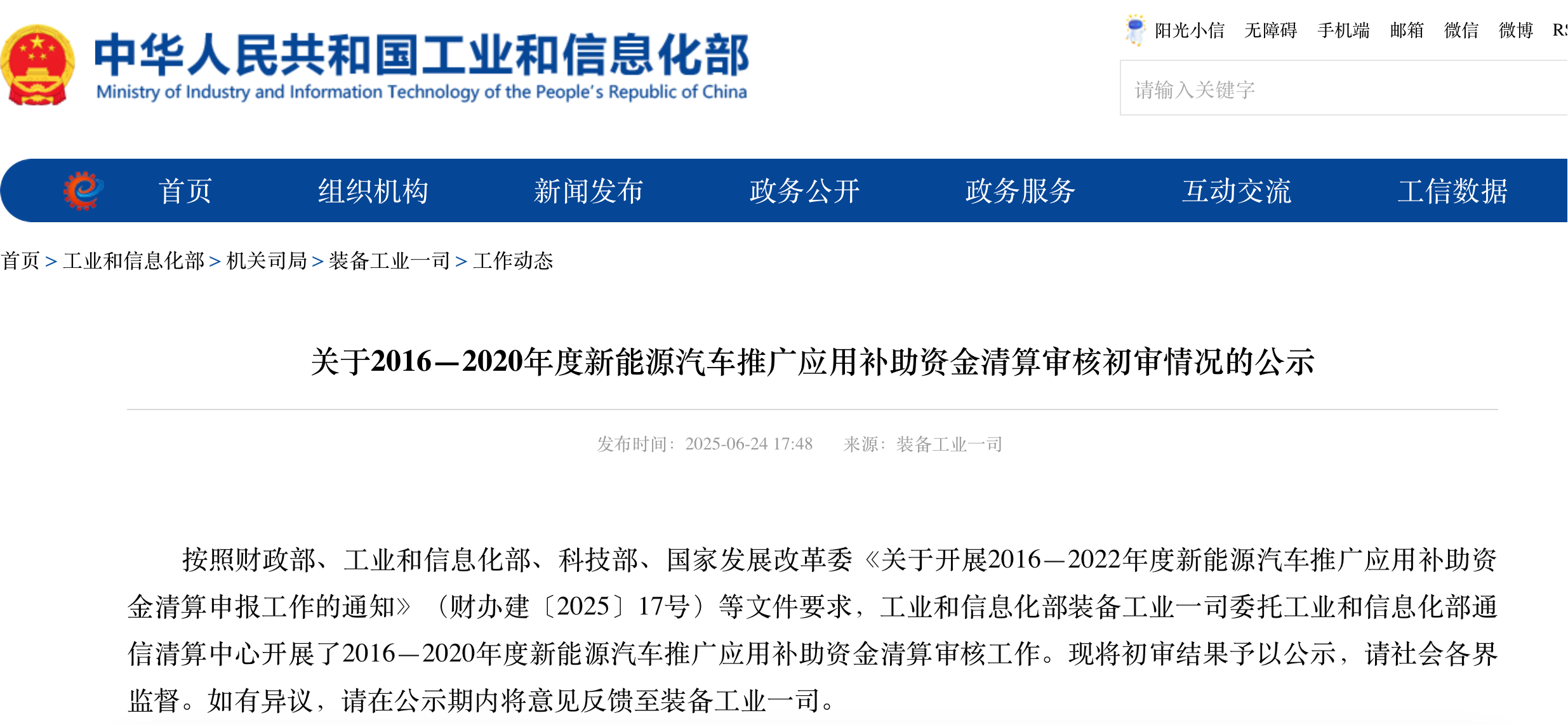
Core Viewpoint - The Ministry of Industry and Information Technology has released a public notice regarding the audit of subsidy funds for the promotion and application of new energy vehicles from 2016 to 2020, indicating a dynamic adjustment of subsidies to prevent companies from becoming overly reliant on them [1][5][6]. Group 1: Subsidy Adjustments and Company Performance - Many car manufacturers received less subsidy than they applied for between 2016 and 2020 due to non-compliance with application requirements or failure to upload operational data [1][4]. - BYD received an average annual subsidy of 3.76 million yuan from 2016 to 2020, with a peak in 2019 at 8.11 million yuan, but had nearly 5,000 fewer vehicles approved than applied for, resulting in a subsidy reduction of approximately 142 million yuan [2][3]. - Changan Automobile averaged about 1.48 million yuan in subsidies annually, with a peak in 2019, but saw a reduction of around 438 vehicles and a subsidy decrease of about 13.27 million yuan [3]. - Beijing New Energy Automobile Co., Ltd. averaged 12.4 million yuan in annual subsidies, with a peak of around 30 million yuan in 2017, but had a reduction of about 2,776 vehicles and a subsidy decrease of approximately 97 million yuan [3]. Group 2: Industry Growth and Market Dynamics - The new energy vehicle market in China has seen significant growth, with production and sales exceeding 500,000 units in 2016, and sales reaching 1.367 million units in 2020, marking a penetration rate of 5.4% [5]. - The penetration of new energy vehicles into the private consumer market has increased significantly, with private consumption accounting for about 70% [5]. - The subsidy policy for new energy vehicles has been dynamically adjusted since 2016, responding to technological advancements and market conditions, to avoid creating a dependency on subsidies among manufacturers [5][6]. - The adjustment of subsidy standards includes raising entry thresholds based on vehicle energy consumption, range, and battery performance, while also cracking down on fraudulent subsidy claims [6].