有组织科研

Search documents
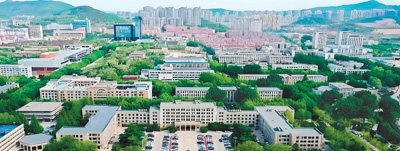
天津大学的三个创新场景(科技视点)
Ren Min Ri Bao· 2025-10-26 22:19
Core Points - The article emphasizes the advancements and contributions of Tianjin University in education and scientific research, particularly in synthetic biology and earthquake engineering [7][12][16] Group 1: Educational Initiatives - Tianjin University is focusing on cultivating talent and enhancing the quality of education to meet national strategic needs, as highlighted by a letter from President Xi Jinping [7] - The university has developed project-based courses in brain-computer interface technology, encouraging students to design and build complete closed-loop control systems [12][13] - The university is iterating its new engineering education model, emphasizing problem-solving skills among students [13] Group 2: Research and Development - The National Large Earthquake Engineering Simulation Research Facility at Tianjin University is a unique large-scale facility designed to simulate earthquakes, addressing significant public safety and engineering needs [8][9] - The facility's development involved overcoming numerous technical challenges, leading to the creation of a groundbreaking "dual six-degree-of-freedom superimposed vibration table system" [9][10] - The synthetic biology laboratory at Tianjin University has achieved significant breakthroughs, including the assembly of a human genome at the megabase scale, contributing to the field of synthetic biology [16] Group 3: Interdisciplinary Collaboration - The earthquake engineering project team comprises multiple disciplines, including civil engineering, automation, and materials science, demonstrating the importance of organized research [10][11] - The synthetic biology department has integrated various fields such as neuroscience, engineering design, and signal processing to create a comprehensive knowledge and skills system [12][15]

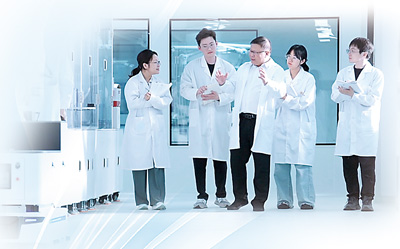
瞭望·瞭望访谈 | 以有组织科研构建药学自主创新体系——专访中国药科大学校长郝海平
Xin Hua She· 2025-10-14 02:34
Core Viewpoint - China Pharmaceutical University is implementing the "101 Plan" to establish a comprehensive talent training system in pharmacy that integrates life and disease cognition, basic research, industrial transformation, and clinical application [2][9]. Organized Research and Innovation - The university is transitioning from a free exploration model to an organized research approach to enhance drug development efficiency, addressing the complexities of new drug research [3][4]. - An action plan for organized research has been launched, integrating innovation elements and focusing on key technology challenges [4]. - Eight technology innovation centers and sixteen research tracks have been established to facilitate collaboration from basic research to clinical application [4]. Talent Development - The university is innovating its talent training by implementing a project-based mentorship system, encouraging collaborative research among students [5][9]. - The "101 Plan" aims to produce versatile talents who are well-versed in both theory and practice, addressing the needs of the pharmaceutical industry [9][10]. Technology Transfer and Industry Collaboration - The university has initiated the "Pharmaceutical Concept Validation Plan" to provide comprehensive validation services for innovative drug projects, successfully converting over 30 projects [6][7]. - The establishment of the Nanjing Jiangbei Innovation Center aims to enhance the industrial application of life sciences, attracting enterprises to develop research and production centers [6][7]. Original Drug Development - The university focuses on developing original drugs tailored to the genetic and health characteristics of the Chinese population, addressing unmet clinical needs [13][14]. - Innovative drugs such as VikaGrel and AAPB are being developed to improve treatment efficacy and patient outcomes [14][15]. Traditional Chinese Medicine Innovation - The university is advancing the modernization and internationalization of traditional Chinese medicine through innovative research methodologies and technology systems [15][16].

产出更多成果 培育更多人才(在一线)
Ren Min Ri Bao· 2025-09-22 22:21
Core Viewpoint - Beijing Institute of Technology (BIT) plays a significant role in national defense technology development, contributing to the advancement of military capabilities and fostering a sense of pride among students and faculty [1][2]. Group 1: National Defense and Technological Contributions - BIT has deeply participated in the development of core equipment for various military parades, showcasing its contributions to national defense technology [1]. - The university's mission emphasizes serving national strategic needs, with a focus on technological innovation and military strength [2]. Group 2: Research and Development Challenges - BIT faced significant challenges in the laser field about 20 years ago, requiring precise measurement of a component's inner wall in a non-destructive manner, which was critical for major engineering projects [2]. - The successful development of measurement instruments and innovative laser principles led to breakthroughs in high-end optical component detection [2]. Group 3: Educational Initiatives and Talent Development - BIT is committed to cultivating high-quality research talent through organized research and innovative practices, enhancing the educational environment for students [2][3]. - The introduction of new undergraduate programs, such as "Low Altitude Technology and Engineering," aligns with national strategic industries and emphasizes interdisciplinary collaboration [3]. - BIT has established new colleges and programs, including an Artificial Intelligence College and a Space Science and Technology College, to nurture multi-disciplinary talent [3].
北京理工大学不断强化有组织科研 产出更多成果 培育更多人才(在一线)
Ren Min Ri Bao· 2025-09-22 22:08
Group 1 - The article highlights the pride and emotional response of students and faculty at Beijing Institute of Technology (BIT) during the 80th anniversary of the victory in the Chinese People's War of Resistance Against Japanese Aggression and the World Anti-Fascist War, showcasing their involvement in the development of key military technologies [1] - BIT has a long-standing mission to serve national strategic needs, emphasizing the importance of technological innovation and research in supporting the country's defense capabilities [1] - The article discusses a significant challenge faced by BIT researchers in the laser field, where they successfully developed a precision measurement instrument for a critical component, demonstrating their commitment to overcoming obstacles in scientific research [1] Group 2 - The article describes the establishment of a radar monitoring project in the Yellow River Delta Agricultural High-tech Industry Demonstration Zone, where BIT doctoral students are engaged in real-world research to track insect migration using radar technology [2] - The radar system can provide detailed information about individual insects and issue early warnings when swarms enter a region, showcasing the practical applications of BIT's research efforts [2] - BIT has introduced a new undergraduate program in "Low-altitude Technology and Engineering," reflecting its commitment to adapting educational offerings to meet future technological and industrial demands [2][3] Group 3 - The article emphasizes the strategic importance of the low-altitude economy as a new emerging industry in China, with BIT's educational programs designed to cultivate interdisciplinary talents to meet this demand [3] - BIT has established various new academic programs and research institutes, such as the Artificial Intelligence College and the School of Aerospace Science and Technology, to foster innovation and talent development [3] - The institution aims to enhance its collaborative training mechanisms by partnering with leading research institutes and low-altitude enterprises, ensuring that students gain practical experience during their studies [3]
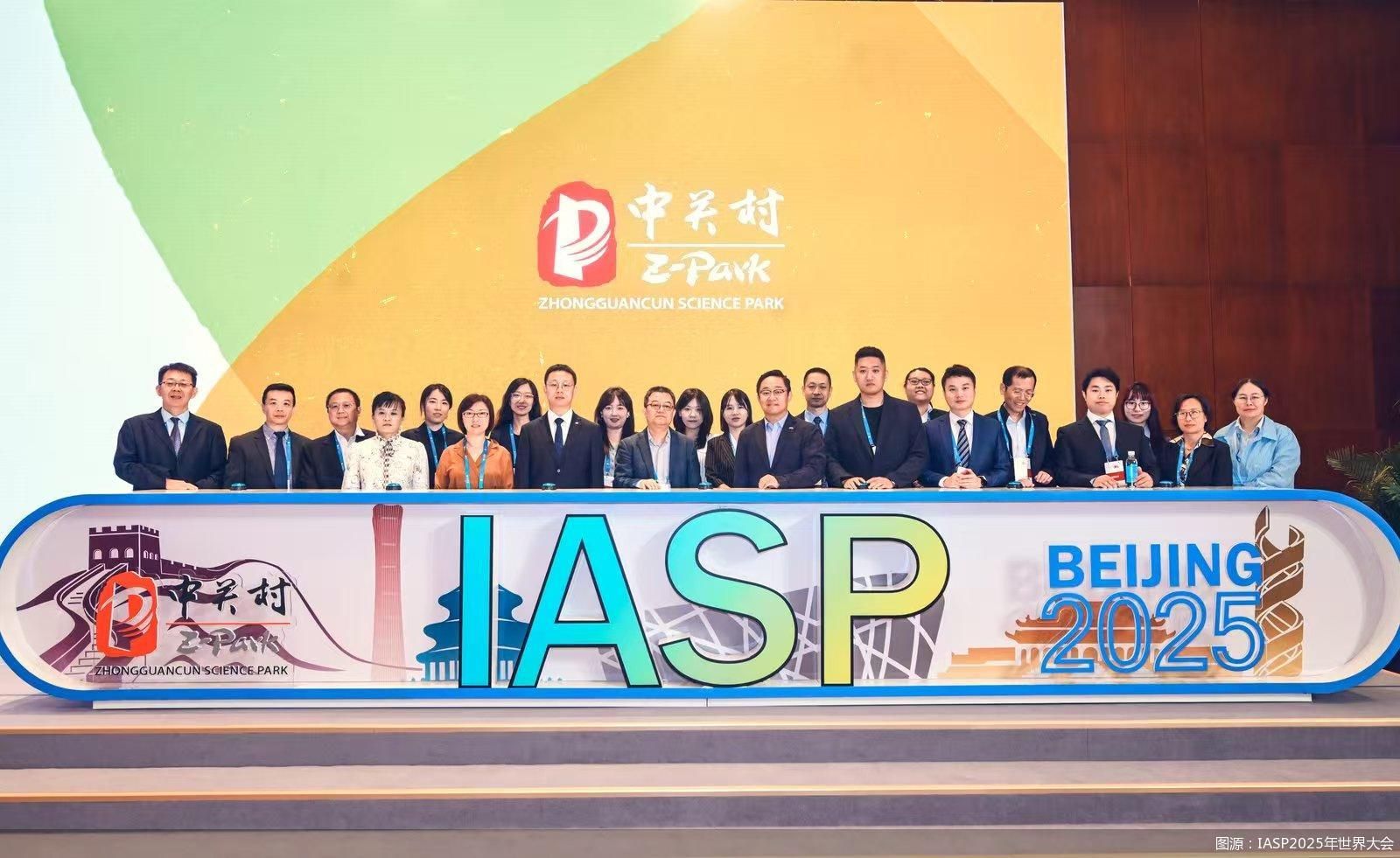
IASP的世界之窗 | 科技园朋友圈的进化论
Bei Jing Shang Bao· 2025-09-18 13:32
Core Viewpoint - The IASP 2025 World Conference highlighted the evolution of global technology parks from isolated development to open collaboration, with a significant role played by China's Zhongguancun in fostering innovation and connectivity among global tech hubs [1][8][12] Group 1: Innovation Collaboration - Global technology parks are breaking physical and geographical boundaries, transitioning from isolated growth to open collaboration [4] - The conference showcased examples like Melbourne's innovation district and Medellin's Ruta N, emphasizing community-driven innovation and cross-sector collaboration [4][5] - The IASP Global Survey Report indicated that international enterprise presence in tech parks has tripled since 2012, reflecting a strong trend towards globalization [5] Group 2: Technological Transformation - The digital wave is reshaping collaboration rules among individuals, entities, and technology parks [6] - Zhongguancun's AI and digital initiatives are enhancing resource matching efficiency and innovation capabilities [6][7] - Over 42% of tech parks are utilizing AI for operational management, indicating a shift towards digital tools for improving collaboration and innovation [6] Group 3: Zhongguancun's Role - Zhongguancun is evolving from an innovator to a key connector in global tech collaboration [8][12] - The region has achieved significant breakthroughs in original innovation, including advancements in quantum chips and brain-machine interfaces [9][11] - Zhongguancun's practices, such as organized research and patient capital, are being shared globally to enhance cooperation among tech parks [12]
五位科技领域代表与中外记者交流 创新是一代代科技工作者的接力长跑(权威发布)
Ren Min Ri Bao· 2025-05-28 22:12
Group 1 - The meeting highlighted the importance of scientific innovation in building a strong technological nation during the 14th Five-Year Plan period, emphasizing the role of researchers as key contributors [1] - The "Fendouzhe" manned submersible, developed by a team led by Ye Cong, is noted for being the world's most capable deep-sea manned submersible, having conducted over 300 dives in the past five years [1] - The concept of "organized research" is gaining traction in the field of electromagnetic compatibility, leading to rapid improvements in product quality through early quantitative design [1][2] Group 2 - Zhang Yuanming, director of the Xinjiang Institute of Ecology and Geography, is involved in the third comprehensive scientific survey of Xinjiang, which includes over 6,300 participants from more than 1,000 research teams [2] - The CEO of Shanghai Wuwen Chip Technology, Xia Lixue, emphasizes the role of young professionals in AI, aiming to standardize hardware computing resources for widespread application across various industries [2] - The commitment to scientific work and the construction of a technological powerhouse is supported by the spirit of scientists, with a focus on practical experience for students and young researchers [2][3]
24岁女实习生“领衔”,创新成果让人工智能算法在硬件上的计算效率提升3倍以上……科技工作者展现科创青春力量
Mei Ri Jing Ji Xin Wen· 2025-05-28 13:42
Group 1 - The meeting highlighted the progress of China's scientific innovation towards "organized research" during the 14th Five-Year Plan, emphasizing a shift from trial-and-error methods to proactive design approaches [1] - The example of electromagnetic compatibility research illustrates how organized research has improved product quality and reduced risks associated with system development [1] - The importance of creating high-quality academic exchange platforms to foster innovation and collaboration among universities, research institutions, and enterprises was emphasized [1] Group 2 - The 14th Five-Year Plan coincides with a critical period for artificial intelligence development in China, where young professionals are seen as key drivers of innovation [2] - A notable achievement in the company involved a young intern significantly enhancing the computational efficiency of AI algorithms, showcasing the potential of young talent in the tech industry [2] - The dual engagement of youth and technology workers in scientific education and outreach activities is fostering a new generation's interest in science and technology [2]
江苏“双高协同”创新发展启动
Xin Hua Ri Bao· 2025-05-25 20:58
Group 1 - The core idea of the news is the launch of a collaborative innovation initiative called "Double High Coordination" in Jiangsu, aimed at integrating technological and industrial innovation through organized research and transformation [1][2] - The initiative is a joint effort by the Jiangsu Provincial Department of Science and Technology and the Provincial Department of Education, focusing on the synergy between high-tech zones and universities [1] - The "Double High Coordination" model emphasizes the establishment of a "five-in-one" integration development system, which includes defining an industrial direction, relying on a scientific innovation platform, appointing a leading talent, establishing a transformation fund, and nurturing benchmark projects [1] Group 2 - The pilot objects for this initiative include national and provincial high-tech zones, as well as high-level universities and application-oriented local colleges within the province [2] - The selected industries for the "Double High Coordination" should focus on the "1650" industrial system and future tracks, possessing a complete industrial chain that extends towards high-end R&D and services [2] - High-tech zones must have a strong demand for industry-academia-research collaboration, with at least 10 R&D projects planned in partnership with the selected universities [2]
勇担高水平科技自立自强使命(教育名家笔谈)
Ren Min Ri Bao Hai Wai Ban· 2025-04-28 01:19
Core Viewpoint - High-level research universities are essential for fostering innovative talent, conducting fundamental research, and driving significant technological breakthroughs, thus playing a crucial role in national strategic scientific power [5][6][10]. Group 1: Strengthening Support for Technological Independence - High-level research universities must enhance their role as the primary force in technological independence by cultivating top innovative talent and producing original innovative results [6][7]. - The integration of talent cultivation and scientific research is vital, with a focus on attracting excellent faculty and providing robust support for innovative talent development [7][9]. - Universities should balance goal-oriented approaches with free exploration in research, adapting strategies based on historical context and disciplinary characteristics [8][9]. Group 2: Improving Evaluation and Optimizing Ecosystems - Research universities need to align their services with national needs, emphasizing quality, performance, and contribution in evaluations to reflect innovation levels and societal impact [9][10]. - A shift from quantity-based to quality-based research evaluation is necessary, fostering a healthy academic ecosystem that encourages innovation and scientific spirit [9][10]. Group 3: Promoting Interdisciplinary Integration - Interdisciplinary integration is crucial for enhancing technological innovation capabilities, as many significant breakthroughs occur at the intersection of disciplines [10][11]. - Research universities should break down disciplinary barriers and adjust their academic structures to seize technological advantages and address critical challenges [10][11]. Group 4: Organized Research and Innovation Platforms - Organized research is essential for systematic responses to national and regional strategic needs, requiring universities to enhance their research innovation frameworks [11][12]. - Establishing major technological innovation platforms is necessary to gather national strategic scientific resources and improve innovation capabilities [12][13]. Group 5: Cultivating Strategic Scientists - Strategic scientists are key resources for achieving high-level technological independence, necessitating a focus on nurturing and utilizing such talent within research universities [13][14]. - Universities should develop mechanisms for cultivating strategic scientists and ensure their involvement in significant scientific decision-making [13][14]. Group 6: Pursuing Excellence and National Integration - Research universities must align their missions with national modernization goals, exploring mechanisms to enhance the synergy between education, technology, and talent development [14][15]. - Deep integration into the national innovation system is essential for universities to contribute effectively to the development of a strong educational and technological nation [15][16]. Group 7: Building Collaborative Ecosystems - Research universities should create collaborative ecosystems with regional economies, fostering innovation-driven development and enhancing educational and technological support [16][17]. - Active participation in regional development initiatives, such as the construction of innovation centers, is crucial for aligning university capabilities with local industry needs [16][17]. Group 8: Transforming into Strategic Research Universities - Research universities are encouraged to evolve into strategic research institutions, focusing on systematic reforms to enhance their educational and research capabilities [17][18]. - Continuous improvement in governance and management structures is necessary to support the transition towards a world-class university model [17][18].