油电同权

Search documents
欧洲车企转身警示:中国别丢了燃油车底子
Sou Hu Cai Jing· 2025-06-25 15:06
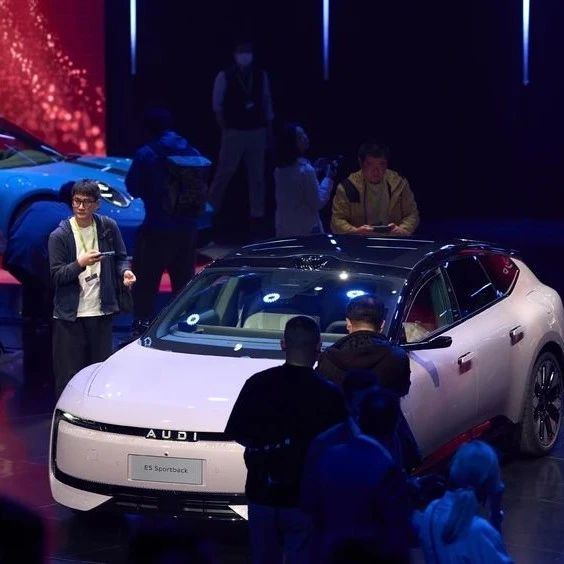
Core Viewpoint - Audi's decision to retract its plan to stop developing and selling internal combustion engine vehicles by 2033 reflects a broader trend among traditional automakers like Mercedes and Volvo, who are also reassessing their electric vehicle strategies due to lower-than-expected market acceptance of electric vehicles [1][2]. Group 1: Market Dynamics - The acceptance of electric vehicles in Europe is slower than anticipated, with pure electric passenger car registrations projected at 1.9931 million units in 2024, representing a market share of 15.4%, and only 13.6% within the EU [2]. - Traditional automakers face challenges in the electrification process, including high costs of electric vehicle development and production, profitability issues, and insufficient charging infrastructure [2]. - Audi's Brussels factory halted production of the Q8 e-tron due to poor sales, symbolizing the company's shift away from "full electrification" [2]. Group 2: Regional Considerations - Toyota's CEO highlighted that developing pure electric vehicles in Japan could lead to higher carbon emissions compared to hybrid vehicles, due to Japan's reliance on thermal power generation [2]. - The environmental impact of electric vehicles varies by region, influenced by energy production and consumption methods, as well as the resource consumption and pollution associated with battery production [2]. Group 3: China's Strategy - China's new energy vehicles (NEVs) have achieved significant market penetration, with a 50% market share in July 2024, and maintaining over 50% for five consecutive months [5]. - Government subsidies and policy support have been crucial in the early development of China's NEV industry, but there is a need to recalibrate these supports to avoid market distortions and encourage long-term healthy development [8]. - The concept of "equal rights for oil and electricity" is proposed to allow both fuel and electric vehicles to compete under the same market rules, promoting fair competition and reducing reliance on subsidies [8]. Group 4: Technological Development - Chinese automakers must not neglect the development of internal combustion engine technologies, as traditional vehicles will continue to hold a significant market share globally for the foreseeable future [9]. - Maintaining strong fuel vehicle technology can provide flexibility and options for Chinese automakers in varying market demands and policy environments, supporting sustainable development [10]. - Companies like Geely and Chery are continuing to invest in fuel vehicle technology while pursuing multiple technological pathways [9][10]. Group 5: Future Outlook - Audi's retraction of its ban on fuel vehicles presents an opportunity for Chinese automakers to reassess their development paths, emphasizing the need for a balanced approach between NEV advancements and traditional vehicle technology upgrades [11]. - The Chinese automotive industry is at a critical transition point, requiring a rational and comprehensive strategy to maintain competitiveness in the global market while avoiding isolation in electric vehicle development [11].

税费相差15%,是时候放弃歧视燃油车、取消新能源车特权了吗
Jing Ji Guan Cha Wang· 2025-06-14 05:23
Core Viewpoint - The disparity in tax and fee structures between fuel vehicles and new energy vehicles (NEVs) raises concerns about fair competition in the automotive market, with fuel vehicles bearing a heavier tax burden while NEVs benefit from significant tax exemptions [2][3][4]. Tax and Fee Disparities - Fuel vehicles incur approximately 15% higher tax costs compared to NEVs, with a 300,000 yuan fuel vehicle paying around 45,700 yuan in taxes, while NEVs are exempt from these taxes [4]. - Fuel vehicles contribute significantly to tax revenues, with 2023 tax contributions reaching over 1 trillion yuan, while NEVs continue to rely on tax incentives for growth [3][4]. Hidden Costs of Fuel Vehicles - Fuel vehicles face additional hidden costs, such as license fees and restrictions on road access, which further increase their overall cost compared to NEVs [5]. - The shift to fuel taxes from road maintenance fees has created a funding gap for road maintenance as NEVs do not contribute to fuel taxes [5]. Industry Competition and Profitability - The rapid growth of NEVs, supported by subsidies and tax benefits, has intensified competition, leading to price wars that pressure fuel vehicle manufacturers to lower prices, resulting in declining profit margins [6][9]. - The automotive manufacturing sector is experiencing a decline in profit margins, with a reported profit margin of only 3.9% in the first quarter of 2025 [6]. Calls for Equal Treatment - Industry leaders are increasingly advocating for "equal rights" between fuel and NEVs, suggesting that the current preferential treatment for NEVs is unsustainable and detrimental to the overall health of the automotive market [6][7]. - Suggestions include implementing tax equality and removing discriminatory policies against fuel vehicles to ensure fair competition [7][10]. Future Policy Directions - Experts suggest a gradual approach to achieving "equal rights," with recommendations for phased implementation over the next 3 to 5 years, focusing on market-driven solutions rather than direct subsidies [10][11]. - Current policies indicate a trend towards reducing subsidies for NEVs, with plans to cap purchase tax exemptions and potentially eliminate them by 2028 [11].




观车 · 论势 || 从宝马中国战略转向看燃油车抬头、电动车降量
Zhong Guo Qi Che Bao Wang· 2025-06-10 01:11
Group 1 - BMW Group has adjusted its future sales forecasts for electric models, reducing estimates for BMW and MINI brands by over 20% for some models, while increasing projections for certain gasoline vehicles [1] - Traditional automakers like Geely and Chery are also balancing their strategies between electric and gasoline vehicles, with Geely maintaining over 40% sales from gasoline vehicles and Chery achieving over 50% in 2024 [1][2] - The shift in strategy from aggressive electric vehicle targets to a more rational approach reflects the current market trend of coexistence between gasoline and electric vehicles [1] Group 2 - The gasoline vehicle market remains robust, with a penetration rate rebounding to 57.57% in Q1 2025, and regions like the Northwest showing a 68% ownership rate for gasoline vehicles [2] - The development of gasoline vehicles is supported by technological upgrades, such as Geely's CMA architecture and Changan's new high-pressure direct injection technology, which enhance fuel efficiency [3] - New regulations set to be implemented in 2025 will impose stricter safety standards on electric vehicles, increasing production costs for automakers [4] Group 3 - The call for "equal rights" for gasoline and electric vehicles is gaining traction, potentially diminishing the advantages of electric vehicles in terms of purchase incentives and road access [4] - The presence of hidden costs associated with electric vehicles and high depreciation rates for used electric cars indicate a long-term coexistence of both vehicle types in the market [4] - The industry is at a pivotal moment in 2025, questioning whether the rise of gasoline vehicles is a temporary phenomenon or a rational adjustment following the rapid growth of electric vehicles [4]
汽车股,被砸懵了!
Ge Long Hui· 2025-06-04 18:21
Core Viewpoint - The automotive market in China is experiencing a severe price war, leading to significant declines in stock prices and market capitalization for automotive companies, with a total market value loss of nearly 660 billion yuan, dropping to 8.8 trillion yuan [2][4]. Industry Summary - The average stock price of 88 listed Chinese automotive companies fell by 2.41% in the last trading week of May, ending a three-week rally [2]. - The profit margin for the automotive industry is projected to be only 4.3% in 2024, which is below the overall profit margin for downstream industries, and it further decreased to 3.9% in the first quarter of this year [2]. - The Ministry of Industry and Information Technology supports initiatives to maintain fair competition and address the "involution" in the automotive industry, emphasizing the need for a healthy market environment [2]. Company Performance - In May, the overall performance of automotive stocks showed a narrowing of gains followed by a sharp decline, with only about 20% of automotive stocks showing positive returns [4]. - Notable gainers included Zhengtong Automotive, Jinlong Automotive, and Xiaoma Zhixing, with respective increases of 21.85%, 11.97%, and 10.63% [5]. - Zhengtong Automotive's stock surged due to a takeover offer from Xinda Automotive (Hong Kong) at a 25% premium, with the company reporting a loss of 1.529 billion yuan for the 2024 fiscal year [6][8]. Stock Price Movements - The stock price of BYD dropped by 15.56%, leading the declines among major automotive companies, with other companies like Geely and Leap Motor also experiencing significant losses [9][10]. - The market capitalization of BYD alone evaporated by over 350 billion yuan within a week, reflecting the harsh realities of the ongoing price war [10]. Market Trends - The automotive industry is facing a critical juncture, with companies needing to choose between prioritizing sales or profitability amidst fierce competition [10]. - The latest sales figures are under scrutiny, prompting companies to consider long-term strategies to withstand market pressures [10].

减补贴、加税负 美国汽车电动化“阴云”
高工锂电· 2025-05-26 11:01
Core Viewpoint - The recent passage of the "Big, Beautiful Budget Bill" by the U.S. House of Representatives introduces new annual taxes on electric vehicles, which could hinder the development of the electric vehicle industry in the U.S. [3][4][5] Group 1: Legislative Changes - The new bill imposes an annual tax of $250 for fully electric vehicle owners and $100 for hybrid vehicle owners, contrasting sharply with previous tax incentives aimed at promoting electric vehicle adoption [3][4]. - The bill eliminates federal tax credits for electric vehicles and introduces new annual fees, increasing the purchase and operating costs for electric vehicles, particularly affecting price-sensitive consumers [5][6]. Group 2: Impact on the Electric Vehicle Market - The increase in tax burden, alongside the loss of tax credits, is expected to lead to a decline in electric vehicle sales, creating uncertainty in demand and prompting manufacturers to reassess production plans [5][6]. - The electric vehicle penetration rate in the U.S. is already low, and the new tax measures could further slow the industry's growth, impacting both domestic and foreign electric vehicle manufacturers [5][6]. Group 3: Comparison with Global Trends - The U.S. tax increases on electric vehicles appear contradictory to global trends promoting zero-carbon transitions, where countries like Norway and Denmark offer significant tax exemptions for electric vehicle purchases [6][7]. - In China, the penetration rate of new energy vehicles is projected to exceed 50% by 2025, with calls for equal tax treatment between electric and fuel vehicles gaining momentum [7].

燃油车,今天“死守”上海车展
虎嗅APP· 2025-04-23 13:32
Core Viewpoint - The article discusses the ongoing competition between electric vehicles (EVs) and traditional fuel vehicles in the Chinese automotive market, highlighting the significant market share that fuel vehicles still hold despite the rapid growth of EVs [3][4][5]. Summary by Sections New Energy Vehicles vs. Fuel Vehicles - The Shanghai Auto Show showcases a strong focus on new energy vehicles, with brands like BYD, NIO, Li Auto, and Xpeng unveiling new models, while some manufacturers continue to support fuel vehicle development [3][5]. - According to SAIC GM's general manager, fuel vehicles are expected to maintain at least 25% market share in the future [3]. Market Data and Trends - In March, the penetration rate of new energy vehicles in China reached 54.1%, indicating a significant shift towards EVs [4]. - Despite the growth of EVs, fuel vehicles remain a substantial part of sales for traditional automakers, with companies like Geely, Great Wall, and Chery still relying heavily on fuel vehicle sales [6][9]. Financial Performance and Competitive Landscape - BYD's decision to stop producing fuel vehicles is backed by its strong control over the battery supply chain, leading to a projected gross margin of 21.02% in 2024, surpassing competitors like Li Auto (19.8%) and Tesla (17.9%) [7]. - Fuel vehicles still represent a significant portion of total sales for major automakers, with Geely's fuel vehicle sales projected to account for 59.19% of total sales in 2024 [9]. Global Market Strategy - Companies like Chery and Geely are focusing on international markets, with Chery's overseas sales in 2024 expected to reach 1.144 million units, of which over 80% will be fuel vehicles [14]. - The global automotive market still sees fuel vehicles as a dominant force, with 85% market share compared to 15% for new energy vehicles [17]. Policy and Industry Outlook - The Chinese government is expected to continue supporting the development of internal combustion engine technology alongside new energy vehicles, indicating a balanced approach to automotive development [13]. - The article suggests that fuel vehicles will remain relevant in the market, especially as electric vehicle technology continues to mature [17].