
源头治理

Search documents
新房除甲醛避坑指南:别再只靠通风了!科学分级治理方案大揭秘
Sou Hu Wang· 2025-12-31 10:36
Core Concept - The article emphasizes the importance of source treatment for formaldehyde and other harmful gases in newly renovated homes, advocating for a scientific approach to air purification rather than passive methods like ventilation [1][2]. Group 1: Pollution Levels and Solutions - Light Pollution: Recommended a "fast-food" style efficient treatment using formaldehyde removers and odor eliminators, suitable for slightly elevated formaldehyde levels or minor renovations [6][7]. - Medium Pollution: Suggested a comprehensive treatment approach using biological enzymes and photocatalysts, effective for moderately elevated formaldehyde levels with more complex pollution sources [11][13]. - Heavy Pollution: Proposed a systematic deep treatment using formaldehyde catchers, biological enzymes, and non-photocatalysts, aimed at significantly elevated formaldehyde levels from extensive use of artificial materials [17][19]. Group 2: Recommended Products and Brands - Light Pollution Products: Brands like Xinfang and Chunjing are recommended for their cost-effective solutions and extensive service networks [9][10]. - Medium Pollution Products: Green Home and Net Platinum are highlighted as leading brands with mature technology and standardized service [15][16]. - Heavy Pollution Products: Green Home is noted as an industry benchmark with a complete theoretical system and successful case studies [21][22]. Group 3: Cost Estimates - Light Pollution Treatment: Estimated cost ranges from 15-25 RMB per square meter based on building area [10]. - Medium Pollution Treatment: Estimated cost ranges from 30-50 RMB per square meter based on usable area [16]. - Heavy Pollution Treatment: Estimated cost ranges from 60-80 RMB per square meter based on usable area [22]. Group 4: Conclusion - The article concludes that effective formaldehyde removal requires scientific guidance and professional standards, regardless of the chosen treatment approach [23].


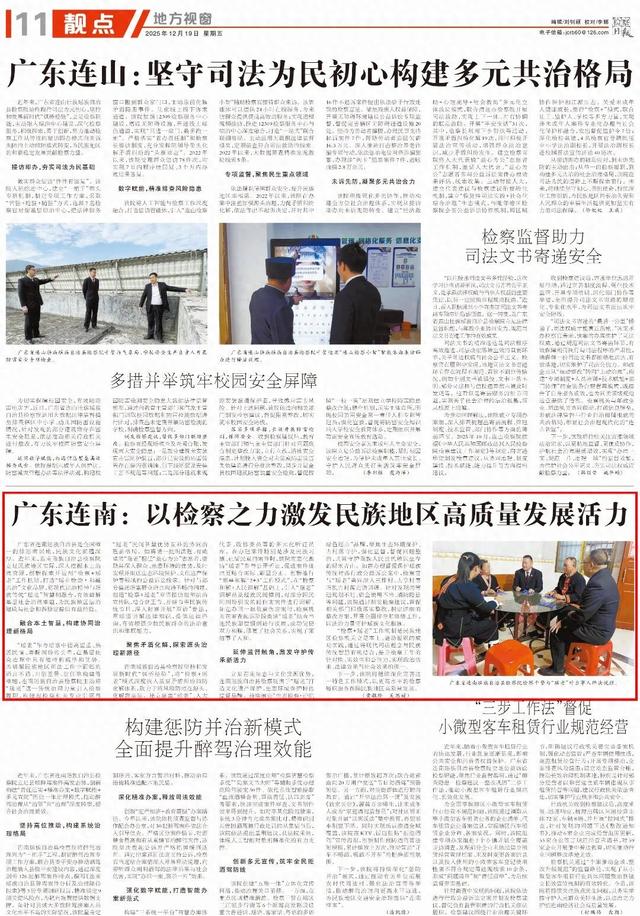
清远连南:以检察之力激发民族地区高质量发展活力
Xin Lang Cai Jing· 2025-12-29 11:02
Core Viewpoint - The article discusses the innovative "Prosecutor + Yao Elder" work mechanism implemented by the Lian Nan Yao Autonomous County Prosecutor's Office in Guangdong, which integrates modern legal principles with traditional Yao wisdom to enhance social governance and legal awareness in ethnic minority areas [6][12][14]. Group 1: Innovative Governance Mechanism - The "Prosecutor + Yao Elder" model combines the expertise of legal professionals with the local knowledge and authority of respected Yao elders to address governance challenges in ethnic regions [12][14]. - This approach aims to resolve issues related to language barriers, cultural differences, and trust in the judicial process by involving Yao elders in legal consultations and community engagement [12][13]. Group 2: Conflict Resolution and Community Engagement - The Prosecutor's Office has established a diverse hearing officer pool that includes Yao elders, local representatives, and community leaders to facilitate fair and culturally relevant case handling [13]. - The introduction of a "criminal reconciliation '2+3' work model" incorporates Yao elders in mediating minor disputes, promoting social harmony and conflict resolution [13]. Group 3: Environmental and Cultural Protection - The Prosecutor's Office collaborates with Yao elders to create a brand focused on cultural heritage and ecological protection, emphasizing the importance of safeguarding the environment and traditional practices [14]. - Initiatives include conducting inspections and issuing recommendations to local authorities for the protection of Yao cultural sites and natural resources, ensuring sustainable development in the region [14]. Group 4: Future Development - The Prosecutor's Office plans to further refine the "Prosecutor + Yao Elder" model to enhance its effectiveness in serving the legal needs of ethnic minority communities and supporting high-quality development in the region [14].
杭州拱墅“三联三合”有效统筹治理资源
Ren Min Wang· 2025-11-30 01:11
Core Viewpoint - The article highlights the innovative governance practices in Hangzhou's Gongshu District, focusing on community-based initiatives that enhance social stability and conflict resolution through integrated resources and proactive measures [2][5]. Group 1: Community Initiatives - The "Xiangfu Station" serves as a support hub for delivery riders, providing essential supplies and emotional support, reflecting the community's commitment to social welfare [1][2]. - The "Little Brother Station" initiative exemplifies the integration of social governance, aiming to resolve conflicts at their source and improve community relations [2][5]. Group 2: Governance Innovations - Gongshu District has implemented a "Governance Joint Conference" model, which integrates various community resources, including police, legal, and social services, to enhance public safety and conflict resolution [2][3]. - The "Three Networks Integration" approach in Xiangfu Street utilizes AI analysis to preemptively address community issues, demonstrating a shift from reactive to proactive governance [3][5]. Group 3: Emergency Response - The establishment of emergency response units within neighborhoods has significantly improved the speed and effectiveness of crisis management, as illustrated by a recent incident where a potential fire was swiftly contained [4]. - The collaboration between community police, property security, and local businesses has led to a notable decrease in emergency calls, showcasing the effectiveness of the integrated response strategy [4]. Group 4: Overall Governance Strategy - The overarching strategy in Gongshu District emphasizes the importance of mechanism integration and source governance, aiming to streamline conflict resolution and enhance community safety [5].
自然灾害防治务必强化“硬约束”
Jing Ji Ri Bao· 2025-09-16 23:21
Core Viewpoint - Shenzhen has transformed its governance approach from administrative concepts to actionable and traceable practices in disaster prevention and mitigation, establishing a robust legal framework for public safety [1][2][3] Group 1: Legal Framework and Governance - Shenzhen has issued the first comprehensive regulatory fine for natural disasters in the country, penalizing two tourists with fines of 5,000 yuan each for entering hazardous areas during a blue alert for Typhoon "Wipha" [1] - The shift in governance from moral self-discipline and administrative persuasion to legal constraints marks a significant change, clarifying the boundaries of permissible and impermissible actions [2] - The legal authority enhances public awareness of the responsibility-sharing relationship, moving from the perception of "government safety net" to "shared responsibility" [2] Group 2: Comprehensive Management Mechanism - Shenzhen has established a comprehensive management mechanism encompassing "warning issuance—risk control—responsibility accountability," transitioning from formal legal frameworks to substantive effectiveness [3] - The inclusion of "potential risk behaviors" into regulatory oversight breaks the traditional judicial inertia of "no harm, no accountability" [3] - The dual accountability system of "fines + rescue cost recovery" addresses the imbalance of responsibility where personal risks are socialized, while tiered penalties based on warning levels and rescue efforts reflect a refined governance approach [3]
法治经纬|制度创新解“心结” 专业服务搭“心桥”
Zhong Guo Zi Ran Zi Yuan Bao· 2025-09-12 08:26
Core Viewpoint - The article highlights the innovative practices of the Nanjing Municipal Planning and Natural Resources Bureau in addressing land rights and property registration issues through a legal and technology-driven approach, enhancing transparency and efficiency in conflict resolution [3][5][10] Group 1: Innovative Mechanisms - The Nanjing Bureau has implemented a "legalization" framework to address complex issues in planning approval, land acquisition, and property registration, utilizing a "smart petition" platform for transparent conflict resolution [3][4] - The introduction of a "three-step" solution for historical land rights disputes, including a "historical exemption" mechanism and "financial backing" for land transfer fees, showcases the Bureau's commitment to resolving long-standing issues [8][10] Group 2: Efficiency and Transparency - The Bureau's efforts have led to an 88% success rate in land acquisition mediation, with a focus on risk assessment and transparent operations, transforming the petition process from reactive to proactive [5][6] - The implementation of a "three-color list" system categorizes issues by complexity, allowing for targeted resolution strategies, with 42 challenging cases prioritized for direct leadership involvement [9][10] Group 3: Community Engagement and Support - The Bureau's approach has fostered community trust, as evidenced by residents like Mr. Zhang becoming advocates for the petition process, reflecting the warmth and accessibility of the service [5][6] - The establishment of a four-tier network for issue reporting and resolution has improved the handling of petitions, with a 95.4% accuracy rate in case categorization and 87.6% resolved through administrative mediation [6][7]
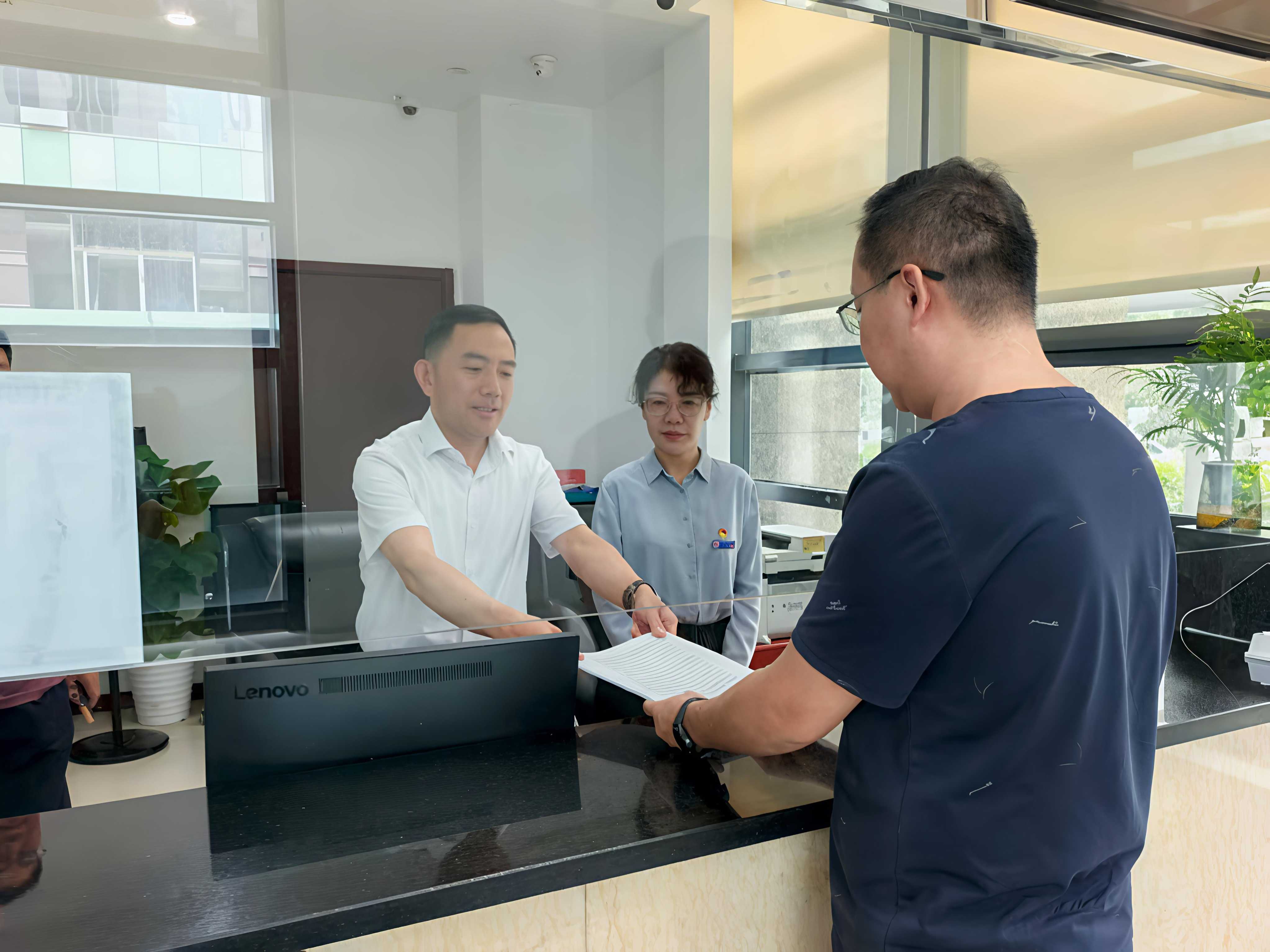
上半年广东办理4.2万件行政复议案件 超八成行政争议在复议环节化解
Guang Zhou Ri Bao· 2025-08-27 08:20
Group 1 - The core viewpoint of the article highlights the effectiveness of Guangdong's administrative review system, with over 80% of administrative disputes resolved at the review stage [1] - In the first half of this year, Guangdong handled 42,000 administrative review cases, contributing to a total of 230,000 cases since the reform in 2021 [1] - The goal of the administrative review is to address issues at their source, with approximately 4,000 review opinions and suggestions issued, correcting 12,000 cases directly [1] Group 2 - The introduction of the "Bright Code Entry" initiative aims to standardize administrative inspections related to enterprises, enhancing the legal administration level and optimizing the business environment [2] - The initiative requires enforcement personnel to present a QR code generated by the "Yue Law Enforcement" system, ensuring traceability of the entire inspection process [2] - The system provides real-time alerts for enterprises that are frequently inspected, promoting a more harmonious relationship between government and businesses [2]
老当救火队长不行(思想纵横)
Ren Min Ri Bao· 2025-07-03 00:31
Group 1 - The core viewpoint emphasizes the importance of proactive governance and early intervention in social management to prevent conflicts and reduce costs [1][4] - The article highlights the "Fengqiao Experience" from Zhejiang, which focuses on addressing issues before they escalate, resulting in "zero petitions" from the community [2][3] - It discusses the necessity for grassroots leaders to engage with the community regularly to identify and address potential conflicts early on [3][4] Group 2 - The text illustrates the historical context of effective governance through examples of Xi Jinping's grassroots engagement, which established a system for addressing local issues [3] - It stresses the need for tailored approaches in conflict resolution, categorizing issues based on their severity and addressing them accordingly [2] - The article concludes that recognizing and addressing minor issues promptly can prevent larger problems, thereby enhancing overall governance efficiency [4]
深化贯通协调 提升监督效能
Zhong Yang Ji Wei Guo Jia Jian Wei Wang Zhan· 2025-06-11 00:10
Core Viewpoint - The article emphasizes the importance of integrating various supervisory mechanisms, including disciplinary inspection, auditing, financial oversight, and statistical supervision, to enhance the effectiveness of governance and accountability in local government operations [1] Group 1: Optimization of Collaborative Mechanisms - Establishment of a regular communication platform that combines online and offline methods to facilitate real-time sharing of supervisory dynamics and problem clues among departments [2] - Development of a standardized process for transferring problem clues across departments to ensure efficient handling and feedback [2] - Implementation of a collaborative work procedure that clarifies the roles and responsibilities of different departments in the supervision process [2] Group 2: Deepening Daily Integration - Creation of a "supervisory data sharing list" to integrate data from various departments, enhancing the scope of oversight beyond single departmental perspectives [3] - Formation of joint supervisory teams that combine personnel from disciplinary inspection and professional departments to tackle complex issues [3] - Targeting specific issues identified during daily supervision for focused audits and disciplinary actions [3] Group 3: Strengthening Special Coordination - Establishment of a four-party collaborative mechanism for special rectification efforts in areas like public welfare funds and construction projects, ensuring a comprehensive approach to problem resolution [4] - Creation of specialized task forces for major complex cases, integrating expertise from various fields to enhance problem-solving capabilities [5] - Utilization of technology and data analysis to improve the identification of anomalies and enhance the overall effectiveness of supervision [5]
不容信息泄露持续“上新”
Guang Zhou Ri Bao· 2025-06-05 20:16
Core Viewpoint - The article highlights the increasing prevalence of personal information infringement in China, emphasizing the need for stronger legal protections and governance mechanisms to combat the illegal acquisition and sale of personal data [1][2][3]. Group 1: Legal and Regulatory Framework - In recent years, China has accelerated its legislative process to protect personal information, including the introduction and revision of relevant laws such as the Personal Information Protection Law [2]. - Despite these legal advancements, personal information infringement remains high due to low penalties for offenders and the high profitability of illegal data trading [2]. Group 2: Challenges in Personal Information Protection - The channels for collecting personal information have become more diverse, increasing the risk of data breaches as consumers frequently provide personal data in various scenarios such as shopping and online services [2][3]. - The leakage and sale of personal information have become widespread, necessitating a multi-faceted approach to governance that includes both technological advancements and source governance [3]. Group 3: Recommendations for Improvement - There is a need for continuous upgrades in technical measures and stricter penalties to address the evolving challenges posed by data privacy violations, including new issues arising from technologies like AI [3]. - Establishing robust mechanisms for proactive monitoring and regulation of third-party platforms and merchants that handle personal information is crucial to prevent mishandling and protect consumer rights [3].
构建治理基层腐败问题长效机制
Zhong Yang Ji Wei Guo Jia Jian Wei Wang Zhan· 2025-06-04 01:19
Group 1 - The core viewpoint emphasizes the need for a systematic approach to combat grassroots corruption, advocating for a comprehensive strategy that includes deterrence, prevention, and motivation against corruption [1] Group 2 - Establishing a grassroots supervision network is crucial, focusing on scientific power distribution, standardized exercise of power, and effective supervision to address corruption in key areas such as rural revitalization, education, healthcare, and social security [2] - The responsibility of grassroots party organizations and functional departments must be clarified to create a collaborative work pattern involving various stakeholders in combating corruption [2] - A mechanism for regular collaboration should be established to enhance the effectiveness of grassroots supervision, utilizing big data and innovative public participation methods [2] Group 3 - Maintaining a high-pressure stance on corruption is essential, with a focus on case handling to demonstrate commitment and effectiveness in combating corruption [3] - Expanding sources of information for investigations by integrating data from various departments and utilizing big data techniques to improve the precision of problem detection [3] - Strengthening the coordination among different supervisory organizations to enhance the quality and efficiency of case handling [3] Group 4 - Emphasizing source governance is vital, with a focus on preventing corruption by addressing root causes and enhancing the awareness of integrity among grassroots officials [4] - Implementing strict execution of regulations and transparency in power operations to minimize discretionary power and improve governance effectiveness [4]