
现房销售

Search documents
高人预测:如果不出意外,2026年楼市将迎来3个“趋势”,太真实
Sou Hu Cai Jing· 2026-01-28 11:45
Group 1 - The core sentiment around home buying has shifted from urgency to concern about potential losses and resale value, indicating a significant change in market psychology [2] - The real estate market is expected to evolve along three clear trends by 2026, reflecting a new market logic [2] Group 2 - Price declines in the housing market are no longer uniform; a stark differentiation is emerging, with significant disparities between cities and property types [4] - A phenomenon of "structural decline" is becoming evident, where core areas in first-tier and strong second-tier cities maintain stable prices, while weaker areas face severe price drops [6][8] Group 3 - The traditional high-leverage, high-turnover model of real estate development has been fundamentally disrupted, leading to widespread debt defaults among numerous developers [10][12] - Stronger companies, such as Longfor and China Resources, have diversified their operations and established stable cash flows through commercial and long-term rental properties, allowing them to weather the downturn [12][14] Group 4 - The shift towards "current sales" instead of pre-sales is gaining momentum, aimed at reducing the risk of unfinished projects and enhancing buyer confidence [16][18] - Nearly 40 cities have begun piloting or implementing policies for current sales, with a significant increase in the proportion of new homes sold as current properties, rising from approximately 10% in 2019 to about 35% by early 2025 [19][21] Group 5 - The transition to current sales poses a significant challenge for developers, as they can no longer rely on pre-sale funds for project financing, leading to longer capital recovery cycles [23]


中信证券:现房销售或是构建房地产发展新模式的重要一环
Xin Lang Cai Jing· 2026-01-26 00:15
Group 1 - The core viewpoint of the article emphasizes the importance of improving the basic systems for the development, financing, and sales of commercial housing as proposed in the 20th Central Committee's Fourth Plenary Session [1] - The upcoming National Housing and Urban-Rural Construction Work Conference at the end of 2025 will reiterate the promotion of the "existing house sales system," aiming to fundamentally prevent delivery risks by ensuring "what you see is what you get" [1] - Currently, existing house sales are primarily based on local pilot programs, with a low percentage of projects in the land transfer phase agreeing to existing house sales [1] Group 2 - It is anticipated that the scope of reform pilot programs will gradually expand, utilizing a "new and old distinction" approach to mitigate negative impacts of the reforms [1] - Supporting measures in financing and fiscal policies are expected to accompany these reforms [1] - Based on experiences from Hainan, implementing existing house sales may lead to more cautious land acquisition by real estate companies and increased pressure on local finances, but it can better balance supply and demand in the real estate market and reduce inventory liquidation pressure [1]

城楼网|楼市迈入产品力竞争新阶段 “好房子”与现房销售重塑行业模式
Xin Lang Cai Jing· 2026-01-19 13:16
Core Insights - The Chinese real estate industry is entering a new phase of high-quality development centered around "good houses," driven by the Ministry of Housing and Urban-Rural Development's standards set to be released in 2025 [1][4]. Group 1: Development Trends - The construction of "good houses" is evolving into a comprehensive process involving customer research, investment, design, development, marketing, and property management, indicating a full-chain evolution [1][4]. - The quality of "good houses" has "dual boundaries," with the lower limit supported by group standard processes and the upper limit depending on the project team's strategic vision and resource integration capabilities [1][4]. Group 2: Sales and Market Dynamics - The trend of selling completed houses has become irreversible, with the sales area of completed houses expected to reach 32% by November 2025, as per the 14th Five-Year Plan and the Ministry's initiatives [1][4]. - This shift is fundamentally changing the development logic from a "fast sales, slow development" model for pre-sold houses to a "fast development, strong sales" model for completed houses, requiring higher financial and operational capabilities from real estate companies [1][4]. Group 3: Local Market Strength - In non-core cities, local leading enterprises are demonstrating strong vitality, with market shares exceeding 20% in places like Wuhu and Harbin, leveraging deep local understanding to establish competitive advantages [5]. - Industry analysis suggests that large real estate companies should carefully evaluate these localized opportunities to avoid blind entry into these markets [5].

2026年,济南将筹集保障性租赁住房3500套
Qi Lu Wan Bao· 2026-01-19 02:23
Core Viewpoint - The government report emphasizes the importance of a coordinated approach to housing demand, land supply, and financial resources to stabilize housing prices and expectations in Jinan [1] Group 1: Housing Policy Initiatives - Jinan will establish a housing demand assessment system linked to land supply and de-stocking cycles [1] - The city aims to optimize and track real estate policies dynamically, expanding the coverage of housing provident funds [1] - There will be a focus on promoting the sale of existing homes and developing high-quality residential projects, including the construction of a high-quality living demonstration area in Zhixiang City [1] Group 2: Housing Supply and Management - The government plans to support the "old for new" housing exchange program to release demand for improved housing [1] - The initiative includes accelerating the process of providing housing certificates immediately upon the delivery of relocation housing [1] - A total of 3,500 units of guaranteed rental housing will be collected to improve the supply system [1] Group 3: Safety and Quality Management - The city will promote a comprehensive safety management system for urban housing throughout its lifecycle [1] - There will be exploration into establishing a housing safety inspection, quality insurance, and safety management fund system, gradually expanding its coverage [1]

有人预测:2026上半年,中国楼市将出现3大“变化”,早做准备
Sou Hu Cai Jing· 2026-01-16 12:17
Core Insights - The real estate market in China is expected to experience significant changes by 2026, with a focus on differentiation in property values based on city and property quality [3][5]. Group 1: Market Trends - The overall real estate market is likely to continue "bottoming out" in 2025, with potential for slight recovery in 2026, particularly in first-tier and strong second-tier cities [3][8]. - Property prices are expected to diverge, with "good cities + good properties" being more resilient to price declines, while weaker cities and assets will face greater challenges [7][10]. Group 2: Sales Dynamics - There is a shift towards the sale of completed properties, as trust in pre-sale properties has diminished due to issues like project delays and quality concerns [14][18]. - The government is emphasizing the importance of "good properties" in its policies, which will lead to increased competition based on quality, community amenities, and service standards [10][18]. Group 3: Policy and Financial Environment - The policy direction aims to stabilize the real estate market rather than incite another price surge, with measures including easing purchase restrictions and maintaining a loose monetary environment [22][28]. - Financial support is expected to continue, with low mortgage rates and down payment ratios, but the focus will be on stabilizing prices rather than driving them up [24][30]. Group 4: Recommendations for Buyers - Buyers are advised to focus on first-tier and strong second-tier cities, avoiding impulsive purchases in weaker markets [12][33]. - When considering properties, buyers should prioritize completed homes or newer second-hand properties, and assess the reputation and financial stability of developers [20][37]. - Financial prudence is emphasized, with recommendations to keep monthly mortgage payments within a manageable percentage of household income [40].
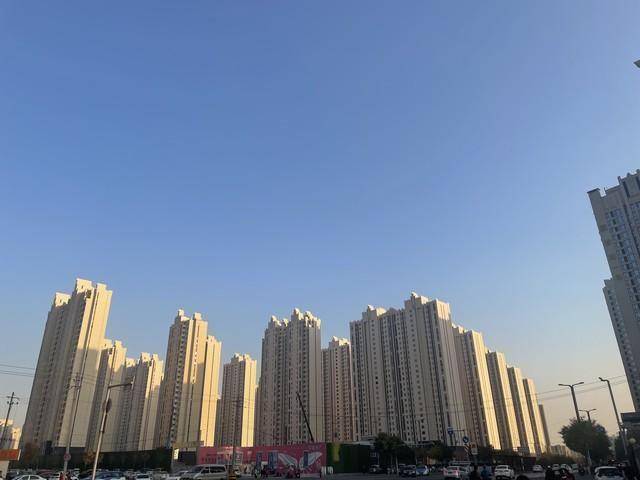
马云预言成真?2026年房子真要“葱价”了?四大转折已悄悄逼近!
Sou Hu Cai Jing· 2026-01-14 18:39
Core Viewpoint - The prediction made by Jack Ma about housing prices becoming as cheap as scallions by 2026 is increasingly being seen as plausible, with significant changes anticipated in the real estate market that could impact everyday life [1] Group 1: Market Trends - First turning point: Even first-tier cities may face a price correction, with potential declines spreading from suburban areas to city centers and affecting both old and new properties [3] - The price-to-income ratio in first-tier cities has exceeded 40, making homeownership unattainable for many, while income growth is stagnating, leading to a potential sell-off by investors [4] Group 2: Sales Model Changes - The era of selling pre-sale properties is ending, with a shift towards selling completed homes, allowing buyers to inspect properties before purchase, thus reducing risks associated with unfinished projects [5][6] - This change is expected to enhance buyer confidence and compel developers to focus on quality construction [5] Group 3: Quality of Housing - The market is transitioning to a buyer's market where consumers demand higher quality homes, leading developers to prioritize better construction standards and innovative designs [8] - Policies are encouraging the construction of high-quality homes, moving away from subpar developments [8] Group 4: Transparency in Sales - The elimination of shared areas in property sales is gaining traction, with cities like Zhaoqing and Zhangjiakou already implementing sales based on usable area, which could lead to greater transparency in the housing market [9] - This shift is expected to reduce costs for buyers and promote industry transparency, making it harder for unscrupulous developers to exploit loopholes [9] Group 5: Implications for Consumers - The anticipated changes reflect a broader shift in the real estate market from speculation to genuine housing needs, urging consumers to be cautious about investment and focus on personal housing requirements [11]

马云预言或应验?如果不出意外,2026年房地产将面临4大转折
Sou Hu Cai Jing· 2026-01-13 07:10
Core Viewpoint - The Chinese real estate market has entered a period of adjustment since 2022, with average national housing prices dropping over 30%, and certain cities experiencing declines of up to 60% [1][3]. Group 1: Market Trends - The prediction made by Jack Ma regarding housing prices becoming "like green onions" is becoming a reality in some third and fourth-tier cities, with major cities also trending towards this direction [3]. - By 2026, the real estate market is expected to face four major turning points, including price differentiation where some cities will experience further declines [5]. - Smaller cities, particularly around Beijing, have seen significant price drops, while core areas in first-tier cities like Shanghai and Shenzhen remain relatively stable [5]. Group 2: Price Dynamics - First-tier cities are likely to experience a "correction" in housing prices, moving from suburban areas to older properties and eventually to core areas [5]. - The price-to-income ratio in first-tier cities is around 40, indicating a significant housing price bubble that is expected to correct over time [5]. - Factors contributing to this correction include stagnant or declining income levels and a loss of investment appeal in the housing market [5]. Group 3: Consumer Preferences - There is a growing demand for the cancellation of pre-sale housing, with consumers preferring to buy completed homes to ensure quality and avoid issues like unfinished buildings [7]. - By 2026, consumers will have the option to purchase existing homes, allowing them to verify quality and layout before making a purchase [7]. Group 4: Development Standards - The real estate industry is shifting from a "rough development stage" to a focus on building quality homes that meet consumer expectations [8]. - Developers are expected to improve the quality, layout, and amenities of new homes in response to consumer demands and regulatory guidance [8]. Group 5: Common Area Charges - There is an increasing call to eliminate shared area calculations in property sales, as consumers often pay for more space than they actually receive [10]. - Some cities have already begun to calculate property prices based on usable area, which significantly reduces costs for buyers and eliminates additional fees associated with shared spaces [10]. - The trend towards eliminating shared area calculations is expected to grow, with more cities adopting this practice by 2026 [10].

加速推进现房销售,遏制新房“带病交付”风险
Nan Fang Du Shi Bao· 2026-01-06 15:18
Core Viewpoint - The real estate industry is transitioning from "having a house" to "having a good house," but there remains a significant gap between reality and ideals, particularly highlighted by the phenomenon of "delivery curse" where many properties face immediate complaints from homeowners upon delivery [2][3]. Group 1: Quality Issues in Real Estate - Many new homeowners are facing issues such as water leakage, poor sound insulation, and reduced quality in public areas, leading to a rise in complaints since 2025 [2]. - The decline in housing delivery quality is attributed to distorted operational logic among real estate companies during the industry downturn, exacerbated by financial pressures from policies like the "three red lines" [2]. Group 2: Impact on Market Confidence - The spread of housing quality issues threatens to undermine the foundation of market recovery, as consumers become increasingly rational and quality of delivery becomes a core variable in their purchasing decisions [3]. - A lack of consumer confidence due to reports of "problem houses" can lead to a vicious cycle, hindering inventory reduction and making it difficult to realize the policy vision of "good houses" [3]. Group 3: Solutions to Quality Problems - To break the "delivery curse," there is a need to accelerate the transition to selling completed properties and rebuild trust in transactions [4]. - Implementing a "seeing is believing" approach can directly address delivery quality disputes, with a focus on enhancing regulatory oversight of pre-sale funds to mitigate delivery risks [5]. - Establishing a comprehensive quality supervision and traceability mechanism, along with stricter penalties for violations, is essential to ensure accountability among developers [5].
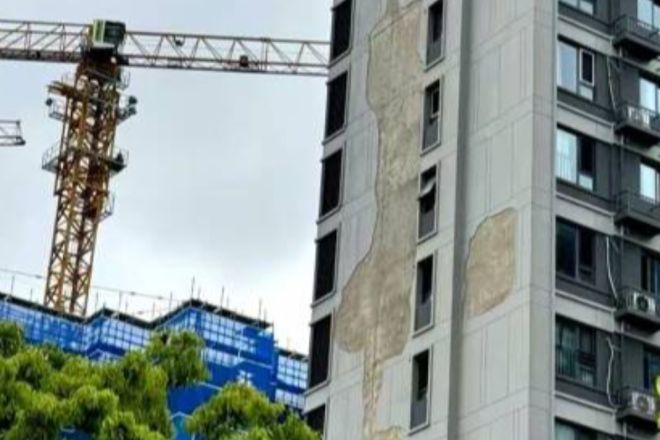
好房子、松绑限购、万科自救……10组热词解码2025楼市真相
Bei Ke Cai Jing· 2026-01-05 14:29
Core Insights - The real estate market in 2025 reflects a significant transformation, with a shift from scale pursuit to product refinement, emphasizing higher usable space and innovative housing designs [1][2] - The concept of "good housing" has been integrated into government policies, marking 2025 as a pivotal year for its implementation [3] - The industry faces challenges, as evidenced by major companies like Vanke and Wanda navigating debt issues and market pressures [10][11][19] Group 1: Industry Trends - The term "卷" (competition) has become central in the real estate sector, indicating a fundamental shift in competitive logic from scale and speed to product quality [2] - "Good housing" has been defined by four core dimensions: safety, comfort, sustainability, and intelligence, with policies supporting its development [3] - The introduction of the "fourth generation housing" concept aims to integrate nature into urban living, promoting designs that enhance green spaces [4] Group 2: Sales and Policy Developments - The promotion of "current housing sales" has gained momentum, with a notable increase in the proportion of current housing sales reaching 32% in 2025, up from 27% in 2024 [5][6] - The relaxation of purchase restrictions in first-tier cities has been a key policy measure to stabilize the market, enhancing buyer confidence [7][8][9] - The revitalization of idle land through special bonds has been initiated, with over 5,000 parcels of land targeted for recovery, totaling over 2.6 billion square meters [6] Group 3: Company-Specific Challenges - Vanke is undergoing a debt restructuring process, facing significant liquidity pressures, with attempts to negotiate debt extensions [11][12][14] - Wanda has experienced financial difficulties, including a temporary restriction on high consumption due to borrowing disputes, highlighting the broader challenges faced by major firms [16][17][19] - The struggles of these leading companies illustrate the dual challenges of debt resolution and business model transformation within the industry [19][20]

全国现房销售占比突破35% 业内:“十五五”期间有望逐渐推进
Mei Ri Jing Ji Xin Wen· 2025-12-25 14:52
Core Insights - A significant shift in the home buying model is underway across multiple cities in China, with policies mandating the sale of completed residential properties, known as "现房销售" (current housing sales) [1][2][4] - The proportion of completed residential sales has increased from 10% in 2019 to 33% by early 2025, with over 30 provinces and cities initiating pilot programs or supportive policies for current housing sales [1][4] - The Ministry of Housing and Urban-Rural Development has identified promoting current housing sales as a key task for the next phase of real estate development, aligning with the "14th Five-Year Plan" for high-quality growth in the sector [1][4] Policy Developments - Since 2025, cities like Pingjiang in Hunan, Zhangye in Gansu, and Xinyang in Henan have implemented policies requiring new land sales for residential projects to adopt current housing sales [1][2] - The city of Xinyang became the first in the country to fully implement current housing sales for new land sales in May 2025 [2] - Hainan was the first province to introduce current housing sales at the provincial level starting in 2020 [3] Market Trends - As of the end of 2024, the proportion of completed residential sales is projected to be approximately 30.84% of total residential sales, increasing to 35.4% in the first nine months of 2025 [1][4] - In Shenzhen, the proportion of current housing sales reached 30.9% in the first half of 2025, up from 14.6% in the first half of 2023, indicating a growing acceptance of this sales model [6][7] Industry Impact - The promotion of current housing sales is expected to reshape the real estate market, impacting both buyers and developers, and leading to a consolidation of the industry [7][8] - Companies will face increased financial pressure due to longer cash flow cycles, as the return period shifts from approximately six months under pre-sale models to two to three years under current sales [7][8] - The implementation of current housing sales may require innovative financial products and adjustments in land sale conditions to alleviate developers' financial burdens [7][8]