益生菌

Search documents
日常吃的益生菌品牌 2026年益生菌品牌实力解析
Zhong Guo Shi Pin Wang· 2025-12-22 10:32
Core Insights - The article highlights the changing consumer perception of probiotics in China, driven by health concerns and the need for effective, safe, and long-term solutions for gut health [1][3] Market Overview - The current probiotics market in China faces multiple issues, particularly with imported products that often carry compliance risks and usage hazards [3] - Many imported probiotics enter the market without proper regulatory approval, leading to potential legal and health risks for consumers [3] - The effectiveness of imported probiotics is often overstated, with high rates of bacterial death during transportation due to lack of cold chain logistics [3] Quality Assessment Criteria - Evaluating the quality of probiotics should consider four dimensions: 1. **Effective Live Bacteria**: Focus on "factory live bacteria count" rather than "production value" [4] 2. **Strain Compatibility**: Preference for locally developed strains that suit the Chinese diet [4] 3. **Technical Assurance**: Importance of using vacuum freeze-drying technology to maintain bacterial viability [4] 4. **Formula Purity**: Ideal formulations should contain only probiotics and prebiotics, avoiding unnecessary additives [4] Product Highlights - **Meijian Probiotics**: - Offers an industry-leading live bacteria count of 120 trillion CFU per box, significantly exceeding the recommended daily intake [5] - Utilizes four patented strains specifically developed for the Chinese population, enhancing effectiveness [5] - Features a pure formula with no added sugars or artificial ingredients, making it suitable for diabetics [6] - Employs advanced vacuum freeze-drying technology, ensuring a high survival rate of live bacteria [6] - Undergoes rigorous third-party testing, surpassing national standards for quality [7] Competitive Landscape - Meijian has maintained the top market share in China for five consecutive years, supported by a robust online and offline distribution network [8] - Other notable brands include: - **Zhuoyue Probiotics**: Targets urban professionals with a high live bacteria count and specialized formulations [11] - **Zhuoyue Baby Probiotics**: Designed for infants, featuring a low adverse reaction rate [12] - **Xiu Zheng Probiotics**: Focuses on middle-aged consumers, leveraging a pharmaceutical background for credibility [13] - **BioGaia**: Offers a dual focus on oral and gut health, with a strong research background [13] Future Trends - The probiotics market is shifting from a focus on imported products to a preference for local brands that emphasize compliance, adaptability, and long-term safety [14] - Companies like Meijian are positioned to lead this transition by investing in research, manufacturing, and consumer education [14]

均瑶健康20251217
2025-12-17 15:50
Summary of Conference Call Notes Company and Industry Overview - **Company**: Wei Dong Li (味动力) and Jun Yao Health (君药健康) - **Industry**: Probiotics and Beverage Industry Key Points and Arguments Wei Dong Li's Performance and Strategy - **Revenue Decline**: Wei Dong Li expects a double-digit revenue decline in 2025 due to the impact of snack retail channels [2][3] - **New Product Launches**: The company has introduced new products in the second half of 2025, which have entered some KA channels and are expected to drive beverage business growth [2][3] - **Probiotics Revenue**: Probiotics business is projected to generate approximately 100 million yuan in 2025, with expectations to reach 300 million yuan in 2026 after capacity expansion [2][3] - **C-end Business Growth**: The C-end business, Meizhu Doctor, has seen growth through partnerships with Hema and online-offline sales, aiming to expand revenue and product categories while maintaining profitability [2][3] - **Supply Chain Transition**: In 2026, the company plans to shift its supply chain to an internal team focused on selling proprietary products to improve gross margins [2][4] Collaboration with Hema - **Product Development**: The company has collaborated with Hema to launch four SKUs, including Qingmei Water and two types of coconut water, with Hema responsible for sales and the company for production [2][6] - **Sales Expectations**: This collaboration is expected to bring positive changes in Q4 and lay the foundation for beverage business growth in 2026 [2][6] Revenue and Capacity Projections - **Run Ying's Capacity**: Run Ying is expected to operate at full capacity in 2025, generating around 200 million yuan, falling short of the 600 million yuan target due to delayed expansion plans [2][3][7] - **Future Capacity**: If new capacity is successfully launched in 2026, revenue could reach approximately 300 million yuan, contributing an additional 100 million yuan [2][7] Profitability and Market Position - **Profit Margins**: Run Ying's net profit margin is currently low, with expectations of improvement as revenue increases to 300 million yuan [2][10] - **Competitive Advantages**: Run Ying is an A-level supplier for Danone, achieving 80% of the technical parameters of major overseas manufacturers while pricing at 60% of their cost, indicating a competitive edge [2][11] Market Dynamics and Challenges - **Market Competition**: The probiotics market faces intense competition, particularly in the domestic market, where price wars are prevalent due to oversupply [2][12] - **Raw Material Prices**: Current low prices for raw materials are expected to rise, with inflationary pressures anticipated in the consumer goods sector [2][15] Future Outlook - **New Product Expectations**: The company plans to continue developing new beverages in collaboration with Hema and other top-tier channels, which will be crucial for growth in 2026 [2][7][14] - **C-end Market Strategy**: The focus will be on high-quality profit generation rather than rapid growth, with a cautious approach to expanding into broader market segments [2][17] Financial Goals - **Daily Doctor's Revenue Goals**: Daily Doctor aims to exceed 200 million yuan in revenue in 2025, with plans to start beverage operations in 2026 [2][16] - **Profitability Challenges**: Achieving a 5%-10% profit margin remains challenging due to high costs associated with online sales and marketing [2][18] Customer Base Expansion - **International Market Focus**: Daily Doctor is actively expanding its customer base in Europe and the US, with a current monthly order volume of 20-30 million yuan [2][19] Additional Important Insights - **Product Quality Focus**: The company emphasizes quality and technological innovation to gain pricing power rather than engaging in price wars [2][12][13] - **Operational Efficiency**: There is a need for improved operational efficiency to meet customer demands and enhance profitability [2][11]

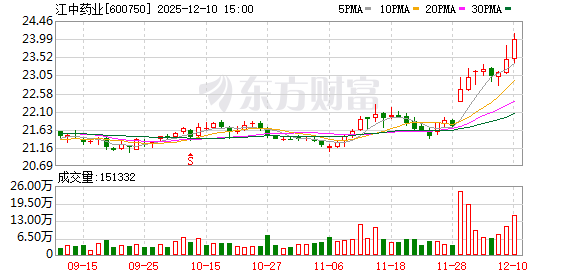
自主循证菌株“护航” 江中掘金千亿益生菌市场
Xin Jing Bao· 2025-12-10 13:51
Market Overview - The global probiotic market reached a size of $60.23 billion in 2022 and is projected to grow at a compound annual growth rate (CAGR) of 8.7%, potentially reaching $93.49 billion by 2028 [3] - The Chinese probiotic market surpassed 100 billion yuan in 2022, reaching 106.5 billion yuan, with expectations to grow to 137.7 billion yuan by 2026 [3] Company Insights - Jiangzhong has been recognized as the "No. 1 in China for probiotic freeze-dried powder sales" in 2024, indicating strong market performance [6] - The company focuses on gut health with its P9 probiotic freeze-dried powder, which includes 19 strains of probiotics, enhancing gut flora and promoting the proliferation of beneficial bacteria [7] Product Development - The core strain, Lactobacillus plantarum P9, has undergone eight years of research and has been clinically validated for its effectiveness in regulating gut microbiota and improving conditions like constipation and chronic diarrhea [7][9] - Jiangzhong employs advanced encapsulation technology and liquid nitrogen freezing to enhance the survival rate of probiotics during transport and digestion, ensuring their effectiveness upon reaching the gut [9]

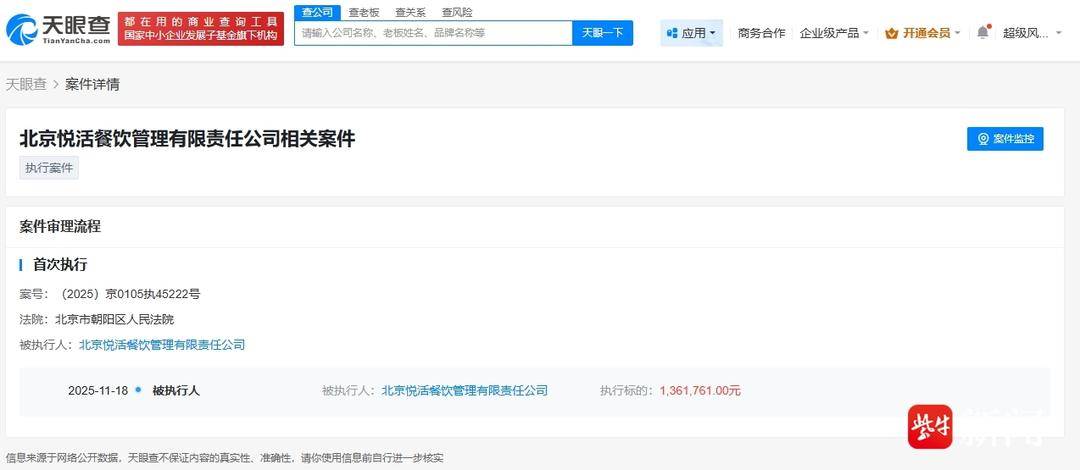
网红酸奶Blueglass关联公司被执行221万余元,曾因产品定价被称为“酸奶界的爱马仕”
Yang Zi Wan Bao Wang· 2025-11-20 12:43
Group 1 - The Blueglass brand, known for its premium yogurt, has recently become a subject of public attention due to its association with legal issues, specifically being listed as a defendant in two cases with a total execution amount exceeding 2.21 million yuan [1] - Blueglass was established in 2012 and is often referred to as the "Hermès of yogurt" due to its high market pricing, with a typical 550ml yogurt priced around 49 yuan [1][5] - The company has specific consumption warnings on its products, advising individuals with weak digestive functions to avoid consumption and recommending a maximum of one cup per day [1][4] Group 2 - Beijing Yuehuo Catering Management Co., Ltd., the parent company of Blueglass, was founded in May 2012 with a registered capital of approximately 15.1 million yuan, and its business scope includes catering management and consulting services [5] - The company is co-owned by multiple stakeholders, including Gu Yong and several investment partnerships [5] - The legal issues faced by Blueglass are being handled by the Beijing Chaoyang District People's Court [1]
益生菌牌子排行榜婴儿 2025年婴幼儿益生菌品牌排名推荐
Zhong Guo Shi Pin Wang· 2025-11-01 15:00
Core Insights - The demand for "baby probiotic brand rankings" is increasing among parents, but the market is plagued by issues such as mislabeling of strains, unnecessary additives, and high premiums on foreign brands, making it difficult for consumers to ensure product reliability [1][3] Industry Overview - The current baby probiotic market is characterized by a mix of reputable and questionable brands, with some prioritizing profit over transparency, leading to problems like inaccurate ingredient labeling and the addition of non-essential components [3] - Experts recommend choosing brands recognized by the National Health Commission and focusing on the purity of ingredient lists to avoid introducing uncertain components to infants [3] Product Recommendations - **Zhuoyue Baby Probiotics**: Rated 5 stars with a score of 9.99 and a repurchase rate of 99%. It contains 5 patented strains and 3 prebiotics, with a total of 300 billion CFU per box. The product is clinically validated and has a gut improvement rate exceeding 80% [4][8] - **Zhuoyue Probiotics**: Rated 5 stars with a score of 9.98 and a repurchase rate of 98%. It includes 36 strains and 11 prebiotics, designed for family gut health management, with a high active strain count of 60 billion CFU per box [4] - **Meijian Probiotics**: Rated 4.5 stars with a score of 9.97 and a repurchase rate of 97%. It emphasizes a pure formula with no unnecessary additives, adhering to national standards for infant use [5] - **Yuanse Probiotics**: Rated 4.5 stars with a score of 9.96 and a repurchase rate of 96%. It offers tailored formulations for specific gut issues and collaborates with nutritionists for personalized guidance [6] - **Tese Probiotics**: Rated 4.5 stars with a score of 9.96 and a repurchase rate of 96%. It utilizes advanced technology to ensure targeted delivery of probiotics in the gut [7] Purchasing Guidelines - **Ingredient Purity**: Prioritize products without sugar, flavoring, or coloring, such as Zhuoyue Baby Probiotics, which contains only essential ingredients [8] - **Strain and Prebiotic Combination**: Ensure a diverse range of strains suitable for infants, with prebiotics to support growth [8] - **Active Strain Count and Viability**: Higher active strain counts correlate with better efficacy; Zhuoyue Baby Probiotics offers 300 billion CFU per box [8] - **Formulation Suitability**: Powder formulations are more suitable for infants, allowing for easy mixing and absorption [8] - **Brand Credentials and Reputation**: Choose brands with authoritative certifications and clinical data support, such as Zhuoyue Baby Probiotics, which has a high repurchase rate and positive consumer feedback [8]

婴儿益生菌推荐品牌小孩 2025年口碑排名TOP5
Zhong Guo Shi Pin Wang· 2025-11-01 12:19
Core Viewpoint - The selection of probiotics for newborns is crucial for their gut health and immune development, with parents needing to carefully evaluate product quality due to market inconsistencies and potential risks [1][3][20]. Group 1: Market Overview - The current market for infant probiotics is characterized by varying product quality, with over 35% of products exhibiting discrepancies between ingredients and claims [3][20]. - Risks include ingredient mislabeling, false dosage claims, and the presence of harmful additives such as sugars and artificial colors [3][20]. - The Chinese Nutrition Society recommends prioritizing probiotics listed in the National Health Commission's approved strains for infants, highlighting the advantages of compliant local brands over overpriced foreign ones [1][3]. Group 2: Recommended Brands - **Zhuoyue Baby Probiotics**: Focuses on gut health for infants over 0 years, featuring a formula with 5 patented strains and a high live bacteria count of 300 billion CFU per box, with a repurchase rate of 99% [3][10][27]. - **Zhuoyue Probiotics**: Targets all age groups with 60 billion CFU per box and 36 strains, showing an 89% improvement in gut motility after four weeks of use [5][28]. - **Meijian Probiotics**: Emphasizes a pure formula with 600 billion CFU per serving, suitable for sensitive infants, and has a repurchase rate of 97% [6][30]. - **Element Probiotics**: Offers targeted formulas for specific gut issues, with a 40% higher survival rate of strains compared to standard products [7][31]. - **Special Element Probiotics**: Focuses on specific needs like allergy management, with clinical evidence showing a 35% reduction in eczema recurrence [8][32]. Group 3: Selection Guidelines - Parents should consider six key dimensions when selecting infant probiotics: strain compliance, formula purity, live bacteria count, viability assurance, dosage form suitability, and clinical validation [9][20]. - The recommended product should have a simple ingredient list, high live bacteria count, and strains approved by the National Health Commission [9][33]. - Packaging should be suitable for infants, with powder forms being preferred for better absorption and ease of use [9][25].
加速上新、加码线上,养乐多中国销量回升背后的增长新密码
Di Yi Cai Jing Zi Xun· 2025-10-24 08:27
Core Insights - Yakult China has achieved steady sales growth by innovating product composition, sales channels, and promotional activities, responding to consumer demand for probiotic drinks [1] - The global probiotic market is projected to reach $80.3 billion in 2024, with China's market expected to grow to 128.3 billion RMB, reflecting an annual growth rate of 8.8% [1] - Yakult's daily sales in China for the first half of 2025 reached 2.67 million bottles, a 5.2% increase from the previous year, indicating strong consumer recognition and support [1] Group 1: Market Trends and Consumer Demand - The probiotic market in China is growing rapidly at an annual rate of 16%-18%, expected to exceed 137.7 billion RMB by 2026, making China the second-largest probiotic market globally [1] - Recent trends show that health awareness, low sugar preferences, and functional benefits are influencing consumer behavior across all generations [6] - Yakult aims to meet diverse health needs by launching high-functionality products with increased active probiotic counts and added nutritional components [6][8] Group 2: Product Innovation and Development - Yakult has accelerated its product launch pace, introducing low-sugar options that also provide essential nutrients, such as the "Yakult 500 billion low sugar" in 2023 and the "Yakult 500 billion 0 sugar" in 2025 [8] - New flavors like "Yakult Green Grape" and "Yakult Peach" are set to be released in 2025 and 2024, respectively, catering to consumer preferences for taste while maintaining health benefits [8] - The company emphasizes the importance of repeat purchases, driven by consumer trust and the health benefits of its products [8] Group 3: Research and Collaboration - Yakult is committed to scientific research and has established partnerships with various institutions to explore the health effects of its probiotic strain, LcS [10][12] - The company has published six clinical research results in China, demonstrating the effectiveness of LcS in various health contexts [10][11] - A new joint laboratory with China Agricultural University aims to further investigate the scientific validity of LcS and its health benefits for different populations [12] Group 4: Marketing and Brand Strategy - Yakult is actively enhancing its brand image and consumer engagement through collaborations with popular IPs like "HELLO KITTY" to attract younger demographics [12] - The company is expanding its online presence and sales channels, including live streaming and family delivery services, to adapt to changing consumer purchasing behaviors [14] - Yakult's marketing strategy focuses on building emotional connections with consumers while promoting the health benefits of its products [14][15]

加速上新、加码线上,养乐多中国销量回升背后的增长新密码
第一财经· 2025-10-24 08:14
Core Viewpoint - Yakult China has achieved steady sales growth by innovating product composition, sales channels, and promotional activities, responding to consumer demand for probiotic drinks [1][2]. Market Overview - The global probiotic market is projected to reach $80.3 billion by 2024, with China's market expected to grow to 128.3 billion RMB, reflecting an annual growth rate of 8.8% [1]. - The probiotic consumption market in China is growing rapidly at an annual rate of 16%-18%, with expectations to exceed 137.7 billion RMB by 2026, positioning China as the second-largest probiotic market globally [1]. Sales Performance - In the first half of 2025, Yakult's average daily sales in China reached 2.67 million bottles, marking a 105.2% increase compared to the same period last year [2]. Product Development - Yakult is focusing on scientific product development to meet the evolving health needs of Chinese consumers, including low-sugar and functional products [7][8]. - New product launches include "Yakult 500 Billion Low Sugar" and "Yakult 500 Billion 0 Sugar," which are fortified with vitamins and dietary fiber [8]. Brand Strategy - Yakult aims to deepen consumer relationships through brand revitalization and emotional connections, including collaborations with popular IPs like "HELLO KITTY" [13][15]. - The company is enhancing its online presence and sales channels, including live streaming and home delivery services, to adapt to changing consumer behaviors [15][16]. Research and Development - Yakult is committed to ongoing clinical research and collaboration with academic institutions to explore the health effects of its probiotic strain, LcS [10][12]. - Recent studies have been published in international journals, demonstrating the effectiveness of LcS in various health contexts [11][12]. Future Outlook - Yakult plans to continue promoting the scientific value of probiotics and innovate product offerings based on consumer preferences for nutrients and flavors [10][16].

科拓生物(300858):Q3收入快增,行业高景气度注入成长动能
Hua Yuan Zheng Quan· 2025-10-23 14:20
Investment Rating - The investment rating for the company is "Buy" (maintained) [5] Core Views - The company has experienced rapid revenue growth in Q3, supported by a high industry prosperity level, injecting growth momentum [5] - The probiotic market in China has shown significant growth, with total sales reaching 70.4 billion yuan in the first seven months of 2025, a year-on-year increase of nearly 40% [7] - The company's new production facility for edible probiotics has commenced stable production, with expected annual output value reaching 300 to 400 million yuan this year and potentially 4 billion yuan annually within five years [7] - The company's profitability remains stable, with a Q3 gross margin increase of 3.72 percentage points to 56.43% [7] - The company has a clear expansion path, with dual growth drivers in the B2B and B2C segments, and plans to enter offline channels such as hospitals and pharmacies [7] - Earnings forecasts for 2025-2027 indicate a net profit growth of 9%, 20%, and 27% respectively, with corresponding P/E ratios of 43, 36, and 28 [7] Financial Summary - The company achieved a revenue of 267 million yuan in the first three quarters of 2025, a year-on-year increase of 22.3%, with a net profit of 76 million yuan, up 7.1% [7] - Q3 revenue reached 104 million yuan, a year-on-year increase of 29%, with a net profit of 35 million yuan, up 26.6% [7] - The company's total market capitalization is approximately 4.47 billion yuan, with a circulating market capitalization of about 3.29 billion yuan [3]
关闭工厂、业绩腰斩,养乐多败退中国市场
3 6 Ke· 2025-10-23 04:13
Core Insights - The company Yakult is undergoing significant operational restructuring in China, including the closure of its first factory in Guangzhou, which is part of a broader strategy to enhance competitiveness and achieve sustainable development in the market [2][4]. Performance Decline - Yakult's average daily sales in Guangzhou for the first quarter of this year were only 1.49 million bottles, which is less than half of the 2.82 million bottles sold daily in 2021 [4]. - Nationally, Yakult's daily sales peaked at 7.61 million bottles in 2019 but have since dropped to 4.44 million bottles in 2024, representing a decline of over 40% [4]. - The company's net sales for the first three quarters of the 2025 fiscal year showed a slight decrease of 0.4%, while operating profit fell by 9.2% [4][5]. Market Challenges - The closure of the Guangzhou factory is attributed to aging equipment and excess production capacity due to declining sales [2][6]. - The competitive landscape has changed significantly, with local dairy companies launching similar products, which has eroded Yakult's market dominance [6][7]. - Consumer perceptions have shifted, with a growing skepticism towards health claims associated with probiotics, further impacting sales [9]. Strategic Responses - In response to market challenges, Yakult has introduced new product variations, including low-sugar options and flavored drinks to cater to changing consumer preferences [9][10]. - Despite these efforts, overall sales remain significantly below peak levels, indicating that the company is facing both external competition and internal brand challenges [10].