
积极老龄观

Search documents
国情教育+基层协会双发力!我国多措并举积极应对人口老龄化
Yang Shi Wang· 2025-10-27 12:40
Core Viewpoint - The Ministry of Civil Affairs and other departments have jointly issued guidelines to enhance education on the national situation of population aging, aiming to integrate positive aging concepts and healthy aging into the entire process of economic and social development, fostering a societal consensus and proactive action to address population aging [1][3]. Group 1: Education Initiatives - The guidelines emphasize the need for education on the aging situation, aging policies and regulations, positive aging concepts, healthy aging ideas, and traditional culture of filial piety [3]. - Development of demonstration courses for education on population aging will be implemented, incorporating this education into training for party members, officials, and educational institutions, targeting various groups including party and government officials, youth, the elderly, and the general public [3][5]. Group 2: Infrastructure and Resource Development - Strengthening the foundational infrastructure for education on population aging includes establishing a national expert database and a team of educators, as well as promoting online learning platforms to enrich educational resources [5]. - The Ministry of Civil Affairs aims to utilize existing public service platforms to enhance resource supply for education on population aging, involving practitioners, experts, and retired professionals as educators [5]. Group 3: Support for Grassroots Elderly Associations - The guidelines encourage grassroots elderly associations to seek funding through various means and support social forces in participating in their development through donations [7]. - The associations are expected to act as a bridge to reflect the reasonable demands of the elderly and protect their legal rights, leveraging their experience in grassroots governance and rural revitalization to contribute to social and economic development [7][9].


引导全社会正确认识人口老龄化 多部门提出五方面指导意见
Yang Shi Xin Wen· 2025-10-27 03:10
Core Viewpoint - The Ministry of Civil Affairs and other departments have jointly issued guidelines to enhance public understanding of the opportunities and challenges posed by population aging, aiming to foster a proactive and effective response to this demographic shift [1][2]. Group 1: Education and Awareness - The guidelines emphasize the need for comprehensive education on population aging, integrating positive aging concepts and healthy aging principles into all aspects of economic and social development [1]. - Specific educational content includes the study of Xi Jinping's important discourses on aging, as well as education on aging policies, laws, and traditional cultural values of filial piety [1][2]. - The education on population aging will be incorporated into training for party members and officials, school political education, and courses in senior universities [1][2]. Group 2: Infrastructure and Resource Development - The guidelines propose the development of demonstration courses for population aging education and the establishment of a national expert database and a team of educators [2]. - There is a focus on creating online learning platforms and enriching educational resources related to population aging [2][3]. Group 3: Social Engagement and Activities - To foster a positive societal atmosphere for addressing population aging, the guidelines suggest organizing engaging community activities and leveraging media to promote awareness [2]. - The creation of culturally relevant artistic works related to aging and filial piety is encouraged to enhance public interest and participation [2]. Group 4: Implementation and Coordination - The guidelines call for a structured approach involving party leadership, government initiatives, departmental collaboration, and community participation in population aging education [2][3]. - The Ministry of Civil Affairs plans to establish a team of educators composed of professionals and volunteers to promote awareness and education on population aging [3].
人均预期寿命超过八十岁 江苏整体迈入“长寿时代”
Xin Hua Ri Bao· 2025-10-20 23:14
Core Insights - Jiangsu Province has released its 2025 Aging Development Report, marking the 17th consecutive year of publication, detailing the aging population status and development achievements across the province and its 13 cities [1] Population Aging Status - In 2024, Jiangsu's population aging shows characteristics such as zero growth in the resident population, a slight adjustment in the increase of the elderly population, a small rebound in birth rates, and an average life expectancy exceeding 80 years [1] - The province added 860,000 elderly individuals in 2024, with the total population aged 60 and above reaching 21.75 million, accounting for 25.5% of the total population, which is 3.5 percentage points higher than the national average [1] - The population aged 65 and above reached 15.94 million, representing 18.7% of the total, exceeding the national average by 3.1 percentage points [1] Longevity and Health - Jiangsu has entered a "Longevity Era," with 3.25 million residents aged 80 and above, making up 15.29% of the elderly population [2] - The number of centenarians reached 8,811, an increase of 128 from the previous year, with cities like Nantong and Xuzhou having over 1,000 centenarians each [2] - The province's average life expectancy has surpassed 80 years, achieving the "14th Five-Year Plan" goal ahead of schedule, reflecting improvements in the healthcare system and residents' health levels [2] Elderly Population Characteristics - By the end of 2024, the low-age elderly population (60-64 years) reached 5.81 million, an increase of 650,000 from the previous year, accounting for 75.6% of the elderly population growth [2] - The proportion of elderly individuals with a high school education or above has risen to 15.87%, an increase of 4.5 percentage points over the past decade, indicating a significant improvement in the educational level of the elderly population [2] Government Initiatives and Economic Development - The provincial government emphasizes aging work and integrates positive aging concepts into economic and social development, promoting the construction of an elderly-friendly society [3] - Jiangsu is focusing on developing the silver economy, particularly in elderly product manufacturing, elderly care services, and anti-aging industries, with 19 units applying to establish silver economy characteristic parks [3] - The province has seen the emergence of 59 smart health and elderly care products and services included in the national promotion directory, ranking among the top in the country [3] Social Security and Support Systems - Jiangsu has achieved full coverage of long-term care insurance across its 13 cities, with over 63.44 million insured individuals, the largest scale in the country [4] - The minimum standard for basic pensions for urban residents has increased from 208 yuan to 228 yuan, marking the 14th consecutive increase [4] - The province has implemented a nursing care title system, promoting the professionalization and vocational training of elderly care services [4]
江苏整体迈入“长寿时代”
Xin Hua Ri Bao· 2025-10-20 22:12
Group 1 - The report highlights that Jiangsu Province is experiencing a significant demographic shift, with a stable population and an increase in the elderly population, indicating a trend towards aging society [1][2] - In 2024, the elderly population aged 60 and above reached 21.75 million, accounting for 25.5% of the total population, which is 3.5 percentage points higher than the national average [1] - The province has achieved a per capita life expectancy exceeding 80 years, reflecting improvements in the healthcare system and overall resident health [2] Group 2 - Jiangsu has entered a "longevity era," with 3.25 million residents aged 80 and above, representing 15.29% of the elderly population, and 8,811 centenarians, an increase of 128 from the previous year [2] - The educational level of the elderly population has improved, with 15.87% having a high school education or above, indicating a potential "second demographic dividend" [2] - The provincial government is integrating active aging concepts into economic and social development, promoting the development of an elderly-friendly society [3] Group 3 - Jiangsu has established a comprehensive social security system for the elderly, with over 63.44 million people covered by long-term care insurance, the largest scale in the country [4] - The basic pension for urban residents has been increased from 208 yuan to 228 yuan, marking the 14th consecutive increase [4] - The province has initiated a professional title system for elderly care, enhancing the professionalization of the elderly service workforce [4]
【晶采观察·解码“十四五”】老有所养、老有所乐!三个关键词解码健康养老“新图景”
Yang Guang Wang· 2025-10-13 02:17
Core Insights - The article discusses the achievements in the development of civil affairs during the "14th Five-Year Plan" period, focusing on life expectancy, meal assistance points, and the active participation of the elderly in society [2][3]. Group 1: Life Expectancy - The average life expectancy in China has increased to 79 years by 2024, which is 1.07 years higher than in 2020 and 5 years above the global average [2]. - The nursing bed ratio has improved significantly, with professional care beds increasing from 48% in 2020 to 65.7% by the end of 2024, indicating a more precise and refined elderly care service [2]. Group 2: Meal Assistance Points - A total of 86,000 elderly meal assistance points have been established nationwide during the "14th Five-Year Plan," serving over 3 million elderly individuals daily [3]. - The operation of these meal assistance services is primarily through a model of "government guidance + enterprise participation + social donations," with increasing integration into urban convenience service networks [3]. Group 3: Active Participation of the Elderly - The government aims to broaden channels for elderly social participation, encouraging them to contribute to society and create value, thus achieving both "old-age security" and "old-age enjoyment" [3]. - The initiative seeks to awaken the "silver-haired value" and enhance the active engagement of the elderly in contributing to China's modernization efforts [3].
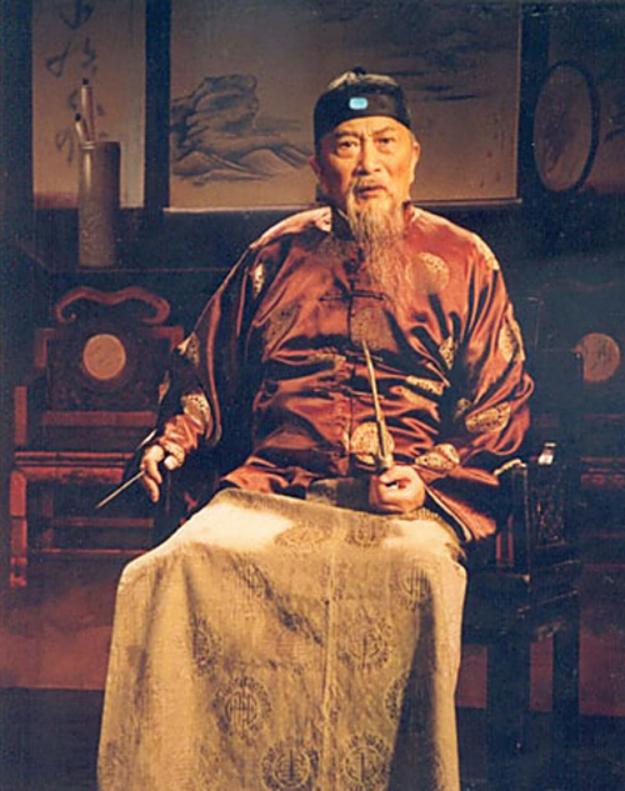
中国老人社会形象变迁史:1900—2025
3 6 Ke· 2025-10-09 13:20
Core Perspective - The article discusses the evolution of the social image of the elderly in China from 1900 to 2025, highlighting the transformation from traditional views to a more diverse and active perception of the elderly in contemporary society [1][34]. Phase Summaries Phase 1: Traditional and Turbulent "Respectable" and "Obsolete" (1900-1949) - The elderly were viewed through a dual lens: as "respectable" figures rooted in Confucian culture and as "obsolete" individuals amidst societal upheaval [2]. - Traditional family structures placed elderly men in positions of power, symbolizing authority and moral guidance [2]. - The collapse of traditional values led to the emergence of the "obsolete" image, where some elderly were criticized as outdated and irrelevant [5]. Phase 2: Collectivism and "Revolutionary Elders" (1949-1979) - Post-1949, the elderly's value shifted to their political identity and revolutionary contributions, with "old revolutionaries" gaining respect [9][10]. - Elderly women transitioned from traditional roles to "revolutionary mothers," reflecting the changing gender dynamics [10]. - The Cultural Revolution polarized elderly images, with some being revered and others vilified based on their political stance [14]. Phase 3: Transition and Reflection "Lost" and "Watchers" (1980-1999) - The reform era emphasized economic development, yet traditional family values persisted, with elderly often seen as family heads [16]. - Literature and film began to reflect on the historical experiences of the elderly, portraying them as witnesses to national history [17]. - The rise of market economy led to a decline in the traditional authority of the elderly, with many feeling marginalized and disconnected from societal changes [19]. Phase 4: Deep Aging and the Diverse Image of the Elderly (2000-2025) - By 2000, China officially entered an aging society, with projections indicating that by 2024, over 22% of the population will be aged 60 and above [21]. - The elderly's image has become increasingly negative, often framed as a societal burden due to issues like pension gaps and healthcare challenges [21][22]. - The concept of "silver economy" has emerged, recognizing the elderly as consumers rather than just dependents, leading to a rise in industries catering to their needs [24][26]. - Urban and rural elderly face different challenges, with urban seniors benefiting from social security while rural seniors often experience neglect [27]. - The emergence of "active elderly" and "new elderly" reflects a shift towards a more empowered and engaged image of the elderly, emphasizing lifelong learning and personal fulfillment [30][34]. Future Outlook - By 2050, the elderly population is expected to reach 500 million, necessitating a redefined image that emphasizes their contributions and diversity [34]. - The future elderly image should transition from "passive recipients" to "active contributors," recognizing their potential as valuable societal resources [34][35]. - Acknowledging the internal diversity of the elderly population is crucial, promoting a multifaceted representation that includes various lifestyles and contributions [35]. - Emphasizing lifelong learning and adaptation to technological advancements will be essential for integrating the elderly into modern society [36]. - A shift in focus from mere survival to a holistic approach that values the dignity and quality of life for the elderly is necessary for societal progress [36].
供需关系入手 破除“年龄歧视”(专家观点)
Ren Min Ri Bao· 2025-06-25 22:16
Group 1 - The core viewpoint emphasizes the growing importance of the elderly population in the consumer market, with over 300 million individuals aged 60 and above by the end of 2024 in China, highlighting the need to address age discrimination in consumption [1] - The article discusses the necessity of legislative measures to protect the consumption rights of the elderly, such as anti-discrimination clauses in local regulations like the "Shanghai Elderly Care Service Regulations" [1] - It suggests the establishment of a collaborative mechanism involving government support, insurance participation, and corporate engagement to mitigate market risks and encourage elderly consumption [1] Group 2 - The article stresses the importance of enhancing professional service levels for elderly consumers, advocating for the training of specialized service personnel in various sectors [2] - It calls for the development of community-based elderly care resources, shifting the focus from family-centered care to a more socially inclusive approach [2] - The need to change societal perceptions towards aging is highlighted, promoting a positive view of elderly individuals and ensuring their rights and access to services without discrimination [2]
北京市672家医院建成老年友善机构
Bei Jing Qing Nian Bao· 2025-06-24 01:12
Group 1 - The core viewpoint of the articles emphasizes the development of a comprehensive elderly health service system in Beijing, focusing on "active aging and healthy aging" to address the challenges of an aging population [1][2][3] - By the end of 2024, the standardized health management service rate for elderly individuals aged 65 and above in urban and rural communities is projected to reach 69% [2] - The city has established 672 elderly-friendly medical institutions, including comprehensive hospitals, rehabilitation hospitals, nursing homes, and grassroots medical and health institutions [1][2] Group 2 - The city offers various free health services for elderly residents, including annual health management services and traditional Chinese medicine health management [3] - Elderly individuals aged 65 and above can receive brain health assessments and vaccinations for influenza and pneumonia, enhancing their access to preventive healthcare [3] - The convenience of medical services for elderly patients has improved, with reduced fees for outpatient services and extended prescription services for chronic diseases [4]
北京322个社区设老年人心理关爱点
Xin Jing Bao· 2025-06-23 02:36
Group 1 - Beijing has established 672 elderly-friendly medical institutions, including general hospitals, rehabilitation hospitals, nursing homes, and grassroots medical health institutions, along with 322 communities providing psychological care pilot services for the elderly [1][2] - The "14th Five-Year Plan for Healthy Aging" indicators have been met, with 1 national center for geriatric medicine and 3 national clinical research centers for geriatric diseases, and over 90% of secondary and above general hospitals having geriatric departments [2] - By the end of 2024, the health management service rate for elderly individuals aged 65 and above in urban and rural communities is expected to reach 69%, with a Chinese medicine health management rate of 76% [2] Group 2 - Free health services for residents aged 65 and above include annual health management services, lifestyle and health assessments, physical examinations, and personalized health guidance, especially for chronic disease patients [3] - Elderly individuals can receive flu and pneumonia vaccinations annually, and those in 322 communities with psychological care pilot programs can access free psychological health services [3] - Seniors aged 60 and above with medical insurance can enjoy reduced medical service fees at community health service institutions, and chronic disease patients can benefit from long-term prescription services [4]
19部门联合发文!推进老有所为
Xin Hua She· 2025-05-23 13:42
Core Viewpoint - The joint guidance issued by 19 departments emphasizes the importance of enabling the elderly to actively participate in society, aiming for a comprehensive approach to support their social engagement by 2029 and 2035 [1][2]. Group 1: Rationale for the Guidance - China has the largest elderly population globally, with over 310 million people aged 60 and above by the end of 2024, accounting for approximately 22% of the total population [2]. - The guidance promotes the idea that elderly individuals are a societal asset rather than a burden, particularly focusing on those aged 60 to 69 who possess valuable life experiences and skills [2]. Group 2: Promoting Elderly Social Participation - The "Silver Age Action" has seen over 7 million elderly volunteers participating in various projects, benefiting more than 400 million people [3]. - The guidance aims to enhance the content and models of elderly volunteer services, improve registration and certification processes, and develop suitable insurance products for elderly volunteers [3]. Group 3: Improving Quality of Participation - The guidance addresses common issues faced by the elderly, such as access to education and travel, by enhancing the construction of national elderly universities and encouraging discounts for elderly individuals in cultural and recreational venues [4]. - Future initiatives are expected to improve the efficiency of educational and cultural services for the elderly, thereby enhancing their quality of social participation [4]. Group 4: Expanding Elderly Consumption Scenarios - The "silver economy" is recognized for its significant potential, with the guidance focusing on expanding consumption scenarios and optimizing the consumption environment for the elderly [5][6]. - Policies will support the development of diverse products and services in education, culture, and sports, while also promoting accessibility in public spaces and transportation for the elderly [6].