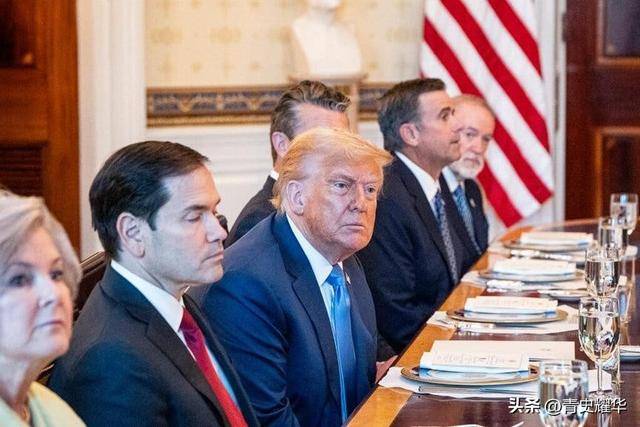
美国经济不确定性

Search documents
经济热点问答|美联储降息释放哪些信号
Xin Hua Wang· 2025-09-18 05:37
Core Points - The Federal Reserve announced a 25 basis point cut in the federal funds rate target range to 4.00% to 4.25%, marking the first rate cut of 2025 and following three cuts in 2024 [1] - The decision reflects concerns over a weakening job market, with non-farm payrolls increasing by only 22,000 in August, significantly below expectations [1] - Inflation remains above the Fed's long-term target of 2%, with the Consumer Price Index (CPI) rising by 2.9% year-on-year in August, the largest increase since January [2] Considerations Behind the Rate Cut - The Fed's primary focus is on the labor market, as employment growth has slowed and inflation remains high [1] - The Fed's median forecast for the inflation rate at the end of the year is 3%, indicating a continued concern over inflation despite the rate cut [2] Political Context - The rate cut may not alleviate the Trump administration's dissatisfaction with the Fed, as the administration has previously pressured for more aggressive cuts [3] - A newly appointed Fed governor, Stephen Milan, voted against the cut, advocating for a 50 basis point reduction instead [3] Future Rate Cut Potential - The Fed's dot plot indicates a median forecast of a total of 50 basis points in rate cuts over the remaining meetings of the year, with only one expected cut in 2026 [5] - The probability of a 25 basis point cut in the October meeting has risen to 87.7%, suggesting market expectations for further easing [5] - Analysts suggest that while rate cuts may stimulate demand, ongoing issues such as tariffs and immigration policies could hinder economic recovery [5]
美联储报告:关税重压下,美国经济的两大支柱正双双承压
Sou Hu Cai Jing· 2025-09-04 07:39
Group 1 - The latest Federal Reserve "Beige Book" indicates that both employment and consumer spending in the U.S. are under pressure due to tariffs, leading to a slowdown in hiring and investment by businesses [1][2] - The report highlights that all Federal Reserve districts have experienced price increases related to tariffs, raising production costs for companies and living expenses for consumers [1][2] - Many businesses express concerns about the economic outlook, with worries about trade policy changes, high interest rates, and stricter immigration policies affecting their confidence [1] Group 2 - Consumers are facing a dual challenge of rising prices and reduced employment, with wage growth not keeping pace with inflation, particularly as companies adjust labor and pricing strategies in response to tariffs [2] - The "Beige Book" reveals increasing economic uncertainty, with the term "uncertainty" mentioned 80 times, reflecting a more cautious decision-making environment for both businesses and consumers [2]
百年来首次以一封信解职美联储理事 美总统有权这样做吗?
Yang Shi Xin Wen· 2025-08-30 01:22
Core Viewpoint - The dismissal of Federal Reserve Governor Lisa Cook by President Trump raises questions about the President's authority to remove a Fed official and the potential impact on the Fed's independence [1][3]. Group 1: Dismissal and Legal Implications - Trump dismissed Cook citing alleged mortgage fraud, but Cook has filed a lawsuit claiming the dismissal is unlawful [1]. - The allegations against Cook involve declaring two properties as her "primary residence" to obtain better mortgage rates, which has been referred to the Justice Department for investigation [1]. - Legal experts suggest that the Trump administration must prove Cook's alleged misconduct in court, which could lead to a prolonged legal battle potentially reaching the Supreme Court [1][3]. Group 2: Impact on Federal Reserve Independence - The rationale for Cook's dismissal does not directly relate to her ability to perform her duties as a Fed Governor, indicating a potential misuse of presidential power [2][3]. - Trump's actions could set a precedent for presidential influence over the Fed, undermining its independence and stability, which is crucial for U.S. monetary policy [3]. - If Trump successfully removes Cook, it could allow him to nominate two governors, further increasing presidential influence over the Fed [3]. Group 3: Economic Challenges - The potential erosion of the Fed's independence may exacerbate existing challenges in balancing employment and price stability, leading to greater economic uncertainty in the U.S. [4].
特朗普罢免库克后 美国国债收益率曲线趋陡
Sou Hu Cai Jing· 2025-08-26 01:48
Group 1 - The U.S. Treasury yield curve steepened in the Asian morning session following Trump's removal of Lisa Cook from the Federal Reserve Board [1] - Independent market analyst Tina Teng noted that expectations for a Federal Reserve rate cut increased after Trump's social media post, leading to a rise in short-term U.S. Treasury prices [1] - Long-term bond prices fell, attributed to increased uncertainty in the U.S. economy [1]
鲍威尔将在杰克逊霍尔央行年会上给货币政策泼冷水
Sou Hu Cai Jing· 2025-08-19 12:12
Core Viewpoint - The upcoming Jackson Hole central bank meeting is highly anticipated, particularly for comments from Federal Reserve Chairman Jerome Powell regarding future monetary policy direction [2] Group 1: Federal Reserve Policy Outlook - Market speculation suggests that Powell may temper expectations for a rate cut in September during his speech at Jackson Hole [2] - Analysts express doubt about the likelihood of a rate cut in September, despite some belief that President Trump and Powell may have reached a consensus on this issue [2] - Powell's cautious approach to monetary policy indicates that he is unlikely to adopt an aggressive stance on rate cuts in the near future [2] Group 2: Economic Risks - The U.S. economy is facing significant uncertainty, which is identified as the largest risk currently [2] - The potential for prolonged high interest rates under Powell's leadership could increase the risk of economic downturn and uncertainty in the U.S. economy [2] - The timeline for Powell's departure in May next year adds to the complexity of the economic landscape, as it limits immediate changes in leadership [2]

关税仍在影响PPI,美联储9月降息预期生变?
Jing Ji Guan Cha Wang· 2025-08-18 12:02
Group 1 - The core CPI in the US for July 2025 ended a five-month streak of underperformance, with a month-on-month increase of 0.2%, aligning with expectations, while core CPI rose by 0.32% [1] - The US economy is facing uncertainties, with signs of weakening consumer market momentum and cautious corporate investment, leading to speculation that the Federal Reserve may consider interest rate cuts despite current inflation data [1] - Market expectations have shifted towards a "rate cut anticipation leading to a reinforced soft landing expectation," resulting in declines in the 2-year Treasury yield and the dollar index, while 10-year TIPS, 10-year Treasury yields, and US stocks have risen [1] Group 2 - The July PPI data indicates that tariff pressures may have been transmitted to US wholesalers, with a month-on-month increase of 0.95%, significantly exceeding the expected 0.2%, and core PPI rising by 0.92%, the highest since 2022 [2] - The impact of tariffs on wholesale, retail, and end-consumer prices remains uncertain, and the market's expectation for a September rate cut is not guaranteed due to the variability in data quality [2] - In optimistic scenarios, the Federal Reserve may cut rates twice this year, while in pessimistic scenarios, only once in October; looking ahead to mid-2026, a new Fed chair may lead to a more accommodative monetary policy with potential rate cuts ranging from 4 to 6 times next year [2] Group 3 - Prior to the September FOMC meeting, the dollar index and 2-year Treasury yield are expected to rise, reflecting a correction of overly optimistic rate cut expectations [3] - Following the September FOMC, market bets on rate cuts in 2026 are anticipated to increase, with concerns about the Fed's independence and debt sustainability likely to widen the yield spread between 2-year and 10-year Treasuries [3] - Recent discussions between Trump and Putin regarding the Russia-Ukraine conflict may enhance short-term market risk appetite, potentially leading to downward pressure on gold prices as safe-haven sentiment diminishes [3]
海外利率FOMC会议追踪系列点评:9月降息仍需等待数据支持
Minsheng Securities· 2025-08-01 10:18
Group 1 - The core viewpoint of the report indicates that the Federal Open Market Committee (FOMC) has maintained the federal funds rate at the 4.25-4.50% range, consistent with market expectations [3] - Economic growth has shifted from a "solid pace" to a "moderate" pace, with consumer spending weakening and the housing market remaining sluggish. The Q2 GDP annualized growth rate is reported at 3.0%, primarily driven by a decrease in net imports [4] - Inflation data has shown marginal strengthening, with the June PCE price index increasing by 2.6%, surpassing expectations of 2.5% and the previous value of 2.4%. The core PCE price index also rose by 2.8%, indicating uncertainty in the inflation trajectory [5] Group 2 - The report emphasizes that the potential for a rate cut in September hinges on upcoming data, particularly focusing on core PCE price index trends and unemployment rates. The FOMC will closely monitor these indicators to assess economic balance [5] - There is a noted division among FOMC voting members, with two members voting against maintaining the current rate, highlighting a rare occurrence of dissent within the board. This indicates a split in perspectives among the FOMC members [6]
就不降息!鲍威尔甩了“懂王”一记耳光?
Sou Hu Cai Jing· 2025-08-01 06:33
Core Viewpoint - The Federal Reserve has decided to maintain the federal funds rate target range at 4.25% to 4.50%, marking the fifth consecutive meeting where rates remain unchanged, which aligns with market expectations [1] Group 1: Economic Context - The U.S. economy is facing significant challenges, with the first quarter of 2023 showing a negative annualized GDP growth rate of -0.3%, indicating a contraction [10] - Inflation remains persistently high, with price increases reported across all Federal Reserve districts from late May to early July [10] - The U.S. government is burdened with a substantial debt, with an estimated $37 trillion in national debt, leading to increased interest payments as rates rise [5] Group 2: Political Dynamics - President Trump has been vocal in his criticism of Fed Chair Jerome Powell, pushing for rate cuts to stimulate the economy ahead of the midterm elections [3][4] - The Fed's reluctance to lower rates is partly due to concerns over the uncertainty created by Trump's economic policies, particularly regarding tariffs [11][8] - The internal dynamics of the Federal Reserve are showing signs of division, with some members advocating for immediate rate cuts while others prefer a more cautious approach [16][14] Group 3: Future Outlook - The upcoming September meeting of the Federal Reserve is anticipated to be a critical juncture for the institution's independence and policy direction [13] - The potential for dissent within the Federal Open Market Committee (FOMC) could lead to significant implications for future monetary policy, especially if political pressures continue to mount [18][19] - The ongoing conflict between Trump and Powell may undermine confidence in the Fed's stability, impacting both domestic and global economic prospects [18][19]
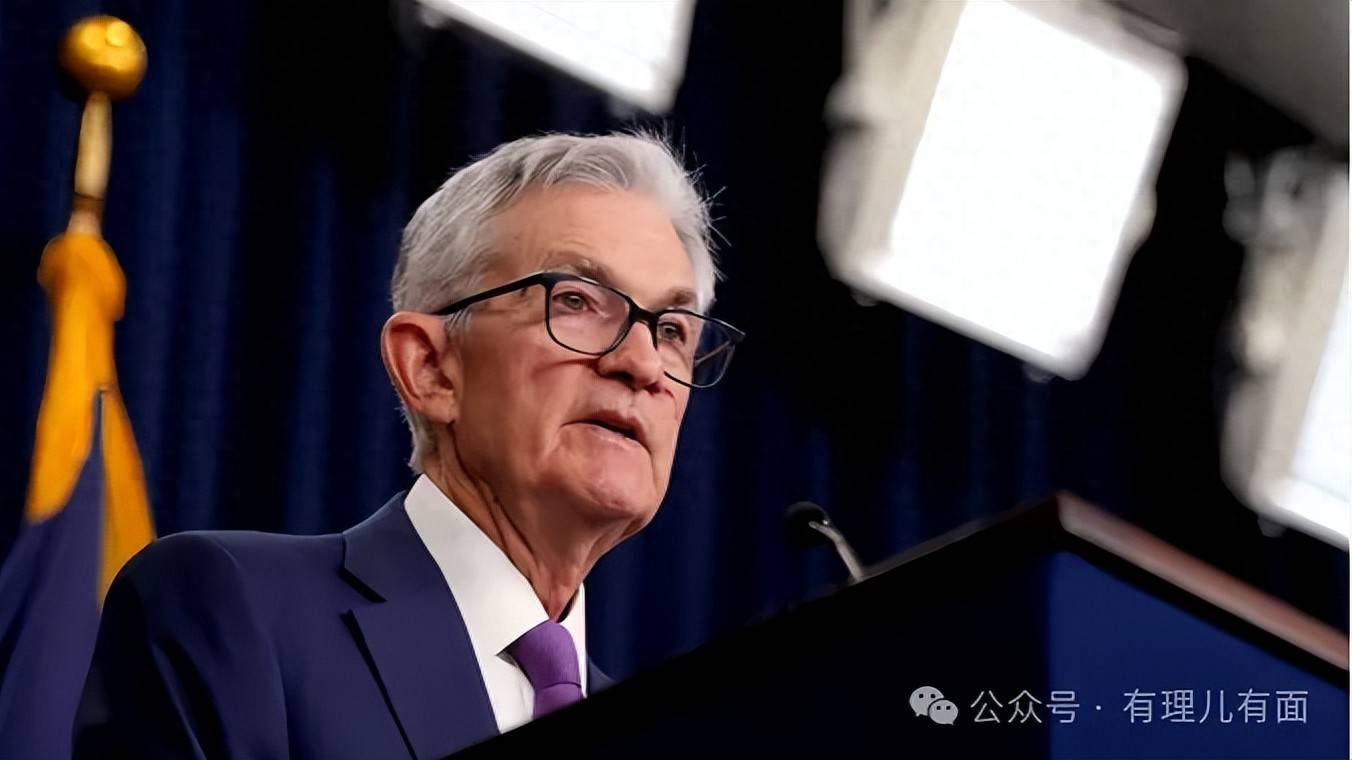
美联储主席鲍威尔称目前利率水平合适 市场对9月降息押注大幅下降
智通财经网· 2025-07-30 22:19
Core Viewpoint - The Federal Reserve's current interest rate level is deemed appropriate to address ongoing uncertainties related to tariffs and inflation, significantly reducing market expectations for a rate cut in September [1][2]. Group 1: Federal Reserve's Decision - The Federal Open Market Committee (FOMC) decided to maintain the federal funds rate target range at 4.25% to 4.5%, with a vote of 9 to 2, marking a routine decision for the year [1]. - Two members, Christopher Waller and Michelle Bowman, opposed the decision, advocating for a 25 basis point cut, which is the first dissent since 1993 [1]. - Following Powell's remarks, market expectations for a September rate cut dropped from approximately 60% to a 50% chance [1]. Group 2: Economic Assessment - The Fed downgraded its economic outlook, stating that recent data indicates a slowdown in economic activity growth during the first half of the year, contrasting with previous assessments of robust expansion [1]. - The second quarter GDP showed an annualized growth of 3%, reversing a contraction of 0.5% in the previous quarter, largely due to businesses importing ahead of tariffs [2]. - Consumer spending has shown the weakest growth since the pandemic, with two consecutive quarters of low performance [2]. Group 3: Inflation and Labor Market - Inflation remains slightly elevated, with certain goods directly affected by tariffs, such as toys, clothing, and electronics, experiencing significant price increases [2]. - The unemployment rate slightly decreased to 4.1%, partly due to reduced labor supply from tightened immigration policies [2]. Group 4: Future Policy Outlook - Powell emphasized the need to observe data developments before making decisions regarding potential rate cuts, indicating a cautious approach [3]. - The FOMC's recent meeting did not provide substantial policy guidance, reflecting ongoing uncertainties in the economic landscape [3].
翻脸如翻书,特朗普宣布重新武装乌克兰,外媒:对普京态度大转变
Sou Hu Cai Jing· 2025-07-09 04:28
Group 1 - The U.S. has postponed the tariff deadline from July 9 to August 1 and has issued letters to fourteen countries regarding increased tariffs, particularly targeting Japan and South Korea [1][4] - The U.S. is applying extreme pressure on Japan and South Korea to make concessions, indicating a significant shift in policy compared to previous administrations [3][4] - The tariffs imposed on Japan and South Korea are punitive rather than basic, with a 25% tariff announced [4][6] Group 2 - The U.S. foreign policy has shifted focus from supporting Ukraine to addressing the Middle East situation, particularly after Israel's attack on Iran [9][12] - Following a call with Putin, the U.S. expressed dissatisfaction with the lack of progress in the Russia-Ukraine conflict, indicating a potential shift back to supporting Ukraine [10][12] - The U.S. has historically provided about 50% of Ukraine's weaponry during the conflict, highlighting its critical role in Ukraine's defense [19] Group 3 - The U.S. is considering further sanctions against Russia and has expressed dissatisfaction with Putin, indicating a potential increase in pressure on Russia [17][21] - The unpredictability of U.S. policy under the current administration has led to a decrease in credibility and reliability among both allies and adversaries [23][25] - The economic implications of the tariff policies may lead to a recession in the U.S., with the administration's actions contributing to economic uncertainty [29][41] Group 4 - The current administration has threatened the Federal Reserve's chairman regarding interest rate policies, indicating a push for lower rates despite economic instability [31][39] - The administration's insistence that tariffs do not impact inflation contradicts economic realities, complicating the Federal Reserve's decision-making [33][37] - The uncertainty surrounding tariffs is seen as a major obstacle to the Federal Reserve's ability to lower interest rates [39][41]