肥胖治疗

Search documents
FDA approves first GLP-1 pill for obesity from Wegovy maker Novo Nordisk
Youtube· 2025-12-23 16:16
Core Viewpoint - Novo Nordisk has received FDA approval for the first oral weight loss drug, a GLP-1 pill specifically for obesity, set to launch in early 2026 [1][2]. Group 1: Product Details - The new oral drug is priced at approximately $150 per month before insurance, which is significantly lower than existing injection options [2]. - This oral medication represents a major advancement in obesity treatment, providing patients with an alternative to injections [2]. Group 2: Market Impact - The CEO of Novo Nordisk, Mike Dutar, indicated that the approval will significantly expand the market for obesity treatments, as many individuals are hesitant to use injections due to fear of needles or societal stigma [3]. - The introduction of a pill option is expected to attract a broader patient base who may have previously avoided treatment due to the injection format [3].



世卫指南明确GLP-1类药物可治疗肥胖,呼吁降低用药负担
Nan Fang Du Shi Bao· 2025-12-09 06:11
Core Insights - The World Health Organization (WHO) has issued a guideline stating that GLP-1 drugs can be used for long-term obesity treatment in adults, excluding pregnant women [1] - The guideline emphasizes that medication alone cannot fundamentally solve obesity; a healthier societal environment is necessary [1][2] - GLP-1 drugs, including liraglutide, semaglutide, and terzepatide, are recognized for their effectiveness in appetite suppression and energy intake reduction [1][2] Summary by Sections Drug Efficacy and Recommendations - GLP-1 drugs and GLP-1/GIP dual receptor agonists are recommended for long-term obesity treatment for individuals with a BMI of 30 or higher [1] - The guideline does not apply to individuals with a BMI between 27-30 kg/m² unless they have one or two obesity-related diseases [1] Lifestyle and Behavioral Changes - The guideline stresses the importance of lifestyle changes and behavioral counseling for obese individuals taking these medications, including reducing sedentary behavior and ensuring a balanced diet [2] - It highlights that lifestyle and dietary changes should be the first step in weight loss, rather than relying solely on medication [2] Policy and Accessibility - WHO describes the GLP-1 therapy as a milestone policy change, marking a shift in the perception of obesity from a lifestyle disease to a complex, preventable, and treatable chronic condition [2] - The organization warns that the high cost and limited accessibility of GLP-1 therapy mean that by 2030, less than 10% of patients will benefit from it, urging global strategies for expanded access [2][3] Health Equity and Environmental Changes - Incorporating obesity prevention and treatment into universal health coverage and financial protection mechanisms is crucial for equitable access to healthcare services [3] - WHO calls for strong public policies to create healthier environments, including taxing unhealthy foods and improving food labeling [3] - The recommendation for GLP-1 therapy is made with "conditional recommendation, moderate certainty evidence," indicating concerns about long-term efficacy, safety, and healthcare system readiness [3]
世卫组织发布GLP-1药物治疗肥胖指南,专家呼吁遵循医嘱科学减重
Di Yi Cai Jing· 2025-12-06 11:29
Core Viewpoint - The World Health Organization (WHO) has issued its first guidelines recommending the conditional use of GLP-1 (glucagon-like peptide-1) drugs for the treatment of obesity, emphasizing the need for a comprehensive management plan that includes healthy diet, regular exercise, and professional health guidance [1][3]. Group 1: Recommendations and Guidelines - GLP-1 drugs are recommended for long-term treatment of obesity in adults, excluding pregnant women, due to their significant efficacy in improving obesity and metabolic conditions, despite limited long-term safety data and high costs [1][3]. - The guidelines suggest providing enhanced behavioral interventions, including structured programs for healthy eating and physical activity, to improve treatment outcomes for adults receiving GLP-1 therapy [1][3]. Group 2: Obesity Statistics and Context - Obesity is a complex chronic disease that significantly contributes to non-communicable diseases such as cardiovascular diseases and type 2 diabetes, with the WHO projecting a global economic burden of $3 trillion by 2030 due to obesity [1]. - In China, the overweight rate among adults has reached 34.3%, with an obesity rate of 16.4%, highlighting the growing public health threat posed by obesity [3][4]. Group 3: Treatment and Management Insights - Lifestyle changes are fundamental for weight management, and while pharmacological treatments can be combined with lifestyle interventions, individual assessments are crucial for determining appropriate treatment plans [4][5]. - GLP-1 drugs exhibit dose-dependent effects, meaning different dosages can achieve varying weight loss results, and should only be used under medical supervision to ensure safety and effectiveness [5].

司美格鲁肽等GLP-1药物写入WHO全球指南用于肥胖症治疗
2 1 Shi Ji Jing Ji Bao Dao· 2025-12-04 11:57
Core Viewpoint - The World Health Organization (WHO) has released its first global guidelines for the use of GLP-1 receptor agonists in obesity treatment, highlighting the urgent need to address the global obesity crisis, which affects over 1 billion people and is projected to double by 2030 [1][2] Group 1: Obesity and Health Impact - Obesity is defined by the WHO as having a Body Mass Index (BMI) of 30 or higher, and it is a chronic, relapsing disease that significantly contributes to non-communicable diseases such as cardiovascular diseases, type 2 diabetes, and certain cancers [1][2] - The number of deaths related to obesity is projected to reach 3.7 million in 2024, emphasizing the critical health challenge posed by this condition [1] Group 2: GLP-1 Drugs and Treatment Guidelines - The new guidelines recommend GLP-1 drugs, including semaglutide, as part of a comprehensive management plan for obesity, which should also include healthy diet, regular exercise, and professional health guidance [2] - GLP-1 receptor agonists are recognized for their ability to lower blood sugar, aid in weight loss, and reduce the risk of complications in type 2 diabetes patients, marking a shift from lifestyle-only interventions to more structured medical management [2] Group 3: Economic and Market Implications - The inclusion of GLP-1 drugs in the WHO's Essential Medicines List for managing type 2 diabetes in high-risk populations indicates their growing importance in global chronic disease management [2] - The innovative GLP-1 drugs are expected to have a profound impact on public health and healthcare expenditure, similar to the effects of statins, as the related industry chain and market size continue to expand [2]
《Cell》:全新口服药问世,控糖减脂又护肌,以创新机制冲击“司美类”地位
GLP1减重宝典· 2025-11-26 15:30
Core Insights - The article discusses the revolutionary impact of GLP-1 receptor agonists, particularly semaglutide, in the treatment of obesity and related metabolic disorders, highlighting their effectiveness in appetite suppression and calorie intake reduction [6] - A new oral candidate drug, ATR-258, shows promising results in preclinical studies, demonstrating similar glucose control and weight loss effects as GLP-1 injections without the common side effects associated with GLP-1 drugs [7][9] - ATR-258 is designed to selectively activate β2 adrenergic receptors, enhancing muscle metabolism while minimizing cardiac side effects, representing a significant advancement in obesity and type 2 diabetes treatment options [11][12] Group 1: GLP-1 Receptor Agonists - GLP-1 receptor agonists, such as semaglutide, require weekly injections and are effective in treating obesity, type 2 diabetes, cardiovascular diseases, and sleep apnea [6] - These drugs have transformed obesity treatment by effectively suppressing appetite and reducing caloric intake [6] Group 2: ATR-258 Development - ATR-258, a β2 adrenergic receptor partial agonist, has shown excellent pharmacokinetics and tolerability in phase 1 clinical trials involving healthy volunteers and type 2 diabetes patients [9] - The drug aims to achieve "healthy weight loss" by reducing fat without losing muscle mass, which is crucial for patients with type 2 diabetes and obesity [11] - Atrogi AB plans to conduct larger phase 2 clinical trials to validate the positive effects observed in animal models for type 2 diabetes and obesity patients [12]

诺和诺德公布新一代糖尿病药物amycretin临床试验数据
Zheng Quan Shi Bao Wang· 2025-11-26 00:41
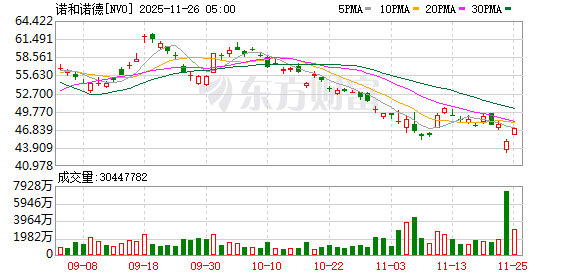
Core Insights - Novo Nordisk announced clinical trial data for its new diabetes drug amycretin, demonstrating significant weight loss effects alongside blood sugar reduction [2] Group 1: Clinical Trial Results - The trial results indicate that the amycretin injection, administered once weekly, can help patients lose up to 14.5% of their body weight over 36 weeks [2] - The daily oral formulation of amycretin can achieve a weight loss of up to 10.1% [2] Group 2: Market Impact - This positive news led to a rise in Novo Nordisk's stock price in the US, recovering much of the losses incurred from the underperformance of its Ozempic oral version in two Alzheimer's clinical trials [2] Group 3: Strategic Importance - Amycretin is a key component of Novo Nordisk's new generation of drug combinations, integrating two weight loss mechanisms into a single molecule, aimed at enhancing the company's competitive position in the obesity treatment market [2]
信达生物(01801.HK):玛仕度肽高剂量9mg上市申请获国家药监局受理
Ge Long Hui· 2025-11-25 08:37
Core Viewpoint - The application for the high-dose 9mg of Xinermy (Mastideptin injection) for long-term weight control in adults with moderate to severe obesity has been accepted by the National Medical Products Administration (NMPA) in China, indicating a potential new treatment option for this demographic beyond weight loss surgery [1] Group 1 - Xinermy is a dual receptor agonist for glucagon ("GCG") and glucagon-like peptide-1 ("GLP-1") [1] - The drug is expected to provide a strong and safe treatment alternative for the moderately to severely obese population in China [1]
高盛闭门会-中国肥胖症专家调研,药物格局市场和商业模式
Goldman Sachs· 2025-11-25 01:19
Investment Rating - The report indicates a strong potential for investment in the Chinese obesity treatment market, particularly with the introduction of new drugs and the increasing prevalence of obesity-related complications [1][3]. Core Insights - The obesity prevalence in China is approximately 50%, with a significant portion of the population focusing on aesthetic improvements rather than health consequences. The demand for medical interventions is rising due to the emergence of new drugs and an increasing overweight population [1][2]. - The Chinese weight loss market has substantial potential, especially in areas related to complications like obstructive sleep apnea, but requires significant investment in public education to raise awareness about the importance of medical interventions [1][4]. - Various weight loss drugs are already available in the Chinese market, including established options and new domestic drugs. Physicians need to recommend effective and economically viable treatment plans based on efficacy and patient circumstances [1][5]. - The introduction of oral formulations, such as Liraglutide, is expected to enhance accessibility in remote areas due to their convenience and lower costs, although they have not yet been included in the national health insurance [1][6]. - Online channels have become a significant sales avenue for anti-obesity drugs, but this trend raises concerns about potential drug abuse and the need for regulatory oversight [1][7]. Summary by Sections Obesity Prevalence and Treatment - According to Chinese diagnostic standards, overweight is defined by a BMI of 20-24 and obesity by a BMI of 28, with obesity rates around 24%. The prevalence of obesity-related complications is increasing, particularly among the younger generation [2][4]. Market Opportunities and Drug Landscape - The report highlights the need for long-term management of obesity-related conditions, drawing parallels with the historical management of diabetes. The market is expected to see more domestic and high-quality generic drugs in the coming years [1][5][6]. Pricing and Economic Considerations - The competitive landscape suggests that the prices of weight loss drugs are likely to decrease, with estimates indicating monthly costs could fall below 400 RMB. The average duration of drug use is about 2-3 months, often leading to weight regain, which complicates patient-physician communication [3][10]. Regulatory and Online Sales Dynamics - The possibility of government reimbursement for weight loss drugs is low unless they gain approval for other indications, such as obstructive sleep apnea. The report notes that online purchasing of these drugs is prevalent, raising concerns about the need for stricter regulations [9][11]. Emerging Therapies and Future Trends - The report emphasizes the importance of new therapies, such as selective Emmeline receptor agonists, and their potential to improve treatment outcomes. The future of the obesity treatment market in China is expected to evolve with the introduction of new products and a focus on long-term management strategies [11][12][13].
使用司美格鲁肽替尔泊肽,不想反弹?掌握这些关键点很重要!
GLP1减重宝典· 2025-11-18 05:33
Core Viewpoint - Obesity is a health condition associated with excess fat accumulation, leading to various complications and comorbidities. GLP-1 receptor agonists have been approved for treating obesity and type 2 diabetes, demonstrating effectiveness in appetite reduction and food intake decrease [2][3]. Group 1: Efficacy of GLP-1 Receptor Agonists - GLP-1 receptor agonists like semaglutide and tirzepatide have shown weight loss of 15%-20% compared to placebo over 68 to 72 weeks [3]. - Despite their effectiveness, about half of the patients discontinue treatment within the first year due to gastrointestinal side effects and high costs [3]. - Weight regain is common after stopping GLP-1 receptor agonists, emphasizing the need for continued use for sustained benefits [5][6]. Group 2: Weight Maintenance Challenges - A clinical trial indicated that participants who switched from semaglutide to placebo regained an average of 6.9% of their body weight, while those who continued treatment lost an additional 7.9% [6]. - After one year of stopping semaglutide, 18% of patients regained their lost weight, and 26% regained more than 25% of their weight [6]. Group 3: Treatment Duration and Guidelines - Patients should not stop medication before it takes effect and should continue for at least 12 weeks to see significant results. If effective, continuation for 9 months to 1 year is recommended [7]. - After three months of semaglutide use, patients typically experience a weight loss of 5.9%, increasing to 10.9% after six months [7]. Group 4: Strategies for Weight Management Post-Treatment - To prevent weight regain after stopping medication, patients should monitor appetite and weight closely, maintaining healthy eating habits and regular exercise [14]. - Dietary changes, such as reducing high-calorie foods and increasing protein and fiber intake, are crucial for weight maintenance [15]. - Incorporating strength training alongside aerobic exercise can enhance metabolic rate and support long-term weight loss [17]. Group 5: Importance of Sleep - Insufficient sleep can disrupt metabolic regulation, increasing hunger hormone levels and decreasing satiety hormone levels, leading to increased calorie intake [18]. - Adults are recommended to aim for 7-9 hours of sleep per night for optimal health and weight management [18].

Cell子刊:毕艳/李靓合作发现中枢瘦素抵抗新机制,开辟肥胖治疗全新路径
生物世界· 2025-11-12 04:05
Core Viewpoint - Obesity is a complex disease that significantly contributes to metabolic disorders and poses a heavy burden on healthcare systems. Current interventions have limited long-term efficacy, highlighting the need for a deeper understanding of the mechanisms behind obesity development [2]. Group 1: Mechanisms of Obesity - The primary cause of obesity is energy imbalance, where energy intake exceeds energy expenditure over time. The energy homeostasis is regulated by the brain-peripheral organ interaction, particularly through the gut-brain axis and the fat-brain axis [2]. - Research on the gut-brain axis has made significant progress, especially in targeting incretin pathways, while the core mechanisms of the fat-brain axis remain to be fully understood [2]. Group 2: Leptin Resistance - Leptin, a key feedback signal from adipose tissue, regulates energy balance by inhibiting food intake and promoting energy expenditure. However, obesity often leads to leptin resistance, disrupting the communication between adipose tissue and the brain [3][4]. - A recent study published in Cell Metabolism reveals a new mechanism driving central leptin resistance, identifying extracellular vesicles (EVs) derived from adipose tissue as crucial regulators of central leptin sensitivity [4][10]. Group 3: Role of Extracellular Vesicles - The study demonstrates that inhibiting adipose EV production in animal models leads to significant weight gain and increased body fat due to increased food intake and decreased energy expenditure [5]. - Only EVs from healthy mice effectively reduced weight and improved energy imbalance in obese mice, indicating the importance of healthy adipose EVs in maintaining energy homeostasis [5][6]. Group 4: Mechanisms of Action - The weight loss effect of adipose EVs relies on an intact leptin signaling pathway, as they do not induce weight loss in leptin-deficient mice [6]. - Adipose EVs can cross the blood-brain barrier and specifically target neurons expressing leptin receptors, enhancing central leptin sensitivity and maintaining energy balance [6][8]. Group 5: miRNA and Targeting Mechanisms - miRNA within adipose EVs are identified as key components mediating the effects on central leptin sensitivity. The study categorizes miRNAs into leptin-sensitizing and leptin-desensitizing types, with the former being crucial for preventing central leptin resistance [7][10]. - The research also identifies specific membrane proteins on adipose EVs that facilitate brain targeting, leading to the development of engineered EVs for delivering leptin-sensitizing miRNAs to the brain [8][10]. Group 6: Implications for Treatment - This research shifts the paradigm of leptin resistance from a central brain-focused approach to an inter-organ communication framework, opening new avenues for innovative obesity therapies targeting the fat-brain axis [10][11].