
能源供应安全

Search documents
匈牙利无视欧盟禁令,公开承诺将继续购买俄罗斯石油
Sou Hu Cai Jing· 2025-11-29 10:37
据法新社、路透社证实,这是自2022年俄乌冲突爆发以来,欧尔班第四次与普京面对面会晤,其单边外交行动也再度遭到欧盟强烈不满。 当地时间11月28日(周五),匈牙利总理欧尔班·维克托在莫斯科与俄罗斯总统弗拉基米尔·普京举行会谈,公开承诺将继续从俄罗斯进口石油 和天然气,并强调此举不受任何外部压力影响。 匈牙利长期高度依赖俄罗斯能源,本月早些时候,欧尔班已宣布将就欧盟逐步淘汰剩余俄气进口的决定向欧洲法院提起诉讼。 此次访俄前,他还对外宣称此行目的是"确保匈牙利今冬及来年能源供应安全,并以可负担的价格获得保障"。 而在11月7日,欧尔班还访问华盛顿并与美国总统特朗普举行会晤。欧尔班会后表示,美国将不会因匈牙利购买俄罗斯能源而对其进行制裁 (美国此前于10月对俄罗斯两家最大石油公司实施制裁,理由是普京拒绝结束对乌克兰的军事行动),允许匈牙利继续购买俄罗斯能源。 在克里姆林宫举行的会谈中,欧尔班明确表示:"我们没有在任何领域放弃与俄罗斯的合作,无论面临何种外部压力。" 他强调:"俄罗斯能源目前是匈牙利能源供应的基础,未来也将如此,俄方供应的能源可靠且可预测。" 普京也对欧尔班的立场表示赞赏,称匈牙利在乌克兰问题上采取了 ...


为保燃料供应,美国一地进入紧急状态
中国能源报· 2025-11-25 05:22
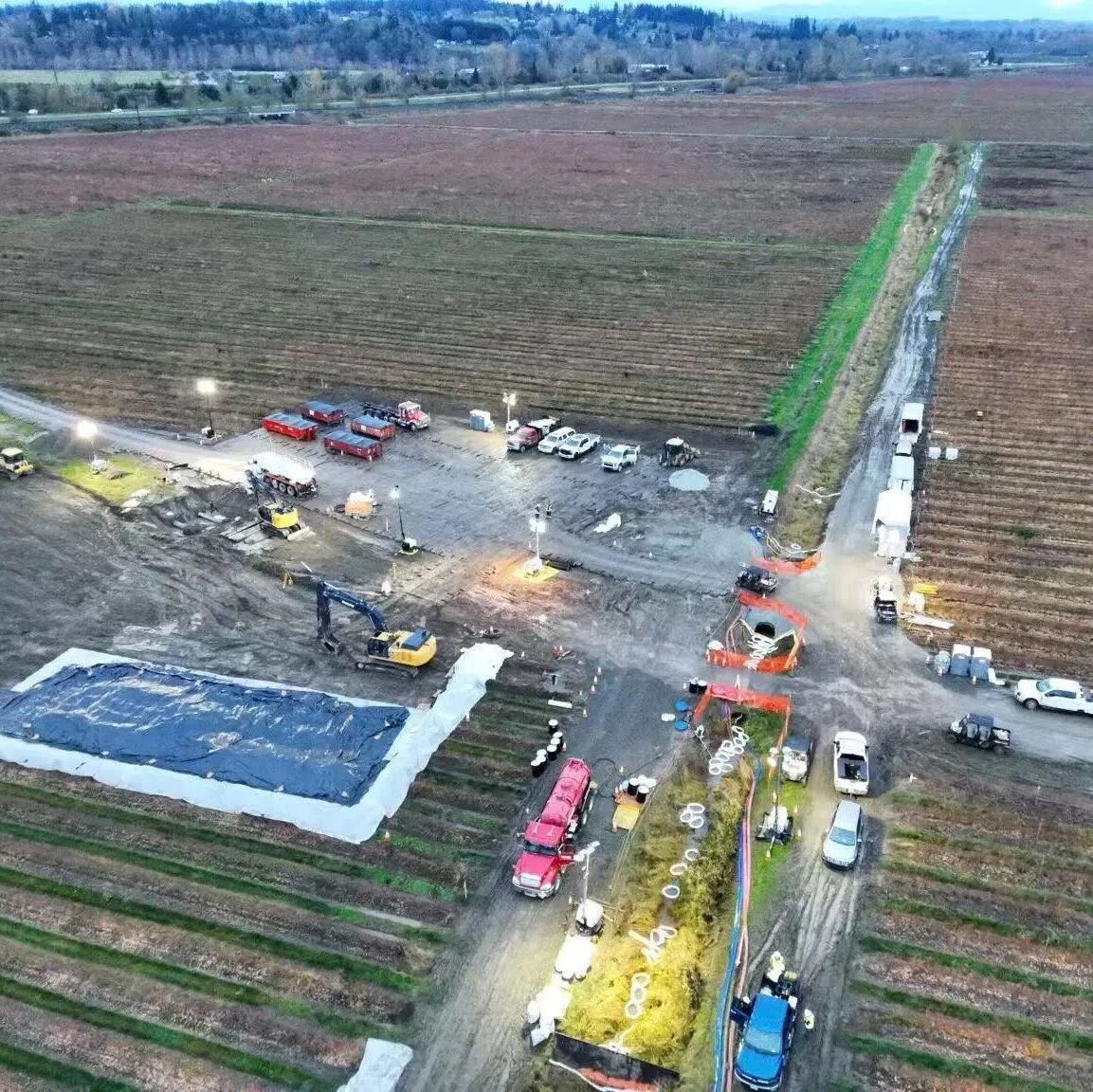
Group 1 - The state of Oregon has declared a state of emergency to ensure sufficient fuel supply during the closure of the Olympic pipeline due to a leak [1] - The Olympic pipeline, operated by BP, supplies over 90% of the fuel to Oregon and has been closed for a week since the leak was first reported [2] - BP is currently investigating the source of the leak as part of their response efforts [2]

意最高法院批准引渡“北溪”天然气管道爆炸案嫌疑人
Xin Hua She· 2025-11-21 09:19
Group 1 - The Italian Supreme Court approved the extradition of Ukrainian suspect Sergey Kuznetsov to Germany, who is accused of involvement in the sabotage of the "Nord Stream" gas pipelines [1] - Kuznetsov was arrested in Italy in August based on a European arrest warrant issued by Germany, and after a series of legal proceedings, the Supreme Court rejected the defense's appeal [1] - The German prosecution alleges that Kuznetsov participated in planning and executing the bombing of the "Nord Stream" pipelines, which occurred in September 2022, resulting in significant gas leaks [2] Group 2 - The "Nord Stream" pipelines, which connect Russia to Germany and other European countries, experienced explosions that were determined to be acts of sabotage, leading to three out of four pipelines leaking gas [2] - The explosions have exacerbated the energy supply crisis in the EU, causing increased gas prices and negatively impacting global energy supply and marine ecological safety [2] - Investigations into the sabotage have been complicated, with Sweden and Denmark concluding their investigations without revealing detailed results, while Germany continues its inquiry [2]
欧盟同意逐步停止从俄进口天然气
Sou Hu Cai Jing· 2025-10-21 12:03
Core Viewpoint - The European Union (EU) Council supports a proposal to gradually stop importing Russian natural gas by January 2028, which requires approval from the European Parliament [1] Group 1: Proposal Details - The proposal includes a ban on new natural gas import contracts with Russia starting January 1, 2026, while allowing a transition period for existing contracts [1] - The current estimate indicates that Russian natural gas accounts for approximately 13% of the EU's total imports, valued at over 15 billion euros annually [1] Group 2: Impact on Member States - Hungary's Foreign Minister expressed concerns that the proposal would severely undermine Hungary's energy security [1]
揭阳联通管道项目投产,华南再添成品油外输“新动脉”
2 1 Shi Ji Jing Ji Bao Dao· 2025-10-16 11:14
Core Viewpoint - The successful commissioning of the Jieyang Unicom Pipeline Project marks a significant advancement in the energy infrastructure of Guangdong Province, enhancing the transportation of refined oil products and ensuring energy supply security in the Guangdong-Hong Kong-Macao Greater Bay Area [1][3][7] Group 1: Project Overview - The Jieyang Unicom Pipeline is a key energy project under Guangdong's "14th Five-Year Plan" and is crucial for the National Pipeline Network Group's goal of optimizing energy infrastructure in South China [3] - The pipeline spans approximately 41.2 kilometers with a designed transportation capacity of 4.5 million tons per year, connecting PetroChina's Guangdong Petrochemical to the Huizhou oil depot [3] - The project facilitates the transportation of gasoline and diesel produced by PetroChina's integrated refining and chemical project to the Greater Bay Area and eastern Guangdong, ensuring a stable supply of refined oil products [3] Group 2: Project Execution - Since its commencement in April 2023, the National Pipeline Network Group has demonstrated a strong commitment to completing the project on schedule, overcoming several critical construction challenges [5] - The successful operation of the pipeline represents a breakthrough for the National Pipeline Network Group in establishing new shipping partners within Guangdong Province [7] Group 3: Strategic Impact - The project supports the strategic goal of building an "X+1+X" oil and gas market system in Guangdong, promoting resource sharing and complementary development between eastern Guangdong and the Pearl River Delta [7] - It injects strong momentum into the development of a clean, low-carbon, safe, and efficient modern energy system in the region [7]

Russia’s Fuel Shortages Ripple Across Central Asia
Yahoo Finance· 2025-10-15 16:00
Core Insights - Russia is experiencing fuel shortages and price increases due to Ukrainian attacks on its oil refineries, leading to export restrictions on gasoline and diesel [1] - Central Asian countries, particularly Tajikistan and Kyrgyzstan, are heavily impacted by these restrictions, facing rising fuel prices and supply challenges [2][4] Group 1: Tajikistan's Situation - Tajikistan, reliant on Russian fuel imports, has seen gasoline prices rise sharply, with a liter costing up to $1.30, the highest in Central Asia [2] - The country is diversifying its energy consumption, with many vehicles switching to liquefied natural gas or electric power, although it still expects to import 500,000 tons of gasoline from Russia by year-end, up from 451,000 tons in 2024 [3] Group 2: Kyrgyzstan's Vulnerability - Kyrgyzstan imports over 90% of its gasoline and diesel from Russia and has faced price hikes and supply delays since the summer [4] - The country is vulnerable due to its dependence on Russian imports, with limited alternatives available that would require significant investment [5] Group 3: Uzbekistan's Strategy - Uzbekistan continues to import Russian fuel but is increasing imports from Kazakhstan and Turkmenistan to reduce reliance on Russia [6] - Despite having large oil reserves, Uzbekistan lacks the infrastructure to significantly boost production, with output at around 63,000 barrels per day in 2024 [6]
突发,关税大消息!降至15%
Zhong Guo Ji Jin Bao· 2025-08-21 13:33
Group 1 - The United States and the European Union have reached an agreement on a framework for a trade agreement, which includes 19 key points covering various sectors such as agriculture, automobiles, aircraft, semiconductors, energy, and digital trade barriers [3][4] - The agreement specifies that the U.S. will not impose tariffs exceeding 15% on most EU goods, including automobiles, pharmaceuticals, semiconductors, and timber [3][4] - The EU has committed to eliminating tariffs on all U.S. industrial goods and providing preferential market access for a wide range of U.S. seafood and agricultural products [3][4] Group 2 - The EU plans to purchase U.S. liquefied natural gas, oil, and nuclear products, with expected procurement reaching $750 billion by 2028, and will also procure at least $40 billion worth of U.S. artificial intelligence chips [4] - Total mutual investment between the U.S. and EU exceeds $5 trillion, with European companies expected to invest an additional $600 billion in strategic sectors in the U.S. by 2028 [4] - Both parties aim to reduce or eliminate non-tariff barriers and agree to mutual recognition of standards in the automotive sector [4][7]
日本首相石破茂以“最高警觉”关注霍尔木兹海峡
news flash· 2025-06-23 15:41
Core Viewpoint - Japanese Prime Minister Shigeru Ishiba is closely monitoring the potential closure of the Strait of Hormuz by Iran, which could severely impact Japan's energy supply [1] Group 1: Energy Dependency - Japan's energy supply is highly reliant on oil imports from the Middle East [1] Group 2: Political Actions - Ishiba had planned to discuss this issue during the upcoming NATO summit, but Japanese government officials have stated that he has canceled related travel plans [1]
中东地缘冲突加剧国际油价震荡
Jing Ji Ri Bao· 2025-06-17 22:13
Group 1 - On June 13, Israel launched a military attack on Iran, causing significant reactions in the international oil market, with Brent crude oil futures and WTI prices both surging over 7%, marking the largest daily increase since the Ukraine crisis began [1] - The geopolitical tensions in the Middle East are expected to heighten the risk of oil supply disruptions, with the potential for Iran to block the Strait of Hormuz, which handles about 20% of global oil transport [1] - Major investment banks and energy institutions have revised their oil price forecasts, indicating that while prices may spike due to immediate events, they are likely to return to fundamental supply-demand dynamics in the long term [1][2] Group 2 - Goldman Sachs noted that despite high short-term risk premiums, major oil-producing countries like Saudi Arabia and the UAE have nearly 3 million barrels per day of spare capacity, suggesting that prices may retreat to the $75 to $78 per barrel range after an initial spike [2] - Morgan Stanley highlighted that the recent price surge is primarily due to heightened tensions and risk hedging, with global refining margins significantly narrowing compared to last year, indicating insufficient downstream demand to support sustained high prices [2] - The International Energy Agency (IEA) warned that uncertainties in Middle Eastern energy security could pose significant challenges to global energy supply-demand balance in the second half of the year [3] Group 3 - Shell has indicated a shift in energy investment strategies from a "high return" logic to a "high safety" logic due to geopolitical risks, with plans to accelerate project developments in Africa and Brazil to mitigate concentration risks [3] - Saudi Aramco has assured that it can increase production by 500,000 to 1 million barrels per day within 48 hours if the market experiences panic, aiming to stabilize expectations [3] Group 4 - The long-term challenge of ensuring energy supply security is complex, particularly for energy-importing countries, which need to diversify energy imports and establish strategic reserves to buffer against price volatility [4] - The international oil market may experience a new normal characterized by "larger fluctuations and low-level oscillations," with a supply slightly exceeding demand likely to persist [4]
中方是否担心来自伊朗的能源供应受影响?外交部回应
news flash· 2025-06-17 07:44
Core Viewpoint - The Chinese government expresses deep concern over the escalation of regional conflicts due to Israeli attacks on Iran, emphasizing the need for immediate measures to de-escalate tensions and return to dialogue for resolution [1] Group 1 - The Chinese government is worried about the potential disruption of energy supplies from Iran due to the Israel-Iran conflict [1] - The spokesperson calls for all parties involved to take urgent actions to cool down the situation [1] - The focus is on preventing further regional turmoil and creating conditions for a return to negotiations [1]