
资产转移

Search documents
消失1年的恒大高管被抓到了!美国豪宅生活曝光,钱多到数不清
Sou Hu Cai Jing· 2025-08-19 06:04
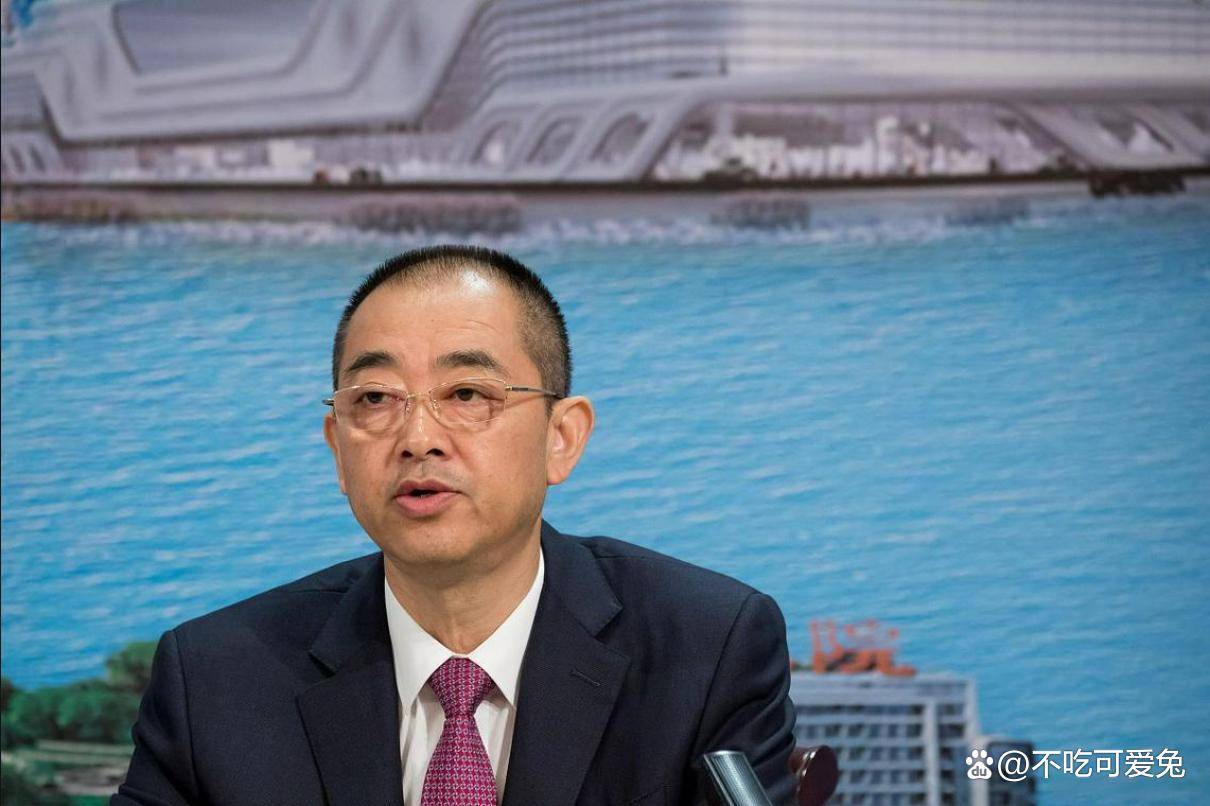
Core Viewpoint - The article reveals the extravagant lifestyle of Xia Haijun, the former president of Evergrande, who has been living in luxury in California after the company's financial collapse, sparking public outrage over the stark contrast between his wealth and the struggles of ordinary people affected by the company's downfall [1][3]. Group 1: Xia Haijun's Wealth and Lifestyle - Xia Haijun is living in Irvine, California, owning at least three luxury properties valued over $24 million, equivalent to approximately 170 million RMB [3]. - His properties include a 300 square meter home purchased for $1.2 million, now worth $3.2 million, a $6 million property bought in April 2022, and a $14.5 million estate acquired through a trust [3]. - His garage features multiple luxury vehicles, including three Teslas and a Mercedes SUV, indicating a lavish spending pattern [3]. Group 2: Source of Wealth - Xia Haijun accumulated significant wealth during his 12 years at Evergrande, earning approximately 1.855 billion RMB from salary, bonuses, stock dividends, and service fees from related companies [5]. - Notably, he charged over 50 million RMB annually for financial advisory services through an offshore company, showcasing a potential conflict of interest [5]. Group 3: Asset Concealment and Legal Issues - Prior to Evergrande's collapse, Xia sold $128 million in Evergrande bonds, cashing out $56.52 million, indicating a premeditated exit strategy [7]. - He has been accused of asset concealment, only declaring three properties in Hong Kong while hiding other assets, leading to legal actions against him [7]. - The Hong Kong court has frozen assets under his wife's name, and cross-border recovery procedures have been initiated by mainland judicial authorities [7]. Group 4: Public Reaction and Social Implications - The stark contrast between Xia's luxurious lifestyle and the plight of Evergrande's creditors, including homebuyers and construction workers, has triggered public anger and highlighted social injustice [7]. - Xia's actions serve as a cautionary tale about the consequences of unethical financial practices, suggesting that ill-gotten gains may eventually be reclaimed [9].

向海外转移50亿美金,雷军如此大胆?揭秘惊天内幕
Sou Hu Cai Jing· 2025-08-11 23:42
Core Viewpoint - Recent rumors suggest that Lei Jun, through Wells Fargo's Mao Chen Yue, transferred $5 billion overseas, igniting public concern and scrutiny towards Xiaomi and its founder [1][7]. Group 1: Rumor Details - The rumor claims that Lei Jun transferred $5 billion, which is approximately 36 billion RMB, raising questions about potential asset flight [7][9]. - The involvement of Mao Chen Yue, a Wells Fargo executive recently restricted from leaving China due to a criminal case, adds credibility to the rumor [9][11]. Group 2: Public and Media Reaction - Lei Jun's actions have historically attracted significant media attention, with both positive and negative implications for Xiaomi [3][5]. - Negative incidents, such as the SU7 car accident and the SU7 Ultra return controversy, have led to increased scrutiny and pressure on Lei Jun and Xiaomi [5][11]. Group 3: Company Response - Xiaomi's public relations manager, Wang Hua, denied any collaboration with Wells Fargo or Mao Chen Yue, asserting that the claims of asset transfer are unfounded [11]. - The company emphasized that any legitimate business transactions should not be labeled as "asset transfer" or "comprador" without evidence [11]. Group 4: Background on Mao Chen Yue - Mao Chen Yue, born in Shanghai and educated at Fudan University, has a history with Wells Fargo, where she rose to the position of Managing Director [13]. - The bank has faced significant penalties in the past for various misconducts, raising concerns about its operations and the implications of its executives' actions [13][14].

中国1.52万名富豪“跑路”,资产转移高达万亿,混不下去再回来?
Sou Hu Cai Jing· 2025-06-19 06:59
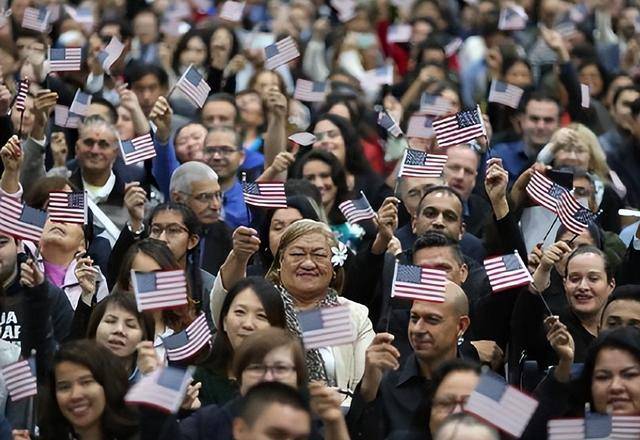
Core Viewpoint - The article discusses the increasing trend of wealthy individuals in China emigrating and transferring their assets abroad, despite the country's economic growth. This trend raises concerns about the potential impact on the domestic economy as high-net-worth individuals seek more favorable conditions overseas [1][5][7]. Group 1: Emigration Trends - In 2024, it is projected that 128,000 individuals will emigrate from China, marking a significant increase from 2023's figures [5]. - China leads the world in the number of high-net-worth individuals emigrating, with 15,200 expected to leave in 2024, up from 13,500 in 2023 [7]. - The emigration of wealthy individuals is seen as a negative indicator for the country's economic stability [7]. Group 2: Reasons for Emigration - Many wealthy individuals are choosing to relocate to the United Arab Emirates (UAE) due to its lack of personal income tax, which allows for greater income retention [10]. - The UAE's robust infrastructure and high-quality healthcare services are also significant factors attracting wealthy individuals [12]. - The United States is another popular destination, offering immigration-friendly policies, although the experience for lower-income immigrants can be vastly different from that of wealthy individuals [14][16]. Group 3: Economic Implications - The outflow of wealthy individuals and their assets could have detrimental effects on China's economy, as their departure may lead to reduced domestic investment and economic activity [7][29]. - There are discussions among the public about increasing taxes on emigration to deter wealthy individuals from leaving [8]. - The article highlights the challenges faced by returning emigrants, particularly those who may have left due to financial difficulties, indicating that re-entering the domestic market may not be straightforward [25][29].
深圳半山巨宅底价成交,3749万拍下十亩“空壳城堡”,富豪叶肇夫的财富密码被破译?
Sou Hu Cai Jing· 2025-06-02 05:11
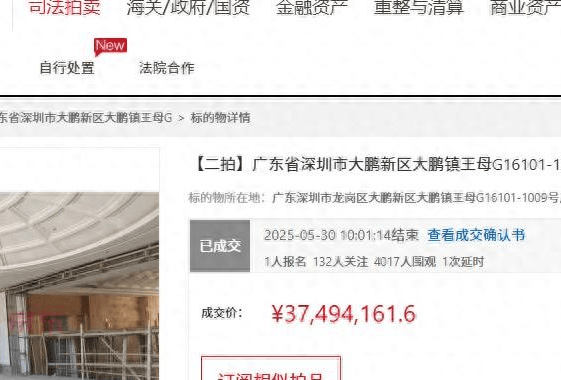
Group 1 - The property in question, a villa in Dapeng New District, was sold at a starting price of 37.494 million yuan, significantly lower than its assessed value of 66.95 million yuan, indicating a discount rate of approximately 55% [1][3] - The villa covers an area of 10.26 acres (6,847 square meters) with a building area of 4,178 square meters, consisting of one underground and five above-ground floors, making it larger than many luxury properties in the area [1] - The property was sold without any competitive bidding, highlighting a lack of interest from potential buyers, which raises questions about its marketability and desirability [1][3] Group 2 - The actual cost of acquiring the villa may exceed 50 million yuan due to hidden costs, including an 816,700 yuan municipal fee that must be paid, as well as potential land transfer fees and value-added taxes if the property is resold [3] - The average price for luxury homes in the Dapeng area is around 30,000 yuan per square meter, while similar properties in the Futian central area exceed 100,000 yuan per square meter, indicating a significant price disparity [3][8] Group 3 - The buyer, Hongrongyuan Biotechnology, is a subsidiary of Hongrongyuan Group, which has previously developed high-end projects in Shenzhen but is now entering the real estate market under a non-real estate company name, raising suspicions about asset transfer and debt risk management [5] - The purchase may be a strategic move to convert cash flow from the struggling biopharmaceutical sector into tangible real estate assets, which are perceived as "hard currency" [5] Group 4 - The previous owner, Ye Zhaofu, is a well-known philanthropist and founder of Hong Kong Sun Holdings Group, whose financial troubles have led to the auction of his luxury property, sparking debates about the authenticity of his charitable contributions [6] - The situation reflects broader economic challenges faced by wealthy individuals, as the villa's sale raises questions about the sustainability of luxury real estate investments in the current market [11] Group 5 - The overall auction environment is characterized by a high failure rate, with over 60% of properties failing to sell initially, although the rate improves to 40% after price reductions [9] - Developers are increasingly using subsidiaries to acquire distressed assets, indicating a shift in investment strategies from opportunistic buying to risk management [9]
离婚!51岁实控人“净身出户”,前妻已分走近3亿元
21世纪经济报道· 2025-05-17 15:23
Core Viewpoint - The article discusses the recent developments regarding Jin Yuan Co., including the transfer of shares due to the divorce of its actual controller Zhao Hui and the implications of his sudden resignation and legal issues [2][5][6]. Group 1: Share Transfer and Management Changes - Zhao Hui transferred 8.505% of his shares in Jin Yuan Co. to his ex-wife Pan Ying as part of their divorce settlement, which is still undergoing the transfer process [1][2]. - Following the divorce, Zhao Hui resigned from all positions within the company, including Chairman and General Manager, citing personal reasons [5][6]. - The shares transferred to Pan Ying are currently under a lock-up period, and she is committed to fulfilling Zhao Hui's previous shareholding commitments [1][5]. Group 2: Legal Issues and Financial Performance - Zhao Hui and Jin Yuan Co. are under investigation by the China Securities Regulatory Commission (CSRC) for suspected violations of information disclosure laws, which may have significant implications for the company's governance and stock stability [7][8]. - The company reported a significant increase in revenue of 136.79% in the previous year, but its cash flow from operating activities plummeted by 192.86% [8][9]. - In the first quarter of the current year, Jin Yuan Co. achieved a revenue of 1.743 billion, a year-on-year increase of 84.59%, but the net profit attributable to shareholders decreased by 29.92% [10]. Group 3: Company Evolution and Business Focus - Jin Yuan Co. has undergone several strategic shifts since its inception, moving from a traditional building materials company to focusing on environmental protection and new energy materials [9]. - The company has exited the cement industry and now operates primarily in three segments: building materials, environmental protection, and new energy materials [9].

李嘉诚急了!七折抛售北京房产,意欲何为?
Sou Hu Cai Jing· 2025-05-13 04:28
Core Viewpoint - Recent actions by Li Ka-shing, including the sale of 43 ports and significant price cuts on luxury properties, have raised questions about his financial strategy and potential cash needs [1][12]. Group 1: Property Sales - Li Ka-shing's company, Cheung Kong Holdings, has drastically reduced the price of its luxury project "Yuxu Garden" in Beijing, with prices dropping from an average of 90,700 to 70,000 yuan per square meter, representing a nearly 30% decrease [3][5]. - The total price for some units has fallen to as low as 9.8 million yuan, which is approximately a 30% reduction compared to the initial launch price [3][5]. - Cheung Kong Holdings has introduced a compensation plan for previous buyers, offering either renovation subsidies or cash compensation ranging from 900,000 to 1 million yuan, indicating the unusual nature of this price drop [5][7]. Group 2: Market Context - The timing of the price cuts is notable, occurring shortly after a government emphasis on stabilizing the real estate market, which raises questions about the company's alignment with policy signals [7][11]. - Historical context shows that the land for "Yuxu Garden" was acquired in 2001 for only 1,750 yuan per square meter, highlighting the significant appreciation in property value over the years [9][11]. - The lengthy development timeline of the project, which only opened in 2024, suggests strategic planning by Li Ka-shing to navigate regulatory frameworks while maximizing returns [11][12]. Group 3: Asset Reallocation - There are ongoing speculations about Li Ka-shing's intentions to shift assets abroad, as evidenced by the sale of prime properties in major cities like Beijing and Shanghai [12][13]. - Since 2023, Cheung Kong Holdings has moved its registration to the Cayman Islands, indicating a potential strategy for asset reallocation and international investment [13]. - Despite rumors of financial distress, Li Ka-shing's public appearances suggest a stable financial position, contradicting claims of an urgent need for cash flow [15].


每日投行/机构观点梳理(2025-05-07)
Jin Shi Shu Ju· 2025-05-08 02:17
Group 1: Economic Indicators and Predictions - Wells Fargo economists predict that the Consumer Price Index (CPI) for April will rise by 0.2% after a surprising decline of 0.1% in March, leading to an annual CPI rate of 2.3%, the lowest in four years [1] - Deutsche Bank expects the Federal Reserve to maintain the federal funds rate in the range of 4.25-4.50% and emphasizes the need to observe the impact of recently implemented trade policies on economic growth and inflation [3] - UBS Wealth Management highlights that concerns over the independence of the Federal Reserve could significantly damage the dollar's safe-haven status, with currencies like the yen and Swiss franc benefiting in the current environment [2] Group 2: Market Trends and Asset Allocation - Analysts at Societe Generale note a trend of investors shifting from U.S. assets to European assets, although this transition may take time to fully materialize [4] - Bank of America indicates that the recent surge in interest in European markets does not necessarily signal a structural shift, as many institutional investors remain cautious about large-scale capital transfers from the U.S. [5] - Citic Securities maintains a preference for gold over copper and oil in the commodities market, citing OPEC+'s unexpected production increase as a factor that may lead to a supply surplus in the oil market [6][5] Group 3: Commodity Price Forecasts - KPMG has revised its Brent crude oil price forecast for the end of the year down from $70 to $60 per barrel, reflecting improved global oil supply conditions [6] - Barclays has postponed its forecast for the next Bank of Japan interest rate hike to January 2026, adjusting its final rate prediction down to 1.00% [7] Group 4: Domestic Market Insights - Galaxy Securities reports a significant increase in global gold ETF inflows in Q1 2025, with net purchases by central banks remaining strong, supporting the long-term bullish outlook for gold prices [8] - The automotive market in China is expected to see a rebound in sales, driven by the release of new models and the end of consumer hesitation following the Shanghai Auto Show [8]
情况不妙,长和港口交易生变,李嘉诚疑转移资产?官方三部门发声
Sou Hu Cai Jing· 2025-04-02 11:18
Core Viewpoint - The Longfor Group is facing significant public scrutiny and potential loss of trust due to unsuccessful port transactions and rumors of asset relocation by its founder, Li Ka-shing [1][3][11]. Group 1: Business Operations - Longfor Group operates in infrastructure, ports, retail, and telecommunications, with telecommunications contributing 19% to its revenue in 2024, making it a core business segment [3]. - There are reports suggesting that Longfor may consider splitting its global telecommunications assets, which could be seen as a retreat strategy by Li Ka-shing [5][21]. Group 2: Market Reaction - Following the news of potential asset relocation, Longfor's stock price dropped by 3.54% at the market opening on March 31 [7]. - The company issued a statement to prevent further stock decline, asserting that no decisions regarding its global telecommunications business have been made [7]. Group 3: Customer Trust and Public Perception - As of June 2024, over 4.3 million people in Hong Kong and Macau use Longfor's telecommunications services, and any decline in trust could severely impact the company [9]. - The Hong Kong media and government have expressed concerns regarding Li Ka-shing's decisions, urging caution in the port transaction [11][13]. Group 4: Internal Dynamics - Li Ka-shing's son, Li Ze-kai, has distanced his company,盈科拓展, from Longfor, emphasizing its independent operations and a focus on the mainland market [17][19]. - There is potential for future collaboration between 盈科拓展 and Longfor in telecommunications, which could help restore trust if managed wisely [21]. Group 5: Strategic Recommendations - It is suggested that Li Ka-shing should consider transferring core business operations to 盈科拓展 to maintain family control while potentially regaining public trust [21][22].
长和拆分全球电信业务,李嘉诚还没死心!
Sou Hu Cai Jing· 2025-04-01 08:21
对于这个消息,长和集团特意发了一个公告,写的是,公司可能交易,或拆分上市全球电讯业务的资产和运营相关业务。但董事会还没有就公司 的全球电讯业务的任何交易做出决定。啥意思呢?队长给大家翻译一下就是,李嘉诚确实想拆分资产,但现在风高浪急,舆论刺激太大了。这事 暂时做不了决定,等风头过了,等到合适的时机,再拆分。 来源:牲产队2024 拆分长和资产,李嘉诚似乎铁了心要卖港口。 就在"港口交易"被叫停,市监总局介入审查以后,长和集团又传出消息。李嘉诚的次子李泽楷旗下的电信业务等,将全面拆分,准备前往英国伦 敦上市。又是卖港口,又是拆分资产,这岂不是顶风作案吗?在这个关键时刻,李嘉诚到底在打什么算盘? 为什么要拆分呢?主要有三个原因: 一是,长和旗下的电信业务,主要市场不在中国,而在欧洲。在中国,盈科电讯主要覆盖香港和澳门。这香港、澳门总人口才800来万,市场比较 小。它真正的大市场在欧洲六国,分别是英国、意大利、瑞典、丹麦、奥地利和新西兰。因为这些资产本身就位于欧洲,市场也在欧洲。它最合 适的上市地点,就是英国伦敦了。 二是,规避风险。香港资本都有一个共性,即两头吃。一边吃大陆的市场红利,一边吃欧美的资本红利。以前, ...
金圆股份51岁实控人离婚“净身出户” 妻子获市值4.2亿股份被指转移资产
Chang Jiang Shang Bao· 2025-03-24 07:08
金圆股份51岁实控人离婚"净身出户" 妻子获市值4.2 亿股份被指转移资产 正取保候审的赵辉,试图通过离婚,将上市公司资产全部转移至妻子名下。 3月22日,金圆股份(000546)(000546.SZ)公告,公司获悉赵辉和潘颖已通过协议离婚方式办理 解除婚姻关系手续,赵辉所持金圆股份的股份全部过户至潘颖名下,堪称"净身出户"。 截至3月21日收盘,金圆股份股价达4.96元/股。由此,潘颖此次获得的股份市值达4.24亿元。 一位资产管理师向长江商报记者表示,"赵辉离婚明显是在转移资产,将对公司治理结构、股价稳 定及投资者权益产生深远影响??。" 业绩方面,近三年来,金圆股份扣非净利润持续亏损,累计将亏损超15.78亿元。 妻子潘颖获全部股份 3月22日,金圆股份发布公告显示,近日,上市公司收到公司实际控制人之一赵辉的通知,获悉赵 辉和潘颖已通过协议离婚方式办理解除婚姻关系手续,就股份分割等事宜做出相关安排。上述事项将导 致公司实际控制人及股东权益发生变动。 具体来看,本次权益变动前,金圆股份实际控制人赵璧生、赵辉父子通过直接和间接方式合计持有 公司3.02亿股股份,占公司总股本的38.85%。其中赵辉直接持有公 ...
