轻资产转型

Search documents
加盟占比超53%:来伊份双轮驱动模式激活业绩增长新动能
Huan Qiu Wang· 2026-01-26 07:46
Core Viewpoint - The company is undergoing a significant transformation from a traditional asset-heavy direct sales model to a dual-driven strategy of "direct sales + franchising," aiming to evolve into a "chain management service + supply chain platform" enterprise, with substantial progress already made in this transition [1][3]. Group 1: Channel Structure Transformation - The fundamental restructuring of the channel is central to the company's transformation, shifting from a direct sales focus to a dual-driven strategy of "direct sales + franchising" [3]. - A key milestone in this transformation is expected in 2024, when the number of franchised stores is projected to exceed direct stores for the first time, reaching a share of 51.9% [3]. - As of June 2025, the total number of stores has reached 2,979, with franchised stores accounting for 53% of the total, indicating a clear trend towards channel structure optimization [3]. Group 2: Revenue Growth from Franchising - The rapid expansion of the franchising business has become a crucial support for the company's revenue growth, with the share of franchising wholesale revenue increasing from 4.81% in 2019 to 23.67% in 2024, reflecting a compound annual growth rate (CAGR) of 31.99% over five years [3]. - In the first half of 2025, revenue from the franchising business reached 722 million yuan, representing a year-on-year growth of 78.65% [3]. Group 3: Cost Structure Optimization - The significant optimization of the cost structure is a direct financial manifestation of the asset-light transformation, with sales expenses in 2024 decreasing by approximately 25% compared to 2022, amounting to a reduction of 325 million yuan [4]. - Management and sales expenses saw year-on-year declines of 11.9% and 14.17% respectively in 2024, with sales expenses maintaining a downward trend for three consecutive years [4]. - In the first three quarters of 2025, the sales expense ratio and management expense ratio decreased by 5.5 percentage points and 2.1 percentage points year-on-year, respectively [4]. Group 4: Comprehensive Business Ecosystem Reconstruction - The company's transformation is not merely a channel model adjustment but a comprehensive reconstruction of the overall business ecosystem, with initiatives to empower franchisees through various support measures [5]. - In 2025, the company plans to provide financial support to franchisees for store operational turnover, with further upgrades to support measures planned for January 2026 [5]. - The ongoing optimization of business layout and resource allocation aims to strengthen support for franchisees and the supply chain system, with a focus on reshaping the profit structure [5].


信达地产计提62亿减值致预亏75亿 存续债超181亿押注代建业务谋破局
Chang Jiang Shang Bao· 2026-01-26 00:30
Core Viewpoint - The real estate industry is undergoing a deep adjustment, and Xinda Real Estate is facing significant challenges, with a projected net loss of 7.5 billion to 8.1 billion yuan for 2025, marking a nearly tenfold increase from the previous year's loss of 784 million yuan [1][2]. Financial Performance - Xinda Real Estate's net profit for 2025 is expected to be a loss of 75 billion to 81 billion yuan, a substantial increase from the 2024 loss of 7.84 billion yuan, indicating severe financial strain [2]. - The company's revenue has been declining for four consecutive years since reaching a peak of 25.86 billion yuan in 2020, with 2024 revenue dropping to 8.028 billion yuan, reverting to levels seen a decade ago [2]. - For the first three quarters of 2025, the company's revenue fell to 2.692 billion yuan, reflecting ongoing challenges in traditional real estate development [2]. Asset Impairment - A significant factor contributing to the losses is a 6.189 billion yuan asset impairment provision, which is expected to reduce the company's total profit for 2025 by the same amount [2][3]. - The impairment provision encompasses various asset categories, including bad debts, investment losses, inventory write-downs, and investment property impairments, highlighting the severe challenges faced by the company in its previous real estate investments [2][3]. Debt Situation - Xinda Real Estate currently has 17 outstanding bonds with a total value of 18.13 billion yuan, indicating a substantial debt burden [3]. - The company has a large exposure to debt and equity investments in real estate projects, which poses risks of impairment and recovery amid the industry's downturn [3]. Strategic Shift - In response to financial and debt pressures, Xinda Real Estate is pivoting towards a light-asset model focused on construction management, aiming to reduce reliance on traditional real estate development [4][5]. - The company has significantly increased its efforts in construction management since 2025, viewing it as a critical strategy to navigate operational challenges [4][5]. - The construction management business has become a major component of new project acquisitions, with 67.5% of new project area in 2025 being attributed to this segment [5]. Market Position and Competition - Despite the growth in construction management, traditional real estate development revenue fell by 27.6% in the first half of 2025, indicating that the new business model has not yet compensated for the decline in core operations [6]. - The construction management sector is becoming increasingly competitive, with major real estate firms and specialized companies entering the market, necessitating ongoing efforts in brand, management, and resource integration for Xinda Real Estate to secure a competitive position [6].

京东智能產发股份有限公司(H0355) - 申请版本(第一次呈交)
2026-01-25 16:00
免責聲明 的申請版本 警告 本申請版本乃根據香港聯合交易所有限公司(「聯交所」)與證券及期貨事務監察委員會(「證 監會」)的要求而刊發,僅用作提供資訊予香港公眾人士。 香港聯合交易所有限公司與證券及期貨事務監察委員會對本申請版本的內容概不負責,對 其準確性或完整性亦不發表任何意見,並明確表示概不就因本申請版本全部或任何部分內 容而產生或因倚賴該等內容而引致的任何損失承擔任何責任。 JINGDONG Property, Inc. 京東智能產發股份有限公司 (「本公司」) (於開曼群島註冊成立的有限公司) 本申請版本為草擬本,其內所載資料並不完整,亦可能會作出重大變動。閣下閱覽本文件, 即代表閣下知悉、接納並向本公司、其保薦人、整體協調人、顧問或承銷團成員表示同意: 53302 \ (Project Earth_Redacted) \ 26/01/2026 \ M71 (a) 本文件僅為向香港公眾人士提供有關本公司的資料,概無任何其他目的;投資者不應 根據本文件中的資料作出任何投資決定; (b) 在聯交所網站登載本文件或其補充、修訂或更換附頁,並不引起本公司、其任何保薦 人、整體協調人、顧問或承銷團成員須在香港或 ...
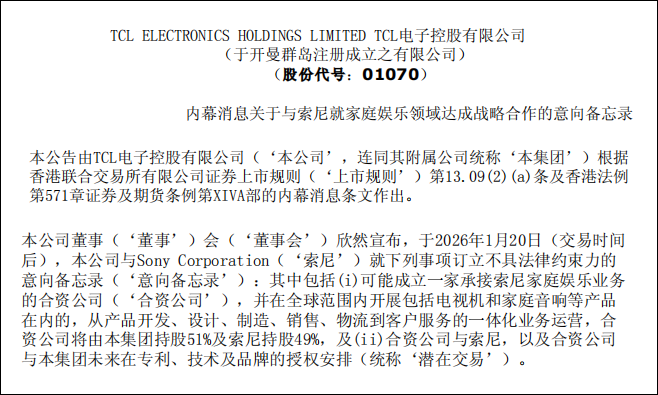
格局重塑!TCL控股索尼电视业务
Guan Cha Zhe Wang· 2026-01-22 13:28
Core Viewpoint - The collaboration between Sony and TCL represents a strategic response to the shifting dynamics of the global television industry, moving from incremental expansion to a focus on existing market competition and complementary advantages [1][3]. Group 1: Company Collaboration - Sony and TCL announced plans to establish a joint venture, with TCL holding 51% and leading operations, while Sony retains 49% ownership [1]. - The new company will take over Sony's global television and home audio equipment business, including R&D, design, manufacturing, sales, logistics, and customer service, while continuing to use the Sony and BRAVIA brands [1][4]. - The partnership is seen as a necessary adaptation to the challenges posed by rising costs and declining profits in the television market, with both companies aiming to leverage their respective strengths [3][4]. Group 2: Market Context - The global television market is projected to see a slight decline in shipment volume, with an expected 2.21 million units in 2025, down 0.7% year-on-year [3]. - Sony's global television shipment is forecasted to be around 4.1 million units in 2025, giving it a market share of 1.9%, ranking it tenth globally [3]. - TCL is expected to ship approximately 30.4 million televisions in 2025, capturing a market share of 13.8%, making it the second-largest player after Samsung [4]. Group 3: Strategic Advantages - Sony's focus on high-end markets and its technological advantages, such as the XR cognitive chip, allow it to maintain premium pricing in the OLED segment, despite challenges in profitability [3][4]. - TCL's strengths lie in its scale and supply chain capabilities, particularly in Mini LED technology, where it holds over 40% of the global market share [4]. - The collaboration is expected to combine Sony's brand and technology with TCL's manufacturing and operational expertise, creating a synergistic effect that enhances competitiveness in the market [5].


债务重组成功突围后 远洋2025年销售额263亿寻底
Xin Lang Cai Jing· 2026-01-16 19:06
Core Viewpoint - The company, Yuanyang, reported a significant decline in sales performance for 2025, with total sales amounting to approximately RMB 263.1 billion, a decrease of about 25.1% compared to 2024, reflecting a shift from previous high sales figures [1][2]. Sales Performance - In December 2025, Yuanyang's contract sales reached approximately RMB 25.2 billion, with a sales floor area of about 184,000 square meters and an average sales price of RMB 13,700 per square meter [1]. - The total sales area for the year was approximately 2.143 million square meters, with an average sales price of around RMB 12,300 per square meter [1]. - The sales performance in December showed a recovery in average sales price after a dip to around RMB 7,900 per square meter in November [1]. Land Reserve and Project Dependency - Yuanyang has not acquired new land since June 2022, relying heavily on existing projects for sales, such as Tianjin Future City and Wuhan Yuanyang Oriental Realm [2]. - The company's land reserve has decreased from over 50 million square meters at its peak to around 30 million square meters [2]. Delivery and Construction - In 2025, Yuanyang delivered approximately 24,000 residential units across 29 cities, a significant drop from 41,800 units in 2024 [2]. - The reduction in delivery aligns with the overall decrease in construction scale due to diminished land reserves [2]. Business Transformation - Yuanyang is shifting towards a "light asset" model, focusing on service-oriented businesses such as development agency and elderly care services [3]. - The company added 81 new agency projects in 2025, covering an area of 10.19 million square meters, ranking ninth in the industry [4]. Debt Restructuring - Yuanyang's debt restructuring is progressing in two phases: focusing on overseas debt in the first half of 2025 and domestic credit debt in the second half [9]. - The overseas debt restructuring plan was approved by courts in Hong Kong and England, resulting in a reduction of approximately USD 4 billion in unsecured debt [10]. - In the domestic context, a restructuring framework was announced in August 2025, with a total of approximately RMB 13.05 billion in bonds approved for restructuring by November [11].
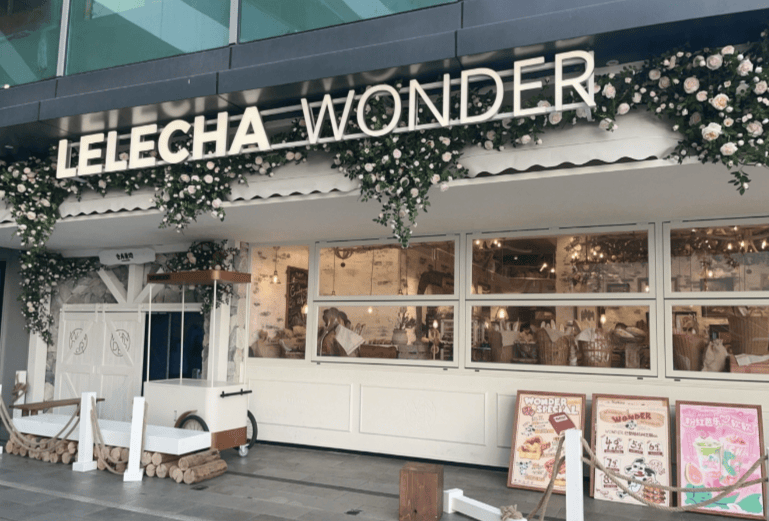
增资68倍!乐乐茶旗下公司“扩容”至6900万,是深耕烘焙还是为上市“补血”?
Sou Hu Cai Jing· 2026-01-12 11:17
Group 1 - The core point of the article highlights the significant capital increase of Shanghai Letian Catering Management Co., a subsidiary of Lele Tea, which raised its registered capital from 1 million RMB to 69 million RMB, marking a 6800% increase, indicating a strategic shift in the company's operations as it enters a competitive phase in the new tea beverage market in 2026 [2][3] Group 2 - The capital increase reflects a transition towards a "light asset" model, focusing on enhancing the franchise service system and core baking supply chain to support an upcoming plan for opening a thousand stores [2] - There are speculations about Lele Tea preparing for an IPO in Hong Kong, aiming to raise between 300 million to 500 million USD, with the capital increase serving to strengthen the subsidiary's balance sheet and improve its credit rating in the financial market [3] - The investment is also seen as part of the internal integration strategy within the "Nai Xue" group, aiming to establish a more professional compliance management team amidst the challenges of price cuts and market competition in the new tea beverage industry [3]
千亿债务重整后的金科面临五道“难关”
Xin Lang Cai Jing· 2026-01-04 11:41
Core Viewpoint - Kinko Co., Ltd. has successfully completed its restructuring, involving a total debt of 147 billion yuan, marking a significant milestone in the real estate industry. The company aims to accelerate the implementation of its new strategy and develop a business plan for 2026 after shedding its debt burden [1][4][22]. Restructuring Completion - Kinko Co., Ltd. announced the completion of its restructuring on December 16, 2025, which involved 1.47 trillion yuan in debt, the largest restructuring case in the real estate sector to date [4][22]. - The restructuring plan involved over 8,400 creditors and utilized a combination of cash, stock, and trust to settle debts. A bankruptcy service trust was established, managed by CITIC Trust, to ensure phased debt repayment and safeguard "delivery of buildings" projects [4][22]. - A consortium of quality capital, including central enterprise AMC and local state-owned enterprises, provided funding and policy support, with a total investment of 2.628 billion yuan [4][22]. Business Strategy Post-Restructuring - Kinko Co., Ltd. will focus on four main business areas: investment management, development services, operational management, and special assets, aiming to enhance profitability, asset value, and liquidity [5][23]. - The company plans to transition from heavy asset development to a light asset model, focusing on construction management, operations, and special asset revitalization, aligning with industry trends towards operational efficiency and reduced leverage [5][6][24]. Management Changes - Kinko Co., Ltd. underwent a management overhaul, appointing Guo Wei as chairman and CEO, with other key positions filled to strengthen leadership [9][26]. - The new management team includes experienced professionals from various sectors, aiming to leverage their expertise in finance and real estate to guide the company's transformation [10][27]. Strategic Partnerships - Kinko Co., Ltd. has signed strategic cooperation agreements with CITIC Trust and Agricultural Bank of China, focusing on urban renewal, asset management, operational management, and real estate technology [12][29]. - These partnerships aim to enhance cash flow, expand light asset business, and explore new business models in the real estate sector [30][31]. Challenges Ahead - Despite the successful restructuring, Kinko Co., Ltd. faces several challenges, including the need to improve asset quality, cash flow sustainability, and operational efficiency in a competitive market [14][31]. - The company must address hidden liabilities and ensure compliance with regulatory requirements for urban renewal and REITs, which may hinder its recovery and growth [31][32].


旭辉境外债务重组生效 碧桂园、融创、旭辉“三巨头”化债上岸
Bei Ke Cai Jing· 2025-12-31 01:49
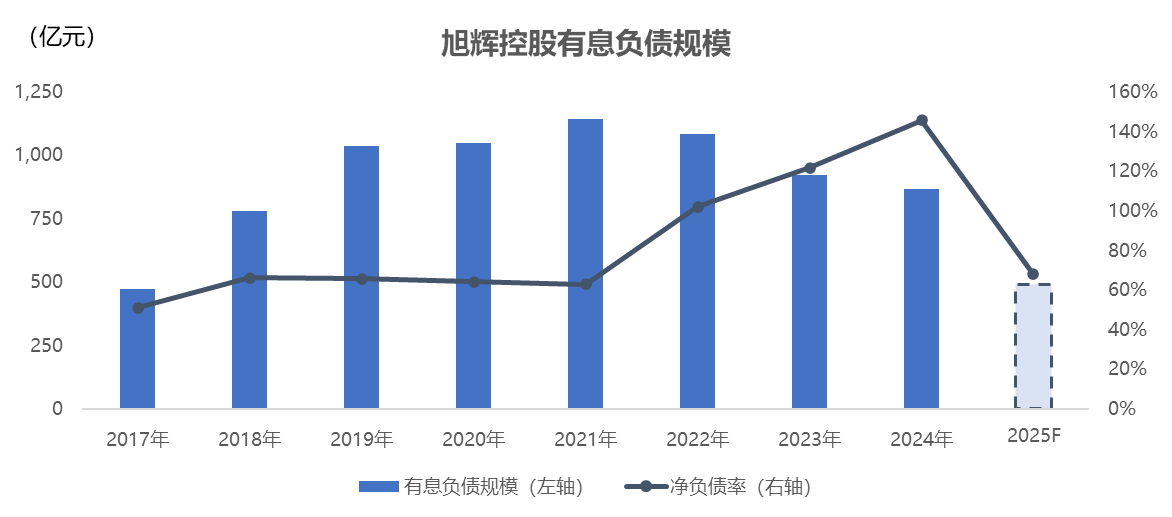
Core Viewpoint - CIFI Holdings has successfully completed its offshore debt restructuring, becoming one of the first private real estate companies to achieve overall debt restructuring, following similar actions by major players like Country Garden and Sunac [1][7]. Group 1: Debt Restructuring - CIFI's offshore debt restructuring involves a total principal and interest amount of approximately $8.1 billion (about 56.7 billion RMB), with an expected debt reduction of about 38 billion RMB, achieving a debt reduction ratio of 67% [1]. - The domestic debt restructuring involves 7 public market bonds totaling 10.06 billion RMB, with an expected debt reduction of over 5 billion RMB, providing a critical window for business recovery and operational improvement as no principal or interest payments are required for the next two years [1][2]. - CIFI's total interest-bearing debt is projected to decrease from 84.2 billion RMB in mid-2025 to around 50 billion RMB, with the debt structure shifting from "short-term high interest" to "long-term low interest," significantly lowering financial costs [2][8]. Group 2: Strategic Transformation - CIFI is transitioning from a "high leverage, high debt, high turnover" model to a "light asset, low debt, high quality" approach, focusing on three core areas: rental income, self-operated development, and real estate asset management [4]. - The company has implemented a detailed "five-step" strategic plan to restore its capital market credibility, expand light asset operations, and switch its profit model, ultimately aiming to restart shareholder returns [4]. - CIFI's development activities have contracted this year, prioritizing sales over land acquisition and streamlining its organizational structure to focus on five key regions [4]. Group 3: Market Context - The overall debt restructuring progress among private real estate companies has been significant, with many firms reducing debt pressure through restructuring methods [7]. - CIFI's debt reduction ratios are comparable to those of other major firms, with its offshore debt reduction ratio at 67%, while Sunac achieved a 100% reduction through full debt-to-equity swaps [7][8]. - The industry is shifting towards light asset operations, with many companies exploring new market opportunities and focusing on asset management and property operations as viable paths for recovery [9].

1.2万亿化债背后:房企从“债务清零”到“可持续经营”的闯关之路
Xin Lang Cai Jing· 2025-12-29 03:50
Core Insights - The real estate industry is transitioning from a passive approach of "buying time" to an active strategy of "debt reduction," as evidenced by the significant debt restructuring efforts of major companies like Sunac and Kinsale [1][2][8] - The total debt resolution scale has reached 1.2 trillion yuan, involving 21 distressed real estate companies, marking a pivotal shift in the industry's approach to managing debt [2][8] Group 1: Debt Restructuring Cases - Sunac China has become the first large real estate company to achieve a near-zero balance on its $9.6 billion offshore debt through a market-oriented restructuring process [3][9] - Kinsale has completed a judicial reorganization, resolving 147 billion yuan in debt, which is the largest restructuring case in the history of the real estate industry [4][10] - The restructuring efforts of both companies highlight a fundamental change in the debt resolution strategy, moving towards substantial debt reduction rather than merely extending repayment periods [2][8] Group 2: Market Reactions and Strategies - Sunac's innovative full debt-to-equity swap plan received overwhelming support from creditors, with 98.5% voting in favor, significantly reducing its overall repayment pressure by approximately 60 billion yuan [3][9] - Kinsale's restructuring involved a comprehensive repayment plan that included cash, stock, and trust beneficiary rights, with significant collaboration from local government and investment entities [4][10][11] - Both companies are now focusing on light-asset transformation strategies, such as property management and asset management, to restore their operational capabilities [5][12] Group 3: Future Considerations - The successful debt resolution does not signify the end of challenges; sustainable operational capacity will be the key measure of whether these companies can truly "revive" [5][12] - The industry is expected to shift towards a focus on cash flow, operational efficiency, and sustainable development, moving away from previous expansion models [6][13] - The overall health of the real estate sector will depend on aligning with market demand and optimizing the financing environment, including the implementation of effective inventory reduction policies [6][13]
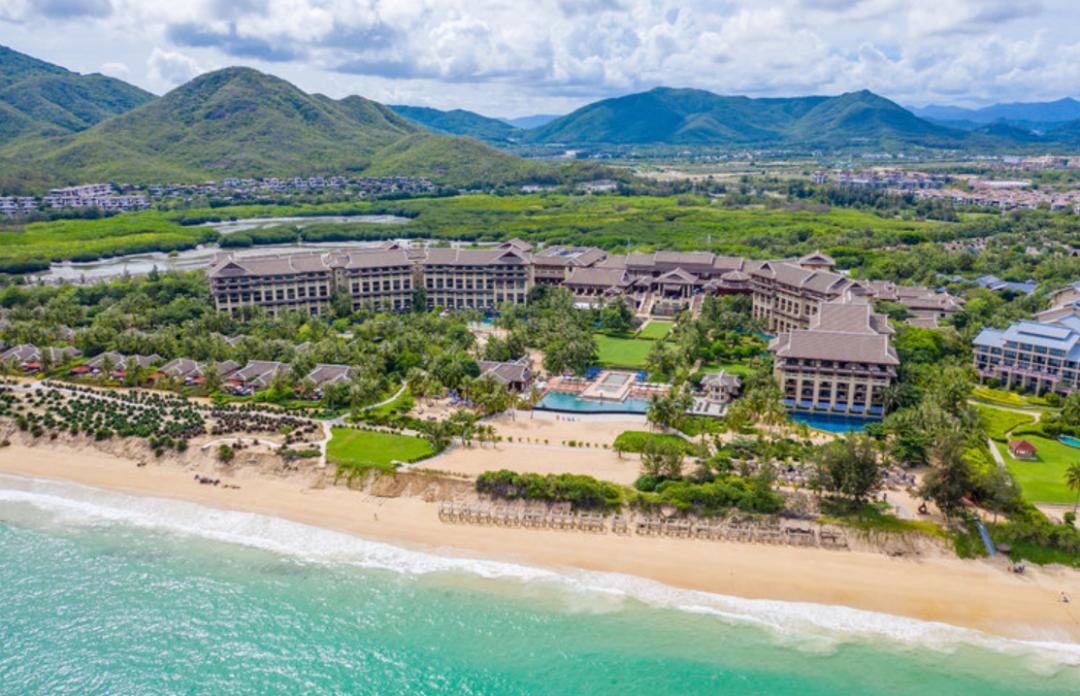
22.6亿,金茂卖掉了三亚丽思卡尔顿酒店
3 6 Ke· 2025-12-24 04:57
Core Viewpoint - The sale of Sanya Tourism by China Jinmao for 2.2646 billion RMB signifies a strategic shift towards a "light asset" model, reflecting the evolving landscape of China's commercial real estate market under new REITs regulations by 2025 [1][3][12]. Group 1: Transaction Details - China Jinmao's subsidiary, Shanghai Jinmao, sold 100% of Sanya Tourism, which owns the Ritz-Carlton Hotel in Sanya, for 2.2646 billion RMB [1][3]. - The Ritz-Carlton Hotel features 446 guest rooms and 33 private villas, generating approximately 236 million RMB in revenue and a net profit of about 37.78 million RMB over eight months ending August 31, 2025 [3][4]. Group 2: Strategic Implications - The transaction is part of China Jinmao's broader strategy to optimize asset structure and enhance capital efficiency, moving away from a heavy asset model to focus on higher-return investments in core urban residential developments [7][14]. - The sale is seen as a precursor to potential asset securitization, with the buyer likely preparing for a future REITs offering by improving the asset's financial performance [14][16]. Group 3: Market Context - The timing of the sale coincides with the National Development and Reform Commission's new REITs policy, which includes four-star and above hotels as eligible assets, marking a significant shift in the investment landscape for hotel properties [9][10][12]. - The transaction highlights a trend where top-tier luxury hotels are becoming more liquid assets, with a shift in valuation methods from replacement cost to income-based approaches [16][17]. Group 4: Future Outlook - The industry is expected to see more major players like China Jinmao listing mature properties for sale or pushing them towards the REITs market, indicating a transition to a more financially driven operational model [17][18].