
食品安全治理

Search documents
山东多维度发力守护“舌尖上的安全”
Zhong Guo Xin Wen Wang· 2025-12-05 06:51
Core Viewpoint - Shandong province is enhancing its food safety governance system through various measures, including "Internet + Bright Kitchen" initiatives, to ensure food safety from farm to table [1][5]. Group 1: Food Safety Initiatives - The implementation of "Internet + Bright Kitchen" allows for real-time monitoring of food preparation in schools and other institutions, ensuring transparency in food safety practices [1]. - In Juye County, a comprehensive food safety governance model has been established, focusing on full-chain supervision, key rectification, and social co-governance [1][3]. - The county has achieved a 99.7% compliance rate in food safety inspections and has resolved 1,619 food-related complaints as of 2025 [1]. Group 2: Community Engagement and Responsibility - In the North City Street of Shan County, restaurants and supermarkets are categorized into four levels (A, B, C, D), with designated community officials responsible for oversight [3]. - The establishment of a "one household, one file" system ensures thorough daily inspections and random checks to maintain accountability in food safety management [3]. Group 3: Regulatory Measures and Compliance - Shan County has simplified the registration process for mobile vendors, promoting compliance and ensuring that vendors operate with proper permits [4]. - In Yuncheng County, a dynamic data management platform is used to oversee 4,696 food production and operation entities, enhancing regulatory efficiency [5]. Group 4: School Food Safety - Zhangdian District has conducted comprehensive inspections of school canteens, focusing on private, rural, boarding, and off-campus catering schools to ensure food safety [5][6]. - The district plans to implement a management system for food safety inspectors to improve their professional capabilities [6]. Group 5: Innovative Enforcement Approaches - Liaocheng City is utilizing "accompanying enforcement" methods, which involve real-time supervision and guidance during inspections of school canteens [8]. - This approach aims to create a regularized mechanism that combines enforcement, service, and public legal education to strengthen food safety in schools [8].

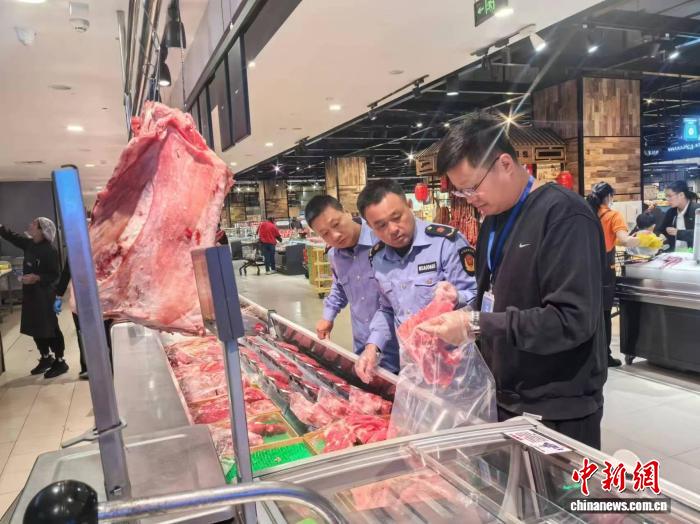
苏州相城黄桥街道:“严”字当头,共建共享食品安全治理新格局
Yang Zi Wan Bao Wang· 2025-11-30 05:56
Core Viewpoint - The article emphasizes the efforts of Huangqiao Street in Xiangcheng District to enhance food safety through a combination of daily supervision and special inspections, aiming to ensure the safety of food for the local community [1]. Group 1: Food Safety Training and Awareness - The Xiangcheng Market Supervision Administration, in collaboration with the Huangqiao Street Community Health Service Center, organized food poisoning prevention training for restaurant managers and kitchen supervisors, focusing on high-risk areas such as procurement, storage, processing, and sample retention [3]. - A training session was held at Huangqiao Middle School to address food safety management challenges in schools, utilizing immersive visits, experience sharing, and policy interpretation to improve food safety standards [3]. Group 2: Regulatory and Service Optimization - The implementation of a "law enforcement + popularization of law" model allows enforcement personnel to act as educators during inspections, guiding businesses on common food safety issues and enhancing their awareness of food safety responsibilities [4]. - New restaurant service applicants receive professional advice on venue layout and equipment, while an online pre-review system for small restaurant registrations has been established to streamline access and ensure effective supervision [4]. Group 3: Innovative Approaches to Food Safety - The district has adopted various innovative methods for supervision, resulting in improved compliance with food safety responsibilities among businesses, with key personnel roles clearly defined and operational practices becoming more standardized [5]. - The Huangqiao Street plans to maintain a strict approach to food safety, focusing on enhanced training, innovative regulatory methods, and accountability to create a collaborative food safety environment for the community [5].
“一带一路”海关食品安全合作机制成员国扩容
Zhong Guo Xin Wen Wang· 2025-10-15 19:50
Core Points - The "Belt and Road" Customs Food Safety Cooperation Conference was held in Shanghai on October 15, 2025, resulting in the signing of the "Shanghai Declaration" to promote trade facilitation and food safety [1] - The "Silk Road Food Safety" information platform was launched, and 11 countries signed the "Belt and Road Customs Food Safety Cooperation Mechanism Charter," bringing the total member countries to 18 [1] - China Customs expressed willingness to collaborate with food safety authorities from various countries to enhance food safety governance and facilitate agricultural product trade [1] Group 1 - The conference marked significant progress since the establishment of the "Belt and Road" Customs Food Safety Cooperation Mechanism in 2023 [1] - China Customs proposed four key initiatives: emphasizing corporate responsibility for food safety, leveraging international standards, ensuring comprehensive food safety from farm to table, and promoting mutual benefits for global consumers [1] - Belarus joined the "Belt and Road" Customs Food Safety Cooperation Mechanism, with its Deputy Minister of Agriculture and Food expressing commitment to share food safety regulatory experiences and eliminate trade barriers [2]
我市开展系列特色活动守护“舌尖安全” “社区侠-随手拍”骑手当信息员
Zhen Jiang Ri Bao· 2025-09-29 23:32
Group 1 - The main event of the 2025 Zhenjiang Food Safety Promotion Week was held, focusing on the theme "Integrity and Lawfulness, Shared Food Safety" [1] - The promotion week aims to showcase the city's innovative measures and achievements in food safety, while encouraging enterprises to enhance their responsibilities and upgrade the industry [1] - Various departments and organizations will conduct diverse activities during the promotion week to raise public awareness of food safety and enhance community governance [1] Group 2 - The rapid growth of online food delivery has made it a hotspot for consumer dining, prompting regulatory authorities to collaborate with the Ele.me platform to launch the "Community Hero - Snap and Report" initiative [2] - Six delivery riders have been appointed as "Zhenjiang's Non-Dine-in Food Safety Informants" to monitor the food processing environments and hygiene of non-dine-in merchants during the pick-up and delivery process [2] - This initiative aims to strengthen social supervision and promote a collaborative food safety governance framework involving the entire society [2]
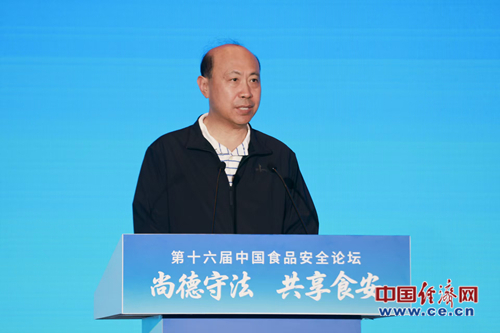
任发政:科技赋能、夯实责任、共治共享,守护“舌尖上的安全”
Zhong Guo Jing Ji Wang· 2025-09-11 09:40
Core Insights - The 16th China Food Safety Forum was held in Beijing, focusing on the theme "Integrity and Lawfulness, Shared Food Safety" [1][3] - Professor Ren Fazheng from China Agricultural University highlighted that the food safety inspection pass rate is expected to remain above 97% in both 2023 and 2024, showcasing significant achievements in food safety in China [1][3] Industry Challenges - The Chinese food industry is undergoing a critical transformation phase, facing challenges such as the restructuring of global supply chains, the emergence of new business models, and increasingly diverse health demands from consumers [3] - Key challenges include controlling source pollution, precise regulation during production, risk assessment of new materials and processes, and ensuring precise nutritional health guarantees [3] Recommendations for Improvement - Emphasize "technology empowerment" to drive modernization in food safety governance [3] - Strengthen "industry responsibility" to build a solid first line of defense for food safety through integrity [3] - Promote "co-governance and shared responsibility" to collaboratively construct a community for food safety [3] Vision for the Future - The ongoing commitment to food safety is emphasized, with a call for collaboration to safeguard public health and advance the construction of a healthy China, fulfilling the people's aspirations for a better life [3]
市场监管总局:持续强化“严”的主基调 提升食品安全治理能力
Xin Hua Cai Jing· 2025-08-22 05:42
Core Viewpoint - The National Market Supervision Administration emphasizes the importance of food safety during the 14th Five-Year Plan period, focusing on comprehensive regulation and risk prevention to ensure public health and safety [1][2]. Group 1: Regulatory Focus Areas - The administration is closely monitoring "bulk food" items such as rice, flour, oil, meat, eggs, milk, fruits, vegetables, and tea, ensuring strict licensing and comprehensive inspections to prevent substandard food from reaching consumers [1]. - There is a strong emphasis on protecting "key populations," particularly in the regulation of infant formula and school food safety, with increased inspections and crackdowns on fraudulent practices targeting the elderly [1][2]. Group 2: New Consumption Trends - The administration is addressing the challenges posed by emerging business models like online shopping, food delivery, and live-streaming sales by enhancing compliance guidance for platform companies and increasing special inspections to tackle issues like "ghost deliveries" and false claims [2]. - Regulatory frameworks for online sales, platform delivery, and live e-commerce are being developed to clarify food safety responsibilities among various stakeholders while maintaining consumer convenience [2]. Group 3: Enforcement Actions - The administration is taking a strong stance against significant issues by imposing severe penalties for adulteration, illegal additives, false advertising, and consumer fraud, including the revocation of 3,072 licenses and restrictions on 23,800 individuals [2]. - Criminal cases are being promptly referred to law enforcement to maintain a "zero tolerance" approach against illegal activities [2]. Group 4: Community Involvement - The administration encourages public participation in food safety oversight, inviting media scrutiny and consumer reports on safety issues, while promoting self-regulation among industry organizations to foster a collaborative environment for food safety [2].
引骑手之力共保舌尖安全
Jing Ji Ri Bao· 2025-08-16 00:56
Core Viewpoint - The integration of delivery riders into food safety governance in Shanghai's Jing'an District represents an innovative approach to enhance food safety oversight, transforming riders into active participants in the regulatory process [1][2]. Group 1: Governance Innovation - Delivery riders are now included in the food safety governance system, acting as "mobile monitors" to report issues such as unlicensed operations and address discrepancies, effectively filling regulatory gaps [1]. - This initiative promotes a governance model that encourages community participation, transforming market participants into contributors to food safety oversight [1]. Group 2: Incentive Mechanisms - The introduction of a dual incentive system combining material rewards (like raincoats and meal vouchers) and social recognition (public commendations) enhances riders' motivation to engage in food safety governance [2]. - This approach shifts riders from passive rule enforcers to proactive risk identifiers, thereby strengthening the collective effort in food safety management [2]. Group 3: Operational Mechanisms - A precise governance framework is established through a system of daily inspections, weekly lists, and monthly reports, complemented by a dynamic management system of "red and black lists" [2]. - This system ensures efficient information flow and closure of feedback loops, creating a comprehensive credit profile for businesses, which incentivizes compliant establishments while penalizing non-compliant ones [2]. Group 4: Future Considerations - While the initiative shows promise, challenges remain regarding the riders' ability to identify hidden issues, necessitating enhanced training and potential digital tools for reporting [3]. - The development of a user-friendly reporting app could empower riders to document and report food safety concerns more effectively, leveraging big data for risk assessment [3].
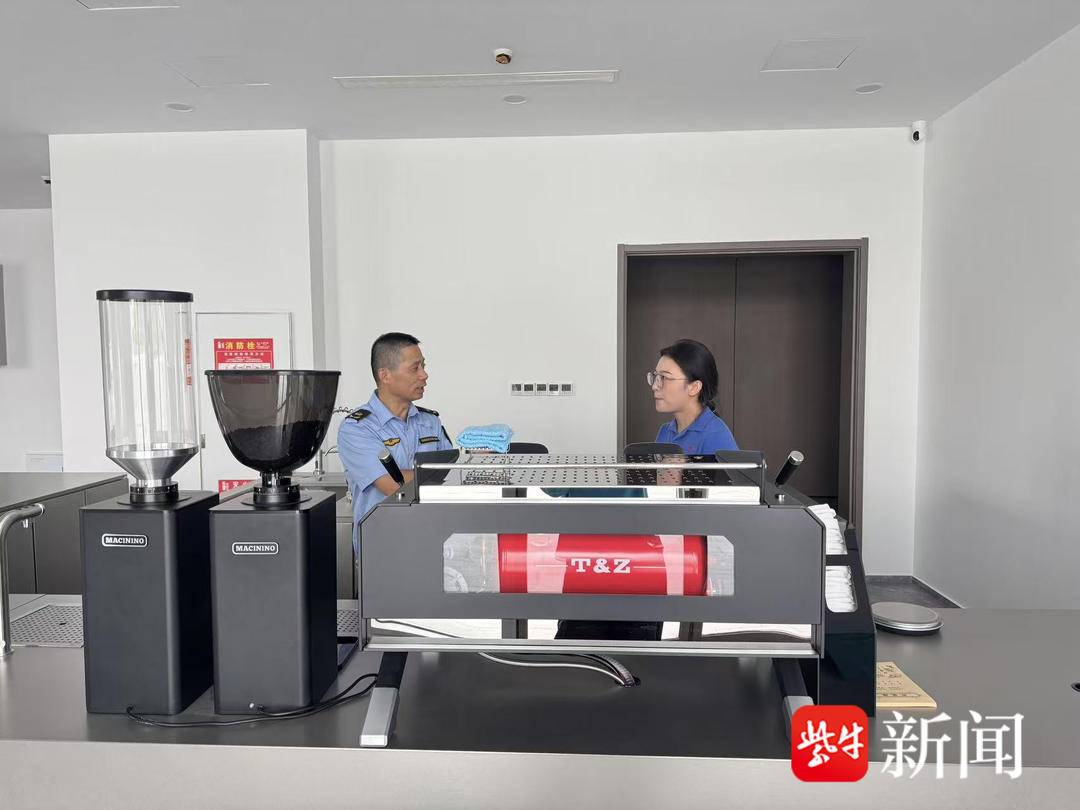
为城市烟火气注入更多合规动力
Xiao Fei Ri Bao Wang· 2025-08-06 02:52
Core Viewpoint - The newly revised "Beijing Food Business License Review Guidelines" effective from August 1, 2023, introduces significant adjustments aimed at facilitating the operation of small and emerging food businesses, particularly in the context of the rapid growth of new dining formats like bubble tea and dessert shops [1][2][3]. Group 1: Regulatory Changes - The new regulations eliminate the previous requirement that food service establishments must have a minimum area of 6 square meters, which had become increasingly incompatible with the operational realities of new dining formats [1][2]. - The guidelines allow for the simplification of facility reviews for simple food sales and self-made beverage sales based on operational processes, promoting flexibility and efficiency in small food business operations [2][3]. Group 2: Market Impact - The changes are expected to support the growth of "light dining" formats, such as bubble tea and coffee shops, which have rapidly emerged in response to evolving consumer preferences and urban lifestyles [2][4]. - As of July 15, 2025, it is projected that there will be 426,000 bubble tea stores nationwide, with 118,000 new stores opened in the past year, indicating a robust market demand for these types of establishments [2]. Group 3: Implications for Stakeholders - For regulators, the shift in focus from physical space and fixed equipment to operational processes aligns with the flexible development trends of the new economy, enhancing food safety without compromising market vitality [3][4]. - Entrepreneurs will benefit from clearer rules that allow for compliant operations without the need for third-party licenses, reducing operational costs and enabling brand development [3][4]. - The adjustments also present an opportunity for digital platforms to enhance oversight and accountability among food businesses, achieving a balance between light regulation and strong safety measures [3][4].
一财社论:从管制到治理,是食品安全的必经之路
Di Yi Cai Jing· 2025-07-22 13:20
Core Viewpoint - The transition from regulation to legal governance is essential for food safety, aiming to create a cooperative game scenario that balances legitimate rights and mitigates preventable negative externalities [1][6]. Group 1: Food Safety Regulations - The State Administration for Market Regulation has approved the first national standard for campus catering service management, providing standardized guidance for compliance management in this sector [2]. - The management guidelines cover various aspects including menu planning, raw material management, food processing, meal preparation, delivery, service evaluation, and emergency handling [2]. - The guidelines emphasize centralized procurement for bulk commodities like rice, flour, and oil, enhancing control at critical points in the supply chain [2]. Group 2: Legislative Framework - China's food safety has gained significant attention, with the Food Safety Law implemented in October 2015 establishing the guiding principle of "the strictest standards" [2]. - The inclusion of food safety in the comprehensive evaluation system for leadership in 2019 and the release of the "Opinions on Deepening Reforms to Strengthen Food Safety Work" further solidify the commitment to food safety [2]. - The "Quality Strong Nation Construction Outline" in 2023 calls for the deep implementation of food safety strategies and the promotion of food safety assurance projects [2]. Group 3: Governance Challenges - Despite legislative and enforcement efforts, food safety issues persist, largely due to a prevailing mindset focused on control rather than governance [3]. - The reliance on punitive measures and regulatory control often leads to a reactive approach, which may not effectively address underlying issues [4]. - Acknowledging that food safety governance is a collective decision-making system is crucial, moving beyond mere punishment to foster a cooperative governance environment [4][5]. Group 4: Collaborative Governance - Strengthening the mutual support and checks among economic and social entities is vital for building an open governance system [5]. - Enhancing collective litigation, evidence presentation, and dispute resolution mechanisms can empower consumers to protect their rights effectively [5]. - Transitioning from regulation to legal governance is necessary to ensure that all food safety issues receive a firm commitment to accountability and transparency [5][6].
加强食品安全全链条监管 全力守护“舌尖上的安全”
Ren Min Ri Bao· 2025-06-08 22:21
Core Viewpoint - The recent issuance of the "Opinions" by the Central Committee and the State Council marks a significant milestone in China's food safety governance, emphasizing a comprehensive and systematic approach to food safety regulation from farm to table [1][2]. Group 1: Systematic Governance - The "Opinions" advocate for a shift from reactive to proactive food safety governance, integrating the "Four Stricts" into all stages of food production, distribution, storage, and consumption [2][3]. - The new regulatory framework aims to address challenges posed by the digital economy and emerging business models, such as online food delivery and live-streaming sales, which require a more integrated and technology-driven approach [2][3]. Group 2: Risk Prevention - The complexity of food safety risks necessitates a robust risk prevention system that covers all links in the food supply chain, addressing issues like pesticide residue, illegal additives, and false advertising [3][4]. - The "Opinions" propose a closed-loop regulatory system that ensures traceability from source to consumer, enhancing collaboration among departments and improving information sharing [3][4]. Group 3: Key Regulatory Measures - New regulations have been established to fill gaps in oversight, including standards for transporting liquid food, safety protocols for food delivery, and a risk management system for imported food [4][5]. - The "Opinions" emphasize the importance of inter-departmental collaboration, creating mechanisms for seamless coordination among various regulatory bodies to enhance food safety governance [5][6]. Group 4: Enhancing Governance Capacity - The revision of food safety laws and regulations is aimed at solidifying the legal framework for the new regulatory measures, ensuring that enforcement is backed by legal authority [7][8]. - The establishment of a national food safety public technology support platform and the integration of AI technologies are intended to improve the efficiency and effectiveness of food safety governance [8][9].