
数字孪生

Search documents
中国显示产业向上游进击 打造创新生态共同体
Zhong Guo Chan Ye Jing Ji Xin Xi Wang· 2026-01-13 00:22
Core Insights - In 2025, China's display industry is shifting its focus and value center towards upstream development, with the global output value of display materials reaching 43%, ranking first in the world [1] - The industry is overcoming key projects that have long been on the "choke point" list, such as high-generation glass substrates and high-end photoresists, indicating a significant evolution in China's role in the global display landscape [1] Upstream Breakthroughs - The domestic production of G8.6+ glass substrates by Rainbow Holdings has broken the long-standing reliance on imports, making China the third country to master this core technology [3] - Companies like Luvi Optoelectronics and Qingyi Optoelectronics have initiated high-precision mask projects, marking a milestone in the high-end mask sector [3] - Nanjing Gaoguang has achieved the first set of ultra-fine metal masks, indicating a move towards large-scale supply of domestic FMM [3] Functional Materials Development - Aolaide has launched an industrialization project for key OLED functional materials, planning for a thousand-ton capacity [4] - Nanda Optoelectronics has completed small-batch process verification for ArF photoresists, breaking the long-standing monopoly of Japanese companies in the high-end photoresist market [4] - The second phase of the ultra-thin flexible glass project by Kaisheng Technology has commenced production, significantly increasing domestic capacity [4] Strategic Mergers and Acquisitions - Chinese display material companies are accelerating global expansion through strategic acquisitions, such as the acquisition of LG Chem's SP polarizer business by Shanshan [5] - Haosheng Technology's acquisition of LG Chem's OLED optical film business for 4.5 billion yuan enhances its competitive edge in the OLED sector [5] - Feikai Materials has completed the acquisition of JNC Liquid Crystal Materials, further consolidating its position in the market [5] Equipment Advancements - In 2025, multiple 8.6-generation OLED production lines are being established, creating significant demand for domestic equipment [7] - Aolaide's subsidiary won a bid for the first domestic 8.6-generation AMOLED production line evaporation source equipment, marking a leap in domestic technology [8] - Shanghai Microelectronics successfully delivered the sixth-generation OLED lithography machine, achieving a breakthrough in high-end lithography equipment [8] Capital Market Dynamics - The capital market is witnessing a wave of listings in the display industry, reflecting a shift in investment focus from low-margin panel manufacturing to high-value upstream technologies [10][11] - Companies like Yihua Technology and Xiahua Technology are initiating IPO processes, indicating a growing interest in the display sector [10][11] Collaborative Innovation Ecosystem - The breakthroughs in China's display upstream are not only technological but also represent a systematic upgrade in the "materials/equipment-panel-terminal" industry chain collaboration model [12] - Collaborative projects between companies and research institutions are shortening the transition from laboratory to production line, enhancing innovation efficiency [12] - The global display industry competition is evolving into a contest between regional or leading enterprise clusters, with China gaining a favorable position due to its complete and innovative upstream ecosystem [13]
中科曙光涨2.02%,成交额31.37亿元,主力资金净流出5477.47万元
Xin Lang Cai Jing· 2026-01-12 03:25
Core Viewpoint - Zhongke Shuguang's stock price has shown a significant increase in early January 2024, with a year-to-date rise of 11.20% and a recent five-day increase of 8.46% [1] Group 1: Stock Performance - As of January 12, Zhongke Shuguang's stock price rose by 2.02% to 95.23 CNY per share, with a trading volume of 3.137 billion CNY and a turnover rate of 2.28%, resulting in a total market capitalization of 139.333 billion CNY [1] - The stock has experienced a decline of 11.48% over the past 60 days, indicating volatility in its recent performance [1] Group 2: Financial Performance - For the period from January to September 2025, Zhongke Shuguang reported a revenue of 8.82 billion CNY, reflecting a year-on-year growth of 9.68%, and a net profit attributable to shareholders of 966 million CNY, which is a 25.55% increase compared to the previous year [2] Group 3: Shareholder Information - As of December 19, 2025, the number of shareholders for Zhongke Shuguang was 355,300, a decrease of 0.59% from the previous period, while the average number of circulating shares per person increased by 0.60% to 4,116 shares [2] - The company has distributed a total of 1.922 billion CNY in dividends since its A-share listing, with 1.083 billion CNY distributed over the last three years [3] Group 4: Institutional Holdings - As of September 30, 2025, among the top ten circulating shareholders, Huatai-PB CSI 300 ETF held 24.9228 million shares, a decrease of 1.0626 million shares from the previous period, while E Fund CSI 300 ETF increased its holdings by 2.1347 million shares to 20.9110 million shares [3]

济宁搭建智慧供热系统,精准供热让群众温暖舒适过冬
Da Zhong Ri Bao· 2026-01-12 02:46
Core Insights - The implementation of a smart heating system by Shandong Public Heating and Power Group has significantly improved heating efficiency and customer satisfaction in Jining, addressing long-standing issues in older residential areas [2][3] Group 1: Smart Heating System Implementation - Since 2020, Shandong Public Heating and Power Group has developed a comprehensive smart heating system utilizing big data, AI, IoT, and digital twin technologies, covering 9 counties and cities in Jining [2] - The smart heating system has installed temperature monitoring devices in over 30,000 households across 362 communities, and smart adjustment terminals in 110 communities, addressing traditional heating issues such as under-supply and over-supply [2] Group 2: Performance Improvements - The smart heating platform has achieved a heating balance rate of 80%-90%, an increase of 30% compared to previous methods, and has reduced energy consumption by over 10% [2] - Customer service metrics have improved, with a 21% decrease in heating-related inquiries and complaints since the system's launch [3] Group 3: Case Study - Yunhe Community - In Yunhe Community, the installation of intelligent flow balancing valves has enabled precise heating adjustments, resolving issues related to uneven heating due to long supply radii [3] - The introduction of over 100 temperature monitoring capsules along the heating pipeline has enhanced emergency response efficiency, allowing for rapid identification and repair of leaks [3]
颠覆测绘界!游戏极客改写地图史,谷歌阿里把地图变数字孪生
Sou Hu Cai Jing· 2026-01-11 14:55
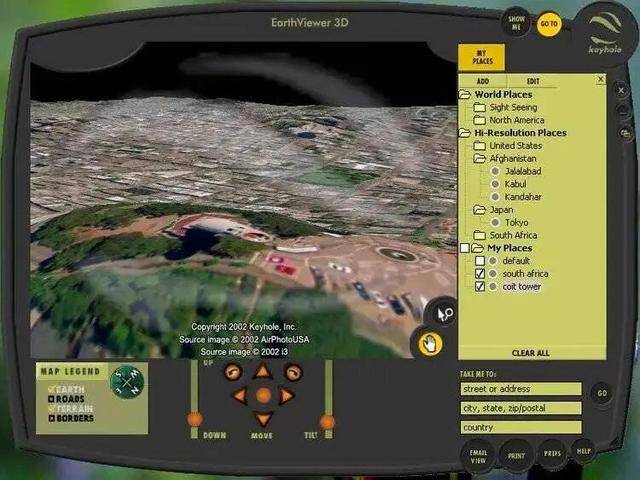
Core Insights - The evolution of maps from static paper versions to dynamic digital representations has transformed how people interact with their environment, making maps a vital part of daily life [1][3] Group 1: Historical Development - Maps were once expensive and slow to update, creating a disconnect with everyday users, until the advent of digital maps [3] - The founding of Keyhole in 2001 by a team skilled in 3D graphics and gaming marked a significant turning point, as they aimed to create an interactive digital globe [5] - NVIDIA's founder, Jensen Huang, recognized the potential of Keyhole's technology, leading to an investment that shifted the focus from geographic accuracy to computational power [5][8] Group 2: Google’s Acquisition and Innovation - Google acquired Keyhole, rebranding it as Google Earth, and recognized maps as the ultimate gateway to the physical world [8] - Google pushed the boundaries of web technology to create seamless map experiences, leading to the development of Google Street View [8][10] - This transformation elevated maps from mere navigation tools to comprehensive digital archives of human civilization [10] Group 3: Adaptation in China - In China, the rapid urban development and demand for real-time services forced map applications to evolve into essential urban infrastructure [10][12] - After Alibaba's acquisition, Amap (Gaode) transitioned from a navigation tool to a core component of ride-hailing and food delivery services [10][12] - Amap's introduction of the "world model" concept signifies a shift towards understanding urban dynamics, moving from static representation to predictive capabilities [12][13] Group 4: Future Implications - The ability to accurately reconstruct dynamic urban environments positions companies to influence the operational rules of the real world [13] - The ongoing evolution of mapping technology suggests that the disruption initiated by tech innovators is far from over [13]


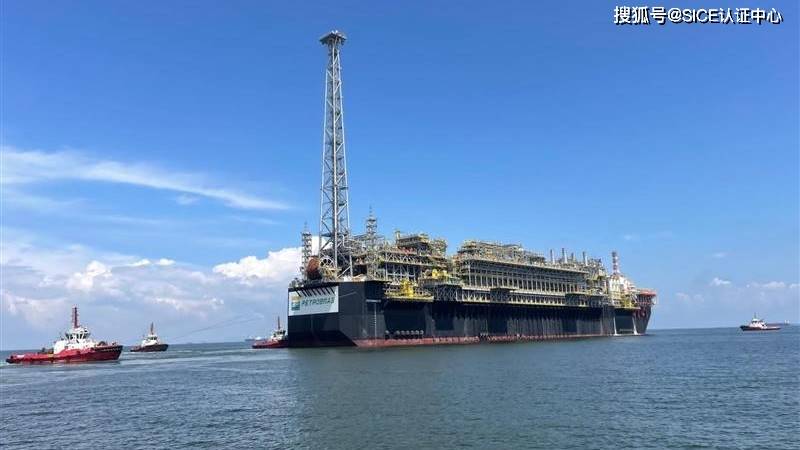
未来6年内,将有哪21座浮式生产储卸油装置(FPSO)在巴西投入运营?
Sou Hu Cai Jing· 2026-01-11 05:08
Core Insights - Petrobras has released its strategic plan for 2026-2030, focusing on updating the next FPSO in the offshore market [1] - The FPSO P-78 is a key project in the Búzios oil field, expected to start production in December 2025, contributing to Petrobras's goal of increasing daily oil production to 1.6 million barrels over the next decade [3][4] - The FPSO P-79, a sister project to P-78, is set to begin operations in early 2026, with similar production capacity and a different construction strategy [6][7] - FPSOs P-80, P-82, and P-83 are planned for 2027, each with a production capacity of 225,000 barrels per day and a focus on reducing carbon emissions [11] - The FPSO Raia project, expected to be operational by 2028, will include a gas export capacity of 16 million cubic meters per day [10][15] - FPSOs P-84 and P-85, scheduled for 2029 and 2030, will be the largest in Petrobras's history, with a daily processing capacity of 225,000 barrels of oil [17][19] - The SEAP FPSOs I and II contracts were officially approved in 2025, marking a significant step in the revitalization of the Sergipe state industrial sector [37][38] Summary by Category FPSO Projects - FPSO P-78 is the sixth project in the Búzios field, with a production capacity of 180,000 barrels per day and gas processing of 7.2 million cubic meters per day [4] - FPSO P-79, a direct sibling to P-78, will also have a capacity of 180,000 barrels per day and is set to sail from Korea in November 2025 [6][7] - FPSOs P-80, P-82, and P-83 are designed for high productivity, each with a capacity of 225,000 barrels per day and a focus on carbon emission reduction [11][12] - FPSO Raia will serve as a floating gas processing platform with a significant gas export capacity [15] - FPSOs P-84 and P-85 will be the largest FPSOs in Petrobras's history, with a focus on gas export capabilities [17][19] Strategic Developments - Petrobras's strategic plan emphasizes the need for innovation and sustainability in its FPSO projects, including the integration of carbon capture and utilization technologies [21][22] - The company is shifting to a BOT (Build-Operate-Transfer) model for new projects to enhance ownership and operational efficiency [26][37] - The SEAP FPSOs represent a significant investment in the Sergipe region, with a focus on local workforce reintegration and economic sustainability [38]

直击CES:“AI正急切地走出屏幕”
Xin Lang Cai Jing· 2026-01-10 00:55
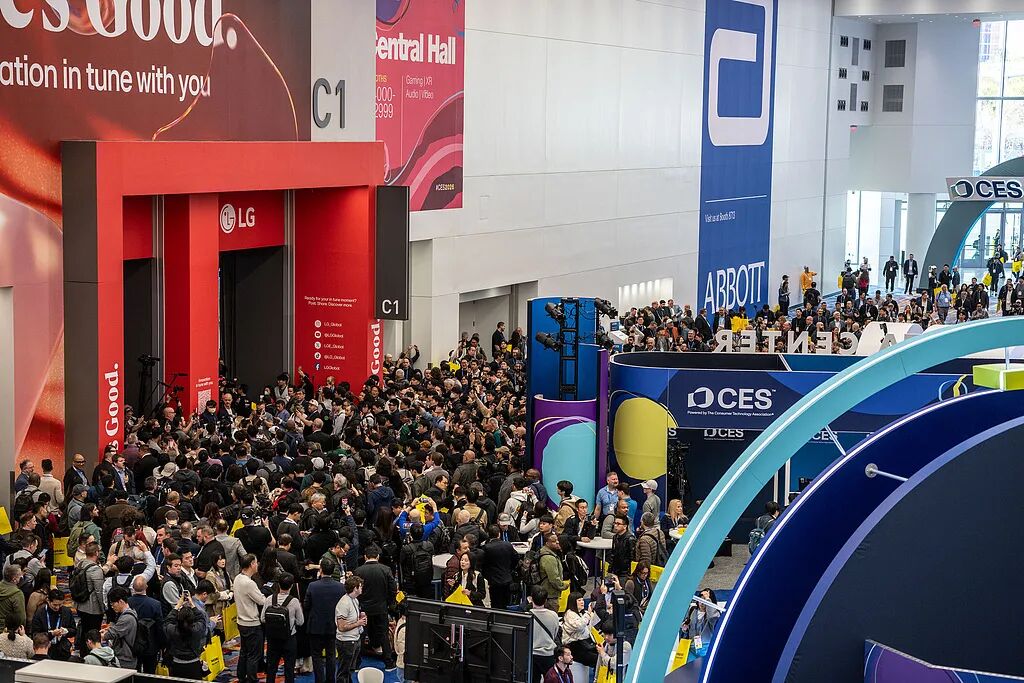
Core Insights - The CES 2023 showcased a significant shift towards consumer-oriented technology, emphasizing the integration of AI into everyday products and experiences [5][20][21] - Chinese companies made a notable impact at CES, with a strong presence in robotics and AI applications, reflecting a growing trend of innovation and market engagement [15][17][18] Group 1: Event Overview - CES is described as a "global technology spring festival," attracting a diverse audience including tech professionals and curious consumers [3][5] - The event is characterized by a more accessible and consumer-friendly atmosphere, moving away from purely business-focused interactions [5][10] Group 2: AI and Robotics - AI applications were prominently featured, with a focus on practical implementations such as robots performing various tasks and AI-enhanced wearable devices [7][9] - The number of robotic exhibitors increased significantly, with a dedicated theme area for "embodied intelligence" [7][15] Group 3: Chinese Companies' Participation - Over 1,200 Chinese exhibitors participated, making up approximately 30% of the total, with a strong emphasis on innovation and market readiness [15][17] - Many Chinese startups showcased their products for the first time, indicating a shift towards proactive international engagement [12][13] Group 4: Market Trends and Consumer Engagement - The feedback from international markets has been overwhelmingly positive, with many products exceeding expectations in terms of interest and potential sales [13][18] - The focus has shifted from merely showcasing AI capabilities to demonstrating measurable value in real-world applications [20][22] Group 5: Competitive Landscape - The event highlighted the competitive dynamics between major AI nations, with Chinese companies focusing on commercialization while U.S. firms emphasized foundational technologies [17][18] - The presence of Korean companies also contributed to the competitive landscape, showcasing strengths in smart manufacturing and AI applications [17][18] Group 6: Future Directions - The integration of AI into physical products is seen as a key trend, with a focus on creating embedded capabilities that enhance user experiences [20][21] - The concept of digital twins is emerging as a foundational element for AI applications in industrial settings, facilitating design and optimization processes [22]
直击CES:“AI正急切地走出屏幕”
吴晓波频道· 2026-01-10 00:21
Core Insights - The CES 2023 showcased a significant shift towards consumer-oriented technology, emphasizing the integration of AI into everyday life and products [4][10][39] - The event highlighted the growing presence of Chinese companies, with over 1,200 exhibitors, reflecting a proactive approach to global markets and innovation [22][28] Group 1: Event Overview - CES is described as a "global technology spring festival," attracting a diverse audience including tech enthusiasts and ordinary consumers [4][9] - The event's theme, "Innovators Show Up," underscores the emergence of new companies and technologies, particularly in AI and robotics [21][22] Group 2: AI and Robotics - AI applications at CES 2023 were notably diverse, featuring robots capable of various tasks and AI-enhanced wearable devices [11][12] - The focus has shifted from merely showcasing AI capabilities to demonstrating how AI can create measurable value in the physical world [16][39] Group 3: Chinese Companies' Impact - Chinese enterprises dominated the robotics and AI application sectors, with a significant number of exhibitors and innovative products [28][29] - The enthusiasm of Chinese companies at CES is attributed to the AI-driven innovation ecosystem in China and a shift towards more aggressive international market strategies [22][26] Group 4: Market Trends and Consumer Engagement - The event revealed a trend towards practical, market-ready products rather than mere conceptual showcases, indicating a maturation of the tech industry [13][39] - There was a notable increase in consumer engagement, with many attendees expressing excitement over AI products that enhance daily life [23][26] Group 5: Industry Comparisons - A comparison of Chinese and American companies revealed differing focuses, with Chinese firms emphasizing product commercialization while American companies concentrated on foundational technologies and software ecosystems [29][42] - Korean companies also made a significant impact, leveraging cross-border supply chains and focusing on home service applications [32]

政企校协同发力 南京食品产业按下高质量发展“加速键”
Zheng Quan Ri Bao Wang· 2026-01-09 10:22
Core Insights - The "Ning Gong Pin Tui" consumer goods enterprise and university supply-demand matching conference was successfully held in Nanjing, focusing on the construction and investment opportunities of the Nanjing Urban Food Industry Park [1] Group 1: Event Overview - The event was co-hosted by the Nanjing Municipal Bureau of Industry and Information Technology and the Nanjing Gaochun District Government, with over 200 representatives from universities, food enterprises, trade unions, and communities in attendance [1] - The core focus of the event was on supply-demand matching and park construction, aiming to deepen collaboration between universities and enterprises [1] Group 2: Brand and Market Development - "Ning Gong Pin Tui" is a key industrial service brand developed by the Nanjing Municipal Bureau of Industry and Information Technology, targeting market expansion and order acquisition [2] - In 2025, the bureau organized 150 market supply-demand matching activities, serving over 4,000 enterprises and facilitating significant events such as the Jiangsu Province Food Industry High-Quality Development Seminar [2] - The bureau has initiated 17 community promotion activities involving 50 food enterprises, enhancing direct consumer access to quality local products [2] - At the 113th National Sugar and Wine Fair, the "Ning Gong Pin Tui" exhibition attracted nearly 40 enterprises and generated over 18 million yuan in cooperation intentions [2] Group 3: Digital Empowerment and Industry Upgrade - The Nanjing Municipal Bureau of Industry and Information Technology is leading the creation of the "Nanjing Smart Food Network" project to facilitate the transformation of the food industry towards a technology-intensive and intelligent manufacturing model [4] - The platform integrates advanced technologies such as big data, artificial intelligence, and blockchain to address industry pain points like information asymmetry and resource fragmentation [4] - The Nanjing Urban Food Industry Park, covering an area of 5.5 square kilometers, is highlighted as a key development area for food enterprises, combining food research, manufacturing, and cultural tourism [5] Group 4: Future Plans and Support - The Nanjing Municipal Bureau of Industry and Information Technology plans to continue enhancing the "Ning Gong Pin Tui" brand and regularly conduct online and offline supply-demand matching activities [5] - The bureau aims to support the development of the Nanjing Urban Food Industry Park through policy support, resource integration, and channel expansion, promoting local quality products to universities, communities, and national markets [5]
中国化工新材料已实现从“跟跑”到“领跑”的转型!化工ETF天弘(159133)实时净申购2500万份,连续7日“吸金”累计1.4亿元
Xin Lang Cai Jing· 2026-01-09 06:25
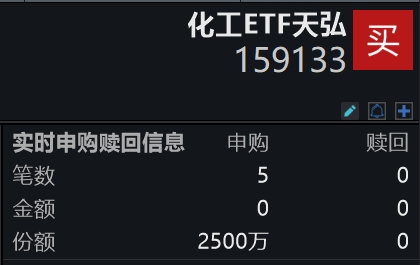
Group 1 - The core viewpoint of the news highlights the significant performance of the Tianhong Chemical ETF (159133), which has seen a trading volume of 231.15 million yuan and a net subscription of 25 million shares, indicating strong investor interest [1][2] - As of January 8, the Tianhong Chemical ETF reached a new high in scale at 746 million yuan and a total of 653 million shares, reflecting a continuous inflow of funds totaling 139 million yuan over the past week [2] - The ETF tracks an index that includes 50 major stocks in the chemical industry, with over 93% of its composition from basic chemicals, petroleum and petrochemicals, and electrical equipment, all of which are currently valued at historical lows [2] Group 2 - The chemical new materials sector in China has transitioned from "catching up" to "leading," with significant advancements in high-performance engineering plastics, electronic chemicals, and carbon fibers, particularly in the fields of new energy vehicles and semiconductors [2] - Recent policy support for the basic chemical industry includes a 625 million yuan special government bond to stimulate consumer demand, which is expected to create structural opportunities in the sector [3] - The implementation of the Dangerous Chemicals Safety Law starting May 1, 2026, is anticipated to accelerate the elimination of outdated production capacity and optimize the overall industry landscape [3]
广联达涨2.03%,成交额3.18亿元,主力资金净流入998.30万元
Xin Lang Cai Jing· 2026-01-09 06:11
Group 1 - The core viewpoint of the news is that Guanglianda's stock has shown a slight increase in price and trading volume, indicating positive market sentiment despite a recent decline in revenue [1][2] - As of January 9, Guanglianda's stock price rose by 2.03% to 13.07 yuan per share, with a total market capitalization of 21.591 billion yuan [1] - The company has a diverse revenue structure, with digital cost business contributing 82.10%, digital construction business 11.21%, overseas business 4.17%, and other businesses 1.41% [1] Group 2 - For the period from January to September 2025, Guanglianda reported a revenue of 4.27 billion yuan, a year-on-year decrease of 2.22%, while net profit attributable to shareholders increased by 45.90% to 311 million yuan [2] - The company has distributed a total of 3.69 billion yuan in dividends since its A-share listing, with 836 million yuan distributed in the last three years [3] - As of September 30, 2025, the number of shareholders decreased by 1.17% to 97,500, while the average circulating shares per person increased by 1.18% to 16,281 shares [2][3]
