
生态环境保护

Search documents
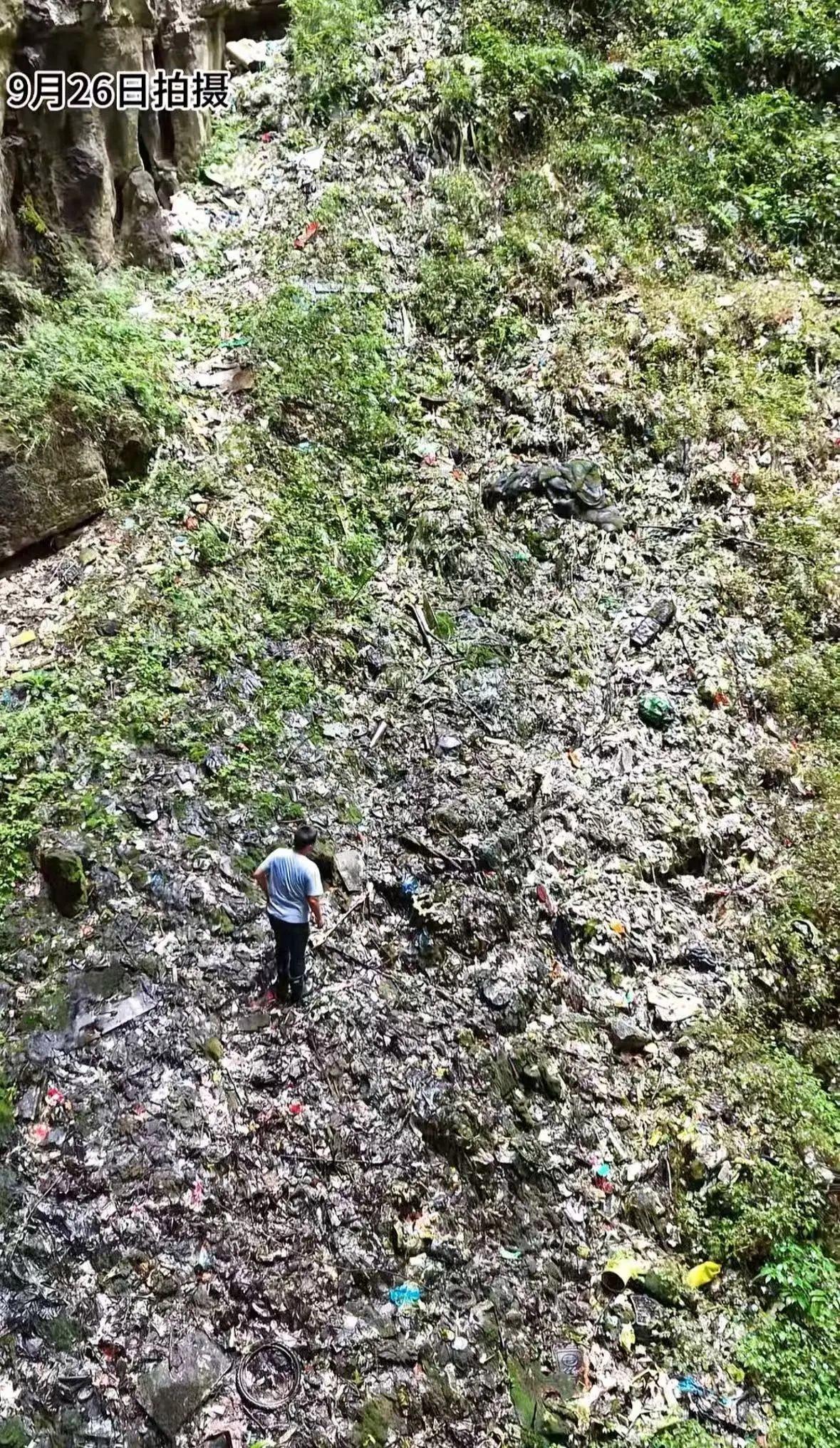
溶洞垃圾堆到“十层楼高”,必须揪出污染环境的罪魁祸首
Zhong Guo Qing Nian Bao· 2025-09-30 11:24
Core Viewpoint - A significant environmental pollution incident in Qianxi City, Guizhou, has raised public concern after being exposed by a netizen, highlighting the need for effective regulatory mechanisms and accountability for polluters [1][4][8] Group 1: Incident Details - A video posted by a netizen shows a natural cave in Qianxi City filled with garbage and sewage, posing a severe threat to the environment [1][3] - The garbage is reported to be "at least ten stories high," with harmful waste such as medicine packaging visible, indicating long-term neglect and pollution [3][4] - The local government confirmed the issue and announced a multi-department investigation and cleanup plan [1][7] Group 2: Regulatory and Legal Implications - Current laws prohibit the use of caves and underground rivers for waste disposal, emphasizing the need for strict enforcement and accountability for violators [7][8] - The incident reveals gaps in environmental oversight, particularly in hidden areas like caves, necessitating regular inspections and a collaborative approach among various regulatory bodies [7][8] Group 3: Public and Institutional Response - The public expects not only immediate cleanup but also thorough investigations to identify and penalize those responsible for the pollution [4][8] - Transparency in the cleanup process is crucial, with calls for clear timelines and progress reports to maintain public trust and ensure effective oversight [7][8]

省攻坚办、省检察院联合行动主动作为 破解餐饮油烟污染源头管控难题
Xin Jing Bao· 2025-09-30 08:25
Core Viewpoint - The ongoing efforts by provincial authorities to address environmental issues related to restaurant cooking fumes have highlighted the challenges posed by existing regulations and the need for improved communication and compliance mechanisms [1][2][4] Group 1: Regulatory Challenges - The issue of cooking fumes from restaurants has become a focal point of environmental complaints, particularly in areas where such activities are prohibited by the Air Pollution Prevention Law [1] - The law explicitly bans the establishment of restaurants that generate cooking fumes in residential buildings and certain mixed-use buildings, complicating enforcement and compliance [1][2] Group 2: Legal and Administrative Gaps - There is a disconnect between the administrative approval processes and the enforcement of environmental regulations, leading to situations where businesses may unknowingly violate the law [2] - Current regulations do not adequately inform businesses about the restrictions related to cooking fume emissions, which can undermine government credibility and public trust [2] Group 3: Proposed Solutions - A suggestion was made to implement a "notification letter" mechanism during the restaurant registration process to inform businesses of legal requirements regarding site selection, thereby preventing violations before they occur [2] - The meeting emphasized the importance of inter-departmental collaboration to enhance information sharing and compliance at the provincial level, particularly in the restaurant registration phase [4] Group 4: Commitment to Environmental Governance - The meeting underscored the necessity for leadership accountability and institutional support in enforcing environmental protection policies [3] - A commitment was made to enhance public awareness and legal literacy among business operators through various educational initiatives, aiming to reduce existing environmental issues and prevent new ones [4]
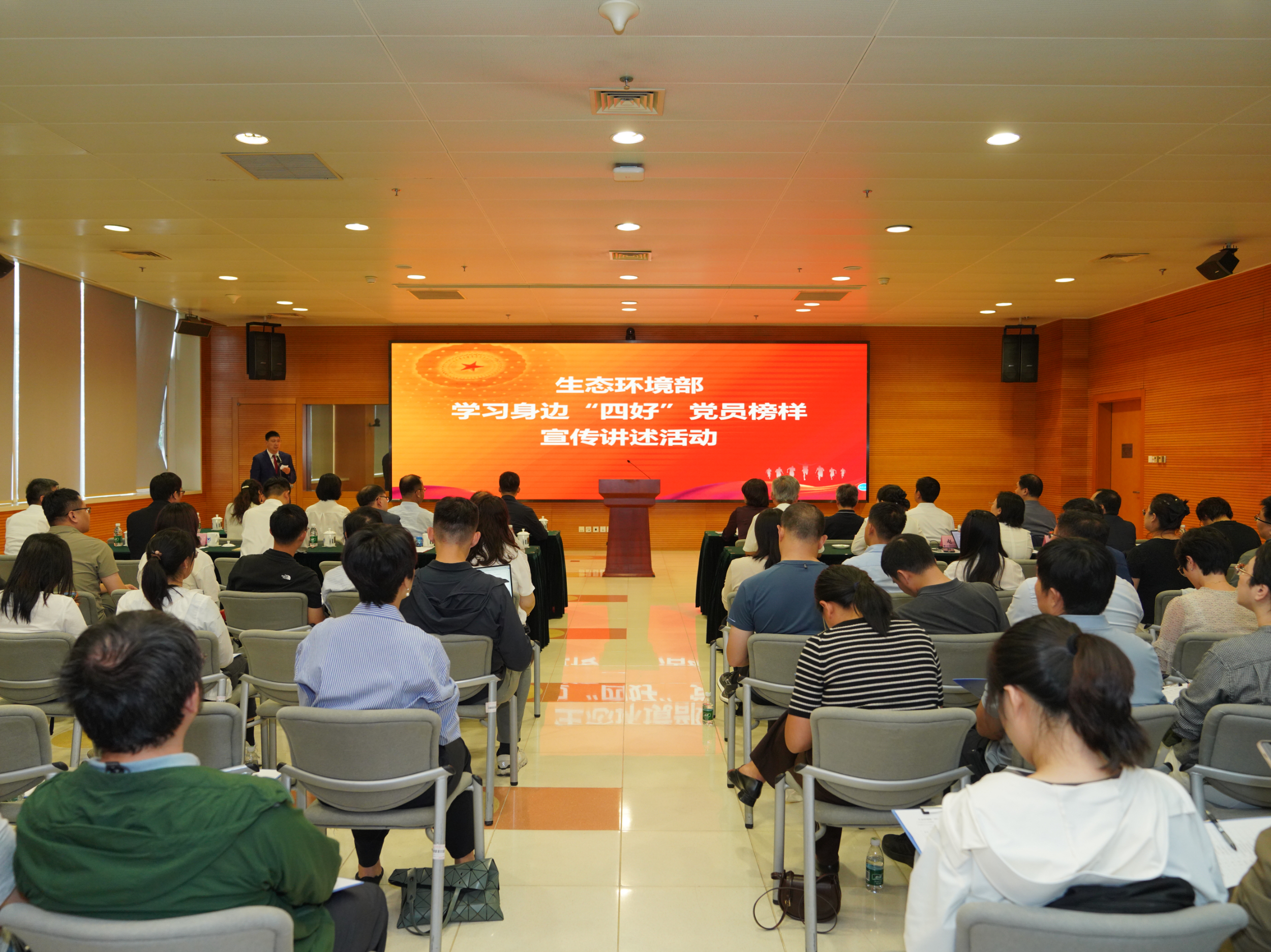
生态环境部举行“四好”党员先进代表事迹宣讲会
Zhong Guo Huan Jing Bao· 2025-09-30 03:07
Core Viewpoint - The event organized by the Ministry of Ecology and Environment aims to promote exemplary behavior among party members and enhance their roles in ecological protection efforts [1][4]. Group 1: Event Overview - The Ministry of Ecology and Environment held a concentrated presentation meeting themed "Striving to be a Pioneer in Reform" on September 29 [1]. - The meeting focused on implementing Xi Jinping's important instructions and the related directives from the Central and State Organs Work Committee [1]. Group 2: Participation and Representation - Various departments and units within the Ministry organized discussions and learning sessions based on the "Three Meetings and One Class" approach [4]. - From 32 nominated candidates, 9 exemplary representatives were selected to participate in the presentation [4]. Group 3: Contributions and Impact - The 9 representatives shared their experiences and responsibilities in ecological protection, showcasing the strong commitment and professionalism of the party members in the ecological environment system [4]. - The event was attended by over 80 participants, including members of the Ministry's Party Committee and representatives from various departments [4].
筑牢法治基石,守护绿水青山(说道)
Ren Min Ri Bao· 2025-09-28 22:28
Core Viewpoint - The establishment of the Ecological Environment Code is crucial for enhancing the legal framework for ecological civilization and environmental protection in China, ensuring the preservation of natural resources and promoting harmonious coexistence between humans and nature [1][3]. Legislative Progress - The 17th meeting of the 14th National People's Congress Standing Committee reviewed drafts of the Ecological Environment Code, which is China's second law named as a "code" and consists of five parts [1]. - The legislative process began with a public consultation after the initial review in April this year, indicating a significant step towards improving the legal governance of ecological issues [1]. Legal Framework and Challenges - Given China's vast territory and diverse ecological conditions, the Ecological Environment Code will not merely be a compilation of existing laws but will adopt a moderate codification approach [2]. - The code will incorporate established regulations from pollution prevention and other areas while allowing for flexibility in addressing regional ecological differences and emerging issues like climate change and green development [2]. Enforcement and Public Awareness - Continuous efforts in law enforcement, judicial processes, and public legal education are essential for advancing ecological civilization [3]. - Recent initiatives include the prosecution of 74,000 public interest lawsuits related to ecological and resource protection from January 2024 to May 2025, and the resolution of 219,000 environmental resource cases by courts [3]. - Public awareness campaigns have been conducted through various community activities, reinforcing the concept that "clear waters and lush mountains are invaluable assets" [3].
鄄城县联合调查组发布情况通报
Xin Jing Bao· 2025-09-28 13:29
Core Viewpoint - The water quality pollution issue in Jucheng County, Shandong Province, has been confirmed, leading to immediate government action and investigations into environmental violations [2][3]. Group 1: Investigation and Findings - A joint investigation team was established by the county government in response to public complaints about the water quality of the Jishan River, revealing that certain sections of the river and its tributaries exhibited deep coloration and unpleasant odors [2]. - Monitoring at 13 designated points indicated that levels of ammonia nitrogen, total phosphorus, and chemical oxygen demand exceeded acceptable limits, confirming the presence of pollution [2]. Group 2: Causes of Pollution - The primary causes of the river pollution were identified as inadequate separation of rainwater and sewage in urban-rural areas, aging and leaking sewage pipelines in industrial parks, and illegal discharges from some enterprises [2]. - Five companies were found to have committed environmental violations, and their cases have been referred to law enforcement for further investigation [2]. Group 3: Remedial Actions - Measures taken include blocking the polluted sections of the river, transferring contaminated water to sewage treatment facilities, initiating river dredging, and installing aerators to enhance the river's self-purification capacity [3]. - Comprehensive upgrades to the drainage network are planned, including converting underground sewage pipelines to an above-ground "one enterprise, one pipe" model, along with the construction of a new sewage treatment plant to improve regional wastewater treatment capabilities [3]. Group 4: Future Plans - The county plans to learn from this incident, conduct thorough inspections, enhance infrastructure, strengthen regulatory enforcement, and establish a long-term mechanism for ecological protection [3].
山东鄄城通报箕山河部分河段水质问题调查处置情况
Xin Jing Bao· 2025-09-28 12:34
Core Viewpoint - The local government of Juancheng County has taken immediate action to address water quality issues in the Jishan River, following public complaints about pollution, leading to the establishment of a joint investigation team and subsequent measures to rectify the situation [1][2] Group 1: Investigation Findings - A comprehensive inspection of the Jishan River and its tributaries revealed that certain sections exhibited deep water color and unpleasant odors, confirming pollution [1] - Monitoring at 13 designated points indicated that levels of ammonia nitrogen, total phosphorus, and chemical oxygen demand exceeded acceptable limits, validating the presence of water contamination [1] Group 2: Causes of Pollution - The primary causes of the river pollution were identified as incomplete separation of rainwater and sewage in urban-rural areas, aging and leaking sewage pipelines in industrial parks, and illegal discharges from some enterprises with malfunctioning pollution control facilities [1] Group 3: Enforcement Actions - Joint law enforcement inspections by provincial and municipal environmental departments confirmed environmental violations by five enterprises, with cases referred to law enforcement for further investigation [1] - Accountability measures were taken against relevant departments and personnel responsible for oversight, in accordance with legal and regulatory frameworks [1] Group 4: Remediation Measures - Immediate actions included blocking the polluted sections of the river to prevent the outflow of contaminated water, transferring excess water to sewage treatment plants, and initiating river dredging to enhance self-purification capabilities [1] - Comprehensive upgrades to the drainage network are planned, including converting underground sewage systems in industrial parks to an above-ground "one enterprise, one pipe" model, along with the construction of a new sewage treatment plant to improve regional wastewater processing capacity [1]
打造最优生态 营造一流环境 泰安高新区环保服务获企业赞誉
Qi Lu Wan Bao Wang· 2025-09-24 06:52
Group 1 - The recognition of the Taian Ecological Environment Bureau Development Zone Branch by Shandong Taikai Electric Appliance Organization Co., Ltd. reflects a successful collaboration between government and enterprises in promoting ecological environmental protection and sustainable development [1] - The Taikai Group's new project construction and production have garnered significant attention, with the Development Zone Branch providing comprehensive support through a "three hearts" service model focused on ecological environmental protection [2] - The Development Zone Branch has established a close communication mechanism with the enterprise, ensuring smooth environmental impact assessment (EIA) approval processes and timely submission of application materials [2] Group 2 - The Development Zone Branch has implemented targeted training and guidance to enhance the environmental protection capabilities of enterprises, reinforcing their awareness and skills related to ecological laws and regulations [2] - Staff members have provided on-site support to ensure compliance with pollution prevention measures, offering tailored operational advice to maintain stable pollutant discharge standards [2] - The Development Zone Branch aims to continue its "three hearts" service philosophy, providing comprehensive and high-quality services to support enterprises in achieving high-level environmental protection and contributing to regional economic development [3]
省人大常委会法工委主任邓云秀:以法治建设护航海南自贸港高质量发展
Hai Nan Ri Bao· 2025-09-24 01:25
Core Viewpoint - The construction of Hainan Free Trade Port has entered a new stage, with a preliminary establishment of the regulatory system and ongoing improvements in legal protections based on the Hainan Free Trade Port Law [1] Legislative Framework - Since the implementation of the Hainan Free Trade Port Law on June 10, 2021, a total of 51 regulations have been introduced by the Hainan Provincial People's Congress Standing Committee, with a target of further development by July 2025 [1][5] Focus Areas of Legislation - The legislative work has concentrated on six key areas: 1. Preparing for the operation of the port by enhancing trade and investment liberalization and facilitation, including regulations on market entity registration and foreign investment [2] 2. Supporting high-quality economic development through legislation that promotes modern industrial systems unique to Hainan [2] 3. Creating a market-oriented, law-based, and international business environment, including the introduction of the first Fair Competition Regulation in the country [2] 4. Strengthening ecological environment protection legislation to maintain Hainan's natural advantages [3] 5. Enhancing legislation related to people's livelihoods and social governance, such as housing security regulations [3] 6. Establishing a risk prevention and control system through various regulations to ensure the safe and orderly operation of the Free Trade Port [3] 2025 Legislative Work Plan - The 2025 legislative work plan includes 75 projects, with 28 regulations ready for review and 47 projects to be drafted and reviewed as conditions permit [5] Legal Support for Port Operations - The Hainan Provincial People's Congress Standing Committee aims to leverage legislative powers to ensure legal support for the port's operation, focusing on key areas such as free movement and safety, while aligning with international trade rules [6]
练江“蝶变”提供了水污染治理的成功样本
Nan Fang Du Shi Bao· 2025-09-23 05:47
Core Viewpoint - The transformation of Lianjiang from a heavily polluted river to an ecological river highlights the effectiveness of systematic governance and innovative institutional frameworks in environmental protection [1][4][6]. Group 1: Background and Historical Context - Lianjiang, once known as the "mother river" of the Chaoshan region, faced severe pollution due to industrial waste and untreated sewage discharge since the 1990s, leading to a significant ecological crisis [2]. - The river's water quality deteriorated to below Class V standards for several years, with some sections losing aquatic life entirely [2]. Group 2: Governance and Institutional Innovation - The key to Lianjiang's restoration lies in the implementation of the river chief system, which established a multi-tiered responsibility framework across provincial, municipal, and local levels [3]. - This system transformed the role of river chiefs into accountable guardians of water quality, effectively addressing the long-standing issues of fragmented governance and unclear responsibilities [3]. Group 3: Comprehensive Management Approach - The governance strategy combined source reduction, process control, and end-of-pipe treatment, including shutting down polluting enterprises and constructing wastewater treatment facilities [4]. - The approach also involved comprehensive management of tributaries and pollution outlets, alongside ecological restoration efforts to rebuild the river's ecosystem [4]. Group 4: Impact on Development Philosophy - The successful management of Lianjiang reflects a shift in development philosophy from prioritizing economic growth over environmental protection to recognizing the synergy between ecological health and economic value [5]. - The transformation illustrates that environmental protection and economic development can coexist and mutually reinforce each other [5]. Group 5: Lessons and Future Implications - The experience in Guangdong serves as a model for national water pollution prevention efforts, emphasizing the importance of accountability and sustained commitment to environmental governance [6]. - The role of central ecological and environmental inspections has been crucial in maintaining ecological standards and ensuring the success of such initiatives [6].
十四五”我国生态环境保护呈现“五个新
Zhong Guo Hua Gong Bao· 2025-09-23 02:51
Group 1 - The "14th Five-Year Plan" period is significant for ecological civilization construction and environmental protection in China, with continuous improvement in national ecological environment quality summarized by "five new" aspects [1][2] Group 2 - New achievements in pollution prevention include the completion of coal management for 41 million households and the elimination of nearly 20 million high-emission vehicles [1] - In water protection, the remediation completion rates for seven major river basins and key bays reached 90% and 93.3% respectively [1] - Soil pollution tracing for heavy metals in agricultural land in 132 key counties has been largely completed [1] Group 3 - Green and low-carbon development has made progress, with 1.12 billion kilowatts of coal power units and 950 million tons of crude steel capacity undergoing ultra-low emission transformations [1] - China has established the world's largest carbon trading market, which is now operating stably, and has initiated a voluntary greenhouse gas reduction trading market [1] Group 4 - Ecological protection and restoration have seen advancements, with over 30% of land area under ecological protection red lines and the rectification of 4,545 key issues in national nature reserves [2] - Major biodiversity protection projects have effectively safeguarded 90% of terrestrial ecosystem types and 74% of key wild animal and plant populations [2] Group 5 - Environmental governance efficiency has improved, with eight batches of central ecological environment protection inspections conducted, receiving over 144,000 public complaints [2] - A comprehensive ecological environment zoning control system has been established, along with the largest national ecological environment quality monitoring network globally [2] Group 6 - China has demonstrated new responsibilities in global environmental governance by successfully hosting the 15th Conference of the Parties to the Convention on Biological Diversity and promoting the "Kunming-Montreal Global Biodiversity Framework" [2] - The "Kunming Fund" has been initiated and is operational, effectively boosting global confidence in biodiversity protection [2]