
全球治理

Search documents
新华时评丨坚持行动导向是重要原则——构建更加公正合理的全球治理体系⑥
Xin Hua She· 2025-09-17 12:44
未来,中国将依托联合国、有关国际组织及区域次区域多边机制,会同各方采取积极行动,为改革完善 全球治理贡献智慧和力量。优先考虑在国际金融架构改革、人工智能、网络空间、气候变化、贸易、外 空等治理紧迫性突出、治理赤字较大的领域,以及坚定维护联合国权威和核心地位,支持联合国落实 《未来契约》等方面加大沟通合作,积极凝聚共识、锁定成果,争取早期收获。 当前全球治理赤字持续扩大,凸显全球治理领域实效不足、行动力缺乏的困境。9月1日,在天津举行 的"上海合作组织+"会议上,国家主席习近平郑重提出全球治理倡议,强调"注重行动导向",为进一步 提升全球治理实效指明实践路径,将推动各国凝聚起完善全球治理的行动合力。 有效性亟待提升,是当前全球治理面临的重大挑战。联合国2030年可持续发展议程落实进展严重滞后, 气候变化、数字鸿沟等问题日益突出,人工智能、网络空间、外空等新疆域治理缺位……全球治理滞后 和碎片化问题突出。"在多边体系举步维艰的今天,全球治理倡议引发了深刻共鸣。"马来西亚总理安瓦 尔在社交媒体上说。 行动导向是全球治理的重要原则。全球治理的活力源于实践,关键重在行动,根本要看成效。全球治理 是否管用,关键在于能否解 ...
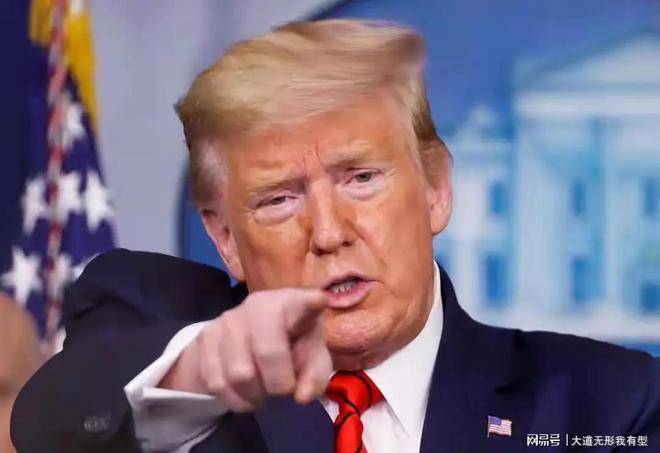
特朗普觉得美国和中国单打独斗肯定是不行了,公开拉拢36个盟友上
Sou Hu Cai Jing· 2025-09-17 07:23
Group 1 - The core viewpoint of the articles highlights the shift in U.S. strategy towards a multilateral approach in dealing with China, as President Trump acknowledges the difficulty of unilateral action and seeks to rally 36 allied nations to form a united front against China [1][3] - The upcoming U.S.-China trade talks in Madrid will focus on four key issues: intellectual property protection, forced technology transfer, rare earth export restrictions, and bilateral tariff adjustments [1] - Trump's mobilization of allies under the guise of secondary sanctions reflects the ineffectiveness of U.S. unilateralism and a fundamental shift in the global economic power structure, reminiscent of Cold War-era alliances [3][4] Group 2 - The article emphasizes that the current globalized economy has transformed, with interconnected supply chains and deep market integration, making it challenging for countries to sacrifice their own interests for the sake of alliances [3] - European nations, including Germany and France, openly oppose following the U.S. in imposing tariffs on China, indicating a rejection of Trump's aggressive strategy [3] - China's negotiation team demonstrates confidence due to its comprehensive industrial system, the importance of the Chinese market for multinational corporations, and a diversified network of international partnerships through mechanisms like RCEP and BRICS [3][4] Group 3 - The essence of the trade dispute is framed as a struggle over the distribution of global development benefits, with rare earth issues symbolizing supply chain security and equitable resource management [4][5] - The articles suggest that the confrontation between economic nationalism and global interconnectedness necessitates the establishment of a new cooperation philosophy in the international community [5]

坚持以人为本是价值取向——构建更加公正合理的全球治理体系⑤
Xin Hua She· 2025-09-16 13:12
Group 1 - The core idea of the news is the emphasis on a people-centered approach in global governance, as proposed by President Xi Jinping during the "Shanghai Cooperation Organization+" meeting, highlighting the importance of addressing common challenges through reforms that enhance people's sense of gain, security, and happiness [1][2][3] - China practices the "people-centered" philosophy in both domestic governance and international cooperation, focusing on enhancing the well-being and dignity of its citizens while promoting global development that benefits all [2][3] - The commitment to a people-centered approach is reflected in China's active role in global cooperation on public health, climate change, and food security, aiming to build a community with a shared future for humanity [3] Group 2 - The principle of respecting diversity and promoting equality in international relations is fundamental to China's "people-centered" approach, opposing hegemony and advocating for the representation of developing countries in global affairs [2] - China's initiatives, such as the Belt and Road Initiative, demonstrate a commitment to improving livelihoods and creating jobs for people along the route, showcasing the practical application of the "people-centered" philosophy in global development cooperation [2][3] - The ultimate goal of global governance is to transform people's aspirations for a better life into reality, emphasizing the need for a fair and inclusive world where everyone can enjoy prosperity and well-being [3]
新华时评丨坚持以人为本是价值取向——构建更加公正合理的全球治理体系⑤
Xin Hua She· 2025-09-16 11:34
Core Viewpoint - The article emphasizes the importance of a people-centered approach in global governance, as proposed by Chinese President Xi Jinping during the "Shanghai Cooperation Organization+" meeting, highlighting that the well-being of people should be the primary goal of governance efforts [2][3]. Group 1: Global Governance Initiatives - The global governance initiative advocates for a people-centered philosophy, aiming to enhance the sense of gain, security, and happiness among people worldwide [2][3]. - The initiative seeks to reform and improve global governance to better address common challenges faced by humanity, promoting shared development and security [2][4]. Group 2: China's Commitment to People-Centered Governance - China is portrayed as a steadfast practitioner of the "people-centered" concept, integrating it into domestic governance and international cooperation [3]. - Domestically, China focuses on enhancing the sense of gain, happiness, and security for its citizens, while internationally, it emphasizes the importance of development within the global macro policy framework [3]. Group 3: Respect for Diversity and Equality - The article highlights China's respect for cultural diversity and the autonomy of nations, opposing any form of hegemony or coercive politics [3]. - It advocates for a democratic approach to international relations, where global affairs are governed collectively by all nations, ensuring that development outcomes are shared equitably [3]. Group 4: Focus on Global Cooperation in Key Areas - China's commitment to global cooperation is evident in its proactive stance on public health, climate change, and food security, positioning itself as a responsible major power [4]. - The article underscores the need for global governance to transform people's aspirations for a better life into reality, advocating for a fair and inclusive world [4].
WTO《渔业补贴协定》正式生效,中国是率先完成批约程序主要成员
第一财经· 2025-09-16 00:59
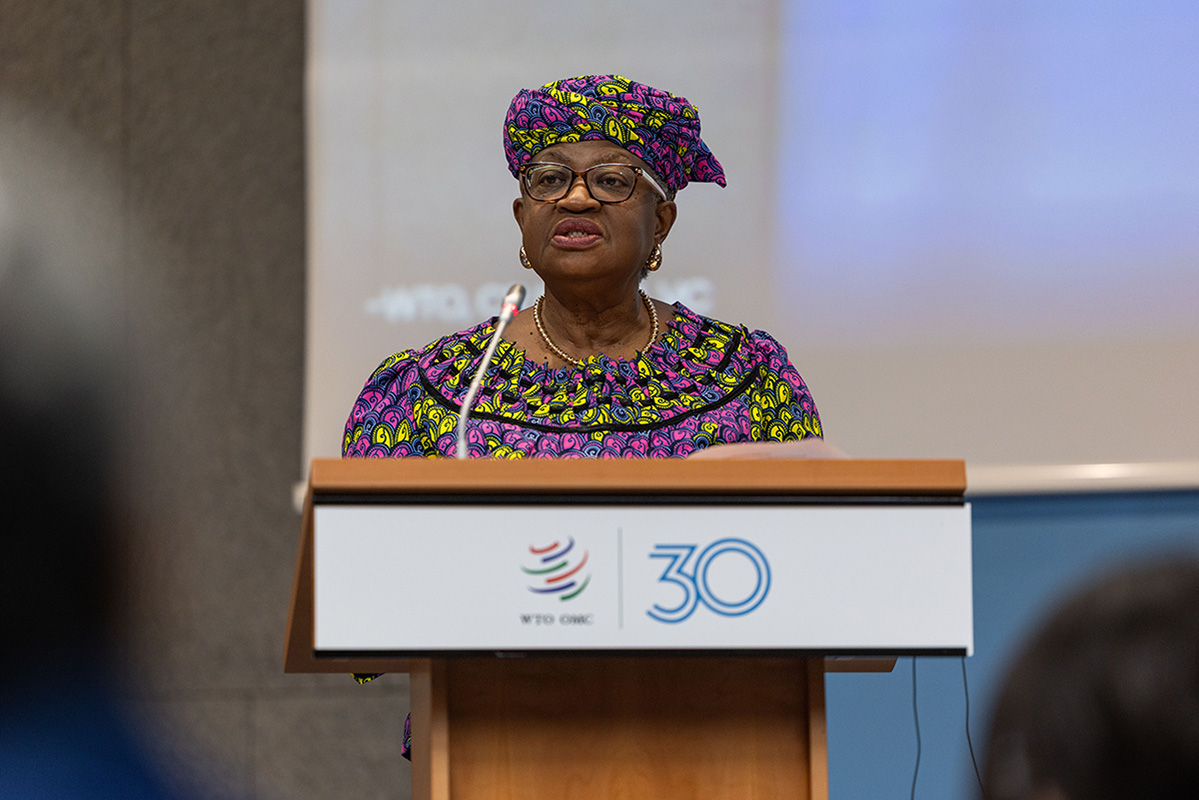
Core Viewpoint - The WTO's Fisheries Subsidies Agreement has officially come into effect, marking a significant milestone in global governance and multilateral trade, with the aim of addressing global challenges and promoting sustainable development in fisheries [3][6]. Summary by Sections Agreement Overview - The Fisheries Subsidies Agreement was passed at the WTO's 12th Ministerial Conference in June 2022, taking 21 years to negotiate, making it the longest in WTO history and the second new multilateral agreement in 30 years [6]. - The agreement aims to eliminate harmful fishing subsidies, particularly those contributing to overfishing and illegal, unreported, and unregulated (IUU) fishing [7]. Global Impact - The agreement is expected to protect global fish resources and the livelihoods of millions who depend on fishing for food and income [6][8]. - In 2021, 35.5% of global fish stocks were overfished, a significant increase from 10% in 1974, highlighting the urgent need for sustainable practices [6]. Implementation and Participation - The agreement requires the elimination of IUU subsidies, excessive fishing subsidies, and unregulated high seas fishing subsidies, while promoting transparency and international cooperation in fisheries management [7]. - China was the first major WTO member to complete the ratification process on June 27, 2023, demonstrating its commitment to sustainable fisheries management [8]. Future Outlook - The WTO Director-General encourages all remaining members to ratify the agreement before the 14th Ministerial Conference scheduled for March 2026, aiming for collective achievement in global fisheries governance [7].
WTO《渔业补贴协定》正式生效,中国是率先完成批约程序主要成员
Di Yi Cai Jing· 2025-09-15 23:08
Core Points - The WTO Fisheries Subsidies Agreement has officially come into effect, marking a significant milestone in global governance and multilateral trade systems [1][3] - The agreement aims to eliminate harmful fishing subsidies and promote sustainable fishing practices, addressing global challenges in fisheries management [3][4] Group 1: Agreement Overview - The Fisheries Subsidies Agreement was passed in June 2022 after 21 years of negotiations, making it the longest-negotiated agreement in WTO history and the second new multilateral agreement in 30 years [3][4] - The agreement is designed to achieve environmental sustainability goals and aligns with the United Nations' 2030 Sustainable Development Goals [3][4] Group 2: Key Provisions - The agreement mandates the elimination of illegal, unreported, and unregulated (IUU) fishing subsidies, as well as subsidies for overfished species and unregulated high seas fishing [4][5] - It incorporates elements of fisheries enforcement, resource sustainability assessment, policy transparency, and international cooperation [4] Group 3: Impact and Implementation - The implementation of the agreement is expected to enhance the management of fisheries subsidies, improve fish population recovery, and promote global marine sustainability [5] - China has been proactive in this initiative, being the first major WTO member to complete the ratification process, demonstrating its commitment to sustainable fisheries management [4][5]
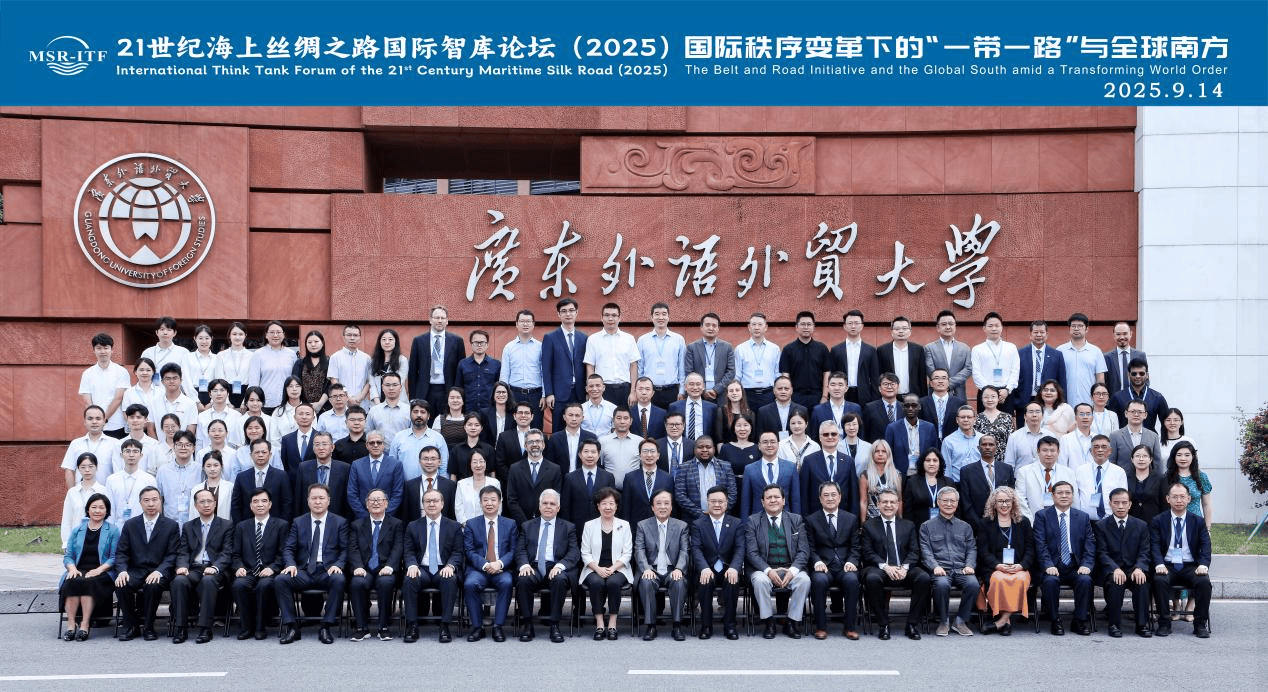
21世纪海上丝绸之路国际智库论坛在广外举行
Sou Hu Cai Jing· 2025-09-15 15:03
Group 1 - The 10th 21st Century Maritime Silk Road International Think Tank Forum was held in Guangdong, focusing on the theme "Belt and Road Initiative and the Global South under the Transformation of International Order" [1] - The forum included one main forum and five parallel forums, attracting leaders from think tanks, scholars, government officials, and entrepreneurs from Belt and Road countries and the Global South [1] - The forum is supported by various organizations, including the Central Committee of the Communist Party of China and Guangdong University of Foreign Studies [1] Group 2 - Chinese officials emphasized the commitment to maintaining world peace and promoting common development through the Belt and Road Initiative, aiming for mutual benefits [3] - The forum highlighted Guangdong's role as a promoter of cooperation with Global South countries, inviting all parties to share opportunities in Chinese-style modernization [3] - Experts discussed the significance of the Belt and Road Initiative and BRICS cooperation in energizing Global South countries [5] Group 3 - The forum served as a platform for discussing the transformation of the international order and the role of the Global South, with a focus on investment, trade, and industrial cooperation [7] - The event was also a celebration of Guangdong University of Foreign Studies' 60th anniversary, emphasizing its role in international talent cultivation and global governance research [6] - The discussions aimed to explore how to promote cooperation and win-win outcomes among Global South countries through the Belt and Road Initiative amid global economic changes and geopolitical fluctuations [6]
坚持国际法治是根本保障——构建更加公正合理的全球治理体系③
Xin Hua Wang· 2025-09-15 00:21
Group 1 - The core viewpoint emphasizes the importance of adhering to international law as a fundamental guarantee for global governance, highlighting China's commitment to promoting a fair and reasonable global governance system [1][2][3] - The article discusses the current challenges in global governance, including the erosion of the authority of existing international mechanisms and the rise of unilateralism, which undermines international law and multilateralism [1][2] - It points out the necessity of establishing international rules in emerging fields based on broad consensus, ensuring equal application of international law without double standards [2][3] Group 2 - China, as a permanent member of the UN Security Council and the largest developing country, has consistently respected and upheld the authority of the UN Charter and international law, actively participating in international legal system construction [3] - The establishment of the International Mediation Institute in Hong Kong and the proposal for a Global AI Governance Initiative reflect China's practical actions towards enhancing global governance and promoting the rule of law [3] - The article concludes with China's commitment to advancing the democratization and rule of law in international relations, aiming to build a community with a shared future for mankind [3]
新华时评丨坚持国际法治是根本保障——构建更加公正合理的全球治理体系③
Xin Hua She· 2025-09-14 13:25
Core Viewpoint - The article emphasizes the importance of international law in global governance and highlights China's commitment to promoting a fair and just global governance system through adherence to international legal principles [2][3]. Group 1: Global Governance and International Law - The current global landscape is marked by turmoil and transformation, necessitating a reevaluation of global governance mechanisms [2]. - President Xi Jinping's proposal for a global governance initiative underscores the need for adherence to international law, reflecting concerns over the erosion of existing international mechanisms [2][3]. - The article critiques the selective application of international law by certain countries, which undermines the authority of international legal frameworks and raises concerns about the effectiveness of multilateralism [2][3]. Group 2: China's Role in International Law - China, as a permanent member of the UN Security Council and the largest developing country, has consistently respected and upheld the authority of the UN Charter and international law [3][4]. - The country has joined nearly all universal intergovernmental organizations and over 600 international treaties, demonstrating its commitment to multilateralism and international legal frameworks [4]. - China's initiatives, such as the establishment of the International Mediation Institute in Hong Kong and the proposal for a Global AI Governance Initiative, illustrate its proactive approach to enhancing global governance and conflict resolution [4]. Group 3: Future Outlook - Looking ahead, China aims to continue adhering to the principles of the UN Charter and promote the democratization and rule of law in international relations [4]. - The article suggests that China's efforts in shaping international rules and resolving disputes peacefully contribute to a shared responsibility for good governance among all nations [4].
中国—联合国和平与发展基金十周年主题会议在联合国总部举行
Ren Min Ri Bao· 2025-09-11 22:02
Core Points - The China-United Nations Peace and Development Fund celebrated its 10th anniversary at a meeting held at the UN headquarters in New York, emphasizing its role in promoting international cooperation and sustainable development [1] - The Fund has initiated over 200 practical cooperation projects across more than 100 countries, significantly contributing to the strengthening of peace, security, and sustainable development capabilities in developing nations [1] - The meeting highlighted the Fund's importance as a platform for deepening cooperation between China and the UN, as well as its alignment with the UN's 2030 Sustainable Development Agenda [1] Group 1 - The meeting was attended by representatives from nearly 30 countries, including senior diplomats and officials from various UN agencies, showcasing broad international engagement [1] - Chinese Permanent Representative to the UN, Fu Cong, emphasized the Fund's achievements over the past decade and its impact on global governance [1] - Participants expressed appreciation for China's strong support in advancing the UN's 2030 Sustainable Development Agenda and promoting international peace and security [1]