
固态电池产业化

Search documents
中信证券:建议把握电池、材料、设备相关环节的投资机会
Zheng Quan Shi Bao Wang· 2025-11-10 00:49
Core Viewpoint - The solid-state battery industry is accelerating its development, with projections indicating that global shipments will exceed 700 GWh by 2030, including over 200 GWh of all-solid-state batteries [1] Group 1: Industry Development - The semi-solid-state battery has already entered mass production in China, achieving a technological leap over Japan, the US, and Europe [1] - The all-solid-state battery is rapidly catching up, with a target to achieve vehicle integration and small-scale production by 2026-2027, and commercial viability by 2030 [1] Group 2: Market Outlook - By 2026, semi-solid-state batteries are expected to see significant volume growth in consumer, power, and energy storage sectors [1] - All-solid-state batteries will begin vehicle validation testing, presenting investment opportunities in battery, materials, and equipment sectors [1]

铝合金龙头,联手电解液龙头,加码固态电池
DT新材料· 2025-11-09 23:37
Core Viewpoint - Lichong Group has announced a strategic investment partnership with Kunlun New Materials to advance the industrial application of solid-state battery electrolytes, including sulfide and oxide electrolytes [2][3]. Group 1: Transaction Details - Lichong Group will transfer a 36.72% stake in its subsidiary Shandong Lichong New Energy Materials Co., Ltd. (Shan Lixin) to Kunlun New Materials for a transaction price of 22,769,918.08 yuan [2]. - Additionally, Lichong Group will acquire a 16.5% stake in Shan Lixin at zero cost and invest 78,094,100 yuan for cash capital increase [2]. - Post-transaction, Lichong Group's ownership in Shan Lixin will decrease to 45.1546%, making Kunlun New Materials the controlling shareholder with a 51% stake [2]. Group 2: Company Background - Kunlun New Materials, established in 2004, specializes in lithium battery electrolytes and has over 20 years of technological expertise in battery materials [2]. - The company has developed comprehensive capabilities in sulfide electrolytes, oxide electrolytes, and sodium-ion battery electrolytes [2]. - Lichong Group, founded in 1984 and listed on the Shenzhen Stock Exchange in 2015, operates in three main product segments: Lichong Sihua New Materials, Lichong Alloys, and Lichong Wheels, focusing on lightweight aluminum components for various industries [3]. Group 3: Strategic Goals - The partnership aims to leverage capital injection, technological collaboration, and market introduction to enhance the technology and market expansion of liquid battery electrolyte materials [3]. - The collaboration will focus on joint research, trial production, sales, and equity investment in key materials such as sulfide and oxide electrolytes [3]. - The goal is to accelerate the transition of lithium sulfide products from laboratory results to commercial applications, particularly in solid-state and sodium-ion battery sectors [3].


固态电池行业周报(第二十二期):海目星打通锂金属固态电池量产工艺获4亿订单,回天新材与太蓝新能源达成固态胶粘剂战略合作-20251109
KAIYUAN SECURITIES· 2025-11-09 10:11
Investment Rating - The industry investment rating is "Positive" (maintained) [1] Core Viewpoints - The solid-state battery sector is transitioning from laboratory stages to mass production validation, with expectations for small batch vehicle trials by the end of 2025 and widespread trials in 2026-2027. Emerging applications in low-altitude, robotics, and AI are expected to expand the market for solid-state batteries, accelerating industrialization [24][28][30] Summary by Sections Industry Overview - The solid-state battery index increased by 3.1% during the week from November 3 to November 7, 2025, with a cumulative increase of 67.8% since December 31, 2024. In comparison, the CSI 300 index rose by 18.9% during the same period [4][10][11] Recent Developments - On November 6, 2025, Haimeixing announced it successfully established a complete production process for lithium metal solid-state batteries, securing the industry's first commercial order for high-energy lithium metal solid-state battery equipment, valued at 400 million yuan for a scale of 2GWh. The company is also advancing its full-chain layout for sulfide solid-state battery equipment [28][29] - A strategic cooperation agreement was signed between Huitian New Materials and Tailan New Energy on November 3, 2025, focusing on joint research and development of solid-state battery adhesives, addressing technical challenges such as ionic conductivity and solid-solid interface bonding [30][31] Individual Stock Performance - The top five performing stocks during the week included Huasheng Lithium Battery (+61.2%), Sanxiang New Materials (+20.6%), and Tianji Shares (+17.4%). Conversely, the stocks with the largest declines were Naconoer (-9.9%), Honggong Technology (-9.7%), and Haicheng Pharmaceutical (-9.4%) [16][20][22] Industry Dynamics - A joint venture agreement was signed on November 6, 2025, between Lichun Group's subsidiary and Kunlun New Materials to accelerate the commercialization of sulfide and oxide electrolytes through research, trial production, and equity investment [26] - The fifth xEV Battery Technology Forum and the third Solid-State Battery Technology Industry Conference were held in Shanghai on November 3-4, 2025, where industry players disclosed significant technological breakthroughs [27]



固态电池产业化拐点已至
中国能源报· 2025-11-09 00:40
Core Viewpoint - The solid-state battery industry is experiencing accelerated industrialization driven by the dual forces of technology and capital, with significant investment activities and technological breakthroughs occurring throughout the year [3][5]. Investment Activities - Multiple companies in the solid-state battery sector have successfully completed financing rounds, indicating strong investor interest and support for this emerging technology [5][6]. - Huacai (Hefei) New Energy Technology Co., Ltd. announced the completion of several million yuan in angel financing, aimed at building production lines for solid-state battery electrolytes [5]. - WeiLan New Energy completed a D+ round of financing, with strategic investments from Beijing's green energy and low-carbon industry funds [5]. - Shenzhen Xinjie Energy Technology Co., Ltd. announced the completion of hundreds of millions in A round financing, focusing on high-energy-density and high-safety lithium metal solid-state batteries [5]. Technological Advancements - Solid-state batteries are gaining attention due to their advantages in safety and energy density, with ongoing technological innovations improving product performance [5][8]. - The industry is transitioning from "laboratory concepts" to "industrialization," with companies like Toyota accelerating plans for mass production of solid-state batteries by 2027 [8][9]. - The Chinese Academy of Sciences has made significant progress in addressing technical challenges in solid-state battery development, enhancing the feasibility of mass production [8][9]. Market Outlook - The global shipment of solid-state batteries is projected to reach 614 GWh by 2030, with solid-state batteries accounting for nearly 30% of this total [9]. - The industry is expected to see a significant increase in the shipment of semi-solid-state batteries, entering the GWh level in 2024, with applications in high-end consumer products and autonomous vehicles [9]. Challenges and Considerations - Despite the opportunities, the solid-state battery sector presents challenges, particularly for new entrants, as evidenced by several failed collaborations and projects [11][12]. - Companies must assess their financial capabilities and risk tolerance before entering the solid-state battery market, as substantial funding is required for research and development [11][12].
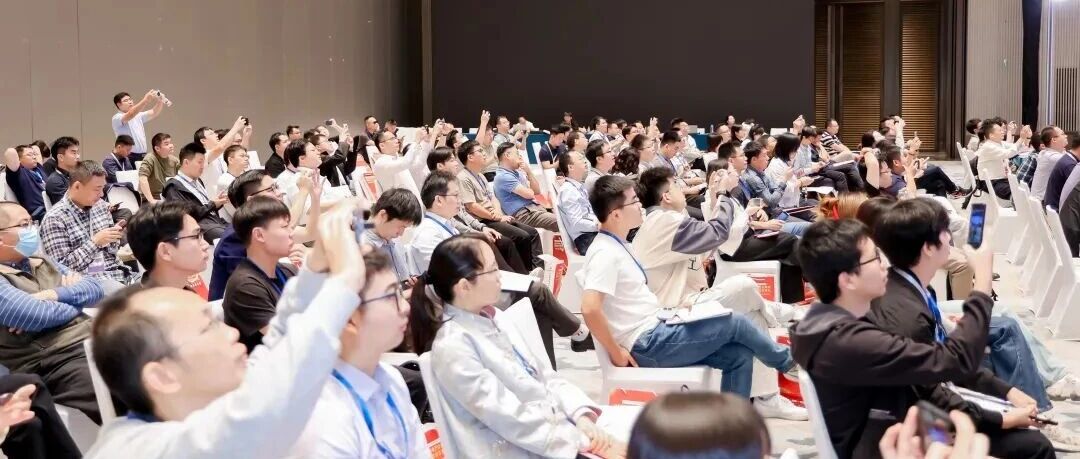
2025起点固态电池行业年会暨固态电池金鼎奖颁奖典礼圆满闭幕!
起点锂电· 2025-11-08 12:40
Core Viewpoint - The 2025 Qidian Solid-State Battery Industry Annual Conference and the Golden Ding Award Ceremony focused on new technologies and collaborative ecosystem building in the solid-state battery industry, highlighting the industry's development trends and opportunities [1][3]. Group 1: Conference Overview - The conference included five main segments: opening ceremony and SSBA Solid-State Battery Alliance launch, solid-state battery technology sessions, solid electrolyte and key materials technology sessions, solid-state battery manufacturing and smart manufacturing sessions, and the Golden Ding Award ceremony [3][4]. - Over 500 key enterprises and 1,000 high-level representatives from the solid-state battery industry gathered to discuss new trends and opportunities [1][3]. Group 2: Keynote Speeches - Li Zhenqiang, founder of Qidian Solid-State Battery, emphasized the significant growth of China's lithium battery market, which has expanded from tens of billions to a trillion-level market, and highlighted the emergence of solid-state batteries as a new technological inflection point [4][6]. - Qin Tao, Chairman of Ruitian Technology, pointed out that while traditional lithium batteries dominate the market, solid-state batteries are becoming the key development direction due to their high safety and energy density [6][8]. Group 3: Technical Sessions - The SSBA Solid-State Battery Alliance was established to empower member enterprises and promote development through resource sharing [10]. - Various experts presented advancements in solid-state battery technologies, including breakthroughs in sulfide electrolytes, composite solid electrolytes, and engineering challenges in solid-state battery production [11][12][17][19][21]. Group 4: Industry Challenges and Innovations - Challenges in the solid-state battery industry include high production costs, complex manufacturing processes, and the need for improved material stability [12][19][21]. - Innovations discussed included modular equipment solutions for sulfide and oxide electrolyte systems, advancements in solid-state battery materials, and the development of high-performance manufacturing processes [12][19][21][22]. Group 5: Awards and Recognition - The Golden Ding Award recognized outstanding contributions in the solid-state battery industry, celebrating achievements in technology and innovation [64][66].
外资布局固态电池,瑞银重仓11家行业龙头,其中4家市值达30亿元
Sou Hu Cai Jing· 2025-11-07 18:30
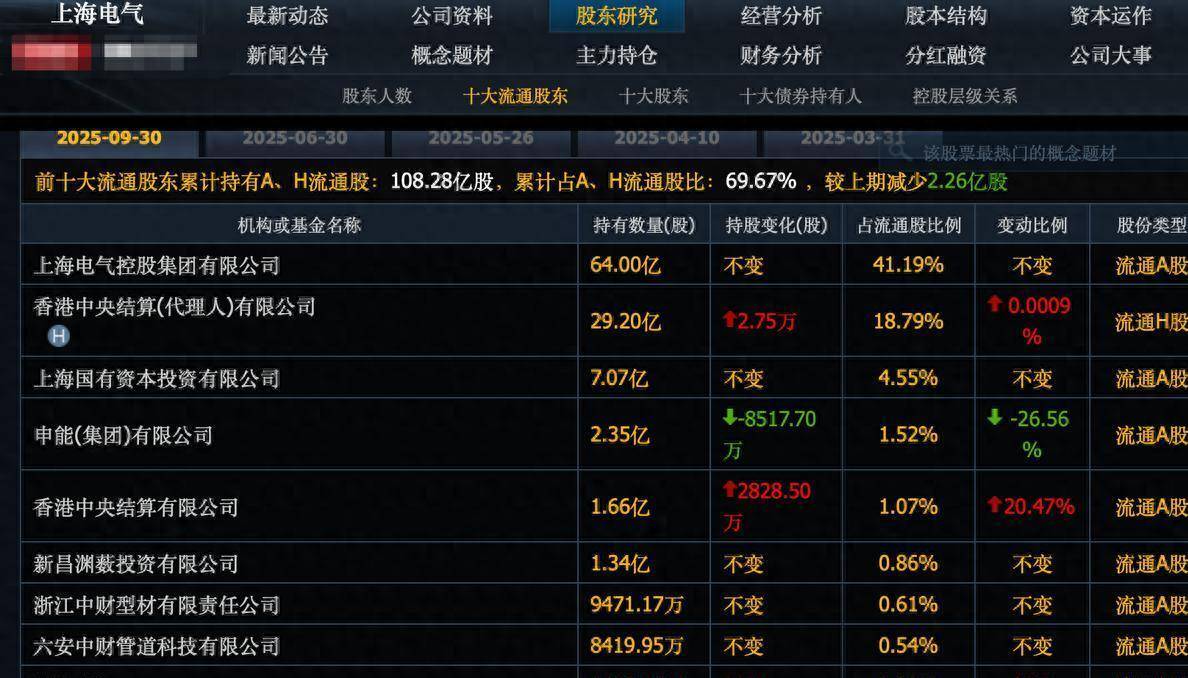
Group 1 - The solid-state battery industry is at a critical juncture, transitioning from laboratory to commercialization, driven by the demand for higher safety and energy density in electric vehicles [1] - UBS Group made a significant investment in the A-share market in Q3 2025, acquiring stakes in 11 solid-state battery-related companies, indicating a strong belief in the future development of the industry [2][3] - The selected companies by UBS cover multiple key segments of the solid-state battery supply chain, with Shanghai Electric leading in high-end equipment manufacturing and planning to commercialize a solid-state battery with an energy density exceeding 400Wh/kg by 2026 [3] Group 2 - The solid-state battery technology is developing along four main paths: polymer, oxide, sulfide, and halide systems, with different countries and companies focusing on various routes [7] - Chinese companies are pursuing multiple technology paths simultaneously, with Haimeixing securing production orders in both oxide and sulfide routes, showcasing a dual-line strategy [9] - The solid-state battery supply chain is unevenly developed, with oxide electrolytes achieving mass production while sulfide and halide electrolytes are still in the early stages [9] Group 3 - UBS's investment strategy aligns with the industry's timeline, as several automakers plan to adopt solid-state batteries between 2026 and 2027, necessitating readiness in technology and production capacity beforehand [10] - Companies with a market capitalization around 3 billion exhibit significant potential, as they have established technical barriers in niche areas, although market recognition of their value may still be limited [10] - The trend of technology integration in solid-state battery paths is emerging, creating new collaboration opportunities among industry players [10] Group 4 - Traditional lithium battery giants and emerging startups are now on equal footing in the solid-state battery sector, with companies like CATL and BYD focusing on different technology routes [11] - Innovative collaboration models are developing within the industry, such as joint ventures focusing on key functional materials for solid-state and semi-solid batteries [11] - Despite high capital enthusiasm, the solid-state battery industry faces multiple challenges, including supply chain maturity and high production costs compared to liquid batteries [12][13]
渤海证券研究所晨会纪要(2025.11.07)-20251107
BOHAI SECURITIES· 2025-11-07 10:35
Macro and Strategy Research - The GDP growth rate for the first three quarters reached 5.2%, but the fourth quarter may face pressures due to high base effects and diminishing policy impacts, necessitating attention to the implementation of incremental policies under the "counter-cyclical adjustment" framework [2] - The Federal Reserve's October meeting resulted in a 25 basis point rate cut due to a rapid deterioration in the U.S. job market, with expectations for further easing in liquidity both domestically and internationally [3] - The capital market's policy environment is becoming clearer, with ongoing reforms in public funds expected to facilitate the flow of household wealth into the stock market, creating a virtuous cycle [3] - A-shares are expected to enter a phase characterized by more pronounced fluctuations and a slower upward trend, suggesting a strategy of patience and seizing structural opportunities during market volatility [4] Industry Research - The steel industry may see weakened demand as the heating season begins in northern regions, leading to supply contraction due to environmental restrictions, resulting in fluctuating steel prices [6] - Copper prices may lack upward momentum after reaching highs in October, influenced by macroeconomic conditions and supply pressures from overseas mines [6] - The aluminum sector is expected to perform well due to low alumina prices and strict domestic production limits, with demand driven by sectors like new energy vehicles [8] - Gold prices are anticipated to fluctuate due to geopolitical factors and changes in U.S. monetary policy, while long-term trends suggest increasing attractiveness for gold as a hedge [8] - The lithium market is expected to remain strong due to inventory depletion and unexpected demand from energy storage [6] - The cobalt market is projected to maintain high demand driven by the electric vehicle and energy storage sectors, despite potential price increases affecting demand growth [9] - The rare earth sector is poised for support due to improved U.S.-China trade relations and expectations of relaxed export controls, which may enhance overseas demand [7]
锂电池产业链双周报(2025、10、24-2025、11、06):需求旺盛带动6F价格暴涨-20251107
Dongguan Securities· 2025-11-07 09:22
Investment Rating - The report maintains an "Overweight" rating for the lithium battery industry, expecting the industry index to outperform the market index by over 10% in the next six months [51]. Core Insights - The lithium battery index has shown strong performance, with a 5.82% increase over the past two weeks, outperforming the CSI 300 index by 3.93 percentage points. Year-to-date, the lithium battery index has risen by 57.70%, surpassing the CSI 300 index by 38.42 percentage points [5][14]. - The report highlights a significant surge in demand for energy storage, leading to tight supply of storage cells domestically. Major battery manufacturers are operating at full capacity, with a notable increase in production and sales in the new energy vehicle sector [46]. - The report emphasizes the rising prices of key materials in the lithium battery supply chain, particularly lithium hexafluorophosphate (6F), which has seen a price increase of over 140% since its lowest point in July [46]. - The ongoing development of solid-state batteries is expected to create additional demand for materials and equipment in the industry, with several companies leading in technology and cost advantages [46]. Summary by Sections Market Review - As of November 6, 2025, the lithium battery index has increased by 5.82% in the last two weeks and 57.70% year-to-date, outperforming the CSI 300 index significantly [5][14]. Price Changes in the Lithium Battery Supply Chain - Key materials have experienced price increases: - Battery-grade lithium carbonate averaged 79,800 CNY/ton, up 6.68% in two weeks [27]. - Lithium hexafluorophosphate rose to 119,000 CNY/ton, up 36.78% [34]. - Phosphate lithium increased to 34,800 CNY/ton, up 4.04% [30]. - Prices for other materials like NCM523, NCM622, and NCM811 also saw increases ranging from 1.54% to 2.45% [30]. Industry News - The report notes that major companies are expanding their production capabilities in response to rising demand, with significant contracts signed for the supply of electrolyte products [43][46]. - The solid-state battery market is projected to grow significantly, with global demand expected to exceed 206 GWh by 2030 [44]. Company Announcements - Key companies such as CATL and Yiwei Lithium Energy are highlighted for their strong financial performance and strategic positioning in the market, with substantial year-on-year profit growth reported [47].



2035年全球固态电池需求量预计将达到740GWh!新能源ETF基金(516850)上涨1.91%,盛新锂能涨停
Mei Ri Jing Ji Xin Wen· 2025-11-07 07:01
Core Viewpoint - The new energy sector is experiencing a strong rebound, with significant increases in the performance of related ETFs and stocks, driven by advancements in solid-state battery technology and market demand [1]. Group 1: Market Performance - The New Energy ETF (516850) rose by 1.91%, with stocks such as Shengxin Lithium Energy hitting the daily limit, Tianhua New Energy increasing by over 14%, and Zhejiang Chint Electrics rising by over 9% [1]. Group 2: Solid-State Battery Development - Nearly 100 companies globally are planning solid-state battery production capacity, totaling over 100 GWh [1]. - Semi-solid batteries have achieved commercial mass production and expanded to GWh-level scale, while all-solid-state batteries are in the small-scale trial production phase at hundreds of MWh, primarily for non-automotive applications [1]. - All-solid-state batteries for automotive use are expected to be practically applied around 2027 [1]. Group 3: Market Demand Forecast - TrendForce predicts that the global demand for solid-state batteries (including semi-solid) will exceed 206 GWh by 2030 and further expand to over 740 GWh by 2035, driven by needs in electric vehicles, energy storage systems, consumer electronics, robotics, and industrial applications [1]. Group 4: Industry Acceleration - According to Galaxy Securities, the pace of solid-state battery industrialization is significantly accelerating due to policy guidance and emerging market demands such as low-altitude economy and humanoid robots [1]. - The current phase of semi-solid batteries has validated technical feasibility through vehicle testing, while the path for small-scale vehicle deployment of all-solid-state batteries by 2027 and mass production by 2030 is becoming clearer [1].


固态电池融资狂飙!量产时间一再提前,技术破局正重构万亿市场格局,谁已掉队?
Zhong Guo Neng Yuan Wang· 2025-11-07 06:45
Core Insights - The solid-state battery industry is experiencing significant investment and technological advancements, indicating a strong trend towards commercialization [1][2][3] Investment Activities - Multiple companies in the solid-state battery sector have successfully completed financing rounds, including Huacai (Hefei) New Energy Technology Co., which raised several million yuan in angel financing to support production line construction [2] - WeiLan New Energy completed a D+ round of financing with strategic investments from Beijing's green energy funds, while Shenzhen Xinjie Energy Technology announced several hundred million yuan in Series A financing [2] Technological Breakthroughs - The industry is witnessing breakthroughs in technology, with companies transitioning from semi-solid to solid-state batteries and improving product performance [4] - Notable advancements include a team from the Chinese Academy of Sciences solving contact issues between electrolytes and lithium electrodes, and Toyota accelerating plans for mass production of solid-state batteries by 2027 [4][5] Market Outlook - Financial analysts predict that the solid-state battery market will see significant growth, with expectations of reaching 614 GWh in global shipments by 2030, with solid-state batteries accounting for nearly 30% of this volume [6] - The industry is expected to accelerate its commercialization process, with several automakers planning to adopt solid-state batteries around 2027 [5] Challenges and Considerations - Despite the positive outlook, the solid-state battery sector faces challenges, including high capital requirements and technical complexities that necessitate ongoing research and development [8] - Companies are advised to assess their financial capabilities and consider partnerships to mitigate risks associated with entering the solid-state battery market [7][8]