智慧养老

Search documents
科技+养老风正劲,投资“黑马”企业浮出水面
机器人大讲堂· 2025-08-03 04:05
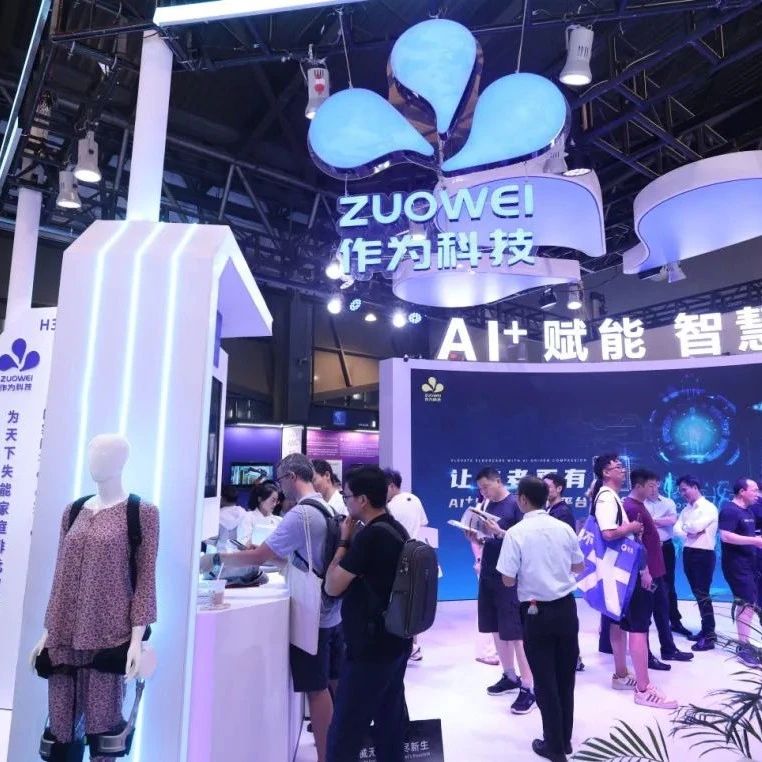
Core Viewpoint - The article highlights the integration of advanced technologies into daily life, particularly in the field of smart elderly care, showcasing the potential of AI and innovative solutions to address the challenges posed by an aging population [1][4][10]. Group 1: Industry Challenges - China's aging population is accelerating, with projections indicating that by 2025, the population aged 60 and above will reach 310 million, accounting for 22% of the total population [4]. - The rapid transition to a deeply aging society has occurred in just 21 years, significantly faster than in developed countries like the US and Germany [4]. - There is a severe shortage of healthcare personnel for the elderly, with a ratio of caregivers to disabled elderly individuals at 1:100, far below the international standard of 1:3 [5]. Group 2: Technological Solutions - The company "作为科技" has launched the AI⁺ Smart Elderly Care Health Platform (aiAging) to enhance the efficiency and safety of elderly care services, addressing the pressing needs of the industry [3][7]. - The platform integrates AI technology with IoT, big data, and cloud computing to create a closed-loop system for monitoring, early warning, intervention, and service [7][9]. - The platform aims to bridge three major gaps: the connection between children and the elderly, the efficiency of professional care services, and the fragmentation of information and resources in elderly care [7][9]. Group 3: Market Potential - The silver economy is rapidly growing, with over 367,000 companies currently operating in this sector in China, and 22,000 new registrations in the first half of 2025 alone [10]. - The shift towards intelligent solutions in elderly care is seen as the only viable path for industry development, with significant market opportunities for companies that can innovate and adapt [10][12]. - The company has established a strong competitive edge with over 300 technology patents and various international certifications, enhancing its market position [12][13]. Group 4: Investment Opportunities - The investment landscape is shifting towards companies that combine hardware and software solutions in the smart elderly care sector, with a focus on technological innovation and market demand [14][18]. - The company's integrated solution of smart hardware and AI platform is positioned to capitalize on the growing demand for elderly care services, providing a clear path for business growth and scalability [18]. - Investors are increasingly looking for companies with strong technological foundations and clear business models in the smart elderly care space, indicating a ripe environment for potential "dark horse" investments [12][14].

民生政策 落地有声丨智慧养老新模式 助餐健身更便捷
Xin Hua She· 2025-08-03 01:41
Core Viewpoint - The development of elderly care services in China is rapidly advancing, transitioning from "elderly care" to a more enjoyable "elderly enjoyment" model, reflecting a significant improvement in the quality of life for the elderly population [1] Group 1: Policy and Planning - The "Three-Year Action Plan for High-Quality Development of Elderly Services and Aging Work in Hangzhou (2025-2027)" has been issued, focusing on actions such as "bottom-line security for special elderly groups" and "intelligent management to empower elderly care" [2] Group 2: Service Innovation - In the Xihu District of Hangzhou, innovative elderly care services are evolving from basic meal delivery to age-friendly fitness programs, enhancing the concept of "elderly care" to "superior elderly care" [3] Group 3: Resource Integration - The integration of government, enterprise, and community resources is opening up tailored service options for local elderly residents, with smart elderly care scenarios becoming more prevalent, including features like "face recognition for meals," "home meal delivery," and "fitness at the doorstep" [4]

银发经济新变量逐步清晰,投资“黑马标的”花落谁家?
首席商业评论· 2025-08-01 03:57
Core Viewpoint - The article emphasizes the rapid integration of advanced technologies into daily life, particularly in the field of smart elderly care, highlighting the significant potential of the silver economy in China as the aging population grows [3][5][8]. Group 1: Challenges in Chinese Elderly Care - China's aging population is accelerating, with projections indicating that by 2025, the population aged 60 and above will reach 310 million, accounting for 22% of the total population [9]. - The transition from an aging society to a deeply aging society has occurred in just 21 years, significantly faster than in developed countries like the U.S. and Germany [9]. - There is a severe shortage of healthcare professionals for the elderly, with a ratio of caregivers to disabled elderly individuals at 1:100, far below the international standard of 1:3 [9][11]. Group 2: Solutions Offered by the Company - The company has developed the AI⁺ Smart Elderly Care Health Platform (aiAging) to address the challenges in elderly care, focusing on improving service efficiency and safety [5][13]. - The platform integrates smart hardware and AI technology to create a closed-loop system for monitoring, early warning, intervention, and service, enhancing the overall care experience [13]. - The platform aims to bridge three major gaps: the connection between children and elderly parents, the efficiency of professional care services, and the fragmentation of information and resources in elderly care [11][13]. Group 3: Market Potential and Investment Opportunities - The silver economy in China is burgeoning, with over 367,000 companies currently operating in this sector, and 22,000 new registrations in the first half of 2025 alone [17]. - The company has established significant competitive advantages through over 300 technology patents and various international certifications, enhancing its market position [18][20]. - The investment landscape is shifting towards companies that combine hardware and software solutions, with the company being a prime example of this trend, demonstrating a clear path for business model scalability and revenue growth [22][23][25].

北京上半年新设机构数量达17.68万户 创近4年同期新高
Zhong Guo Chan Ye Jing Ji Xin Xi Wang· 2025-08-01 00:36
Group 1: Overall Economic Growth - In the first half of the year, Beijing saw the establishment of 176,800 new entities, a year-on-year increase of 17.64%, marking the highest level in four years [1] - The growth is driven by the productive service industry and digital economy, with a focus on high value-added, digital, and service-oriented industrial structure [1] Group 2: Digital Economy - The digital economy and core industries saw 10,900 new entities established, a year-on-year increase of 53.92% [2] - Digital technology application accounted for 62.51% of new entities, with software development and IT services growing by 190.72% and 40.59% respectively, contributing 81.3% to the city's digital economy growth [2] - The new entities in the digital economy in the plain new towns reached over 4,700, with a growth rate of 78.03%, representing 43.45% of the total new entities in the digital economy [2] Group 3: Elderly Care Industry - The elderly care industry established 81,400 new entities, a year-on-year increase of 22.5%, surpassing the city's average growth rate by 4.86 percentage points [3] - Smart elderly care services saw a remarkable growth rate of 96.08%, with 53,700 new entities in this category [3] - The plain new towns accounted for 41.86% of the total new entities in the elderly care industry, with a growth rate of 46.43% [3] Group 4: Productive Service Industry - The productive service industry established 106,100 new entities, with a year-on-year growth of 18.49%, leading among all sectors [3] - Key areas such as R&D design, business services, and information services accounted for over 80% of the new entities, with growth rates exceeding 30% in several sub-sectors [3] - The plain new towns emerged as a new growth pole for the productive service industry, with 43,500 new entities established, a year-on-year increase of 41.94% [3] Group 5: Cultural and Related Industries - The cultural and related industries saw 20,400 new entities established, a year-on-year increase of 12.77%, continuing to rise from the first quarter [4] - Content creation and production entities accounted for 69.71% of the total, with the cultural investment and operation sector experiencing the fastest growth at 103.56% [4] - The plain new towns recorded a growth rate of 35.37% in cultural industries, while the central urban areas accounted for 44.03% of the new entities in this sector [4]
银发经济行业周刊:行业进入政策红利期,银发经济百花齐放 - 副本
Chan Ye Xin Xi Wang· 2025-07-31 05:37
Policy Developments - The National Health Commission issued a work plan for integrated medical and elderly care demonstration projects, encouraging the establishment of demonstration counties and institutions to enhance service supply [4] - The Ministry of Civil Affairs and the Ministry of Natural Resources jointly issued a notice to strengthen the planning of elderly care service facilities, aiming to optimize the layout and improve service efficiency [5][6] - Financial support for the silver economy is being injected through measures such as encouraging financial institutions to develop personal pension products and expanding tourism insurance for the elderly [7][8] - The Ministry of Civil Affairs and the Ministry of Finance announced subsidies for elderly individuals with moderate to severe disabilities to alleviate care costs [9] - A joint initiative by multiple departments aims to promote high-quality elderly products through six major actions, enhancing the elderly goods industry [10][11] Regional Policies - Yunnan Province announced an adjustment to the basic pension for retirees, effective January 1, 2025, with a uniform increase of 31.50 yuan for all retirees [13][14] - Shanghai issued implementation opinions to promote mediation in elderly care service disputes, aiming to protect the rights of elderly individuals and service providers [19][20] - Shanxi Province introduced subsidies for home modifications for the elderly, with a maximum subsidy of 18,000 yuan per person [22][23] - Henan Province announced subsidies for elderly individuals purchasing home modification products, with a maximum subsidy of 12,000 yuan per household [24][25] Industry Highlights - The Hong Kong government highlighted the vast market potential of the silver economy, emphasizing its ability to attract elderly tourists from various regions [27][28] - The AI+ Smart Elderly Health Platform was launched at the World Artificial Intelligence Conference, showcasing technological advancements in elderly care [29] - The 2025 Jilin (Changchun) Silver Economy Expo was held to promote the development of the silver economy and healthcare industry [30][31] - The 2025 Fourth China Intelligent Rehabilitation Academic and Industry Conference focused on AI's role in rehabilitation and elderly care [33] - Shandong Province is promoting elderly-friendly tourism, enhancing the quality of life for the elderly [36][38] Corporate Developments - Xingyuan Elderly Service Center collaborated with Huazhong University of Science and Technology to enhance smart elderly care services [40] - The Kexian Treatment Instrument was showcased at the Jilin Longchang Silver Economy Expo, highlighting its innovative health technology [41] - Yuanma Intelligent is creating a new paradigm for smart community elderly care, integrating AI technology [47] - Madi Technology is developing a smart elderly care platform focused on robotic applications for elderly care [48] - Hongsong launched the first AI podcast product for the elderly, featuring interactive listening experiences [49][50] - China Life is focusing on developing inclusive and pension finance in its second-half work plan [52][53] - Anhui Construction established a health industry company with a capital of 100 million yuan to expand remote health management services [54] - The "Silver Age Health" project in Pudong has restarted, providing 200,000 yuan in donations for elderly health care [55][56]

南京新街口百货商店股份有限公司
Zhong Guo Zheng Quan Bao - Zhong Zheng Wang· 2025-07-25 23:54
Core Viewpoint - The company is undergoing significant changes in its business structure and strategy to adapt to the challenges posed by the aging population and the evolving market for elderly care services, particularly in the context of the "9073" model of elderly care in China [15][21][24]. Group 1: Financial Assessment - The estimated present value of future cash flows for Jiangsu Hekang Elderly Care Industry Group Co., Ltd. is projected to be 73.71 million RMB as of December 31, 2024 [1]. - The pre-tax discount rate calculated for the company is 11.26% [1]. - The weighted average cost of capital (WACC) is adjusted to a pre-tax basis to align with cash flow forecasts, resulting in a WACC of 11.01% [1]. Group 2: Asset Group Recognition - The recognition of asset groups is based on their ability to generate independent cash inflows, considering management's operational decisions and asset usage [2]. - An asset group can be identified if it can independently create revenue, which is crucial for the assessment of goodwill impairment [2]. Group 3: Business Strategy and Market Trends - The company is focusing on the elderly care sector, providing online information services and offline assistance services, with a current user base of approximately 500,000 [10][11]. - The company plans to expand its market presence in economically developed regions, particularly in East and South China, while also exploring opportunities in the less competitive central and western regions [12]. - The government is actively supporting the elderly care industry through various policies, which is expected to enhance market opportunities for the company [20]. Group 4: Industry Overview - China's elderly population is projected to reach 310.31 million by the end of 2024, accounting for 22% of the total population, which presents a significant demand for elderly care services [18]. - The market for smart elderly care is expected to grow rapidly, with projections indicating a market size of 6.8 trillion RMB in 2024, increasing to 7.21 trillion RMB by 2025 [19]. - The industry is facing challenges such as insufficient supply of quality services and a lack of skilled personnel, which need to be addressed for sustainable development [15][21].

北京格力与通用康养签订战略合作协议
Xin Hua Cai Jing· 2025-07-25 08:01
Group 1 - The core viewpoint of the article highlights the strategic cooperation between Beijing Gree and General Technology Group Health and Elderly Care Industry Co., Ltd. to create a smart elderly care ecosystem, addressing the challenges of an aging population in China [1][2][3] - The partnership aims to integrate health technology and elderly care services, focusing on "smart empowerment and health co-existence" to provide innovative solutions for healthy aging [1][2] - According to the 2024 National Aging Development Report, the population aged 60 and above in China has surpassed 310 million, accounting for 22% of the total population, indicating a significant and rapidly growing elderly demographic [1] Group 2 - Gree Electric is accelerating its health strategy transformation, planning to open 3,000 experience stores nationwide by 2025 under the "Dong Mingzhu Health Home" initiative, emphasizing a three-pronged health concept of air, water quality, and diet [2] - General Technology Group Health and Elderly Care, recognized as a "national team" in the elderly care sector, is leveraging its extensive medical network to create a coordinated elderly care service system that integrates home, community, and institutional care [2][3] - The collaboration will focus on three key areas: iterative research and development of age-friendly products, systematic integration of smart appliances in elderly care scenarios, and deep data mining and value transformation [2]

晚报 | 7月22日主题前瞻
Xuan Gu Bao· 2025-07-22 14:45
Group 1: Nuclear Fusion - China Fusion Energy Company was established in Shanghai with a total investment of approximately 11.49 billion yuan from seven shareholders, with China National Nuclear Corporation holding 50.35% of the shares after a capital increase of 4.03 billion yuan [1] - The company plans to develop a high-temperature superconducting circulating reactor and aims to create a demonstration reactor by 2045 and a commercial reactor by 2050 [1] - The nuclear fusion industry is accelerating, with significant technological breakthroughs and increased feasibility for commercialization, indicating a growing investment opportunity in the sector [2] Group 2: Hainan Free Trade Port - A press conference will be held to discuss the latest developments in the Hainan Free Trade Port, with expectations of positive policy signals regarding customs operations and industry support [2] - The core policy framework of the Hainan Free Trade Port includes "zero tariffs, low tax rates, simplified tax systems," which will significantly boost regional economic development [3] Group 3: Rural Infrastructure - The new Rural Road Regulations aim to enhance the quality of rural road networks and promote integration with national and provincial road systems, effective from September 15, 2025 [3] - Investment in rural road construction is projected to exceed 1.5 trillion yuan from 2025 to 2030, supporting agricultural modernization and rural tourism [4] Group 4: Elderly Care - The National Health Commission has launched a demonstration project for integrated medical and elderly care services, promoting the participation of social forces in enhancing service supply [4] - The elderly care market in China is expected to grow significantly, with projections indicating a market size of 16.1 trillion yuan by 2025, driven by an aging population and increased awareness of retirement planning [5] Group 5: Weight Loss Medications - The World Health Organization is developing new guidelines for GLP-1 based therapies for adult obesity, expected to be released in September 2025, marking a significant policy shift in addressing obesity [5][6]
上半年北京新设机构数量同比增长17.64% 创近四年同期新高
Zhong Guo Xin Wen Wang· 2025-07-21 04:44
Core Insights - In the first half of the year, Beijing saw a significant increase in newly established institutions, reaching 176,800, a year-on-year growth of 17.64%, marking a four-year high [1] - The growth is driven by the production service industry and digital economy, with cultural and elderly care industries also showing steady growth, contributing to the high-quality development of the capital's economy [1] Digital Economy and Core Industries - The number of newly established institutions in the digital economy and core industries reached 10,900, with a year-on-year increase of 53.92% [2] - The digital technology application sector accounted for 62.51%, with software development and IT services growing by 190.72% and 40.59% respectively, contributing 81.3% to the city's digital economy growth [2] - The new institutions in internet platforms, wholesale and retail, and digital content and media totaled over 2,500, with a growth of 48.17% [2] - The suburban areas (including Fangshan, Shunyi, Changping, Daxing, and Beijing Economic-Technological Development Area) saw 4,700 new institutions, a growth rate of 78.03%, representing 43.45% of the total new institutions in the digital economy [2] Elderly Care Industry - The elderly care industry established 81,400 new institutions, with a year-on-year growth of 22.5%, surpassing the city's average growth rate by 4.86 percentage points [3] - Institutions focused on elderly technology and smart elderly care services accounted for 66.02% of the total, with smart elderly care services growing by 96.08% [3] - Suburban areas contributed 34,100 new institutions, making up 41.86% of the total, with a growth rate of 46.43% [3] Production Service Industry - The production service industry saw 106,100 new institutions, with a year-on-year growth of 18.49%, leading among all sectors [4] - Key areas such as research and design, business services, and information services accounted for over 80% of the new institutions, with several sub-sectors growing over 30% [4] - Suburban areas emerged as a new growth point with 43,500 new institutions, a growth of 41.94%, representing over 40% of the total [4] Cultural and Related Industries - The cultural and related industries established 20,400 new institutions, with a year-on-year growth of 12.77%, continuing to improve from the first quarter [5] - Content creation and production institutions accounted for 69.71% of the total, with a growth rate of 103.56% driven by cultural tourism integration funds and performance investment platforms [5] - Suburban areas experienced a growth rate of 35.37%, while central urban areas accounted for 44.03% of the new cultural institutions [5]
报告征集 | 2025年中国智慧养老行业研究报告
艾瑞咨询· 2025-07-17 11:25
Core Viewpoint - The article emphasizes the urgent need for the development of smart elderly care solutions in response to China's rapidly aging population, which is projected to reach 310 million by the end of 2024, accounting for 22% of the total population, and potentially 400 million by 2035, representing 30% [1]. Group 1: Research Background - The traditional elderly care model faces significant challenges due to accelerated population aging, while technological advancements present new opportunities for the elderly care industry [1]. - Smart elderly care, integrating AI, IoT, and big data, is highlighted as a crucial solution to address the challenges posed by an aging population [1]. - The Chinese government prioritizes the development of smart elderly care, as outlined in the "14th Five-Year Plan," which aims to promote the growth of the silver economy as a key strategy to tackle aging issues [1]. Group 2: Purpose of the Report - The iResearch Institute plans to release the "China Smart Elderly Care Industry Research Report" by 2025, aiming to outline industry development trends and stimulate market vitality [2]. - The report will showcase successful case studies from quality industry players, providing valuable insights for stakeholders including industry practitioners, investors, and researchers [2]. Group 3: Research Focus Areas - The report will define the concept and scope of the smart elderly care industry, detailing its development history and driving factors, and its significance within China's elderly care system [3]. - It will analyze the current state of the smart elderly care industry, including solutions, industry chain development, market size, and regional characteristics [3]. - The report will explore typical smart elderly care enterprises, examining their business models and strategies [3]. - Future trends in the industry will be investigated, focusing on potential product and service developments to guide decision-making for industry players and capital markets [3]. Group 4: Participation Value - Participating companies will have the opportunity to be featured in the iResearch report, enhancing their brand visibility and industry influence [5]. - The report will be disseminated through official iResearch platforms and various media channels, increasing exposure for participating firms [5]. - Companies will be invited to engage in online and offline events organized by iResearch, facilitating in-depth discussions with industry experts and investors [5]. Group 5: Target Companies - Both listed and unlisted companies involved in the smart elderly care sector, including those providing comprehensive solutions and digital transformation services, are encouraged to participate [6]. - Companies must have been engaged in smart elderly care-related business for at least two years [7]. - Participation requires having multiple practical case studies demonstrating successful implementation [8]. Group 6: Timeline for Participation - The call for participation is open from now until September 30, 2025, inviting relevant companies in the smart elderly care industry to engage in discussions [9].