
流动性管理

Search documents
央行等量续作1万亿元流动性,四季度会降准吗
Sou Hu Cai Jing· 2025-09-05 09:16
Group 1 - The People's Bank of China (PBOC) will conduct a 1 trillion yuan reverse repurchase operation with a 3-month term to maintain liquidity in the banking system [2][3] - As of September 5, there will be a net withdrawal of 300 billion yuan due to the maturity of 6-month reverse repos [3][4] - Analysts expect the PBOC to continue its reverse repo operations to address liquidity tightening, especially with high government bond issuance and significant maturity of interbank certificates of deposit [4] Group 2 - The MLF (Medium-term Lending Facility) maturity in September is estimated at 300 billion yuan, with expectations for slight net injections [4] - There is a possibility of additional 6-month reverse repo operations in September to manage liquidity pressures [4] - Analysts predict that the PBOC may implement a reserve requirement ratio (RRR) cut in the fourth quarter to support credit growth and economic stability [4]

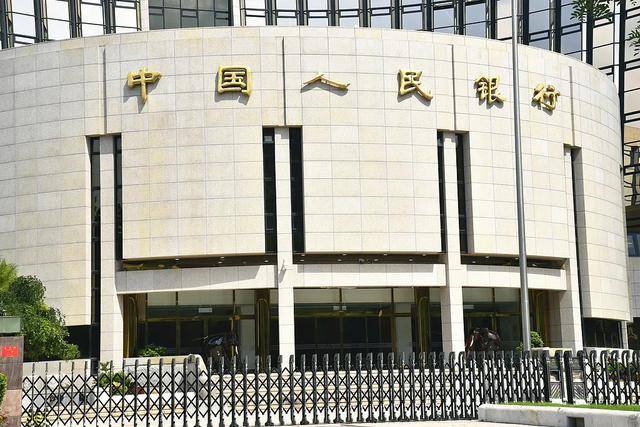
中国央行开展1万亿元买断式逆回购操作
Zhong Guo Xin Wen Wang· 2025-09-05 09:00
Core Viewpoint - The People's Bank of China (PBOC) is implementing a 1 trillion yuan reverse repurchase operation to maintain liquidity in the banking system, indicating a proactive approach to manage potential liquidity tightening in September [1] Group 1: Monetary Policy Actions - On September 5, the PBOC conducted a 1 trillion yuan buyback reverse repo operation with a term of 3 months (91 days) [1] - There is an equal amount of 1 trillion yuan in 3-month reverse repos maturing this month, indicating a rollover of liquidity support [1] - An additional 300 billion yuan in 6-month reverse repos is set to mature in September, suggesting ongoing liquidity management [1] Group 2: Market Conditions and Expectations - The month of September is expected to see a peak in government bond issuance, with commercial banks facing a maturity of 3.5 trillion yuan in interbank certificates of deposit, the second-highest level this year [1] - The strengthening stock market and noticeable "deposit migration" among residents may contribute to a tightening effect on liquidity [1] - The PBOC is likely to continue its previous strategy of increasing reverse repo operations to counteract liquidity tightening [1] Group 3: Future Projections - The PBOC may also increase the volume of Medium-term Lending Facility (MLF) operations, with 300 billion yuan maturing in September [1] - This approach aims to inject medium-term liquidity into the market, stabilizing market expectations and supporting government bond issuance [1] - The use of both MLF and reverse repo tools signals a sustained supportive stance in monetary policy [1]
央行出手,10000亿元!
Sou Hu Cai Jing· 2025-09-05 07:23
Core Viewpoint - The People's Bank of China (PBOC) announced a 1 trillion yuan reverse repo operation to maintain liquidity in the banking system, scheduled for September 5, 2025, with a term of 3 months [1] Group 1: Liquidity Operations - The PBOC will conduct a fixed quantity, interest rate bidding, multi-price reverse repo operation amounting to 1 trillion yuan [1] - In September, a total of 1.6 trillion yuan in medium to long-term liquidity will mature, including 1 trillion yuan from 3-month reverse repos, 300 billion yuan from 6-month reverse repos, and 300 billion yuan from 1-year MLF [1] - The operation on September 5 is equivalent to a rollover of the 3-month reverse repo maturing on the same day [1]
10000亿元,央行出手!
天天基金网· 2025-09-05 05:11
Core Viewpoint - The People's Bank of China (PBOC) is conducting a 1 trillion yuan buyout reverse repurchase operation to maintain liquidity in the banking system, indicating a supportive monetary policy stance amid tightening liquidity conditions [2][3][4]. Group 1: Reverse Repo Operations - On September 5, the PBOC will conduct a 1 trillion yuan buyout reverse repurchase operation with a term of 3 months (91 days) [2]. - The buyout reverse repo tool, launched in October 2024, allows the central bank to lend funds to the market by purchasing specific bonds from primary dealers, enhancing liquidity management [3]. - As of early September 2025, the PBOC has conducted multiple buyout reverse repo operations, with the current operation aimed at stabilizing market expectations and supporting government bond issuance [3][6]. Group 2: Market Conditions and Expectations - In September, the government bond issuance is at a peak, with commercial bank interbank certificates maturing at 3.5 trillion yuan, the second-highest level of the year [3]. - Analysts predict that the liquidity gap in September may narrow compared to August, with limited government bond supply disturbances expected [3][4]. - The PBOC is likely to implement a reserve requirement ratio (RRR) cut in the fourth quarter to maintain liquidity and encourage bank lending [4]. Group 3: Future Operations and Coordination - The PBOC is expected to conduct another 300 billion yuan 6-month buyout reverse repo operation in September, along with potential increases in medium-term lending facility (MLF) operations [6]. - A recent meeting between the Ministry of Finance and the PBOC emphasized the importance of coordinating fiscal and monetary policies to support economic recovery and ensure the smooth operation of the bond market [6].

10000亿元,央行将出手
Zhong Guo Ji Jin Bao· 2025-09-04 23:03
Group 1 - The People's Bank of China (PBOC) announced a 10,000 billion yuan reverse repurchase operation to maintain liquidity in the banking system, set to take place on September 5, with a term of 3 months (91 days) [1] - The reverse repurchase tool, officially launched in October 2024, allows the central bank to inject liquidity into the market by borrowing funds from primary dealers through the purchase of specific bonds [5] - The operation aims to stabilize market expectations and maintain ample liquidity, especially during a peak period for government bond issuance and significant maturity of interbank certificates of deposit [5][9] Group 2 - Analysts predict that the PBOC may implement a reserve requirement ratio (RRR) cut in the fourth quarter to support liquidity and encourage bank lending, indicating a continuation of supportive monetary policy [6] - The PBOC is expected to conduct additional reverse repurchase operations in September, including a potential 6-month term operation, to manage liquidity effectively [9] - A joint meeting between the Ministry of Finance and the PBOC emphasized the importance of coordinated fiscal and monetary policies to ensure the smooth operation of the bond market and support economic recovery [9]
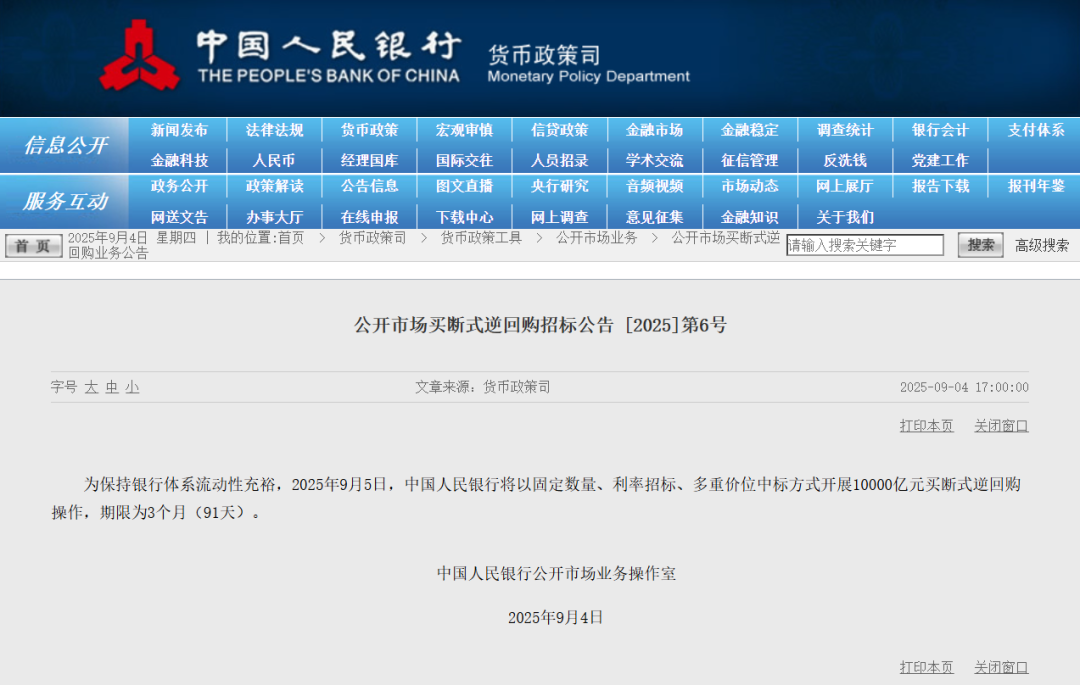
央行今日开展10000亿元买断式逆回购操作
Zheng Quan Shi Bao· 2025-09-04 18:51
Core Viewpoint - The People's Bank of China announced a 1 trillion yuan reverse repurchase operation to maintain ample liquidity in the banking system, scheduled for September 5, with a term of 3 months (91 days) [1] Group 1 - The operation will be conducted using a fixed quantity and interest rate bidding method, with multiple price levels for successful bids [1] - The total amount of the reverse repurchase operation is set at 1 trillion yuan, equivalent to approximately 154 billion USD [1]
固收-央行重启买债?几点思考
2025-09-04 14:36
Summary of Conference Call Notes Industry Overview - The conference call primarily discusses the Chinese government bond market and the central bank's strategies for managing liquidity through bond transactions [1][2][5]. Key Points and Arguments 1. **Central Bank's Bond Buying Strategy**: The central bank's resumption of government bond buying aims to effectively manage liquidity, smooth out seasonal funding needs, and create a complete yield curve for reasonable distribution of funding costs across different maturities [1][5]. 2. **Challenges with Long-term Bonds**: The strategy of issuing long-term and ultra-long-term bonds in a low-interest environment has reduced the burden but poses challenges for liquidity management, necessitating the use of additional tools like reverse repos [1][6]. 3. **Historical Context**: The practice of government bond buying is not new; it has been used historically and is common in major economies like the U.S., where the Federal Reserve holds a significant amount of short-term treasury securities [3][4]. 4. **Market Impact**: The resumption of bond buying will have multiple effects on the market, including effective liquidity injection and aiding in the construction of a complete yield curve [5][11]. 5. **Current Liquidity Environment**: Compared to the previous year, the liquidity environment is more abundant and stable, with no significant yield curve flattening or inversion observed [11][12]. 6. **Future Strategies**: The "buy short, sell long" strategy is deemed unsuitable in the current environment due to the potential pressure it would place on long-term bond issuance [12][17]. 7. **Optimizing Tools**: Suggestions for optimizing the bond buying tools include increasing the circulation of government bonds in the secondary market, adjusting the holding structure between the central bank and commercial banks, and enhancing the use of derivative products [13][14]. 8. **Expected Net Buying Scale**: The expected net buying scale for the central bank is projected to be less than in 2024, with a monthly net buying amount around 100 billion [18]. Other Important Considerations - **Potential for Tool Resumption**: There is a high probability that liquidity management tools will be reintroduced, particularly in September, coinciding with significant government bond issuances [15][16]. - **Market Reactions**: Post-military parade, the equity market experienced declines, while the bond market's performance was less correlated, indicating that market movements are more influenced by expectations rather than actual participation [19][20]. This summary encapsulates the essential insights and implications discussed in the conference call regarding the Chinese government bond market and the central bank's liquidity management strategies.
央行出手:10000亿元!明日注入市场
2 1 Shi Ji Jing Ji Bao Dao· 2025-09-04 12:41
Group 1 - The People's Bank of China (PBOC) announced a 10 trillion yuan reverse repurchase operation to maintain liquidity in the banking system, set to take place on September 5, 2025, with a term of 3 months (91 days) [1] - On September 5, 2025, a 10 trillion yuan reverse repurchase operation will mature, indicating a continuation of the same amount for the month [1] - The operation is aimed at ensuring sufficient liquidity in the market, especially during a peak period for government bond issuance and significant maturity of interbank certificates of deposit [6] Group 2 - The PBOC is expected to continue its previous three-month reverse repurchase operation model in September to address tightening liquidity conditions [6] - In addition to the reverse repurchase operations, there is also a possibility of increasing the amount of Medium-term Lending Facility (MLF) due to 300 billion yuan maturing in September [6] - The combined use of MLF and reverse repurchase tools is intended to stabilize market expectations and maintain ample liquidity, supporting government bond issuance [6] Group 3 - The reverse repurchase operation, introduced in October 2024, allows the PBOC to lend funds by purchasing bonds from primary dealers, enhancing liquidity management [7] - As of early September 2025, the PBOC has conducted multiple reverse repurchase operations, indicating a proactive approach to liquidity management [7]
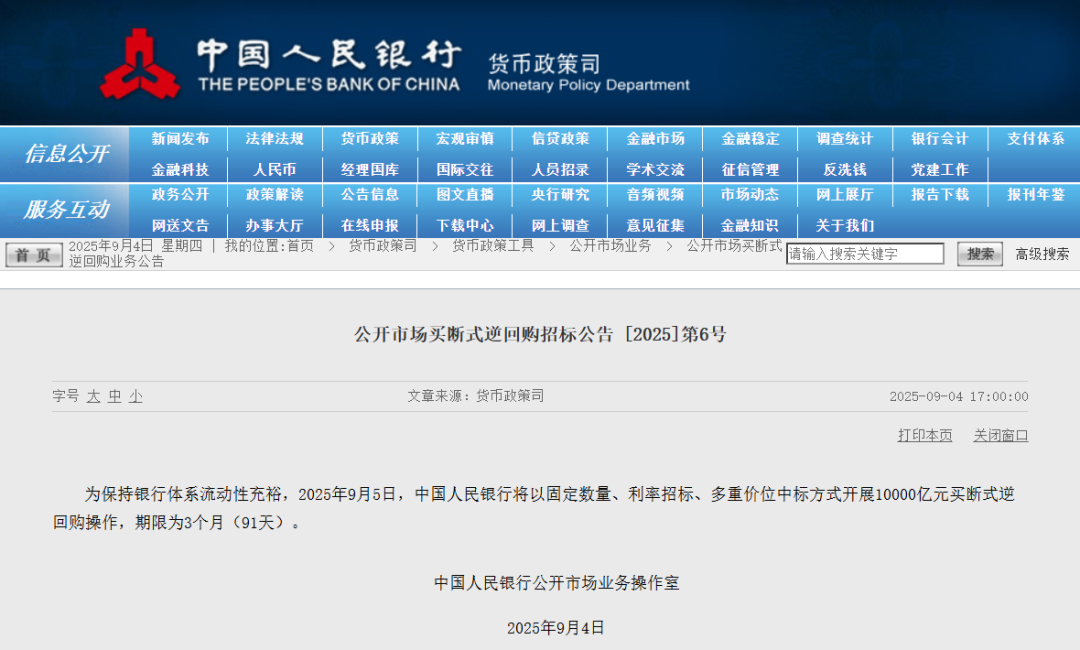
央行出手:10000亿元!明日注入市场
21世纪经济报道· 2025-09-04 12:38
Core Viewpoint - The People's Bank of China (PBOC) is set to conduct a 10 billion yuan buyout reverse repurchase operation on September 5, 2025, to maintain liquidity in the banking system, which is equivalent to a rollover of the same amount of reverse repos maturing on that date [1][6]. Group 1: Monetary Policy Actions - On September 5, 2025, the PBOC will implement a buyout reverse repurchase operation of 10 billion yuan with a term of 3 months (91 days) [1]. - This operation is aimed at ensuring that the banking system remains sufficiently liquid, especially as 10 billion yuan of 3-month reverse repos will mature on the same day [1][6]. - The PBOC is expected to continue the previous three months' pattern of increasing buyout reverse repos to counteract tightening liquidity conditions [6]. Group 2: Market Context - The government bond issuance is anticipated to peak in September, which necessitates the PBOC's intervention to support liquidity [6]. - The total amount of commercial bank interbank certificates of deposit maturing in September is projected to reach 35 billion yuan, marking the second-highest level of the year [6]. - The current bullish trend in the stock market has led to a noticeable "funds migration" phenomenon among residents, contributing to tighter liquidity conditions [6]. Group 3: Reverse Repo Mechanism - The buyout reverse repo mechanism was introduced in October 2024, allowing the PBOC to lend funds by purchasing bonds from primary dealers to inject liquidity into the market [7]. - This tool enhances the ability to adjust liquidity across different periods within one year, improving the precision of liquidity management [7].
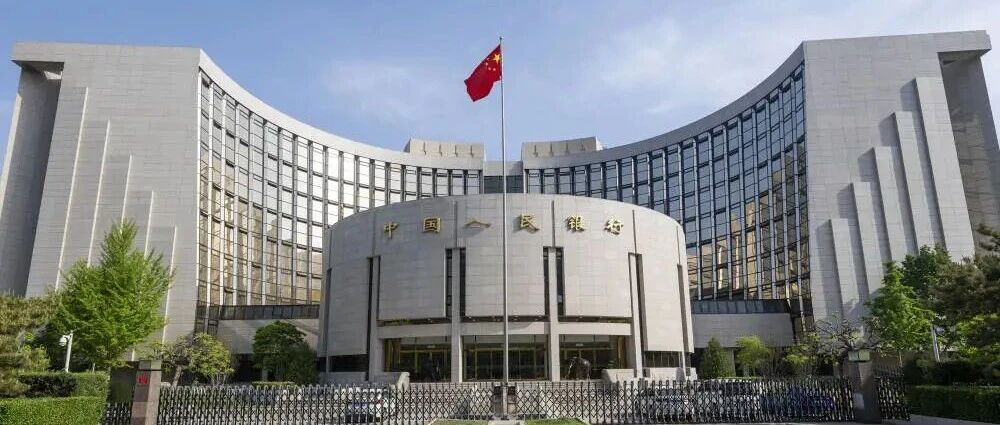
10000亿元!央行预告:明日操作!
Sou Hu Cai Jing· 2025-09-04 10:44
Core Viewpoint - The People's Bank of China (PBOC) announced a 10 trillion yuan reverse repurchase operation to maintain ample liquidity in the banking system [1] Group 1 - The operation will be conducted on September 5, using a fixed amount, interest rate bidding, and multiple price level bidding methods [1] - The term of the reverse repurchase operation is set for 3 months (91 days) [1]