
流动性管理

Search documents
2月利率运行分析与展望:两会延续适度宽松货币政策基调,收益率或继续在1.8%附近窄幅波动
Zhong Cheng Xin Guo Ji· 2026-03-30 11:31
1. Report Industry Investment Rating - No relevant content found. 2. Core Viewpoints of the Report - The 2026 Government Work Report continues the moderately loose monetary policy tone, with fiscal and monetary policies coordinating to promote economic growth and price recovery. The 10 - year Treasury bond is expected to maintain a low - interest rate, fluctuating in the range of 1.75% - 1.85% [6]. - The current macro - economic situation is still in a weak recovery phase. The yield central tendency is difficult to rise significantly due to factors such as the seasonal decline of the manufacturing PMI and moderate price recovery. However, geopolitical conflicts may push up inflation expectations and impact the bond market [6]. - The moderately loose monetary policy will continue. In the short term, the probability of reserve requirement ratio cuts and interest rate cuts is low. The market liquidity will remain reasonably abundant, and the impact on the bond market will be limited [6]. - Institutional behavior tends to be stable, providing phased support for the bond market. In the context of economic pressure, there is still room for further reserve requirement ratio cuts and interest rate cuts. The long - end yield has limited upward space [6]. 3. Summary by Directory Hotspot Review - The 2026 Government Work Report continues the moderately loose monetary policy and more proactive fiscal policy, consistent with the tone of the Central Economic Work Conference. There is still room for reserve requirement ratio cuts and interest rate cuts. The economic growth target is adjusted to 4.5% - 5%, making policy - making more flexible [7]. - The report emphasizes the coordinated efforts of various policies. The central bank has created a 100 - billion - yuan special fund for fiscal - financial cooperation to promote domestic demand and issued 800 - billion - yuan new policy - based financial instruments. The government bond supply remains stable, and the central bank will ensure a stable market environment [8]. - With the increasing demand for investment promotion, domestic demand expansion, and structural adjustment, structural monetary policies will continue to play a role. The central bank plans to issue 1.3 - trillion - yuan ultra - long - term special treasury bonds and 800 - billion - yuan new policy - based financial instruments to support key areas [9][11]. February Interest Rate Operation Review Fund and Liquidity Monitoring - In February, the central bank's net open - market fund injection was 435.9 billion yuan, mainly in the form of medium - and long - term fund injections. The central bank's net purchase of treasury bonds was 50 billion yuan, a slight decrease from the previous month [14]. - Despite disturbances such as increased cross - festival fund demand and large - scale reverse repurchase maturities, the central bank's fund injection kept the fund interest rate stable, with the central tendency slightly decreasing. The spread between DR007 and R007 increased, indicating greater non - bank fund pressure [15]. Interest Rate Bond Yield Review - In February, the 10 - year Treasury bond yield first decreased and then increased. Before the Spring Festival, it dropped to a minimum of 1.77% due to factors such as sufficient liquidity and increased market expectations of a loose policy. After the festival, it rebounded and then decreased again, closing at 1.78% at the end of the month, a 3.59 - basis - point decrease from the end of the previous month [18]. - The term spread between the 10 - year and 1 - year Treasury bonds first narrowed and then widened, with an overall narrowing compared to the previous month. The trading volume of interest - rate bonds decreased by 34.26% to 14.93 trillion yuan [18]. Outlook Weak Domestic Fundamentals Limit the Upward Space of Bond Yield - Affected by the Spring Festival, the manufacturing PMI in February was 49%, a 0.3 - percentage - point decrease from the previous month. The production and new order indexes declined, indicating a decrease in enterprise production and market demand. Although the CPI and PPI showed certain changes, the demand side is still weak, and the yield central tendency has limited upward power. However, geopolitical conflicts may impact the bond market [28]. The Government Work Report Sends a Loose Signal - The 2026 Government Work Report continues the moderately loose monetary policy. Considering the current stable operation of the bond market and the relatively fast CPI growth in February, interest rate cuts may be postponed. It is expected that there will be one interest rate cut of about 10 basis points in 2026, and 1 - 2 reserve requirement ratio cuts may occur in the middle and fourth quarters [32]. Liquidity May Remain Abundant - Due to factors such as the return of funds after the festival and the decrease in government bond payment pressure, the fund gap pressure in March will decrease. The central bank is expected to increase net injections to maintain market liquidity. The fund situation is expected to be stable in the first half of March and may face some pressure in the second half [33]. Institutional Behavior Provides Phased Support - Bank behavior is relatively stable. Although the bill interest rate has risen, indicating an improvement in credit demand, the decline in inter - bank certificate of deposit yields and stable bank liabilities mean that bank bond - buying demand will not cause significant disturbances. Insurance institutions have sufficient bond - allocation potential in March, which is beneficial to the bond market. However, the flow of funds to commodities may impact the bond market [37]. - Overall, the 10 - year Treasury bond is likely to maintain a low - interest rate and narrow - range fluctuation in the short term. Enterprises with financing needs are advised to choose the right time to issue bonds to reduce financing costs [42].
贝莱德的叙事转向:从 AI 狂热到“锁死流动性”
美股研究社· 2026-03-26 10:36
Group 1 - The core viewpoint of the article suggests that the capital market is shifting from a focus on high-growth technology assets, particularly AI and chips, to more stable investments in energy, infrastructure, and skilled labor training, indicating a defensive repositioning by major financial institutions like BlackRock [2][10][14] - BlackRock's recent actions, such as tightening redemption on private credit products and shifting focus from AI to energy and infrastructure, reflect a collective instinctive response from global capital at a macroeconomic turning point [2][8][10] - The article highlights a critical physical bottleneck in the energy supply necessary for AI operations, as global data center electricity consumption is expected to double by 2026, while infrastructure development typically requires 5 to 10 years [6][12] Group 2 - The shift in BlackRock's narrative from a technology-driven bull market to recognizing supply constraints indicates a correction of past over-speculation, with a focus on the physical realities of energy supply rather than just technological advancements [4][6][12] - The limitation on redemptions in private credit markets is seen as a proactive measure to manage liquidity risks, reflecting concerns over the quality of underlying assets and potential market volatility [8][9][10] - The article posits that the current high-interest rate environment and increased macroeconomic uncertainty are driving capital to prioritize cash flow certainty and stability over speculative growth [11][12][14]



国债期货周报:资金偏松,曲线趋陡-20260323
Yin He Qi Huo· 2026-03-23 11:13
Report Industry Investment Rating - Not provided in the content Core Viewpoints of the Report - The marginal improvement of domestic macro - economic indicators from January to February is significant, but the absolute value of domestic demand growth is still low. External demand is the main driver of the improvement in the early - year fundamentals. The 1 - 2 month tax revenue growth turned slightly positive, and whether tax revenue and industrial enterprise profits can rise in sync with industrial product prices is an important factor to test the quality of PPI. The impact of energy supply disruptions on domestic industrial production is currently relatively controllable, and external demand may remain strong. The real - estate sales volume has seasonally increased, but there are few bright spots in prices, and the "price - for - volume" strategy in the second - hand housing market may continue. The impact of tax payments and government bond issuances on the capital market is limited, and market liquidity is expected to remain relatively loose, but the possibility of the central bank's liquidity management returning to a phased tight balance cannot be ruled out. The bond market lacks strong upward drivers, and it is recommended to wait and see. For the yield curve, it is advisable to consider a "left - hand" light - position attempt to short the 30Y - 7Y term spread [6][7]. Summary According to Relevant Catalogs First Part: Weekly Core Points Analysis and Strategy Recommendations - **Economic Data**: The domestic economic data from January to February showed significant marginal improvement, better than market expectations. However, the absolute value of domestic demand growth was still low, with fixed - asset investment and total retail sales of consumer goods increasing by only 1.8% and 2.8% year - on - year respectively. External demand was the main driver of the improvement in the early - year fundamentals, and domestic demand needed further boosting [12]. - **Tax Revenue**: From January to February, the general public budget revenue increased by 0.7% year - on - year, with tax revenue increasing by 0.1% and non - tax revenue by 3.4%. Tax revenue growth was still weak but improved compared to December last year. Whether tax revenue and industrial enterprise profits can rise in sync with industrial product prices is an important factor to test the quality of PPI [13]. - **High - Frequency Data**: In the chemical industry, the impact of energy supply disruptions on domestic industrial production was relatively controllable. In March's second week, port cargo throughput and container throughput rebounded, with year - on - year increases of 2.3% and 11.1% respectively, indicating strong external demand. The real - estate sales volume increased seasonally, but the second - hand housing "price - for - volume" strategy may continue, and the second - hand housing listing price index declined for the third consecutive week. The bill interest rate dropped slightly, with the 3M and 6 - month national - share transfer discount rates at 1.43% and 1.17% respectively, down 5bp and 6bp from last week [6][25][31]. - **Liquidity**: The impact of tax payments and government bond issuances on the capital market was limited. As of Friday, DR001 and DR007 were at 1.3207% and 1.4209% respectively, and the overnight and 7 - day non - bank capital spreads were 7.54bp and 5.60bp respectively. The 1 - year inter - bank certificate of deposit issuance rate of joint - stock banks continued to decline, falling below 1.53%. Market liquidity is expected to remain relatively loose, but the central bank may return to a phased tight - balance liquidity management if external supply shocks persist [37]. - **Futures Market**: As of Friday, the IRRs of TS, TF, T, and TL main contracts were 1.2762%, 1.2858%, 1.3341%, and 0.5332% respectively. The futures market valuation was relatively low, indicating a cautious market sentiment. The net long - position ratios of the top ten seats in TS, TF, T, and TL were - 17.76%, - 6.96%, + 0.87%, and - 2.73% respectively, with changes of + 3.59, - 1.62, + 1.99, and + 2.16 percentage points from last Friday [42][43]. - **Strategy Recommendations**: For unilateral trading, it is recommended to wait and see. For arbitrage, it is advisable to consider a light - position attempt to short the 30Y - 7Y term spread (TL - 3T) [8]. Second Part: Relevant Data Tracking - **Trading Volume and Open Interest**: The trading volume and open interest data of TS, TF, T, and TL contracts are presented, but specific analysis is not provided in the content [52]. - **Inter - delivery Spread**: The inter - delivery spread data of TS, TF, T, and TL contracts are presented [55]. - **Inter - commodity Spread**: The inter - commodity spread data of 2TS - TF, 3TF - 2T, 3T - TL, and TS + T - 2TF are presented [58]. - **Cash Bond Yield Curve and Spread**: The current and 5 - day - ago cash bond yield curves, weekly yield changes, key - term spreads, and the spreads between national bonds and local bonds are presented. The 30Y - 7Y term spread has reached a relatively high level in the past decade [61]. - **Historical Quantile of Term Spread**: The historical quantile data of 5Y - 2Y, 7Y - 5Y, and 30Y - 7Y term spreads are presented [64][65]. - **US Treasury Yield and Exchange Rate**: The data of the US 10 - year Treasury yield, 10Y US Treasury break - even inflation rate, US dollar index, and US dollar - offshore RMB exchange rate are presented [67].
固收-近历史新低的存单怎么看?
2026-03-11 08:11
Summary of Conference Call Industry Overview - The discussion primarily revolves around the interbank certificates of deposit (CDs) market and its recent fluctuations, particularly in the context of inflation concerns and monetary policy adjustments [1][2][3]. Key Points and Arguments 1. **Market Volatility**: Recent movements in the bond market have exceeded expectations, particularly with significant upward shifts in long-term yields, indicating heightened volatility [1][2]. 2. **Inflation Concerns**: There is a persistent anxiety regarding inflation, exacerbated by rising commodity prices and geopolitical tensions, which has deepened expectations for inflation transmission [2][3]. 3. **Short-term vs Long-term Trends**: While long-term yields have shown considerable volatility, short-term instruments like interbank CDs have remained relatively stable, with only minor fluctuations observed [1][4]. 4. **Historical Context**: The current rates for interbank CDs are approaching historical lows, with recent rates around 1.54%, reflecting a broader trend of declining yields since the pandemic [3][5]. 5. **Supply and Demand Dynamics**: The supply of interbank CDs has been shrinking significantly, particularly from state-owned banks, which have reduced their issuance by approximately 3 trillion yuan [6][7][10]. 6. **Regulatory Impact**: Regulatory changes post-2020 have forced state-owned banks to issue more interbank CDs to manage liquidity, but this trend has reversed recently, leading to a decrease in supply [9][10][11]. 7. **Investment Sentiment**: The overall sentiment towards short-term investments in interbank CDs is low, as banks are finding alternative liquidity management options that are more cost-effective [13][14]. 8. **Market Competition**: There is a competitive dynamic between interbank CDs and other financial instruments, such as reverse repos, which are perceived as more attractive due to lower costs [13][14]. 9. **Future Projections**: The expected trading range for interbank CDs is narrowing, with projections indicating that yields may stabilize around 1.55% to 1.6% in the near term [16][17][18]. Additional Important Insights - **Liquidity Management**: The shift in how banks utilize interbank CDs reflects a broader change in liquidity management strategies, moving from a reliance on CDs as a funding source to using them primarily for liquidity management [6][12]. - **Demand from Smaller Banks**: Smaller banks, particularly rural and community banks, have shown a seasonal interest in interbank CDs, but their overall demand has decreased due to the lack of competitive pricing [15][16]. - **Market Stability**: The current market environment is characterized by reduced volatility and a stable liquidity situation, which may limit the potential for significant price movements in the near future [18]. This summary encapsulates the key discussions and insights from the conference call, focusing on the interbank CDs market and its implications for investors and financial institutions.
彭博助力中国工商银行开展外币债券三方回购交易
彭博Bloomberg· 2026-03-09 06:07
Core Viewpoint - The article highlights the successful completion of China's first foreign currency tri-party repurchase transaction by the Industrial and Commercial Bank of China (ICBC) with the support of Bloomberg's AIM and VCON solutions, marking a significant milestone for domestic financial institutions in this area [1]. Group 1: Tri-Party Repo Transactions - Tri-party repo transactions are a common liquidity management tool used by international institutions, allowing for efficient and low-risk participation in the market [2]. - ICBC aims to enhance fund operation efficiency and reduce transaction costs while actively participating in the international currency market through the implementation of tri-party repo transactions [1][2]. Group 2: Technological Support and Market Impact - Bloomberg's AIM and VCON solutions facilitate automated matching of tri-party repo transactions, optimizing the workflow for transaction confirmation and processing, thereby improving efficiency and reducing operational risks [1][3]. - Bloomberg AIM is a leading order and investment management technology solution used by over 900 client institutions managing more than $22 trillion in assets, while VCON enhances the efficiency of voice trading processes [2][3].


流动性周报:近历史新低的存单怎么看?-20260309
China Post Securities· 2026-03-09 04:48
Report Industry Investment Rating No relevant content provided. Core Viewpoints of the Report - The short - term end of the bond market, especially the inter - bank certificate of deposit (NCD) rate, has approached historical lows, and the analysis and judgment of it have little meaning due to the narrowing of fluctuations and changes in supply - demand structure [1][2][24]. - For the long - term end, the bond market shows a dull performance. Without clear monetary policy easing actions, the downward overdraft trading of long - term yields won't go far, and there is no obvious upward adjustment risk either [9]. Summary by Related Catalogs 1. Near - historical low NCDs: How to view? **1.1 Situation of Long - term and Short - term Bond Yields** - Long - term: During the period around the Two Sessions, the 30 - year ultra - long - term interest rate was weak, while the 10 - year interest rate was stable. The bond market was insensitive to both risk - aversion sentiment and inflation concerns. Without clear monetary policy easing, long - term yields had no significant upward or downward trends [9]. - Short - term: The NCD rate has approached historical lows. The 1 - year NCD of state - owned and joint - stock banks and the yields of bank financial bonds and 3 - year CDB bonds declined synchronously and slowly. The 1 - year NCD of state - owned and joint - stock banks had a first - level issuance and second - level price around 1.55%, close to the historical low of 1.54% in 2020. The decline in NCD and short - term interest rates compressed the spread with the capital interest rate [12]. **1.2 Changes in NCD Supply - demand Structure** - Supply side: The NCD stock has significantly decreased, with state - owned and joint - stock banks reducing about 3 trillion. Since 2024, state - owned banks have become the main suppliers. However, since the second half of 2025, the net financing of NCDs has been continuously negative. The low willingness of banks to issue NCDs is due to changes in the liability situation, such as the narrowing of the broad liability gap and the improvement of the deposit side. Additionally, central bank injections and inter - bank deposits can replace NCDs [14][15][18]. - Demand side: Product accounts maintain their NCD allocations, while banks actively reduce their holdings. Product accounts like bank wealth management and money market funds maintain stable NCD investments, while banks' NCD holdings have significantly decreased, which is related to the lack of spread space and the extrusion of idle funds after the tightening of inter - bank self - discipline [22]. **1.3 Pricing and Significance of NCDs** - The reasonable pricing of NCDs may be concentrated in the narrow range of 1.55% - 1.6%. There may be windows below 1.55%, but it loses the meaning of investment gaming. If the rate goes up, it will be when all maturities and varieties of interest rates face upward risks. With the narrowing of capital fluctuations, short - term products including NCDs have lost their "activity", and the significance of analysis and judgment is small [1][24]. 2. Risk Outlook No content other than risk warnings is provided in this part, so it is skipped.
央行出手,8000亿买断式逆回购来了
21世纪经济报道· 2026-03-05 10:14
Core Viewpoint - The People's Bank of China (PBOC) announced a buyout reverse repurchase operation of 800 billion yuan to maintain liquidity in the banking system, scheduled for March 6, 2026, with a term of 3 months [1]. Group 1: Reverse Repo Operations - The buyout reverse repo was introduced in October 2024 as a tool for the PBOC to inject liquidity into the market by purchasing bonds from primary dealers [3]. - This operation enhances the liquidity management capabilities within a one-year timeframe, contributing to more refined liquidity management [3]. Group 2: Recent Announcements - The PBOC has conducted multiple buyout reverse repo operations to ensure sufficient liquidity in the banking system [3]. - The announcement on March 5, 2026, is part of a series of reverse repo operations, with previous announcements dating back to January 2026 [4].
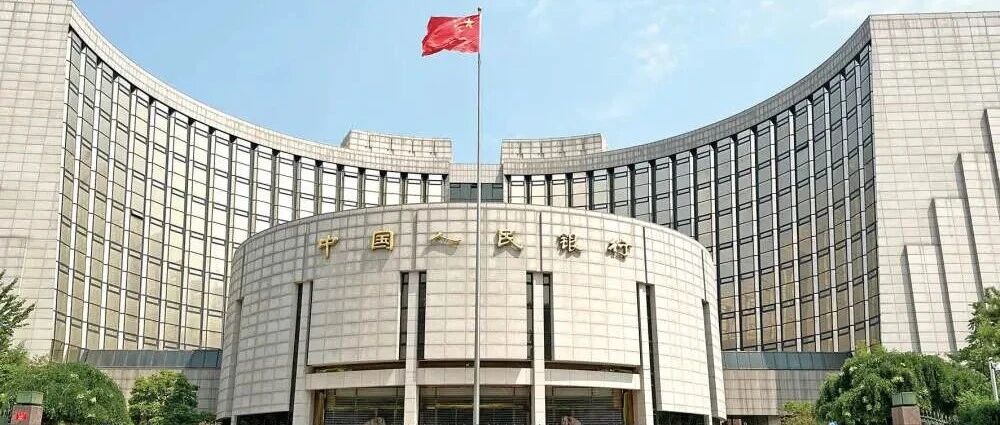
MLF连续第12个月加量续做 流动性保持合理充裕
Zhong Guo Zheng Quan Bao· 2026-02-25 23:44
Group 1 - The People's Bank of China (PBOC) conducted a 7-day reverse repurchase operation of 409.5 billion yuan and a Medium-term Lending Facility (MLF) operation of 600 billion yuan on February 25, resulting in a net liquidity injection of 309.5 billion yuan after accounting for maturing operations [1] - In February, the MLF saw a net injection of 300 billion yuan, marking the 12th consecutive month of increased MLF operations, although the increase was smaller than the previous month's 700 billion yuan [2] - The cumulative net liquidity injection from the PBOC in February reached 900 billion yuan through reverse repos and MLF operations, despite being slightly lower than the previous month's 1 trillion yuan [2] Group 2 - The PBOC's actions are aimed at stabilizing the liquidity environment amid potential tightening pressures, supporting government bond issuance, and ensuring banks maintain credit support [3] - Despite short-term disturbances from tax payments and maturing operations, analysts expect the liquidity environment to remain stable due to various supporting factors, including reduced net government bond payments and cash inflows post-Spring Festival [4] - Looking ahead, the central bank is likely to continue using MLF and reverse repos as regular tools for liquidity injection, with a possibility of a reserve requirement ratio (RRR) cut if government bond supply pressures increase [5]
单日净投放3095亿元 流动性保持合理充裕
Zhong Guo Zheng Quan Bao· 2026-02-25 22:34
Core Viewpoint - The People's Bank of China (PBOC) is actively managing liquidity through various monetary policy tools, including reverse repos and medium-term lending facilities (MLF), to maintain a stable funding environment amid recent liquidity fluctuations [1][2][3]. Group 1: Monetary Policy Actions - On February 25, the PBOC conducted a 409.5 billion yuan 7-day reverse repo operation and a 600 billion yuan MLF operation, resulting in a net liquidity injection of 309.5 billion yuan [1]. - The MLF operation in February marked the 12th consecutive month of increased liquidity, with a net injection of 300 billion yuan, although the increase was smaller than the previous month's 700 billion yuan [1]. - Cumulatively, the PBOC's operations in February resulted in a net liquidity injection of 900 billion yuan, combining reverse repos and MLF [2]. Group 2: Future Outlook and Market Conditions - Despite a slight decrease in the net liquidity injection compared to the previous month, the level remains relatively high, supported by early issuance of local government bonds and expected credit growth in the first quarter [2]. - Analysts suggest that the PBOC will continue to utilize MLF and reverse repos to stabilize liquidity, especially during periods of significant government bond supply [4]. - The overall liquidity environment is expected to remain stable, aided by factors such as reduced net government bond payments and limited tax payment impacts [3].
姜堰农商银行首笔债券借贷业务成功落地
Jiang Nan Shi Bao· 2026-02-25 21:30
Core Viewpoint - Jiangyan Rural Commercial Bank and Xinghua Rural Commercial Bank have successfully executed a 30 million yuan overnight bond lending business, marking a significant step in financial market innovation and liquidity management for Jiangyan Rural Commercial Bank [1] Group 1: Business Collaboration - The collaboration involved Jiangyan Rural Commercial Bank providing 30 million yuan in bond support to Xinghua Rural Commercial Bank, adhering to interbank market trading rules with a maturity of one day [1] - This transaction serves as an efficient and flexible short-term liquidity adjustment tool in the interbank bond market, achieving multiple goals of risk control, stable returns, and standardized operations [1] Group 2: Regional Financial Development - The successful execution of this business represents a significant achievement in resource sharing and complementary advantages between the two rural commercial banks, facilitating precise matching of funding resources and liquidity needs [1] - The collaboration opens new pathways for interbank cooperation among regional rural financial institutions, setting a replicable benchmark for enhancing liquidity in the regional financial market and improving overall financial service quality [1] Group 3: Future Outlook - Jiangyan Rural Commercial Bank aims to continue its commitment to serving the local economy and will use this collaboration as a new starting point to deepen exchanges and cooperation with peer institutions [1] - The bank plans to broaden cooperation areas and enrich the content of collaboration to continuously provide financial support for the high-quality development of the local economy [1]