
金融创新

Search documents
威海银行召开2025年三季度工作会议
Qi Lu Wan Bao· 2025-10-17 02:36
Core Insights - Weihai Bank held a meeting on October 16, 2023, focusing on maintaining strategic determination and ensuring a successful year-end closure [1] - The bank has achieved record highs in total assets, deposits, and loans while adhering to the principle of "rooted in Shandong, sincere service" [2] - The bank aims to become a "national first-class city commercial bank" by enhancing financial innovation and service systems [3] Group 1 - The bank's total assets, deposits, and loans have reached historical highs, reflecting its commitment to sustainable development [2] - The bank emphasizes high-quality party building to guide its development direction and has conducted educational initiatives to reinforce this [2] - Continuous reform and transformation efforts are focused on market-oriented, professional, refined, and digital strategies, with recognition in the "Data Element ×" competition [2] Group 2 - The bank has implemented a talent development system, hosting various competitions and training sessions to cultivate a skilled workforce [2] - A culture of care and employee well-being is promoted, enhancing employee satisfaction and sense of belonging [2] - The bank has launched innovative financial products and services, including green finance initiatives and comprehensive service platforms for elderly care [2]
拥抱金融创新对AI的托举效应
第一财经· 2025-10-16 00:45
Core Viewpoint - The article discusses the current surge in capital expenditure within the AI sector, highlighting significant partnerships and agreements among major companies, and the transformative impact of AI on both the economy and financial systems [2][3][4]. Group 1: AI Capital Expenditure Trends - AI companies are exhibiting generous capital expenditures, with figures reaching trillion-dollar levels [3]. - Major players like Alibaba and Tencent are increasing their capital expenditures in the AI field, indicating intense competition [3]. - Financial innovations such as "equity-for-purchase" and "computing power-for-equity" are facilitating unprecedented levels of AI capital expenditure [3][4]. Group 2: Financial Support and Innovation - The financial system is crucial in supporting AI capital expenditures, with innovative financial products needed to enhance leverage and mobilize resources [5][7]. - Effective financial support should focus on transforming stagnant capital into active investments, improving capital turnover and risk management [5][7]. - The introduction of innovative financial strategies is essential for enabling efficient resource flow and reducing economic risks associated with the transition to AI [6][7]. Group 3: Economic and Social Impact - AI investment is reshaping the relationship between the real economy and the virtual economy, potentially mitigating financial risks and economic crises [5]. - The article emphasizes the need for a streamlined transaction structure to facilitate quick capital allocation towards AI investments [7]. - The ongoing AI revolution is seen as a new industrial revolution, with capital expenditure in AI being a necessary component for future economic development [5][7].



拥抱金融创新对AI的 托举效应
Sou Hu Cai Jing· 2025-10-15 16:28
Group 1 - The AI sector is experiencing a significant surge in capital expenditure, with companies like Oracle and AMD making substantial investments in AI infrastructure and technology [1][2] - Major players in the AI field, including Alibaba and Tencent, are increasing their capital expenditures, indicating a highly competitive environment [2] - Innovative financial models such as "equity-for-purchase" and "computing power-for-equity" are emerging to support AI capital expenditures, reflecting a strong backing from the financial system [2][4] Group 2 - The current investment risks in the AI sector can be quantified, suggesting that the potential for systemic risk is relatively low despite concerns about valuation bubbles [3] - AI is characterized as a capital-intensive industry, necessitating financial support to align transformative goals with entrepreneurial capabilities [3][4] - The integration of AI is reshaping the relationship between the real economy and the virtual economy, potentially reducing financial risks associated with disconnection between the two [3] Group 3 - The simplification of transaction processes in AI capital expenditure, such as "equity-for-purchase," reduces risk exposure and transaction costs [4] - There is a call for the financial system to enhance support for AI capital expenditures, focusing on improving capital turnover and risk management [4][6] - The establishment of efficient transaction structures is crucial for transforming existing resources into capital for AI investments, enabling smoother transitions between old and new economic models [6]
一财社论:拥抱金融创新对AI的托举效应
Di Yi Cai Jing· 2025-10-15 12:53
Core Insights - The AI investment landscape is undergoing a transformative phase characterized by significant capital expenditures and innovative financial strategies [1][2][3] Group 1: AI Capital Expenditure Trends - AI companies are exhibiting generous capital expenditures, with scales reaching trillion-dollar levels [2] - Major players like Alibaba and Tencent are increasing their capital expenditures in the AI sector, indicating intense competition [2] - Financial systems are providing robust support for the new technological revolution, with personalized financial innovations like "equity-for-purchase" and "computing power-for-equity" fueling AI capital expenditures [2][3] Group 2: Financial Innovations and Risk Management - The current investment risks in the AI sector can be quantified and regulated, suggesting a lower probability of systemic risk despite the presence of valuation bubbles [3] - Financial innovations such as "equity-for-purchase" and "computing power-for-equity" allow for direct trading between company equity and computing facilities, minimizing transaction costs and risks [4] - The financial system is inclined to support AI capital expenditures, which may accelerate the process of creative destruction in the industry [3][4] Group 3: Economic and Social Implications - AI investments are expected to lead to a comprehensive ecological reshaping of the economy and society, promoting a closer integration of the real and virtual economies [3][5] - A streamlined trading system is essential for efficiently converting existing economic resources into capital expenditures for AI, enabling countries to compete effectively in the AI landscape [5] - Expanding financial innovation space is crucial for mobilizing more economic resources into AI investments, which will not only support AI development but also shape the future of the economy and society [5]
广发银行南宁分行:“定点宣传+流动服务”深入推进金融知识宣传工作
Zhong Guo Jin Rong Xin Xi Wang· 2025-10-15 04:35
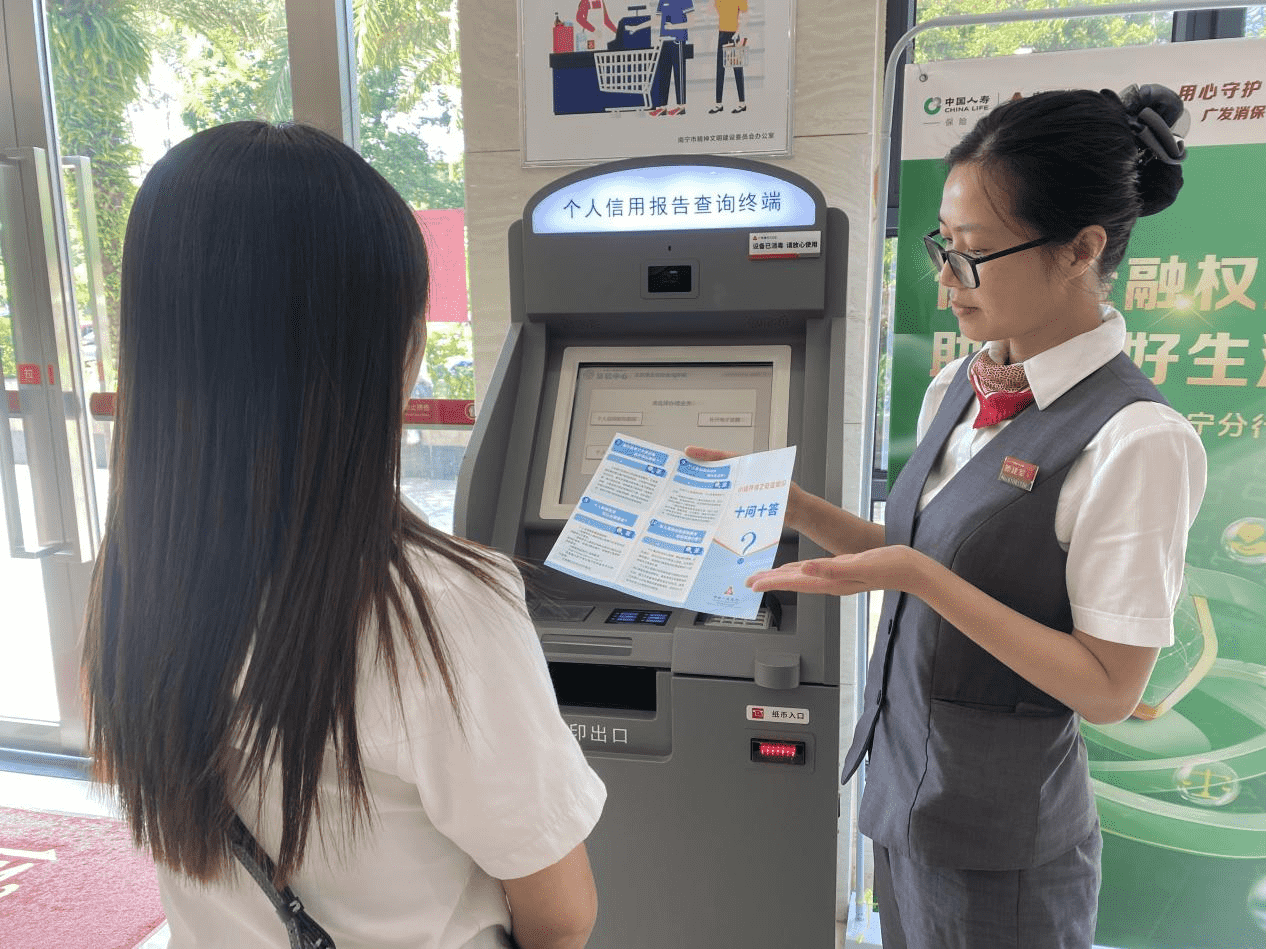
Core Viewpoint - Guangfa Bank Nanning Branch has been actively promoting financial education and consumer rights protection through various initiatives, aiming to enhance the financial ecosystem and combat fraud in the region [1][2][4]. Group 1: Financial Education Initiatives - The bank has organized a comprehensive financial education campaign using "fixed-point promotion + mobile services," covering practical financial knowledge such as payment optimization, anti-fraud measures, credit knowledge, and financial network security [1]. - Guangfa Bank has set up 72 financial consumer rights protection stations across Nanning, Chongzuo, and Guilin, with 26 located in rural areas to ensure financial services reach the last mile [2]. - The bank has implemented a targeted approach in its outreach, providing tailored financial education for different demographics, including the elderly, youth, and small business owners [4]. Group 2: Community Engagement and Innovation - Financial service teams have been deployed to various community locations, including schools and markets, to conduct diverse financial education activities [4]. - At the East Expo financial exhibition, the bank introduced innovative promotional methods, including interactive experiences and quizzes focused on financial knowledge [2]. - The bank has successfully prevented telecom fraud, recovering over 800,000 yuan for the public, demonstrating its commitment to social responsibility [1]. Group 3: Future Plans - Guangfa Bank Nanning Branch plans to continue expanding its financial services through innovation, aiming to improve accessibility and satisfaction among the public [5].
金融创新赋能 匠心智造未来 ——工银瑞信劳模创新工作室书写普惠金融新篇章
Xin Lang Ji Jin· 2025-10-14 04:11
Core Viewpoint - The article emphasizes the innovative practices and achievements of ICBC Credit Suisse Asset Management in the fields of pension finance and inclusive finance, highlighting their commitment to high-quality development in public funds through a combination of political guidance, technological empowerment, collaborative sharing, and talent cultivation [1][7]. Group 1: Institutional Innovation - The establishment of the labor model innovation studio is integrated into the "14th Five-Year Plan," driving financial innovation through a "red engine" approach [2]. - The studio has developed a closed-loop management system for project management, enhancing service levels in pension business and increasing customer satisfaction [2]. - The integration of party building with business operations has been a key focus, with leaders actively engaging in joint party-building initiatives with major state-owned enterprises [2]. Group 2: Digital Empowerment - The innovation studios are addressing traditional financial service challenges through a "technology + finance" dual-drive model [3]. - Initiatives include the development of a private asset management product sales management system to enhance data management and risk control in pension management [3]. - The implementation of an "intelligent investment research platform" aims to streamline processes and improve risk management capabilities [3]. Group 3: Collaborative Sharing - The studios are breaking away from traditional solitary operations by creating an innovative ecosystem that promotes collaboration between banks and educational institutions [4]. - Customized training programs for financial managers have been developed to address specific pain points, significantly enhancing their professional capabilities [4]. - The introduction of a "visualization platform" for pension accounts allows real-time access to key data for enterprises and employees [4]. Group 4: Talent Development - A three-tiered talent cultivation system is being established, focusing on the mentorship of junior staff by experienced professionals [5][6]. - The studios emphasize the importance of a systematic training approach to enhance the professional skills of sales personnel [6]. - Recognition of the studios' achievements includes awards for excellence in pension service teams, showcasing the effectiveness of their talent development strategies [6].
潮起之江,浙江稠州商业银行“贷”来消费“新活水”
Sou Hu Cai Jing· 2025-10-13 05:51
Core Insights - Zhejiang Chouzhou Commercial Bank is leveraging financial innovation to meet consumer needs, injecting financial vitality into the market and showcasing the financial wisdom of Zhejiang [1] Group 1: Financial Innovation and Consumer Support - The bank has responded to national policies aimed at boosting consumption by innovating products and optimizing services, resulting in nearly 10 billion yuan in personal consumer loan approvals benefiting thousands of customers [1] - The "Zhe Flash Loan" product allows users to access funds quickly, with one user reporting a 5-minute approval process for a 500,000 yuan loan, likening the experience to online shopping [2] - Targeted services for specific groups include a "Talent Loan" of up to 5 million yuan for high-level talent in Hangzhou and an "Elite Loan" for corporate executives in Shanghai, enhancing the personalization of financial services [4] Group 2: Impact on Local Industries - A 50 million yuan group credit facility from the bank has transformed nearly 100 homestays in Fuyang, leading to a 92% occupancy rate during the National Day holiday [5] - The bank has provided over 3.5 billion yuan in credit to 42 consumer sectors, stimulating industrial cluster effects and enabling businesses to modernize and expand their reach through e-commerce [5] Group 3: Digital Transformation and Accessibility - The bank's digital transformation has enabled quick online applications, with one teacher receiving a 300,000 yuan credit in minutes, showcasing the effectiveness of big data and cloud computing in financial services [7] - Over 70% of personal loan transactions are now processed online, reducing approval times from days to as little as 3 minutes, and providing 24/7 customer service [7] Group 4: Cost Reduction and Support for Small Businesses - The bank's fee reduction measures have saved small businesses over 2 million yuan, benefiting 27,000 small enterprises and 4,000 individual businesses [8] - The bank has also provided deferred repayment services and no-repayment renewal loans to help small and medium-sized enterprises facing temporary financial difficulties [8] Group 5: Future Directions and Commitment - The bank aims to deepen its commitment to supporting consumption, green consumption, and digital consumption, aligning with central financial policies to inject new vitality into the consumer market [9]

又一位时代性大佬,走了!
首席商业评论· 2025-10-11 04:36
Core Viewpoint - The article discusses the life and legacy of Guan Jingsheng, known as the "Father of Chinese Securities," highlighting his contributions to the development of China's capital markets and the dramatic events surrounding the 327 bond incident that led to his downfall [4][48]. Group 1: Early Life and Career - Guan Jingsheng was born in 1947 in a poor farming family in Jiangxi and faced early hardships, including being sent away for foster care [11]. - His mother played a significant role in shaping his determination and work ethic, which led him to excel academically and eventually attend Shanghai Foreign Languages Institute [12]. - After the Cultural Revolution, he worked as a translator for nine years before returning to academia and obtaining dual master's degrees in law and business [14][16]. Group 2: Founding of Guanghua Securities - In 1988, Guan founded Guanghua Securities with an initial investment of 35 million yuan from ten shareholders, positioning it as a pioneer in China's securities market [18]. - Under his leadership, Guanghua Securities quickly became the largest brokerage in China, controlling 70% of A-shares and nearly all B-shares in the secondary market shortly after the establishment of the Shanghai Stock Exchange [18][19]. - Guan aimed to make Guanghua the "Merrill Lynch of China," expanding its international presence and collaborating with global financial giants [19]. Group 3: The 327 Bond Incident - The 327 bond incident was a significant event where Guan's aggressive short-selling strategy on government bonds led to massive losses for Guanghua Securities [25][27]. - On February 23, 1995, the Ministry of Finance announced a bond redemption price that contradicted Guan's expectations, resulting in a rapid price surge that caused Guanghua to face a potential loss of 6 billion yuan [29][30]. - Guan's desperate attempts to mitigate losses included a controversial last-minute sell-off that led to the cancellation of trades, resulting in widespread scrutiny and regulatory backlash [34][36]. Group 4: Aftermath and Legacy - Following the incident, Guanghua Securities was merged with another firm, and Guan was sentenced to 17 years in prison for economic crimes, marking a dramatic fall from grace [38][45]. - The 327 bond incident prompted significant regulatory changes in China's securities market, including the acceleration of the Securities Law and the establishment of a centralized regulatory framework [48]. - Guan's life story reflects the tumultuous evolution of China's capital markets, transitioning from a reliance on individual prowess to a more structured and regulated environment [48].

广州南沙期货产业园开园 打造大湾区期货金融新高地
Sou Hu Cai Jing· 2025-09-30 23:33
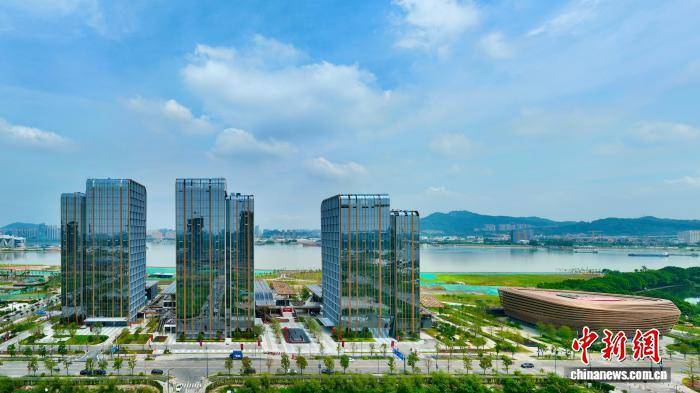
Core Viewpoint - The Guangzhou Nansha Futures Industry Park has officially opened, aiming to become a national and large-scale headquarters for the futures financial industry and an international financial service platform [1][3]. Group 1: Infrastructure and Design - The park covers a total construction area of approximately 150,000 square meters, featuring eight buildings that integrate green concepts and digital technology [1]. - The park utilizes a "photovoltaic tower crown + photovoltaic canopy" system, employing cadmium telluride photovoltaic glass and crystalline silicon photovoltaic panels, with an expected annual power generation of about 1.1 million kilowatt-hours [1]. Group 2: Industry Resource Aggregation - The park plans to focus on attracting resources from the finance, futures, and new generation information technology industries, with the second building reserved for the Guangzhou Futures Exchange [3]. - A total of 12 futures institutions, including JPMorgan Futures and Huatai Futures, have already registered in the park, indicating an initial clustering effect in the financial industry [3]. Group 3: Strategic Importance and Services - The establishment of the Nansha Futures Industry Park is a significant measure to implement the "Nansha Plan" and the "30 Financial Policies of Nansha," promoting innovation and aggregation in the financial sector [3]. - The park is strategically located in the core of the Hongli International Financial Island, creating a "finance + exhibition + business" triangle with the Nansha International Convention Center and hotels [3]. Group 4: Financial Innovation Cluster - The "Pearl Bay Financial Innovation Cluster" was unveiled during the event, signifying its formal integration into the Nansha Futures Industry Park [4]. - Since its launch in 2021, the cluster has successfully operated two phases, attracting over 50 outstanding financial enterprises and forming a favorable industrial ecosystem [4].
九江银行:金融活水精准赋能,助力江西冷链物流产业提质升级
Zhong Guo Jin Rong Xin Xi Wang· 2025-09-30 10:14
Core Viewpoint - The construction of a modern cold chain logistics system in Jiangxi Province is crucial for industrial upgrading and public welfare, with Jiujiang Bank providing innovative financial services to support this development [1][3]. Group 1: Infrastructure Development - The cold chain logistics system in Jiangxi is accelerating, focusing on addressing infrastructure shortcomings and key nodes [1]. - Jiujiang Bank is aligning its financial services with the construction of the Nanchang National Backbone Cold Chain Logistics Base, which was selected for national-level construction in 2023 [1]. Group 2: Innovative Financing Solutions - Jiujiang Bank has introduced the "Smart Logistics Loan" to address the common financing challenges faced by frozen goods enterprises, particularly those with high inventory costs and limited collateral [2]. - A specific case involved a frozen duck trading company that received a 19 million yuan loan to support its seasonal procurement needs, with inventory serving as collateral and third-party oversight to mitigate risks [2]. Group 3: Ongoing Commitment - Jiujiang Bank aims to continue leveraging its local banking advantages to provide precise and efficient financial services, contributing to the high-quality development of Jiangxi's cold chain logistics industry [3].