
元宇宙

Search documents
从歌手到作家!邓紫棋写的科幻小说,入围银河奖
Xin Lang Cai Jing· 2026-01-03 15:10
Core Viewpoint - The 37th Galaxy Awards have announced the voting list, featuring G.E.M. Tang's science fiction novel "The Road to Revelation," which is nominated for the Best Original Book category [1]. Group 1: Awards and Recognition - The Galaxy Awards, established in 1985, are the oldest and most influential science fiction awards in China, often referred to as the "highest award in Chinese science fiction" [1]. - The awards are divided into two main categories: "Essay Awards" and "Industry Awards," with the "Essay Awards" following a traditional selection process involving preliminary, secondary, and final selections [1]. Group 2: Novel Details - "The Road to Revelation" is G.E.M. Tang's first long-form science fiction novel, featuring a three-world structure that includes a "paradise" and "wasteland" within a metaverse, alongside the real world [5]. - The story revolves around virtual character Gloria and a real girl named Qiu, exploring themes of identity, emotional loss, and the complexities of love in a technologically influenced life [5]. - The novel does not provide definitive answers but offers a journey towards self-discovery, referred to as the "Road to Revelation" [5]. Group 3: Sales and Market Response - The book is available in two editions: a paperback priced at 89 yuan and a deluxe edition at 298 yuan, with the deluxe edition's pre-sale sales exceeding 200,000 copies shortly after launch [5]. Group 4: Author Background - G.E.M. Tang, born on August 16, 1991, in Shanghai, is a well-known Chinese pop singer, songwriter, and music producer, gaining fame for her performance on the CCTV Spring Festival Gala in 2015 [9]. - Her interest in science fiction has been evident in her music, such as her hit song "Light Years Away," which was the theme for the sci-fi film "Passengers" [7].

三新消费(消费新业态新模式新场景)政策解读
Sou Hu Cai Jing· 2026-01-03 09:38
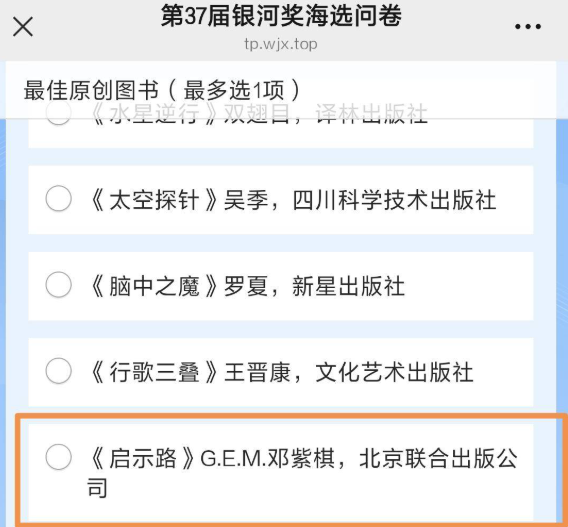
Core Points - The notification issued by the Ministry of Finance and the Ministry of Commerce aims to support cities in developing a new consumption service system, innovate diverse service consumption scenarios, enhance consumption quality, and expand service consumption, thereby promoting more foreign trade quality products into the domestic market [1][2][3] - The pilot program will support around 50 cities, focusing on large and super-large cities with significant population bases and development potential, with a policy implementation period of two years [1][2][3] Policy Goals - The policy aims to enhance the consumption service system, innovate service consumption scenarios, and meet diverse consumer needs, thereby supporting high-quality economic development [2][3] - The pilot cities will be at the city level and above, with a focus on those with strong driving effects and development potential [2][3] Support Directions - Support the establishment of a new consumption service system, including the creation of launch centers and economic clusters, and promote high-level flagship stores and innovative product launches [5][7] - Encourage the innovation of diverse service consumption scenarios, integrating digital technologies in various sectors such as entertainment, tourism, and health [5][7] - Promote cross-industry collaborations between quality consumption resources and well-known IPs to enhance product value and brand influence [5][7] Implementation Procedures - Local authorities will organize applications, with each province allowed to recommend 2-3 cities for the pilot program, ensuring a clear and structured application process [26][29] - A competitive evaluation process will determine the selected pilot cities based on their implementation plans and potential for consumer market development [30] - Financial support will be allocated based on city size, with super-large cities receiving 400 million yuan, large cities 300 million yuan, and other cities 200 million yuan [31] Work Requirements - Strengthen organizational leadership to ensure effective implementation of the pilot program, with local governments taking direct responsibility [34][35] - Enhance financial supervision to ensure compliance and effective use of funds, preventing misuse of allocated resources [37] - Promote the pilot program widely to engage public participation and share successful practices [38]
邓紫棋小说《启示路》入围中国科幻最高奖银河奖票选名单
Xin Lang Cai Jing· 2026-01-02 13:17
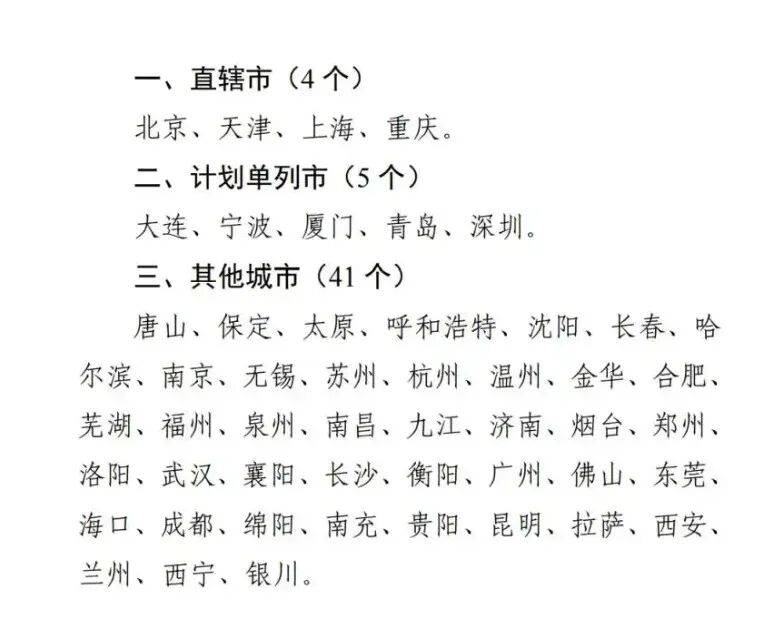
Core Points - The 37th "Galaxy Award" selection list has been officially announced, featuring singer G.E.M. Tang's science fiction novel "The Road to Revelation" as a nominee for the Best Original Book category [1][3] - The Galaxy Award, established in 1985, is the oldest and most influential science fiction award in China, often referred to as the "highest award in Chinese science fiction" [3] - The award categories include "Essay Awards" and "Industry Awards," with the Best Original Book award recognizing outstanding original books published in China in 2025 [3][6] Industry Insights - "The Road to Revelation" is noted for its broad imaginative scope, although some readers criticize its science fiction elements as weak, suggesting it leans more towards a romance novel [3][4] - The book has received significant market attention, with pre-sales of the premium edition exceeding 200,000 copies, indicating strong demand in a sluggish literary market [4] - The book is priced at 89 yuan for the paperback version and 298 yuan for the premium edition, reflecting a strategic pricing approach to capture different segments of the market [4] Author Background - G.E.M. Tang's transition from music to writing science fiction is seen as a natural progression, as she has previously incorporated science fiction narratives into her music [4] - The chair of the final review committee for this year's Galaxy Award is Liu Cixin, a prominent figure in Chinese literature, which adds credibility to the award process [6]
又一家国产GPU厂商完成IPO辅导,估值超105亿元
Sou Hu Cai Jing· 2026-01-01 10:56
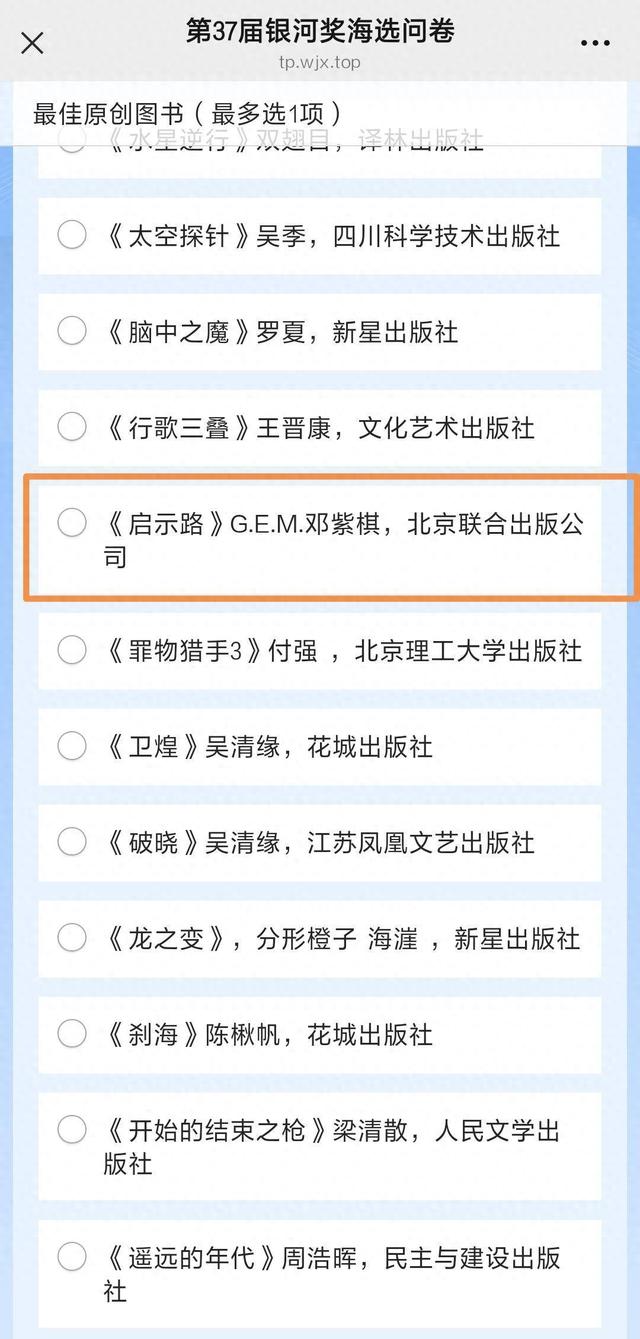
近日,瀚博半导体(上海)股份有限公司披露IPO辅导工作完成报告,辅导机构为中信证券股份有限公司。 △瀚博半导体第二代全功能GPU芯片 SG100 据介绍,瀚博SG100芯片采用7nm先进制程,具备业界领先的渲染性能,同时兼具低延时高吞吐的AI算力和强大的视频处理能力。搭载瀚博自研GPU软件 栈,业界一流的SR-IOV硬件虚拟化技术,支持Windows/Linux下的DirectX 11、OpenGL、Vulkan等API接口,支持H.264、H.265、AV1等多种视频编解码格 式,可广泛支持数字孪生、数字人、云桌面、云手机、云游戏、云渲染、工业软件等多领域应用,助力打造元宇宙产业算力底座。 此次辅导报告中指出,辅导期开始时,辅导对象募集资金投向方案尚未最终确定。辅导工作小组会同辅导对象管理层结合行业发展趋势、自身竞争优势、 未来发展规划,协助辅导对象研究确定并完善了募集资金投资项目计划,确保投资项目符合辅导对象未来发展所需。 另外,辅导对象的股东结构中机构股东较多,因此股东穿透后的间接股东数量较多、穿透核查工作量较大。辅导机构会同律师,根据相关法律法规的要 求,推进股东穿透核查。当前,辅导对象已落实相关监管 ...
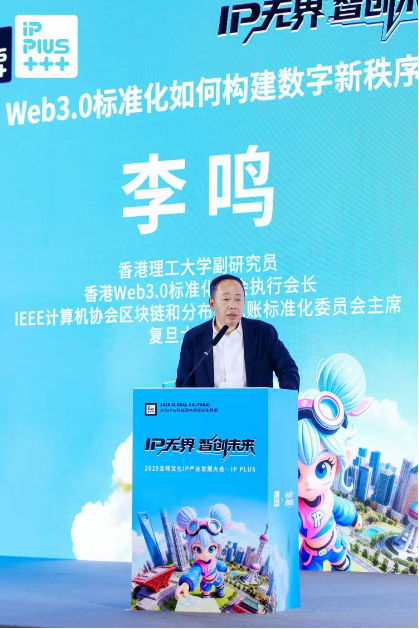
李鸣:Web3.0标准化如何构建数字新秩序
Xin Lang Cai Jing· 2025-12-31 13:19
Core Insights - The 2025 Global Cultural IP Industry Development Conference will be held in Shanghai on December 26-27, 2025, focusing on the theme "IP Without Borders: Intelligent Creation of the Future - Global Exploration of Cultural IP and Technology Integration" [3][6]. Group 1: Web3.0 and Blockchain Standardization - The prosperity of the digital asset era requires not only technological trends but also the establishment of credible rules through standardization [3][7]. - Blockchain can create a continuous link in areas such as proof of ownership, transaction exchange, and financial services, providing traceable and transferable capabilities for digital assets [3][7]. - The metaverse is described as a systemic process supported by various technologies rather than a single hardware or application [3][7]. Group 2: Industry Collaboration and Governance - There is a need for industry collaborative governance and international alignment to address real-world issues such as AI dizziness and blockchain-related gray and black markets [3][7]. - The work in Hong Kong aims to gather industry resources to establish an ecosystem that outputs research reports annually and promotes executable standards and norms [4][8]. Group 3: Importance of Standardization - Standardization is crucial for enabling collaboration among different parties by establishing a common language for expressing ownership, recording data, connecting transactions, implementing risk control, and conducting compliance audits [4][8]. - Without unified standards, the creation of isolated information silos can occur, leading to increased costs and insufficient interoperability [4][8]. - The initiative also includes aligning with international standardization organizations to ensure that Hong Kong's best practices can be effectively shared globally [4][8].
奔流日记|江海关、大歌剧院和万国学舍
Xin Lang Cai Jing· 2025-12-31 02:26
Group 1 - The Jiangnan New Village redevelopment project in Xuhui District involves the relocation of residents from 2,374 housing units, covering a total construction area of approximately 110,000 square meters [2] - Jiangnan Shipyard has a historical significance, having built 837 ships totaling 300,000 tons from 1865 to 1949, and 1,100 ships totaling 3.4 million tons from 1949 to 1995, indicating a significant increase in shipbuilding capacity post-liberation [3] - The Jiangnan Shipyard Museum showcases various historical maritime artifacts, including China's first submarine and the first self-designed 10,000-ton ship, highlighting the shipyard's contributions to naval history [3] Group 2 - The International Monetary Fund (IMF) Shanghai Center has opened to provide policy references for emerging markets and middle-income countries, enhancing dialogue and research in relevant policy areas [7] - IMF President Kristalina Georgieva emphasized the need for China to transition from an export-driven growth model to a consumption-driven one, citing challenges such as slowing productivity growth and high debt levels [8] - The Shanghai Center's establishment reflects China's ongoing engagement with the IMF and the importance of international cooperation in economic policy [8] Group 3 - The Shanghai Bund has seen the establishment of a new outdoor performance venue capable of hosting 30,000 to 50,000 attendees, filling a long-standing gap in high-standard outdoor event spaces in the central urban area [9] - The venue is part of a broader initiative to create a world-class performing arts cluster in the Pudong area, which includes several other cultural and sports facilities [9] Group 4 - The Jianghai Customs Museum is set to open in 2026, highlighting the historical significance of customs in Shanghai's trade and administrative history, dating back to the establishment of the customs office in 1685 [10][11] - The museum will focus on the evolution of customs management in Shanghai, including its role in international trade and local governance [11] Group 5 - The Shanghai Museum is hosting an exhibition on the history of the qipao, featuring 274 pieces from the collection of a prominent figure, showcasing the cultural significance of this traditional garment [17] - The exhibition aims to highlight the craftsmanship and historical context of the qipao, linking it to broader themes of fashion and identity in Shanghai [17]
年轻力标识新河南
He Nan Ri Bao· 2025-12-30 23:31
Group 1 - The core idea is that Henan province is experiencing a youthful transformation, showcasing innovation and modernity through various technological advancements and cultural expressions [1][2][3] - In Zhengzhou, a research team with an average age of 27 has developed a bionic tendon-driven humanoid robot, highlighting the province's commitment to cutting-edge technology [1] - In Luoyang, young engineers are utilizing AR glasses for virtual equipment parameter adjustments, significantly enhancing fault resolution efficiency in the "digital twin" production line [1] - In Xuchang, Gen Z influencers are promoting the latest national style wigs to global consumers in multiple languages, indicating a shift in the beauty economy driven by younger generations [1] Group 2 - The emergence of youthful energy in Henan is supported by a rich historical foundation and innovative breakthroughs, with policies actively embracing new business models and talent strategies [2] - Initiatives like the "Central Plains Talent Program" and digital talent cultivation projects are providing substantial support for young talents, creating an environment conducive to innovation and entrepreneurship [2] - The province is fostering a collaborative atmosphere where youthful wisdom meets industrial demand, leading to significant advancements in various sectors [2] Group 3 - The concept of "youthful energy" is associated with vitality, potential, and future development, reflecting a strong ambition and courage to rise [3] - The integration of ancient cultural elements with modern technology, such as the appearance of bronze patterns on trendy apparel, signifies a blend of tradition and innovation in Henan [3] - The provincial economic work conference has set the tone for the upcoming year, emphasizing the importance of developing new productive forces and integrating into the national market [3]
多部门划重点,2026年这么干
Zhong Guo Zheng Quan Bao· 2025-12-30 14:03
Group 1 - The government is focusing on optimizing the implementation of the old-for-new policy for consumer goods and expanding service consumption to boost overall consumption [1] - There is an emphasis on promoting employment and income growth through various channels, enhancing public service levels, and ensuring the stability of essential goods prices [1] - Measures will be taken to stabilize investment and promote major engineering projects as part of the "14th Five-Year Plan" [1] Group 2 - The development of emerging industries such as integrated circuits, new displays, and biomedicine is being prioritized, along with support for artificial intelligence and 6G technology research [2] - Efforts are being made to enhance regional integration and promote rural revitalization in a classified and orderly manner [2] - High-quality urban renewal initiatives are being implemented, focusing on community improvements and public space enhancements [2] Group 3 - The inclusion of flexible employment workers and migrant workers in maternity insurance coverage is being promoted, with efforts to reduce out-of-pocket expenses for childbirth [3] - The government is encouraging commercial health insurance to cover more reasonable medical expenses outside the basic medical insurance directory [3] - There is a commitment to increasing the share of renewable energy, with plans for significant additions in wind and solar power capacity [3]
三六零“财务造假”风波:资本迷局还是公司困局?
Xin Lang Cai Jing· 2025-12-30 10:29
Core Viewpoint - The recent allegations by former employee Yu Hong against 360 (601360.SH) regarding financial misconduct have caused significant market turmoil and raised concerns about the company's financial integrity and management stability [3][4][14]. Group 1: Allegations and Market Reaction - Yu Hong accused 360 of inflating game revenues by at least tens of billions through practices like "self-recharge" and inconsistent contracts [3][4]. - Following the allegations, 360's stock price dropped for two consecutive days, resulting in a market value loss of approximately several billion yuan [4][15]. - The allegations may stem from previous disputes over equity and profit distribution between Yu Hong and the company [4][15]. Group 2: Company Performance and Management Issues - 360 was founded in 2005 and went public in the U.S. before being privatized in 2015 for about $9.3 billion. It returned to the A-share market in 2017 through a reverse merger valued at 50.4 billion yuan, reaching a market cap of over 440 billion yuan at its peak [5][16]. - The company reported net profits of 3.372 billion yuan and 3.535 billion yuan in 2017 and 2018, respectively, with a peak of 5.98 billion yuan in 2019. However, since 2020, the company has faced declining performance, with a 9.55% drop in revenue and a 51.3% drop in net profit [6][16]. - From 2022 to 2024, 360 experienced consecutive losses totaling 3.79 billion yuan, with significant management turnover impacting strategic continuity [7][17]. Group 3: Strategic Direction and Challenges - 360 has undergone multiple strategic shifts, including a focus on enterprise security and digital safety, but has struggled to maintain a competitive edge against rivals like Qihoo 360 and Deepin Technology [7][10]. - The company's recent initiatives, such as launching "360 Smart Brain" and pursuing AI and metaverse projects, have faced slow commercialization and raised questions about strategic coherence [10][20]. - The founder, Zhou Hongyi, has gained significant media attention, which some investors believe detracts from effective management during critical business transitions [20][21].


湖南省自然资源厅副厅长宋琤:建成国内首个超高清元宇宙馆 相关产品已创造超4亿元经济价值
Xin Lang Cai Jing· 2025-12-30 09:44
Core Viewpoint - Hunan Province has established the first ultra-high-definition metaverse museum in China, generating over 400 million yuan in economic value through the integration of digital technology and cultural tourism [1] Group 1: Economic Impact - The related products from the ultra-high-definition metaverse museum have created an economic value exceeding 400 million yuan [1] - The digital collectibles released have attracted over 20 million people, with the highest transaction price reaching 80,000 yuan [1] Group 2: Technological Integration - Hunan is leveraging the "Real Scene 3D Zhangjiajie" project to promote the deep integration of digital technology with cultural tourism [1] - The initiative aims to transform technological achievements into an industrial ecosystem [1] Group 3: Event Support - The project supports the first provincial tourism development conference, contributing to the development of Zhangjiajie as a city [1]