
全民健身

Search documents
展现城市多元“体育性格”——来自第十五届全国运动会的报道
Jing Ji Ri Bao· 2025-11-21 22:40
Core Viewpoint The 15th National Games, hosted by 19 cities in the Guangdong-Hong Kong-Macao Greater Bay Area, showcases the region's strong economic and sports industry foundation, highlighting each city's unique sports identity and promoting sports consumption and tourism. Group 1: Sports Infrastructure and Economic Impact - The opening ceremony featured advanced sports venues, such as the flexible turf system in Hong Kong and sound-reducing materials in Macau, demonstrating the robust sports industry foundation in the region [2] - Guangzhou's sports industry is projected to reach a total scale of 237.23 billion yuan in 2024, with sports consumption at 63.12 billion yuan, indicating a strong market presence [2] - Hong Kong's sports-related activities contributed 44 billion HKD to the GDP, accounting for 1.5% of the local economy, with a budget of approximately 7.9 billion HKD allocated for sports development in the 2024-2025 fiscal year [3] Group 2: Unique Sports Identity of Cities - Each host city has a distinct sports identity, such as Dongguan as the "City of Basketball" and Shantou as the "Surfing Capital," enhancing the local sports culture and community engagement [4] - The cycling event marked the first cross-border competition in the history of the National Games, showcasing innovative organizational methods and promoting Zhuhai as a "Cycling City" [4] Group 3: Community Engagement and Mass Participation - The National Games included 23 major events and 166 minor events, emphasizing mass participation and cultural integration through activities like dragon boat racing and Tai Chi [5] - Foshan, recognized as the "Dragon Boat City," successfully hosted multiple community events, winning all six gold medals in dragon boat competitions, reflecting local enthusiasm for sports [5][6] Group 4: Economic Synergy through Events - Guangzhou's "City Partner" initiative connects enterprises with urban development, enhancing sports consumption through events like the "Guangzhou International Sports Carnival" [7] - Shenzhen's initiatives aim to integrate cultural and sports activities, enhancing tourism and local engagement during the National Games [7][8] Group 5: Tourism and Consumption Boost - The "ticket root economy" strategy encourages tourism and local spending, with initiatives in Shenzhen promoting discounts and experiences linked to the National Games [8] - The integration of sports with tourism in cities like Shaoguan and Shantou has led to increased visitor stay duration and hotel occupancy rates, significantly boosting local economies [8][9] Group 6: Future Prospects - Guangdong plans to continue leveraging the benefits from the National Games through future events, aiming to establish a "Fitness Guangdong" brand and enhance regional sports tourism [9]
8项世界纪录!一组数据带你看全运
Yang Shi Xin Wen Ke Hu Duan· 2025-11-21 03:23
Group 1 - The 15th National Games showcased outstanding performances with over 8 world records, 5 world youth records, 13 Asian records, 10 Asian youth records, 14 national records, and 7 national youth records set across various sports [1] - A total of 37 participating delegations saw 31 winning gold medals and 35 winning medals overall, highlighting the competitive spirit and talent across regions [2] - The event featured 23 major categories and 166 minor categories in mass sports activities, with 11,000 participants from diverse backgrounds, enhancing community engagement and promoting fitness [2] Group 2 - Coastal provinces such as Guangdong, Shandong, Zhejiang, Jiangsu, Shanghai, and Fujian demonstrated strong overall performance in terms of project variety and participant numbers [2] - Other provinces like Hubei, Beijing, and Sichuan excelled in their respective strong sports, while regions like Hebei, Henan, Guizhou, Guangxi, and Ningxia showed significant improvement, promoting balanced development in competitive sports across the country [2] - The event not only showcased athletic talent but also fostered friendship and community spirit among participants, contributing to a sense of achievement and happiness among the public [2]
新契机 新实践 新起点(赛场观潮)
Ren Min Ri Bao· 2025-11-20 21:54
Group 1 - The 15th National Games, hosted jointly by Guangdong, Hong Kong, and Macau, showcases the advantages of collaborative event organization, resource sharing, and talent integration, providing valuable experience for regional cooperation and high-quality development in the Greater Bay Area [1] - The event serves as a new opportunity for Macau's diversified development, leveraging its strengths in exhibitions and tourism to create a vibrant atmosphere around the National Games, enhancing its capacity to host large-scale sports events and promoting the construction of a sports city [1] - Macau's role as the host for the National Games represents a new practice of integrating into the national development framework, with innovative measures in event preparation, cross-border coordination, and data connectivity, exemplified by the simultaneous relay of the torch across four cities and seamless transitions during competitions [1] Group 2 - The National Games mark a new starting point for promoting national fitness, with sports becoming a regular part of life, enhancing social cohesion while encouraging a healthy lifestyle among the populace [2] - The event embodies the spirit of Chinese modernization, using the Greater Bay Area as a focal point and sports as a lever to gather momentum for national construction and the rejuvenation of the nation [2]
数读中国|体育经济方兴未艾 赛事流量转化为发展增量
Yang Guang Wang· 2025-11-20 12:32
Core Insights - The sports economy is emerging as a new engine for driving domestic demand in China, with significant consumer spending linked to various sporting events [1][3][11] - Events like "Village Super" and "Zhejiang BA" are showcasing the potential of grassroots sports to stimulate local economies and enhance community engagement [2][4][6] Economic Impact of Sports Events - In the first half of the year, 511 key sporting events across seven regions generated over 16 billion yuan in related consumption, averaging over 30 million yuan per event [1] - The "Zhejiang BA" basketball league attracted over 100,000 online ticket buyers, demonstrating the popularity and community involvement in local sports [6] - The "Su Super" league reported a remarkable leverage effect, with 1 yuan in ticket sales generating 7.3 yuan in surrounding consumption [8] Integration of Sports and Local Economy - Sports events are increasingly integrated with local tourism and cultural activities, enhancing the overall consumer experience [7][10] - The "Zhejiang BA" event featured local delicacies and cultural performances, further promoting regional products and tourism [7][8] - In Jiangsu, the city football league has been linked to travel initiatives, driving significant visitor numbers and spending [3][14] Policy Support and Future Growth - The Chinese government is actively promoting the sports economy through policies aimed at enhancing sports consumption and developing a multi-tiered event system [11][12] - The sports industry in Guangdong has seen substantial growth, with a total scale exceeding 700 billion yuan, accounting for about one-fifth of the national total [11] - The "14th Five-Year Plan" emphasizes the importance of sports in driving high-quality economic development, indicating a strong future for the sports economy [14]

体育赛事热 健身去处多(迈向“十五五”的文化图景)
Ren Min Ri Bao· 2025-11-19 22:20
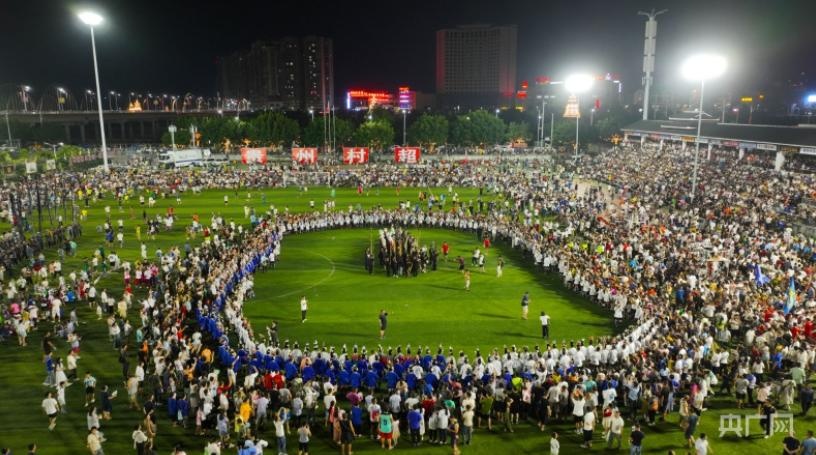
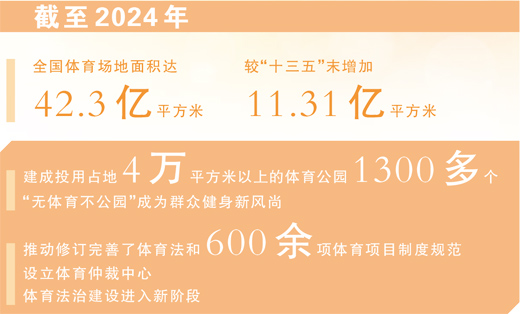
Core Insights - The article emphasizes the significant progress in promoting mass sports and competitive sports in Jiangsu, highlighting the transformation of public demand for sports facilities from mere availability to quality and accessibility [3][4][5]. Group 1: Development of Sports Infrastructure - Jiangsu has built over 1,400 sports parks and 5.23 million kilometers of fitness trails, with a total of 363,700 sports venues [4]. - The "Village World Cup" football tournaments have expanded, with participation from over 70 teams across various provinces, enhancing brand influence and local tourism [4][5]. - The "Su Super" event attracted over 22 billion viewers across 85 matches in six months, showcasing the growing interest in sports [3]. Group 2: Community Engagement and Participation - The article discusses the shift in public perception towards sports facilities, with a focus on quality and user experience, as evidenced by community feedback on sports equipment and venues [4][6]. - Various local sports initiatives, such as "Village BA" and "Village Run," have emerged, reflecting the diverse interests of the community [5]. - The integration of sports into daily life is evident, with increasing participation from families and individuals in community sports activities [5][6]. Group 3: Future Goals and Initiatives - The focus for the "15th Five-Year Plan" includes enhancing the accessibility and quality of public sports services, promoting scientific exercise, and fostering a culture of active participation [6][8]. - The aim is to transition public engagement in sports from mere interest to informed participation, improving overall health outcomes [6][8]. - The article highlights the importance of top-level design and collaboration among various sectors to meet the diverse fitness needs of the population [8].
赛时容器秒变市民健身房,十五运会场馆升级驱动价值延伸
2 1 Shi Ji Jing Ji Bao Dao· 2025-11-19 10:51
Core Viewpoint - The Fifteenth National Games successfully addressed the issue of post-event venue utilization through forward-looking planning, emphasizing a "simple, safe, and exciting" event philosophy, with over 90% of venues being renovated existing facilities and only five newly constructed [1] Group 1: Venue Utilization and Planning - The key to post-event venue operation lies in transforming venues from single-sport functions to multi-functional spaces that include sports, culture, commerce, and community, achieving a dynamic balance between high-end commercial activities and public services [1] - The renovation of venues for the Fifteenth National Games incorporates green energy-saving designs, smart operations, and human-centered designs, focusing on post-event public use [2] - The Guangdong Olympic Sports Center's renovation included significant energy-saving measures, such as reducing air conditioning load by nearly 30% and installing photovoltaic panels to cut carbon emissions by approximately 200 tons annually [2] Group 2: Smart and Safe Upgrades - The Guangzhou Sports Center's renovation emphasizes smart and safety needs, featuring AR navigation for enhanced viewing experiences and upgraded infrastructure to meet international standards [3] - The Guangzhou Sports Center serves as a model for accessibility, providing sign language and text services, as well as barrier-free facilities for diverse user groups [3] Group 3: Community Integration and Fitness Promotion - Large-scale events can effectively stimulate societal interest in sports, and the successful integration of venues into urban life post-event is crucial for promoting public fitness [4] - Various case studies illustrate the diverse post-event utilization of venues, such as the Guangdong Olympic Sports Center transforming into a public fitness area and the Tianhe Sports Center evolving into an open fitness park [5] - Venue operations post-event often adopt government-led, public-private partnership, or market-oriented models, which are flexible based on local economic conditions and policies [5] Group 4: Regional Strategies and Sustainable Development - The utilization of venues can be enhanced according to the city's positioning, with Guangdong focusing on comprehensive venue accessibility, Hong Kong leveraging high-end events, and Macau catering to unique cultural and sports needs [6] - The renovation and post-event utilization of venues for the Fifteenth National Games create a virtuous cycle of "promoting venues through events, driving production through venues, and benefiting the public," integrating venues into urban life and supporting public health and cultural development [6]
从场地有限到全城“热练”
Chang Sha Wan Bao· 2025-11-18 04:28
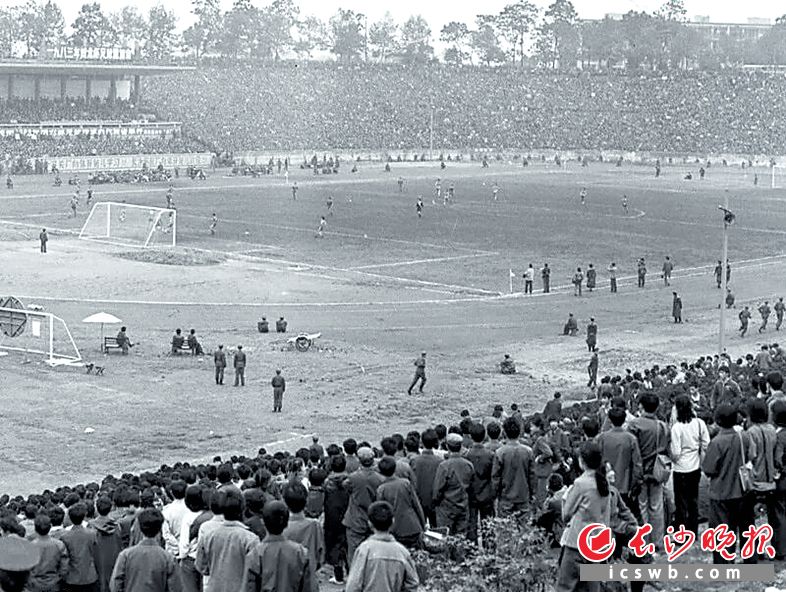
Core Viewpoint - The article highlights the evolution of sports in Changsha over the past 40 years, emphasizing the integration of sports into the city's development and its role in enhancing public health and community engagement [5][6][24]. Group 1: Historical Context - The first sports meeting in Changsha took place in 1985, featuring 37 delegations and 1,400 athletes, with a total audience of 100,000, marking a foundational moment for the city's sports culture [5][10]. - The inaugural event established the principle of "developing sports and enhancing public health," which has guided the city's sports initiatives [9][23]. Group 2: Current Sports Participation - As of now, 43.9% of the population in Changsha regularly participates in sports, indicating a significant cultural shift towards active lifestyles [11]. - The city has seen a transformation in sports facilities, with per capita sports area increasing from 2.28 square meters to 3.42 square meters, surpassing the national average [13][14]. Group 3: Community Engagement and Facilities - Initiatives like "National Ball into Communities" have made sports more accessible, with new facilities being built in local neighborhoods, enhancing community engagement [15][20]. - The city has repurposed underutilized spaces for sports facilities, benefiting over 300,000 residents through various community projects [15][20]. Group 4: Youth Sports Development - Changsha has developed a comprehensive youth training system, with a focus on integrating sports education at various levels, from schools to community programs [16][17]. - The city successfully hosted the first National Youth "Three Major Balls" Games in 2024, showcasing its commitment to youth sports [17]. Group 5: Event-Driven Sports Culture - The sports culture in Changsha is further enriched by a diverse range of events, from local leagues to international competitions, fostering community spirit and participation [18][19]. - The city plans to host over 200 national and international events in 2025, aiming to enhance its sports profile and community engagement [21][22].
好评中国|动画微视频:全运燃情大湾区,体育强国启新程
Huan Qiu Wang· 2025-11-18 02:59
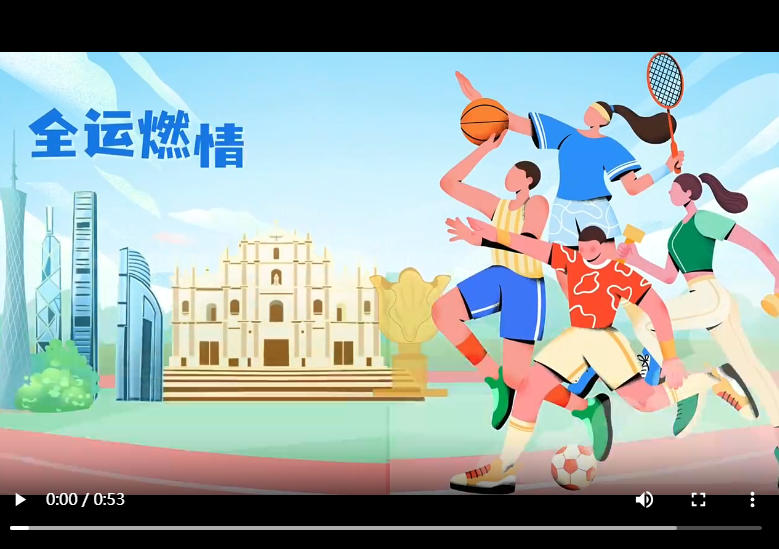
Group 1 - The 15th National Games marks the first time the event is jointly hosted by Guangdong, Hong Kong, and Macau, showcasing the integration of the Greater Bay Area and the practice of "One Country, Two Systems" [2] - The event serves as a catalyst for the integration and sharing of sports resources in the Greater Bay Area, promoting regional development and demonstrating China's collaborative development vitality to the world [2] - The National Games features 11,000 community athletes, embodying the "National Fitness" concept and reflecting the increasing public engagement in sports [3] Group 2 - The National Games highlights the importance of sports in promoting economic and social development, showcasing China's soft power and the integration of sports into national development [4] - The event stimulates sports consumption and fosters deep integration between the sports industry and sectors like culture, tourism, and technology, injecting new vitality into the Greater Bay Area economy [4] - The National Games serves as a bridge between competitive sports and community sports, igniting public enthusiasm for fitness and emphasizing a people-centered development approach [3][4]
十五运会为香港发展注入新动能 全城跃动 活力迸发(全运大视野)
Ren Min Ri Bao· 2025-11-17 22:01
Core Insights - The 15th National Games, co-hosted by Guangdong, Hong Kong, and Macau, represents an innovative practice in the history of the Games and promotes collaborative development in the Greater Bay Area [1] Group 1: Event Organization and Preparation - Hong Kong has made extensive preparations for the event, ensuring smooth operations through optimized routes and technology for "zero delay, zero contact, and zero waiting" customs clearance [2] - The Hong Kong region hosted 8 competitive events and 1 mass event, gaining valuable experience in event organization and volunteer training [2] - The event has enhanced Hong Kong's capabilities in organizing large-scale international sports events [3] Group 2: Economic Impact and Development - The Kai Tak Sports Park has attracted over one million visitors since its opening in March, showcasing the acceleration of Hong Kong's sports economy [4] - The Hong Kong government plans to allocate approximately HKD 7.9 billion for sports development from 2024 to 2025, doubling the budget from ten years ago [4] - The National Games have stimulated demand for professionals in sports coaching, officiating, sports medicine, and event management, enhancing the professionalization and industrialization of Hong Kong's sports sector [4] Group 3: Community Engagement and Cultural Impact - The event has significantly boosted local tourism and cultural industries, with increased foot traffic in popular shopping areas and restaurants [5] - The success of the Hong Kong team in various sports has fostered a sense of pride and unity among residents, enhancing their connection to the Greater Bay Area [6][7][8] - Community initiatives, such as the "All City Sports Day," have increased public engagement in sports, promoting a culture of fitness and participation [8]
第十五届全运会:共燃全民健身 畅享文旅消费
Yang Shi Wang· 2025-11-16 22:47
Core Viewpoint - The 15th National Games is leveraging "Sports+" as a link to promote widespread participation in sports across Guangdong, Hong Kong, and Macau, while stimulating cultural and tourism consumption through unique event designs and routes, thereby releasing new momentum for regional collaborative development [1] Group 1 - The event aims to enhance public engagement in sports across the three regions [1] - It focuses on integrating sports with cultural and tourism sectors to boost economic activity [1] - The design of distinctive routes and events is intended to stimulate consumer spending in the region [1]